
Boost your CX strategy with our core CX skills PPT. Train employees to deliver excellent service to both external and internal customers, manage interactions effectively, and enhance overall satisfaction. Understand key elements of customer service and learn effective techniques and skills.
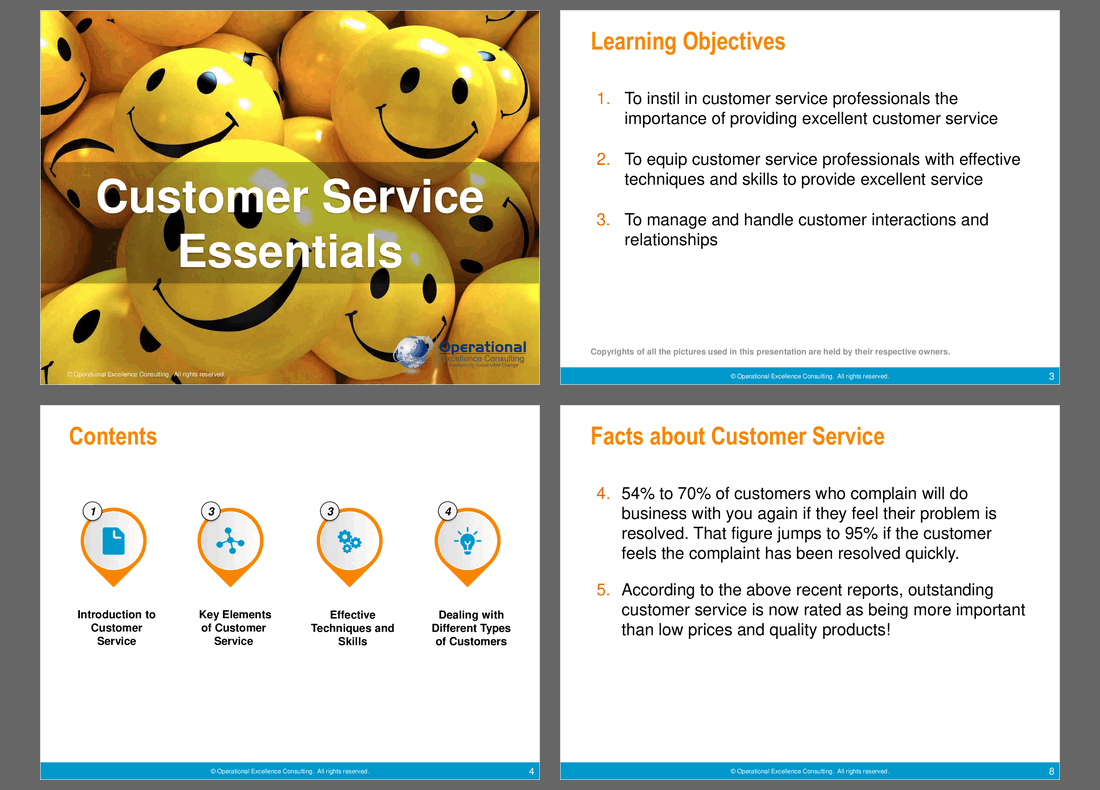
LEARNING OBJECTIVES
1. To instil in customer service professionals the importance of providing excellent customer service
2. To equip customer service professionals with effective techniques and skills to provide excellent service
3. To manage and handle customer interactions and relationships
CONTENTS
1. Introduction to Customer Service
2. Key Elements of Customer Service
3. Effective Techniques and Skills
4. Dealing with Different Types of Customers
This training powerpoint includes exercises for individual and group discussions and role plays.
Note: In addition to this training presentation, you may also be interested in the following presentations on Customer Experience (CX) (sold separately):
• Customer-Centricity
• Digital Customer Service (DCS)
• Design Thinking
• Customer Journey Mapping
• Business Model Canvas
• Value Proposition Canvas
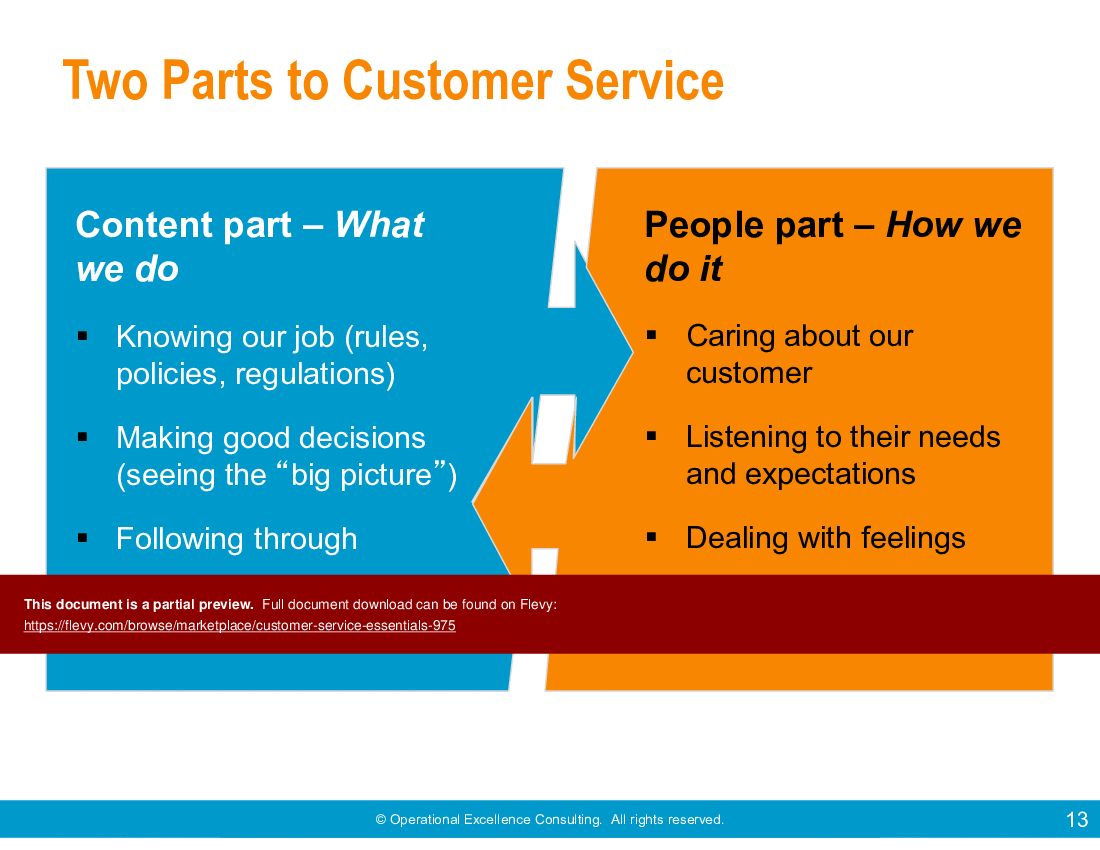
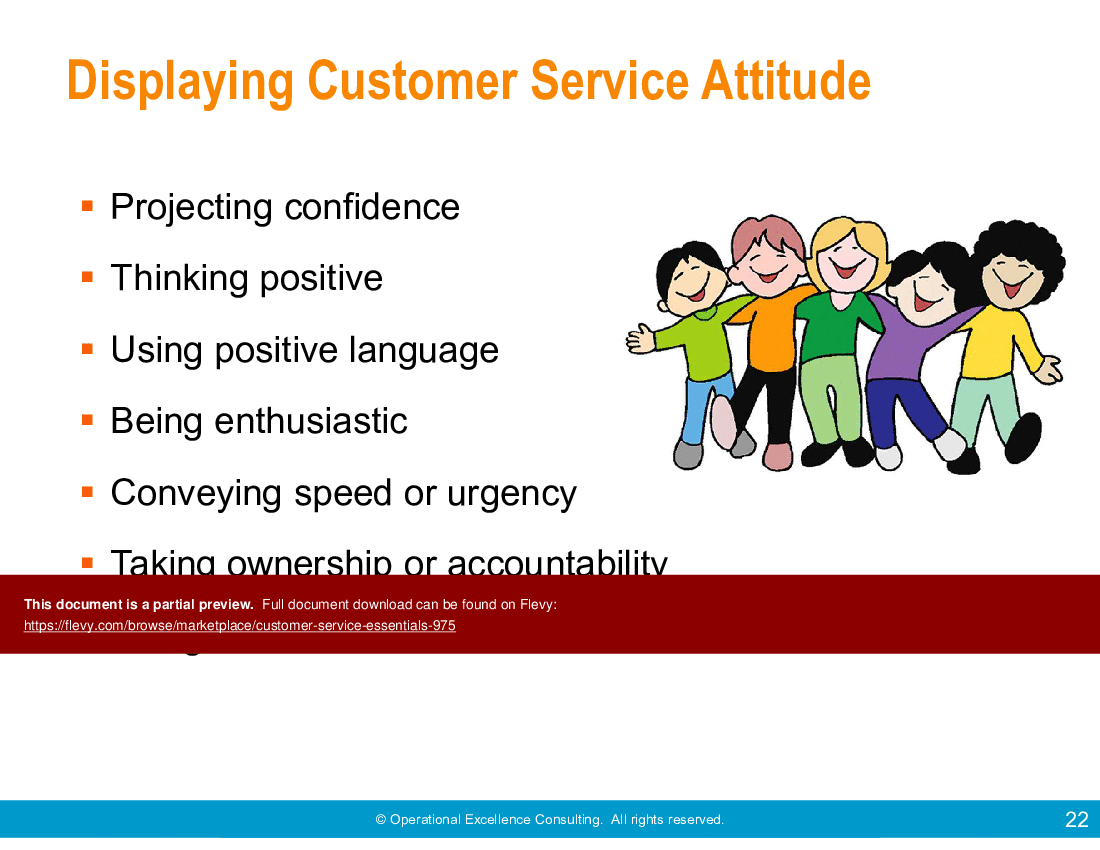
This presentation dives deep into the critical aspects of customer service, emphasizing the importance of a proactive attitude and effective communication. It highlights the significance of understanding both the content and people parts of customer service, ensuring employees are well-versed in rules, policies, and the emotional intelligence required to handle various customer interactions. The document also includes practical exercises and real-world scenarios, such as the Pike Place Fish video, to illustrate key concepts. Equip your team with the skills to project confidence, handle complaints effectively, and maintain a positive service attitude, ultimately driving customer satisfaction and retention.
Got a question about the product? Email us at support@flevy.com or ask the author directly by using the "Ask the Author a Question" form. If you cannot view the preview above this document description, go here to view the large preview instead.
Executive Summary
The Customer Service Essentials presentation is designed to enhance the skills and techniques of customer service professionals. This training deck provides a structured approach to delivering exceptional customer service, focusing on the importance of customer satisfaction and retention. Participants will learn effective communication strategies, how to manage customer interactions, and the key elements that define excellent service. By utilizing this presentation, organizations can foster a culture of customer-centricity, leading to improved customer loyalty and business performance.
Who This Is For and When to Use
• Customer service managers and team leaders seeking to improve service quality
• Frontline employees in retail, hospitality, and service industries
• Training and development professionals responsible for staff training
• Organizations aiming to enhance customer experience and satisfaction
Best-fit moments to use this deck:
• During onboarding sessions for new customer service employees
• As part of ongoing training programs to refresh service skills
• In workshops focused on improving customer interaction techniques
Learning Objectives
• Instill the importance of providing excellent customer service
• Equip professionals with effective techniques and skills for service delivery
• Manage and handle customer interactions and relationships effectively
• Understand the key elements that contribute to exceptional customer service
• Develop strategies for dealing with various customer types
Table of Contents
• Introduction to Customer Service (page 1)
• Key Elements of Customer Service (page 2)
• Effective Techniques and Skills (page 3)
• Dealing with Different Types of Customers (page 4)
Primary Topics Covered
• Introduction to Customer Service - Overview of customer service principles and its significance in business operations.
• Key Elements of Customer Service - Exploration of the RATER model, which includes Reliability, Assurance, Tangibles, Empathy, and Responsiveness.
• Effective Techniques and Skills - Practical skills for greeting customers, establishing rapport, and creating positive first impressions.
• Dealing with Different Types of Customers - Strategies for managing various customer personalities, including the talkative, angry, and indecisive customer.
Deliverables, Templates, and Tools
• Customer service training handouts for reference
• Role-play scenarios for practicing customer interactions
• Checklists for effective customer service techniques
• Feedback forms for assessing service quality
Slide Highlights
• The RATER model slide illustrating the 5 key elements of customer service
• Techniques for establishing rapport and creating positive first impressions
• Examples of phrases that build customer relationships versus those that damage them
• Strategies for handling difficult customers and saying "no" positively
Potential Workshop Agenda
Customer Service Fundamentals (60 minutes)
• Introduction to customer service principles
• Discussion on the importance of customer satisfaction
Effective Communication Techniques (90 minutes)
• Role-playing customer interactions
• Practicing active listening and empathy
Dealing with Difficult Customers (60 minutes)
• Identifying different customer types
• Strategies for managing challenging interactions
Customization Guidance
• Tailor the content to reflect specific organizational policies and procedures
• Incorporate company-specific examples and scenarios for role plays
• Adjust the training duration based on team availability and needs
Secondary Topics Covered
• Importance of a positive organizational image
• Techniques for effective written and verbal communication
• Factors affecting the quality of service
• Strategies for planning good customer service
FAQ
What is the RATER model?
The RATER model defines 5 key elements of customer service: Reliability, Assurance, Tangibles, Empathy, and Responsiveness, which help assess service quality.
How can I improve my customer service skills?
Focus on effective communication, active listening, and empathy. Practice techniques for establishing rapport and managing different customer types.
What should I do if a customer is angry?
Listen carefully, empathize, and propose an action plan to resolve the issue without escalating the situation.
Why is customer service important?
Excellent customer service leads to increased customer satisfaction, loyalty, and ultimately, higher profits for the organization.
How can I create a positive first impression?
Be confident, knowledgeable, and attentive. Smile, establish eye contact, and greet customers warmly.
What are some common barriers to effective communication?
Barriers can include lack of attention, distractions, and misunderstandings. Actively listen and seek feedback to overcome these barriers.
How do I handle a talkative customer?
Ask closed questions, limit pauses, and provide minimal responses while maintaining a pleasant demeanor.

What techniques can I use to build customer relationships?
Use positive language, express empathy, and ensure clear communication to foster trust and rapport with customers.

Glossary
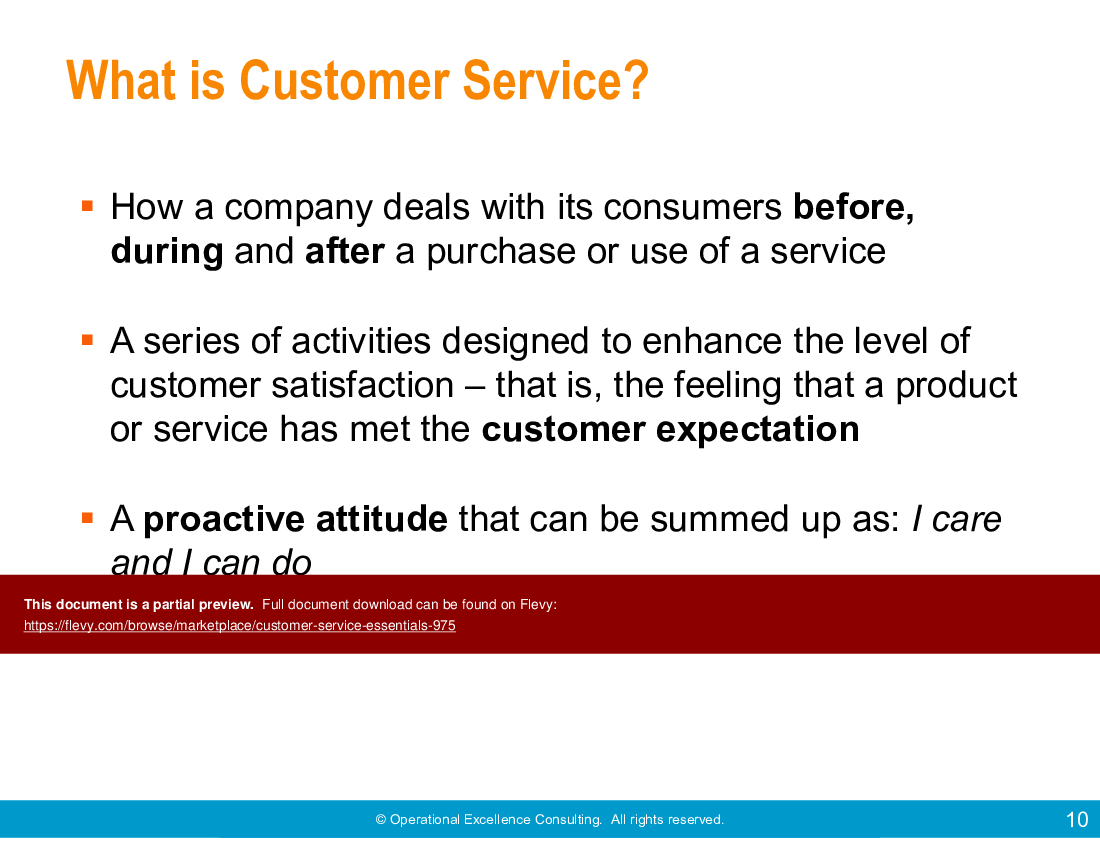
• Customer Service - The support and assistance provided to customers before, during, and after a purchase.
• RATER Model - A framework for assessing service quality based on Reliability, Assurance, Tangibles, Empathy, and Responsiveness.
• Empathy - The ability to understand and share the feelings of another, crucial for effective customer interactions.
• Active Listening - Fully concentrating on what is being said rather than just passively hearing the message.
• Customer Satisfaction - A measure of how products and services meet or exceed customer expectations.
• First Impression - The initial perception a customer forms about a service or organization, often established within the first few seconds.
• Service Recovery - Actions taken by a company to rectify a service failure and restore customer satisfaction.
• Customer Retention - The ability of a company to retain its customers over time, often through excellent service.
• Communication Barriers - Obstacles that hinder effective communication, such as distractions or misunderstandings.
• Customer Loyalty - A customer's commitment to repurchase or continue using a brand or service.
• Feedback - Information provided by customers about their experience, used to improve service quality.
• Service Standards - Established guidelines that define the expected level of service quality within an organization.
Source: Best Practices in Customer Service PowerPoint Slides: CX Improvement Program: Customer Service Essentials PowerPoint (PPTX) Presentation Slide Deck, Operational Excellence Consulting
This document is available as part of the following discounted bundle(s):
Save %!
Service Excellence Training Package
This bundle contains 4 total documents. See all the documents to the right.
|
Receive our FREE presentation on Operational Excellence
This 50-slide presentation provides a high-level introduction to the 4 Building Blocks of Operational Excellence. Achieving OpEx requires the implementation of a Business Execution System that integrates these 4 building blocks. |