
 Click main image to view in full screen. Unlock all 17 preview images:
Corporate Training & Development – PowerPoint PPTX Template
PowerPoint (PPTX) 51 Slides


BENEFITS OF THIS DOWNLOADABLE POWERPOINT DOCUMENT
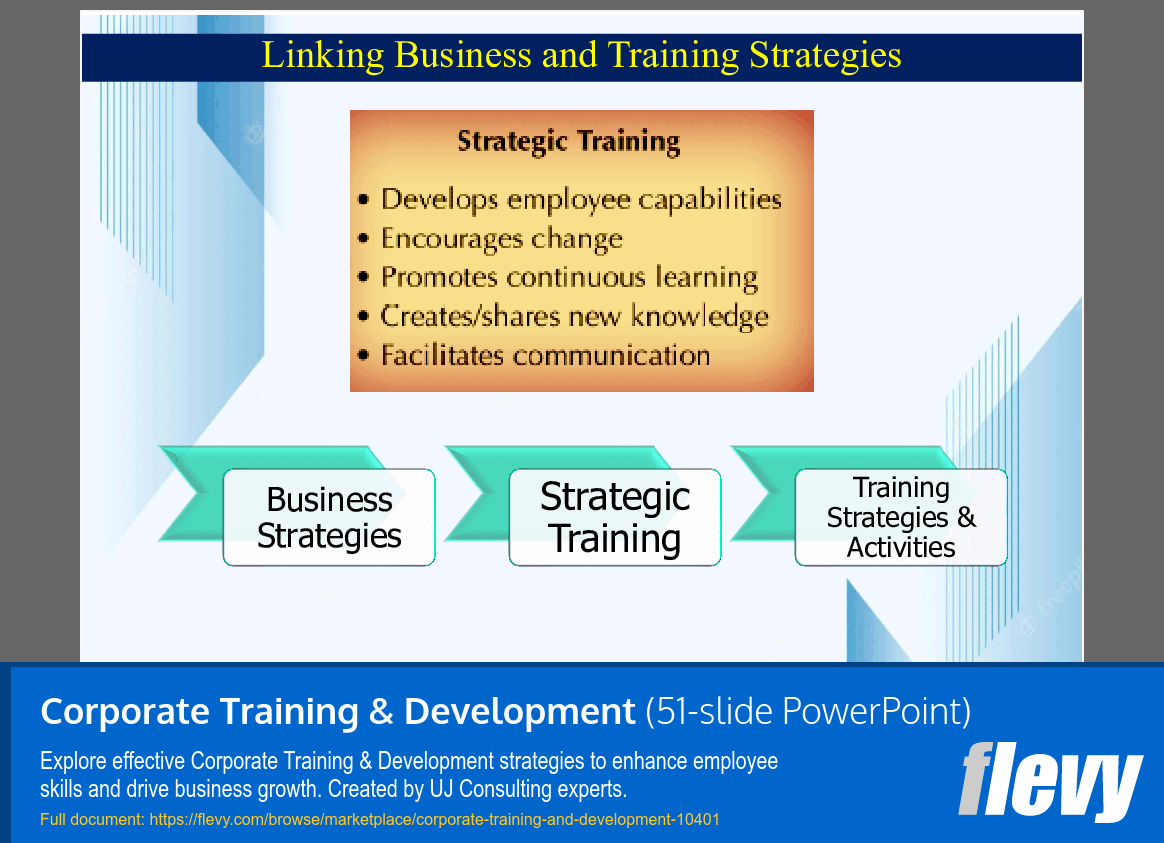
- Provide a framework of the Linking Business and Training Strategies
- Provide of Costs and Benefits Analysis of Training & Measuring The ROI of Training
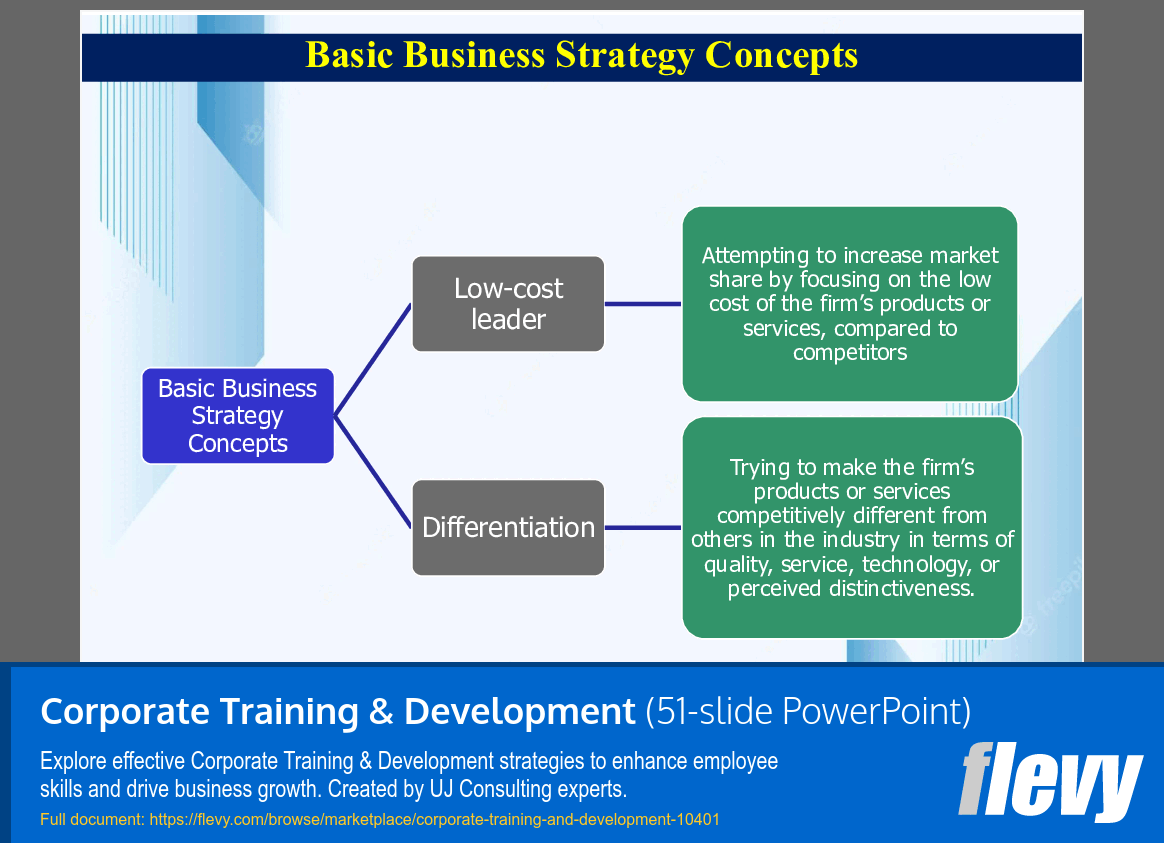
- Provide a Basic Business Strategy Concepts
EMPLOYEE TRAINING PPT TEMPLATE DESCRIPTION
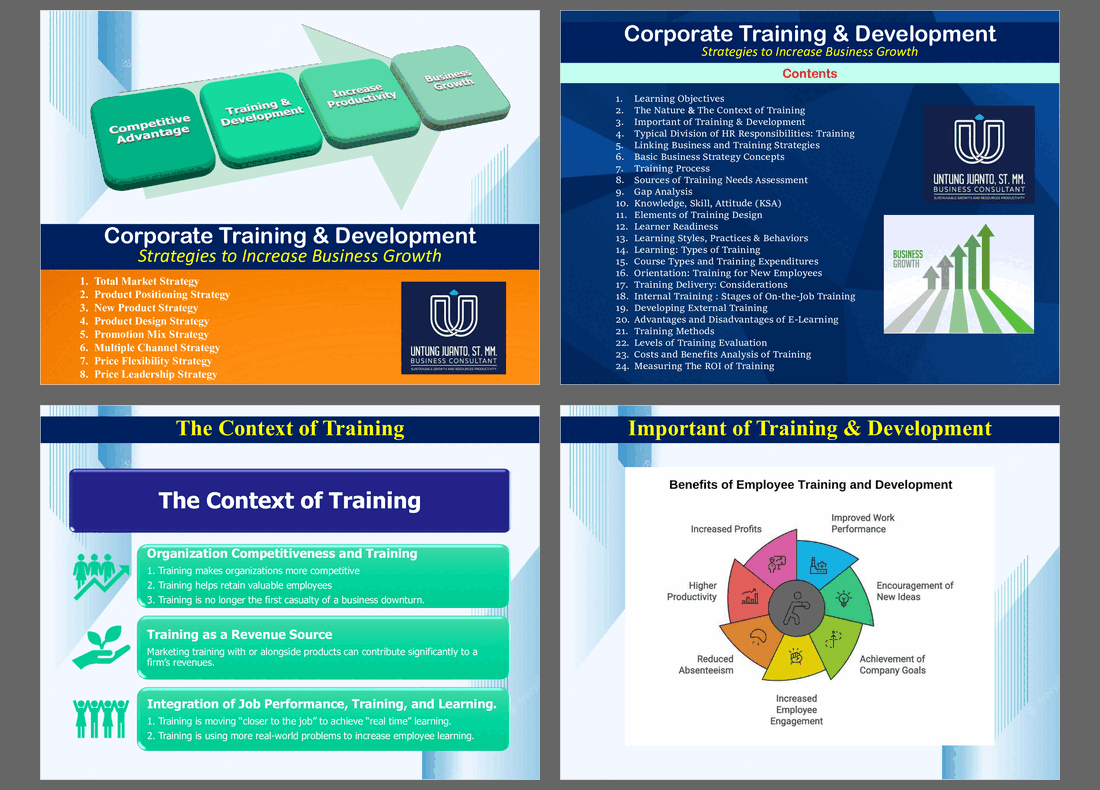
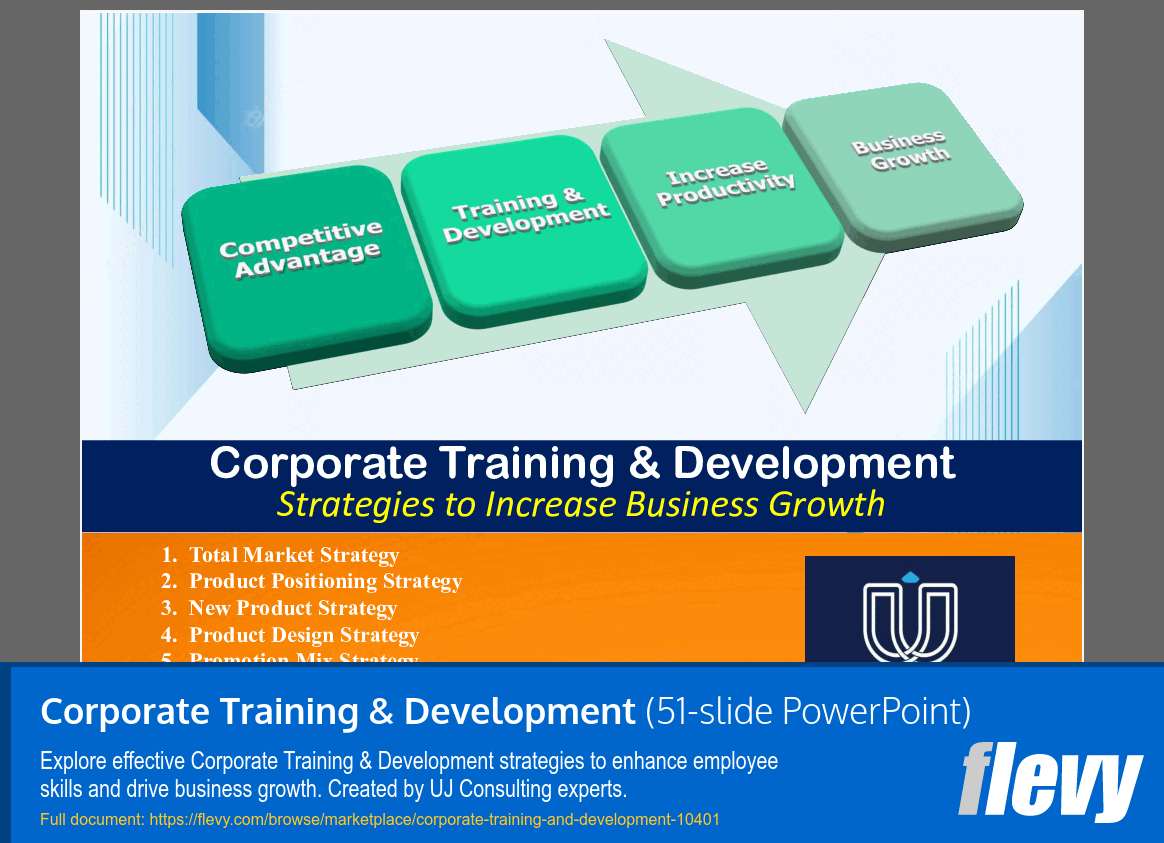
Corporate Training & Development Strategies to Increase Business Growth
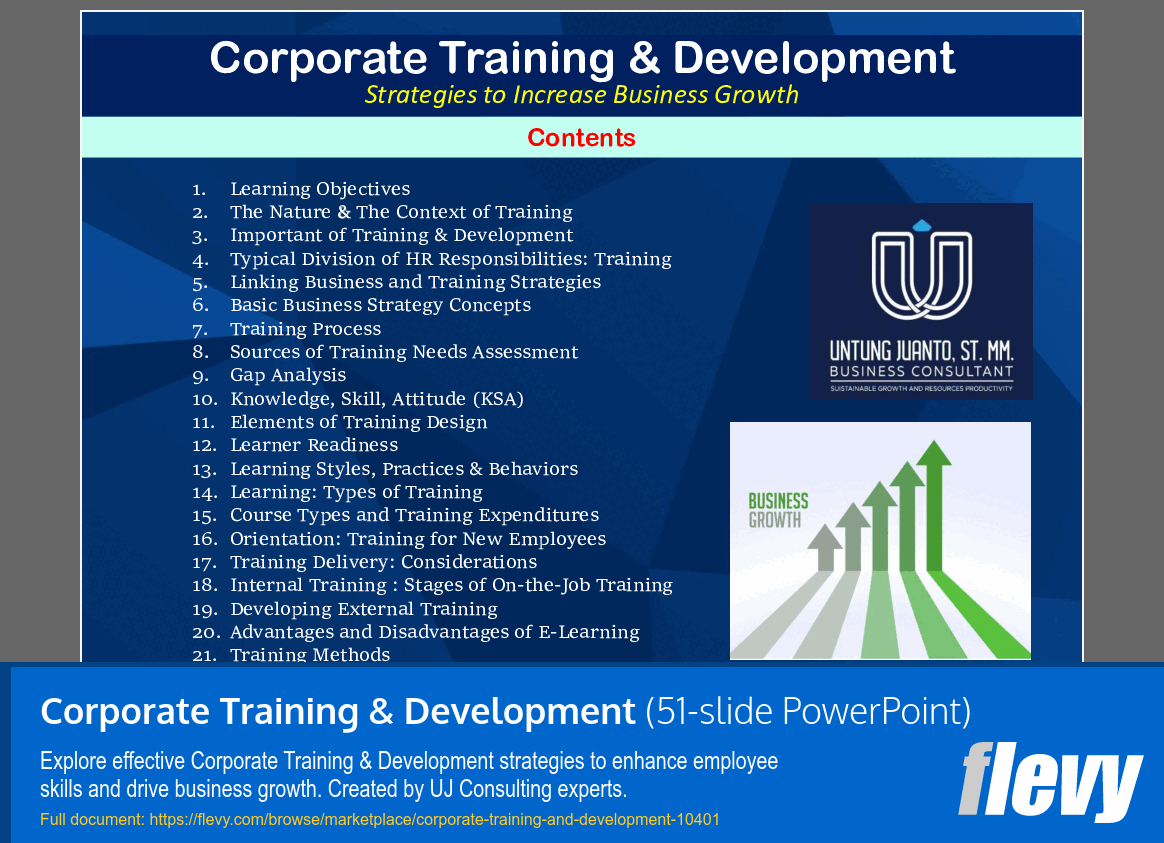
Contents
1. Learning Objectives
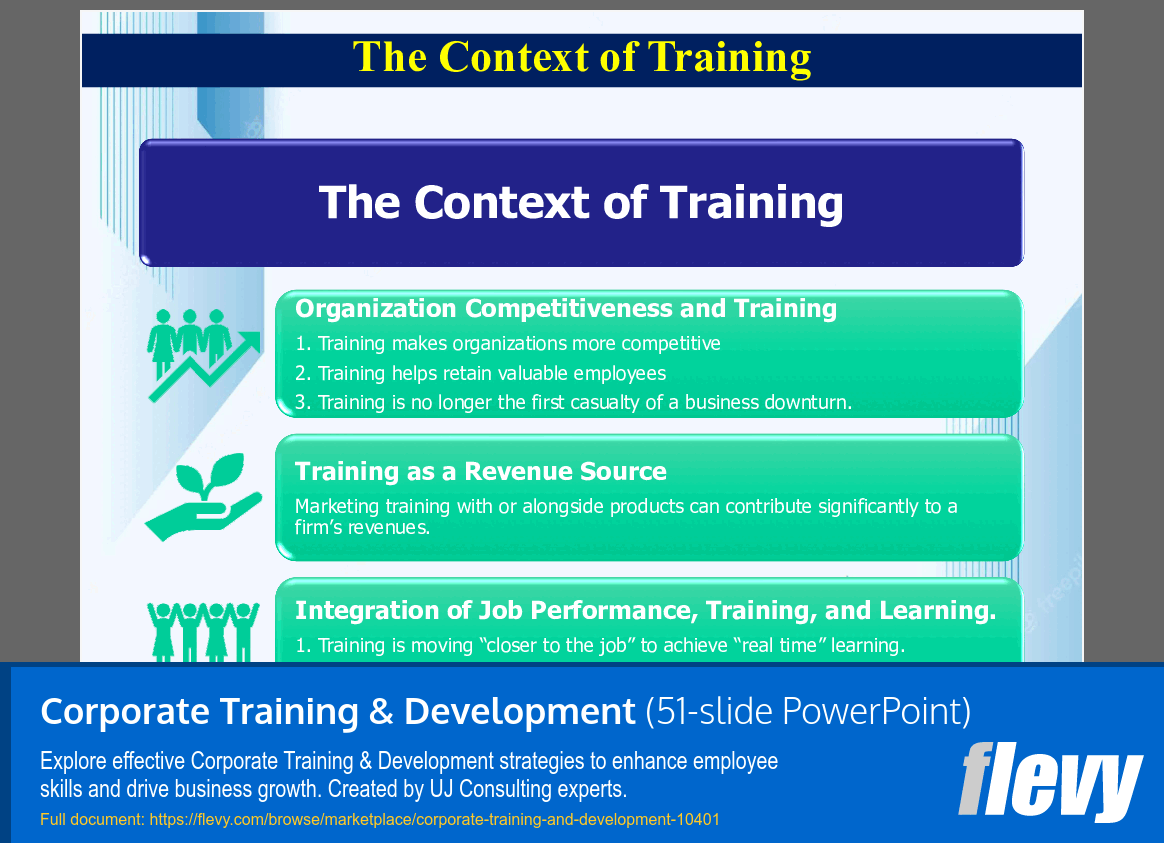
2. The Nature & The Context of Training
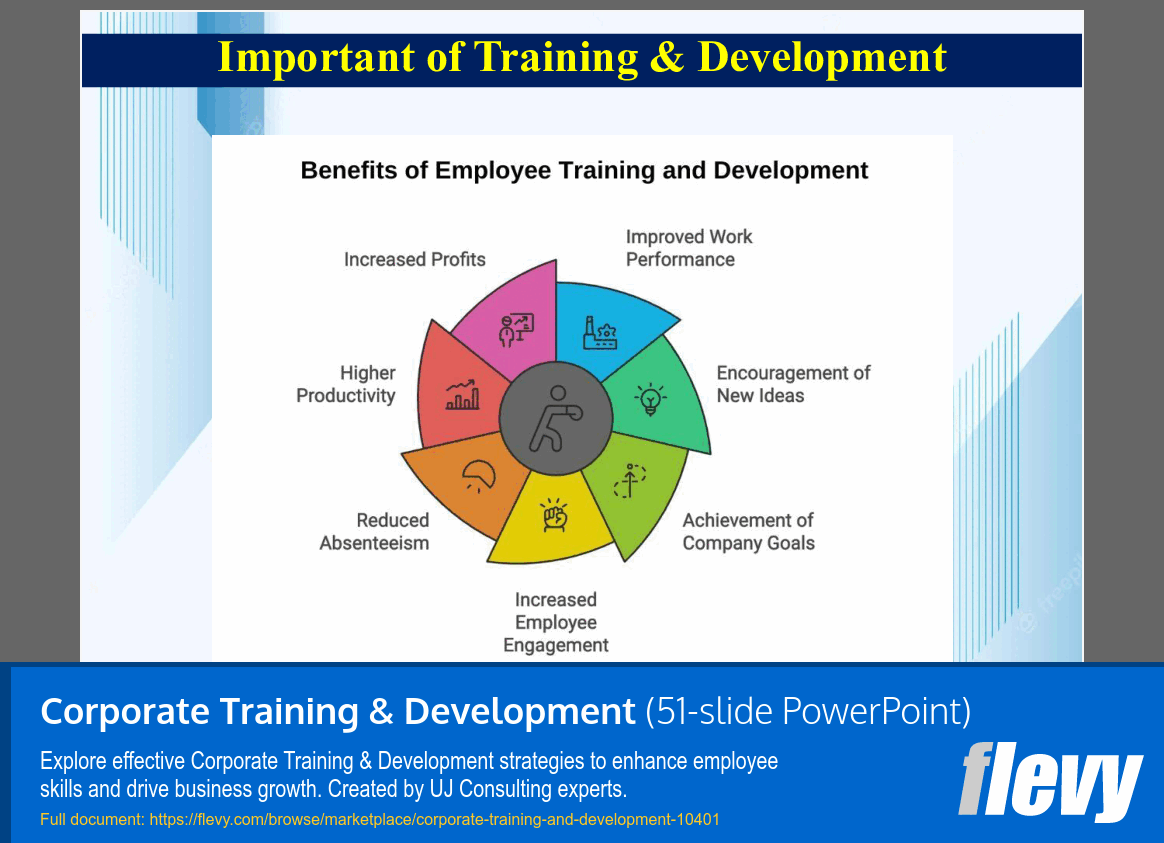
3. Important of Training & Development
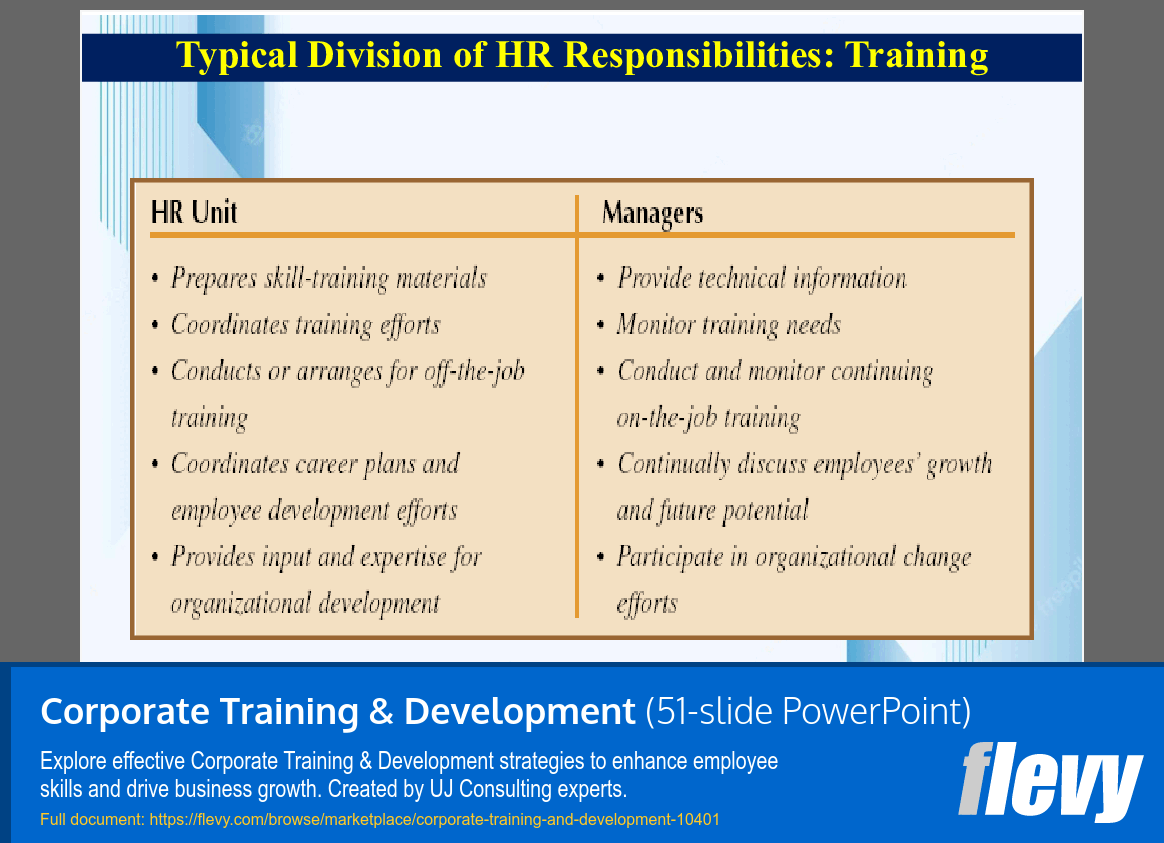
4. Typical Division of HR Responsibilities: Training
5. Linking Business and Training Strategies
6. Basic Business Strategy Concepts
7. Training Process
8. Sources of Training Needs Assessment
9. Gap Analysis
10. Knowledge, Skill, Attitude (KSA)
11. Elements of Training Design
12. Learner Readiness
13. Learning Styles, Practices & Behaviors
14. Learning: Types of Training
15. Course Types and Training Expenditures
16. Orientation: Training for New Employees
17. Training Delivery: Considerations
18. Internal Training : Stages of On-the-Job Training
19. Developing External Training
20. Advantages and Disadvantages of E-Learning
21. Training Methods
22. Levels of Training Evaluation
23. Costs and Benefits Analysis of Training
24. Measuring The ROI of Training
Training and Development (T&D) are workplace strategies to boost employee skills, knowledge, and potential, with training focusing on current job needs (like software use) and development aiming for long-term career growth and future roles (like leadership). Essential for organizational success, T&D improves performance, innovation, and retention by investing in employees, helping businesses adapt to change and stay competitive.
Key Differences: Training vs. Development
1. Training: Specific, immediate, job-focused, short-term.
2. Development: Broad, conceptual, individual-focused, long-term.
Why It Matters (Benefits)
1. For Employees: Increased confidence, motivation, career growth, skill acquisition, and job satisfaction.
2. For Organizations: Higher productivity, better adaptability, stronger competitive edge, improved retention, and achievement of strategic goals.
Common T&D Activities & Areas
1. Instruction: Software training, safety protocols, technical skills.
2. Soft Skills: Communication, problem-solving, leadership, teamwork, ethics.
3. Methods: Online courses, workshops, mentoring, coaching, role-playing, performance reviews.
Integration with HR
1. T&D is a core part of Human Resource Management (HRM).
2. It aligns with other HR functions like staffing, performance management, and organizational strategy to ensure a skilled workforce ready for future challenges.
Key Business Benefits
1. Increased Productivity & Profitability: Better-skilled employees work more efficiently and effectively, leading to higher output and profit margins.
2. Enhanced Employee Engagement & Retention: Shows investment in employees, increasing job satisfaction, loyalty, and reducing turnover.
3. Improved Competitiveness: Keeps the workforce updated with market changes, technology, and new industry standards.
4. Stronger Leadership Pipeline: Develops future leaders with crucial skills like emotional intelligence and conflict resolution.
5. Better Adaptability: Equips the workforce to navigate technological shifts, market demands, and strategic changes.
How It Works in Business Strategy
1. Strategic Alignment: T&D programs must link directly to the company's overall goals and mission to maximize impact.
2. Job Analysis: Identifying required skills (Knowledge, Skills, Abilities – KSAs) for each role informs targeted training.
3. Culture Building: Fosters a "learning culture," encouraging continuous improvement and innovation.
Thank you,
UJ Consulting
Got a question about the product? Email us at support@flevy.com or ask the author directly by using the "Ask the Author a Question" form. If you cannot view the preview above this document description, go here to view the large preview instead.
Source: Best Practices in Employee Training PowerPoint Slides: Corporate Training & Development PowerPoint (PPTX) Presentation Slide Deck, UJ Consulting _ Strategy-Insight-Impact
ABOUT THE AUTHOR

UJ Consulting | Strategy • Insight • Impact
UJ Consulting is an executive management consulting and business transformation practice founded by Untung Juanto, ST., MM., a senior executive, consultant, and transformation practitioner with more than 25 years of professional experience across local and multinational companies and diverse industries.
His career progressed from frontline
... [read more]
Ask the Author a Question
You must be logged in to contact the author.




























