
This framework is created by former McKinsey, BCG, Deloitte, EY, and Capgemini consultants and details a robust framework to managing the complete Post-merger Integration process.
Provides a structured 5-phase approach to the complex and cumbersome PMI process.
Provides a framework to setting up the IMO, along with the core roles and responsibilities.
Provides actionable checklists and insights into 12 integration functional areas.
POST-MERGER INTEGRATION PPT DESCRIPTION
Explore a comprehensive PMI framework crafted by ex-McKinsey, BCG, and Deloitte consultants. Master M&A integration with actionable insights and strategic guidance. Complete Guide to Post-merger Integration (PMI) is a 106-slide PPT PowerPoint presentation slide deck (PPTX) available for immediate download upon purchase.
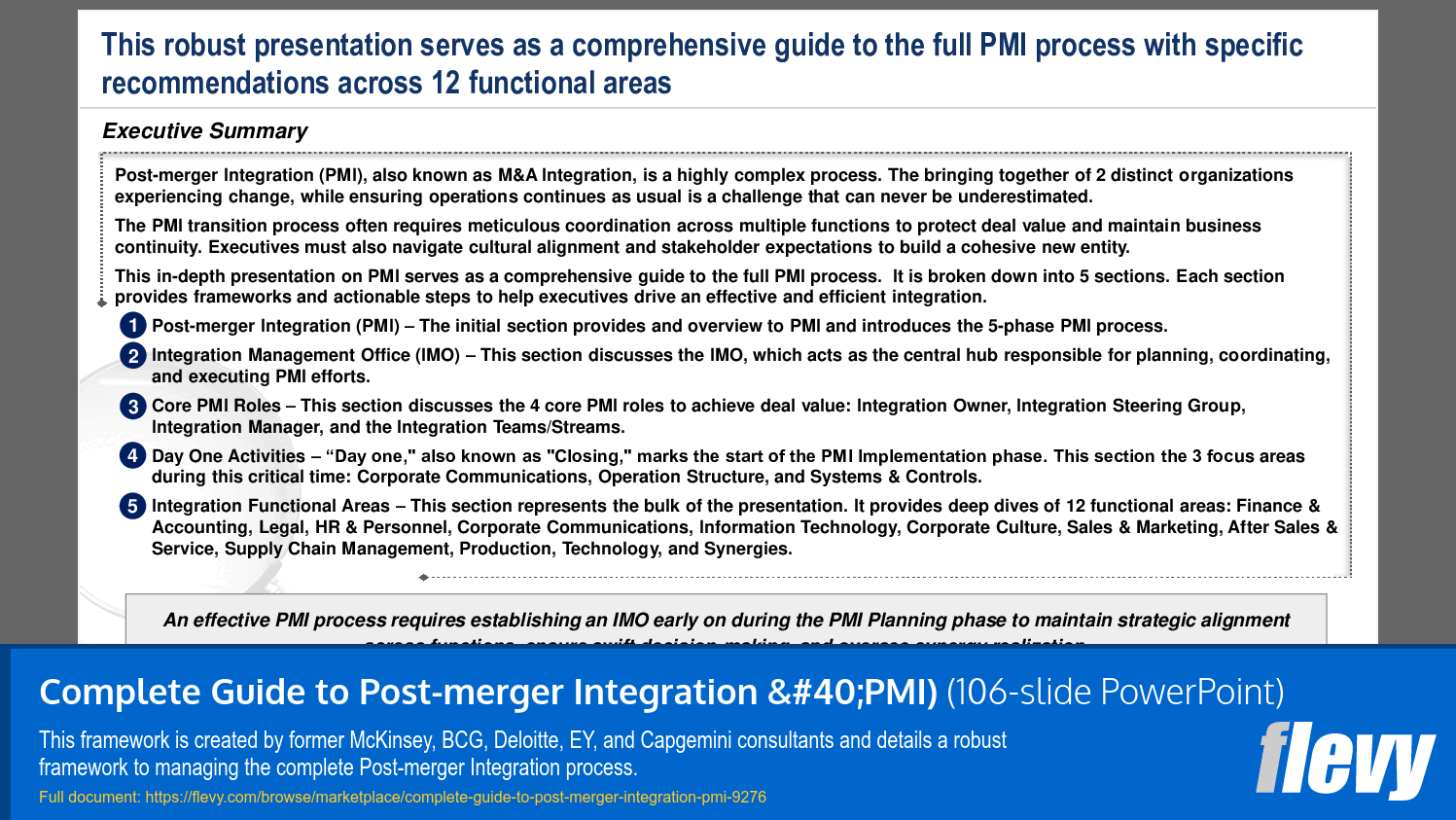
Post-merger Integration (PMI), also known as M&A Integration, is a highly complex process. The bringing together of 2 distinct organizations experiencing change, while ensuring operations continues as usual is a challenge that can never be underestimated.
The PMI transition process often requires meticulous coordination across multiple functions to protect deal value and maintain business continuity. Executives must also navigate cultural alignment and stakeholder expectations to build a cohesive new entity.
This in-depth PowerPoint presentation on PMI serves as a comprehensive guide to the full PMI process. It is broken down into 5 sections. Each section provides frameworks and actionable steps to help executives drive an effective and efficient integration.
Post-merger Integration (PMI)
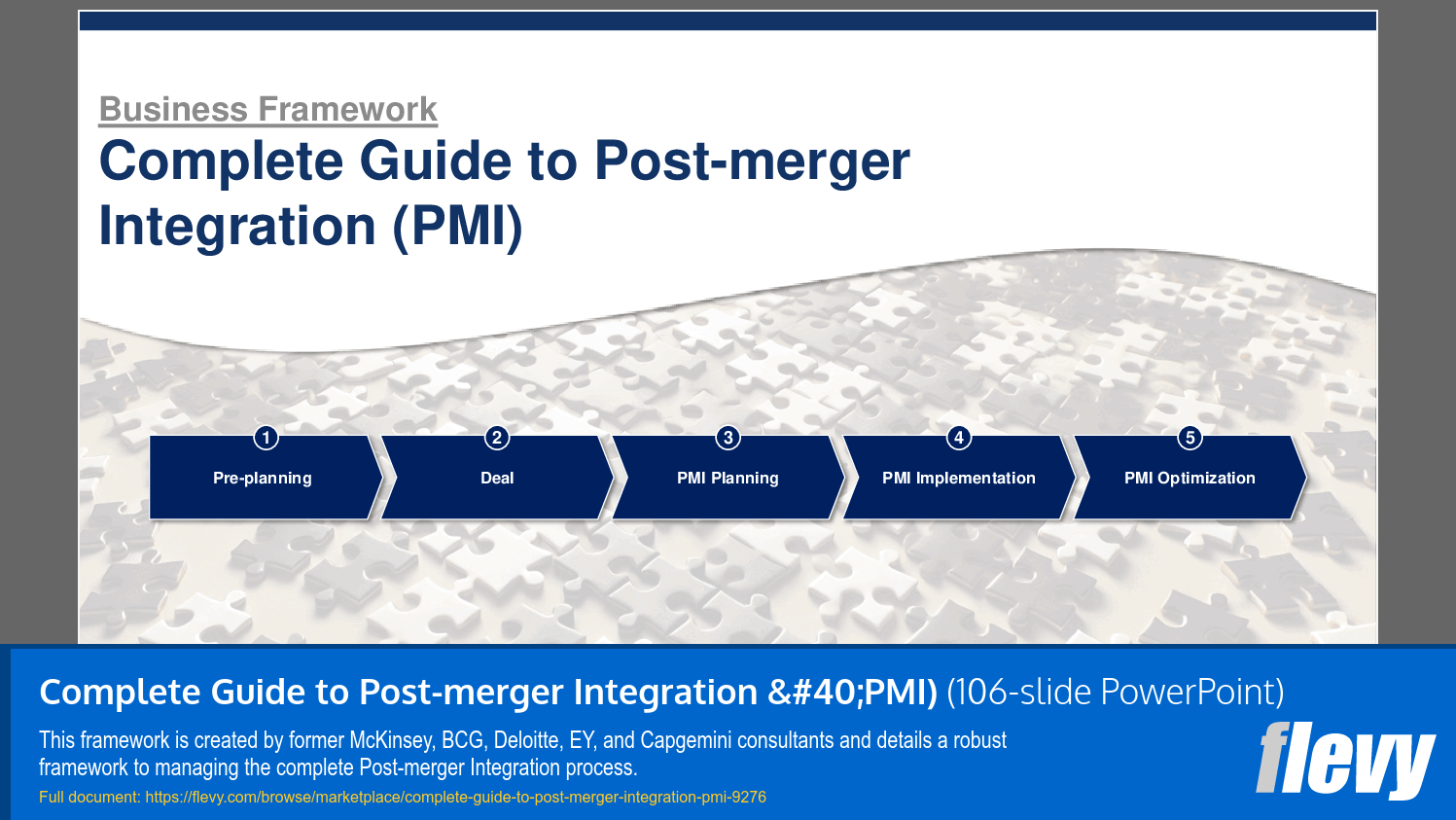
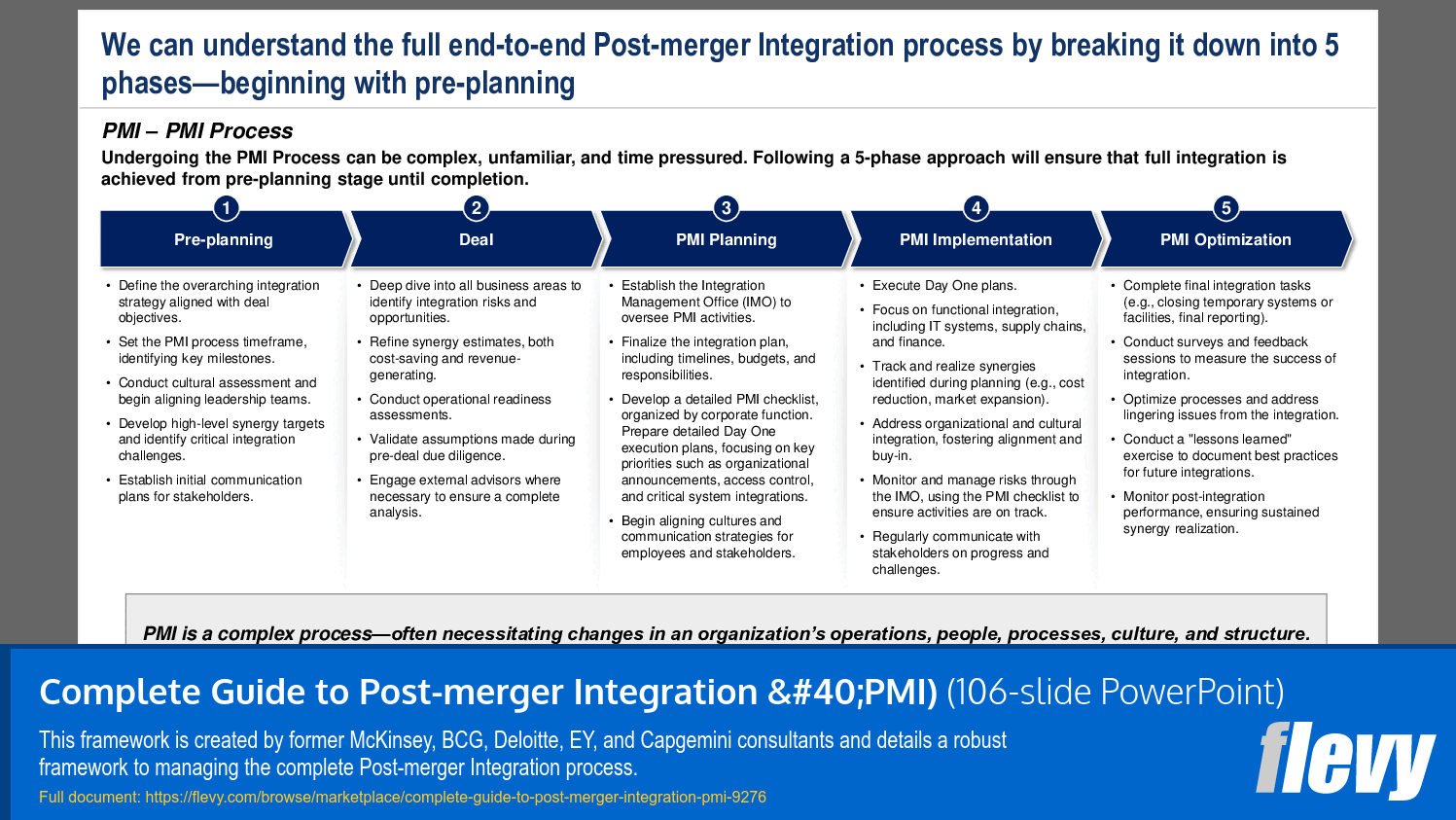
The initial section provides and overview to PMI and introduces the 5-phase PMI process:
1. Pre-planning – Establishes the strategic foundation by defining integration goals, identifying potential synergies, and outlining critical milestones.
2. Deal – Conducts due diligence, refines synergy estimates, and finalizes transaction terms to ensure alignment with overall business objectives.
3. PMI Planning – Sets up the Integration Management Office (IMO), defines roles and responsibilities, and lays out detailed plans for functional and cultural integration.
4. PMI Implementation – Executes Day One readiness activities, tracks synergies, and addresses organizational and cultural integration in real time.
5. PMI Optimization – Completes remaining integration tasks, assesses outcomes, and streamlines processes to sustain long-term performance and synergy realization.
Integration Management Office (IMO)
This section discusses the IMO, which acts as the central hub responsible for planning, coordinating, and executing PMI efforts. An effective PMI process requires establishing an IMO early on (during the PMI Planning phase) to maintain strategic alignment across functions, ensure swift decision-making, and oversee synergy realization.
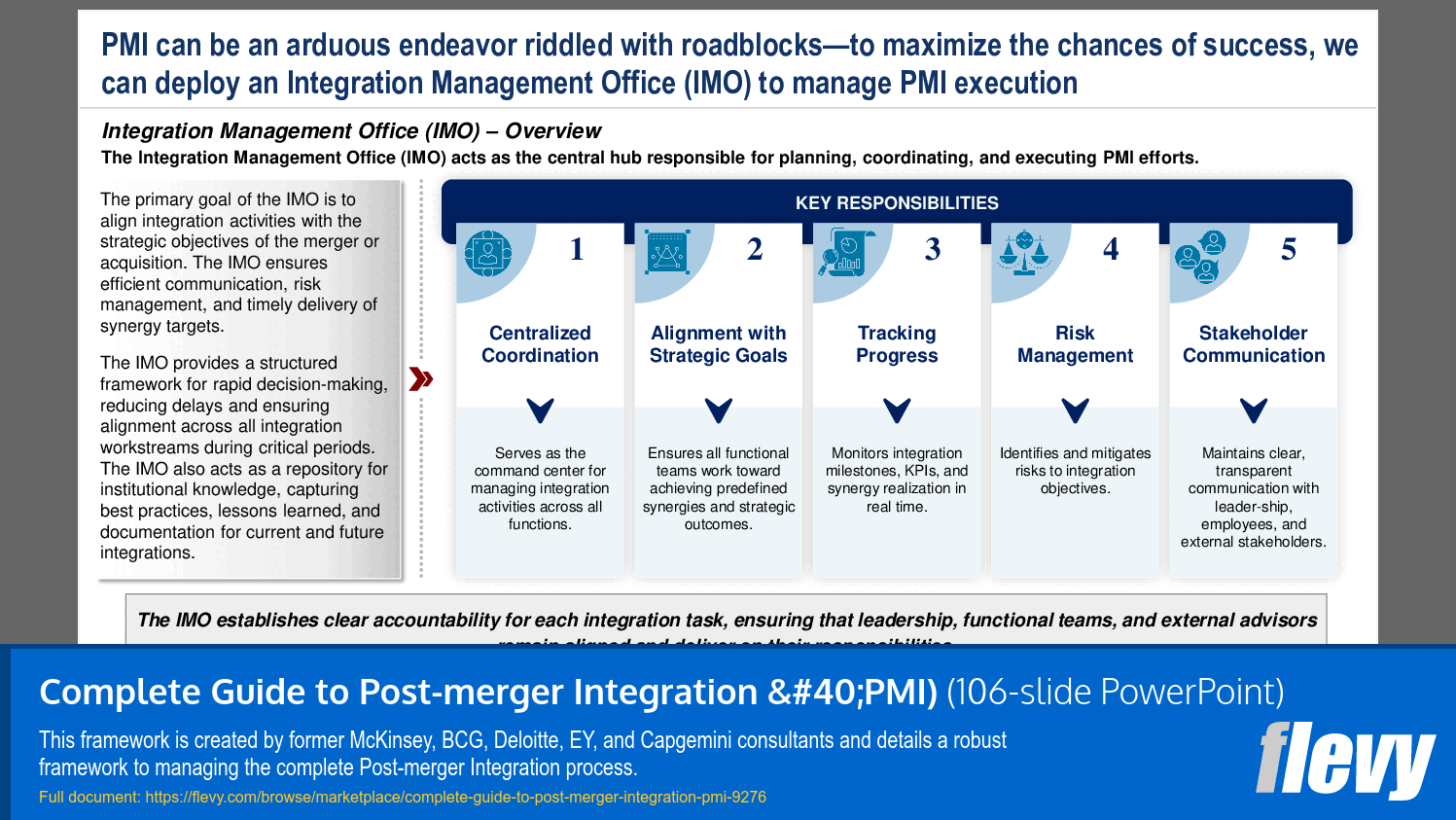
The primary goal of the IMO is to align integration activities with the strategic objectives of the merger or acquisition. The IMO ensures efficient communication, risk management, and timely delivery of synergy targets.
Core PMI Roles
This section discusses the 4 core PMI roles to achieve deal value:
1. Integration Owner
2. Integration Steering Group
3. Integration Manager
4. the Integration Teams/Streams
Day One Activities
"Day one," also known as "Closing," marks the start of the PMI Implementation phase. This section the 3 focus areas during this critical time:
1. Corporate Communications
2. Operation Structure
3. Systems & Controls
Integration Functional Areas
This section represents the bulk of the presentation. It provides deep dives of 12 functional areas:
1. Finance & Accounting
2. Legal
3. HR & Personnel
4. Corporate Communications
5. Information Technology
6. Corporate Culture
7. Sales & Marketing
8. After Sales & Service
9. Supply Chain Management
10. Production
11. Technology
12. Synergies
Got a question about the product? Email us at support@flevy.com or ask the author directly by using the "Ask the Author a Question" form. If you cannot view the preview above this document description, go here to view the large preview instead.
The Integration Management Office (IMO) plays a critical role in post-merger integration (PMI) by aligning integration activities with strategic merger goals. Key responsibilities include centralized coordination, serving as the command center for managing integration across functions to streamline processes and prevent miscommunication. The IMO ensures alignment with predefined synergies and desired outcomes, maintaining momentum throughout the integration process. It tracks progress through integration milestones and key performance indicators (KPIs), allowing for timely adjustments. Risk management involves identifying and mitigating risks that could hinder integration objectives, safeguarding merger success. Additionally, the IMO fosters stakeholder communication, ensuring transparency with leadership, employees, and external parties to build trust and collaboration during integration.
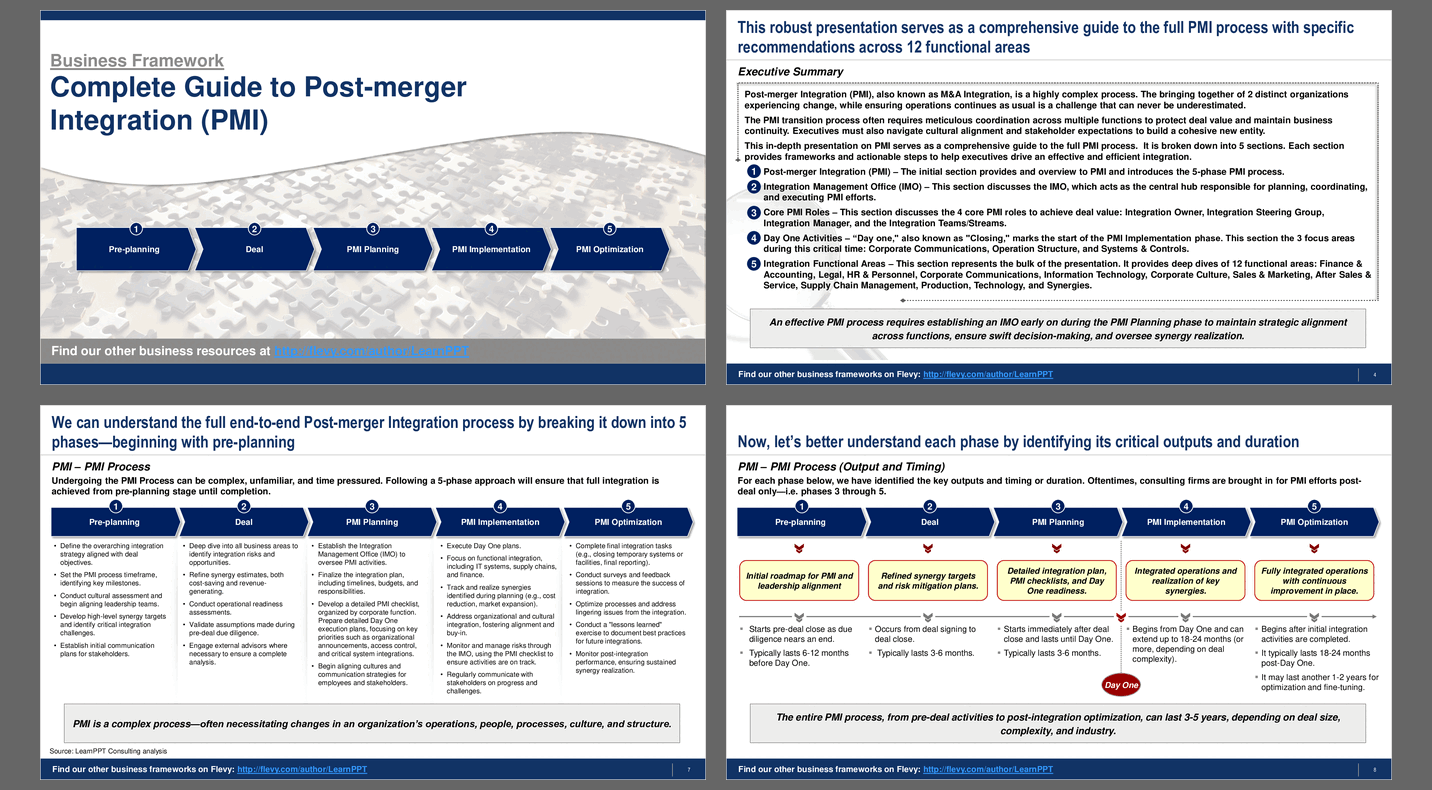
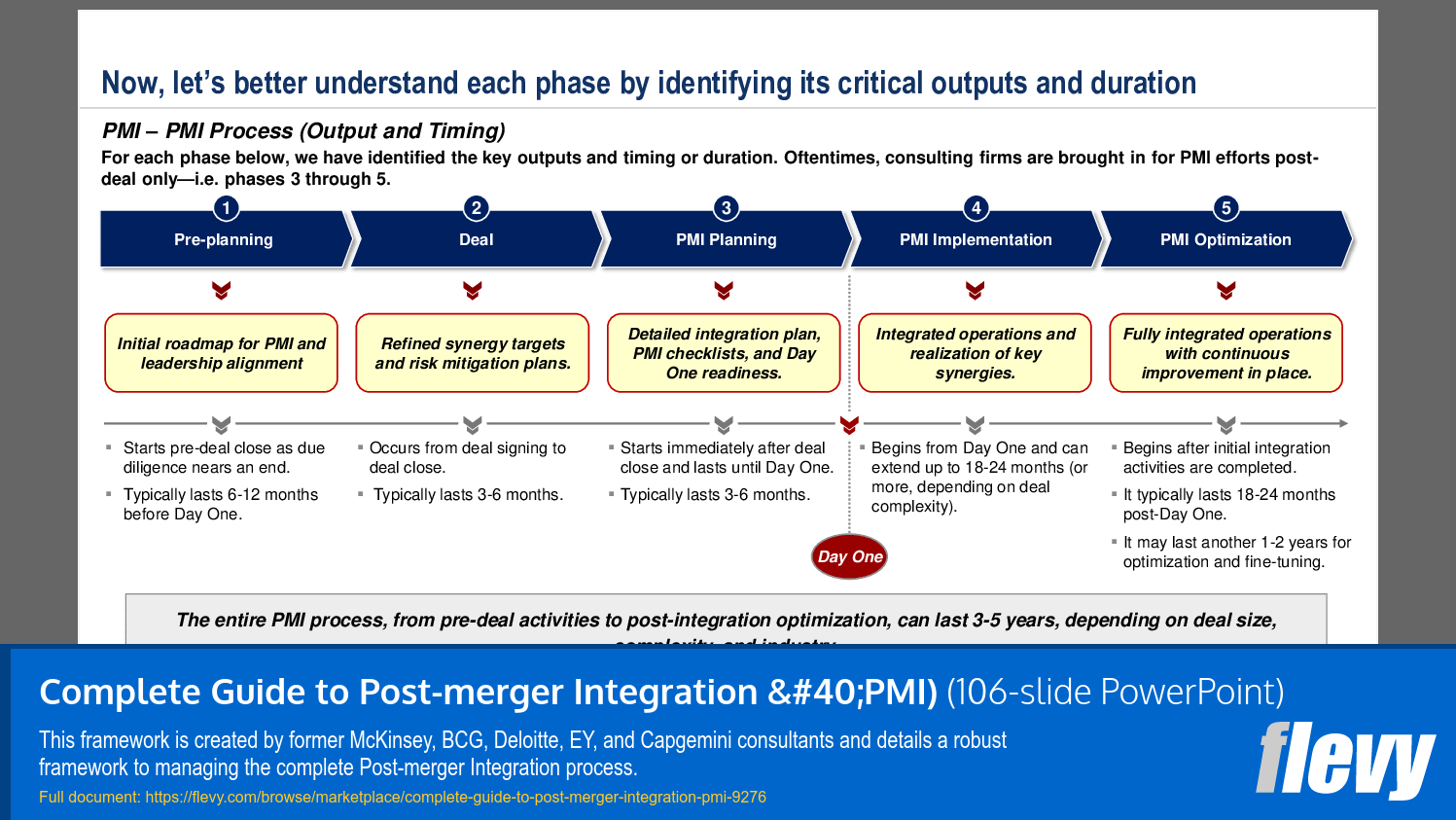
This PPT slide outlines the phases of the Post-Merger Integration (PMI) process, categorized into 5 distinct phases: Pre-planning, Deal, PMI Planning, PMI Implementation, and PMI Optimization. The Pre-planning phase focuses on creating an initial roadmap for PMI and aligning leadership, occurring 6 to 12 months before Day One. The Deal phase refines synergy targets and risk mitigation plans, lasting 3 to 6 months from deal signing to close. PMI Planning starts post-deal closure and involves developing a detailed integration plan and readiness for Day One operations. The PMI Implementation phase integrates operations and realizes key synergies, extending from Day One up to 18 months or longer. Finally, PMI Optimization aims for fully integrated operations with continuous improvement, lasting an additional 18 to 24 months post-Day One.

The Post-merger Integration (PMI) process follows a structured five-phase approach, starting with "Pre-planning," which includes defining the integration strategy, setting a PMI timeframe, conducting a cultural assessment, and establishing communication plans for stakeholders. The second phase, "Deal," involves identifying integration risks and opportunities, refining synergy estimates, and conducting operational readiness assessments to validate pre-deal assumptions. The subsequent phases—"PMI Planning," "PMI Implementation," and "PMI Optimization"—focus on establishing an Integration Management Office (IMO), executing detailed plans, and addressing organizational and cultural challenges. The final phase emphasizes completing integration tasks, optimizing processes, and monitoring post-integration performance to ensure sustained success. This structured approach mitigates risks and enhances the likelihood of successful mergers or acquisitions.
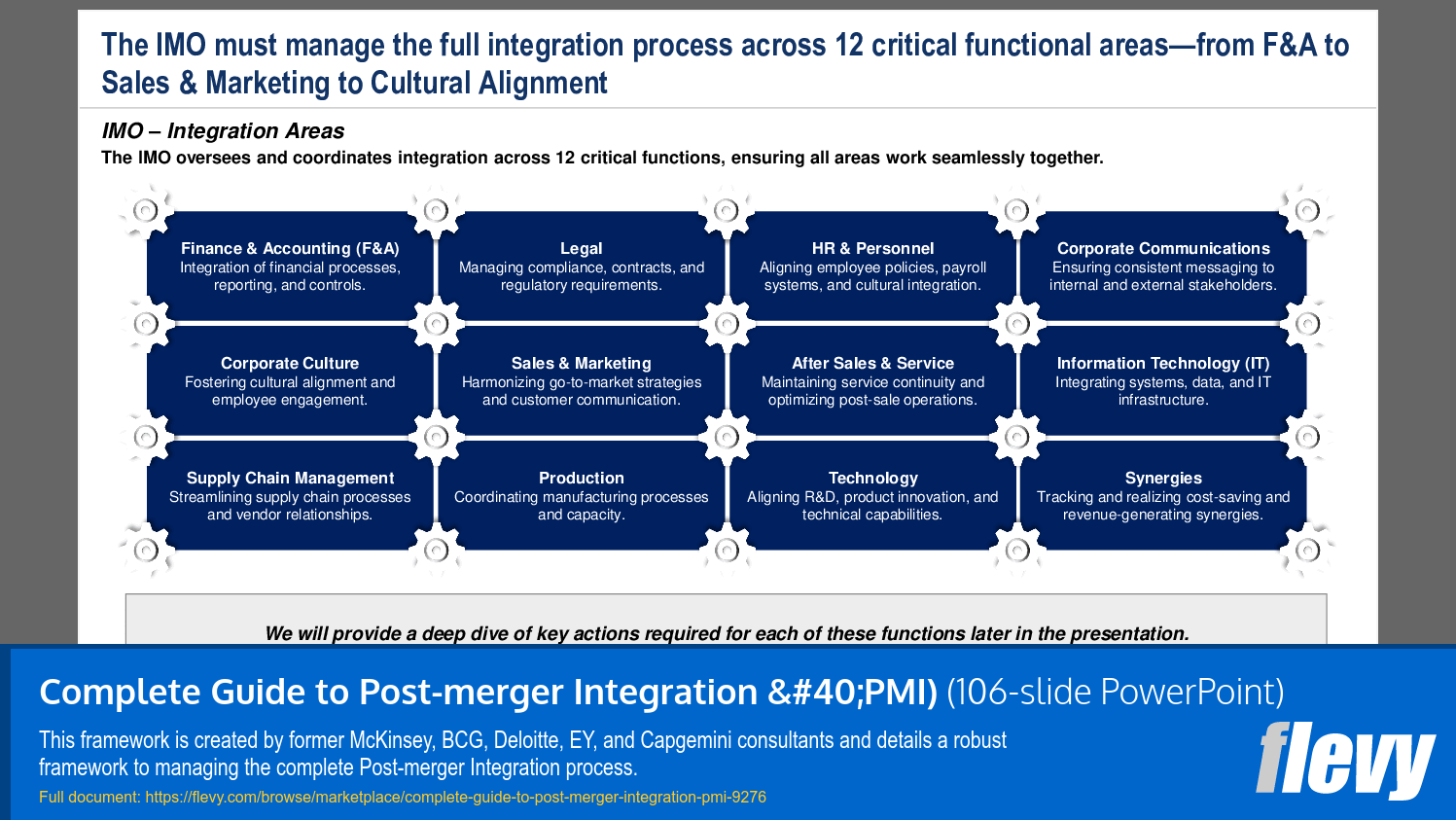
The Integration Management Office (IMO) oversees the integration process across twelve functional areas. Finance & Accounting (F&A) focuses on integrating financial processes and reporting to maintain fiscal health and transparency. Corporate Culture fosters alignment and engagement among employees, crucial for morale during transitions. Sales & Marketing harmonizes go-to-market strategies and customer communication to present a unified front. After Sales & Service ensures service continuity and optimizes post-sale operations, impacting customer satisfaction. Legal manages compliance and regulatory requirements to avoid pitfalls. HR & Personnel aligns employee policies and cultural integration for smooth transitions. Corporate Communications ensures consistent messaging to stakeholders, maintaining trust. Information Technology (IT) integrates systems and data to support the integration process. Production and Supply Chain Management coordinate manufacturing processes and streamline operations. The Synergies area tracks cost-saving and revenue-generating opportunities, enhancing integration value.
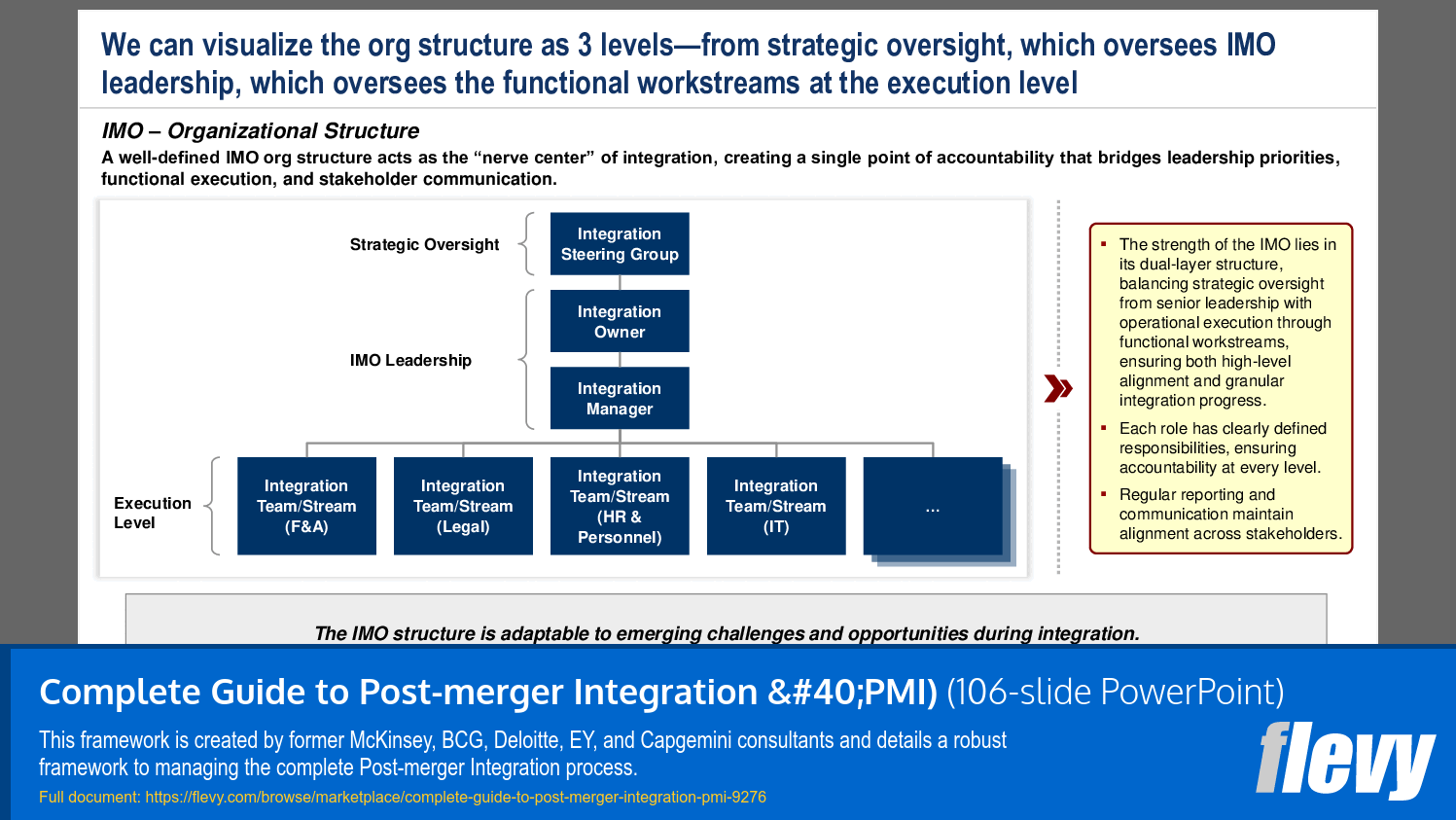
This PPT slide outlines the Integration Management Office (IMO) organizational framework, featuring a three-tiered hierarchy. At the top, strategic oversight guides the integration process, supported by IMO leadership responsible for accountability and coordination across functional areas. Key roles include the Integration Steering Group, Integration Owner, and Integration Manager, each ensuring alignment with strategic objectives and operational execution. The execution level includes integration teams focused on Finance and Accounting (F&A), Legal, Human Resources (HR), and Information Technology (IT), allowing specialized attention to each area. The dual-layer structure balances strategic oversight with operational execution, emphasizing regular reporting and communication to maintain stakeholder alignment and track integration progress. This adaptable framework enables organizations to address challenges and opportunities during the integration phase, providing a comprehensive approach to post-merger integration.
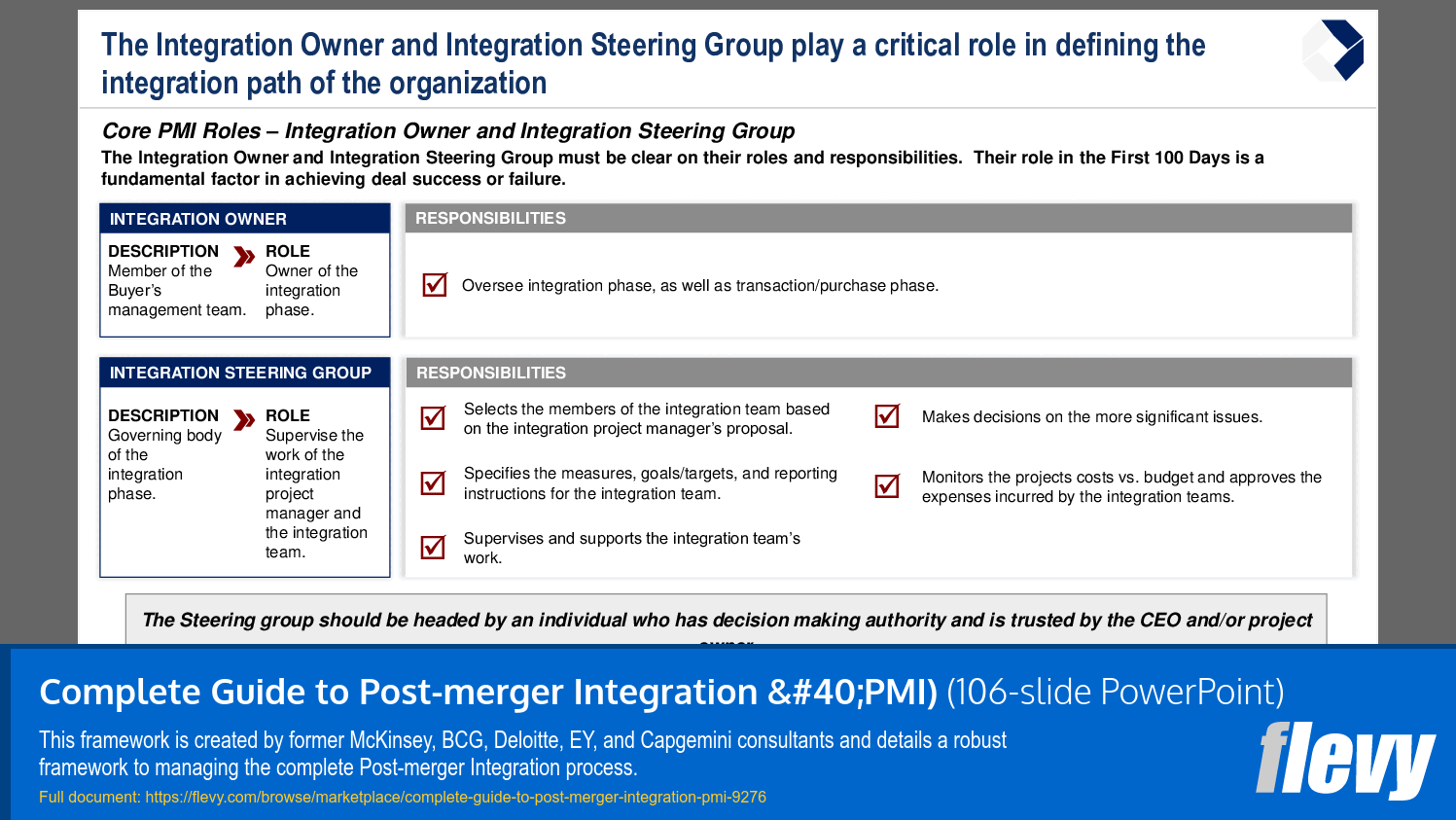
The Integration Owner plays a critical role in post-merger integration (PMI), overseeing both integration and transaction phases to ensure alignment with organizational strategic objectives. This role requires active engagement, monitoring progress, and facilitating stakeholder communication. The Integration Steering Group acts as the governing body during the integration phase, responsible for selecting integration team members, establishing measures, goals, and reporting instructions, which ensures clear expectations and accountability. They supervise the integration team's work, make decisions on significant issues, and monitor project costs against the budget, emphasizing the importance of oversight and financial management. Strong leadership from the Steering Group, led by a trusted individual with decision-making authority, is essential for navigating PMI complexities.
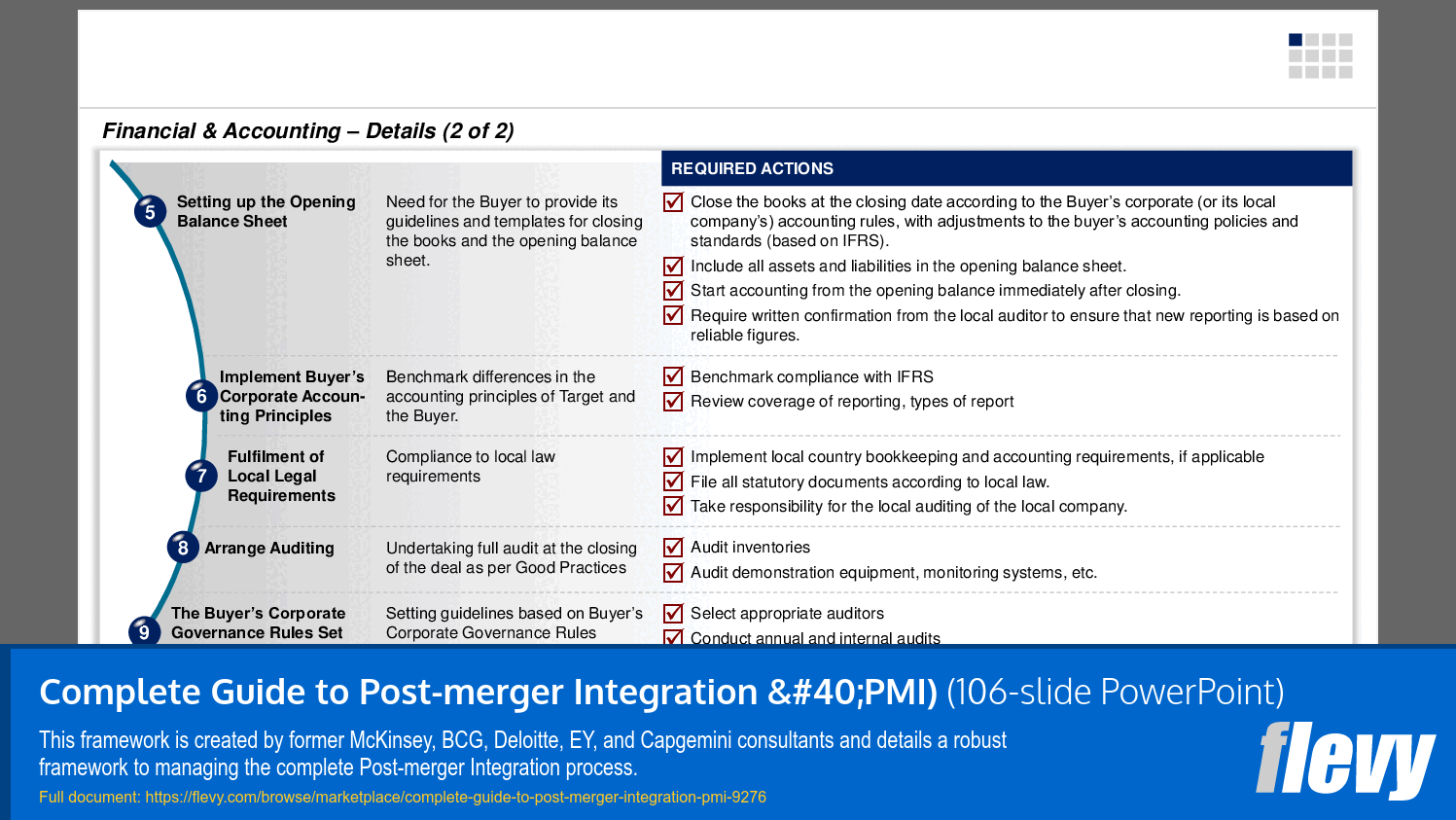
This PPT slide outlines critical steps for managing financial and accounting processes during post-merger integration. Establishing a clear opening balance sheet is essential for aligning financial records of merging entities. The buyer must provide guidelines for closing the books, ensuring accurate reflection of all assets and liabilities, in compliance with IFRS. Implementing the buyer's corporate accounting principles involves benchmarking differences between the target's and buyer's practices. Compliance with local legal requirements mandates adherence to bookkeeping and statutory obligations, which vary by jurisdiction. A comprehensive audit at deal closure is necessary to validate financial data integrity. Establishing corporate governance rules is vital for oversight and accountability, including selecting auditors and conducting regular audits to ensure compliance and operational integrity.
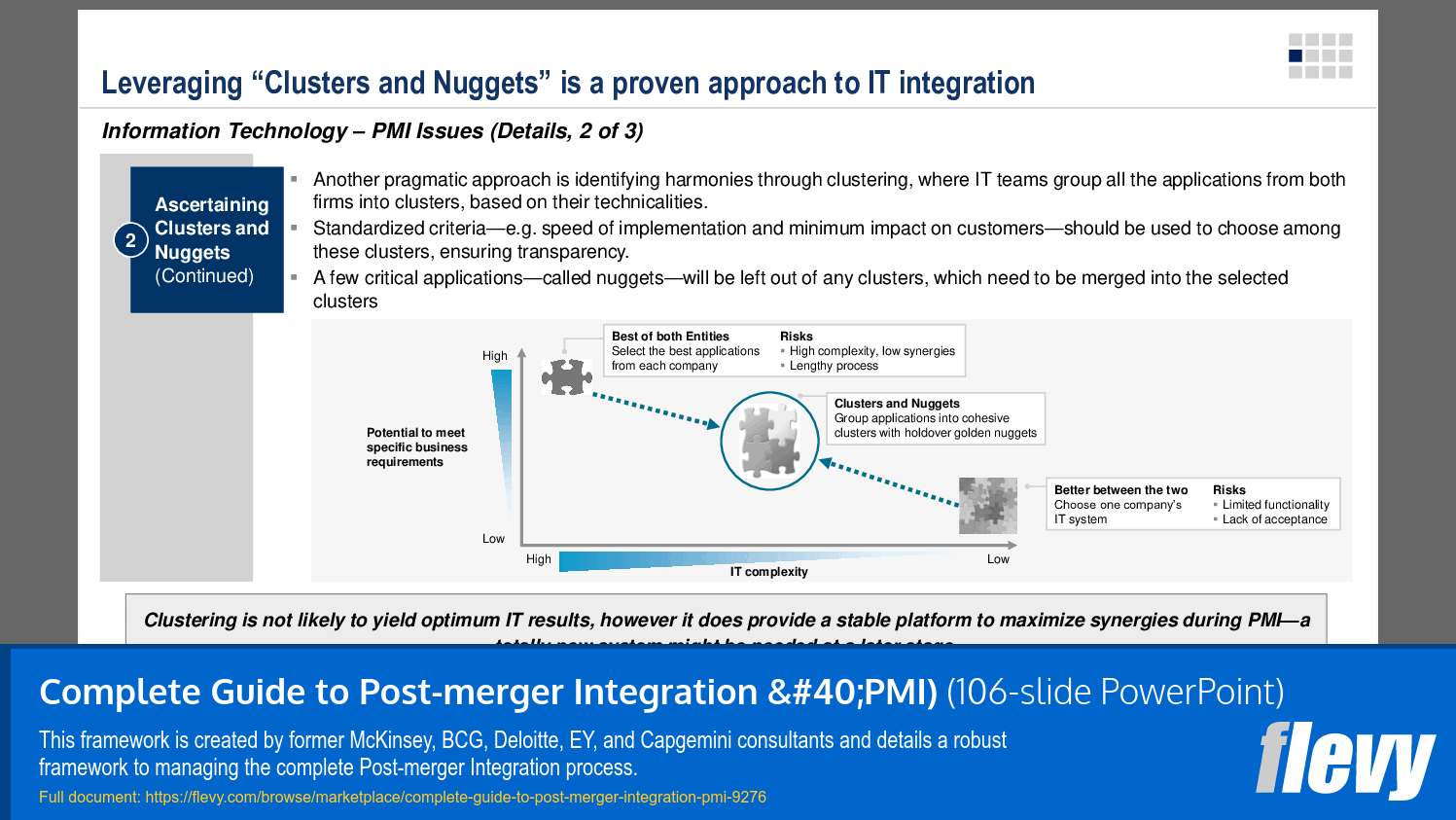
This PPT slide presents a framework for integrating IT systems during post-merger integration (PMI) using the "Clusters and Nuggets" method. This approach groups applications into clusters based on technical characteristics to identify synergies between merging firms' IT systems. Standardized criteria, such as speed of implementation and minimal customer impact, guide the clustering process, ensuring transparency and informed decision-making. Applications are categorized by their ability to meet business requirements and complexity, with critical applications, or "nuggets," requiring special attention for later integration. The slide also addresses risks associated with strategies that may lead to high complexity and low synergies. While clustering may not yield optimal IT results, it provides a stable platform to maximize synergies during PMI, offering a pragmatic approach to IT integration complexities.
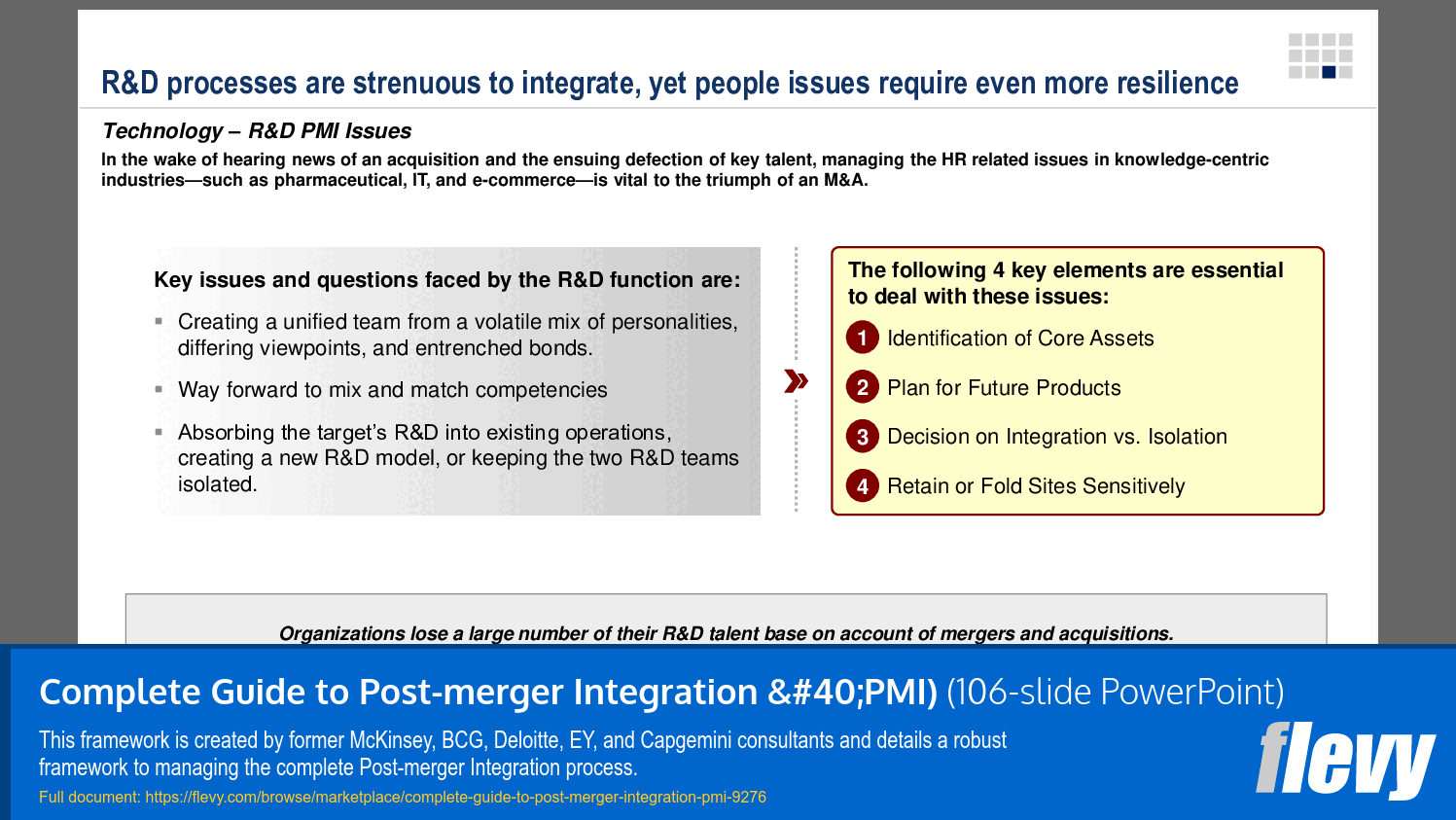
This PPT slide addresses the complexities of integrating R&D processes during mergers and acquisitions (M&A), particularly in knowledge-driven industries like pharmaceuticals and IT. Key challenges include merging teams with distinct cultures and managing human resources to retain key talent. Companies must decide whether to integrate acquired R&D into existing frameworks or maintain separate teams, impacting operational efficiency. Four essential strategies are outlined: identifying core assets to leverage strengths post-acquisition, planning for future products to ensure ongoing innovation, deciding on the integration or isolation of R&D functions to influence team dynamics, and managing site retention sensitively to minimize disruption and retain talent.
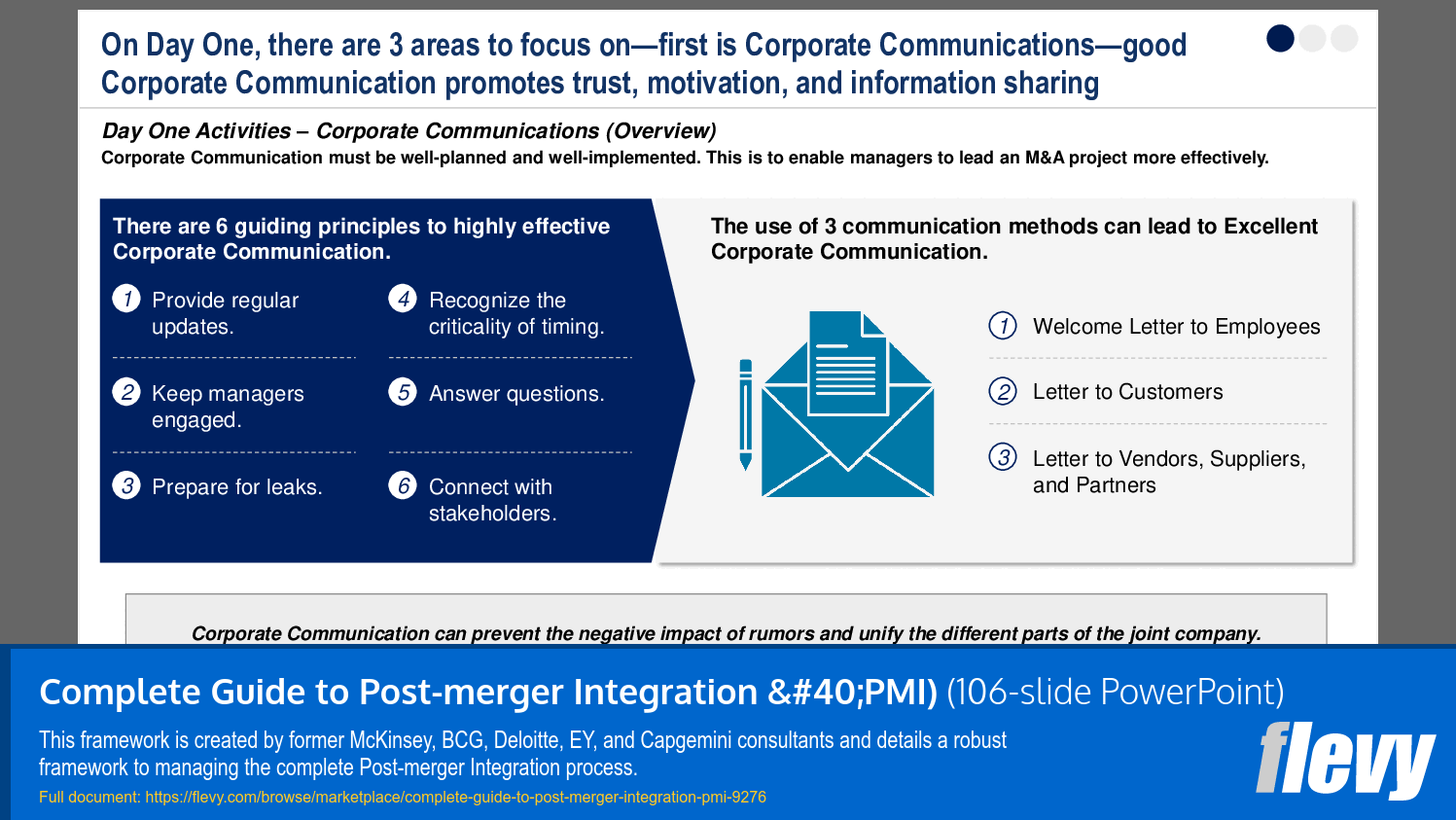
Corporate Communication plays a critical role in the initial phase of mergers and acquisitions (M&A), focusing on trust, motivation, and information sharing. Key areas include structured communication strategies for managers to navigate M&A complexities. Six guiding principles for effective Corporate Communication are essential: providing regular updates to keep stakeholders informed; engaging managers to maintain morale; preparing for leaks to combat misinformation; recognizing the importance of timing to reduce uncertainty; answering questions to build trust; and connecting with stakeholders for transparency. Three specific communication methods enhance Corporate Communication: welcome letters to employees, customer letters to ensure they feel valued, and letters to vendors and partners to reinforce collaboration. Effective Corporate Communication mitigates rumors and unifies the newly formed organization, facilitating smoother integration.
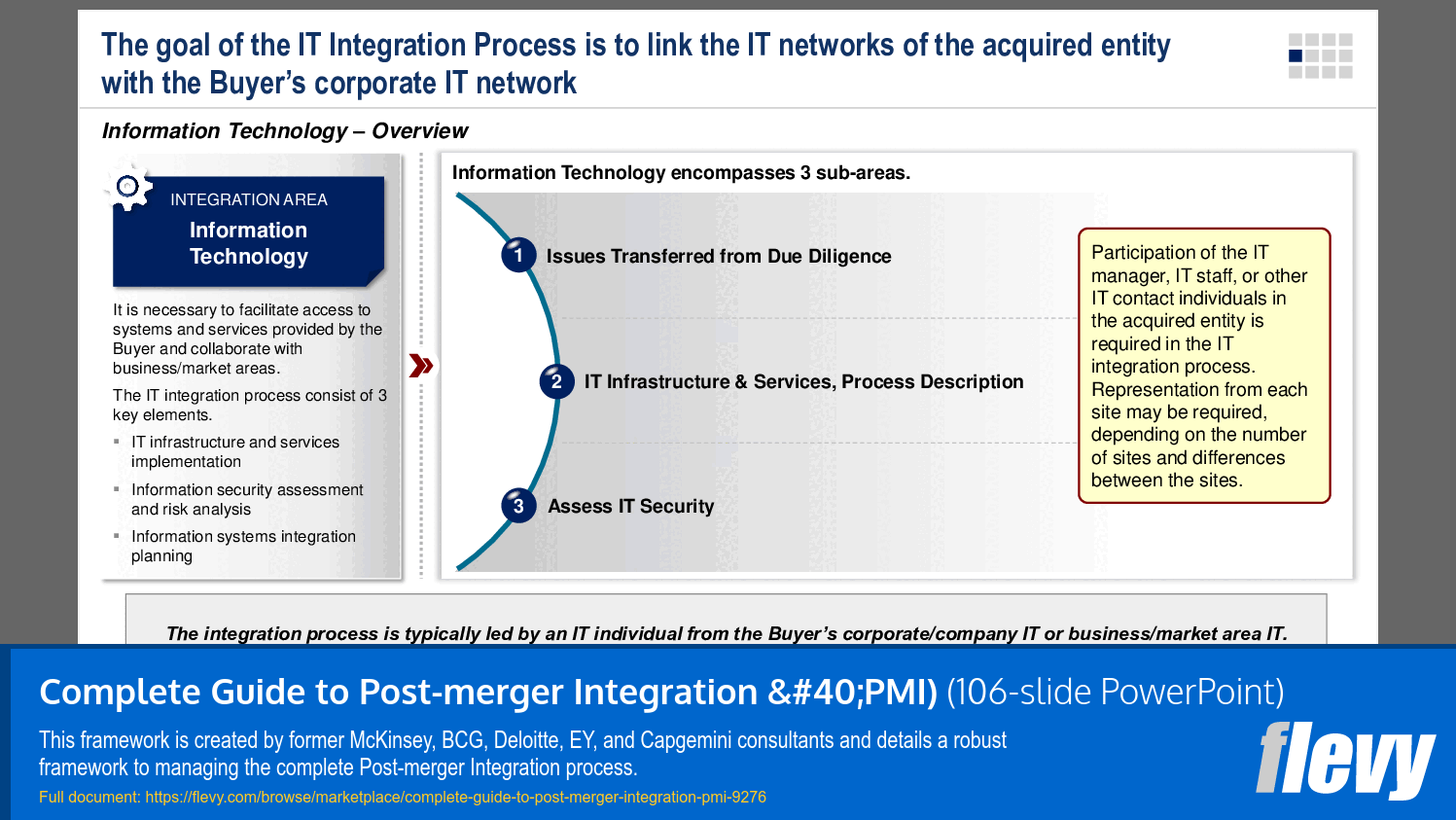
This PPT slide outlines the critical components of the IT integration process post-acquisition, focusing on connecting the IT networks of the acquired entity with the buyer's corporate IT infrastructure. Key elements include addressing issues identified during due diligence to align expectations, implementing IT infrastructure and services to ensure compatibility, and assessing IT security to identify vulnerabilities and protect data integrity. Involving IT personnel from the acquired entity is essential for a smooth transition, as their insights help navigate existing system complexities. A structured approach to IT integration emphasizes thorough planning and collaboration for successful outcomes.
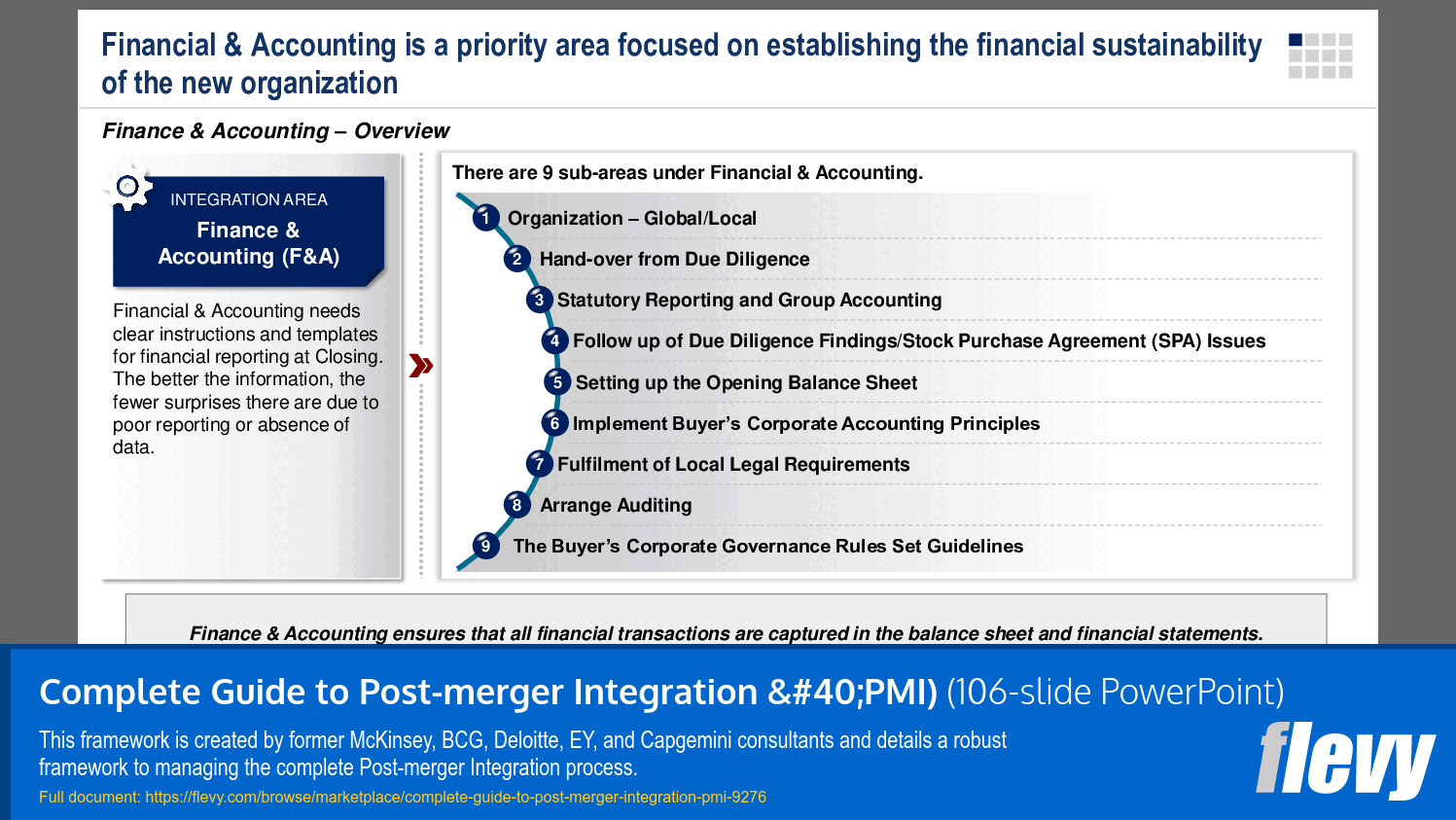
This PPT slide outlines critical components of Financial & Accounting (F&A) integration in a new organization. Key sub-areas include:
1. Organization – Global/Local: Structuring financial operations for global and local needs.
2. Hand-over from Due Diligence: Integrating financial insights from due diligence.
3. Statutory Reporting and Group Accounting: Adhering to legal reporting standards and consolidating financial data.
4. Follow-up of Due Diligence Findings/SPA Issues: Addressing issues from due diligence related to the Stock Purchase Agreement.
5. Setting up the Opening Balance Sheet: Establishing a clear starting point for financial records.
6. Implement Buyer’s Corporate Accounting Principles: Aligning accounting practices with the buyer's standards.
7. Fulfillment of Local Legal Requirements: Ensuring compliance with local regulations.
8. Arrange Auditing: Planning for independent reviews of financial statements.
9. The Buyer’s Corporate Governance Rules: Establishing governance frameworks for financial practices.
These elements are essential for achieving financial sustainability and regulatory compliance in the new organization.
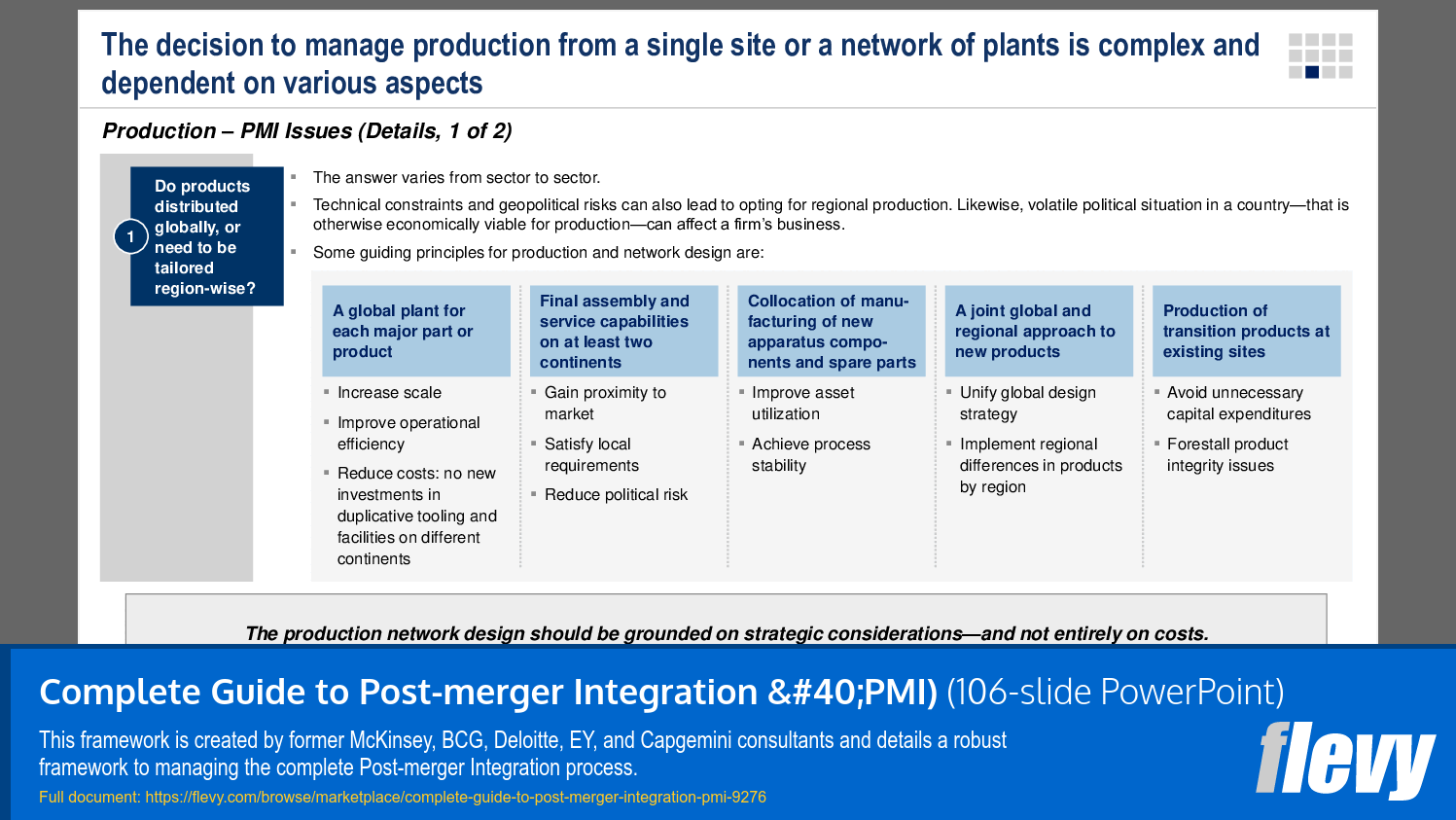
This PPT slide addresses complexities in managing production across single sites or networks of plants, influenced by sector-specific requirements, technical constraints, and geopolitical risks. Key principles include establishing a global plant for each major product to enhance scale and operational efficiency, and maintaining final assembly and service capabilities on at least 2 continents to improve market proximity and mitigate political risks. The need for collocation of manufacturing for new apparatus components and spare parts is emphasized for better asset utilization and process stability. A joint global and regional approach to new products unifies design strategies while accommodating regional differences, helping companies adapt to diverse market needs. The production of transition products at existing sites is highlighted to avoid unnecessary capital expenditures while maintaining product integrity. Strategic considerations in production network design are essential beyond mere cost focus.
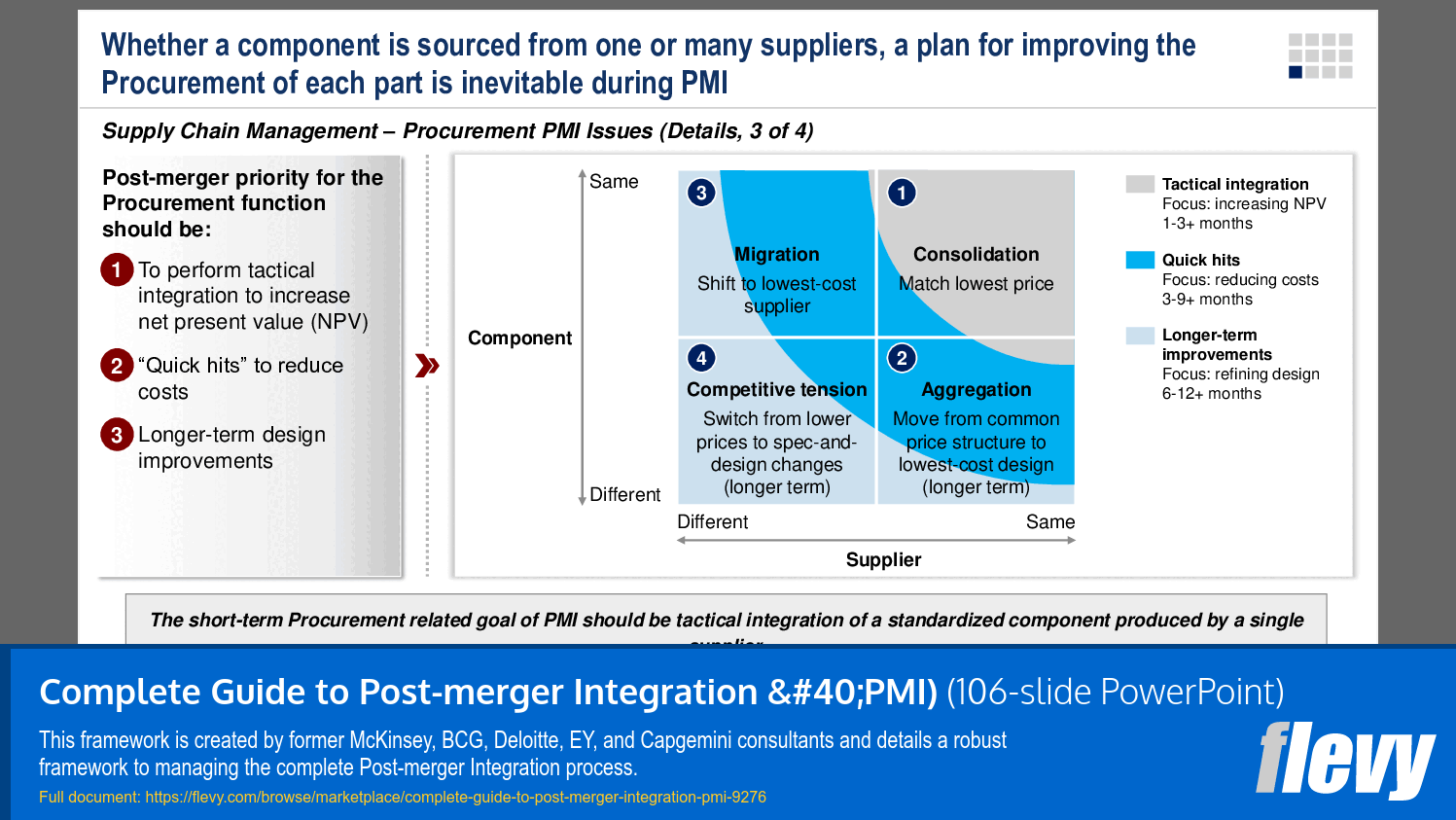
This PPT slide outlines key considerations for procurement during post-merger integration (PMI), emphasizing a structured approach to sourcing components. It categorizes procurement strategies based on component similarity and supplier differentiation. The left side lists 3 post-merger priorities: tactical integration to enhance net present value (NPV), quick cost-reduction initiatives, and long-term design improvements. The quadrant diagram illustrates 4 strategic options: Migration, Consolidation, Aggregation, and Competitive Tension. Migration focuses on shifting to the lowest-cost supplier, while Consolidation matches the lowest price among suppliers. Aggregation transitions to a design prioritizing cost-efficiency, and Competitive Tension reflects a strategy requiring adjustments in specifications to optimize costs. The short-term goal during PMI should be the tactical integration of standardized components from a single supplier to streamline operations and leverage purchasing power effectively.
Source: Best Practices in Post-merger Integration PowerPoint Slides: Complete Guide to Post-merger Integration (PMI) PowerPoint (PPTX) Presentation Slide Deck, LearnPPT Consulting
This framework is created by former McKinsey, BCG, Deloitte, EY, and Capgemini consultants and details a robust framework to managing the complete Post-merger Integration process.
We are a team of management consultants trained by top tier global consulting firms (including McKinsey, BCG, Deloitte, EY, Capgemini) with a collective experience of several decades. We specialize in business frameworks based on real-life consulting engagements.
We have served 100s of clients that range from Fortune 500 companies to tech startups to
... [read more] $1B+ private companies.
Utilize our consulting frameworks to apply structured thinking & analysis to address your business challenges, uncover strategic insights, and implement workable solutions. Our PowerPoint presentations follow traditional consulting slide design formats, starting with a clear slide headline. Easily customize and repurpose our slides for your own business presentations.
Beyond business frameworks & methodologies, we also offer PowerPoint templates and other business templates. Our templates are professionally designed and have been used in thousands of deliverables & work products across hundreds of clients.
The average daily rate of a McKinsey consultant is $6,625 (not including expenses). The average price of a Flevy document is $65.
Trusted by over 10,000+ Client Organizations
Since 2012, we have provided business templates to over 10,000 businesses and organizations of all sizes, from startups and small businesses to the Fortune 100, in over 130 countries.
Read Customer Testimonials
"I have used Flevy services for a number of years and have never, ever been disappointed. As a matter of fact, David and his team continue, time after time, to impress me with their willingness to assist and in the real sense of the word. I have concluded in fact
that it is not at all just a repository of documents/resources but, in the way that David and his team manage the firm, it is like dealing with consultants always ready to assist, advise and direct you to what you really need, and they always get it right.
I am an international hospitality accomplished senior executive who has worked and lived during the past 35 years in 23 countries in 5 continents and I can humbly say that I know what customer service is, trust me.
Aside from the great and professional service that Flevy's team provide, their wide variety of material is of utmost great quality, professionally put together and most current.
Well done Flevy, keep up the great work and I look forward to continue working with you in the future and to recommend you to a variety of colleagues around the world.
"
– Roberto Pelliccia, Senior Executive in International Hospitality
"As a consultant requiring up to date and professional material that will be of value and use to my clients, I find Flevy a very reliable resource.
The variety and quality of material available through Flevy offers a very useful and commanding source for information. Using Flevy saves me time, enhances my expertise and ends up being a good decision."
– Dennis Gershowitz, Principal at DG Associates
"I am extremely grateful for the proactiveness and eagerness to help and I would gladly recommend the Flevy team if you are looking for data and toolkits to help you work through business solutions."
– Trevor Booth, Partner, Fast Forward Consulting
"FlevyPro provides business frameworks from many of the global giants in management consulting that allow you to provide best in class solutions for your clients."
– David Harris, Managing Director at Futures Strategy
"My FlevyPro subscription provides me with the most popular frameworks and decks in demand in today’s market. They not only augment my existing consulting and coaching offerings and delivery, but also keep me abreast of the latest trends, inspire new products and service offerings for my practice, and educate me
in a fraction of the time and money of other solutions. I strongly recommend FlevyPro to any consultant serious about success.
"
– Bill Branson, Founder at Strategic Business Architects
"The wide selection of frameworks is very useful to me as an independent consultant. In fact, it rivals what I had at my disposal at Big 4 Consulting firms in terms of efficacy and organization."
– Julia T., Consulting Firm Owner (Former Manager at Deloitte and Capgemini)
"Last Sunday morning, I was diligently working on an important presentation for a client and found myself in need of additional content and suitable templates for various types of graphics. Flevy.com proved to be a treasure trove for both content and design at a reasonable price, considering the time I
saved. I encountered a download issue during the ordering process. However, a quick email to Flevy's support team, even on a Sunday (!!!), resulted in assistance within less than an hour, allowing me to download the content I needed. Fantastic job, Flevy! I give 5 stars for both content/price and customer service. Thank you!
"
– M. E., Chief Commercial Officer, International Logistics Service Provider
"As a niche strategic consulting firm, Flevy and FlevyPro frameworks and documents are an on-going reference to help us structure our findings and recommendations to our clients as well as improve their clarity, strength, and visual power. For us, it is an invaluable resource to increase our impact and value."
– David Coloma, Consulting Area Manager at Cynertia Consulting
Receive our FREE presentation on Operational Excellence
This 50-slide presentation provides a high-level introduction to the 4 Building Blocks of Operational Excellence. Achieving OpEx requires the implementation of a Business Execution System that integrates these 4 building blocks.