
This presentation is created by former McKinsey, BCG, Deloitte, EY, and Capgemini consultants. It explains the approach to Commercial Due Diligence utilized by global strategy consulting firms.
Provides a structured approach to the complex Commercial Due Diligence process (within the broader context of the Direct Investment Value Chain).
Identifies and explains the 7 areas of assessment in the full CDD process.
Breaks down the 9 key elements that enable a successful CDD process.
DUE DILIGENCE PPT DESCRIPTION
Commercial Due Diligence (CDD) PPT template for consulting projects. Get a ready-to-use framework, checklist, and deck to streamline your CDD process. Download now. Commercial Due Diligence (CDD) is a 63-slide PPT PowerPoint presentation slide deck (PPT) available for immediate download upon purchase.
Commercial Due Diligence (CDD) is the process undertaken before a transaction is finalized to evaluate the target/investment and attain a high degree of confidence in the assumptions (e.g., financial, operational) underlying the bid. This process is important to acquiring companies as it provides a comprehensive understanding of the market dynamics, competitive landscape, and customer needs related to a potential acquisition or investment. CDD aids in making informed strategic decisions, optimizing investment outcomes, and mitigating the likelihood of unexpected post-transaction challenges.
More specifically, Due Diligence will do the following:
Give the acquirer an idea of the target management's capabilities.
Bring to light major risks and problems at the target—so called "skeletons in the closet."
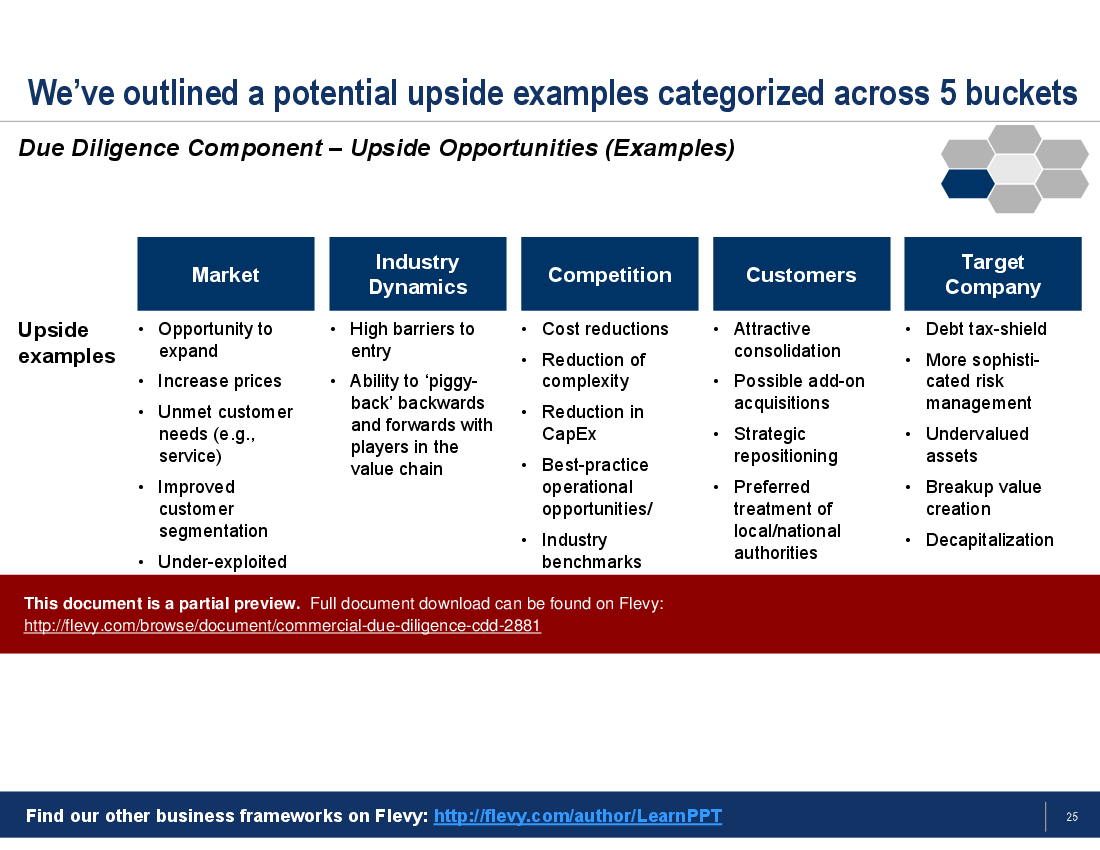
Identify upsides.
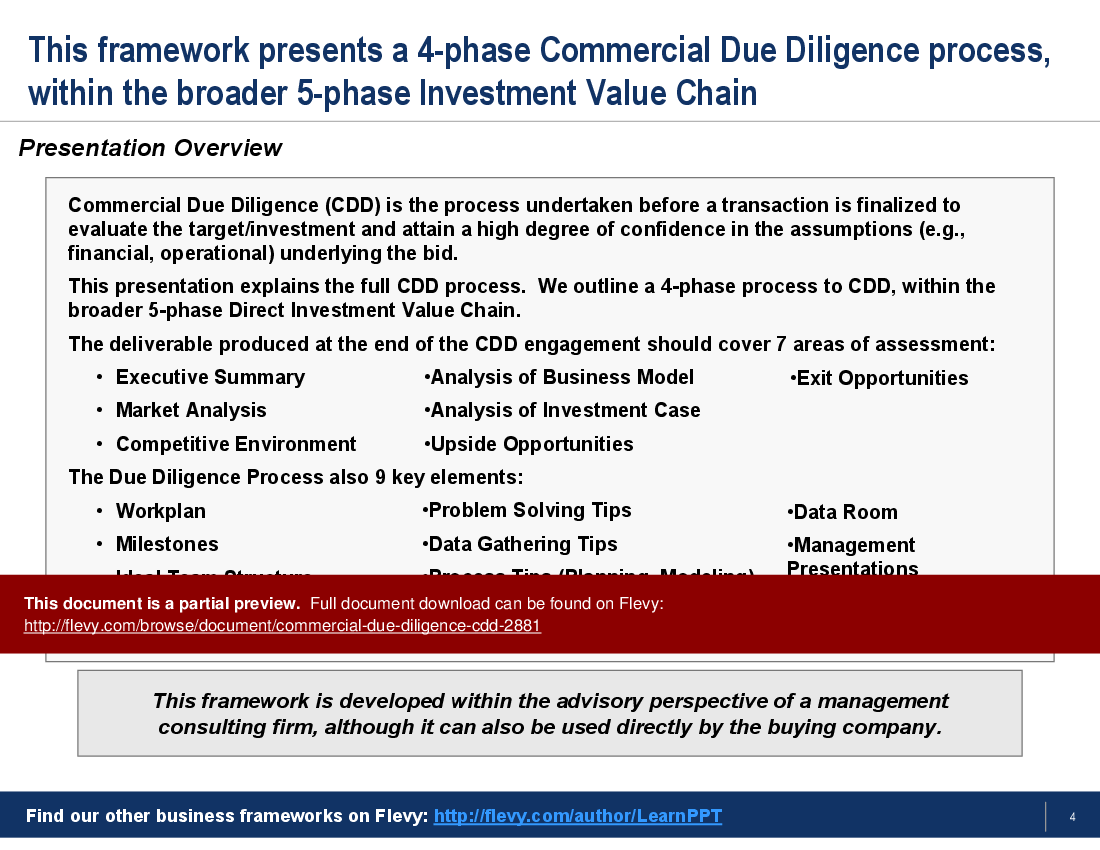
For these reasons, it's crucial to follow a robust, proven approach to conducting Due Diligence. This PowerPoint presentation explains the full CDD process. We outline a 4-phase process to CDD (within the broader 5-phase Direct Investment Value Chain):
This framework is developed within the advisory perspective of a management consulting firm, although it can also be used directly by the buying company. The deliverable produced at the end of the CDD engagement should cover 7 areas of assessment:
1. Executive Summary
2. Market Analysis
3. Competitive Environment
4. Analysis of Business Model
5. Analysis of Investment Case
6. Upside Opportunities
7. Exit Opportunities
The Due Diligence Process has 9 key elements:
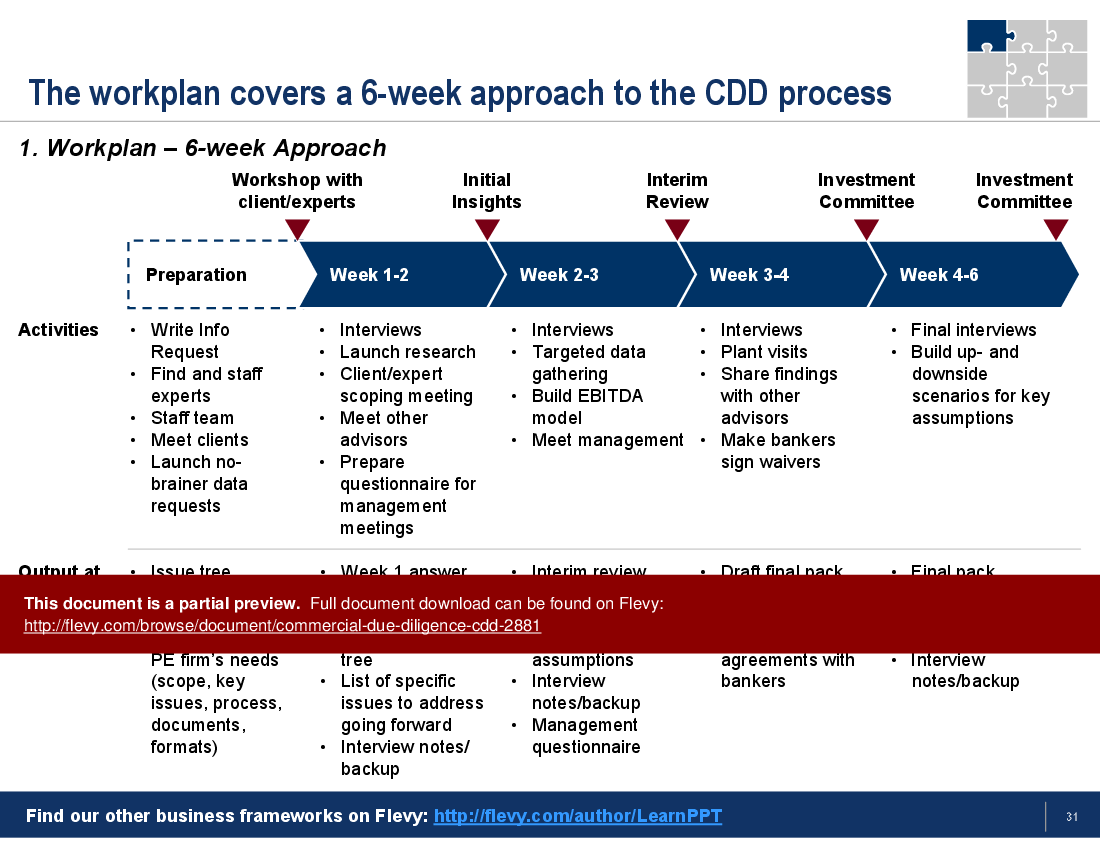
1. Workplan
2. Milestones
3. Ideal Team Structure
4. Problem Solving Tips
5. Data Gathering Tips
6. Process Tips (Planning, Modeling)
7. Data Room
8. Management Presentations
9. Mindset
Additional topics discussed include Advisors & Roles, Types of CDD Projects, Buyer Profiles, Transaction Types, among others. This deck also includes relevant template slides for you to use in your own business presentations.
This presentation covers the critical aspects of initial screening, including preliminary evaluation, investment memorandum review, and first round review. It also delves into advisor roles, key success factors, and the importance of managing these effectively to ensure a smooth CDD process.
Got a question about the product? Email us at support@flevy.com or ask the author directly by using the "Ask the Author a Question" form. If you cannot view the preview above this document description, go here to view the large preview instead.
MARCUS OVERVIEW
This synopsis was written by Marcus [?] based on the analysis of the full 63-slide presentation.
Executive Summary
The Commercial Due Diligence (CDD) framework is a comprehensive guide designed for evaluating acquisition targets and verifying the underlying assumptions of bids. Developed by a team of seasoned consultants from top firms, this framework provides a structured approach to CDD within the broader Investment Value Chain. It outlines a four-phase process, covering essential areas such as market analysis, competitive environment, and business model assessment. By utilizing this framework, corporate executives and consultants can enhance their understanding of potential investments, identify risks, and uncover value creation opportunities, ensuring a robust investment decision-making process.
Who This Is For and When to Use
• Corporate executives involved in M&A activities
• Private equity professionals assessing investment opportunities
• Consultants facilitating due diligence processes
• Financial analysts conducting market and competitive assessments
Best-fit moments to use this deck:
• During the initial screening of potential acquisition targets
• When preparing for first-round bids in M&A transactions
• In the development of investment cases for stakeholders
Learning Objectives
• Define the Commercial Due Diligence process and its significance in investment decisions
• Analyze market conditions and competitive landscapes relevant to acquisition targets
• Identify and assess risks associated with potential investments
• Develop a structured workplan for conducting due diligence
• Create a comprehensive investment case based on empirical data
• Evaluate exit opportunities and potential value propositions for investments
Table of Contents
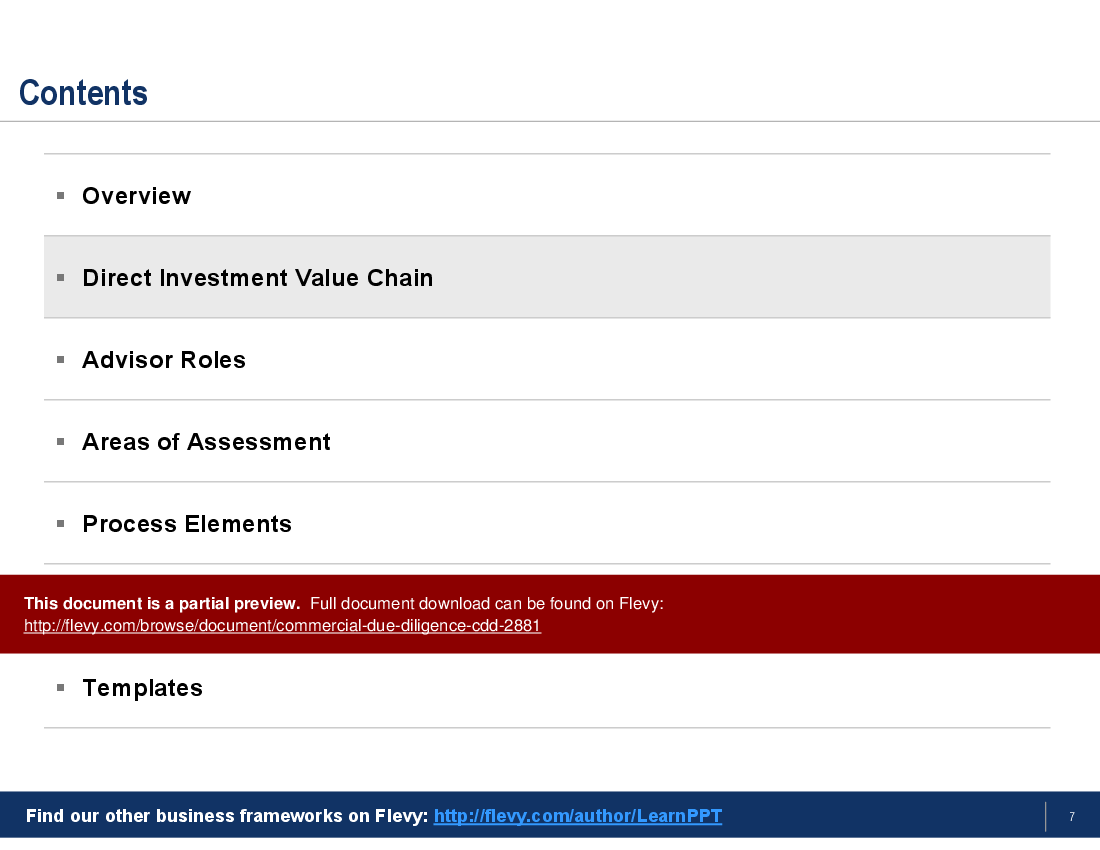
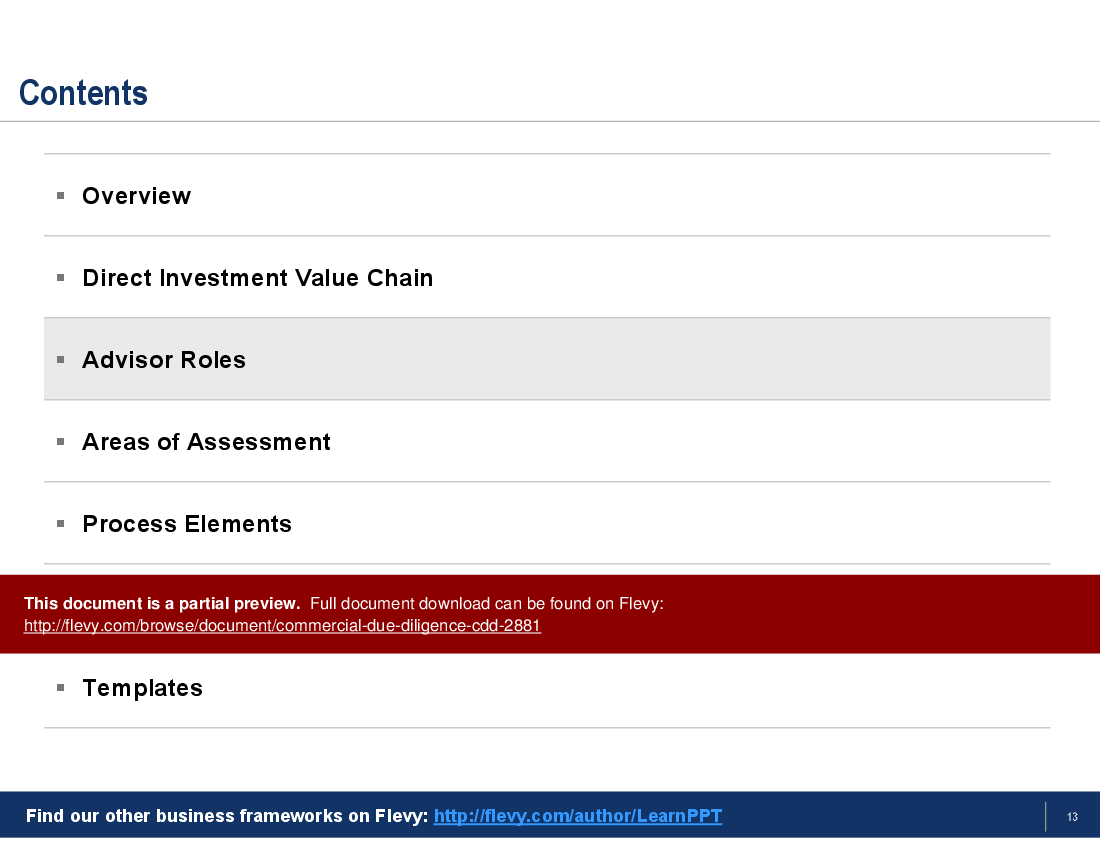
• Overview (page 3)
• Direct Investment Value Chain (page 7)
• Advisor Roles (page 13)
• Areas of Assessment (page 17)
• Process Elements (page 29)
• Dependencies of CDD (page 46)
• Templates (page 54)
Primary Topics Covered
• Investment Value Chain - The framework outlines a five-phase process, with CDD as the second phase, emphasizing its role in the acquisition journey.
• Advisor Roles - Details the various advisors involved in the CDD process, including their responsibilities and contributions to the investment evaluation.
• Areas of Assessment - Identifies 7 critical areas of focus during CDD, including market analysis and exit options.
• Process Elements - Describes nine key elements essential for a successful CDD process, including workplans and data gathering tips.
• Dependencies of CDD - Discusses the factors influencing the type and scope of CDD projects, such as buyer profiles and transaction types.
• Templates - Provides templates for structuring the CDD process and documentation.
Deliverables, Templates, and Tools
• Comprehensive workplan template for organizing the CDD process
• Milestone tracking tools to monitor progress and deliverables
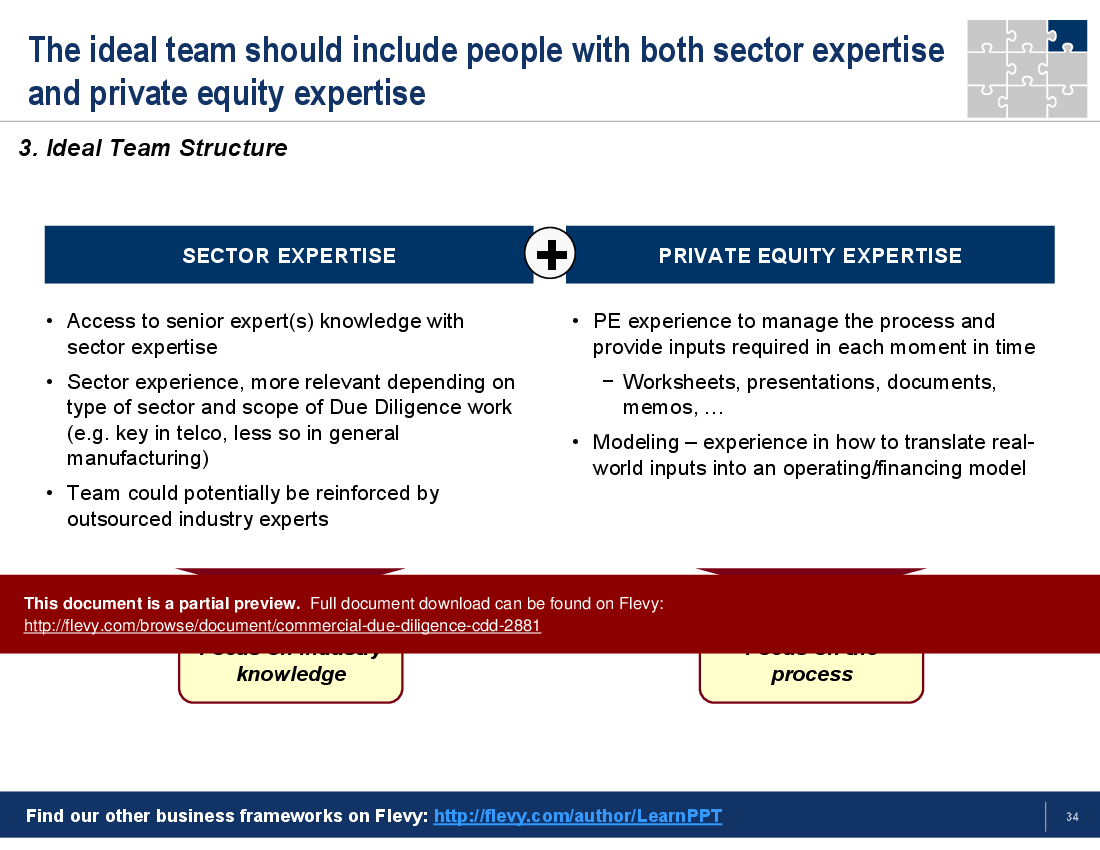
• Ideal team structure guidelines for effective collaboration
• Problem-solving tips to enhance analytical rigor
• Data gathering templates for efficient information collection
• Management presentation frameworks for communicating findings
Slide Highlights
• Overview of the Commercial Due Diligence process and its phases
• Detailed breakdown of the Direct Investment Value Chain
• Key roles and responsibilities of advisors in the CDD process
• Visual representation of the 7 areas of assessment
• Step-by-step guide for the CDD workplan and milestones
Potential Workshop Agenda
Kickoff Workshop (90 minutes)
• Introduce the CDD framework and objectives
• Discuss initial hypotheses and key value drivers
• Outline the structure for the EBITDA model
Interim Review Meeting (60 minutes)
• Share early findings and address burning questions
• Agree on focus areas for further analysis
Final/Investment Committee Meeting (90 minutes)
• Present comprehensive findings and investment recommendations
• Discuss underlying assumptions and potential risks
Customization Guidance
• Tailor the workplan to reflect specific timelines and milestones relevant to your transaction
• Adjust the team structure to include internal resources and external advisors as needed
• Modify the data gathering templates to align with the unique requirements of the target company
Secondary Topics Covered
• Types of CDD projects and their specific requirements
• Buyer profiles and their implications for due diligence
• Key success factors for effective CDD execution
• Common pitfalls and challenges in the due diligence process
FAQ What is Commercial Due Diligence?
Commercial Due Diligence is the process of evaluating an acquisition target to verify the assumptions underlying a bid, assessing market conditions, and identifying risks and opportunities.
Who should conduct CDD?
CDD should be conducted by corporate executives, private equity professionals, and consultants with expertise in market analysis and investment evaluation.
What are the key areas of assessment in CDD?
The key areas include market analysis, competitive environment, business model analysis, investment case assessment, upside opportunities, exit options, and an executive summary of findings.
How long does the CDD process typically take?
The CDD process can vary in duration, but generally spans 2-4 weeks, depending on the complexity of the transaction and the availability of information.
What are the deliverables of a CDD engagement?
Deliverables typically include a comprehensive report summarizing findings, a detailed workplan, and presentations for stakeholders.
What role do advisors play in CDD?
Advisors provide expertise in financial, legal, and operational assessments, helping to validate assumptions and identify potential risks.
How can I customize the CDD framework for my needs?
You can tailor the workplan, team structure, and data gathering templates to fit the specific requirements of your transaction and organizational context.
What are the common pitfalls in the CDD process?
Common pitfalls include inadequate data gathering, lack of clear objectives, and failure to engage key stakeholders throughout the process.
How does CDD fit into the overall investment value chain?
CDD is a critical phase within the investment value chain, serving as a foundation for informed decision-making and value creation strategies.
Glossary
• Commercial Due Diligence (CDD) - A process to evaluate acquisition targets and verify bid assumptions.
• Investment Value Chain - A five-phase framework guiding investment decisions.
• EBITDA - Earnings Before Interest, Taxes, Depreciation, and Amortization; a key financial metric.
• Advisor Roles - Various professionals involved in the CDD process, including financial, legal, and strategic advisors.
• Market Analysis - Assessment of market conditions impacting the target company.
• Exit Strategy - Plan for divesting from an investment, including potential buyers and value propositions.
• Workplan - A structured timeline outlining activities and deliverables during the CDD process.
• Data Room - A secure location for storing and sharing sensitive documents during the due diligence process.
• Milestones - Key points in the CDD process that mark significant progress or deliverables.
• Buyer Profile - Characteristics of the entity pursuing the acquisition, influencing the CDD approach.
• Risk Management - Strategies for identifying and mitigating potential risks associated with an investment.
• Upside Opportunities - Potential value creation levers identified during the CDD process.
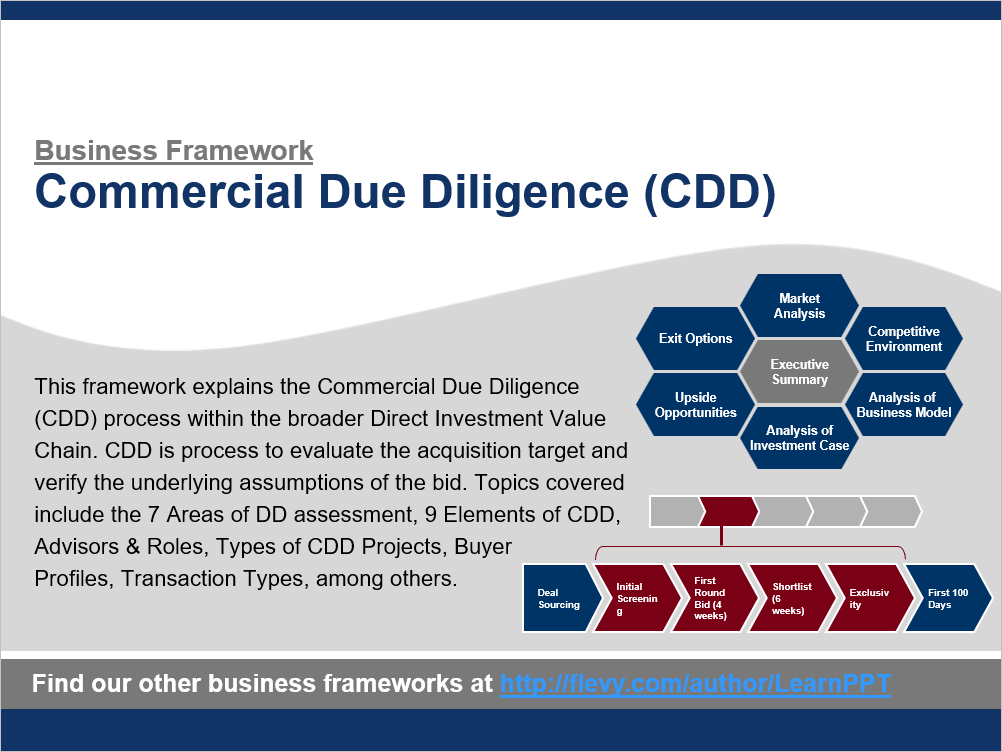
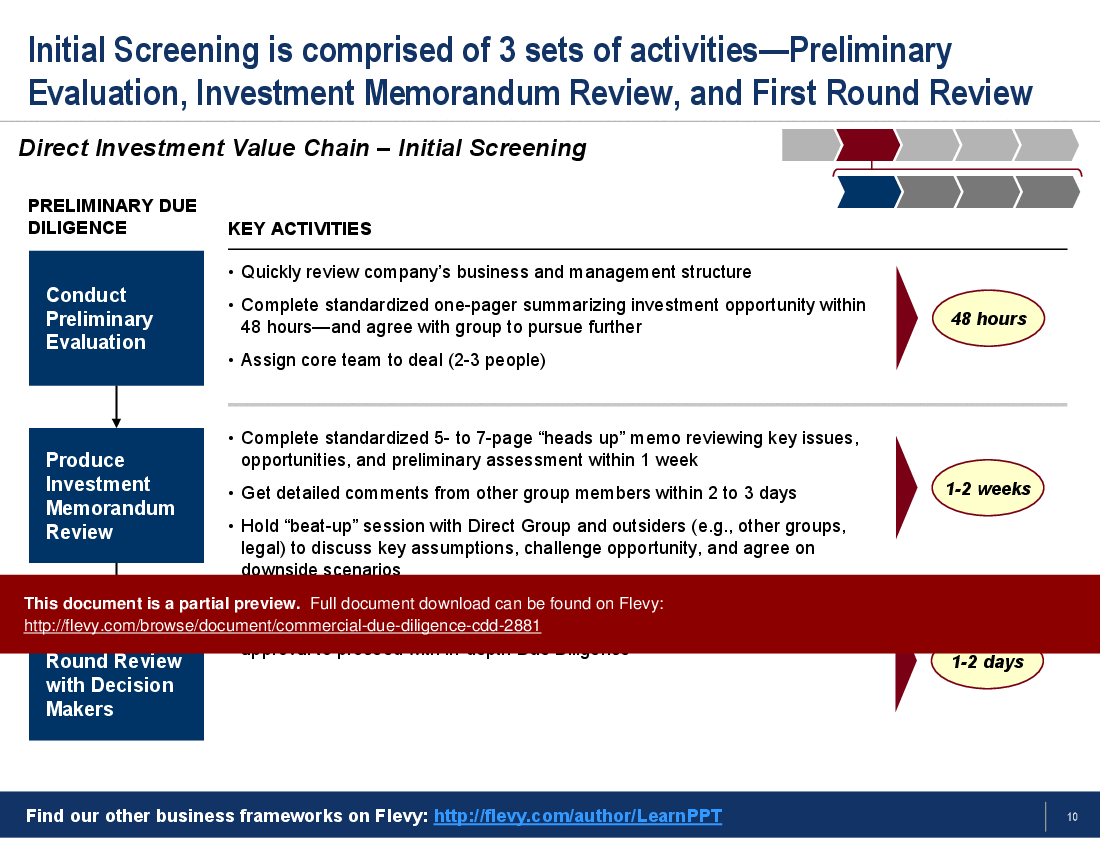
The second phase of the Direct Investment Value Chain focuses on the Due Diligence process, segmented into 4 stages: Initial Screening, First Round Bid, Shortlist, and Exclusivity.
In the Initial Screening phase, preliminary insights are gathered through personal networks and direct seller approaches, often requiring external consultations with industry experts.
The First Round Bid lasts 4 weeks and involves obtaining an information memorandum, conducting management meetings, and seeking informal advice from consulting firms and financing banks to evaluate debt potential. The goal is to submit an indicative bid, contingent upon further due diligence.
The Shortlist phase, lasting 6 weeks, entails formal due diligence with access to a data room and management interactions, focusing on financial structuring and negotiations of management contracts.
Finally, the Exclusivity phase includes finalizing legal agreements and conducting confirmatory due diligence, emphasizing key terms of remuneration packages and planning for the first 100 days post-acquisition to align with strategic objectives. This structured due diligence approach mitigates risks and maximizes investment potential.
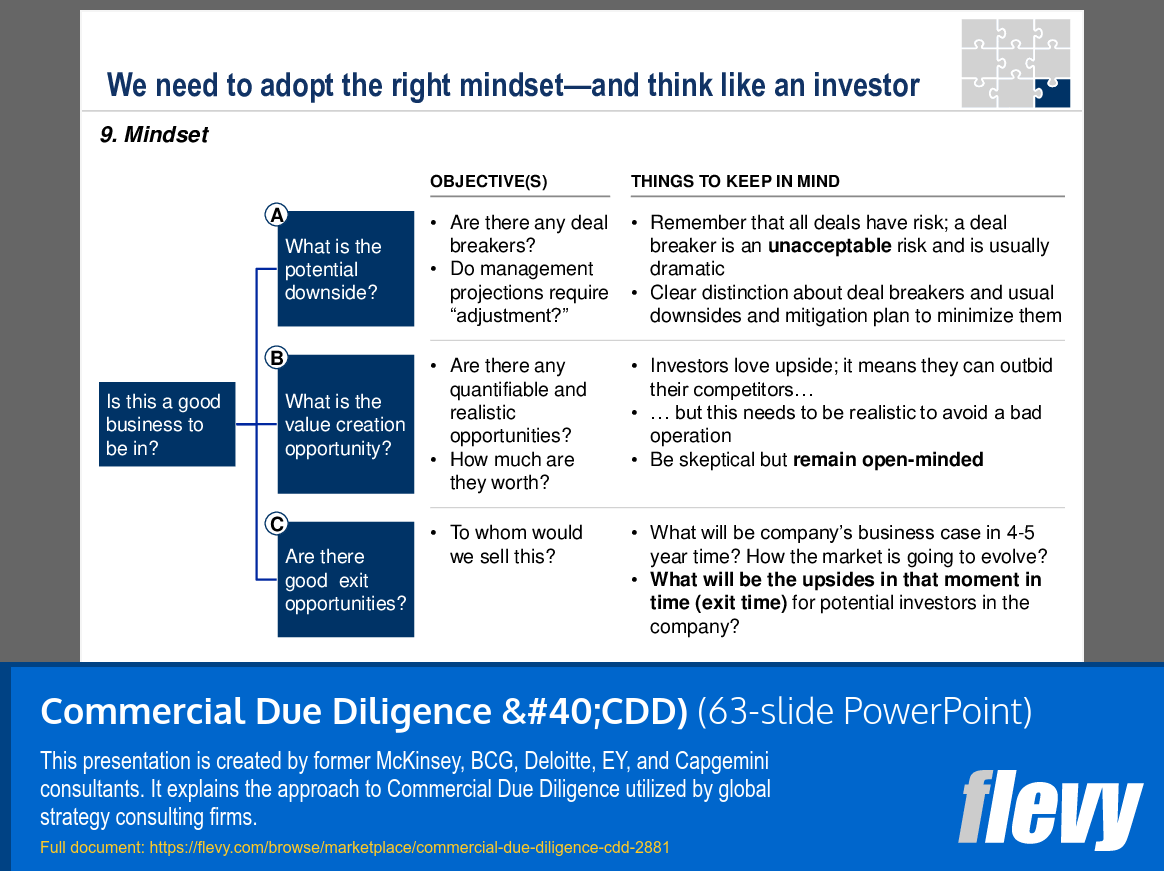
Adopting an investor mindset is essential for evaluating business opportunities. Key objectives include assessing potential downsides, identifying value creation opportunities, and exploring exit strategies. For potential downsides, focus on identifying deal breakers and determining necessary adjustments to management projections, recognizing that all deals carry risks. A mitigation plan is vital for addressing these risks. Value creation opportunities should be quantifiable and realistic, grounded in reality to avoid pursuing unviable operations. Skepticism, paired with open-minded analysis, is encouraged. Lastly, consider exit opportunities by evaluating potential buyers and the company's future business case, including market evolution and exit timing. This balanced approach weighs risks against potential rewards, aligning with long-term business objectives.
Commercial Due Diligence (CDD) is a pre-transaction process that assesses acquisition targets to validate financial and operational assumptions. It requires independent, verifiable information and focuses on 3 key areas: past and projected performance, capabilities for success, and risk management with potential upsides. The objectives of CDD include providing insights into target management capabilities, identifying significant risks or "skeletons in the closet," and recognizing potential benefits for the acquirer. While CDD offers valuable insights, it does not generate additional business information, setting realistic expectations for its outcomes.

This PPT slide outlines a structured approach to evaluating an investment case during due diligence, focusing on Investment Case Development, Investment Case Assessment, and Risk and Reward Analysis. Investment Case Development involves identifying key assumptions, creating an EBITDA tree, and developing base case projections linked to market conditions, competition, and business model analysis. Investment Case Assessment evaluates the robustness of these assumptions by identifying key value drivers and validating them with market insights. Risk and Reward Analysis examines potential upside opportunities and risks, presenting both scenarios to evaluate the investment case's overall balance. This framework aids private equity firms in making informed investment decisions and managing associated risks.
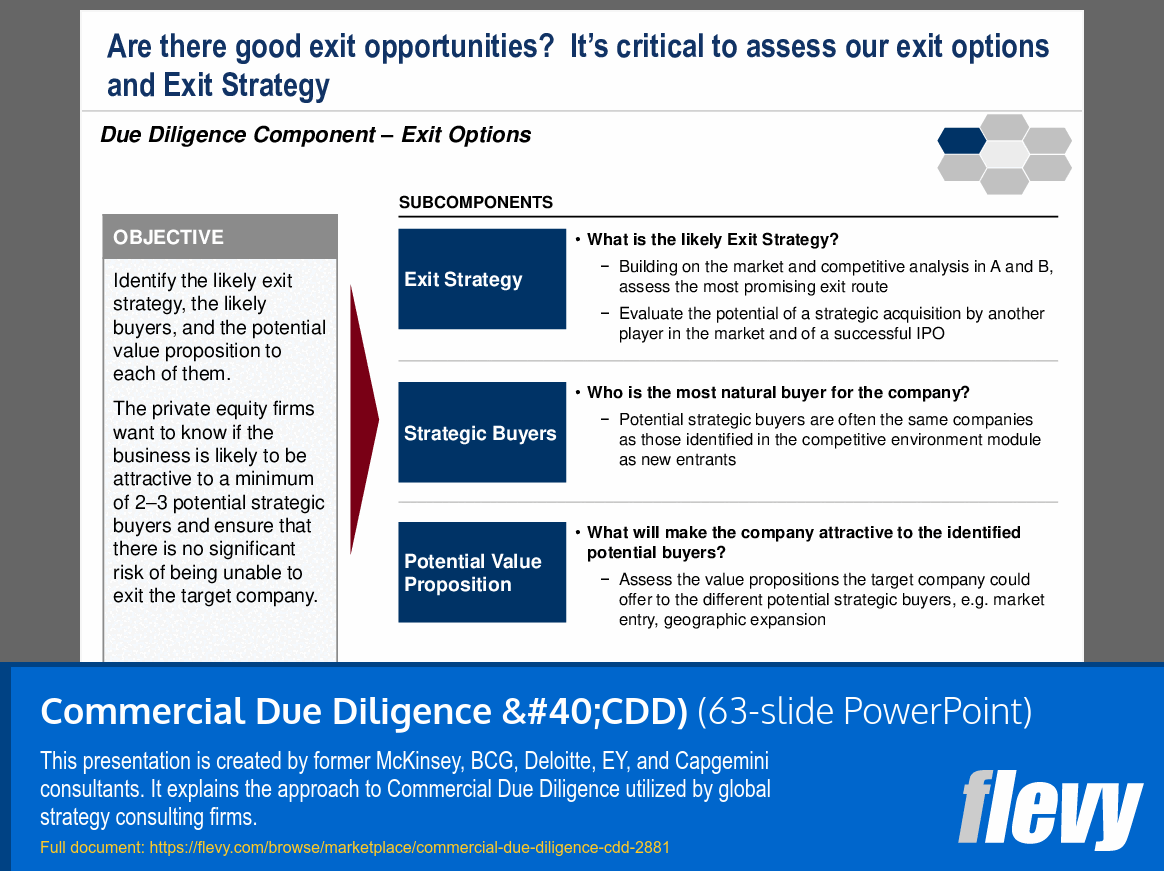
This PPT slide evaluates exit opportunities within a due diligence framework for private equity firms, focusing on identifying viable exit strategies, potential buyers, and their value propositions. The "Exit Strategy" subcomponent emphasizes analyzing market conditions and competitive dynamics to determine optimal exit routes, including strategic acquisitions and initial public offerings (IPOs). "Strategic Buyers" identifies natural acquirers, highlighting their overlap with competitive analyses, which enhances negotiation leverage. The "Potential Value Proposition" assesses unique attributes that attract strategic buyers, such as market entry or geographic expansion opportunities. A thorough analysis of these elements is essential for effective exit strategy formulation.
This PPT slide outlines the Commercial and Strategic Due Diligence Processes, structured into 2 main phases: Preparation and Execution. The Preparation phase includes Asset Valuation, Potential Buyers Identification, and Design of the Operation. Asset Valuation establishes a fair market price, while identifying potential buyers targets the right audience. The process flows from Analysis and Design to Presale activities, which include creating an Info Memo for engaging buyers and using a Blind Profile and NDAs to gauge market appetite without disclosing sensitive information.
In the Execution phase, Offer Management and Negotiation occur, including Non-binding Offers/Shortlist and Binding Offers. The Data Room and Management Presentations facilitate deeper engagement with interested buyers, enabling informed decision-making. The Closing phase emphasizes negotiation and finalizing the deal, ensuring all necessary steps maximize transaction value and minimize risks.
This PPT slide outlines nine essential elements for executing a successful Commercial Due Diligence (CDD) process. The "Workplan" serves as the foundational blueprint, detailing steps and timelines for effective execution. "Milestones" are critical checkpoints for tracking progress. The "Ideal Team Structure" emphasizes assembling the right mix of skills and expertise. "Problem Solving Tips" offer strategies for addressing challenges during diligence. "Data Gathering Tips" highlight the necessity of efficient information collection for robust analysis. "Process Tips: Planning and Modeling" focus on methodologies for structuring analysis and projections. The "Data Room" serves as a repository for relevant documents, facilitating transparency. "Management Presentations" communicate findings to stakeholders. Lastly, the "Mindset" element underscores maintaining a strategic and analytical approach throughout the CDD process. These elements collectively provide a comprehensive framework for thorough and effective due diligence.
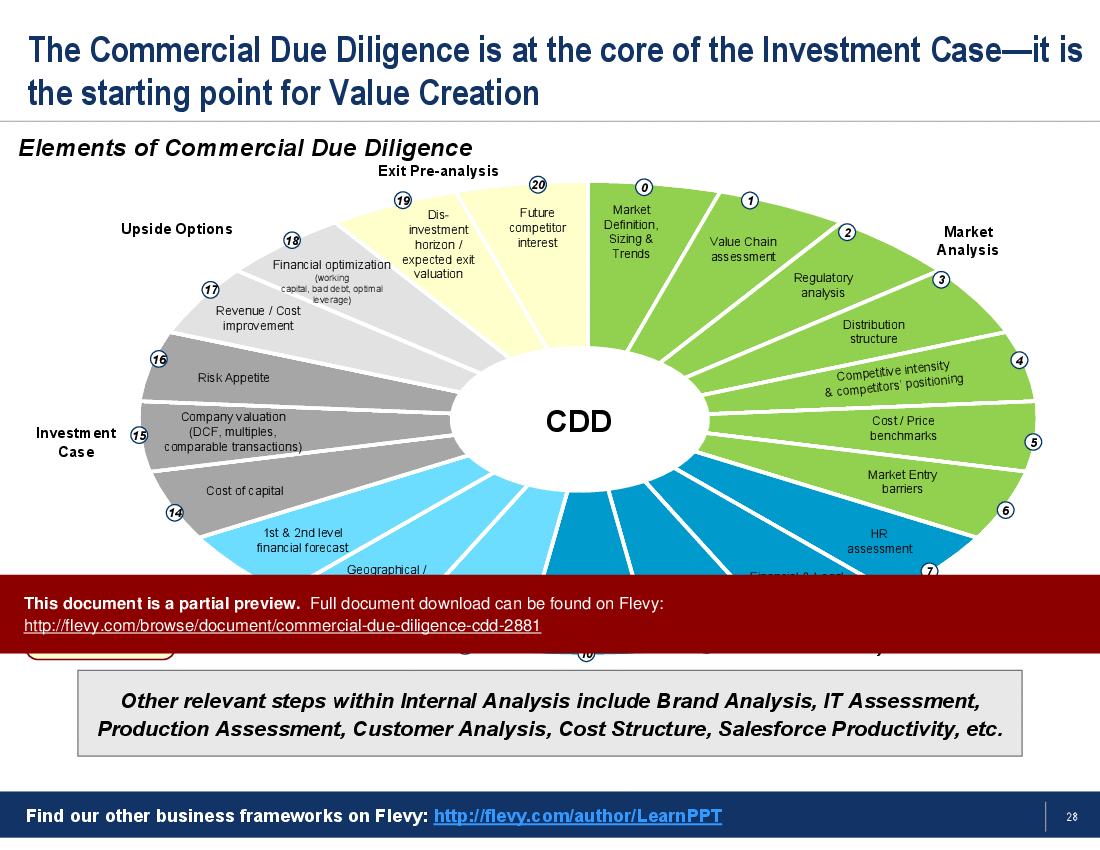
This PPT slide outlines the critical components of Commercial Due Diligence (CDD) as a foundational element in the investment process. CDD is essential for creating value and evaluating potential investments. The Investment Case includes risk appetite, company valuation methodologies, and financial optimization strategies, focusing on the target company's financial health. Revenue and cost improvement are highlighted as priorities for enhancing operational efficiency. The Market Analysis section addresses market definition, competitive intensity, and barriers to entry, emphasizing the importance of understanding the external environment alongside internal assessments. Elements like distribution structure and regulatory analysis indicate a comprehensive evaluation of market dynamics. The list of factors is non-exhaustive, allowing for tailored approaches in the CDD process.
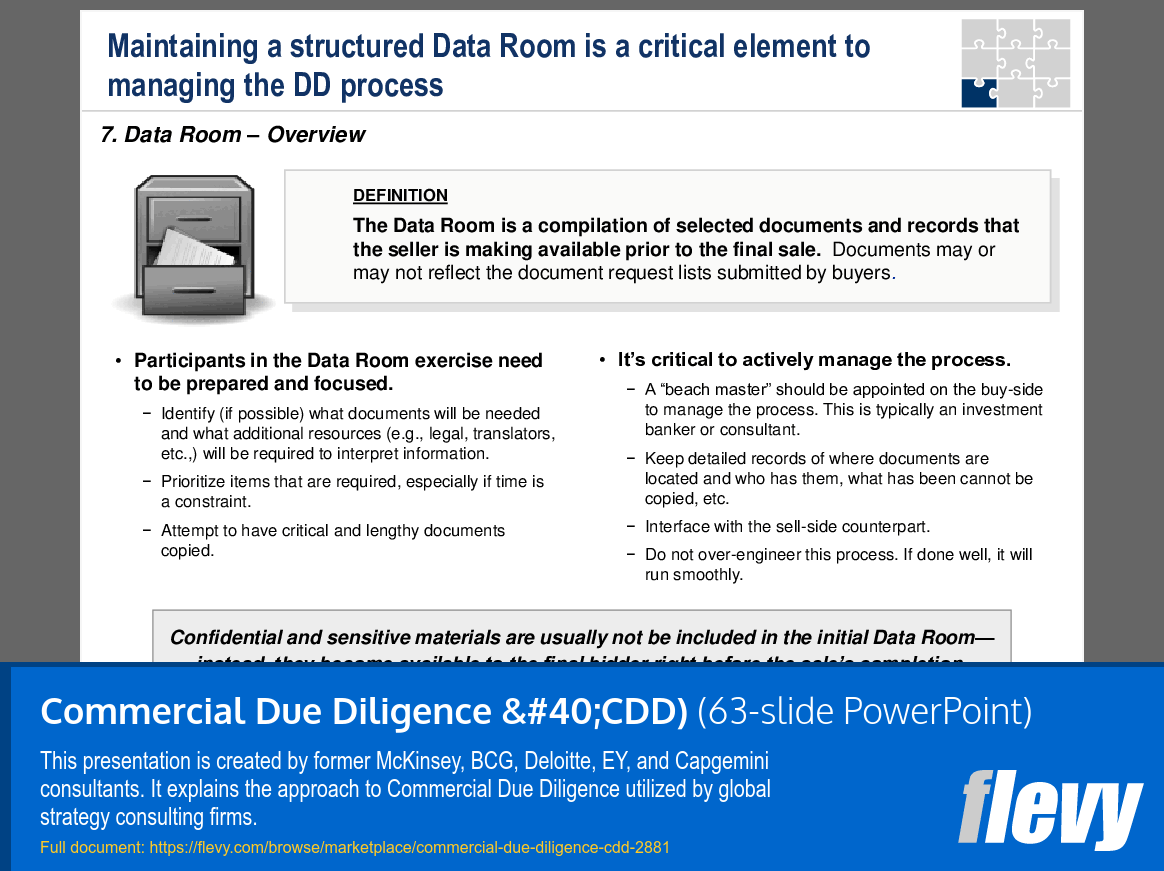
The Data Room is a compilation of selected documents provided by the seller during the due diligence process, emphasizing the seller's discretion in document selection. Participants must be well-prepared, identifying required documents and additional resources like legal or translation services to ensure clarity. Prioritization is essential, especially under time constraints, and copying critical documents helps manage complexity. Active management of the Data Room is vital; appointing a "beach master" from the buy-side, such as an investment banker or consultant, ensures efficient oversight and record-keeping. Interfacing with the sell-side counterpart is crucial for smooth operations. Confidential materials are typically excluded from the initial Data Room, but are disclosed to final bidders before sale completion, reflecting a strategic approach to information disclosure during due diligence.
This PPT slide outlines the distinctions in commercial due diligence (CDD) processes for private versus public companies, focusing on information confidentiality and process duration. Private companies require a signed Confidentiality Agreement to manage sensitive data sharing, typically involving basic business plans not publicly available. The due diligence process can take days to months, influenced by party agreements. Conversely, public companies also maintain confidentiality, but streamline the process, often completing due diligence in just a few days. This efficiency is vital in auction scenarios, enabling consistent information sharing and quicker progression through bidding rounds. Understanding these differences is essential for stakeholders, as private deals' extended duration and confidentiality can impact transaction timelines and strategies.
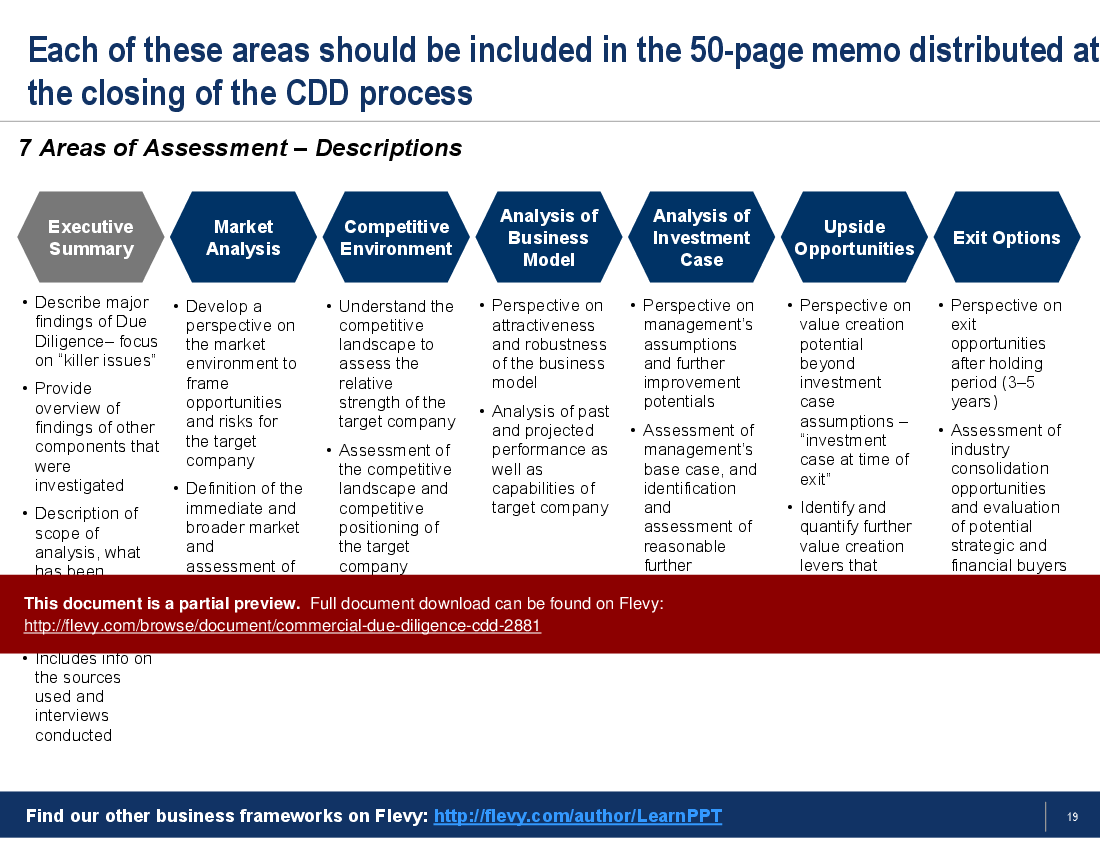
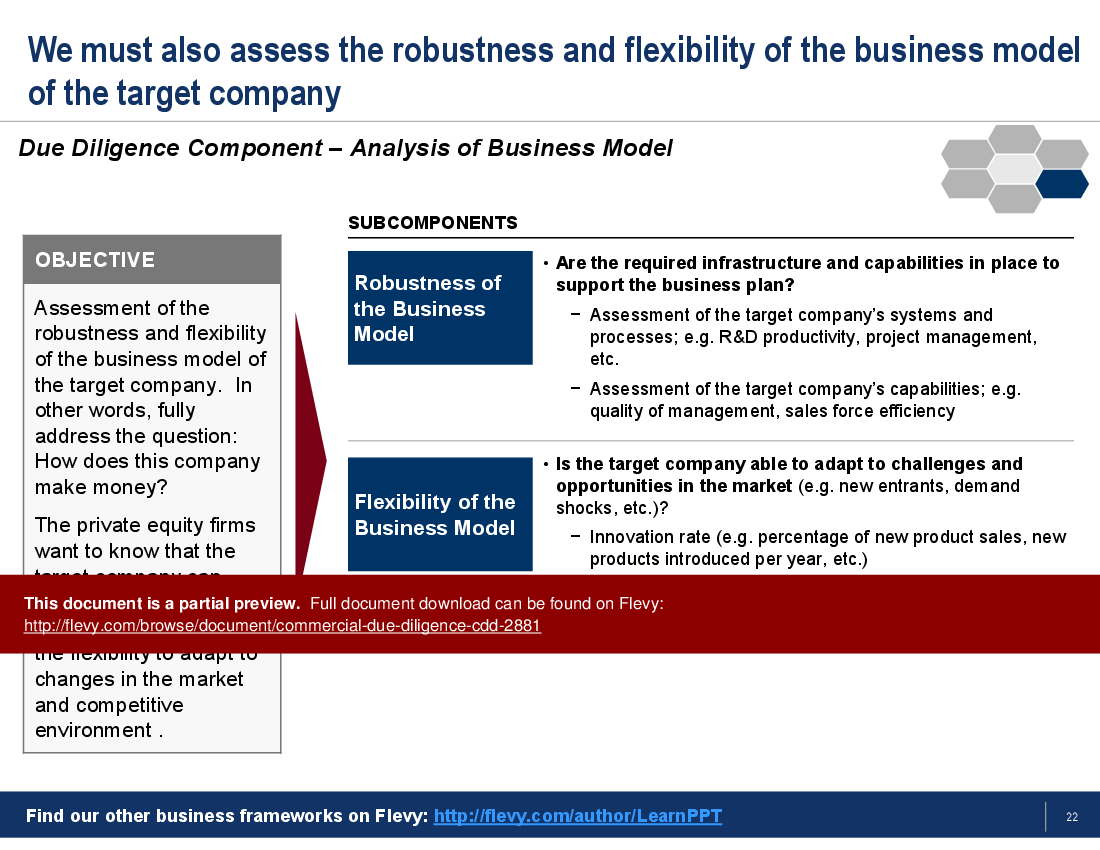
This PPT slide outlines the 7 areas of assessment in the Commercial Due Diligence process, centered around the "Executive Summary," which synthesizes key findings. The areas include "Market Analysis," focusing on market dynamics, trends, and customer behaviors; "Competitive Environment," which evaluates competitor positioning and strategic implications; "Analysis of Business Model," assessing how value is created and captured; "Analysis of Investment Case," examining financial and strategic rationale for investments; "Upside Opportunities," identifying growth areas; and "Exit Options," exploring divestment strategies. This structured approach emphasizes the interconnectedness of these assessments, aiding informed investment and strategic decision-making.
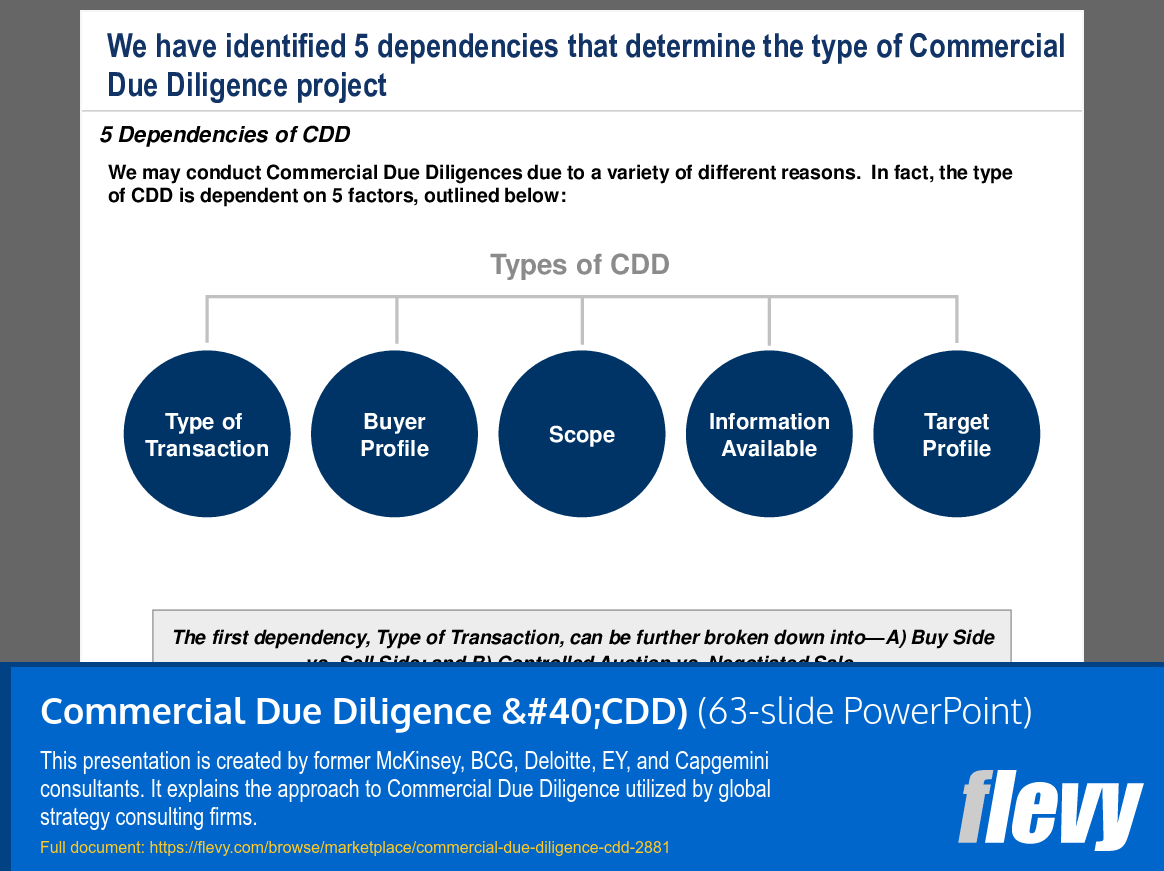
This PPT slide outlines 5 key dependencies influencing Commercial Due Diligence (CDD) projects:
1. Type of Transaction - Categorized into Buy Side, Sell Side, and auction types, determining the CDD structure and approach.
2. Buyer Profile - Characteristics and motivations of the buyer, essential for tailoring the due diligence process.
3. Scope - Indicates the breadth and depth of analysis required, varying with transaction type and buyer profile.
4. Information Available - The quality and quantity of accessible information significantly impact findings and recommendations.
5. Target Profile - Attributes of the entity being evaluated, including financial health, market position, and operational capabilities.
These dependencies collectively shape the CDD approach, ensuring customization to each transaction's unique context.
This PPT slide outlines the second phase of the Direct Investment Value Chain, focusing on Due Diligence activities. Key success factors include a clearly defined investment approach and proactive identification of relevant industries or companies, ensuring alignment with strategic goals. An extensive relationship network is essential for accessing valuable information and opportunities. The Due Diligence process involves establishing clear investment criteria and a preliminary screening process, which are vital for effective assessment. A rigorous financial analysis is emphasized to evaluate investment viability. Due Diligence links to subsequent phases like Deal Structuring, Value-added Monitoring, and Monetization, highlighting its foundational role in the investment process.
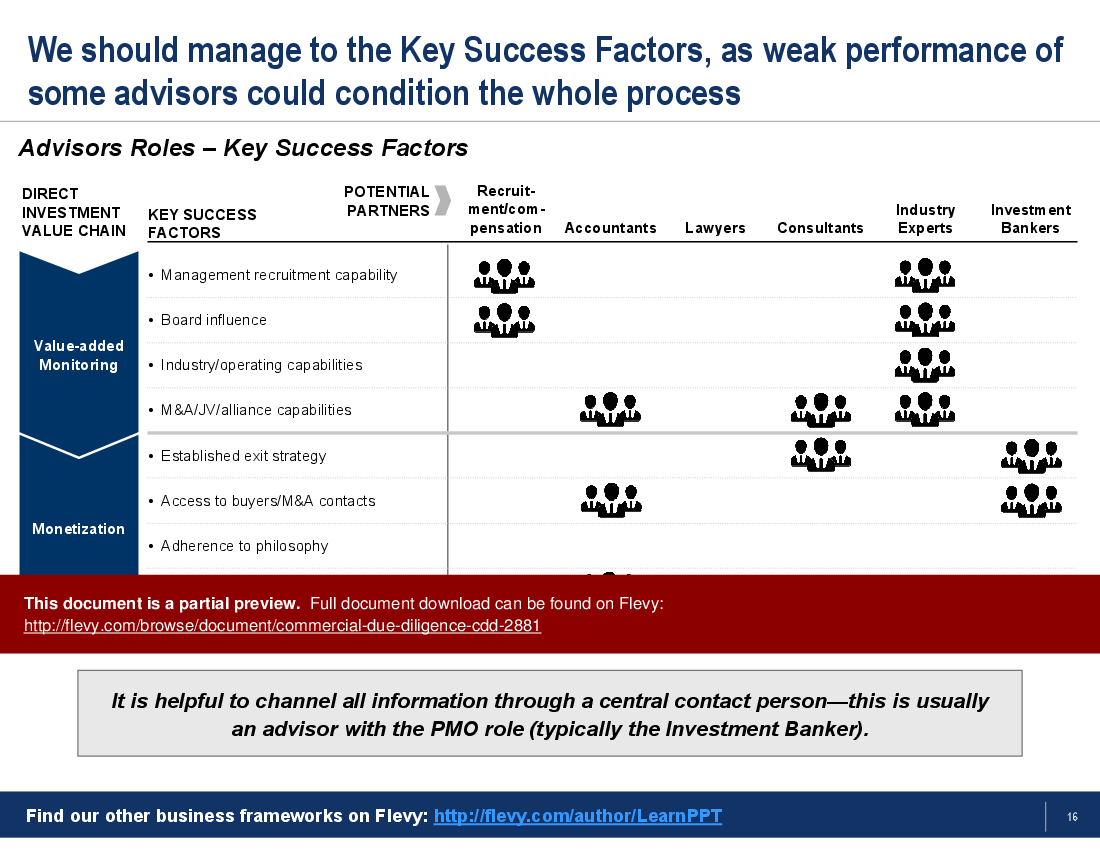
Advisors play distinct roles in the investment process, varying by transaction type and investor resources. Investors, including private equity and corporate entities, are responsible for building the investment case, leading negotiations, and integrating support from consultants and banks. Investment banks manage the overall process, coordinating timelines, overseeing valuations, and facilitating negotiations as a project management office (PMO). Accounting firms conduct financial due diligence, validating assumptions and providing tax support to ensure financial integrity. Strategy consultants lead commercial due diligence and coordinate technical advisors to maximize post-acquisition value. Financing banks structure debt and high-yield financing, influencing their involvement timing. Lawyers handle legal due diligence and contract negotiations, ensuring compliance. Advisory team conference calls can involve up to 40 participants, highlighting the complexity of these transactions.
Source: Best Practices in Due Diligence PowerPoint Slides: Commercial Due Diligence (CDD) PowerPoint (PPT) Presentation Slide Deck, LearnPPT Consulting
This presentation is created by former McKinsey, BCG, Deloitte, EY, and Capgemini consultants. It explains the approach to Commercial Due Diligence utilized by global strategy consulting firms.
We are a team of management consultants trained by top tier global consulting firms (including McKinsey, BCG, Deloitte, EY, Capgemini) with a collective experience of several decades. We specialize in business frameworks based on real-life consulting engagements.
We have served 100s of clients that range from Fortune 500 companies to tech startups to
... [read more] $1B+ private companies.
Utilize our consulting frameworks to apply structured thinking & analysis to address your business challenges, uncover strategic insights, and implement workable solutions. Our PowerPoint presentations follow traditional consulting slide design formats, starting with a clear slide headline. Easily customize and repurpose our slides for your own business presentations.
Beyond business frameworks & methodologies, we also offer PowerPoint templates and other business templates. Our templates are professionally designed and have been used in thousands of deliverables & work products across hundreds of clients.
Since 2012, we have provided business templates to over 10,000 businesses and organizations of all sizes, from startups and small businesses to the Fortune 100, in over 130 countries.
"If you are looking for great resources to save time with your business presentations, Flevy is truly a value-added resource. Flevy has done all the work for you and we will continue to utilize Flevy as a source to extract up-to-date information and data for our virtual and onsite presentations!"
– Debbi Saffo, President at The NiKhar Group
"As a consultant requiring up to date and professional material that will be of value and use to my clients, I find Flevy a very reliable resource.
The variety and quality of material available through Flevy offers a very useful and commanding source for information. Using Flevy saves me time, enhances my expertise and ends up being a good decision."
– Dennis Gershowitz, Principal at DG Associates
"One of the great discoveries that I have made for my business is the Flevy library of training materials.
As a Lean Transformation Expert, I am always making presentations to clients on a variety of topics: Training, Transformation, Total Productive Maintenance, Culture, Coaching, Tools, Leadership Behavior, etc. Flevy
It is well worth the money to purchase these presentations. Sure, I have the knowledge and information to make my point. It is another thing to create a presentation that captures what I want to say. Flevy has saved me countless hours of preparation time that is much better spent with implementation that will actually save money for my clients.
"
– Ed Kemmerling, Senior Lean Transformation Expert at PMG
"As a small business owner, the resource material available from FlevyPro has proven to be invaluable. The ability to search for material on demand based our project events and client requirements was great for me and proved very beneficial to my clients. Importantly, being able to easily edit and tailor
the material for specific purposes helped us to make presentations, knowledge sharing, and toolkit development, which formed part of the overall program collateral. While FlevyPro contains resource material that any consultancy, project or delivery firm must have, it is an essential part of a small firm or independent consultant's toolbox.
"
– Michael Duff, Managing Director at Change Strategy (UK)
"Flevy is our 'go to' resource for management material, at an affordable cost. The Flevy library is comprehensive and the content deep, and typically provides a great foundation for us to further develop and tailor our own service offer."
– Chris McCann, Founder at Resilient.World
"I am extremely grateful for the proactiveness and eagerness to help and I would gladly recommend the Flevy team if you are looking for data and toolkits to help you work through business solutions."
– Trevor Booth, Partner, Fast Forward Consulting
"I like your product. I'm frequently designing PowerPoint presentations for my company and your product has given me so many great ideas on the use of charts, layouts, tools, and frameworks. I really think the templates are a valuable asset to the job."
– Roberto Fuentes Martinez, Senior Executive Director at Technology Transformation Advisory
"As a niche strategic consulting firm, Flevy and FlevyPro frameworks and documents are an on-going reference to help us structure our findings and recommendations to our clients as well as improve their clarity, strength, and visual power. For us, it is an invaluable resource to increase our impact and value."
– David Coloma, Consulting Area Manager at Cynertia Consulting
Save with Bundles
This document is available as part of the following discounted bundle(s):
Download our free compilation of 50+ Strategy & Transformation slides and templates. Frameworks include McKinsey 7-S, Balanced Scorecard, Disruptive Innovation, BCG Curve, and many more.