
Offers general guidance based on the ISO 22301:2019 standard
Can be used to as a self guide or to communicate BCMS best practices
BCP PPT DESCRIPTION
Editor Summary
30-slide PowerPoint presentation titled Business Continuity Management System - Best Practices that presents BCMS best practices mapped to ISO 22301:2019 and structured in a McKinsey/Bain/BCG-style consulting format.
Read moreIncludes deliverables and templates such as a Business Continuity Plan (BCP) template, risk assessment and Business Impact Analysis (BIA) frameworks, communication plan template, training materials, monitoring and evaluation checklist, and corrective action plan template. Target users include corporate executives, business continuity planners, operations managers, and compliance officers. Sold as a digital download on Flevy with immediate digital download.
Use this deck when an organization needs to define or strengthen its business continuity arrangements—during strategy development, audit preparation, training, or maturity assessments.
Corporate executives aligning business continuity objectives with corporate governance and strategic risk management, drafting BCMS objectives and oversight plans.
Business continuity planners conducting Business Impact Analyses and developing documented BCPs for critical functions.
Operations managers mapping critical processes and implementing operational continuity procedures and incident response activities.
Compliance officers preparing for ISO 22301:2019 audits and integrating legal/regulatory requirements into BCMS documentation.
The deck’s ISO 22301:2019 structure and embedded PDCA (plan-do-check-act) approach mirror consulting practice used in McKinsey- and BCG-style frameworks.
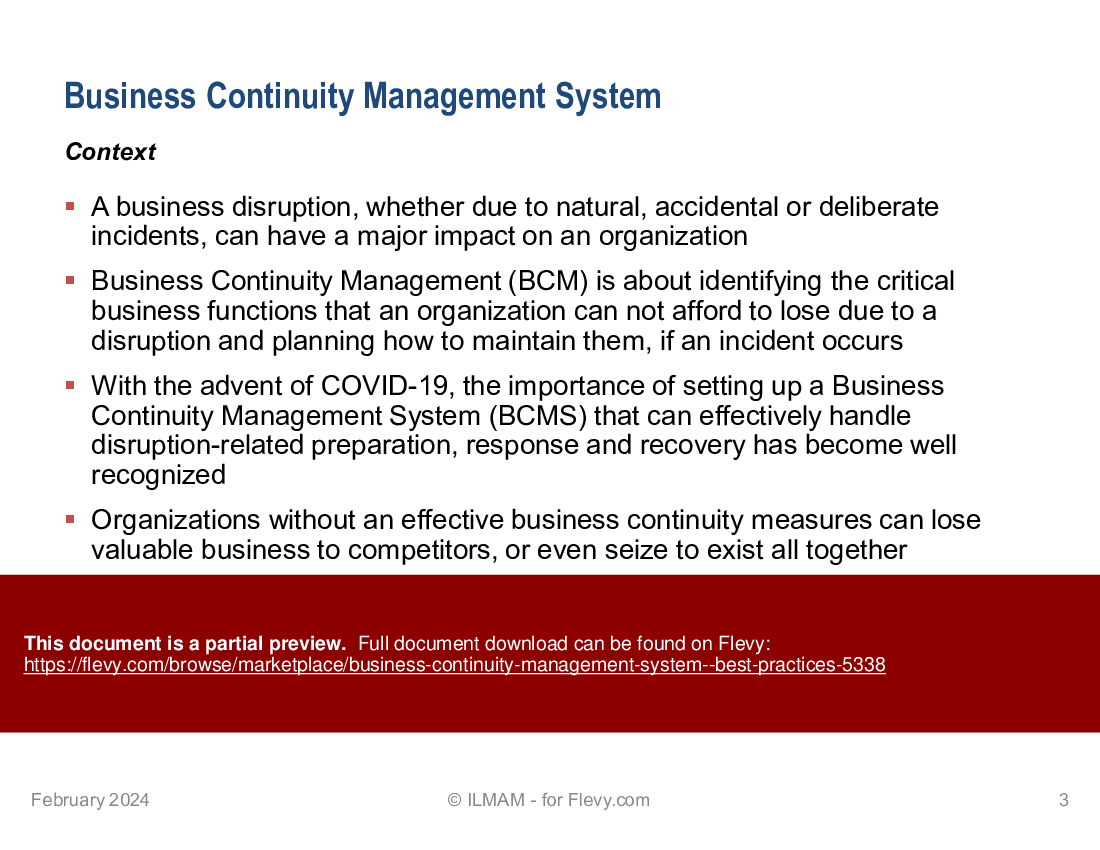
A business disruption, whether due to natural, accidental or deliberate incidents, can have a major impact on an organization.
Business Continuity Management (BCM) is about identifying the critical business functions that an organization can not afford to lose due to a disruption and planning how to maintain them, if an incident occurs.
With the advent of COVID-19, the importance of setting up a Business Continuity Management System (BCMS) that can effectively handle disruption-related preparation, response and recovery has become well recognized.
Organizations without an effective business continuity measures can lose valuable business to competitors, or even seize to exist all together.
This document covers key BCMS-related best practices and offers general guidance based on the ISO 22301:2019 standard.
Contents
1. Overview
• Context
• Key definitions
• Myth and reality
• BCM within the corporate governance framework
• BCMS emphasis
• BCM vs risk assessment
• BCM capability assessment
• BCM maturity assessment
2. Framework
• ISO 22301:2019 History and transition timeline
• ISO 22301:2019 vs ISO 22301:2012
• ISO 22301:2019 – key components
• ISO 22301:2019 and PDCA (plan-do-check-act)
• ISO 22301 and PDCA (plan-do-check-act) ? with descriptions
3. Components
• I. Context of the Organization
• I. Context of the Organization – components
• I. Context of the Organization – Interested parties
• II. Leadership
• III. Planning
• III. Planning – Factors to consider when making changes to the BCMS
• IV. Support
• V. Operation
• VI. Performance evaluation
• VII. Improvement
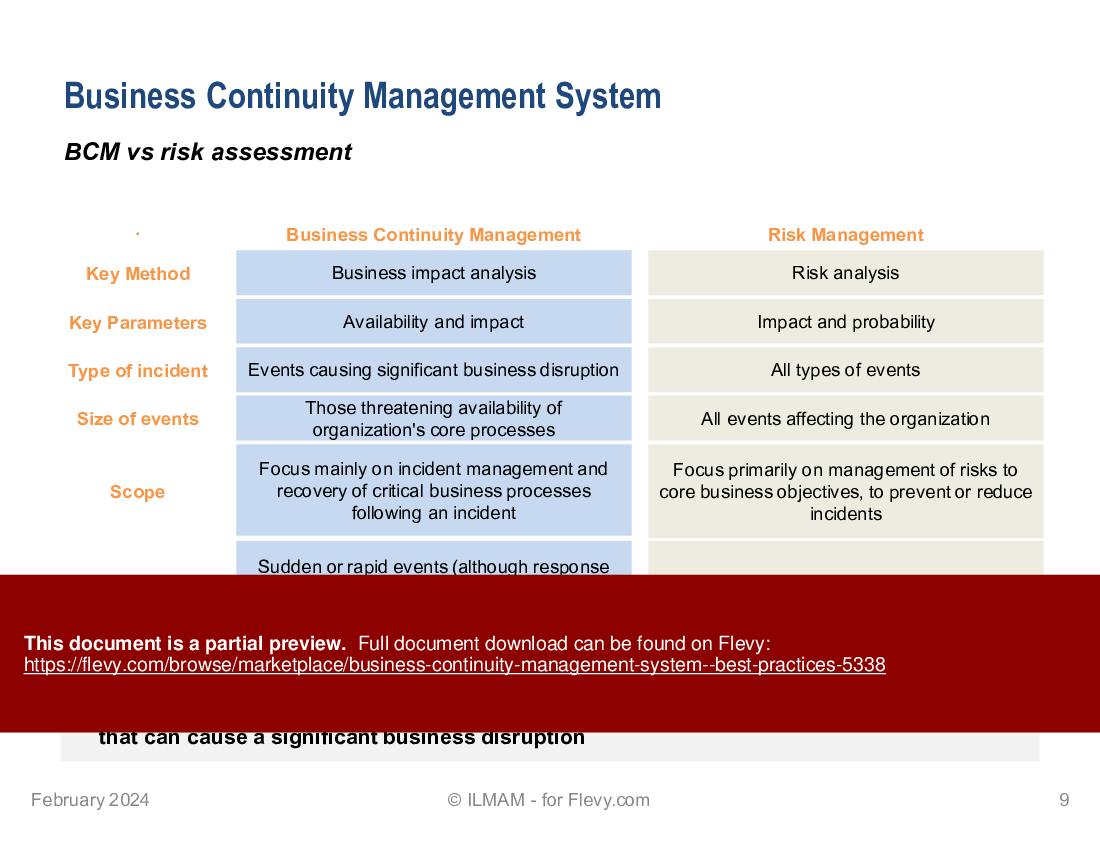
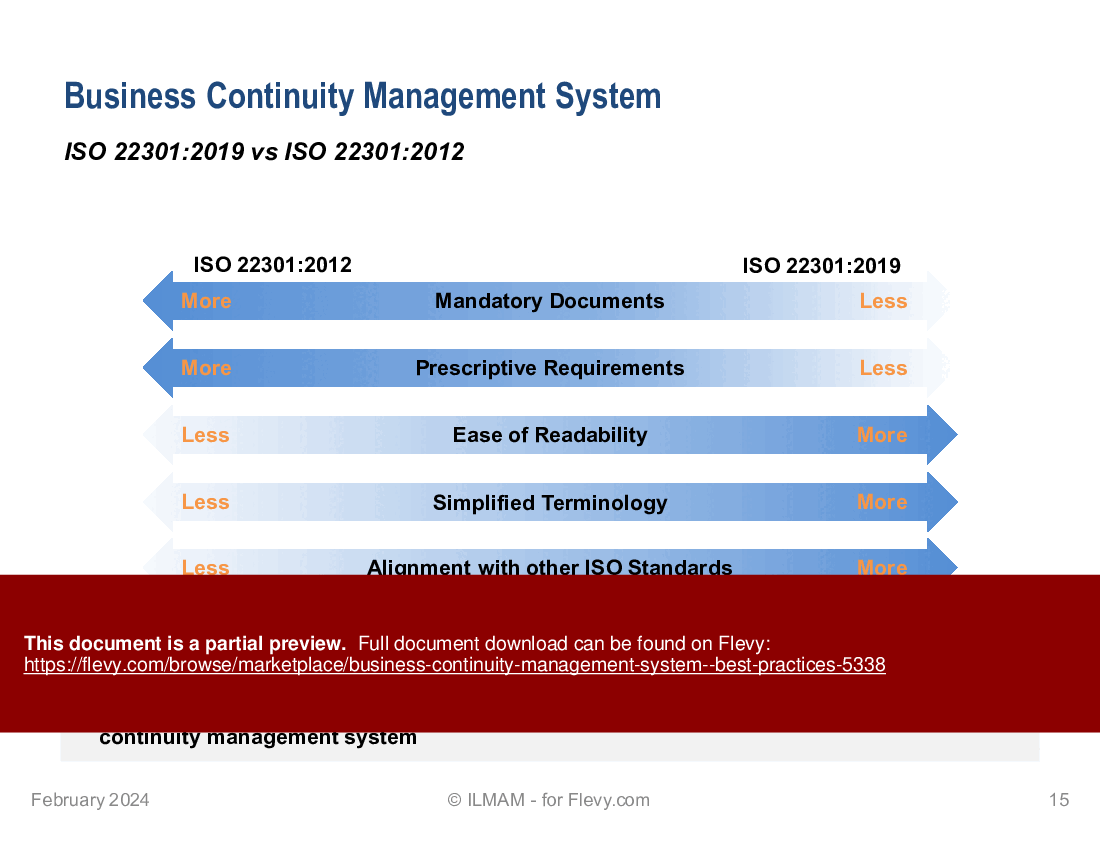
This comprehensive PPT debunks common myths about BCM, clarifying that it's not just about natural disasters and that having a plan isn't enough. It emphasizes the need for periodic reviews and testing of BCPs, highlighting that business continuity is everyone's responsibility, not just IT's. The document also contrasts BCM with risk management, detailing their different focuses and methods. It provides a maturity assessment framework to help organizations gauge their BCM readiness and outlines the evolution from ISO 22301:2012 to ISO 22301:2019, showing a shift towards less prescriptive requirements and more alignment with other ISO standards.
Got a question about the product? Email us at support@flevy.com or ask the author directly by using the "Ask the Author a Question" form. If you cannot view the preview above this document description, go here to view the large preview instead.
MARCUS OVERVIEW
This synopsis was written by Marcus [?] based on the analysis of the full 30-slide presentation.
Executive Summary
This Business Continuity Management System (BCMS) presentation outlines best practices based on the ISO 22301:2019 standard, structured in a McKinsey, Bain, or BCG-quality format (consulting-grade; not affiliated). It is designed to help organizations identify critical functions that must be maintained during disruptions and to develop effective strategies for preparation, response, and recovery. Buyers will gain insights into establishing a robust BCMS that minimizes risks associated with business interruptions, thereby enhancing resilience and operational continuity.
Who This Is For and When to Use
• Corporate executives responsible for strategic risk management
• Business continuity planners and risk management teams
• Operations managers overseeing critical business functions
• Compliance officers ensuring adherence to regulatory requirements
Best-fit moments to use this deck:
• During the development of a business continuity strategy
• When conducting training sessions on BCMS best practices
• For organizational assessments of existing business continuity measures
• In preparation for audits or compliance reviews related to ISO standards
Learning Objectives
• Define the key components of a Business Continuity Management System (BCMS)
• Establish business continuity objectives aligned with organizational goals
• Identify risks and opportunities impacting the effectiveness of the BCMS
• Develop and document comprehensive business continuity plans (BCPs)
• Implement training and awareness programs for staff regarding BCMS roles
• Evaluate and improve BCMS performance through monitoring and audits
• Overview of BCMS - This section introduces the concept of business continuity management and its importance in mitigating risks associated with disruptions.
• ISO 22301:2019 Framework - An overview of the ISO standard that provides guidelines for establishing, implementing, and maintaining a BCMS.
• Context of the Organization - Discusses internal and external factors affecting business continuity and the importance of understanding stakeholder needs.
• Leadership Commitment - Emphasizes the role of top management in establishing a BCMS and ensuring its integration into organizational processes.
• Planning for Business Continuity - Outlines the steps for identifying risks, setting objectives, and planning actions to ensure effective business continuity.
• Support Mechanisms - Details the resources, competence, and communication strategies necessary for effective BCMS implementation.
• Operational Implementation - Focuses on the practical steps for executing business continuity plans and conducting business impact analyses.
• Performance Evaluation - Describes methods for monitoring and evaluating the effectiveness of the BCMS.
• Continuous Improvement - Highlights the importance of ongoing assessment and enhancement of the BCMS to adapt to changing circumstances.
Deliverables, Templates, and Tools
• Business continuity plan (BCP) template for documenting procedures
• Risk assessment and business impact analysis (BIA) frameworks
• Communication plan template for internal and external stakeholders
• Training materials for staff awareness and competency development
• Monitoring and evaluation checklist for BCMS performance
• Corrective action plan template for addressing non-conformities
Slide Highlights
• Overview slide detailing the significance of a BCMS in mitigating business disruption risks
• Framework slide illustrating the ISO 22301:2019 components and their interrelationships
• Context of the Organization slide emphasizing stakeholder engagement and legal requirements
• Leadership slide showcasing the importance of top management commitment to BCMS
• Planning slide outlining the steps for establishing business continuity objectives
• Performance Evaluation slide detailing methods for assessing BCMS effectiveness
Potential Workshop Agenda
BCMS Overview and Importance (60 minutes)
• Introduce the concept of business continuity management
• Discuss the impact of disruptions on organizations
• Review the ISO 22301:2019 standard and its relevance
Risk Assessment and Planning Session (90 minutes)
• Identify key risks and opportunities for the organization
• Establish business continuity objectives and action plans
• Develop a framework for ongoing risk monitoring
Implementation and Training Workshop (120 minutes)
• Review operational procedures for business continuity
• Conduct training on roles and responsibilities within the BCMS
• Develop communication strategies for stakeholders
Customization Guidance
• Tailor the business continuity plan template to reflect specific organizational processes and risks
• Adjust training materials to align with the organization's culture and operational context
• Incorporate relevant legal and regulatory requirements into the BCMS documentation
• Update communication plans to include specific stakeholder engagement strategies
Secondary Topics Covered
• Business impact analysis methodologies
• Risk management integration within the BCMS
• Legal and regulatory considerations for business continuity
• Stakeholder engagement strategies for effective communication
• Continuous improvement processes for BCMS
Topic FAQ
What are the core components of a BCMS under ISO 22301:2019?
ISO 22301:2019 outlines core BCMS components as context of the organization, leadership, planning, support, operation, performance evaluation, and improvement. These elements guide establishment, implementation, monitoring, and continual enhancement of business continuity, comprising 7 named components.
How does the PDCA cycle apply to implementing a BCMS?
The PDCA (plan-do-check-act) cycle provides a continual improvement loop for BCMS implementation under ISO 22301:2019: plan by setting objectives and conducting BIA/risk assessment, do by implementing BCPs and training, check via monitoring and audits, and act through corrective actions and improvements using the PDCA cycle.
What is a Business Impact Analysis and what outputs should I expect?
A Business Impact Analysis (BIA) identifies and evaluates disruption effects on critical functions, helping prioritize recovery efforts. Expected outputs include identification of critical activities, Maximum Tolerable Period of Disruption (MTPD), Recovery Time Objectives (RTOs), Recovery Point Objectives (RPOs), and prioritized recovery requirements such as RTO and RPO definitions.
What should I look for when buying a BCMS toolkit or template set?
Buyers should prioritize alignment with ISO 22301:2019, inclusion of a Business Continuity Plan (BCP) template, risk assessment and BIA frameworks, communication and training materials, performance monitoring checklists, and corrective action templates. For example, Flevy's Business Continuity Management System - Best Practices lists a BCP template and BIA framework.
How much workshop time can I expect to introduce BCMS concepts using a prebuilt deck?
The product provides a suggested workshop agenda comprising 3 sessions: a 60-minute BCMS overview, a 90-minute risk assessment and planning session, and a 120-minute implementation and training workshop, totaling 270 minutes of structured workshop time.
I need to prepare for an ISO 22301 audit—what practical steps should I take?
Prepare by documenting the BCMS context, securing leadership commitment, completing a BIA and risk assessment, formalizing Business Continuity Plans, implementing training and communications, and establishing monitoring and corrective action processes; Flevy's Business Continuity Management System - Best Practices includes a monitoring checklist and corrective action plan template.
After an incident, how should recovery activities be prioritized?
Prioritize recovery using BIA outputs: identify critical business functions, reference their MTPD, apply RTO and RPO targets to sequence recovery efforts, activate documented BCPs and incident response procedures, and restore activities in order of criticality using MTPD and RTO guidance.
Are prebuilt BCMS templates useful compared with building everything from scratch?
Prebuilt templates provide structured documents and guidance—BCP templates, BIA and risk assessment frameworks, communication and training materials—and include customization guidance to adapt to specific organizational contexts; the provided workshop agenda suggests initial rollout can be organized into 3 sessions totaling 270 minutes and a BCP template.
Document FAQ
These are questions addressed within this presentation.
What is a Business Continuity Management System (BCMS)?
A BCMS is a structured approach to ensuring that critical business functions can continue during and after a disruption, guided by documented procedures and policies.
How does ISO 22301:2019 relate to business continuity?
ISO 22301:2019 is an international standard that provides a framework for establishing, implementing, and maintaining an effective BCMS, ensuring organizational resilience.
What are the key components of a BCMS?
Key components include context of the organization, leadership commitment, planning, support, operational processes, performance evaluation, and continuous improvement.
Why is leadership important in a BCMS?
Leadership commitment is crucial for integrating business continuity into organizational processes, securing necessary resources, and fostering a culture of resilience.
How often should a BCMS be reviewed?
A BCMS should be reviewed regularly, especially after significant changes or incidents, to ensure its effectiveness and relevance.
What is a Business Impact Analysis (BIA)?
A BIA is a process for identifying and evaluating the potential effects of disruptions on critical business functions, helping to prioritize recovery efforts.
What training is necessary for effective BCMS implementation?
Training should cover roles and responsibilities, procedures for responding to disruptions, and awareness of the organization's business continuity objectives.
How can organizations measure the effectiveness of their BCMS?
Effectiveness can be measured through performance evaluations, internal audits, and monitoring of key performance indicators related to business continuity objectives.
Glossary
• Business Continuity (BC) - The capability of an organization to continue delivering products or services within acceptable time frames following a disruption.
• Business Continuity Management (BCM) - The process of implementing and maintaining business continuity.
• Business Continuity Plan (BCP) - Documented procedures guiding an organization to respond, recover, and restore operations after a disruption.
• Business Continuity Management System (BCMS) - A management system that establishes, implements, operates, monitors, reviews, maintains, and improves business continuity.
• Maximum Tolerable Period of Disruption (MTPD) - The time it would take for adverse impacts to become unacceptable due to a disruption.
• Recovery Time Objective (RTO) - The period within which a product or service must be resumed after a disruption.
• Recovery Point Objective (RPO) - The point to which information or resources must be restored to enable operations to resume.
• Business Impact Analysis (BIA) - A process for analyzing the potential impacts of disruptions on critical business activities.
• Stakeholders - Individuals or groups with an interest in the organization's operations, including employees, customers, and regulators.
• Continuous Improvement - The ongoing effort to enhance the suitability, adequacy, and effectiveness of the BCMS.
• Incident Response - The process of managing and responding to disruptive incidents to minimize their impact.
• Risk Assessment - The process of identifying and evaluating risks that could affect business continuity.
• Training and Awareness - Programs designed to educate staff about their roles in the BCMS and the importance of business continuity.
• Performance Evaluation - The assessment of the BCMS's effectiveness in meeting its objectives and requirements.
• Corrective Action - Steps taken to address non-conformities and improve the BCMS.
• Legal and Regulatory Compliance - Adherence to laws and regulations relevant to business continuity and risk management.
• Operational Resilience - The ability of an organization to adapt and respond to disruptions while maintaining critical functions.
• Communication Plan - A strategy for informing stakeholders about business continuity measures and procedures.
• Governance - The framework of policies, roles, and responsibilities that guide the BCMS.
• Documentation - The records and information related to the BCMS, including plans, procedures, and evaluations.
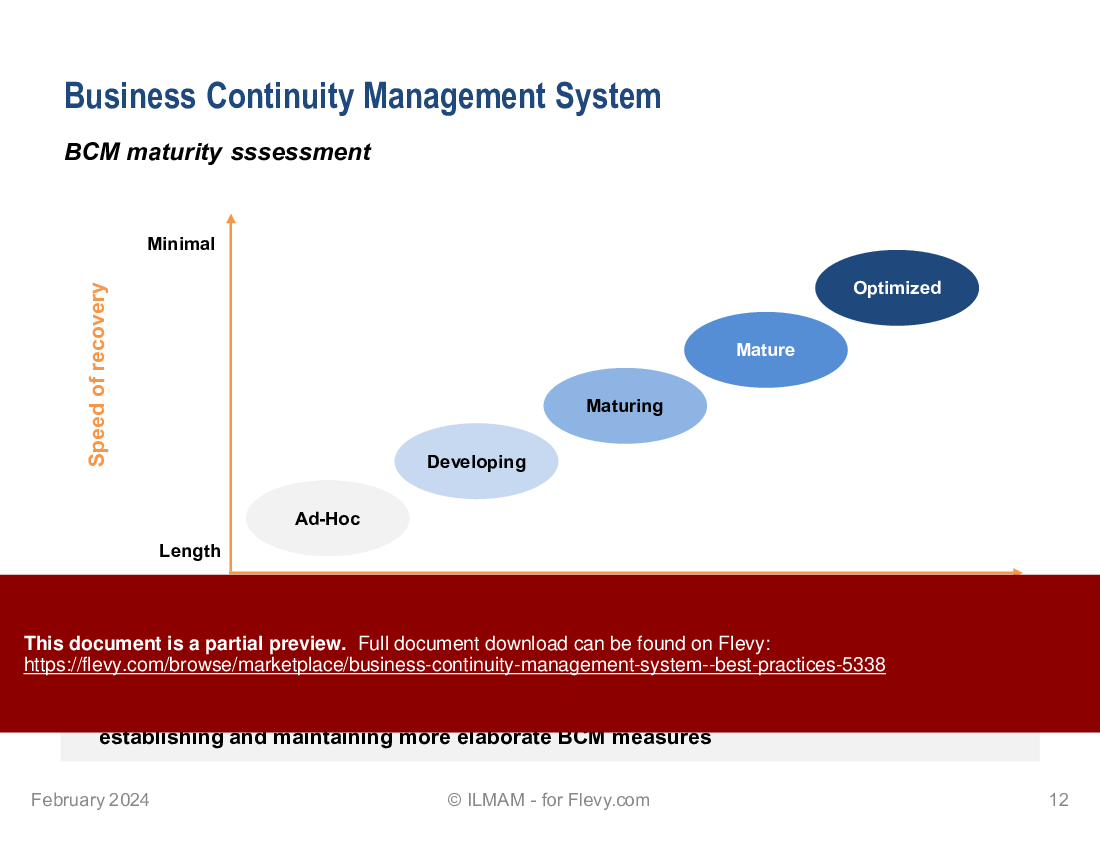
This PPT slide assesses Business Continuity Management (BCM) capabilities across 4 maturity levels: Ad-Hoc, Developing, Maturing, and Optimized. At the Ad-Hoc level, organizations lack formal BCM structures, with undefined risk assessments and recovery time objectives (RTOs), indicating a reactive approach. The Developing stage sees the establishment of foundational elements like steering committees and risk assessments, though documentation and training remain limited. The Maturing level features documented policies, quantified business impacts, and regular testing, reflecting a proactive stance. Finally, the Optimized stage integrates BCM into daily operations with robust testing and management reviews, ensuring employee competence and minimizing risks. As BCM capabilities mature, associated risks decrease, underscoring the need for continuous improvement.
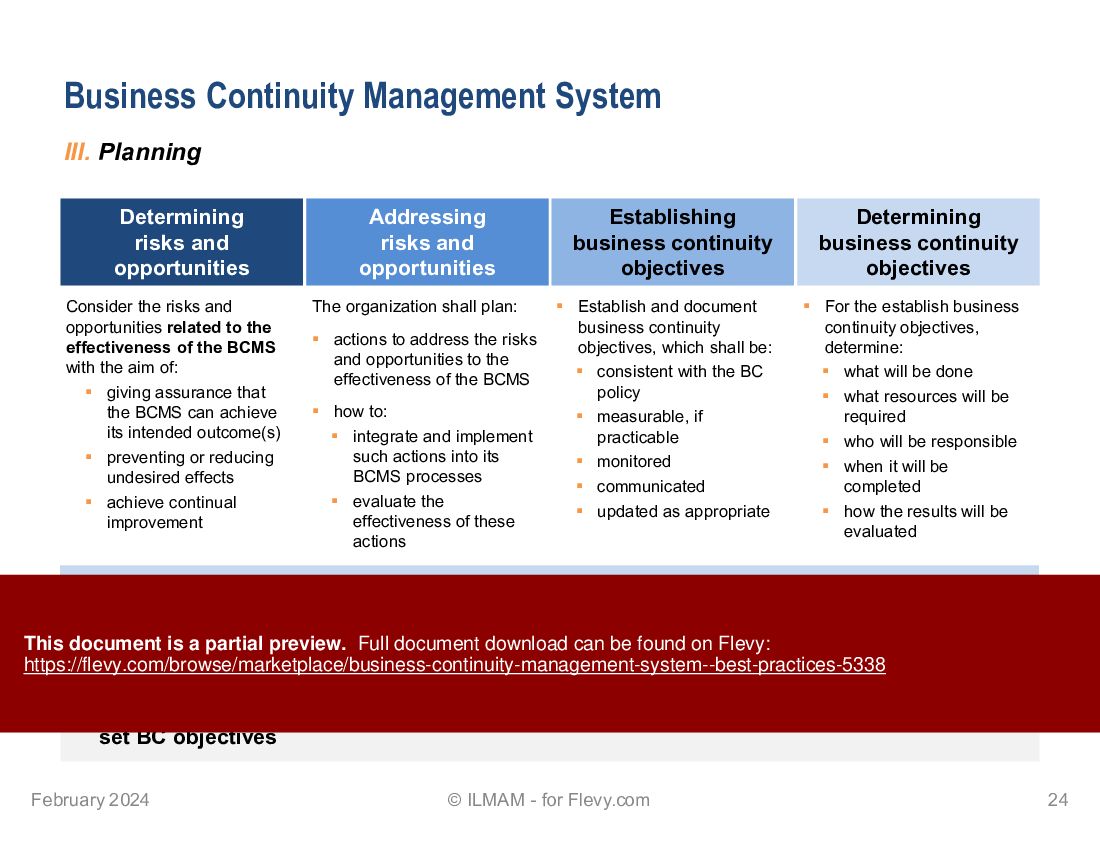
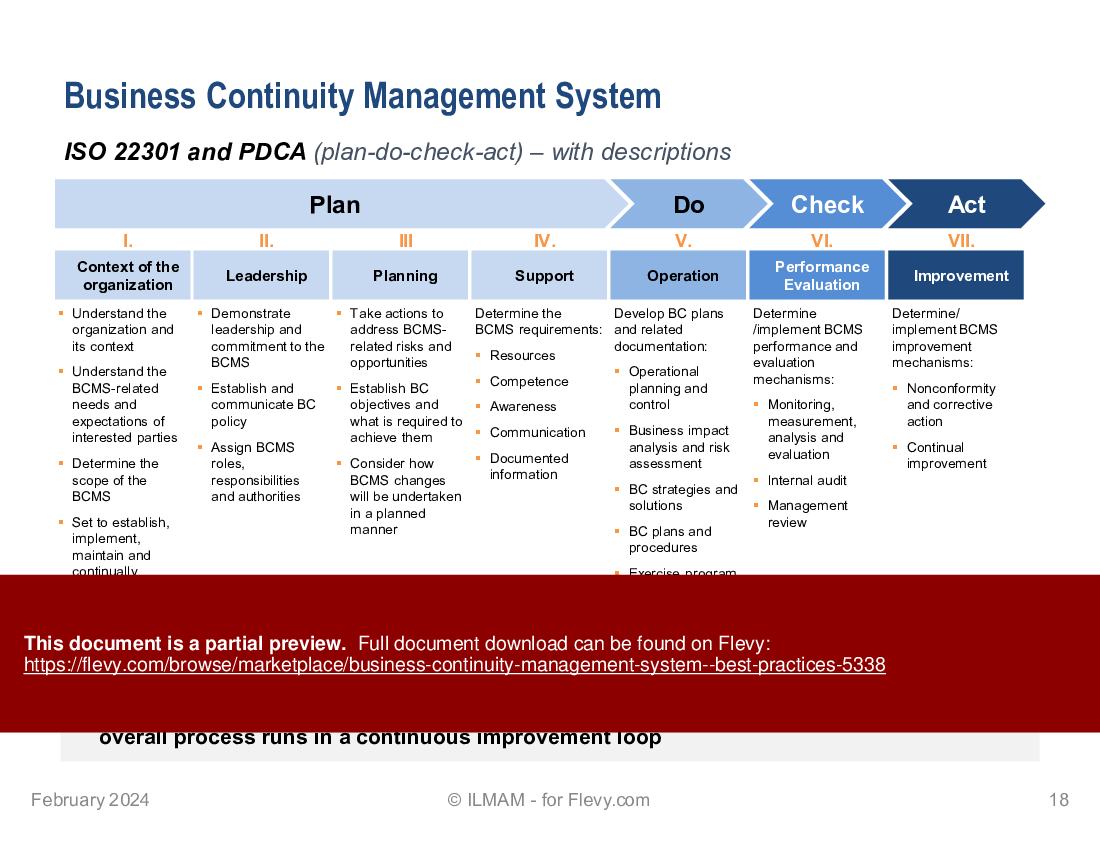
This PPT slide outlines the framework for a Business Continuity Management System (BCMS) based on ISO 22301 and the PDCA (Plan-Do-Check-Act) cycle, structured into 7 key components. The "Context of the organization" emphasizes understanding the organizational environment and needs. The "Leadership" component highlights the necessity for strong leadership and clear communication of the business continuity policy. In the "Planning" phase, organizations identify risks and opportunities, establish objectives, and determine resource requirements. The "Support" section focuses on the resources, competence, and documentation necessary for a successful BCMS. The "Operation" phase involves developing BC plans, conducting business impact analysis, and creating tailored strategies. "Performance Evaluation" stresses monitoring and evaluating BCMS performance through internal audits and management reviews. Finally, the "Improvement" phase encourages addressing nonconformities and pursuing continual improvement of the BCMS.
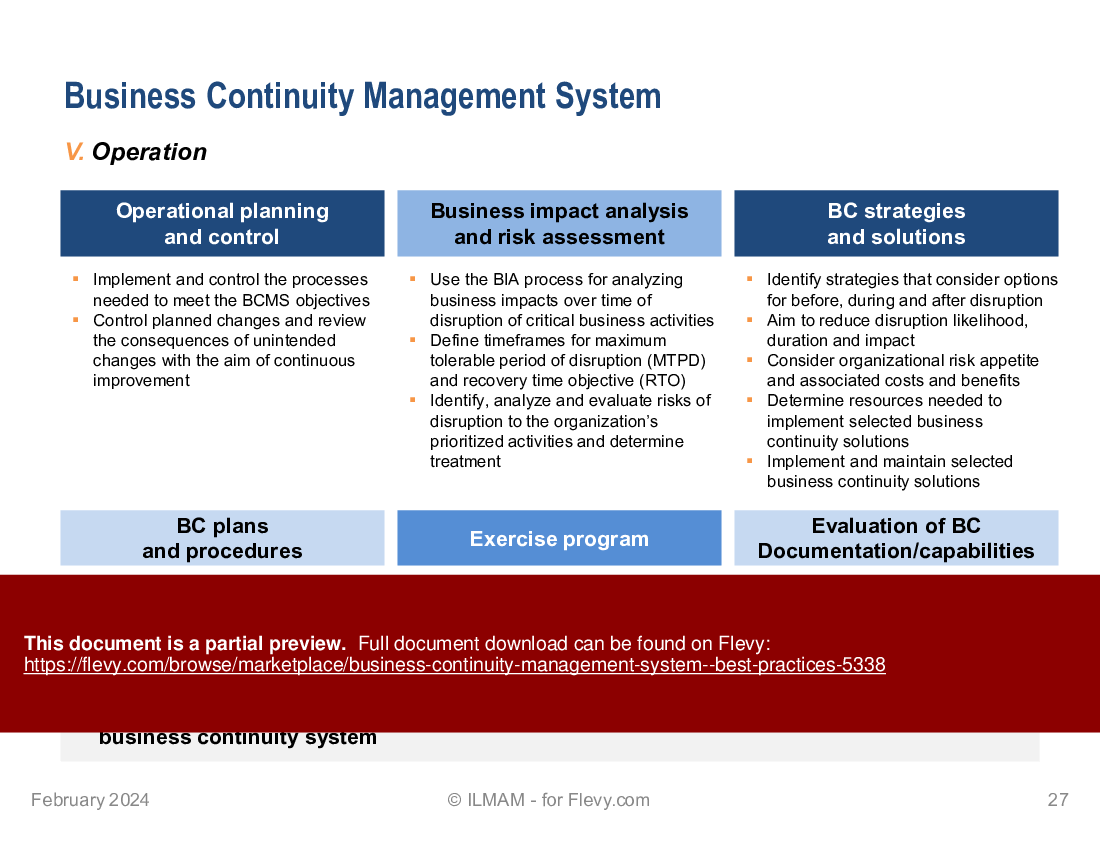
This PPT slide outlines key components of a Business Continuity Management System (BCMS) focused on operational resilience. "Operational planning and control" emphasizes processes aligned with BCMS objectives, monitoring changes, and continuous improvement. "Business impact analysis and risk assessment" utilizes Business Impact Analysis (BIA) to evaluate disruptions on critical activities, defining maximum tolerable disruption and recovery objectives while prioritizing risks. The "BC strategies and solutions" segment identifies strategies to minimize disruption impact, considering risk appetite and resource requirements. "BC plans and procedures" stresses thorough documentation of continuity plans for stakeholder awareness. The "Exercise program" highlights regular drills to ensure preparedness and adaptability. Finally, "Evaluation of BC Documentation/capabilities" underscores the importance of evaluations at intervals and post-incident to maintain plan effectiveness.
A Business Continuity Management System (BCMS) offers benefits from 4 perspectives: Business, Financial, Interested Parties, and Internal Processes. From a Business standpoint, a BCMS enhances reputation, credibility, and organizational resilience, aligning continuity efforts with strategic objectives. The Financial perspective emphasizes risk mitigation, highlighting how a BCMS reduces legal and financial exposure and minimizes costs during disruptions. The Interested Parties perspective focuses on ethical responsibilities, protecting life, property, and the environment while meeting stakeholder expectations. Lastly, the Internal Processes perspective underscores operational benefits, improving an organization’s effectiveness during disruptions and addressing vulnerabilities. A robust BCMS is a valuable investment for enhancing resilience and operational effectiveness.
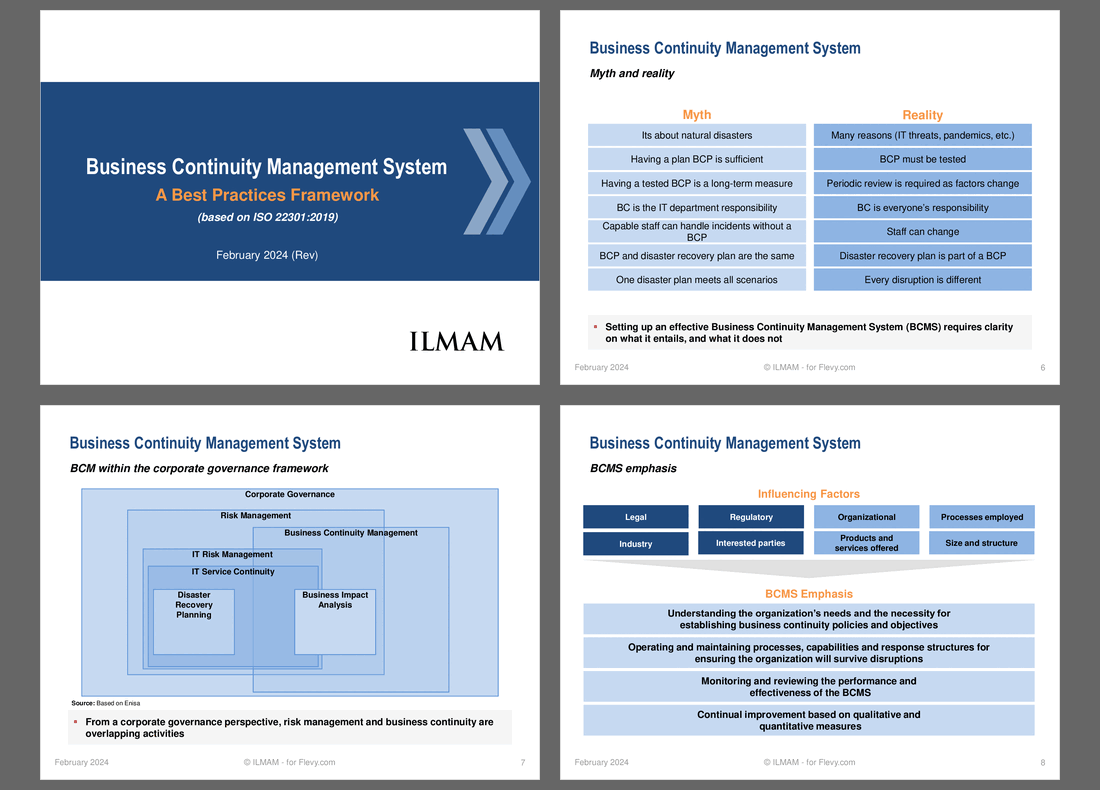
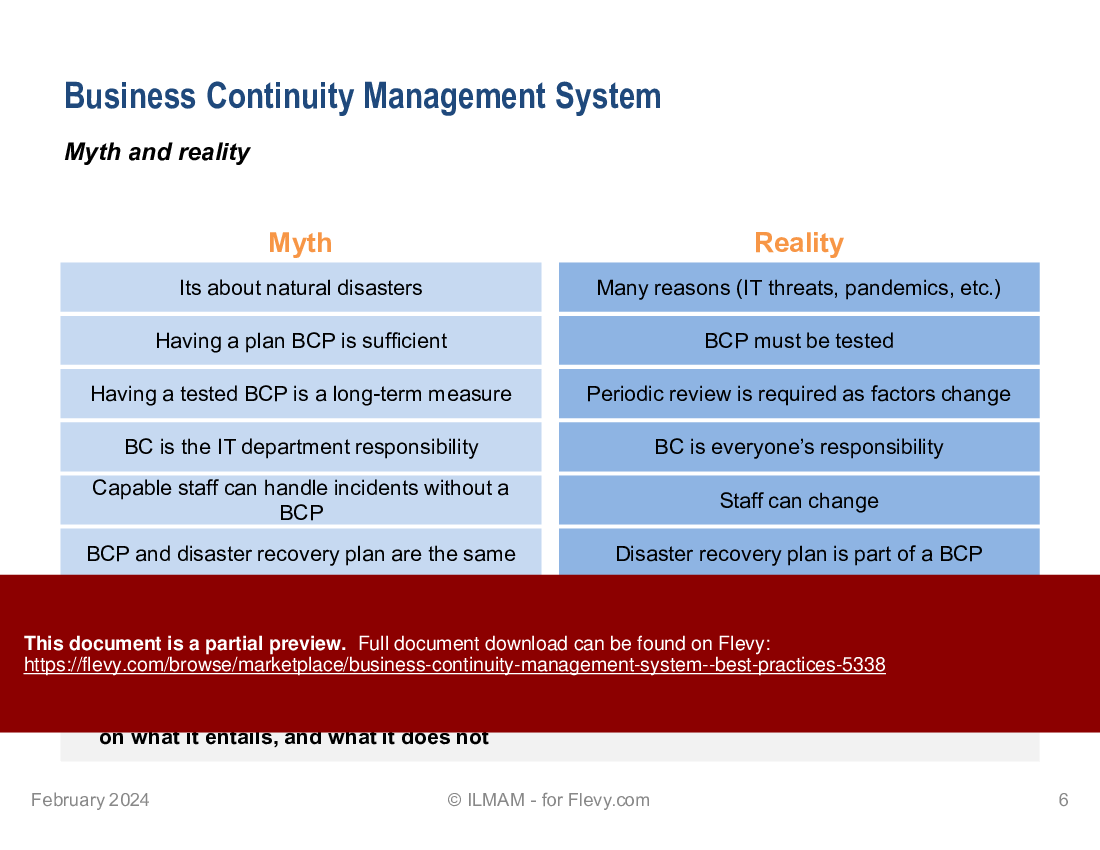
This PPT slide analyzes myths and realities of Business Continuity Management Systems (BCMS). Common misconceptions include the belief that business continuity focuses only on natural disasters, that a Business Continuity Plan (BCP) is sufficient on its own, and that only the IT department is responsible for business continuity. In contrast, the realities highlight that business continuity addresses various threats, including IT issues and pandemics, and emphasizes the necessity of regularly testing the BCP. It clarifies that business continuity is an organizational responsibility, not limited to IT, and notes that staff changes can affect continuity efforts. Additionally, it states that disaster recovery is part of a broader BCP, requiring tailored responses for different disruptions.
This PPT slide outlines the Business Continuity Management System (BCMS) framework, focusing on organizational context and key stakeholders: Customers, Shareholders, Regulators, Employees, Suppliers, Community, and Others. The pyramid structure illustrates hierarchical roles within the BCMS. Executives are accountable for policy and implementation, owning BCM processes critical for organizational resilience. Middle Management bridges strategic oversight and operational execution, maintaining BCM processes. At the base, Incident Response Teams invoke BCM procedures and communicate during incidents, ensuring swift organizational response to disruptions. Identifying interested parties and understanding their needs is essential for tailoring the BCMS to enhance effectiveness and relevance.
This PPT slide outlines the Business Continuity Management (BCM) system within corporate governance. It establishes that BCM aligns with organizational objectives and is essential for effective risk management. Risk management includes IT Risk Management and IT Service Continuity, addressing technology-related risks in today’s digital landscape. BCM is further divided into Disaster Recovery Planning, which restores IT systems after disruptions, and Business Impact Analysis, which evaluates the effects of interruptions on critical business functions. The visual representation illustrates the interdependencies within BCM, highlighting its integration into corporate governance. A comprehensive BCM approach ensures cohesive management of all risk aspects, fostering organizational resilience.
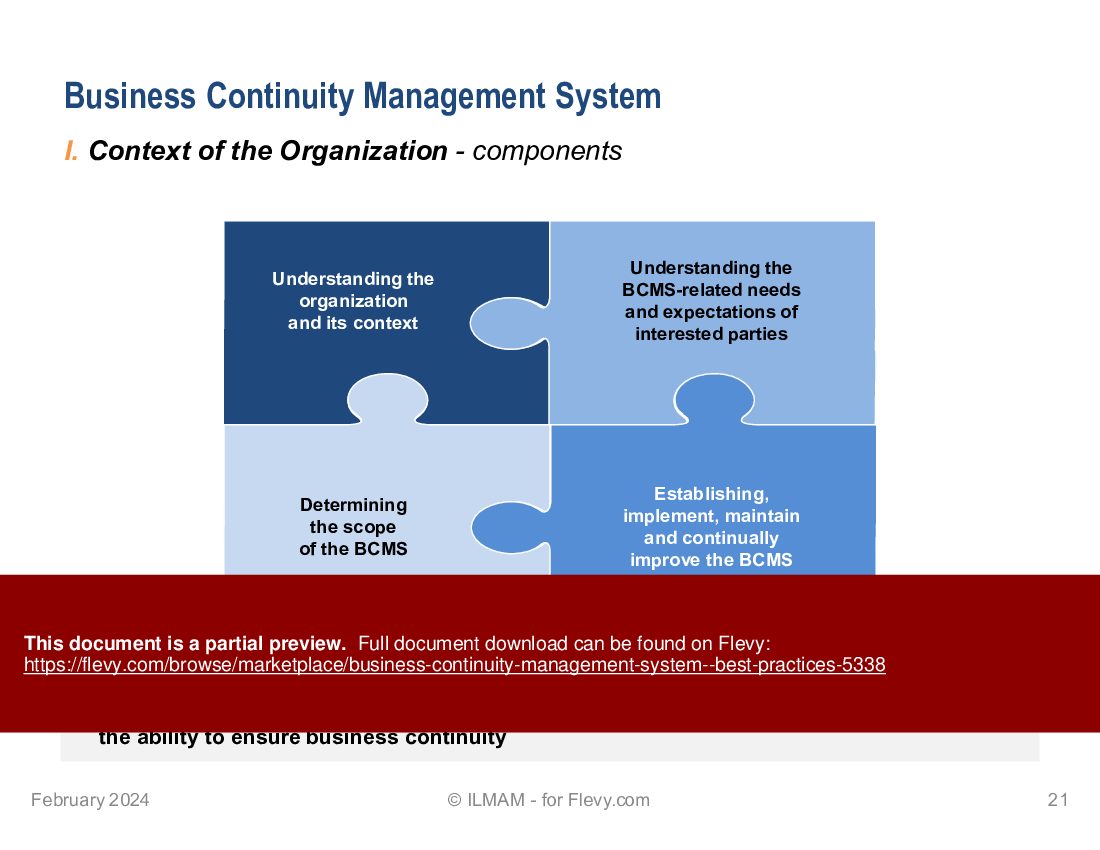
The Business Continuity Management System (BCMS) encompasses key components such as legal and regulatory requirements, industry standards, and stakeholder expectations. Organizational characteristics, including product offerings and structure, shape the BCMS framework. Core activities include understanding organizational needs to align business continuity policies with strategic goals. Developing capabilities and response structures is essential for minimizing downtime and ensuring operational continuity during disruptions. Regular monitoring and performance reviews of the BCMS allow organizations to assess the effectiveness of their strategies and identify areas for improvement. Continual improvement, driven by qualitative and quantitative measures, enhances resilience and fosters a culture of preparedness in a dynamic business environment.
Source: Best Practices in BCP, ISO 22301 PowerPoint Slides: Business Continuity Management System - Best Practices PowerPoint (PPTX) Presentation Slide Deck, ILMAM - Strategy & Management Consulting
ILMAM is a strategy and management consulting provider that specializes in:
• Strategic management, including strategic planning and performance management
• Strategy enablers, such as key business processes and governance
Select top quality guides and tools are offered through to enable you to perform work at your company or support your clients effectively and
... [read more] efficiently.
Since 2012, we have provided business templates to over 10,000 businesses and organizations of all sizes, from startups and small businesses to the Fortune 100, in over 130 countries.
"Flevy.com has proven to be an invaluable resource library to our Independent Management Consultancy, supporting and enabling us to better serve our enterprise clients.
The value derived from our [FlevyPro] subscription in terms of the business it has helped to gain far exceeds the investment made, making a subscription a no-brainer for any growing consultancy – or in-house strategy team."
– Dean Carlton, Chief Transformation Officer, Global Village Transformations Pty Ltd.
"My FlevyPro subscription provides me with the most popular frameworks and decks in demand in today’s market. They not only augment my existing consulting and coaching offerings and delivery, but also keep me abreast of the latest trends, inspire new products and service offerings for my practice, and educate me
in a fraction of the time and money of other solutions. I strongly recommend FlevyPro to any consultant serious about success.
"
– Bill Branson, Founder at Strategic Business Architects
"Flevy is now a part of my business routine. I visit Flevy at least 3 times each month.
Flevy has become my preferred learning source, because what it provides is practical, current, and useful in this era where the business world is being rewritten.
many challenges and there is the need to make the right decisions in a short time, with so much scattered information, we are fortunate to have Flevy. Flevy investigates, selects, and puts at our disposal the best of the best to help us be successful in our work.
"
– Omar Hernán Montes Parra, CEO at Quantum SFE
"If you are looking for great resources to save time with your business presentations, Flevy is truly a value-added resource. Flevy has done all the work for you and we will continue to utilize Flevy as a source to extract up-to-date information and data for our virtual and onsite presentations!"
– Debbi Saffo, President at The NiKhar Group
"I am extremely grateful for the proactiveness and eagerness to help and I would gladly recommend the Flevy team if you are looking for data and toolkits to help you work through business solutions."
– Trevor Booth, Partner, Fast Forward Consulting
"As a consultant requiring up to date and professional material that will be of value and use to my clients, I find Flevy a very reliable resource.
The variety and quality of material available through Flevy offers a very useful and commanding source for information. Using Flevy saves me time, enhances my expertise and ends up being a good decision."
– Dennis Gershowitz, Principal at DG Associates
"As an Independent Management Consultant, I find Flevy to add great value as a source of best practices, templates and information on new trends. Flevy has matured and the quality and quantity of the library is excellent. Lastly the price charged is reasonable, creating a win-win value for
the customer, Flevy and the various authors. This is truly a service that benefits the consulting industry and associated clients. Thanks for providing this service.

"
– Jim Schoen, Principal at FRC Group
"I have used FlevyPro for several business applications. It is a great complement to working with expensive consultants. The quality and effectiveness of the tools are of the highest standards."
– Moritz Bernhoerster, Global Sourcing Director at Fortune 500

Save with Bundles
This document is available as part of the following discounted bundle(s):
Receive our FREE presentation on Operational Excellence
This 50-slide presentation provides a high-level introduction to the 4 Building Blocks of Operational Excellence. Achieving OpEx requires the implementation of a Business Execution System that integrates these 4 building blocks.
Receive our FREE presentation on Operational Excellence
Get Our FREE Product.
This 50-slide presentation provides a high-level introduction to the 4 Building Blocks of Operational Excellence. Achieving OpEx requires the implementation of a Business Execution System that integrates these 4 building blocks.