
 Click main image to view in full screen. Unlock all 30 preview images:
Vision, Mission & Values – PowerPoint PPTX Template
PowerPoint (PPTX) 75 Slides


BENEFITS OF THIS DOWNLOADABLE POWERPOINT DOCUMENT
- Provides a summary of the meanings of vision, mission and core values.
- Serves as a useful preamble to a strategic planning workshop, and change programs and initiatives.
- Facilitates the orientation of new hires, interns and temporary staff to the organization's culture.
MISSION, VISION, VALUES PPT TEMPLATE DESCRIPTION
Defining the terms "vision," "mission," and "values" is crucial for organizational alignment, and agreement among stakeholders is paramount. When embraced as intended, these elements become potent drivers in building, running, and growing an organization.
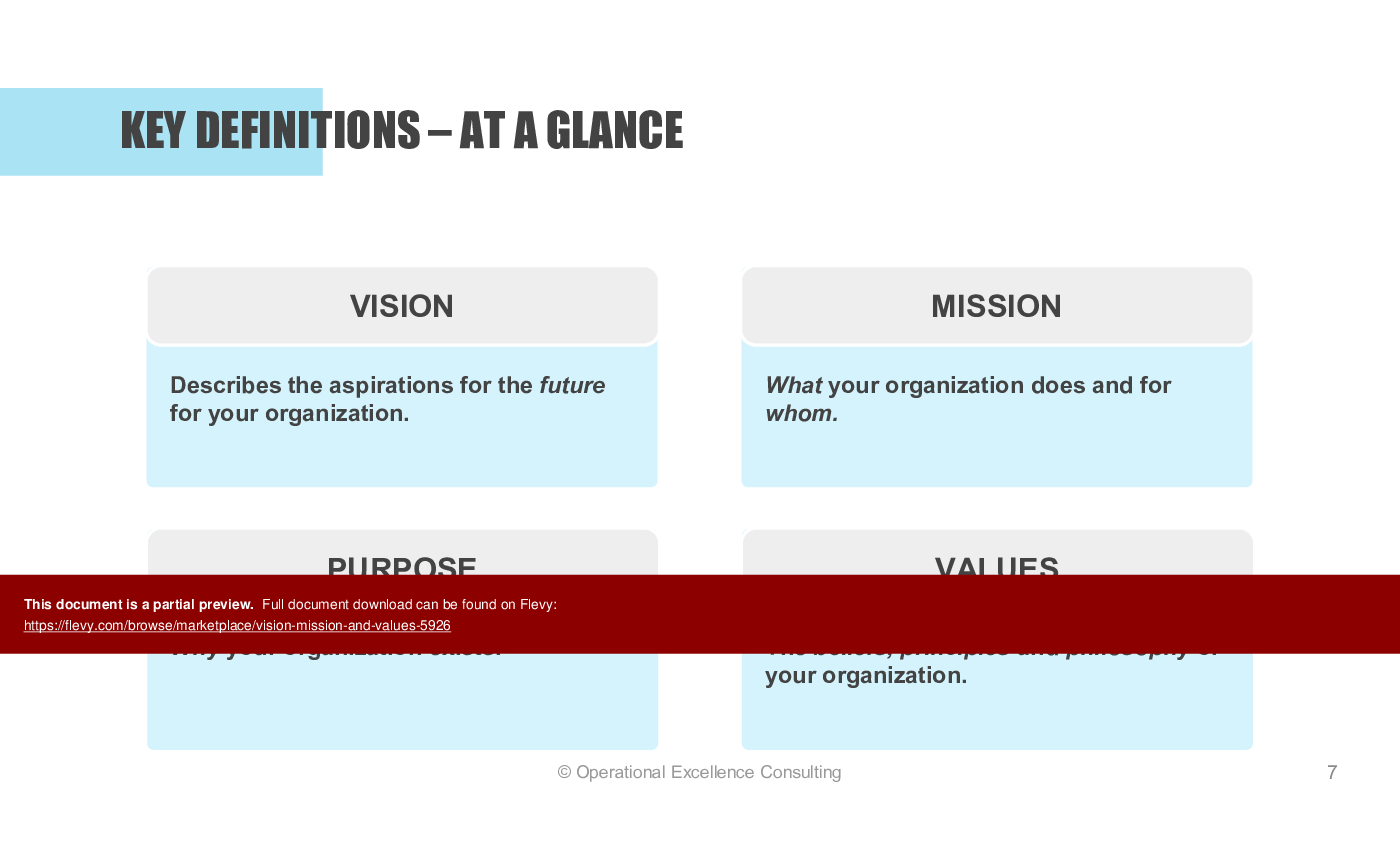
• Vision: Articulates aspirations for the organization's future.
• Mission: Defines what the organization does and for whom.
• Core Values: Express the beliefs, principles, and philosophy of the organization.
This presentation serves multiple purposes:
1. Education: Enlighten leaders and employees on the nuanced meanings of "vision," "mission," and "values."
2. Strategic Guidance: Facilitate strategy development within the framework of a comprehensive strategic planning process.
3. Stakeholder Communication: Convey the organization's purpose to stakeholders.
4. Performance Measurement: Inform the setting of goals and objectives, serving as benchmarks to gauge strategy effectiveness.
5. Ethical Conduct Training: Support business conduct and ethics training initiatives for leaders and employees.
6. Onboarding: Educate new hires, temporary staff, and interns as part of comprehensive employee induction and orientation programs.
Included are illustrative examples of vision and mission statements, along with core values, from 20 successful organizations such as Apple, Tesla, Nike, Starbucks, AMEX, Ikea, Procter & Gamble, BMW, and Netflix.
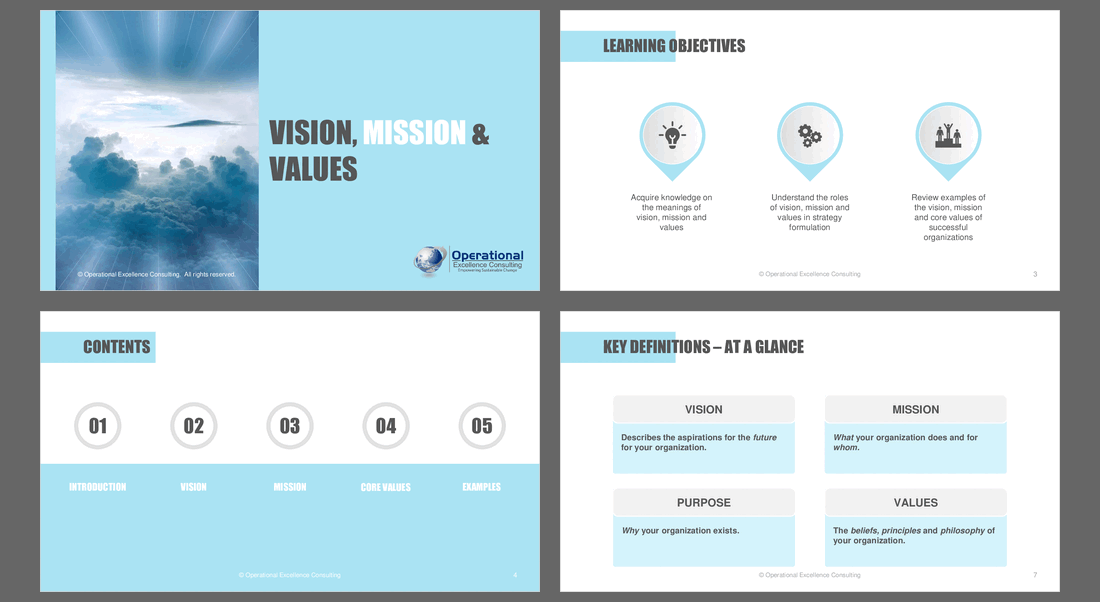
LEARNING OBJECTIVES
1. Acquire knowledge on the meanings of vision, mission and values.
2. Understand the roles of vision, mission and values in strategy formulation.
3. Review examples of the vision, mission and core values of successful organizations.
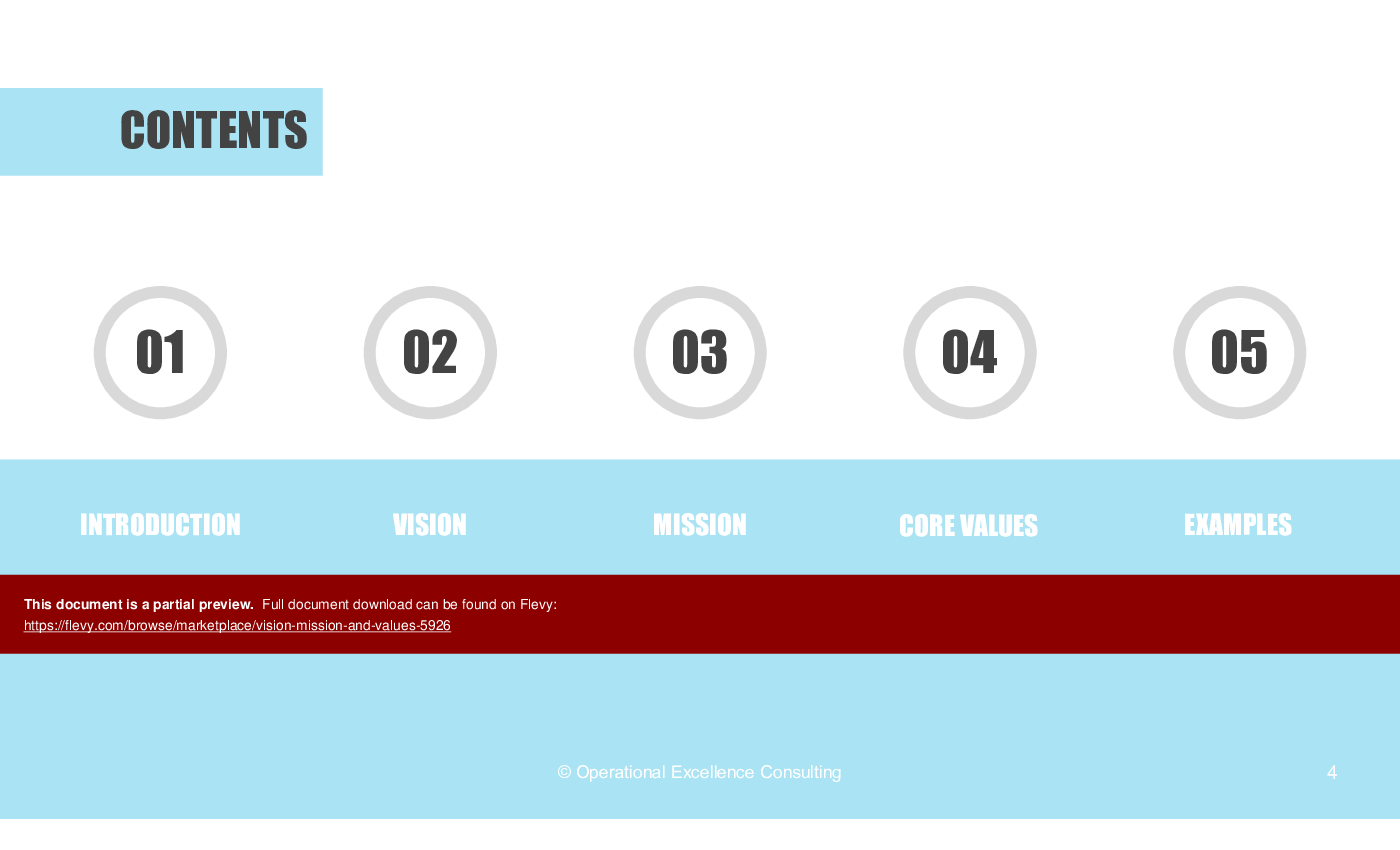
CONTENTS
1. Introduction
• Key Definitions – At A Glance
• The Big Picture – Vision, Mission & Values
2. Vision
• Introduction To Vision
• What Is A Vision Statement?
• Vision Statement vs. Mission Statement
• What A Vision Statement Is Not
• Vision Statement – Examples
• Shortcomings In Some Company Vision Statements
• The Necessity of Vision
• Characteristics Of A Vision Statement
• Key Elements Of A Good Vision Statement
• How Is The Vision Statement Related To Corporate Goals?
• Role Of Vision In Strategy Formulation
• Relationship Among Vision, Mission & Strategy
• Changing The Vision
• Increasing Popularity Of The Purpose Statement
• Purpose Statement – Examples
• Activity 1: Vision Statement
3. Mission
• What Is A Mission Statement?
• Benefits Of A Mission Statement
• Basic Structure Of A Mission Statement
• Uses Of The Mission Statement
• Mission Statement – Examples
• Writing The Mission Statement
• Activity 2: Mission Statement
4. Core Values
• Values Create A Community Where We Agree About What Matters
• What Are Core Values?
• Relationship Between Core Values & Culture
• What Core Values Are Not
• Examples Of Core Values
• Importance Of Core Values In The Corporate World
• Core Values – The Ultimate Purpose
• Values Are An Investment, Not A Platitude
• Activity 3: Core Values
5. Examples of Vision, Mission and Core Values
• Examples: Microsoft, Apple, Samsung, AMEX, Starbucks, Spotify, McDonald's, Procter & Gamble, Pepsi, Ikea, Tesla, Nordstrom, Disney, BMW, Marriott, Toyota, Netflix, Nike, Home Depot and Deloitte
• Activity 4: Best Practices
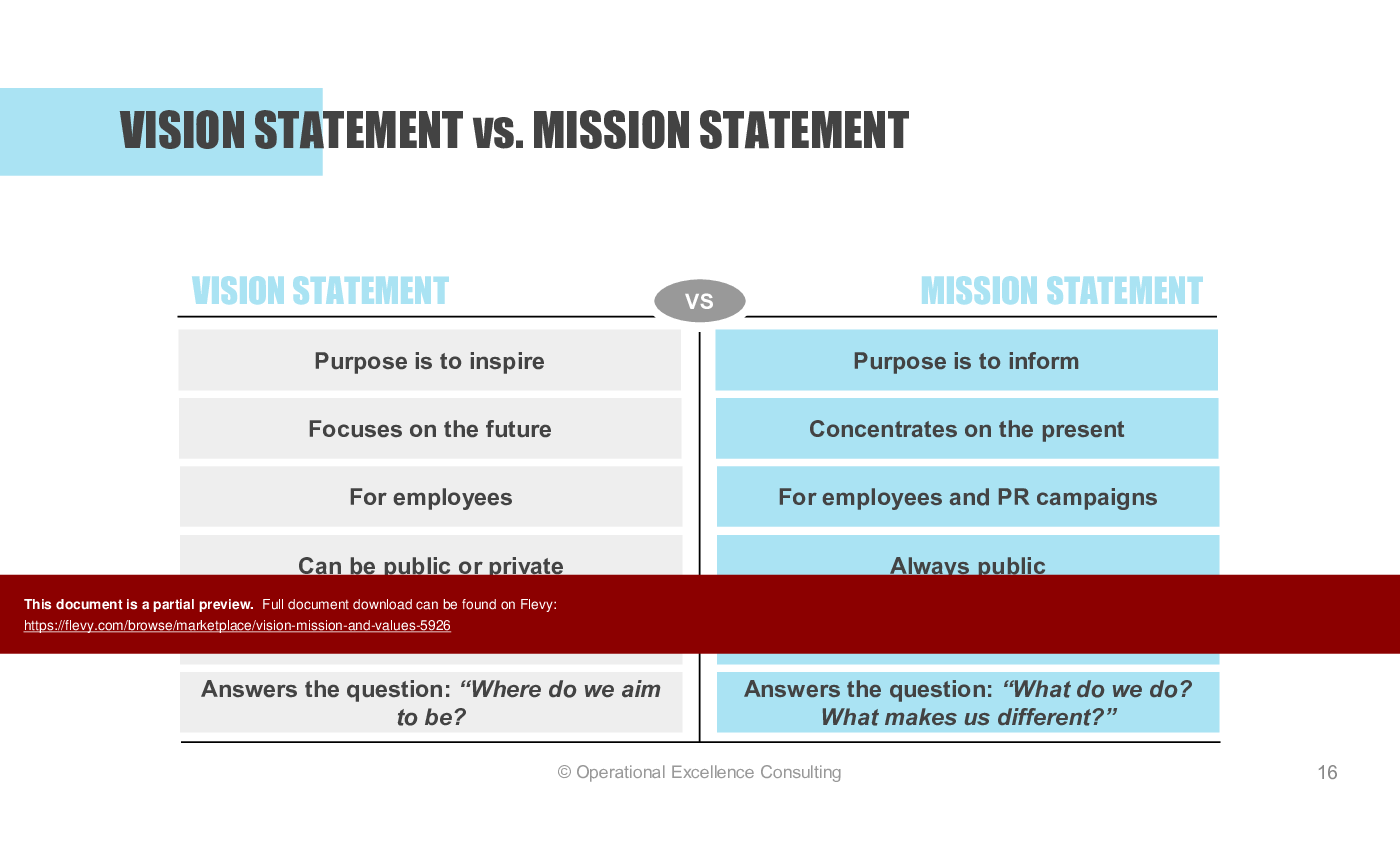
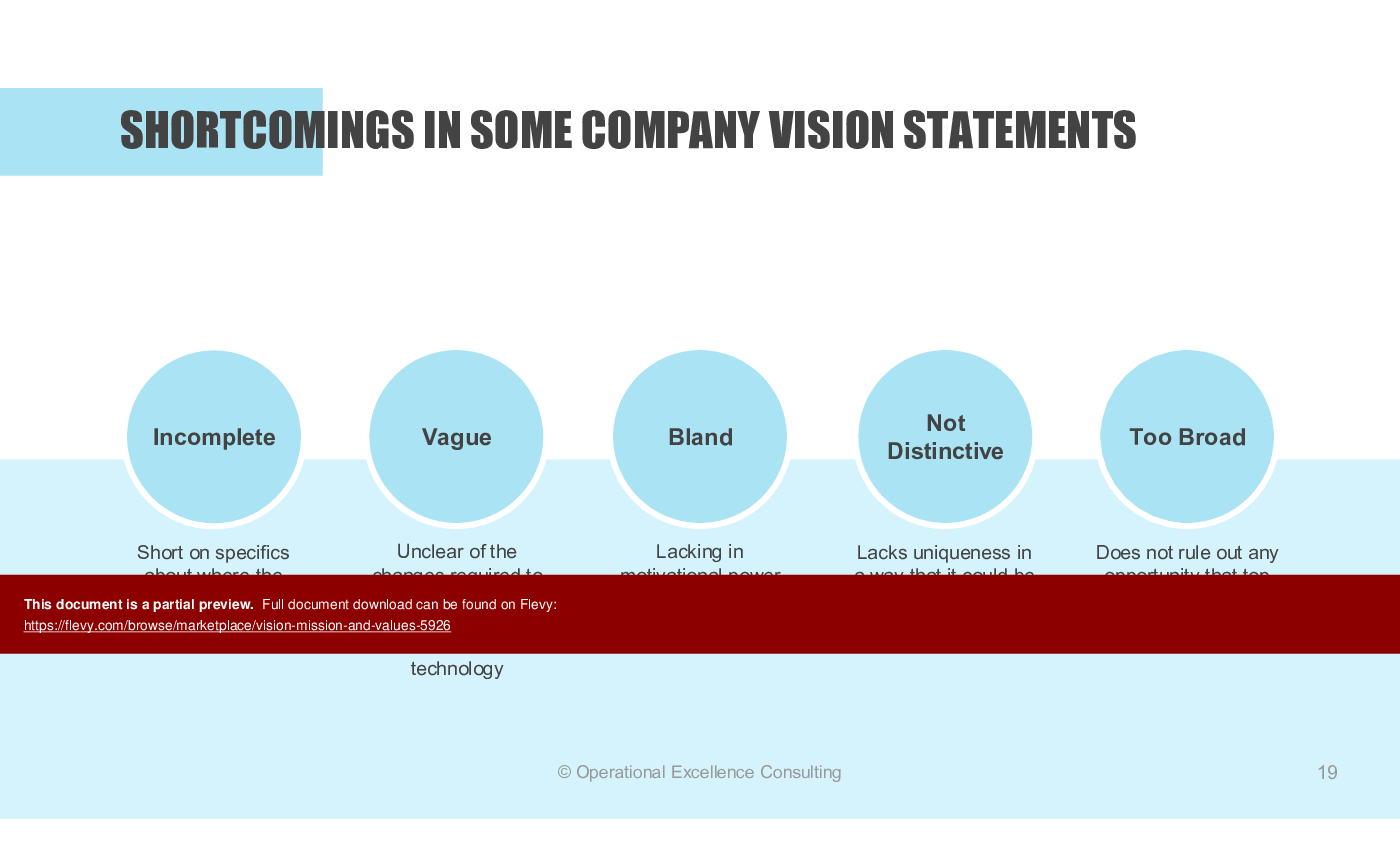
The PPT includes a detailed comparison between vision and mission statements, highlighting their distinct purposes and applications. It also addresses common pitfalls in crafting vision statements and provides actionable insights for improvement.
Got a question about the product? Email us at support@flevy.com or ask the author directly by using the "Ask the Author a Question" form. If you cannot view the preview above this document description, go here to view the large preview instead.
PRESENTATION DEEP DIVE ANALYSIS
This deep-dive analysis was generated from the full 75-slide PowerPoint presentation.
Source: Best Practices in Mission, Vision, Values PowerPoint Slides: Vision, Mission & Values PowerPoint (PPTX) Presentation Slide Deck, Operational Excellence Consulting
ABOUT THE AUTHOR

Operational Excellence Consulting, founded in 2009 by Allan Ung, draws from extensive experience at Microsoft, IBM, and Underwriters Laboratories (UL). We specialize in strategy deployment, customer experience design, and operational excellence, applying Design Thinking, Lean, and Systems Thinking to maximize customer value and minimize waste.
Our
... [read more]
Ask the Author a Question
You must be logged in to contact the author.




























