 Click main image to view in full screen.
Australian Wine to China: Landed Cost and Pricing Model – Excel XLSX
Excel (XLSX)


BENEFITS OF THIS DOWNLOADABLE EXCEL DOCUMENT
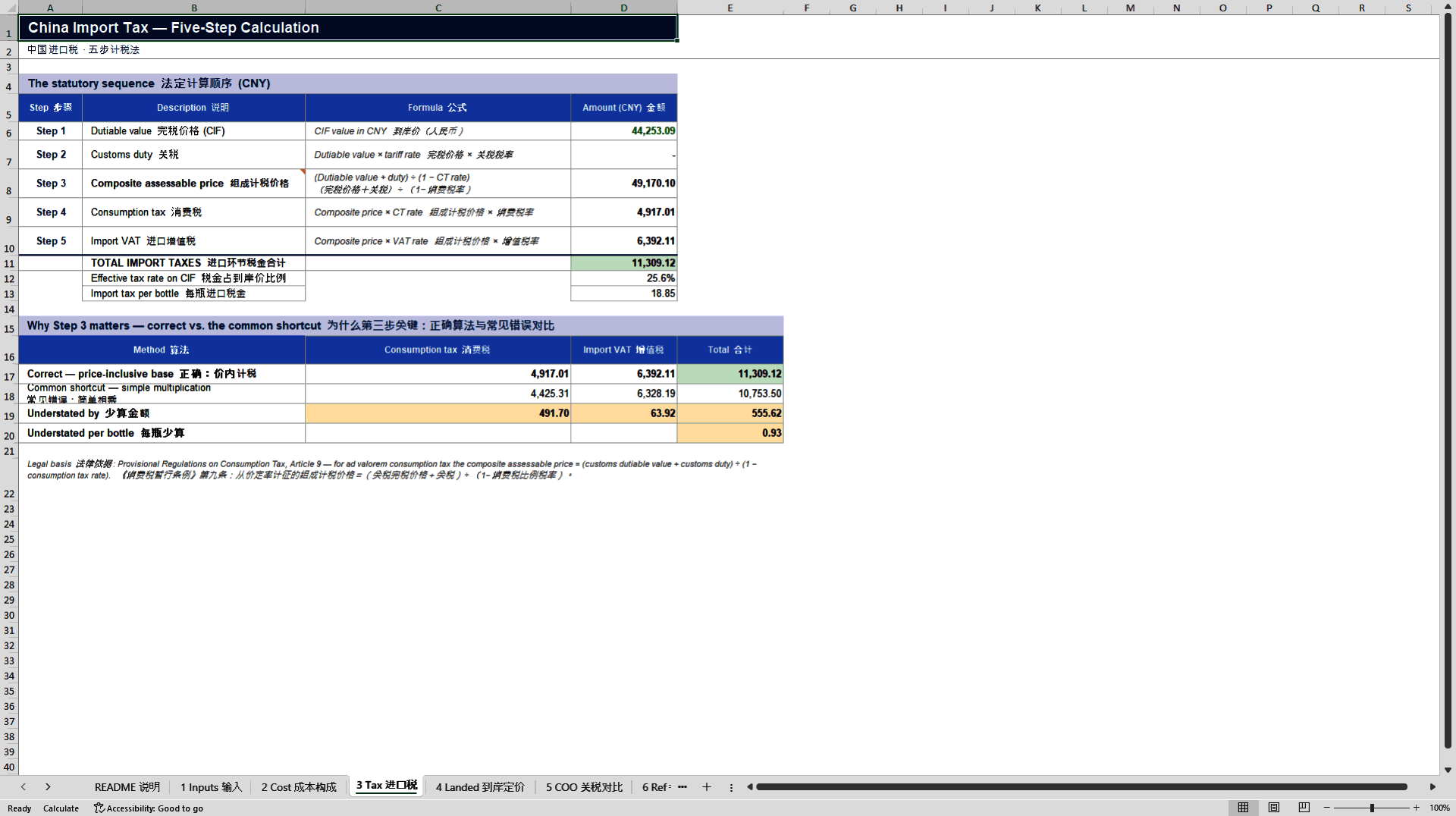
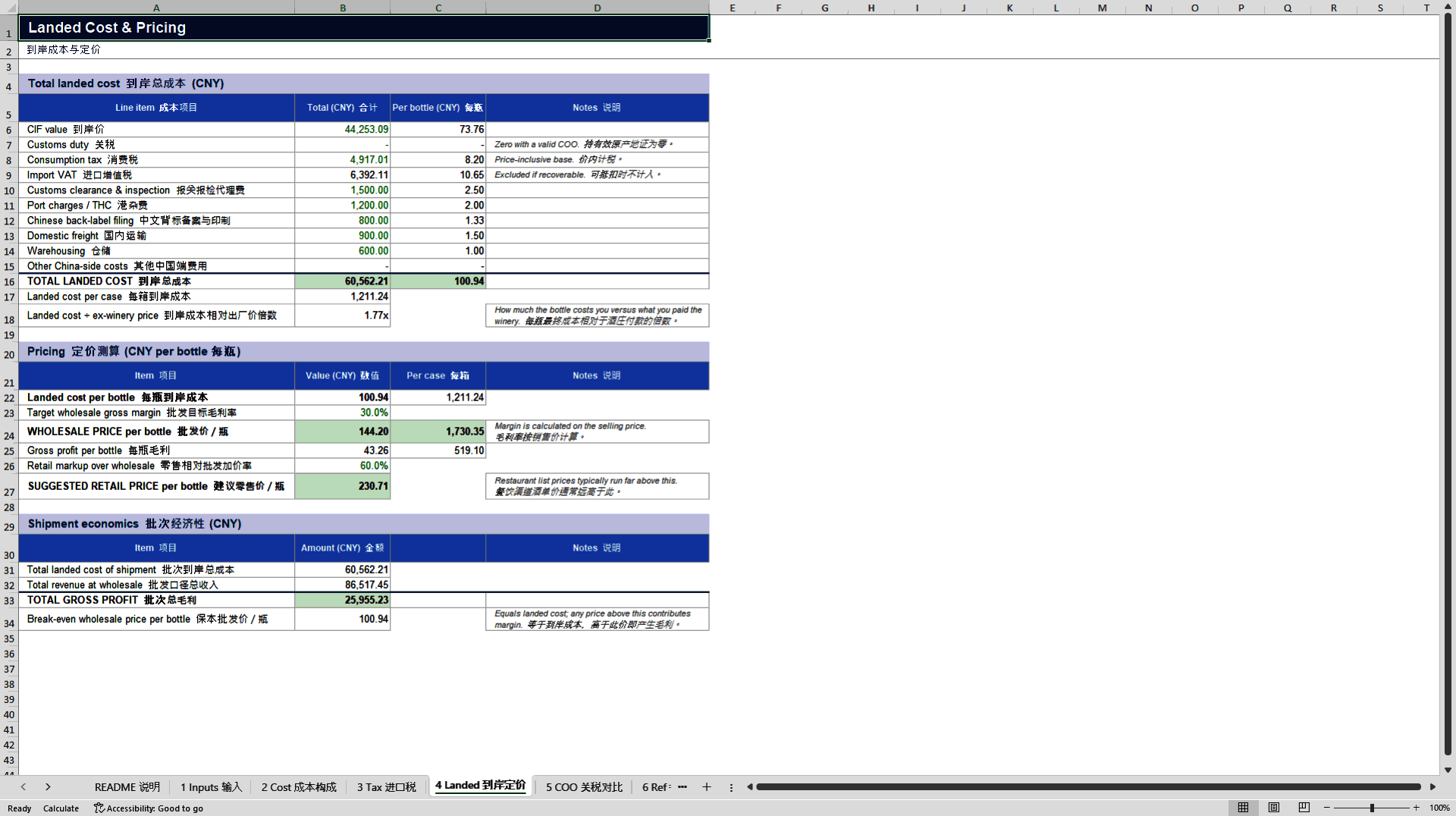
- Calculates per-bottle landed cost using the five-step Chinese customs tax sequence, including the price-inclusive consumption tax base that simplified models miscalculate.
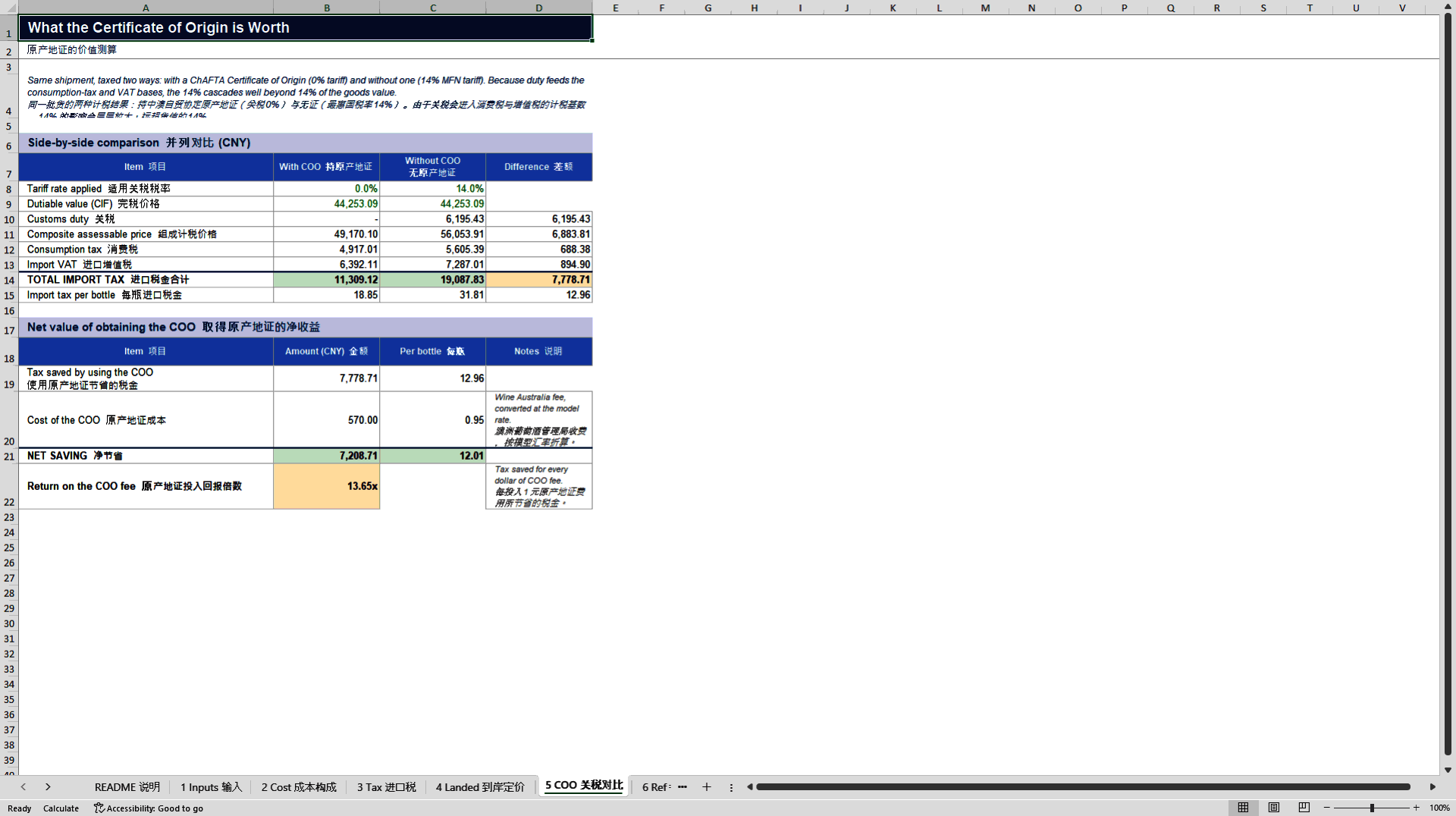
- Quantifies what a ChAFTA Certificate of Origin is worth on your specific consignment and expresses it as a return on the certificate fee.
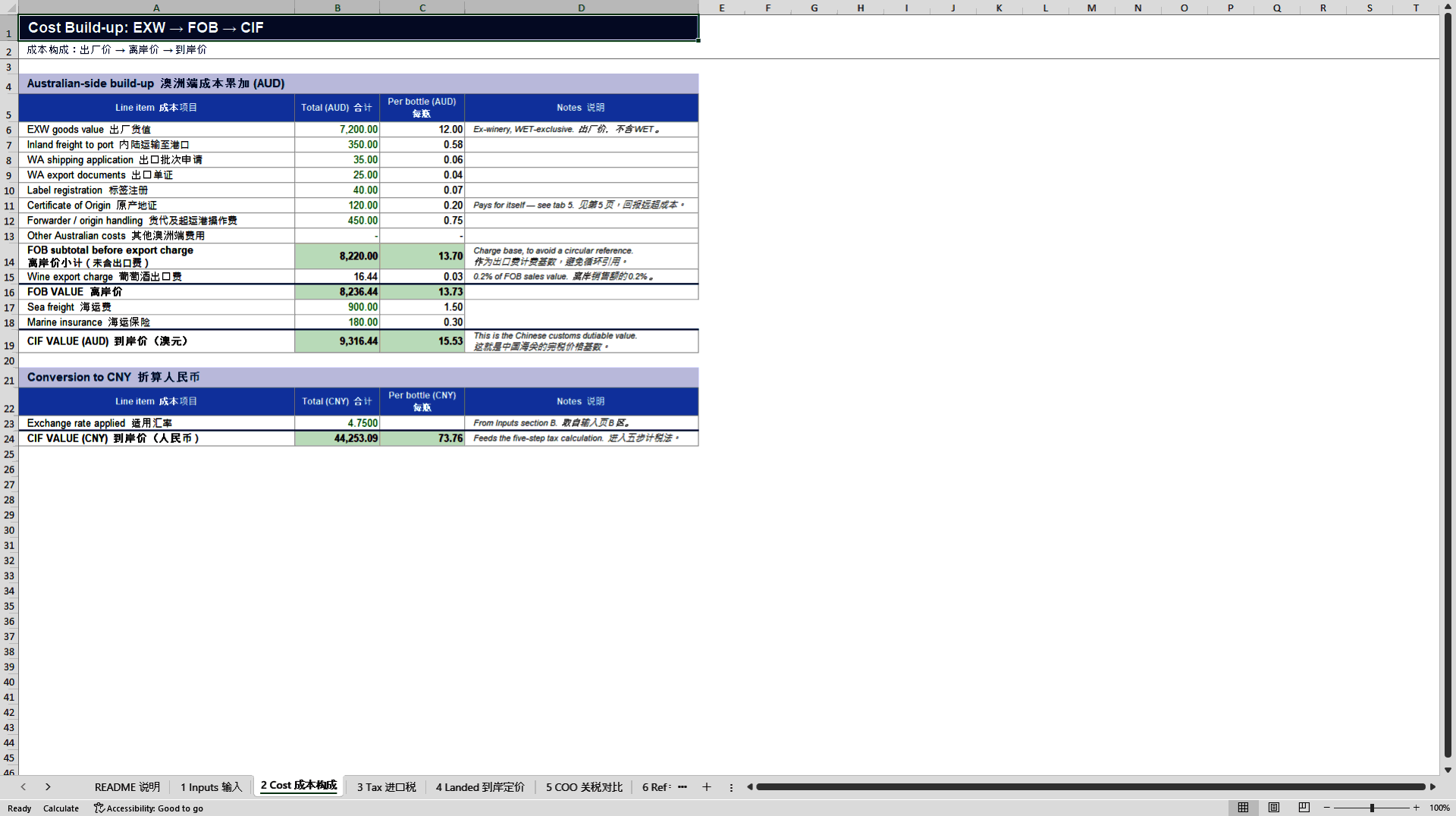
- Covers Australian export costs, Chinese import taxes, landed cost and pricing in one bilingual English and Chinese working file.
PRICING STRATEGY EXCEL DESCRIPTION
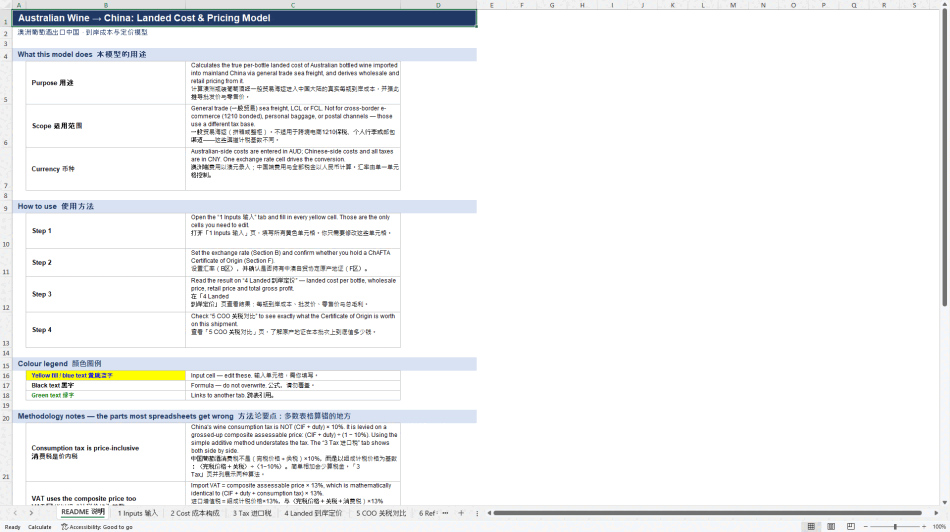
Importing Australian bottled wine into mainland China is one of the few trade lanes where the tax mechanics, not the freight, decide whether a shipment is profitable. This model calculates the true per-bottle landed cost of a general-trade sea freight consignment, from the ex-winery invoice through to a defensible wholesale and retail price, in both English and Chinese.
The workbook is built around the five-step sequence Chinese customs actually applies: dutiable value, customs duty, composite assessable price, consumption tax, and import VAT. The third step is the one most spreadsheets get wrong. China's consumption tax on wine is a price-inclusive tax, so the base is grossed up by dividing by one minus the rate, rather than multiplying the duty-paid value directly. A dedicated comparison table on the tax worksheet shows the correct calculation beside the common shortcut, and quantifies exactly how much the shortcut understates the liability.
A second worksheet isolates the value of the ChAFTA Certificate of Origin. Because customs duty feeds the consumption tax and VAT bases, the difference between the zero preferential rate and the fourteen percent most-favoured-nation rate cascades well beyond fourteen percent of goods value. The model prices that difference for your specific consignment, nets off the certificate fee, and expresses the result as a return multiple, so obtaining the certificate stops being a paperwork question and becomes a number.
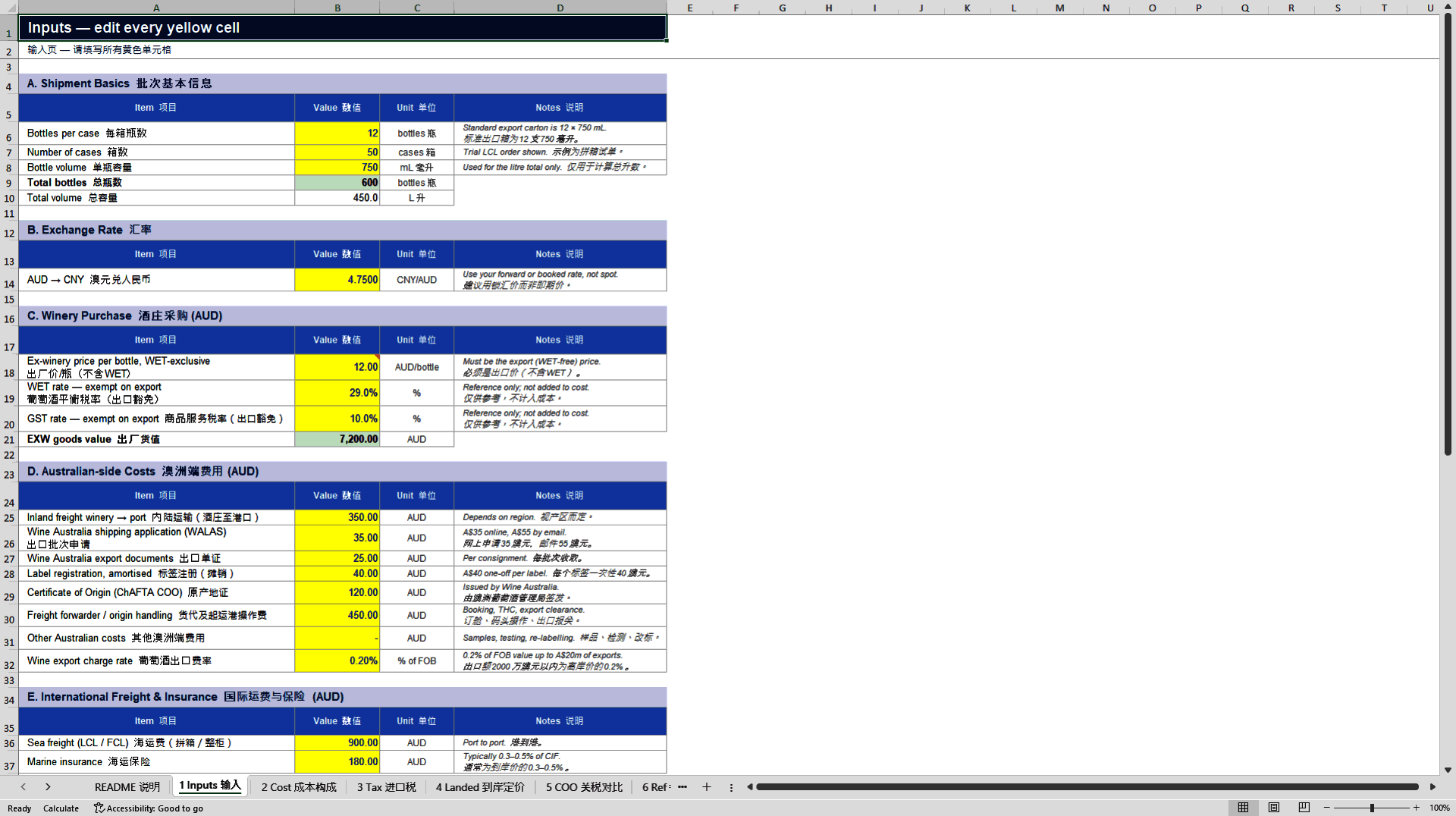
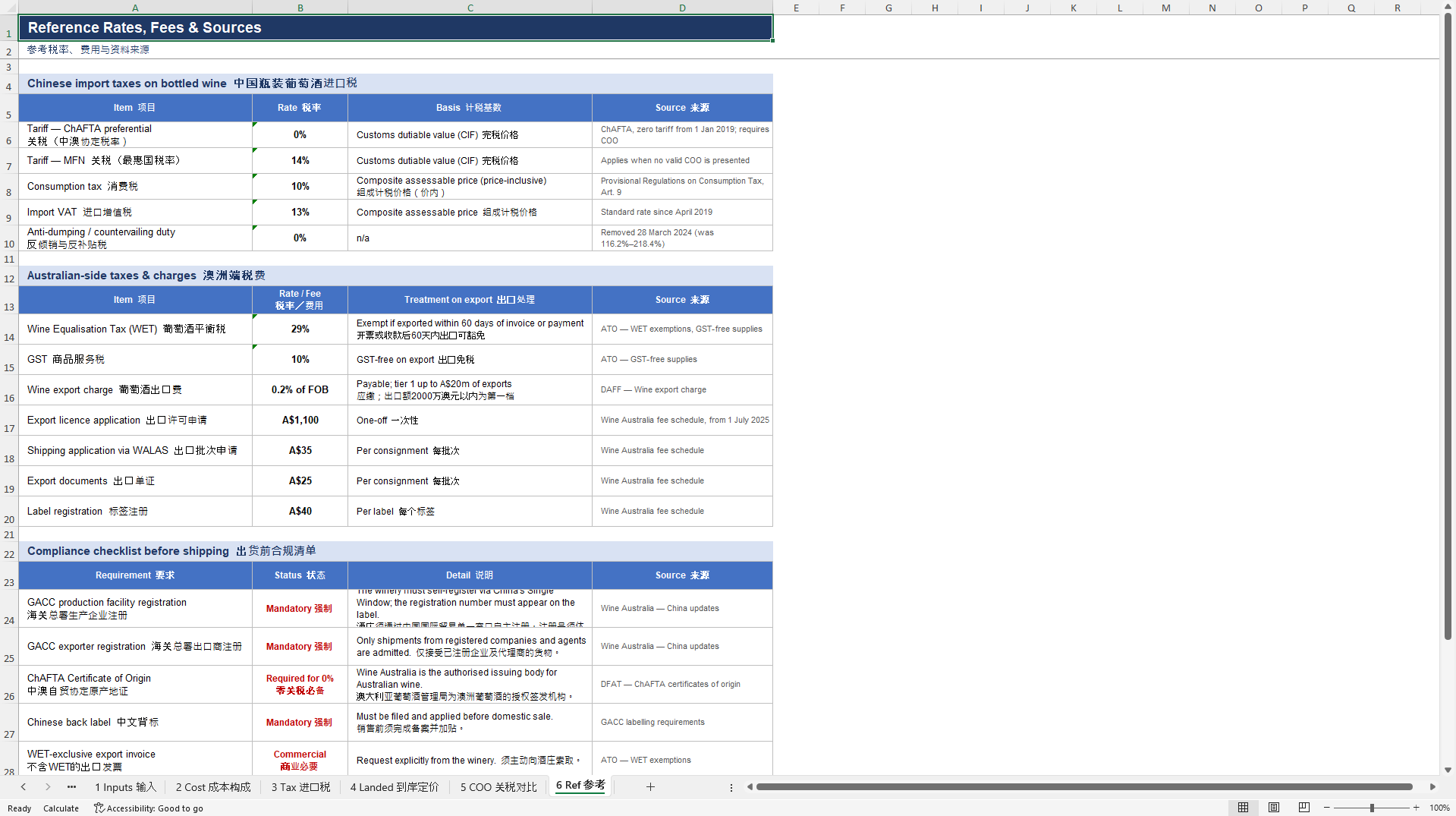
Australian-side costs are modelled explicitly rather than lumped into a single freight line. Wine Equalisation Tax and GST are shown as reference rates and correctly excluded on export, with a reminder that the exemption is conditional and that wineries commonly quote domestic WET-inclusive prices by default. The wine export charge, consignment and documentation fees, label registration and certificate of origin costs all appear as separate, editable lines.
Every input sits on a single worksheet, colour-coded so that only the cells intended for editing are highlighted; all downstream calculations are formula-driven and update instantly. Two toggles change the commercial picture materially: whether a valid certificate of origin is held, and whether import VAT is recoverable through a Chinese entity or is a sunk cost in a private-channel resale.
The workbook closes with a reference sheet carrying the applicable rates, the Australian regulatory fee schedule, a pre-shipment compliance checklist covering GACC facility and exporter registration and Chinese back-label filing, and the source of each figure with the date it was verified.
Intended for wine exporters, importers, distributors and consultants pricing an Australia-to-China consignment. Supplied unlocked and fully editable, with no macros and no hidden formulas. This is a commercial planning tool and does not constitute tax, legal or customs advice; confirm rates and tariff classification with your broker before shipping.
Got a question about the product? Email us at support@flevy.com or ask the author directly by using the "Ask the Author a Question" form. If you cannot view the preview above this document description, go here to view the large preview instead.
Source: Best Practices in Pricing Strategy, Market Entry Excel: Australian Wine to China: Landed Cost and Pricing Model Excel (XLSX) Spreadsheet, g63366886o82




























