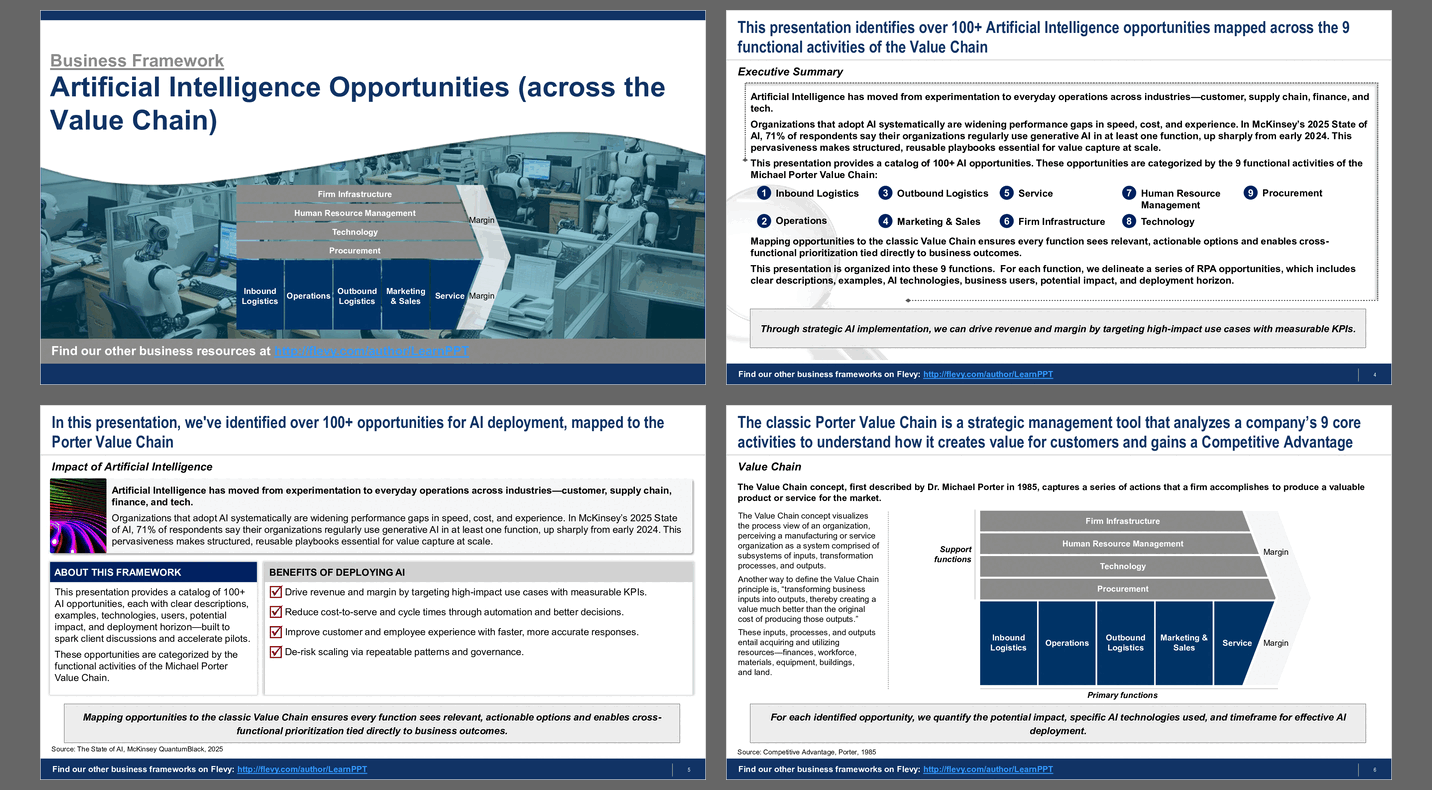
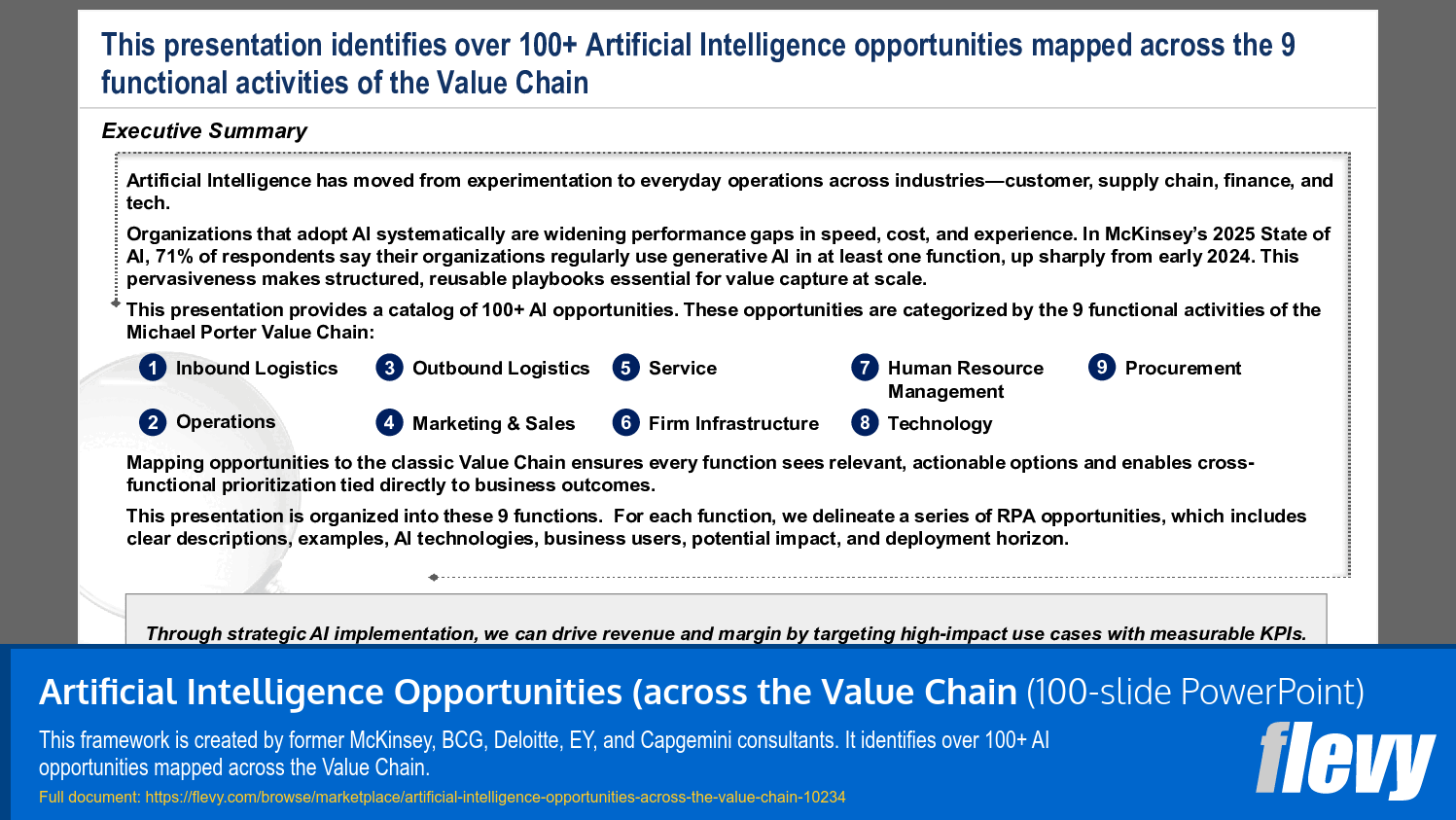
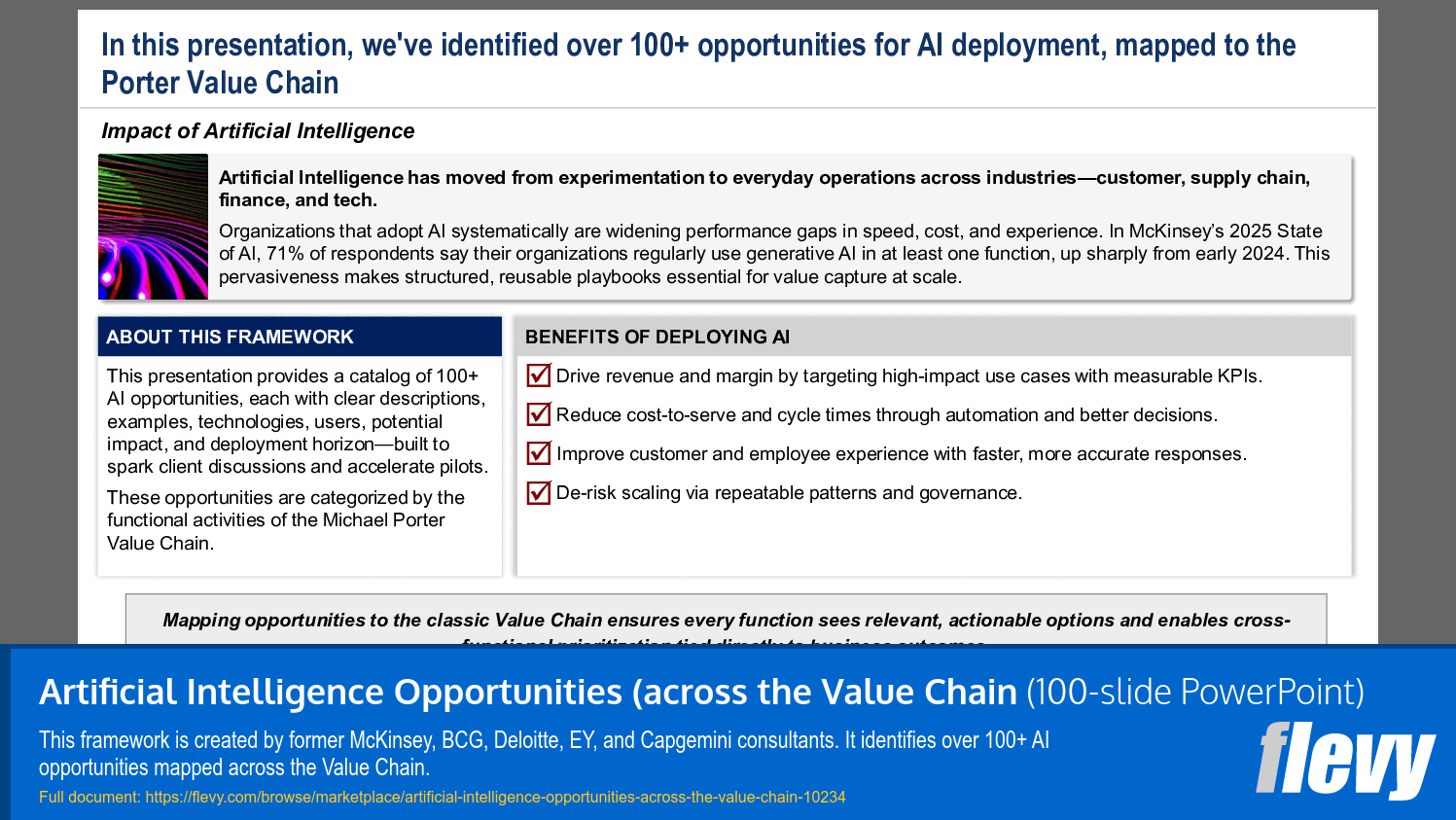

Artificial Intelligence has moved from experimentation to everyday operations across industries—customer, supply chain, finance, and tech.

Organizations that adopt AI systematically are widening performance gaps in speed, cost, and experience. In McKinsey's 2025 State of AI, 71% of respondents say their organizations regularly use generative AI in at least one function, up sharply from early 2024. This pervasiveness makes structured, reusable playbooks essential for value capture at scale.
There are numerous clear benefits to deploying AI, including:
Drive revenue and margin by targeting high-impact use cases with measurable KPIs.
Reduce cost-to-serve and cycle times through automation and better decisions.
Improve customer and employee experience with faster, more accurate responses.
De-risk scaling via repeatable patterns and governance.
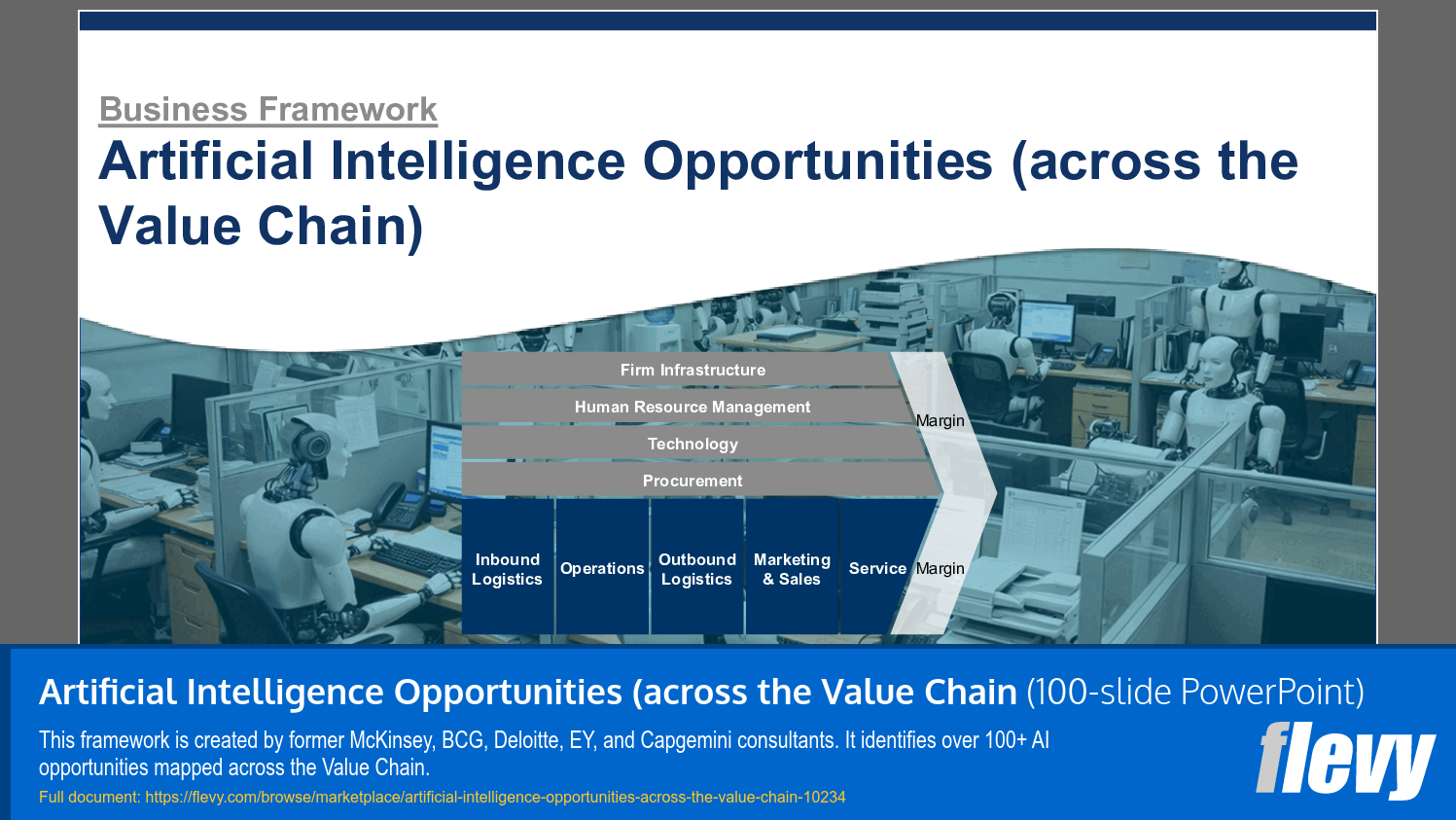
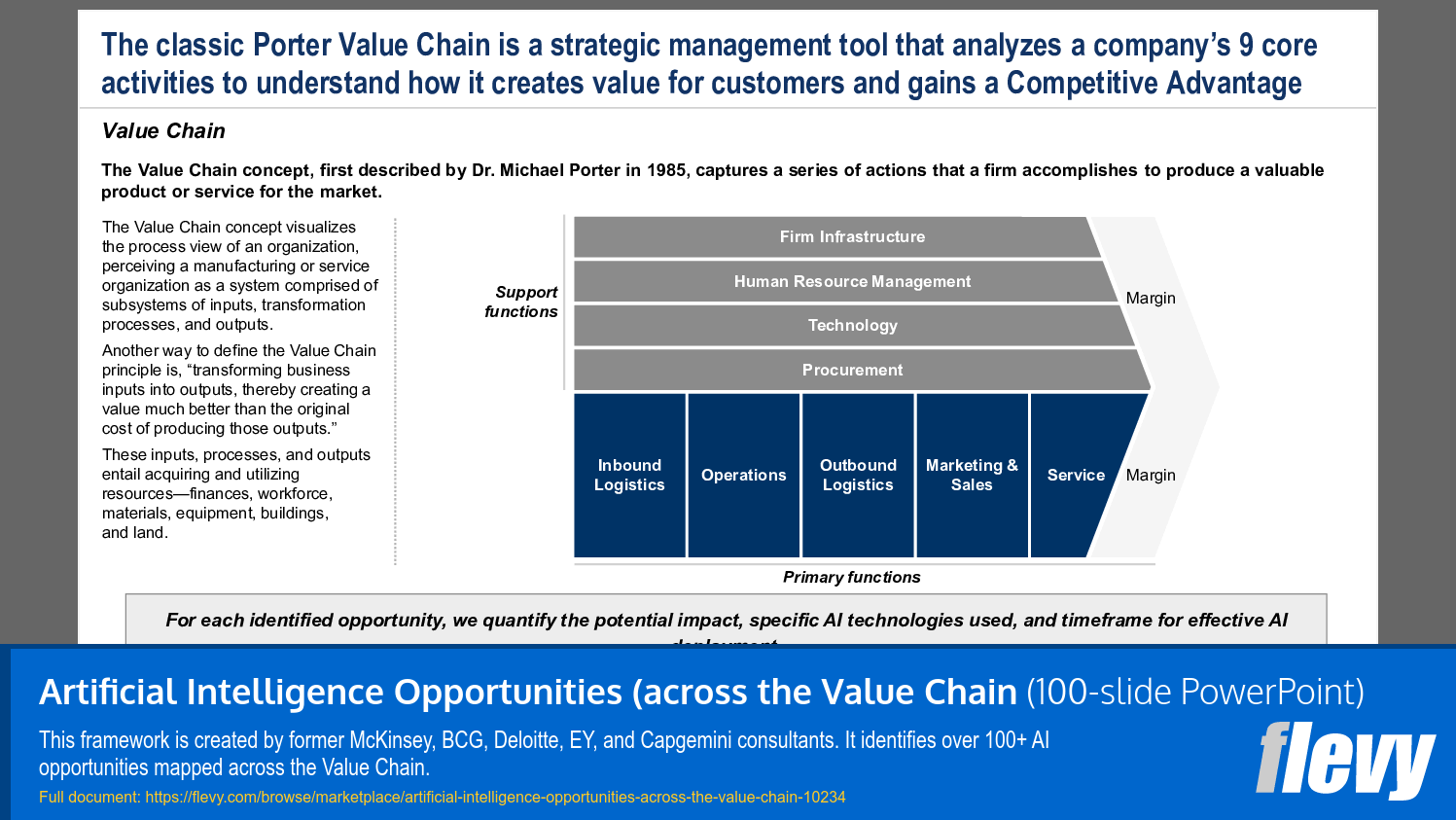
This PPT presentation provides a catalog of 100+ AI opportunities. These opportunities are categorized by the 9 functional activities of the Michael Porter Value Chain:
1. Inbound Logistics
2. Operations
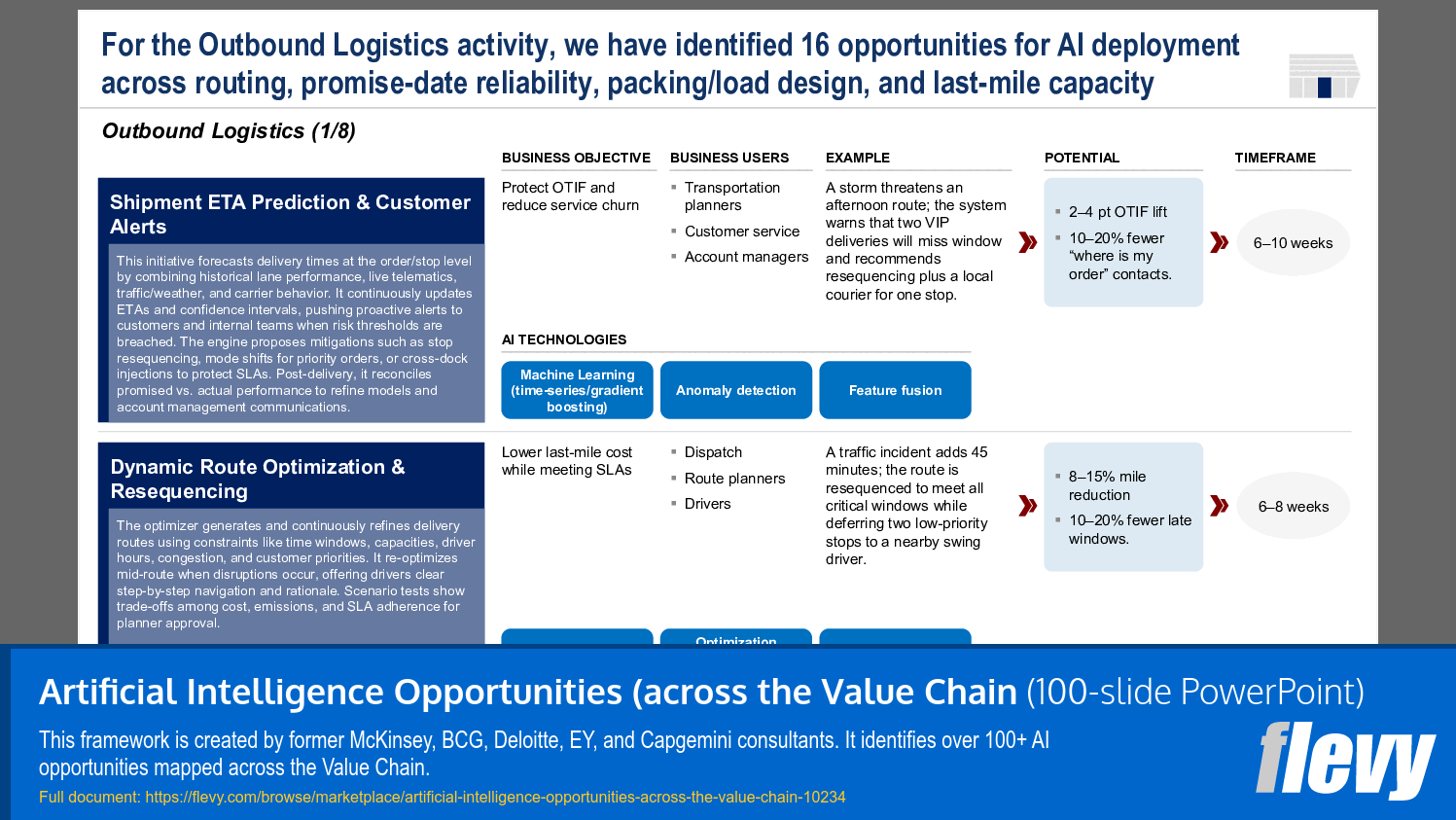
3. Outbound Logistics
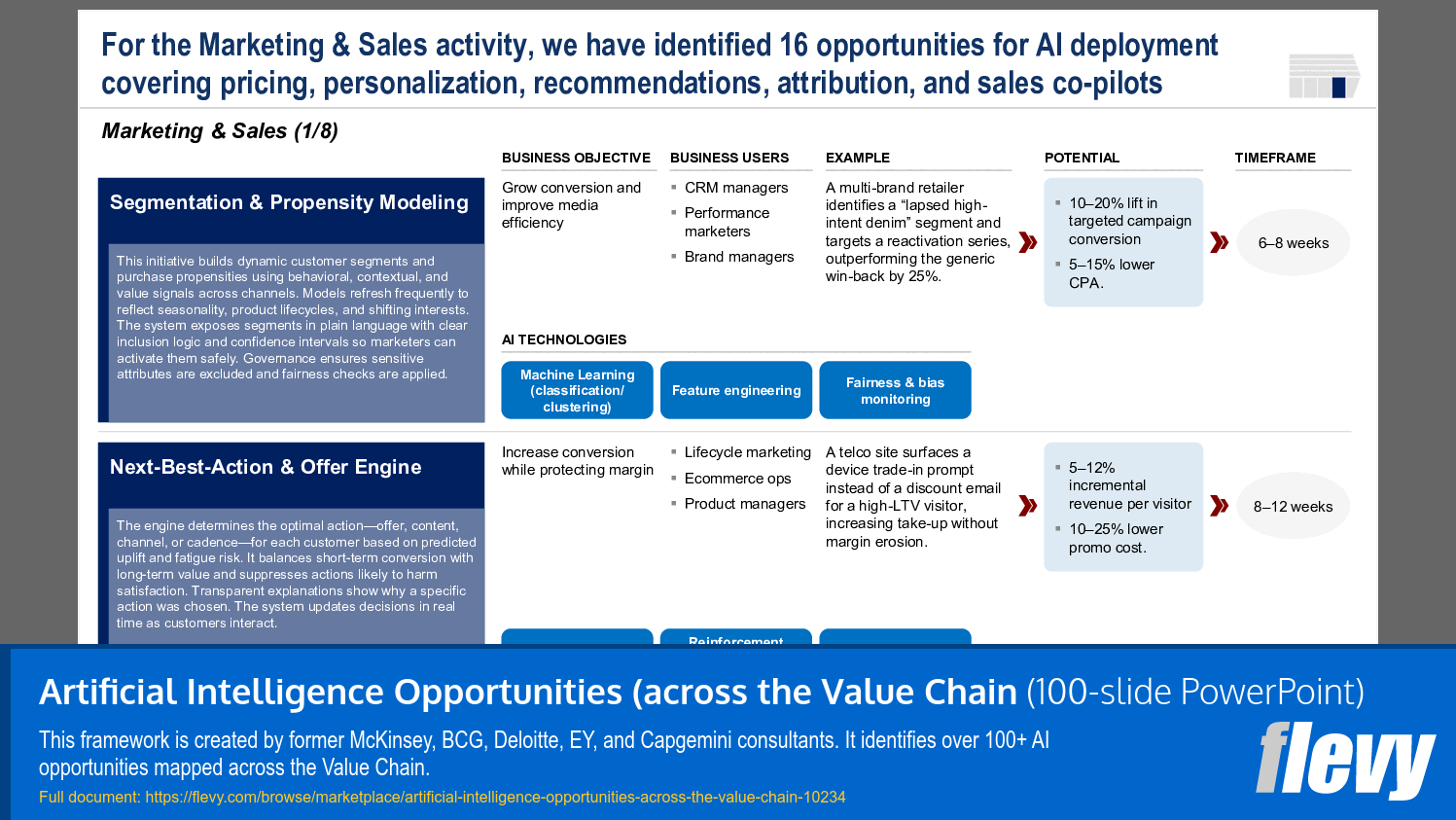
4. Marketing & Sales
5. Service
6. Firm Infrastructure
7. Human Resource Management
8. Technology
9. Procurement
Mapping opportunities to the classic Value Chain ensures every function sees relevant, actionable options and enables cross-functional prioritization tied directly to business outcomes.
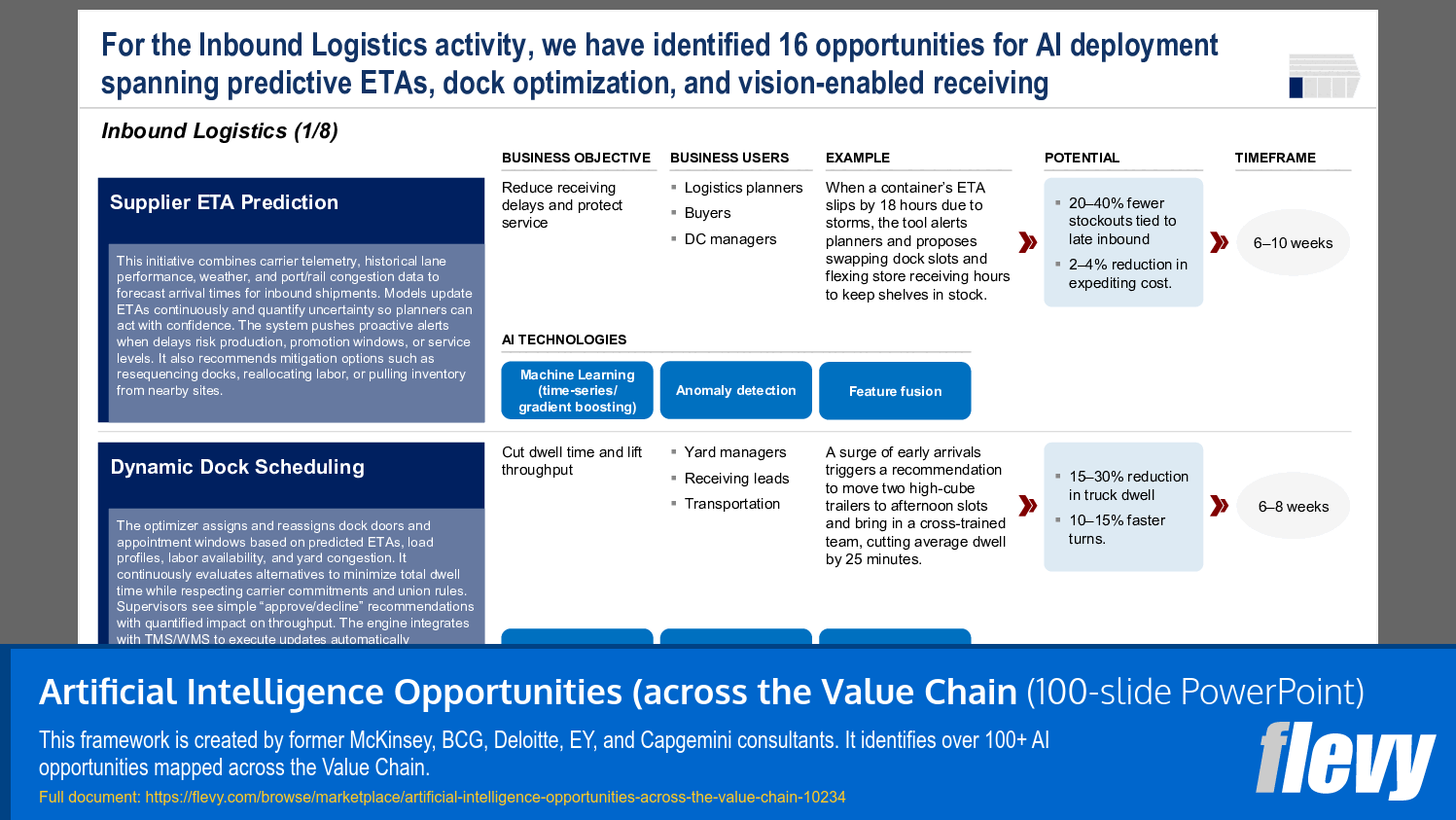
This PowerPoint is organized into these 9 functions. For each function, we delineate a series of RPA opportunities, which includes clear descriptions, examples, AI technologies, business users, potential impact, and deployment horizon.
Got a question about the product? Email us at support@flevy.com or ask the author directly by using the "Ask the Author a Question" form. If you cannot view the preview above this document description, go here to view the large preview instead.
Executive Summary
This presentation, titled "Artificial Intelligence Opportunities (across the Value Chain)," is crafted by former McKinsey, BCG, Deloitte, EY, and Capgemini consultants, delivering McKinsey, Bain, or BCG-quality insights (consulting-grade; not affiliated). It identifies over 100 AI opportunities mapped across the nine functional activities of the Michael Porter Value Chain. Organizations leveraging these AI opportunities can enhance performance, reduce costs, and improve customer experiences. The structured catalog facilitates cross-functional prioritization and actionable insights tied directly to business outcomes.
Who This Is For and When to Use
• Corporate executives seeking to implement AI strategies across functions
• Integration leaders aiming to enhance operational efficiency through AI
• Consultants advising clients on AI-driven transformation
• Business analysts focused on identifying AI opportunities within existing processes
Best-fit moments to use this deck:
• During strategic planning sessions to identify AI use cases
• When assessing operational inefficiencies and exploring automation
• In workshops aimed at cross-functional collaboration on AI initiatives
• For client presentations to showcase actionable AI opportunities
Learning Objectives
• Define the role of AI across the Value Chain and its impact on business functions
• Identify specific AI opportunities relevant to each functional area
• Develop actionable plans for implementing AI solutions with measurable KPIs
• Enhance cross-functional collaboration through shared AI insights
• Evaluate the potential impact of AI on operational efficiency and customer experience
• Create a roadmap for scaling AI initiatives across the organization
Table of Contents
• Executive Summary (page 3)
• Artificial Intelligence Opportunities across the Value Chain
• Inbound Logistics (page 7)
• Operations (page 16)
• Outbound Logistics (page 27)
• Marketing & Sales (page 36)
• Service (page 45)
• Firm Infrastructure (page 55)
• Human Resource Management (page 66)
• Technology (page 75)
• Procurement (page 87)
Primary Topics Covered
• Inbound Logistics - Opportunities for AI deployment include predictive ETAs, dock optimization, and vision-enabled receiving to enhance supply chain efficiency.
• Operations - Focuses on yield optimization, scheduling, quality control, and safety through AI technologies.
• Outbound Logistics - Explores routing, promise-date reliability, and last-mile capacity improvements via AI.
• Marketing & Sales - Discusses AI applications in pricing, personalization, and customer engagement strategies.
• Service - Highlights AI's role in enhancing customer service through self-service options and proactive outreach.
• Firm Infrastructure - Identifies AI opportunities in finance, legal, risk management, and governance.
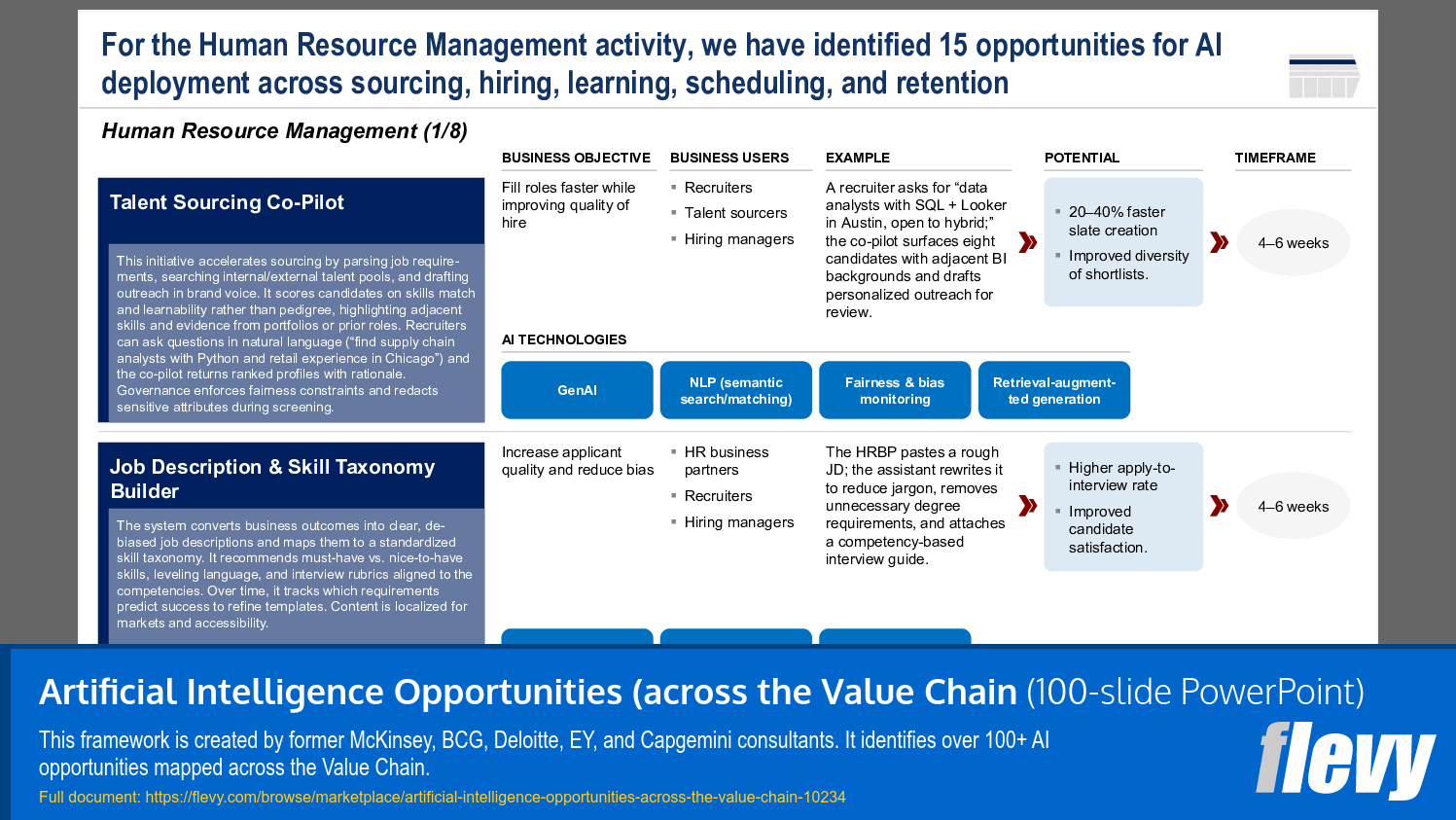
• Human Resource Management - Focuses on AI applications in recruiting, onboarding, and employee retention strategies.
• Technology - Covers AI deployment in reliability, developer productivity, and data quality management.
• Procurement - Discusses AI opportunities in sourcing, contract management, and supplier risk assessment.
Deliverables, Templates, and Tools
• AI opportunity catalog for each functional area
• Implementation roadmap templates for AI initiatives
• KPI tracking frameworks for measuring AI impact
• Cross-functional collaboration tools for AI project management
• Risk assessment templates for AI deployment
Slide Highlights
• Overview of AI opportunities mapped to the Value Chain
• Detailed examples of AI applications in each functional area
• Visual representations of potential impact and deployment timelines
• Case studies showcasing successful AI implementations
• Frameworks for evaluating AI readiness and scalability
Potential Workshop Agenda
AI Strategy Alignment Workshop (90 minutes)
• Define AI opportunities across the Value Chain
• Identify cross-functional collaboration points
• Develop a prioritized action plan for AI implementation
AI Impact Assessment Session (60 minutes)
• Evaluate potential impact of AI on operational efficiency
• Discuss measurable KPIs for tracking success
• Align on governance and oversight for AI initiatives
AI Implementation Roadmap Development (120 minutes)
• Create a detailed roadmap for scaling AI initiatives
• Assign responsibilities and timelines for key actions
• Establish feedback loops for continuous improvement
Customization Guidance
• Tailor the AI opportunity catalog to reflect specific organizational needs and priorities
• Adjust KPIs to align with business objectives and operational realities
• Incorporate company-specific case studies to enhance relevance and engagement
• Modify templates to fit organizational branding and communication styles
Secondary Topics Covered
• Change management strategies for AI adoption
• Ethical considerations in AI deployment
• Training and upskilling requirements for AI initiatives
• Integration of AI with existing technology stacks
• Long-term sustainability of AI solutions
FAQ
What are the key benefits of implementing AI across the Value Chain?
Implementing AI can drive revenue growth, reduce operational costs, and enhance customer experiences by automating processes and providing actionable insights.
How can organizations identify the right AI opportunities?
Organizations can assess their existing processes, evaluate performance gaps, and align AI opportunities with strategic business objectives to identify the most impactful areas for implementation.
What metrics should be used to measure AI success?
Key performance indicators (KPIs) may include cost savings, revenue growth, customer satisfaction scores, and operational efficiency metrics.
How can cross-functional collaboration be facilitated during AI implementation?
Establishing clear communication channels, shared goals, and collaborative tools can enhance cross-functional teamwork and ensure alignment on AI initiatives.
What are the common challenges faced during AI adoption?
Challenges may include data quality issues, resistance to change, lack of expertise, and integration with existing systems.
How can organizations ensure ethical AI deployment?
Organizations should establish governance frameworks, conduct regular audits, and engage stakeholders to ensure ethical considerations are addressed in AI initiatives.
What role does training play in successful AI implementation?
Training is crucial for equipping employees with the necessary skills to leverage AI tools effectively and fostering a culture of innovation and adaptability.
How can organizations scale their AI initiatives?
Developing a clear roadmap, leveraging best practices, and continuously monitoring performance can help organizations scale AI initiatives effectively.
Glossary
• AI (Artificial Intelligence) - Technology that simulates human intelligence processes.
• KPI (Key Performance Indicator) - A measurable value that demonstrates how effectively a company is achieving key business objectives.
• Value Chain - A set of activities that a company performs to deliver a valuable product or service to the market.
• RPA (Robotic Process Automation) - Technology that automates repetitive tasks typically performed by humans.
• Machine Learning - A subset of AI that enables systems to learn from data and improve over time without explicit programming.
• NLP (Natural Language Processing) - A field of AI that focuses on the interaction between computers and humans through natural language.
• Data Governance - The management of data availability, usability, integrity, and security in an organization.
• Change Management - The process of managing change within an organization to minimize resistance and maximize engagement.
• Ethical AI - The practice of ensuring that AI technologies are developed and used in ways that are fair, transparent, and accountable.
• Automation - The use of technology to perform tasks with minimal human intervention.
• Digital Transformation - The integration of digital technology into all areas of a business, fundamentally changing how it operates and delivers value to customers.
• Continuous Improvement - Ongoing efforts to improve products, services, or processes over time.
Source: Best Practices in Artificial Intelligence, Value Chain Analysis PowerPoint Slides: Artificial Intelligence Opportunities (across the Value Chain) PowerPoint (PPTX) Presentation Slide Deck, LearnPPT Consulting
|
Download our FREE Digital Transformation Templates
Download our free compilation of 50+ Digital Transformation slides and templates. DX concepts covered include Digital Leadership, Digital Maturity, Digital Value Chain, Customer Experience, Customer Journey, RPA, etc. |