
 Click main image to view in full screen. Unlock all 9 preview images:
AI's Physical Bottleneck: Investment Priorities – PDF
PDF document 22 Pages


BENEFITS OF THIS DOWNLOADABLE PDF DOCUMENT
- Identifies the physical infrastructure and material bottlenecks that could constrain the next phase of AI expansion.
- Provides a structured framework for assessing where Indonesia can capture value across the emerging physical AI supply chain.
- Translates AI infrastructure trends into scenario-tested investment priorities, strategic exposures, and actionable capital-allocation decisions.
ARTIFICIAL INTELLIGENCE PDF DESCRIPTION
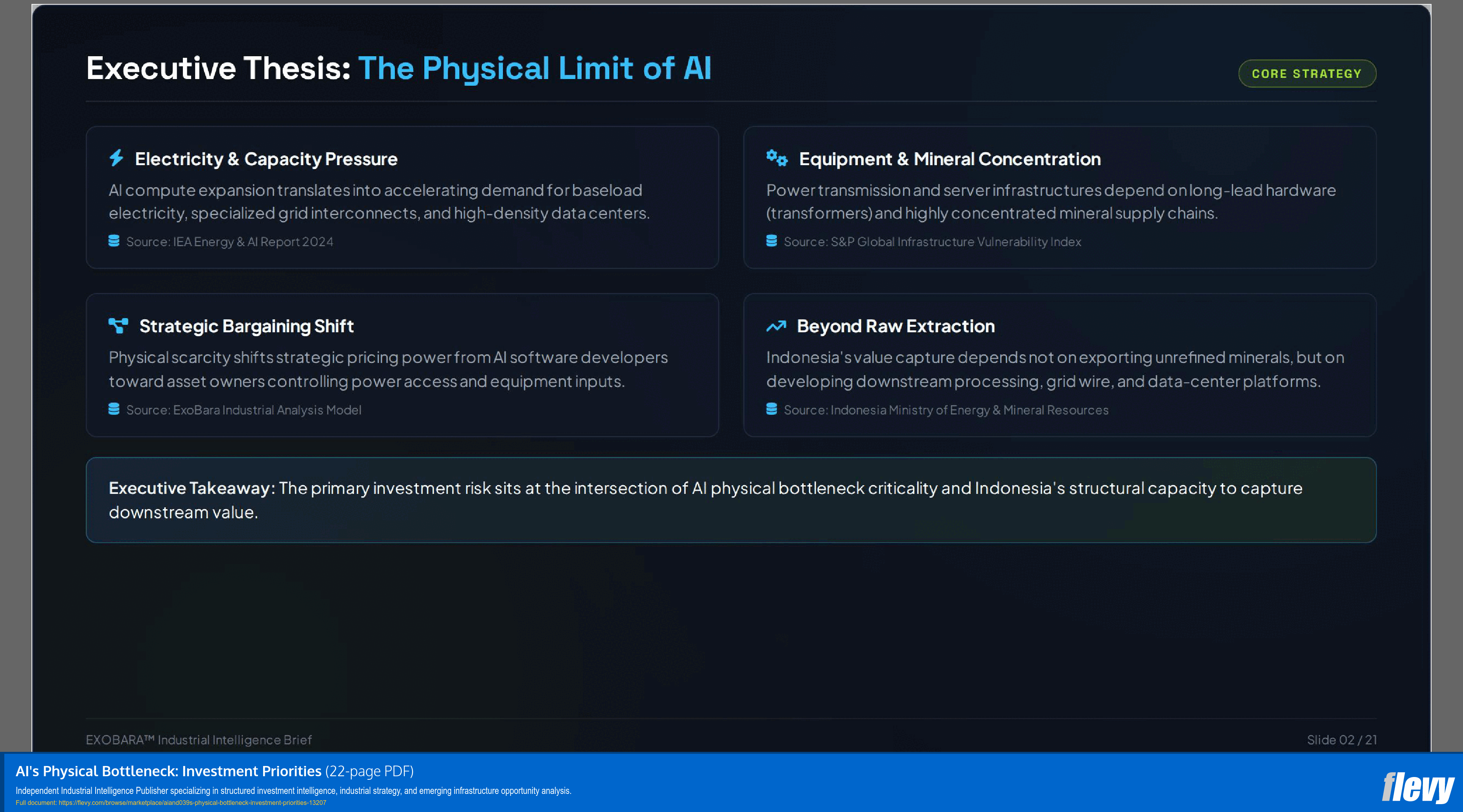
AI is often discussed as a software and computing revolution. But the next constraint on AI expansion may be physical: electricity, grid capacity, transformers, data-center infrastructure, cooling, storage, copper, tin, advanced materials, and the industrial systems required to connect them.
AI's Physical Bottleneck examines this emerging physical layer through an investment and industrial strategy lens, with a particular focus on Indonesia's ability to capture value from the infrastructure and material bottlenecks created by AI expansion.
The brief moves beyond the conventional question of which AI companies will win. Instead, it examines where physical scarcity, infrastructure constraints, supply-chain concentration, and industrial capabilities could create new strategic value.
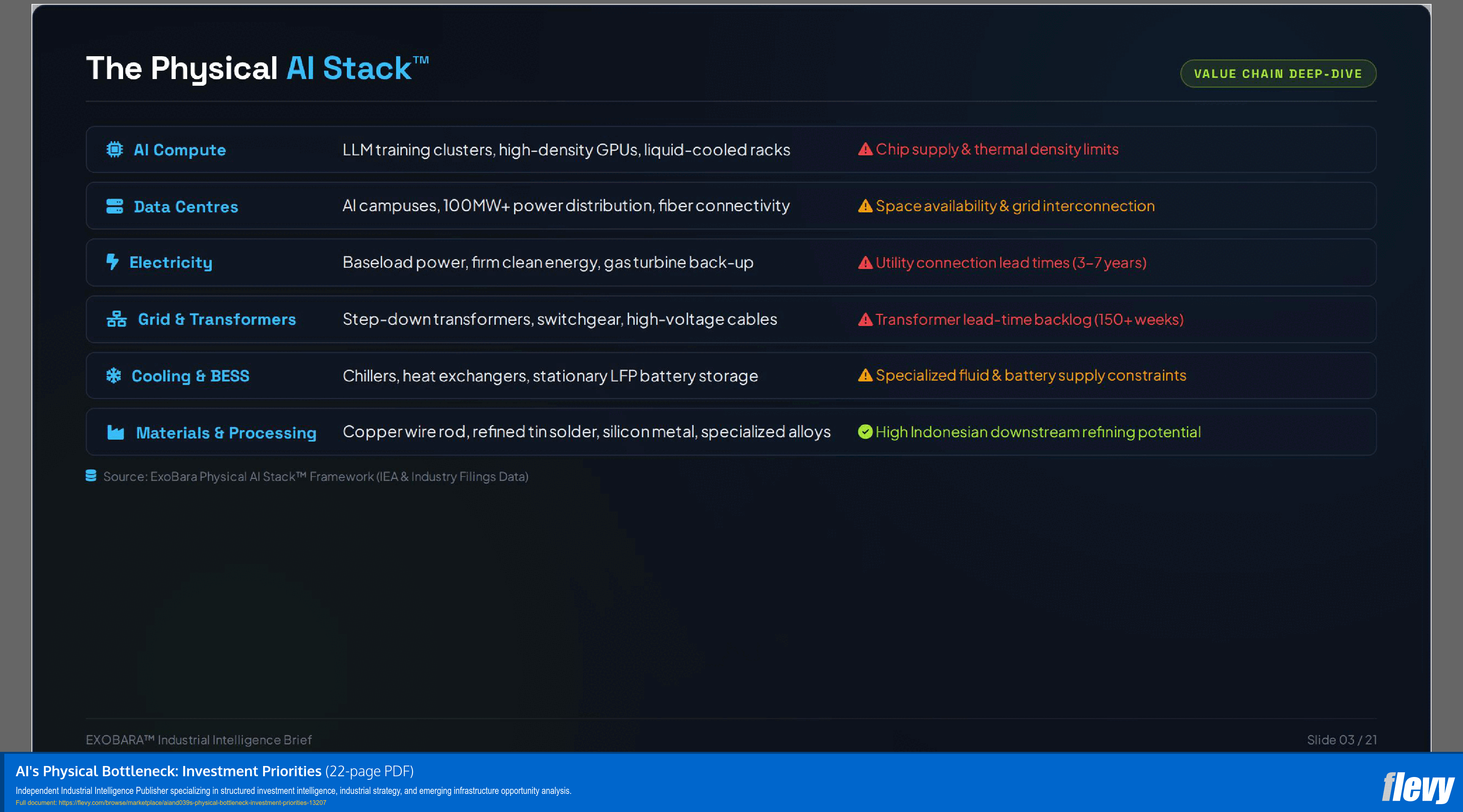
The analysis begins with the Physical AI Stack, mapping the relationship between AI compute, data centers, electricity, grid and transformers, cooling and battery energy storage, and materials and processing. It then examines the structural causal chain connecting AI workload growth to grid bottlenecks and upstream material demand.
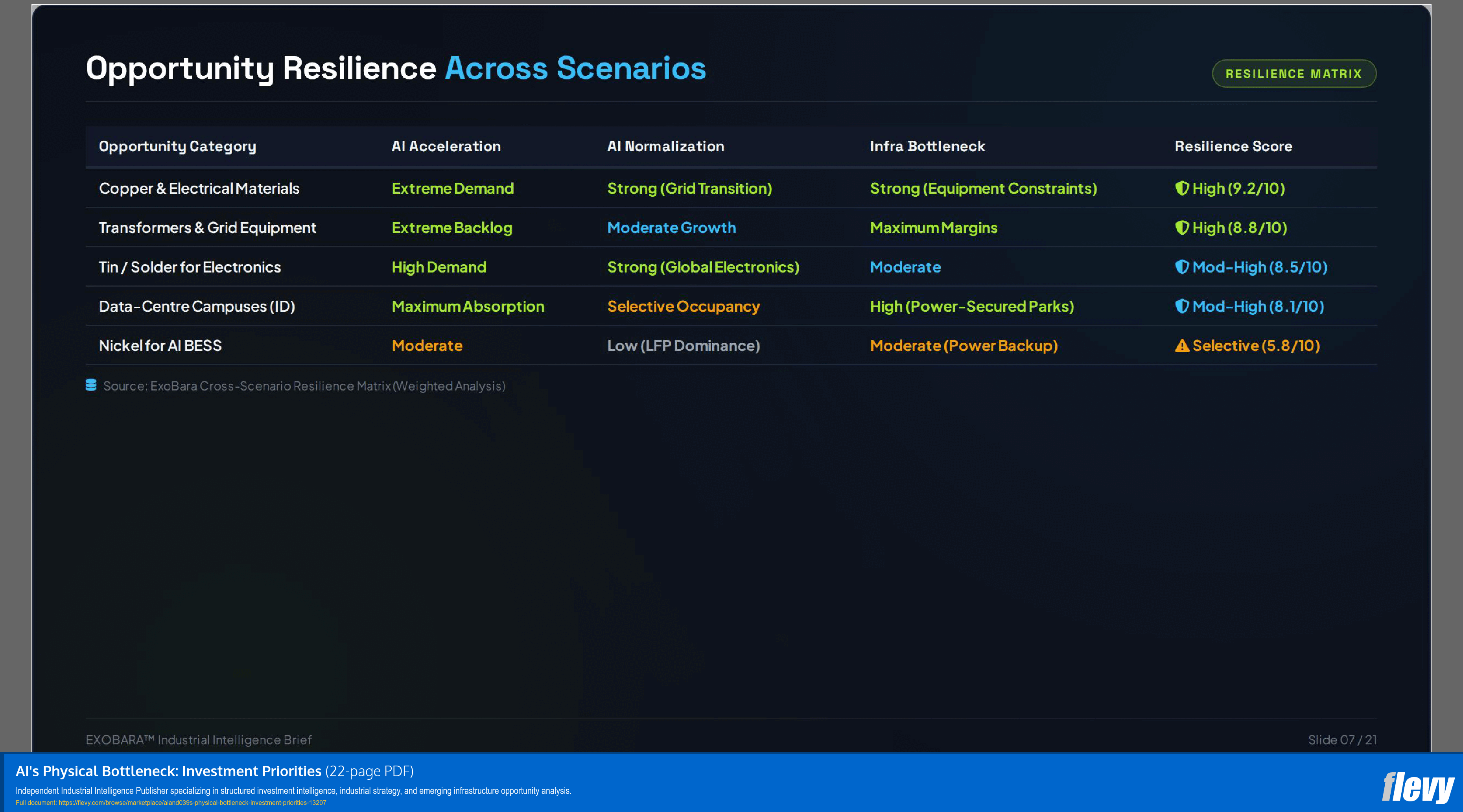
The brief applies a scenario framework covering AI Acceleration, AI Normalization, and Infrastructure Bottleneck conditions to test whether investment opportunities remain resilient across different AI-growth outcomes.
It evaluates key material and infrastructure categories including copper, tin, aluminium and silicon, nickel, battery energy storage, gallium and rare-earth-related exposure, grid infrastructure, transformers, data-center power systems, and cooling infrastructure.
A dedicated Indonesia value-capture perspective distinguishes global bottleneck importance from Indonesia's ability to capture economic value. The Indonesia AI Value-Capture Ladder assesses the progression from raw commodity production through processed materials, advanced materials, component ecosystems, and AI infrastructure enablement.
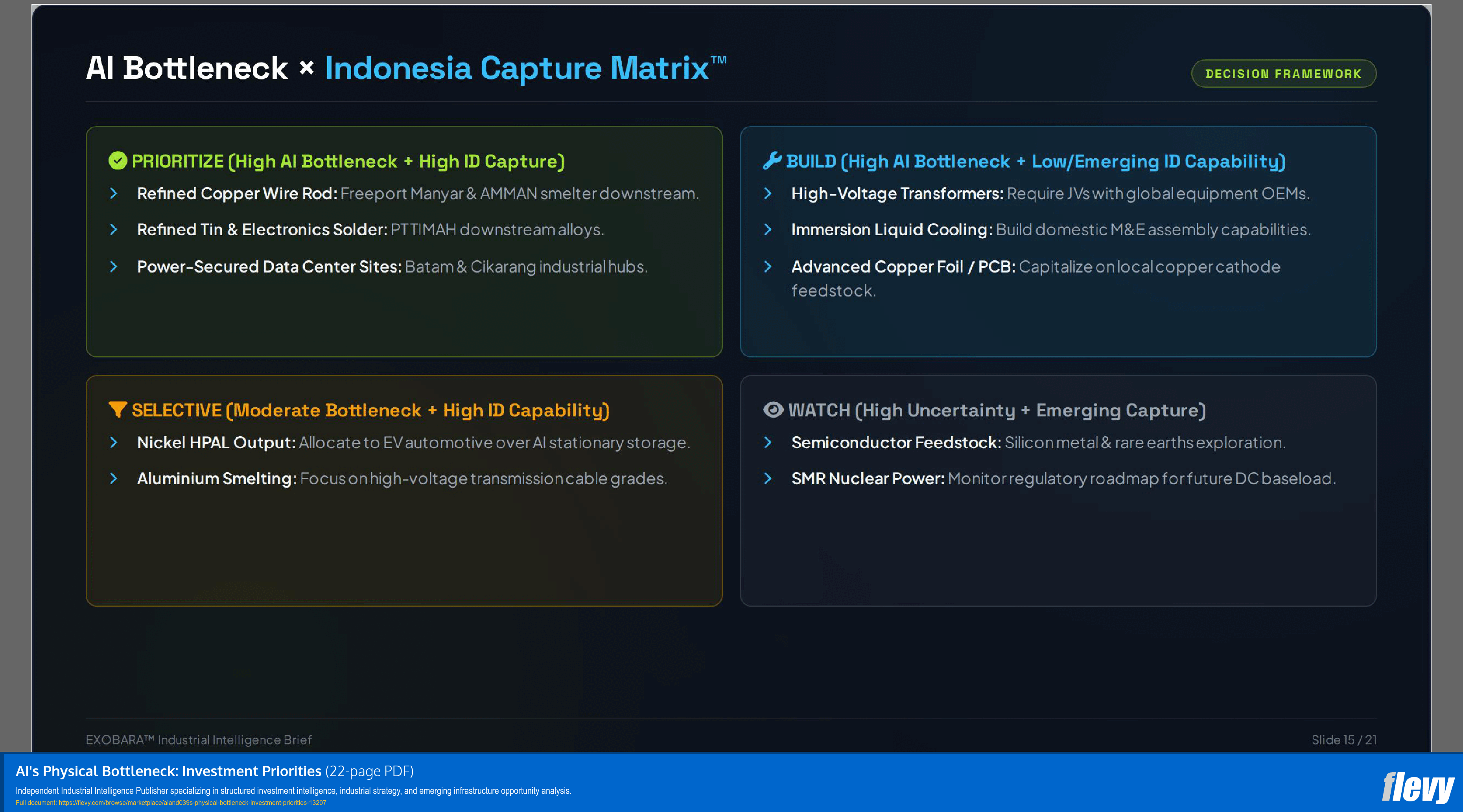
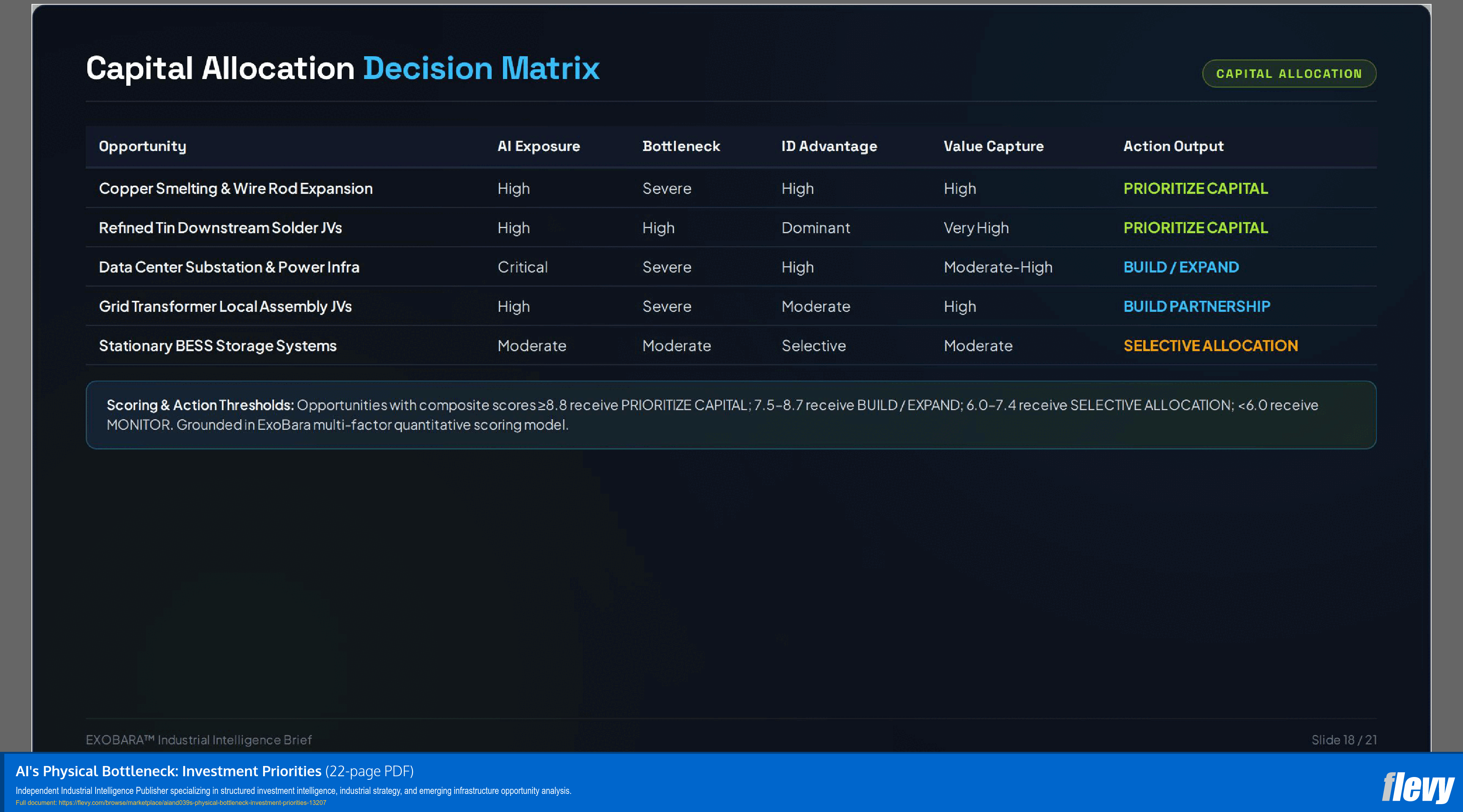
The brief culminates in the AI Bottleneck × Indonesia Capture Matrix and a Capital Allocation Decision Matrix, translating the analysis into four practical strategic positions: Prioritize, Build, Selective, and Monitor.
The document also maps strategic exposure across Indonesian resource and processing companies, data-center and infrastructure platforms, utility ecosystems, and global industrial technology providers. It deliberately distinguishes strategic exposure from direct investment recommendations.
Designed as an executive-level Investment Intelligence Brief, this publication is intended to help investors, corporate strategists, infrastructure developers, industrial companies, and decision-makers identify where AI-driven physical constraints may create durable opportunities—and where apparent opportunities may be less directly connected to AI than they initially appear.
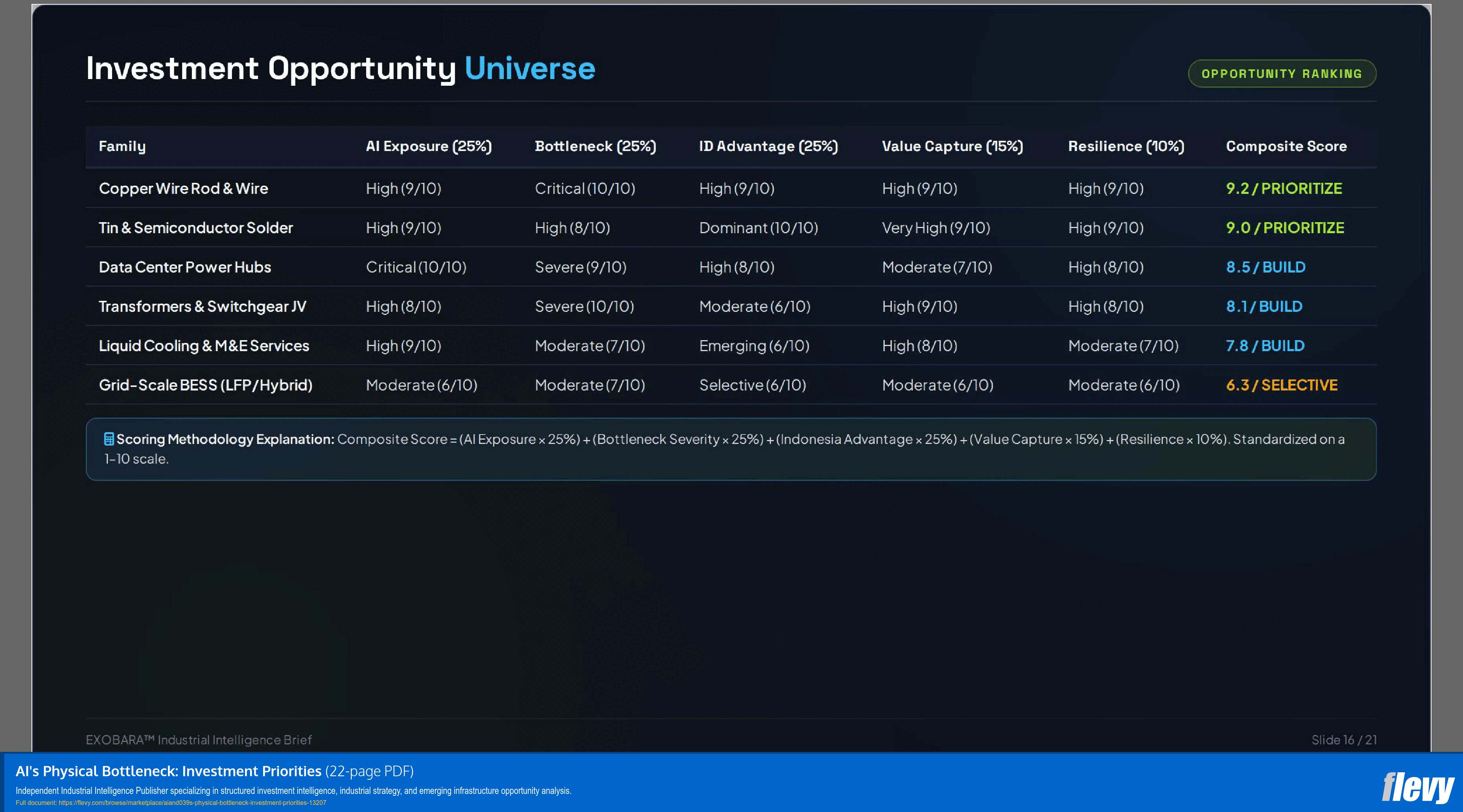
The analysis is evidence-led and includes explicit scoring methodology, analytical assumptions, source governance, and scenario-based assessment.
Got a question about the product? Email us at support@flevy.com or ask the author directly by using the "Ask the Author a Question" form. If you cannot view the preview above this document description, go here to view the large preview instead.
Source: Best Practices in Artificial Intelligence, Energy Industry PDF: AI's Physical Bottleneck: Investment Priorities PDF (PDF) Document, Wisnu Pandega Wardana
ABOUT THE AUTHOR

I am an independent Industrial Intelligence and Strategic Innovation Publisher focused on developing structured business intelligence, innovation frameworks, and opportunity-oriented research for decision-makers.
My work focuses on translating emerging technologies, industrial transformation, sustainability, resource efficiency, and market shifts into structured intelligence assets that
... [read more]
Ask the Author a Question
You must be logged in to contact the author.




























