
 Click main image to view in full screen. Unlock all 11 preview images:
AI-to-Physical Execution Shift – PDF
PDF document 27 Pages


BENEFITS OF THIS DOWNLOADABLE PDF DOCUMENT
- Provides a decision architecture for determining where AI-enabled agents can safely participate in physical execution.
- Helps executives distinguish technical AI capability from the authority, controls, verification, and governance required to execute physical actions.
- Provides three reusable frameworks for assessing execution authority, matching autonomy to physical consequence, and evaluating workflow readiness.
ARTIFICIAL INTELLIGENCE PDF DESCRIPTION
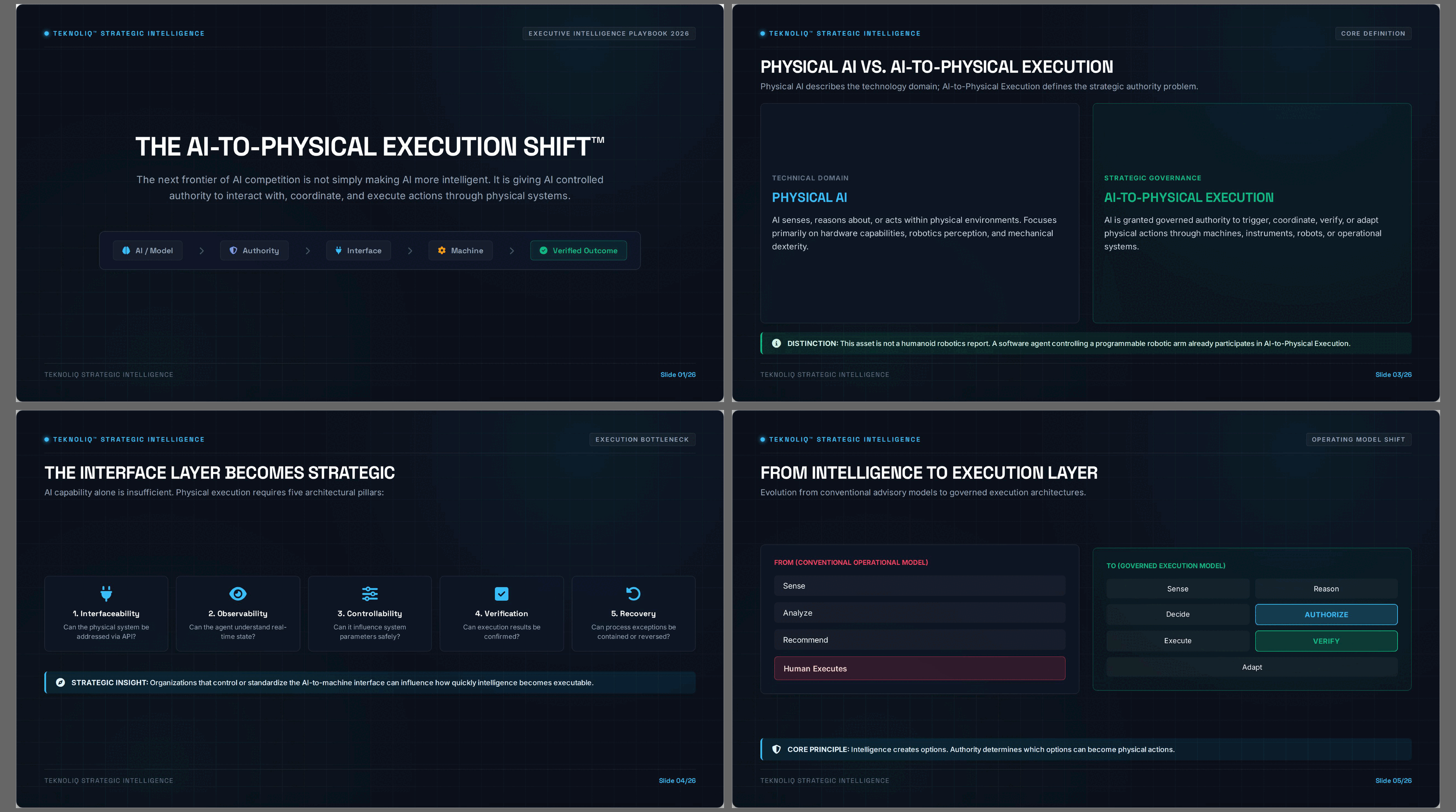
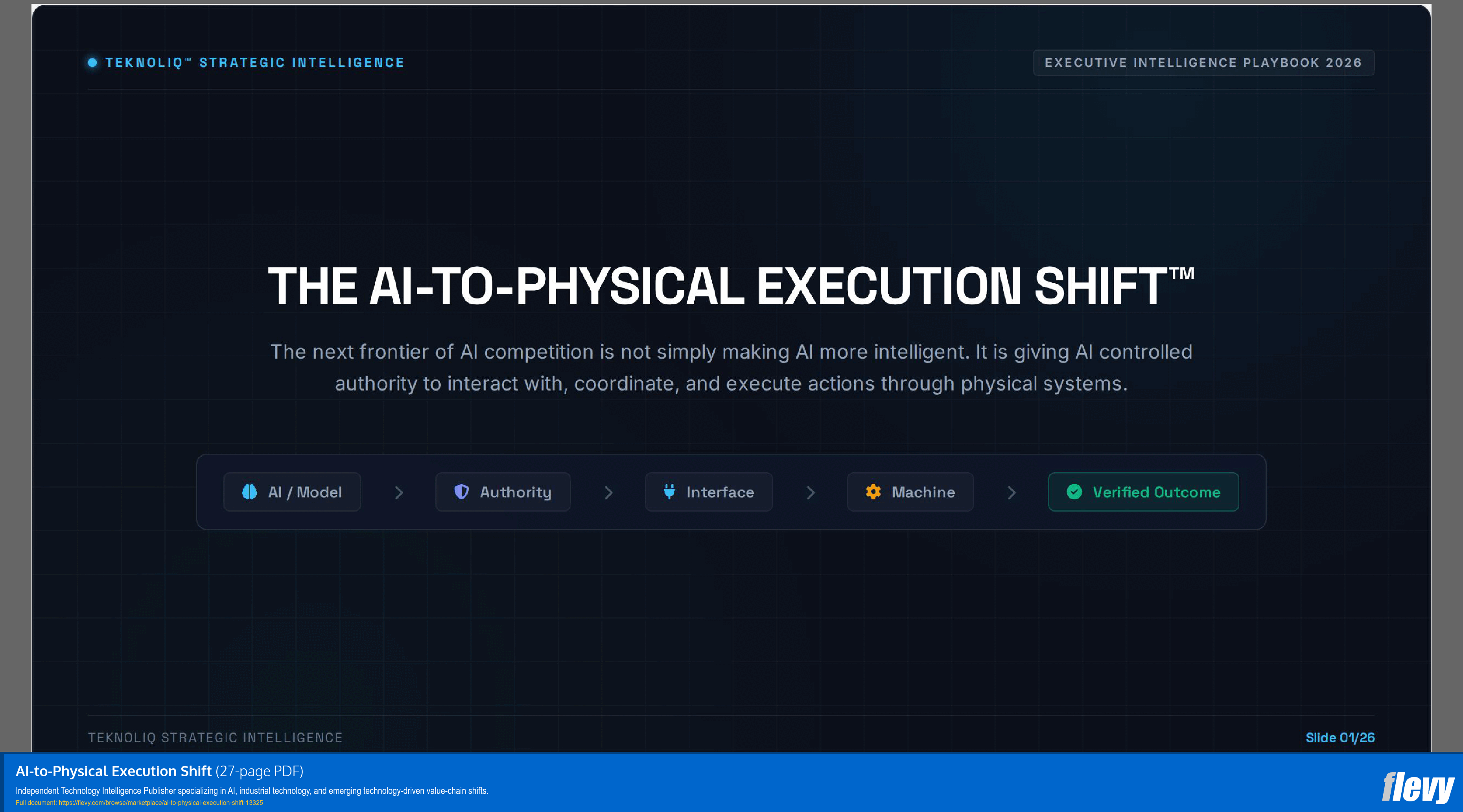
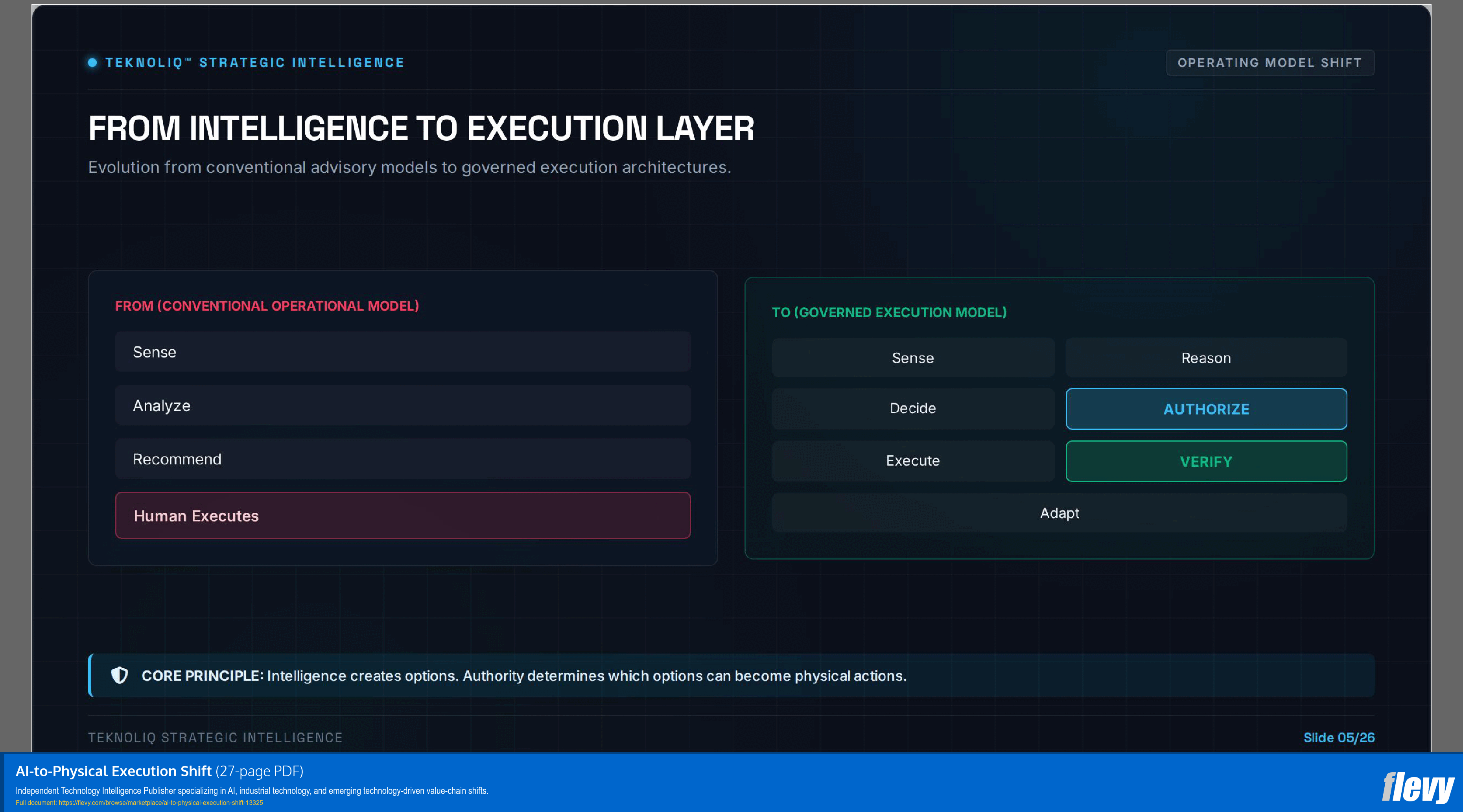
The AI-to-Physical Execution Shift examines an emerging transition in enterprise technology strategy: the movement of AI from a primarily digital intelligence and recommendation layer toward a governed execution layer capable of interacting with, coordinating, and triggering actions through physical systems.
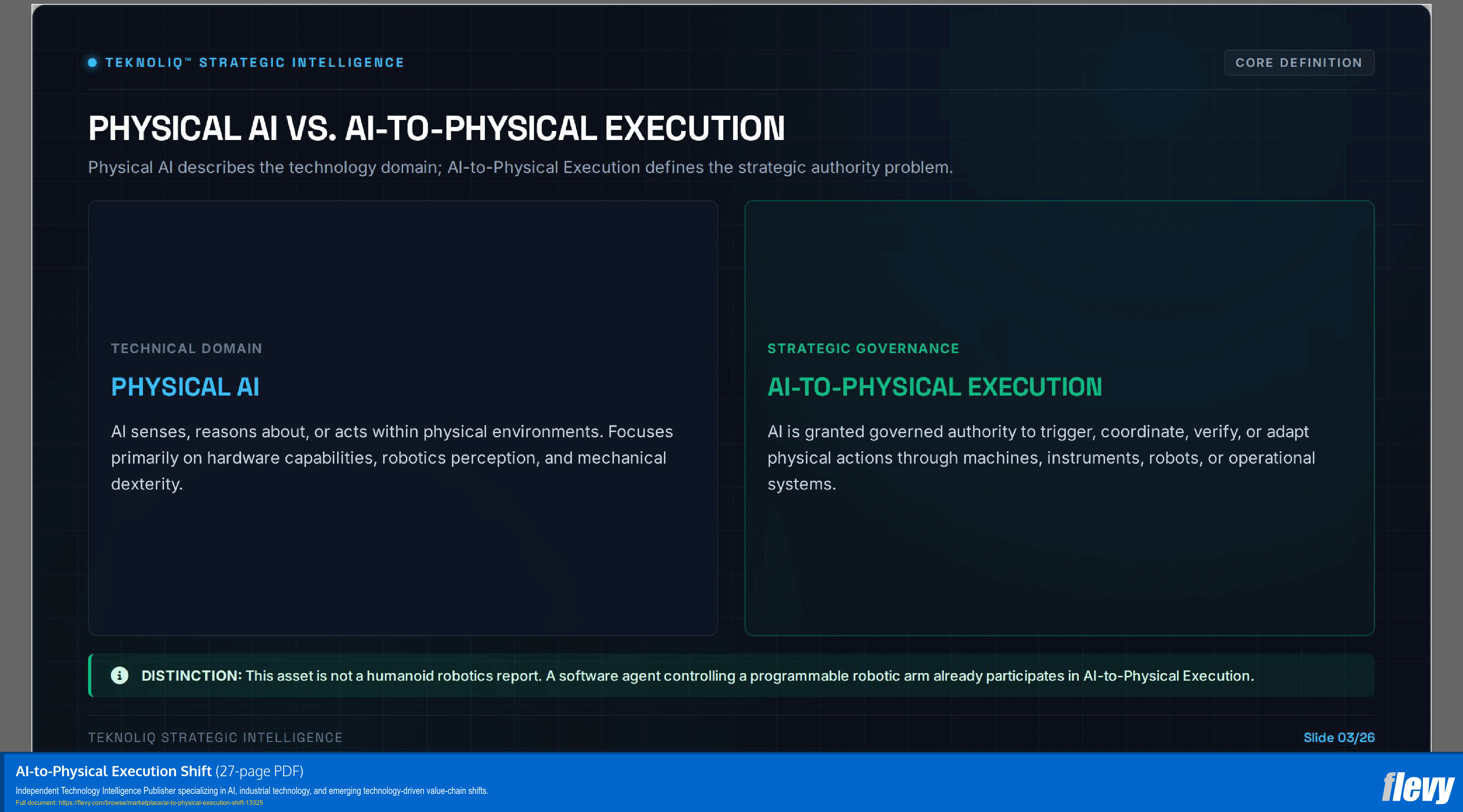
The central distinction is between Physical AI as a broad technology category and AI-to-Physical Execution as a strategic authority problem. Physical AI describes AI sensing, reasoning about, or acting within physical environments. AI-to-Physical Execution focuses on the conditions under which AI-enabled agents are granted defined authority to trigger, coordinate, verify, or adapt physical actions through machines, instruments, robots, and operational systems.
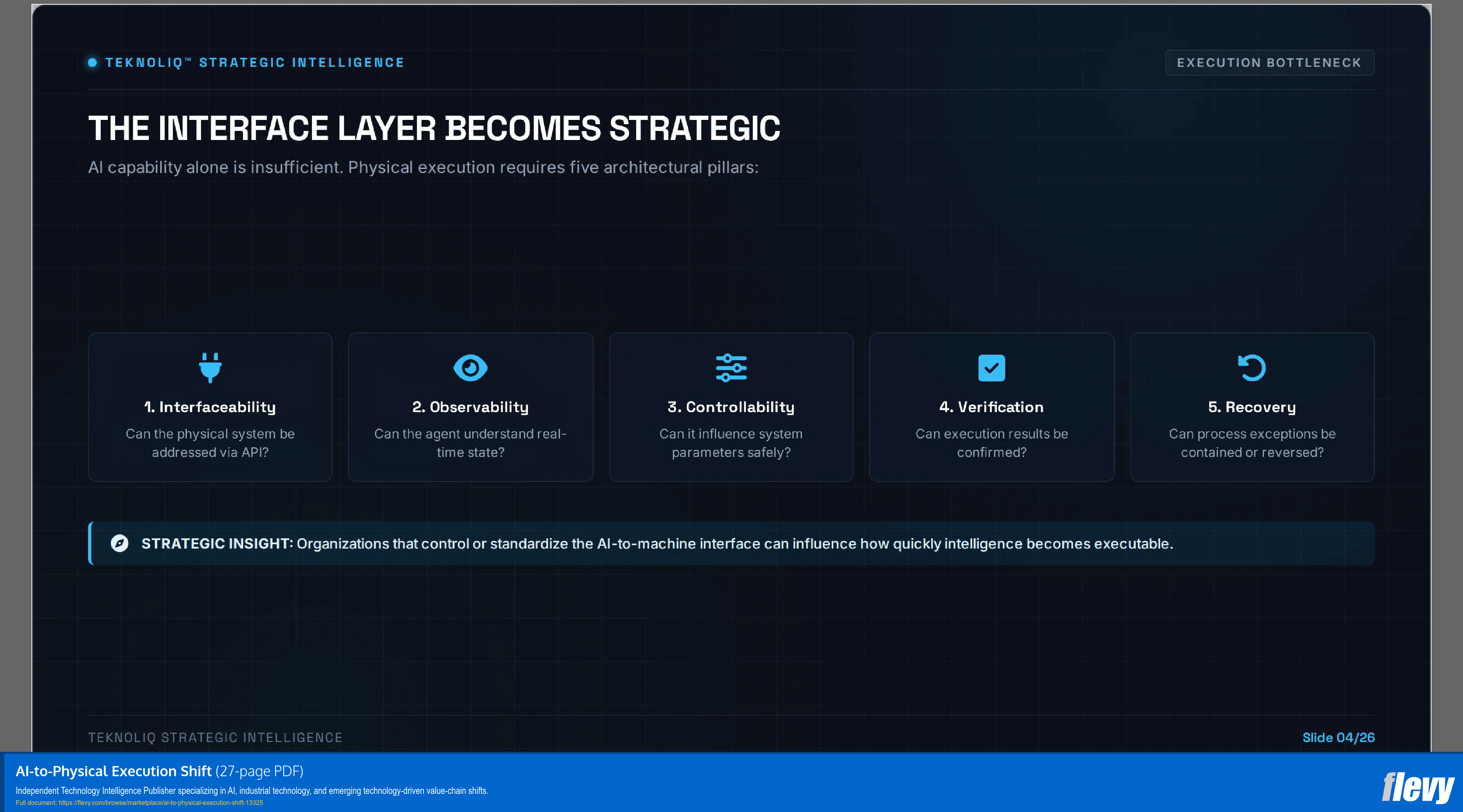
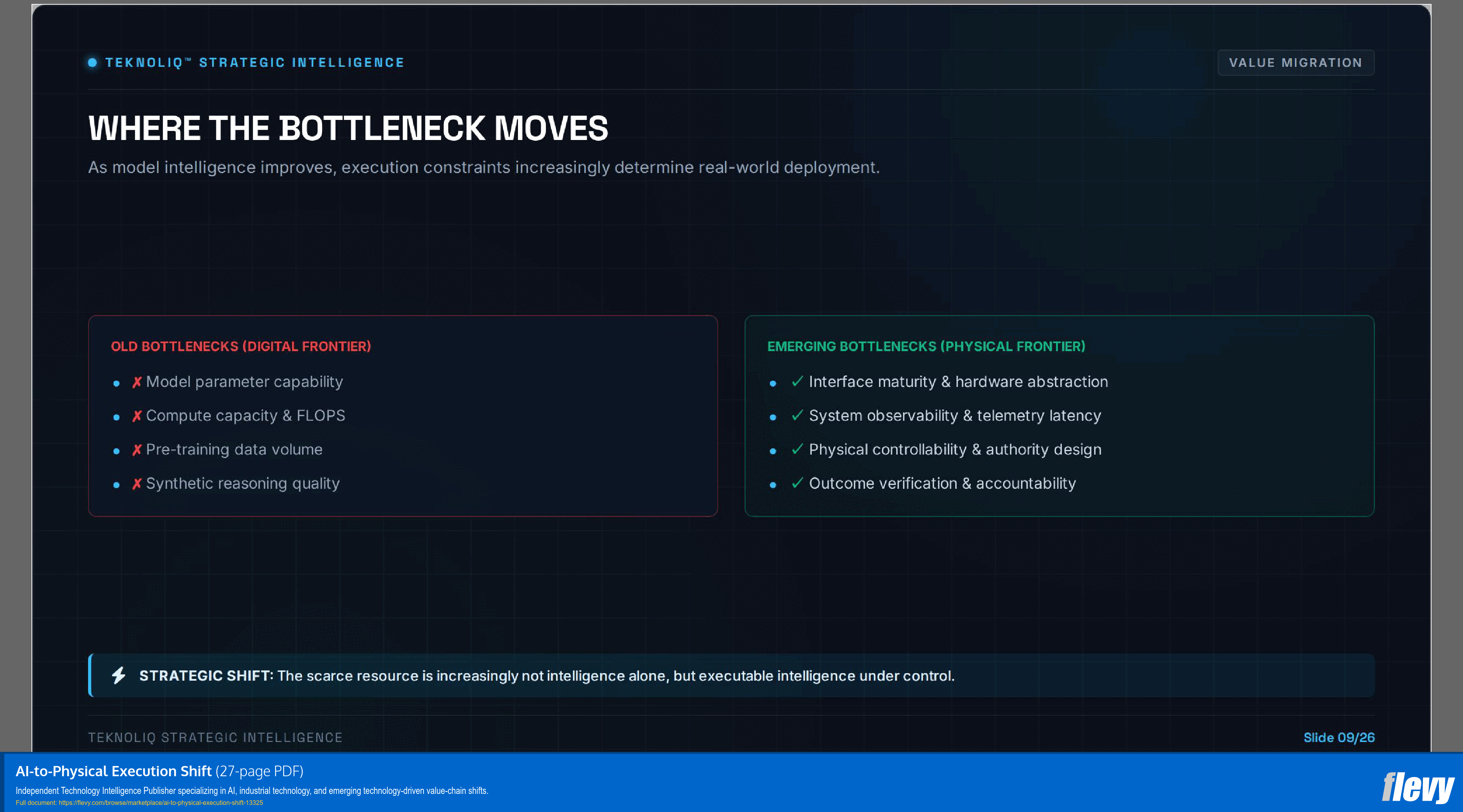
The playbook is built around one core principle: Capability ≠ Authority. A system may technically be capable of issuing a command without being authorized to issue it. As AI moves closer to physical execution, the strategic challenge therefore shifts toward interfaceability, observability, controllability, authorization, reversibility, verification, escalation, and accountability.
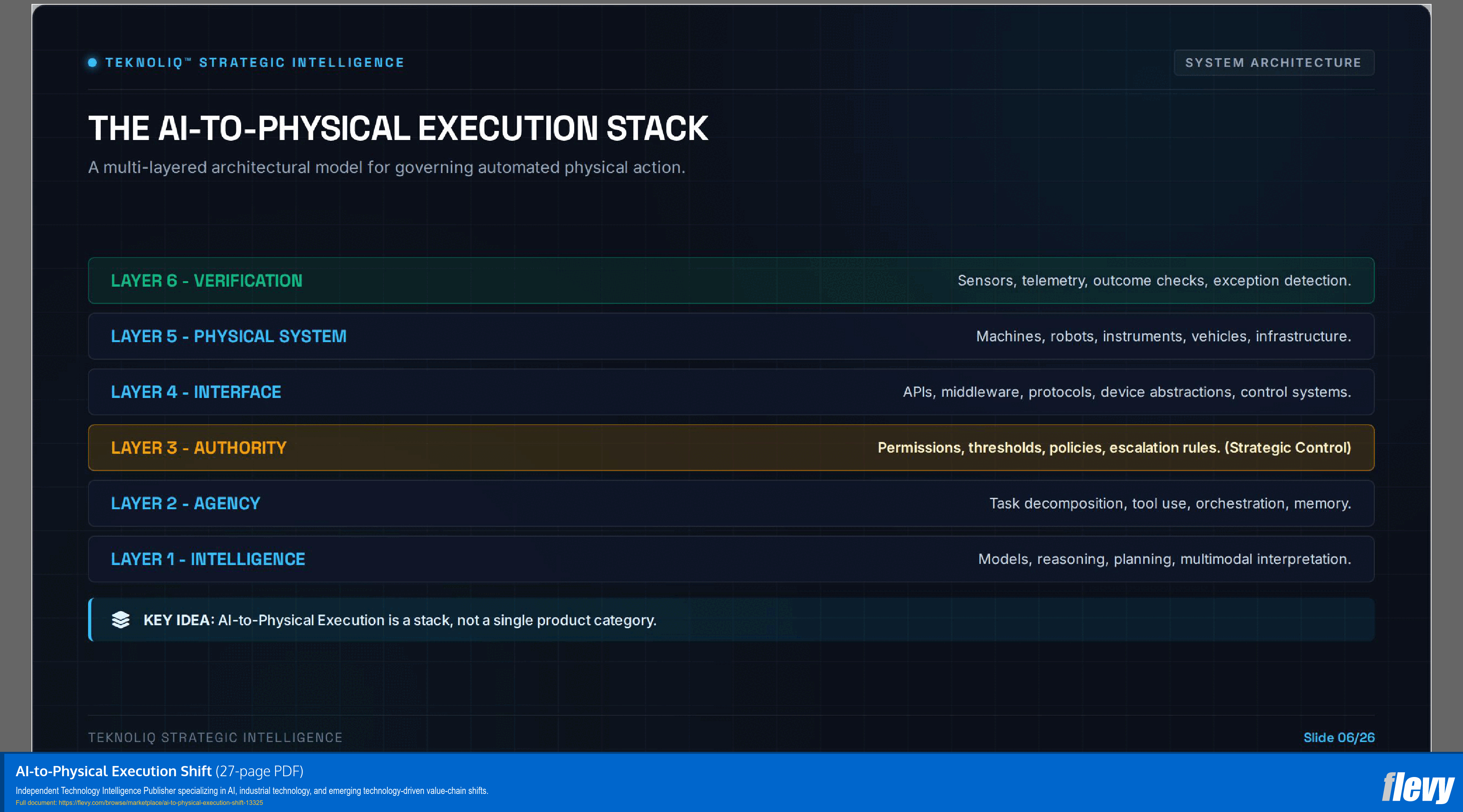
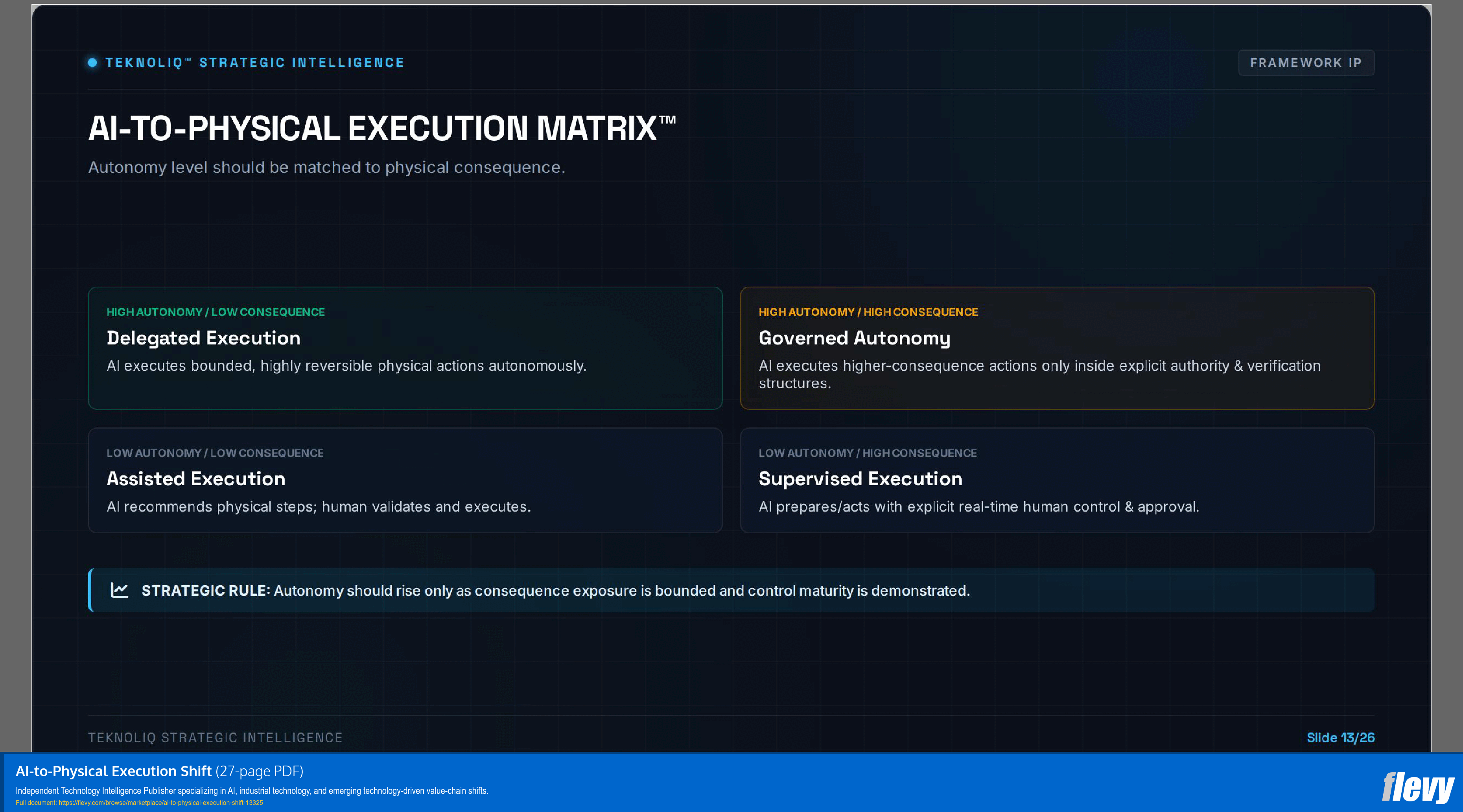
The intelligence develops this shift through three proprietary decision frameworks: Physical Execution Authority Architecture™, AI-to-Physical Execution Matrix™, and Physical Execution Readiness Score™. Together, they help executives map where AI authority enters an operating process, match autonomy to physical consequence, and assess whether an individual workflow is sufficiently observable, controllable, predictable, repeatable, reversible, and governed for greater execution autonomy.
The playbook also examines the emerging interface layer between AI agents and physical systems, including programmable equipment, scientific instruments, manufacturing systems, logistics environments, and other controllable infrastructure. Anthropic's Model Hardware Standard is examined as an important research-preview signal around standardized agent-to-hardware interaction, while Gartner's 2026 supply-chain technology outlook provides evidence of growing enterprise interest in Agentic AI and Physical AI.
Importantly, the analysis does not treat technological demonstrations or investment activity as proof of mature general-purpose physical autonomy. The playbook deliberately contrasts capital momentum in embodied AI with continuing challenges in real-world physical deployment. This creates a more disciplined strategic perspective: the physical-execution shift is emerging, but the control, interface, verification, and governance layers required for scalable execution remain critical.
The final section translates the intelligence into an executive transition logic: identify candidate decisions, assess execution readiness, establish authority boundaries, pilot discrete workflows with verification and human override, and scale only when control maturity supports the next level of autonomy.
The result is an Executive Intelligence Playbook for leaders evaluating how AI may move beyond informing decisions toward executing bounded physical outcomes—and where organizational authority, technology architecture, and governance must evolve accordingly.
Got a question about the product? Email us at support@flevy.com or ask the author directly by using the "Ask the Author a Question" form. If you cannot view the preview above this document description, go here to view the large preview instead.
Source: Best Practices in Artificial Intelligence, Energy Industry PDF: AI-to-Physical Execution Shift PDF (PDF) Document, Wisnu Pandega Wardana
ABOUT THE AUTHOR

I am an independent Industrial Intelligence and Strategic Innovation Publisher focused on developing structured business intelligence, innovation frameworks, and opportunity-oriented research for decision-makers.
My work focuses on translating emerging technologies, industrial transformation, sustainability, resource efficiency, and market shifts into structured intelligence assets that
... [read more]
Ask the Author a Question
You must be logged in to contact the author.




























