
 Click main image to view in full screen. Unlock all 9 preview images:
Team Turnaround Strategies – PowerPoint PPT Template
PowerPoint (PPT) 22 Slides FlevyPro Document


LEADERSHIP PPT TEMPLATE DESCRIPTION
The Leadership (and extended) Team is vital to success, as Executives transition to new C-suite roles. Executives are often faced with dysfunctional, non-performing, and poorly organized "team inheritances."
Today, management is increasingly confronted with a volatile, uncertain, complex, and ambiguous (VUCA) business environment. Being able to survive in this volatile time requires a dynamic team that collectively operates towards achieving a common purpose.
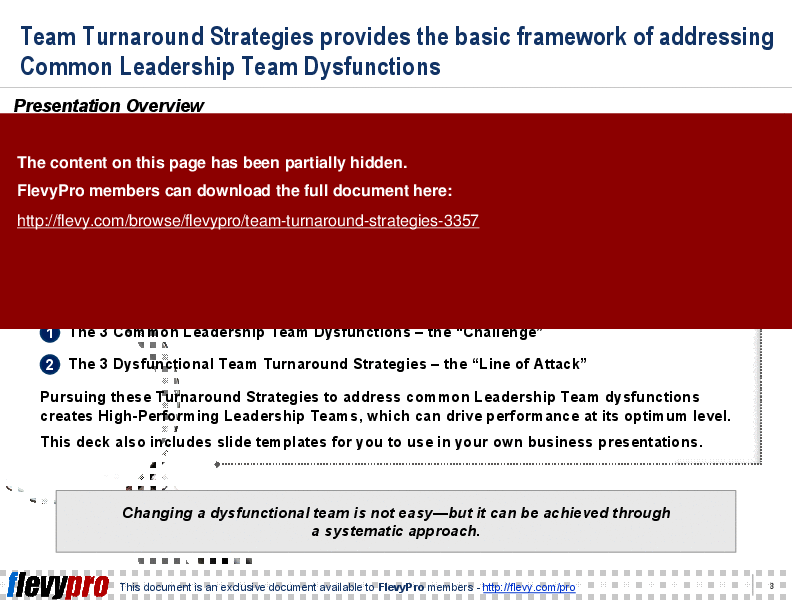
This presentation provides Executives the strategic understanding and approaches to better turn inherited teams into High-Performing Leadership Teams. The key concepts discussed are:
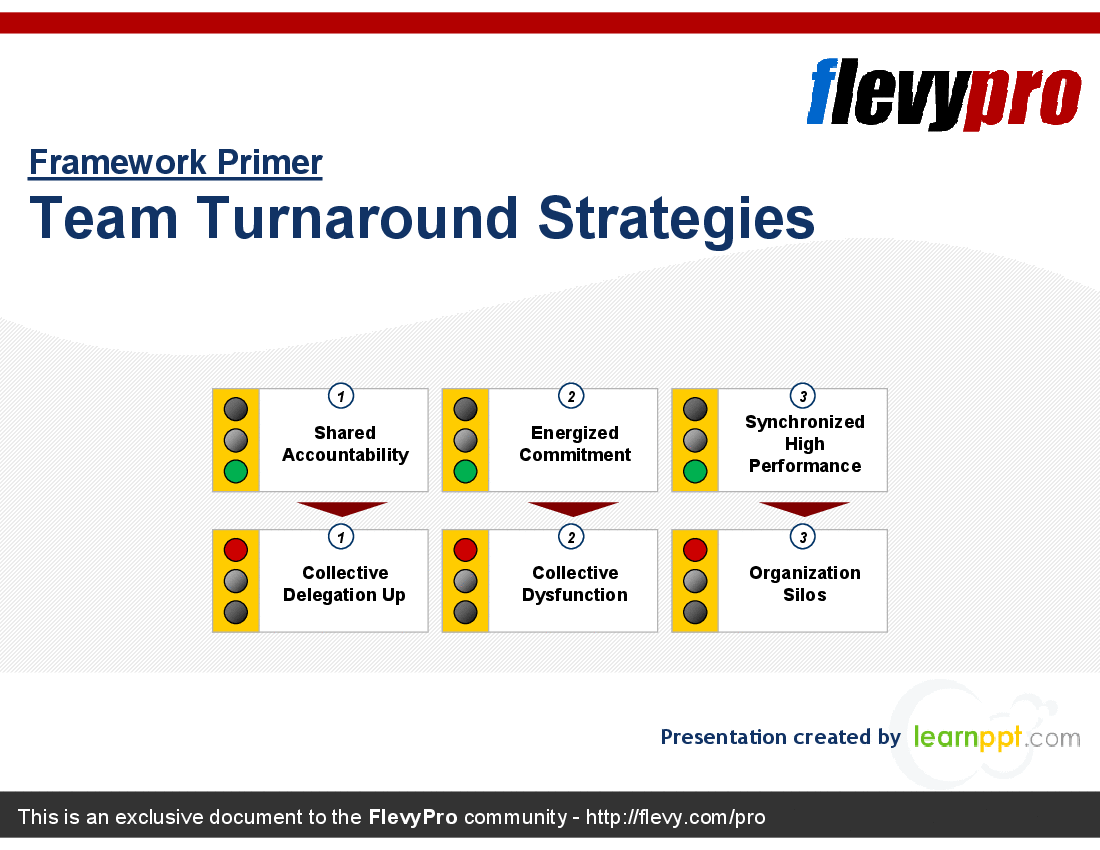
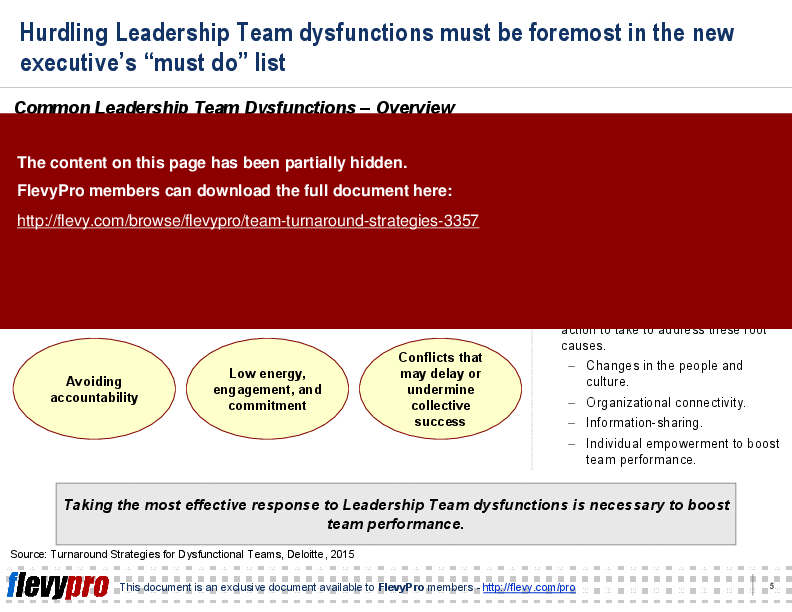
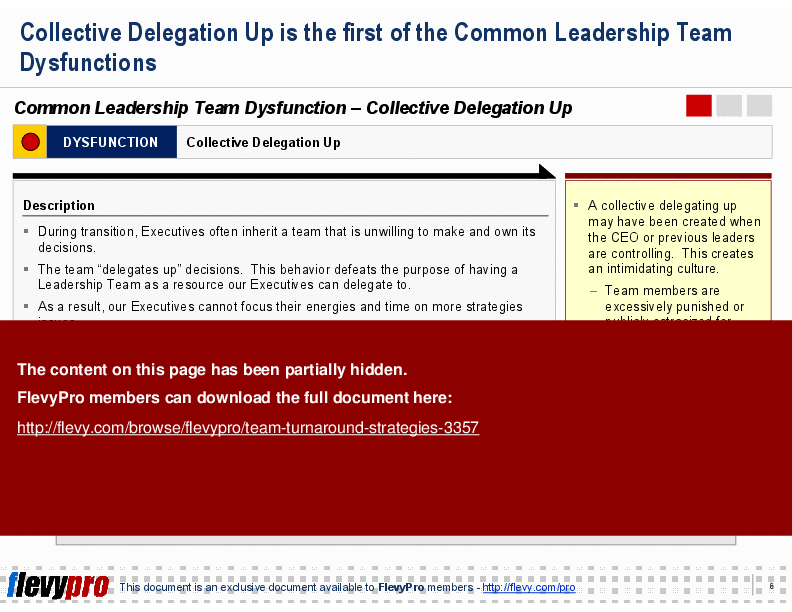
1. The 3 Common Leadership Team Dysfunctions – the "Challenge"
2. The 3 Dysfunctional Team Turnaround Strategies – the "Line of Attack"
Pursuing these Turnaround Strategies to address common Leadership Team dysfunctions creates High-Performing Leadership Teams, which can drive performance at its optimum level. Changing a dysfunctional team is not easy, but it can be achieved through a systematic approach.
This deck also includes slide templates for you to use in your own business presentations.
This comprehensive presentation delves into the root causes of common leadership team dysfunctions, such as avoiding accountability, low energy, and engagement. It provides actionable strategies to address these issues, ensuring that executives can effectively lead their teams through periods of transition and change. The PPT emphasizes the importance of shared accountability, energized commitment, and synchronized high performance as key turnaround strategies.
Executives will find detailed insights on how to diagnose and tackle organizational silos, collective dysfunction, and delegation issues. This resource is designed to equip leaders with the tools needed to foster a high-performing team culture, driving organizational success in a VUCA environment. The included slide templates facilitate easy integration into your own presentations, making it a practical addition to any executive's toolkit.
Got a question about this document? Email us at flevypro@flevy.com.
PRESENTATION DEEP DIVE ANALYSIS
This deep-dive analysis was generated from the full 22-slide PowerPoint presentation.
LEADERSHIP PPT TEMPLATES
Source: Best Practices in Leadership, Building Effective Teams, Turnaround PowerPoint Slides: Team Turnaround Strategies PowerPoint (PPT) Presentation Slide Deck, LearnPPT Consulting
Did you need more documents?
Consider a FlevyPro subscription from $39/month. View plans here.
For $10.00 more, you can download this document plus 2 more FlevyPro documents. That's just $13 each.




























