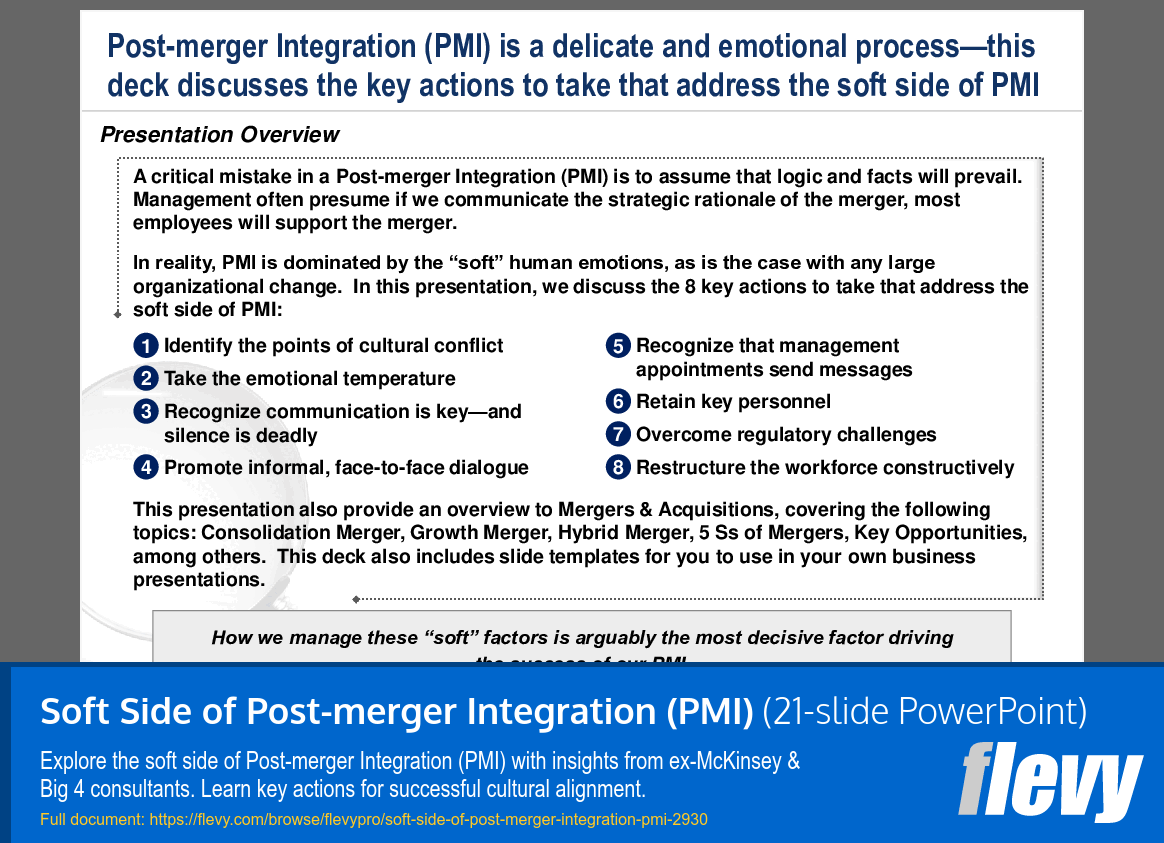

A critical mistake in a Post-merger Integration (PMI) is to assume that logic and facts will prevail. Management often presume if we communicate the strategic rationale of the merger, most employees will support the merger.
In reality, PMI is dominated by the "soft" human emotions, as is the case with any large organizational change. How we manage these "soft" factors is arguably the most decisive factor driving the success of our PMI.
In this presentation, we discuss the 8 key actions to take that address the soft side of PMI:
1. Identify the points of cultural conflict.
2. Take the emotional temperature.
3. Recognize communication is key—and silence is deadly.
4. Promote informal, face-to-face dialogue.
5. Recognize that management appointments send messages.
6. Retain key personnel.
7. Overcome regulatory challenges.
8. Restructure the workforce constructively.
This presentation also provide an overview to Mergers & Acquisitions, covering the following topics: Consolidation Merger, Growth Merger, Hybrid Merger, 5 Ss of Mergers, Key Opportunities, among others.
This deck also includes slide templates for you to use in your own business presentations.
This PPT delves into the nuanced aspects of Post-merger Integration (PMI), emphasizing the importance of addressing human emotions and cultural conflicts. It outlines strategic actions to manage these soft factors, which are crucial for the success of any merger. The presentation provides a comprehensive overview of various merger approaches, including consolidation, growth, and hybrid mergers, and highlights key opportunities that can be leveraged during the integration process.
The deck also offers practical templates to aid in your own business presentations, ensuring you have the tools needed to communicate effectively with your team. With real-life examples and case studies, this resource is designed to help you navigate the complexities of PMI, from identifying cultural conflicts to retaining key personnel and overcoming regulatory challenges. This document is an essential guide for executives looking to optimize their merger strategies and achieve seamless integration.
Got a question about this document? Email us at flevypro@flevy.com.
Executive Summary
The Soft Side of Post-merger Integration (PMI) presentation provides essential strategies for navigating the emotional and cultural complexities inherent in mergers and acquisitions. This deck emphasizes the importance of addressing human emotions and cultural conflicts, which are often overlooked in favor of logical and factual approaches. By implementing the eight critical actions outlined in the presentation, corporate executives and integration leaders can foster a smoother transition, enhance employee engagement, and ultimately drive the success of the merger. This resource is designed to equip leaders with actionable insights to manage the soft aspects of PMI effectively.
Who This Is For and When to Use
• Corporate executives overseeing merger and acquisition strategies
• Integration leaders responsible for managing post-merger transitions
• Change management professionals focusing on employee engagement during mergers
• HR leaders tasked with retaining key personnel and managing cultural integration
Best-fit moments to use this deck:
• During pre-merger planning to identify potential cultural conflicts
• In the initial phases of post-merger integration to set communication strategies
• When addressing employee concerns and managing change throughout the integration process
Learning Objectives
• Identify cultural conflicts that may arise during post-merger integration
• Assess the emotional climate of employees during the transition
• Develop effective communication strategies to mitigate uncertainty
• Foster informal dialogue to enhance trust and transparency
• Recognize the significance of management appointments in shaping organizational culture
• Retain key personnel through targeted engagement strategies
• Navigate regulatory challenges that may impact workforce restructuring
• Implement constructive workforce restructuring practices
Table of Contents
• Overview (page 3)
• Merger Approaches (page 7)
• 8 Critical Actions (page 10)
• Templates (page 15)
Primary Topics Covered
• Cultural Conflict Identification - Understanding the cultural differences between merging organizations is crucial for effective integration.
• Emotional Assessment - Regularly gauging employee morale helps address concerns and fosters a supportive environment.
• Communication Strategy - Establishing a robust communication framework is vital to prevent misinformation and rumors.
• Informal Dialogue Promotion - Encouraging face-to-face interactions enhances trust and transparency among employees.
• Management Appointments - Strategic appointments signal organizational priorities and influence employee perceptions.
• Key Personnel Retention - Implementing retention strategies is essential to maintain critical talent during transitions.
• Regulatory Navigation - Understanding legal implications is necessary for effective workforce restructuring.
• Constructive Workforce Restructuring - Approaching workforce changes with sensitivity ensures a smoother transition.
Deliverables, Templates, and Tools
• Cultural conflict assessment template to identify potential areas of concern
• Emotional temperature check survey to gauge employee sentiment
• Communication strategy framework for consistent messaging
• Informal dialogue facilitation guide to encourage open discussions
• Management appointment communication plan to clarify roles and expectations
• Key personnel retention plan template to outline engagement strategies
• Regulatory compliance checklist for workforce restructuring
• Workforce restructuring plan template to guide changes constructively
Slide Highlights
• Overview of the emotional landscape during post-merger integration
• Framework for identifying cultural conflicts
• Communication strategy emphasizing the importance of transparency
• Key actions for retaining talent and managing change
• Visual representation of the 5 Ss of Mergers to guide strategic decisions
Potential Workshop Agenda
Cultural Conflict Identification Session (60 minutes)
• Discuss potential cultural clashes and their implications
• Develop strategies to address identified conflicts
• Assign responsibilities for ongoing cultural assessments
Communication Strategy Development (90 minutes)
• Create a comprehensive communication plan for the merger
• Identify key messages and channels for employee engagement
• Role-play scenarios to practice effective communication
Retention Strategy Workshop (60 minutes)
• Brainstorm retention strategies for key personnel
• Develop a timeline for implementing retention initiatives
• Assign ownership for follow-up actions
Customization Guidance
• Tailor the communication strategy to reflect the specific merger context and organizational culture
• Adjust the cultural conflict assessment template to include unique organizational values
• Modify retention plans to align with specific performance goals and synergy targets
Secondary Topics Covered
• Importance of leadership visibility during transitions
• Strategies for managing employee anxiety and uncertainty
• Best practices for integrating diverse organizational cultures
• Techniques for fostering collaboration between merging teams
• Approaches to measuring the success of integration efforts
Topic FAQ
Document FAQ
These are questions addressed within this presentation.
What are the key actions to address the soft side of PMI?
The eight key actions include identifying cultural conflicts, assessing emotional climates, prioritizing communication, promoting informal dialogue, recognizing management appointments, retaining key personnel, overcoming regulatory challenges, and restructuring the workforce constructively.
How can we measure employee sentiment during integration?
Regular assessments through surveys and informal feedback mechanisms can help gauge employee morale and identify areas of concern.
Why is communication critical during PMI?
Effective communication prevents misinformation, builds trust, and keeps employees informed about changes, reducing anxiety and uncertainty.
What role do management appointments play in PMI?
Management appointments send powerful signals about the future direction of the organization and can influence employee perceptions and morale.
How can we retain key personnel during a merger?
Implementing targeted retention strategies, such as performance-linked bonuses and clear communication about future roles, can help maintain critical talent.
What are the regulatory considerations during workforce restructuring?
Understanding local laws and regulations is essential to navigate potential hurdles and ensure compliance during workforce changes.
How should we approach cultural integration?
Identifying cultural differences and fostering open dialogue can help bridge gaps and create a cohesive organizational culture post-merger.
What templates are included in this presentation?
The presentation includes templates for cultural conflict assessments, communication strategies, retention plans, and workforce restructuring.
Glossary
• Post-merger Integration (PMI) - The process of combining 2 organizations after a merger or acquisition.
• Cultural Conflict - Discrepancies in values, beliefs, and practices between merging organizations.
• Emotional Temperature - The overall sentiment and morale of employees during a transition.
• Communication Strategy - A plan for conveying messages effectively to employees during integration.
• Retention Strategy - Initiatives aimed at keeping key personnel engaged and committed during transitions.
• Regulatory Compliance - Adhering to legal requirements during workforce restructuring.
• Workforce Restructuring - The process of reorganizing staff roles and responsibilities post-merger.
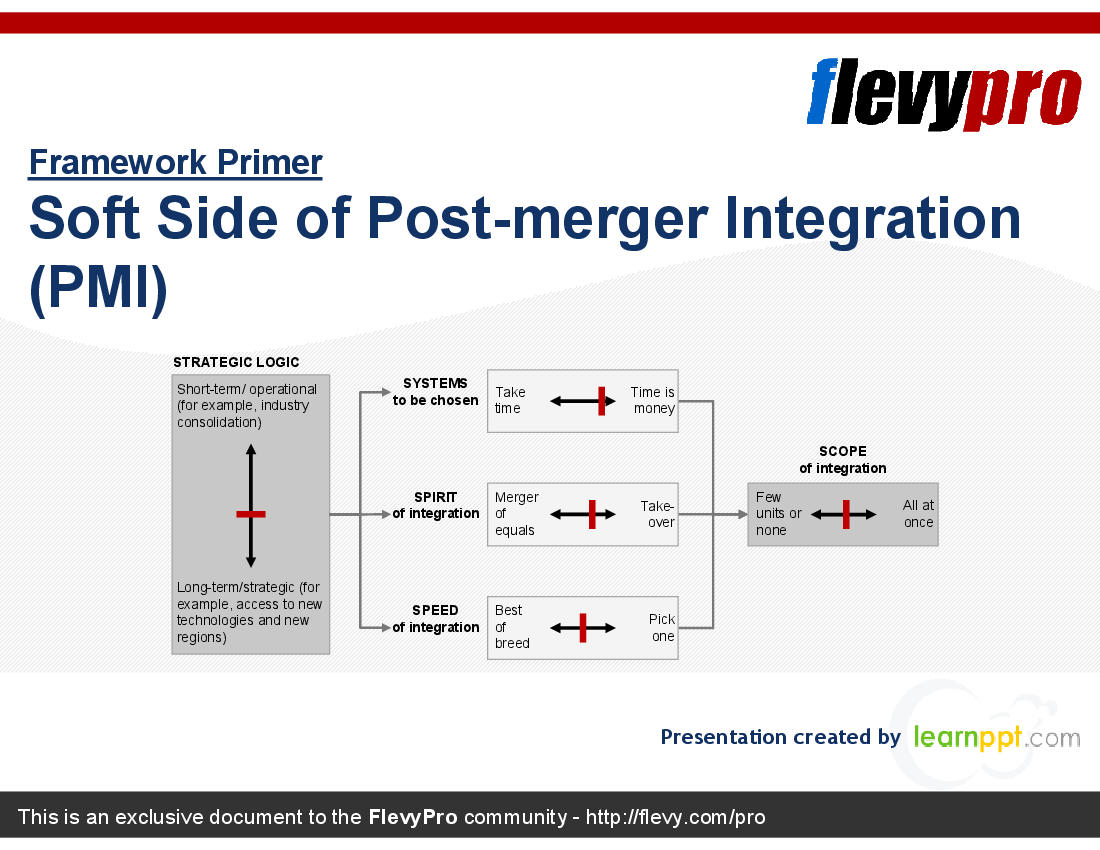
• 5 Ss of Mergers - A framework for guiding merger strategies, including Strategic Logic, Speed, Spirit, Systems, and Scope.
• Synergy Targets - Goals set to achieve efficiencies and benefits from the merger.
• Integration Team - A group responsible for managing the post-merger integration process.
• Change Management - The discipline of managing the transition of individuals, teams, and organizations to a desired future state.
• Employee Engagement - The emotional commitment an employee has to their organization and its goals.
• Leadership Visibility - The presence and communication of leaders during transitions to foster trust and confidence.
• Informal Dialogue - Casual conversations that encourage open communication and relationship building.
• Feedback Mechanism - Processes established to gather employee input and sentiment.
• Organizational Culture - The shared values, beliefs, and practices that shape how an organization operates.
• Integration Challenges - Obstacles faced during the merging of 2 organizations.
• Employee Morale - The overall attitude and satisfaction of employees within the organization.
• Communication Channels - The methods used to convey messages within the organization.
• Change Readiness - The preparedness of an organization and its employees to undergo change.
• Transition Services Agreement (TSA) - A contract that outlines the services one party will provide to another during a transition period.
Source: Best Practices in Change Management, Acquisition, PMI PowerPoint Slides: Soft Side of Post-merger Integration (PMI) PowerPoint (PPT) Presentation Slide Deck, LearnPPT Consulting
Did you need more documents?
Consider a FlevyPro subscription from $39/month. View plans here.
For $10.00 more, you can download this document plus 2 more FlevyPro documents. That's just $13 each.
|
Receive our FREE presentation on Operational Excellence
This 50-slide presentation provides a high-level introduction to the 4 Building Blocks of Operational Excellence. Achieving OpEx requires the implementation of a Business Execution System that integrates these 4 building blocks. |