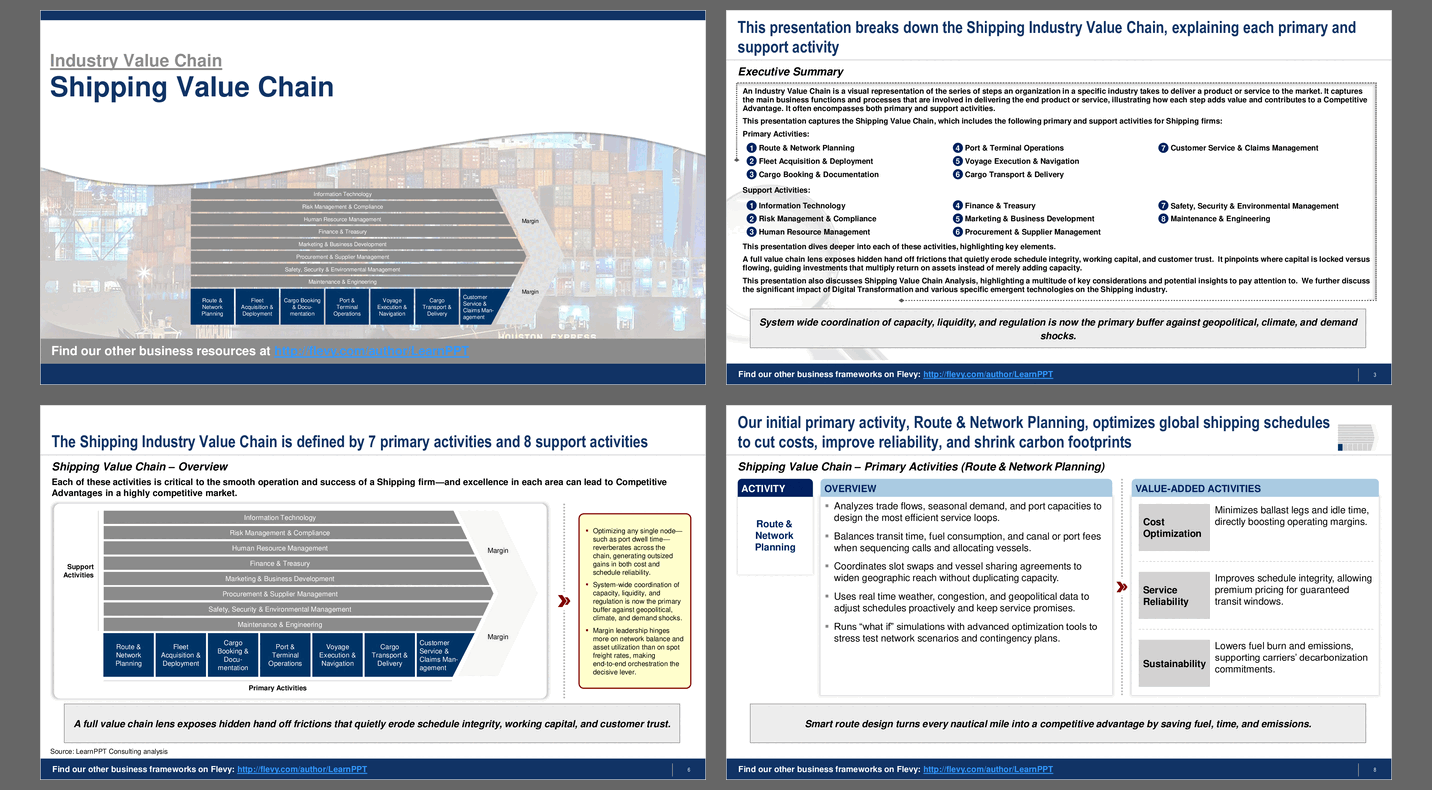
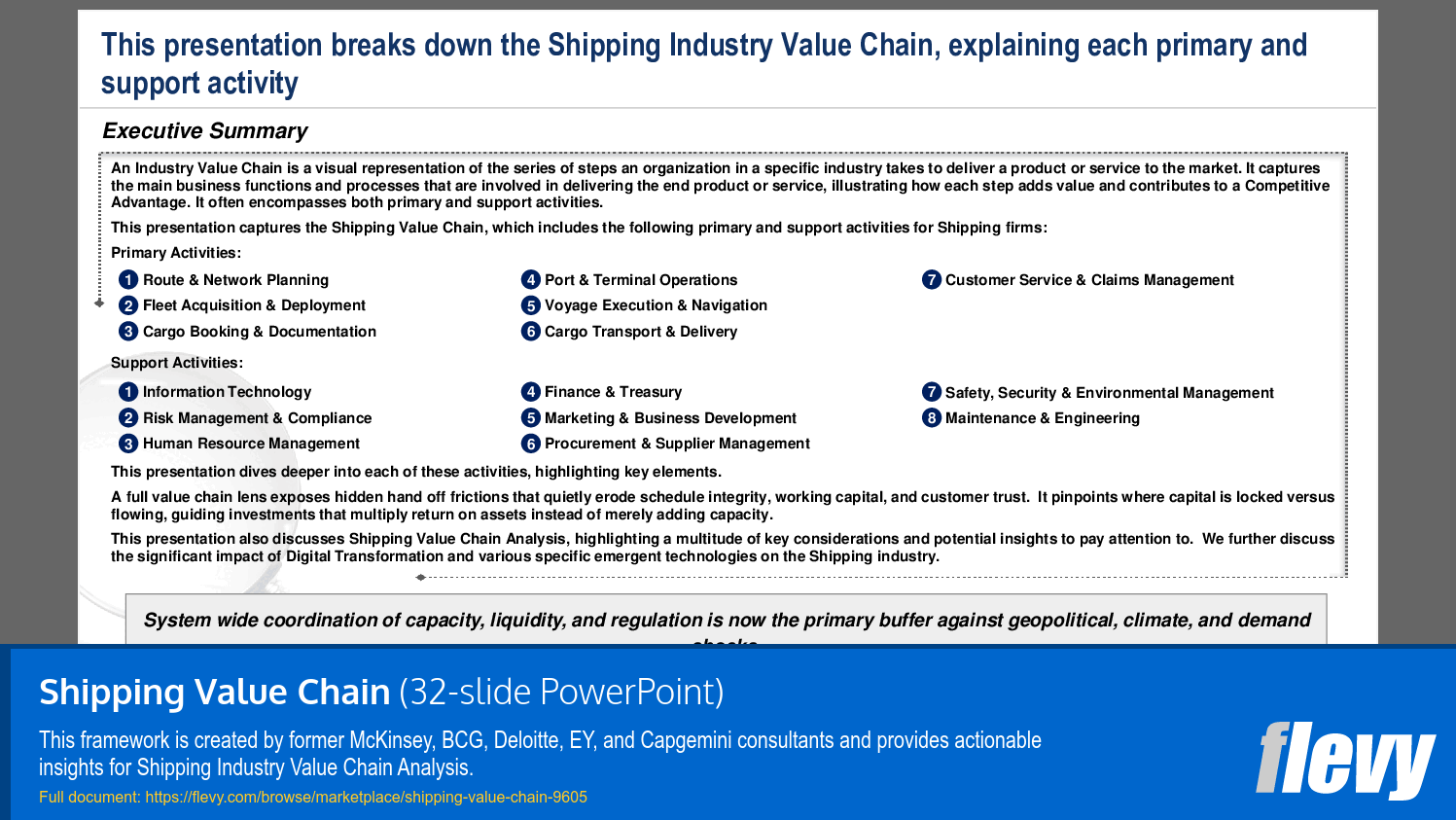
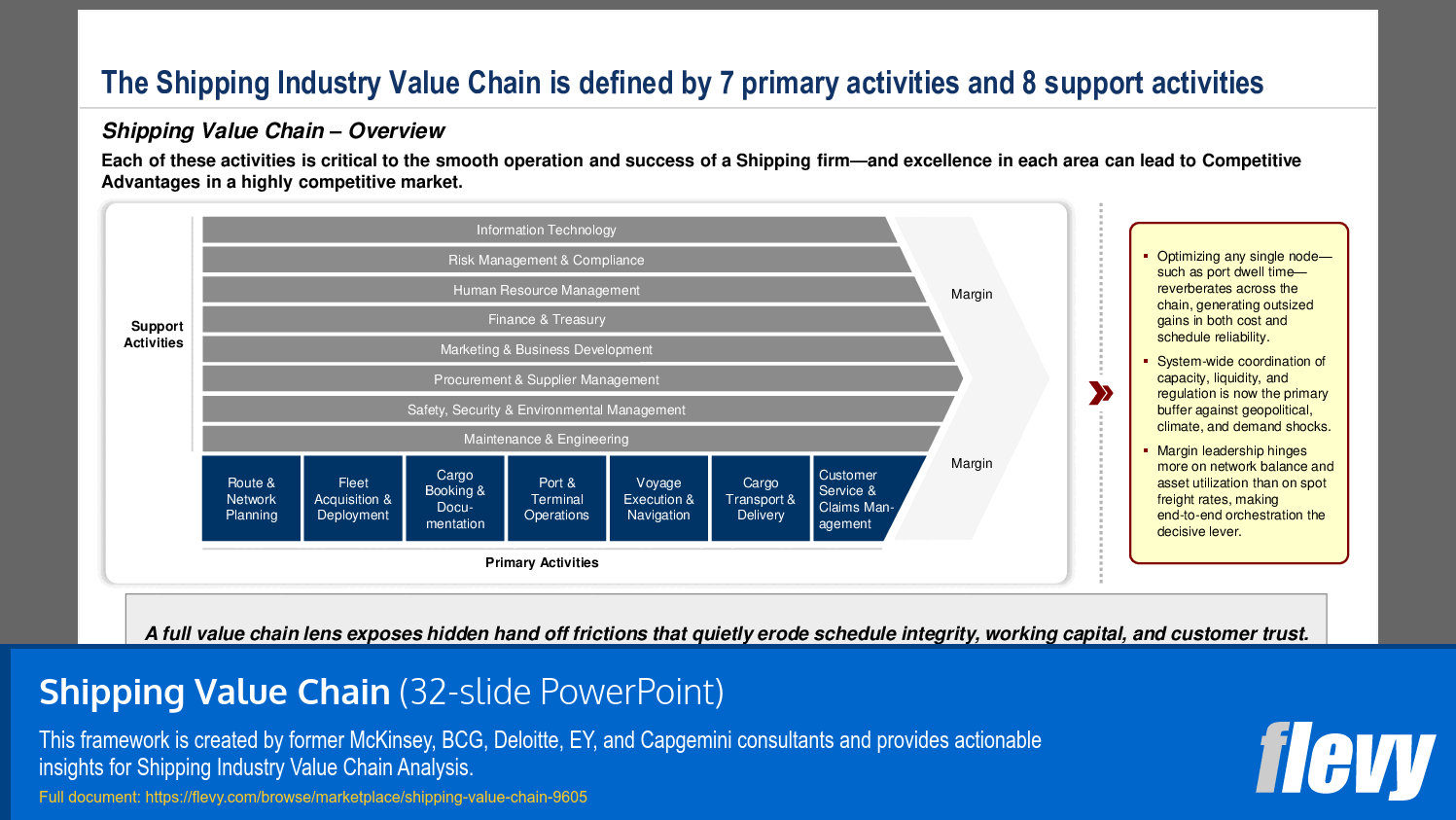

An Industry Value Chain is a visual representation of the series of steps an organization in a specific industry takes to deliver a product or service to the market. It captures the main business functions and processes that are involved in delivering the end product or service, illustrating how each step adds value and contributes to a Competitive Advantage. It often encompasses both primary and support activities.

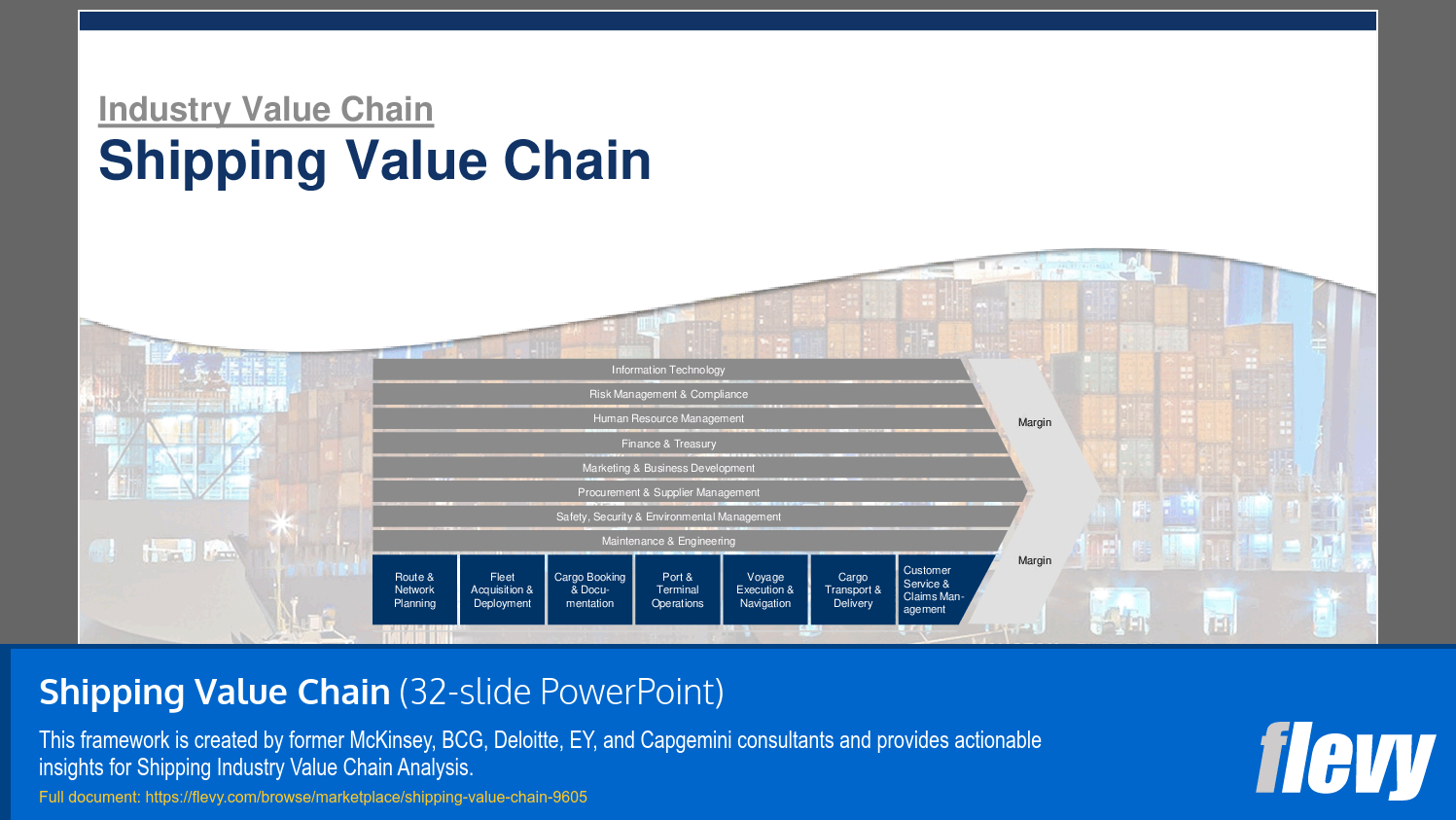
This presentation captures the Shipping Value Chain, which includes the following primary and support activities for Shipping firms:
Primary Activities
1. Route & Network Planning
2. Fleet Acquisition & Deployment
3. Cargo Booking & Documentation
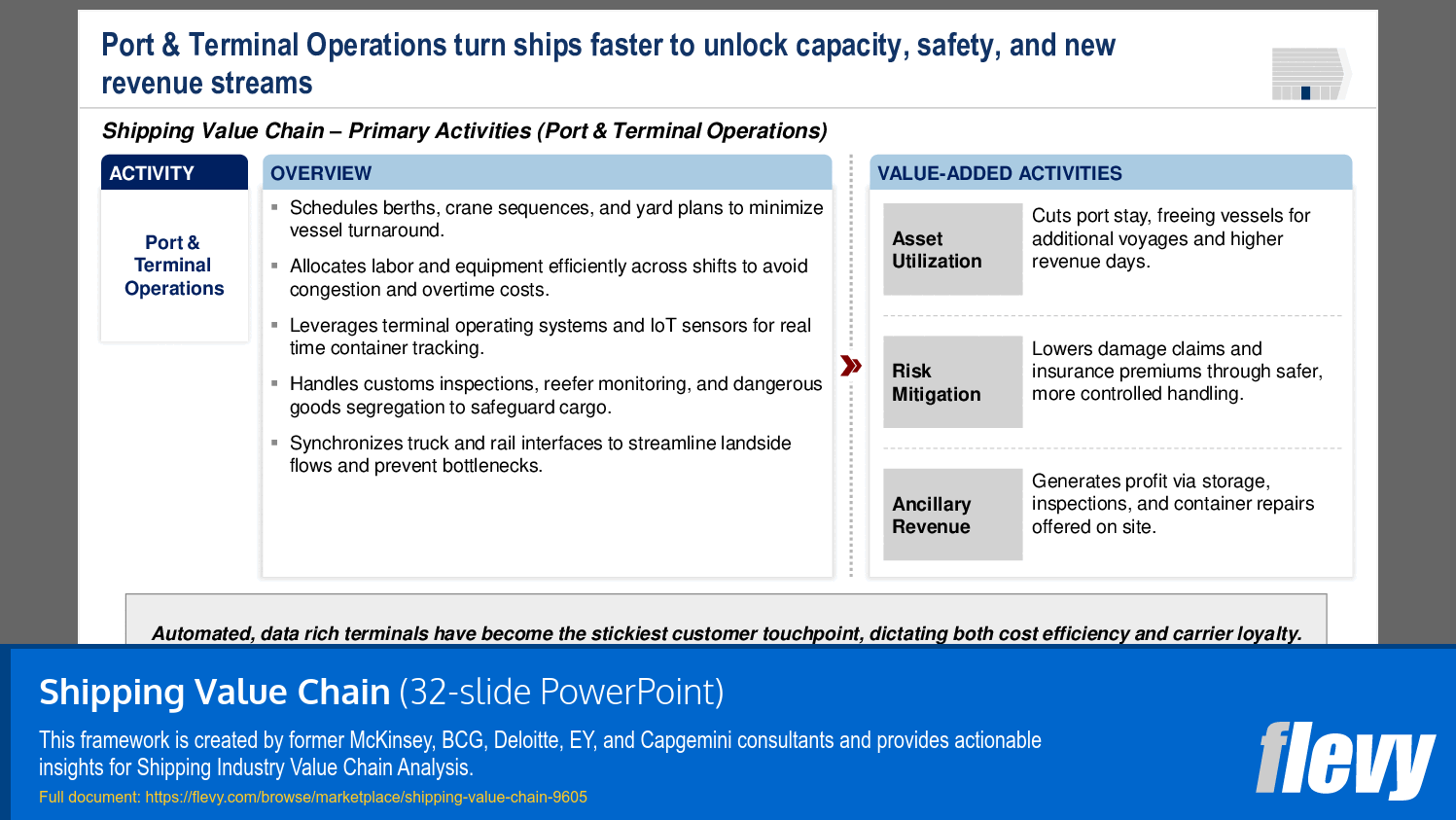
4. Port & Terminal Operations
5. Voyage Execution & Navigation
6. Cargo Transport & Delivery
7. Customer Service & Claims Management
Support Activities
1. Information Technology
2. Risk Management & Compliance
3. Human Resource Management
4. Finance & Treasury
5. Marketing & Business Development
6. Procurement & Supplier Management
7. Safety, Security & Environmental Management
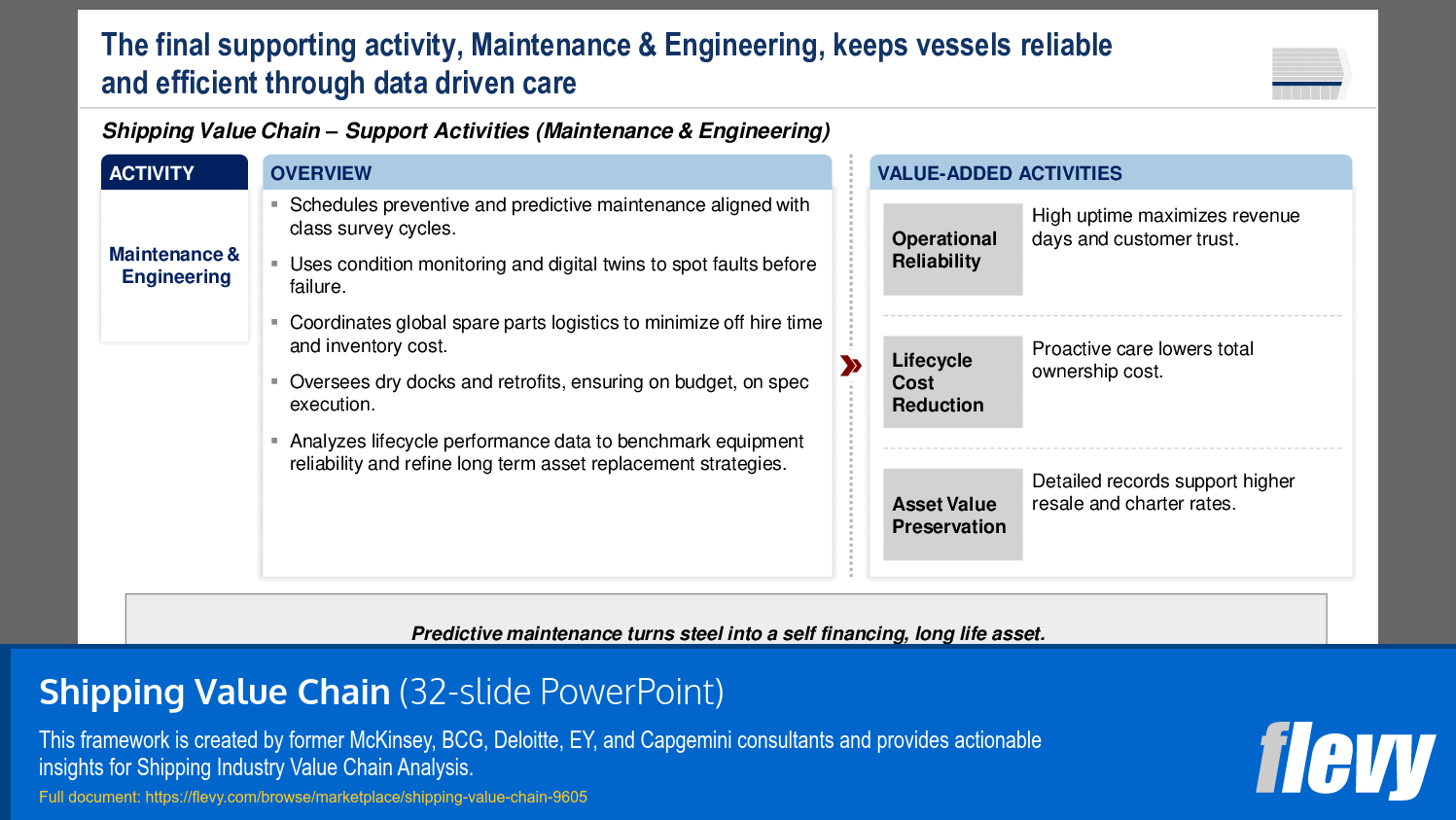
8. Maintenance & Engineering
This presentation dives deeper into each of these activities, highlighting key elements.
A full value chain lens exposes hidden hand off frictions that quietly erode schedule integrity, working capital, and customer trust. It pinpoints where capital is locked versus flowing, guiding investments that multiply return on assets instead of merely adding capacity. System wide coordination of capacity, liquidity, and regulation is now the primary buffer against geopolitical, climate, and demand shocks.
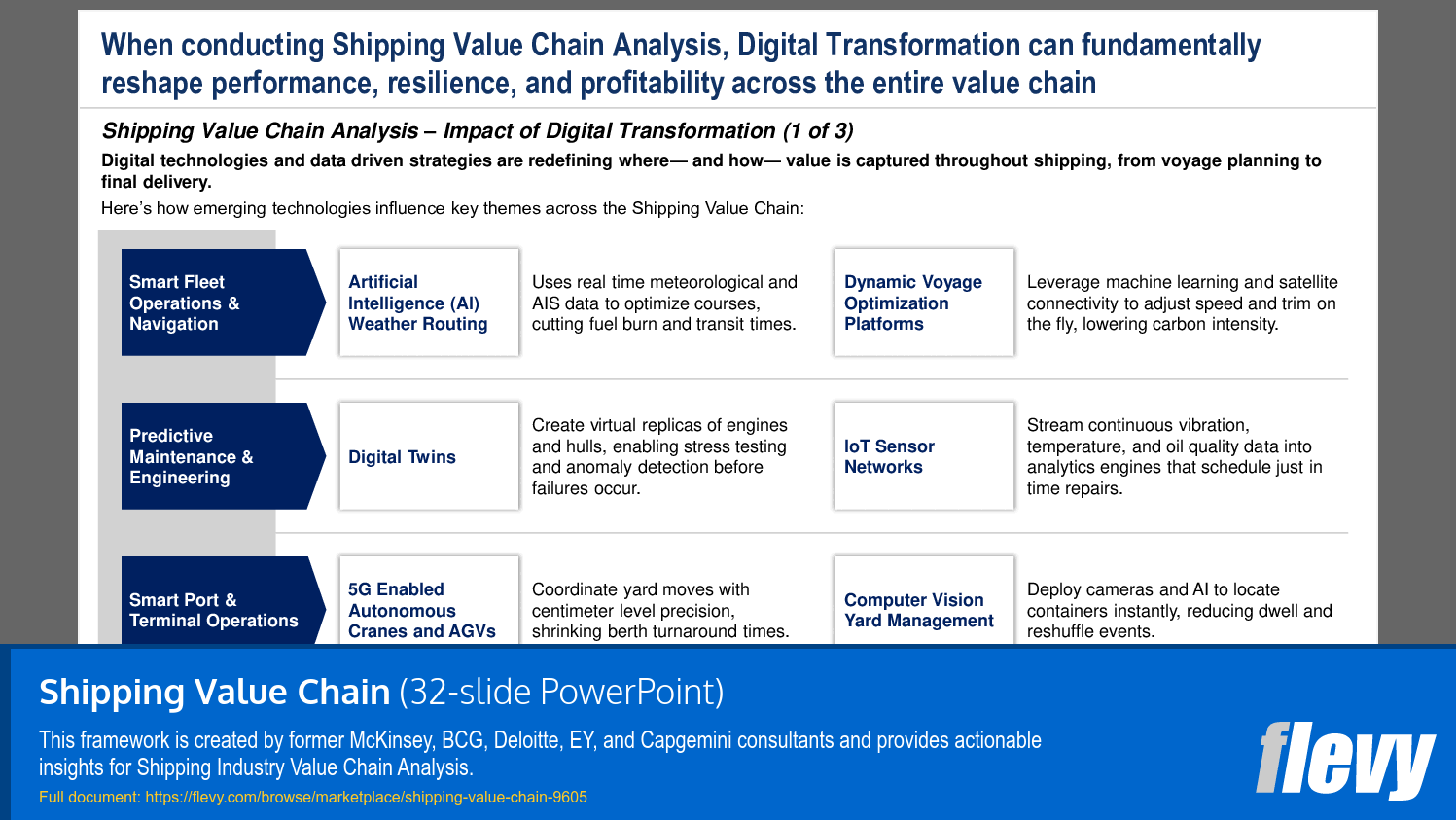
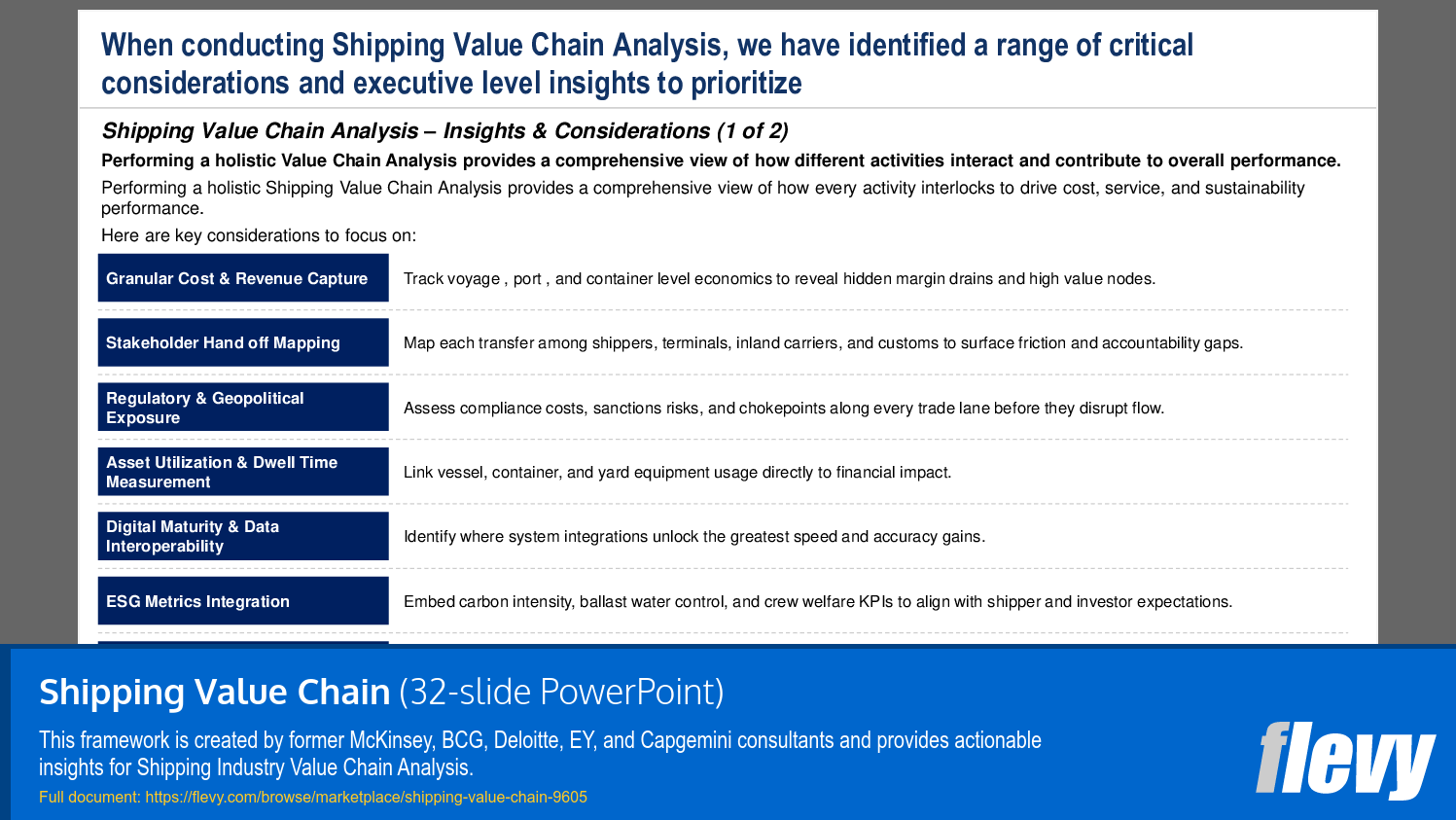
This presentation also discusses Shipping Value Chain Analysis, highlighting a multitude of key considerations and potential insights to pay attention to. We further discuss the significant impact of Digital Transformation and various specific emergent technologies on the Shipping industry.
Got a question about the product? Email us at support@flevy.com or ask the author directly by using the "Ask the Author a Question" form. If you cannot view the preview above this document description, go here to view the large preview instead.
Executive Summary
The Shipping Value Chain presentation offers a detailed framework for understanding the series of steps that shipping organizations undertake to deliver services efficiently. This consulting-grade resource, crafted by former McKinsey, BCG, and Deloitte consultants, provides insights into optimizing operations and enhancing competitive advantage. It covers both primary and support activities in the shipping industry, illustrating how each contributes to overall performance. By analyzing the Shipping Value Chain, executives can identify areas for improvement, streamline processes, and enhance customer satisfaction.
Who This Is For and When to Use
• Shipping executives looking to optimize operational efficiency
• Consultants focused on supply chain and logistics improvements
• Operations managers seeking to enhance service delivery
• Business analysts tasked with evaluating shipping performance
Best-fit moments to use this deck:
• During strategic planning sessions for operational improvements
• When assessing the impact of digital transformation on shipping processes
• In workshops aimed at enhancing customer service and claims management
• For training sessions on value chain analysis and optimization techniques
Learning Objectives
• Define the Shipping Value Chain and its components
• Analyze primary and support activities to identify inefficiencies
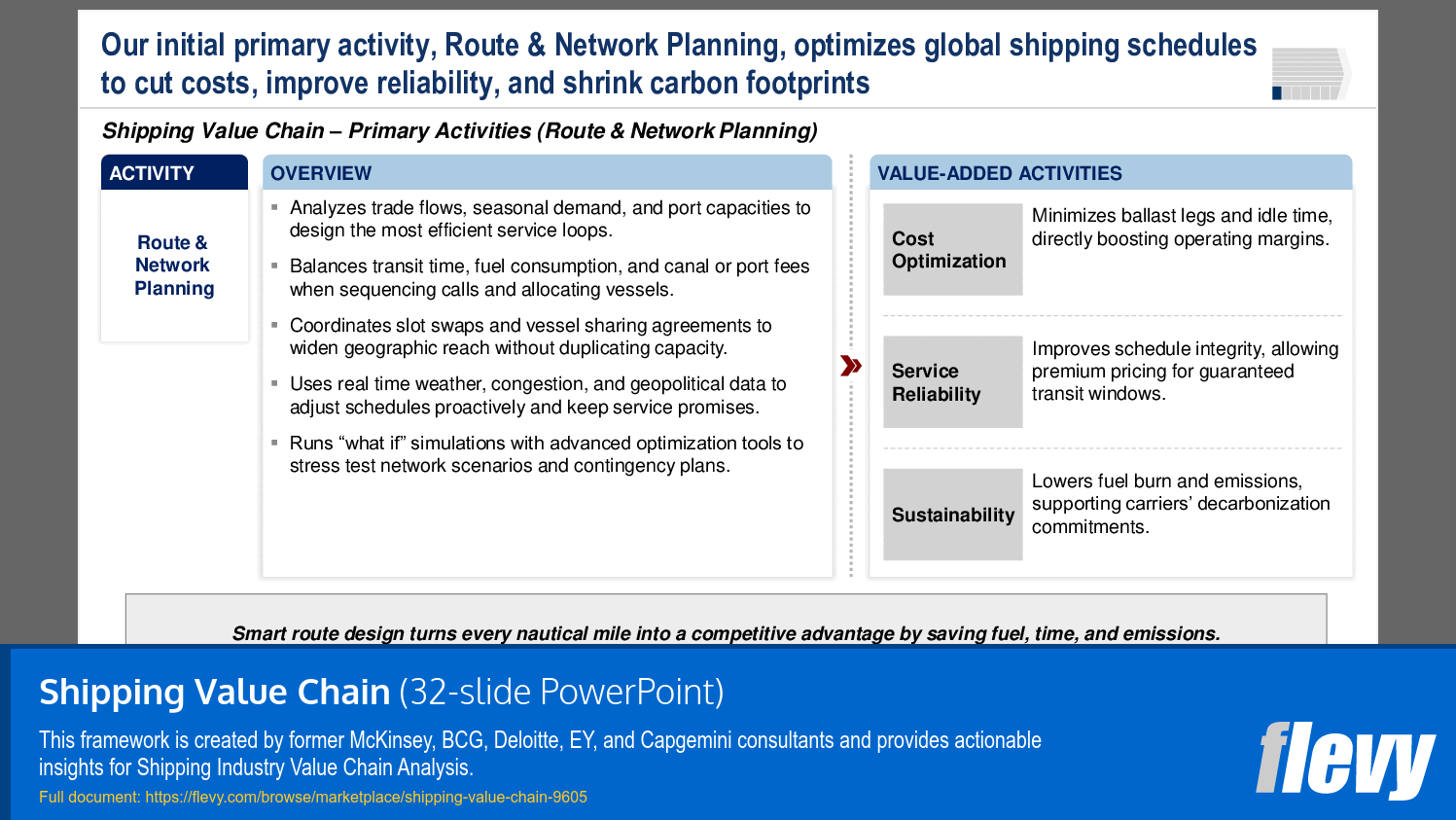
• Develop strategies for optimizing route and network planning
• Implement best practices in cargo booking and documentation
• Evaluate the impact of digital transformation on shipping operations
• Enhance customer service and claims management processes
Table of Contents
• Executive Summary (page 1)
• Shipping Value Chain (page 2)
• Primary Activities (page 3)
• Support Activities (page 4)
• Shipping Value Chain Analysis (page 5)
Primary Topics Covered
• Primary Activities - The core functions that drive value in shipping, including route planning, fleet deployment, and cargo delivery.
• Support Activities - Essential functions such as IT, HR, and risk management that enhance operational efficiency.
• Shipping Value Chain Analysis - A comprehensive approach to evaluating how activities interconnect and impact overall performance.
Deliverables, Templates, and Tools
• Value chain mapping template for visualizing shipping processes
• Performance metrics dashboard for tracking key shipping activities
• Risk management framework to assess compliance and operational threats
• Customer service workflow model for claims management
• Digital transformation roadmap tailored to shipping operations
Slide Highlights
• Overview of primary and support activities in the Shipping Value Chain
• Detailed analysis of route and network planning strategies
• Insights into the impact of digital technologies on shipping efficiency
• Case studies demonstrating successful shipping value chain optimizations
• Visual representations of the interconnectedness of shipping activities
Potential Workshop Agenda
Value Chain Optimization Session (90 minutes)
• Discuss the components of the Shipping Value Chain
• Identify inefficiencies in current operations
• Develop action plans for improvement
Digital Transformation in Shipping (60 minutes)
• Explore emerging technologies impacting the shipping industry
• Assess readiness for digital initiatives
• Create a roadmap for implementation
Customer Service Excellence Workshop (90 minutes)
• Review best practices in claims management
• Develop strategies for enhancing customer satisfaction
• Create a feedback loop for continuous improvement
Customization Guidance
• Tailor the value chain mapping template to reflect specific operational workflows
• Adjust performance metrics to align with organizational goals
• Incorporate company-specific case studies into the presentation
• Modify the digital transformation roadmap to fit current technology capabilities
Secondary Topics Covered
• The role of risk management in shipping operations
• Strategies for enhancing supplier and procurement management
• Best practices in safety, security, and environmental management
• Techniques for improving maintenance and engineering processes
FAQ
What is the Shipping Value Chain?
The Shipping Value Chain is a framework that outlines the series of steps and activities involved in delivering shipping services, from route planning to customer service.
How can this framework help my organization?
This framework provides insights into optimizing operations, identifying inefficiencies, and enhancing customer satisfaction, ultimately leading to improved performance.
What are the primary activities in the Shipping Value Chain?
Primary activities include route and network planning, fleet acquisition and deployment, cargo booking and documentation, port operations, cargo transport and delivery, voyage execution, and customer service.
What support activities are included?
Support activities encompass information technology, risk management, human resource management, finance and treasury, marketing, procurement, and safety management.
How does digital transformation impact the Shipping Value Chain?
Digital transformation introduces technologies that enhance data visibility, streamline operations, and improve decision-making, leading to increased efficiency and reduced costs.
Can this presentation be customized for my organization?
Yes, the framework can be tailored to reflect your specific operational workflows, performance metrics, and case studies.
What are the key considerations for Shipping Value Chain Analysis?
Key considerations include stakeholder handoff mapping, regulatory exposure assessment, asset utilization measurement, and integration of ESG metrics.
How can I implement the insights from this presentation?
Use the provided templates and tools to assess current operations, identify areas for improvement, and develop action plans for optimization.
Glossary
• Shipping Value Chain - A framework illustrating the steps involved in delivering shipping services.
• Primary Activities - Core functions that drive value in shipping operations.
• Support Activities - Essential functions that enhance efficiency and effectiveness.
• Digital Transformation - The integration of digital technologies into all aspects of shipping operations.
• Risk Management - The process of identifying and mitigating operational and regulatory risks.
• Customer Service - Activities focused on maintaining and enhancing customer satisfaction.
• Cargo Booking - The process of reserving space for cargo transport.
• Fleet Deployment - The strategic allocation of vessels based on demand.
• Route Planning - The process of designing efficient shipping routes.
• Maintenance & Engineering - Activities focused on ensuring vessel reliability and efficiency.
• Procurement - The acquisition of goods and services necessary for operations.
• ESG Metrics - Environmental, social, and governance criteria used to assess performance.
• Data Visibility - The ability to access and analyze data in real-time for informed decision-making.
• Operational Efficiency - The ability to deliver services with minimal waste and maximum productivity.
• Customer Satisfaction - The measure of how products and services meet or exceed customer expectations.
• Value Chain Analysis - A method for evaluating how activities interconnect and contribute to overall performance.
Source: Best Practices in Value Chain Analysis, Shipping Industry PowerPoint Slides: Shipping Value Chain PowerPoint (PPTX) Presentation Slide Deck, LearnPPT Consulting
|
Download our FREE Strategy & Transformation Framework Templates
Download our free compilation of 50+ Strategy & Transformation slides and templates. Frameworks include McKinsey 7-S, Balanced Scorecard, Disruptive Innovation, BCG Curve, and many more. |