
A large majority of Mergers and Acquisitions (M&As) fail to create value for the shareholders. A fundamental reason for this fiasco is that buyers typically have a tendency to treat Post-merger Integration (PMI) as an engagement that occurs after the deal is struck. This presentation highlights some critical decisions and measures that are mandatory for the success of M&A ventures.
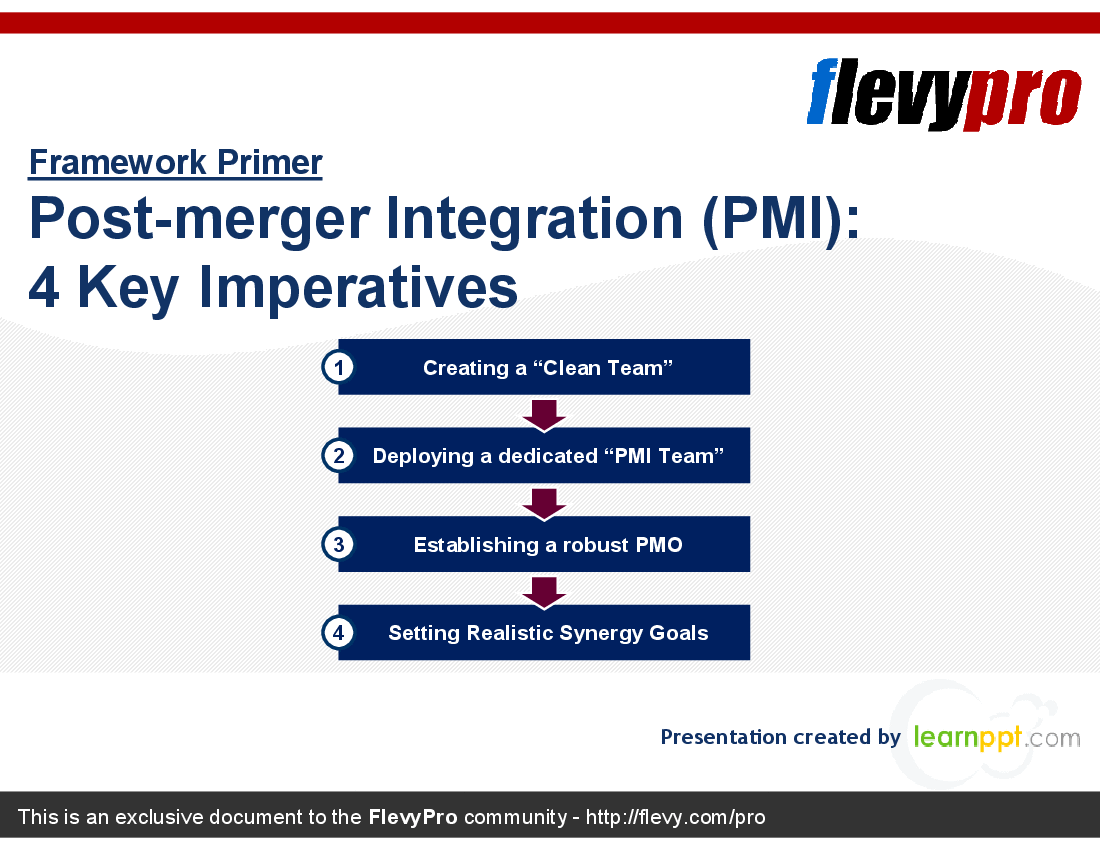
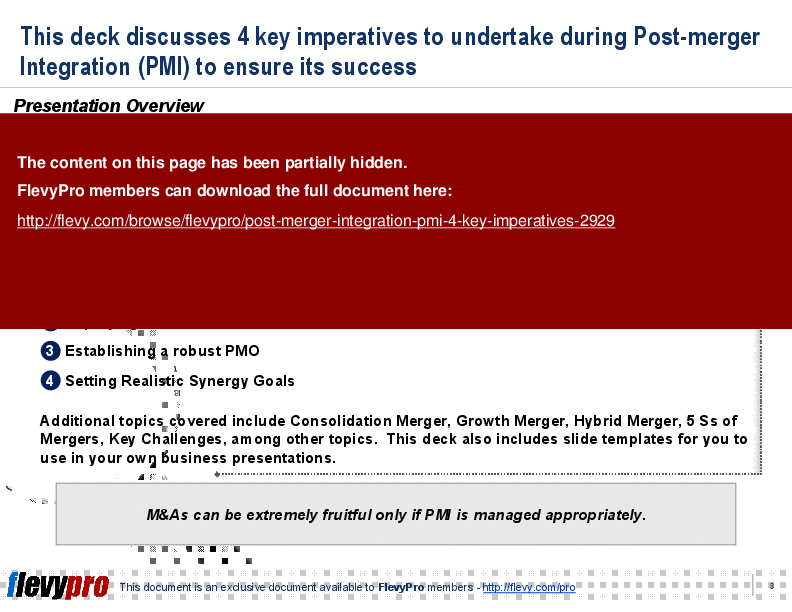
We discuss the following 4 key imperatives to overcome integration challenges and effectively achieve merger objectives:
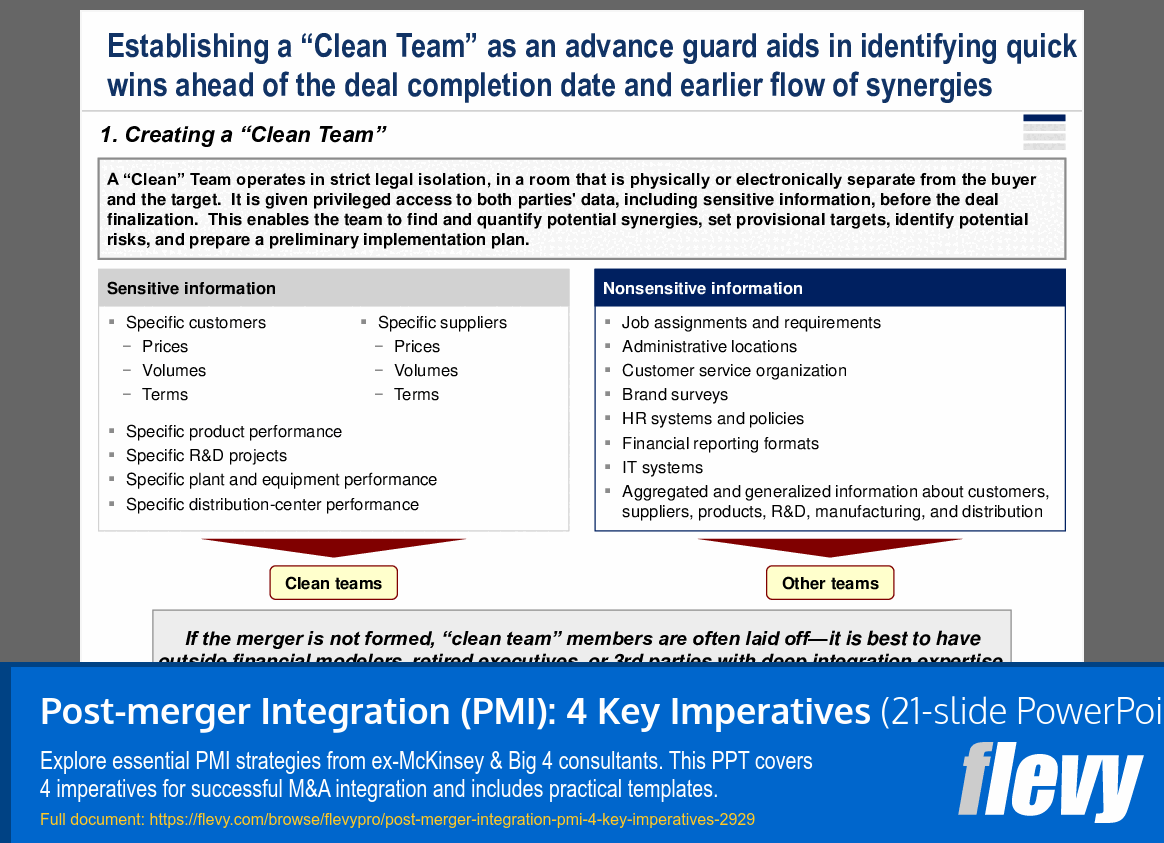
1. Creating a "Clean Team"
2. Deploying a dedicated "PMI Team"
3. Establishing a robust PMO
4. Setting Realistic Synergy Goals
M&As can be extremely fruitful only if PMI is managed appropriately. Additional topics covered include Consolidation Merger, Growth Merger, Hybrid Merger, 5 Ss of Mergers, Key Challenges, among other topics.
This deck also includes slide templates for you to use in your own business presentations.
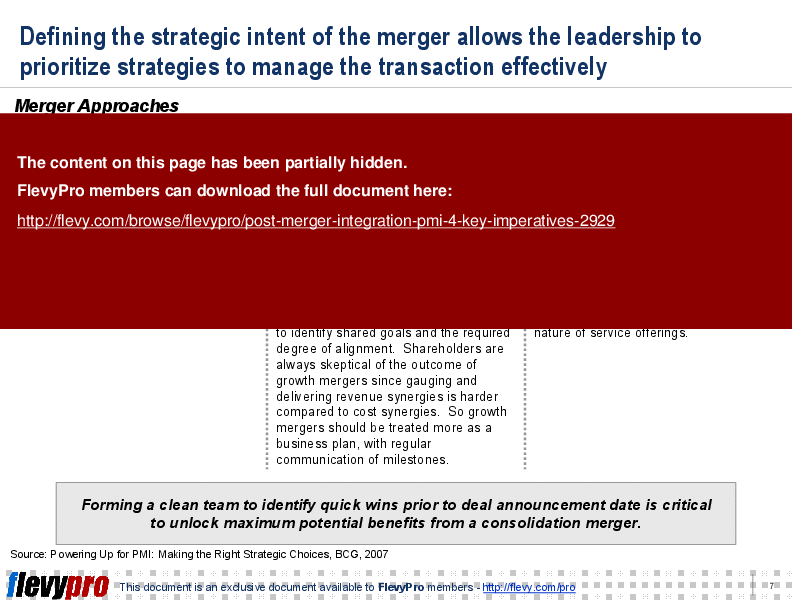
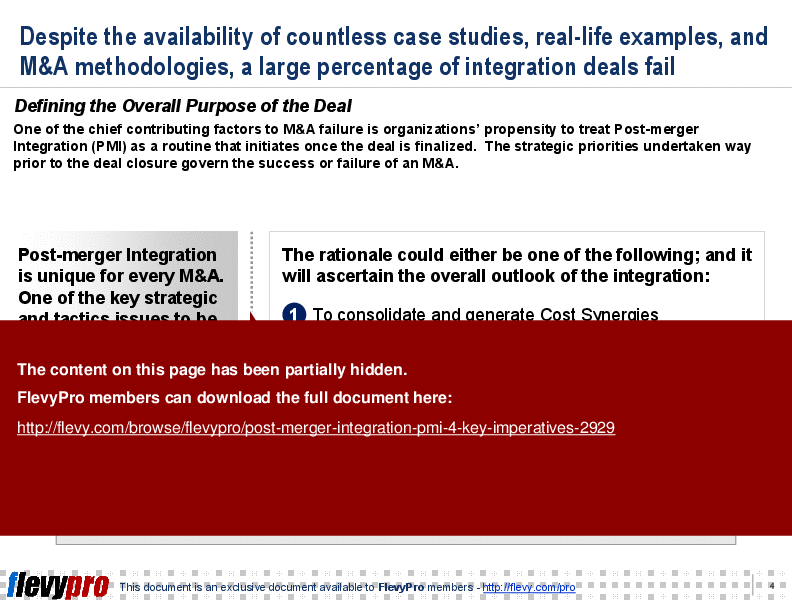
This presentation delves into the strategic logic behind mergers, highlighting the importance of defining the overall purpose of the deal. The rationale for the merger, whether it's to consolidate and generate cost synergies or to expand market reach, dictates the integration approach. The PPT emphasizes that the success of an M&A is significantly influenced by the strategic priorities set before the deal closure.
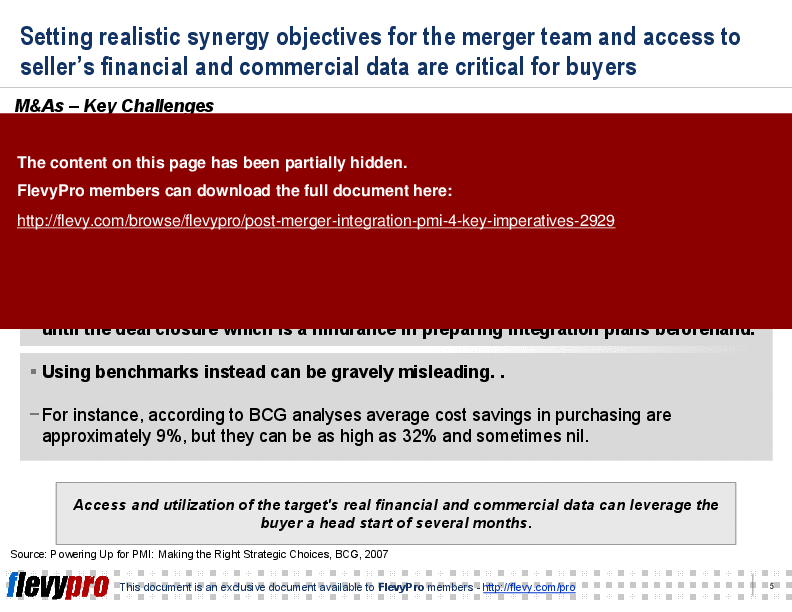
Key challenges in M&As are addressed, including the critical need for access to the target's financial and commercial data. The presentation underscores that relying on benchmarks can be misleading and stresses the importance of utilizing real data to prepare integration plans. The insights provided are backed by analyses from reputable sources like BCG, ensuring that the strategies recommended are grounded in proven methodologies.
The deck also includes practical templates for creating clean teams and deploying dedicated PMI teams. These templates are designed to help organizations streamline their integration processes, ensuring that quick wins are identified and synergy goals are met. The inclusion of these actionable tools makes this presentation a valuable resource for any executive looking to navigate the complexities of post-merger integration.
Got a question about this document? Email us at flevypro@flevy.com.
Executive Summary
This presentation on Post-merger Integration (PMI) outlines 4 critical imperatives essential for successful mergers and acquisitions. Developed by experienced consultants, the deck emphasizes the importance of proactive integration strategies that begin before the deal is finalized. By focusing on creating a "Clean Team," deploying a dedicated PMI team, establishing a robust Project Management Office (PMO), and setting realistic synergy goals, organizations can navigate integration challenges effectively and maximize value creation.
Who This Is For and When to Use
• Corporate executives overseeing mergers and acquisitions
• Integration leaders responsible for post-merger strategies
• Project Management Office (PMO) members involved in integration efforts
• Consultants advising on merger integration best practices
Best-fit moments to use this deck:
• During pre-merger planning to establish integration frameworks
• At the onset of a merger to align teams on integration objectives
• For training sessions focused on effective PMI strategies
Learning Objectives
• Define the role and importance of a "Clean Team" in PMI
• Build a dedicated PMI team structure and governance model
• Establish a robust PMO to oversee integration activities
• Set realistic synergy goals based on market dynamics
• Identify key integration challenges and strategies to overcome them
• Utilize templates for effective communication and tracking
Table of Contents
• Overview (page 3)
• Merger Approaches (page 4)
• 4 Key Imperatives (page 10)
• Templates (page 16)
Primary Topics Covered
• Creating a “Clean Team” - Establishing a team that operates in legal isolation to identify synergies and prepare for integration before the deal closes.
• Deploying a Dedicated PMI Team - Forming a specialized team led by a respected executive to manage integration efforts effectively.
• Establishing a Robust PMO - Setting up a PMO to coordinate integration activities, track progress, and facilitate communication among teams.
• Setting Realistic Synergy Goals - Defining achievable synergy targets that align with market conditions and internal capabilities.
Deliverables, Templates, and Tools
• Template for defining the structure and roles of a "Clean Team"
• Example framework for establishing a dedicated PMI team
• PMO governance model template for tracking integration progress
• Synergy goal-setting worksheet to align team objectives
Slide Highlights
• Overview of the 4 key imperatives for PMI
• Visual representation of the roles within a dedicated PMI team
• Framework for establishing a robust PMO with defined missions
• Guidelines for setting realistic synergy goals
Potential Workshop Agenda
Introduction to PMI (30 minutes)
• Overview of PMI importance and objectives
• Discussion on common integration challenges
Creating a Clean Team Session (60 minutes)
• Define the roles and responsibilities of a Clean Team
• Identify potential members and their qualifications
PMI Team Deployment Workshop (90 minutes)
• Develop a structure for the dedicated PMI team
• Assign roles and responsibilities
Customization Guidance
• Tailor the Clean Team's composition based on specific merger requirements
• Adjust the PMI team structure to fit organizational culture and leadership style
• Modify synergy goals to reflect realistic market conditions and internal capabilities
Secondary Topics Covered
• Merger approaches: consolidation, growth, and hybrid strategies
• Key challenges in PMI and strategies to address them
• The role of regulatory environments in PMI timelines
Topic FAQ
Document FAQ
These are questions addressed within this presentation.
What is a "Clean Team"?
A "Clean Team" operates in legal isolation to access sensitive data from both merging entities, allowing for early identification of synergies and risks.
Why is a dedicated PMI team necessary?
A dedicated PMI team ensures focused management of integration efforts, leveraging expertise and commitment from senior leadership to drive success.
What are the core functions of a PMO in PMI?
The PMO coordinates integration activities, tracks progress, facilitates communication, and resolves issues to ensure alignment with strategic goals.
How should synergy goals be set?
Synergy goals should be based on realistic assessments of market conditions and internal capabilities, avoiding overly ambitious or conservative targets.
What are the common challenges faced during PMI?
Common challenges include lack of access to financial data, misalignment of goals, and cultural integration issues.
How can organizations ensure effective communication during PMI?
Establishing clear communication channels and regular updates among teams is essential for maintaining alignment and addressing issues promptly.
What is the significance of the PMO in tracking progress?
The PMO plays a crucial role in monitoring the achievement of synergy goals and ensuring that teams remain accountable for their commitments.
How can organizations leverage templates for PMI?
Templates provide structured frameworks for defining roles, tracking progress, and setting goals, facilitating a more organized approach to integration.
Glossary
• Clean Team - A group operating in isolation to access sensitive data for synergy identification.
• PMI Team - A dedicated team responsible for managing post-merger integration efforts.
• PMO - Project Management Office, overseeing integration activities and communication.
• Synergy Goals - Targets set to measure the expected benefits from the merger.
• Merger Approaches - Strategies for integrating organizations, including consolidation and growth.
• Integration Challenges - Obstacles faced during the merger process, such as cultural alignment and data access.
• Governance Model - Framework for decision-making and accountability in PMI.
• Communication Channels - Established pathways for sharing information among teams.
• Templates - Pre-designed documents to facilitate various aspects of PMI.
• Stakeholders - Individuals or groups with an interest in the merger outcome.
• Financial Metrics - Quantitative measures used to assess the financial performance of the merged entity.
• Cultural Integration - The process of aligning the organizational cultures of merging companies.
Source: Best Practices in Acquisition, PMI PowerPoint Slides: Post-merger Integration (PMI): 4 Key Imperatives PowerPoint (PPT) Presentation Slide Deck, LearnPPT Consulting
Did you need more documents?
Consider a FlevyPro subscription from $39/month. View plans here.
For $10.00 more, you can download this document plus 2 more FlevyPro documents. That's just $13 each.
|
Receive our FREE presentation on Operational Excellence
This 50-slide presentation provides a high-level introduction to the 4 Building Blocks of Operational Excellence. Achieving OpEx requires the implementation of a Business Execution System that integrates these 4 building blocks. |