
Restructuring is a turbulent process that shakes the foundations of the organization. Keeping focus on moving the organization forward with vitality means boosting the sagging morale of the employees who survive this storm.
This presentation discusses the state of mind of employees who depart as well as those who stay. What bothers the survivors, what motivates them, and what actions should the management take before, during, and after Restructuring.
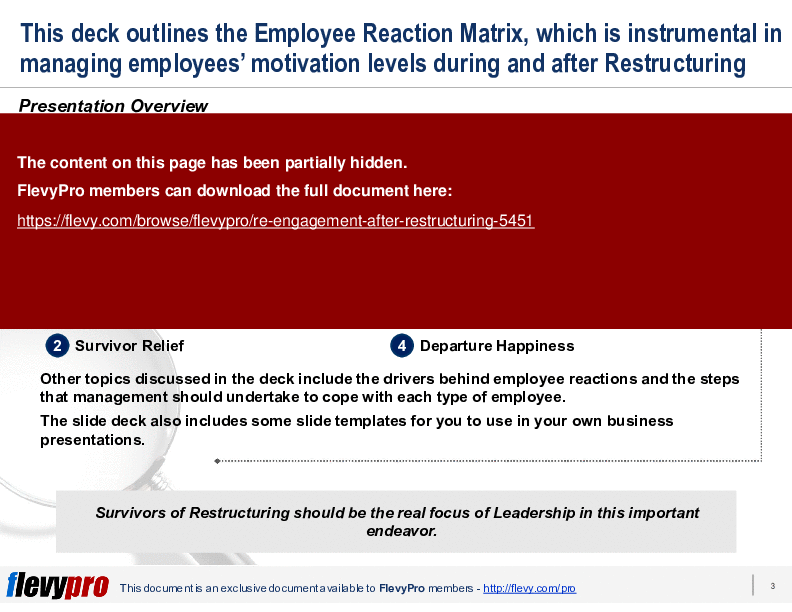
Employees typically showcase 4 types of reactions during this transition:
1. Departure Grief
2. Survivor Grief
3. Survivor Irritation
4. Departure Happiness
Other topics discussed in the deck include the drivers behind employee reactions and the steps that management should undertake to cope with each type of employee.
The slide deck also includes some slide templates for you to use in your own business presentations.
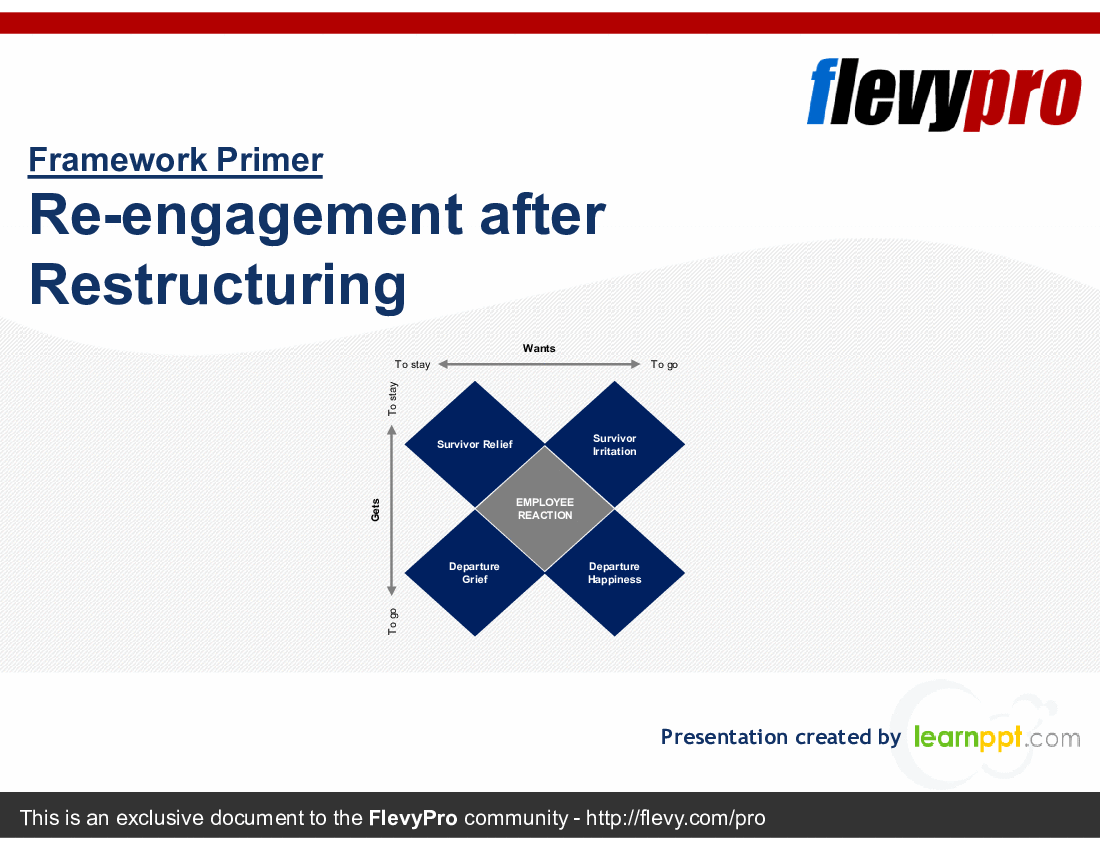
The Employee Reaction Matrix is a pivotal tool in this presentation, offering a granular understanding of the various emotional states employees experience during restructuring. This matrix categorizes reactions into Survivor Relief, Survivor Irritation, Departure Grief, and Departure Happiness, providing actionable insights for management. By leveraging this matrix, leaders can tailor their engagement strategies to address the specific needs and motivations of each employee group, ensuring a smoother transition and sustained productivity.
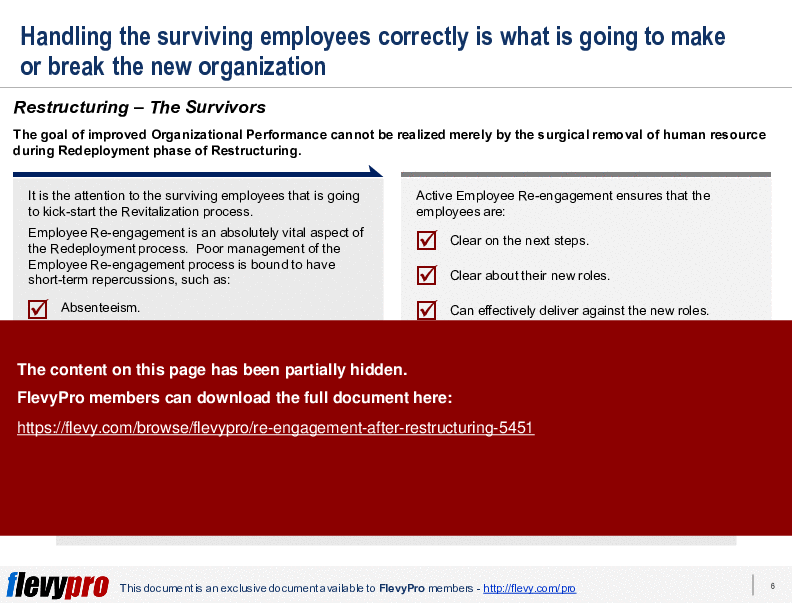
The presentation also delves into the critical role of re-engaging surviving employees. It emphasizes that the quality and correct placement of remaining staff are paramount to the success of the new organizational structure. Effective re-engagement plans are outlined, focusing on clear communication, role clarity, and motivational strategies. These plans are designed to mitigate short-term repercussions such as absenteeism and low morale, which can derail the revitalization process.
A comprehensive re-engagement plan is necessary for the revitalization of the organization. The presentation provides a step-by-step guide to developing and implementing such a plan, including allocating time, effort, and budget for boosting motivation levels. It also highlights the importance of training line managers to handle surviving team members effectively. This ensures that the organization not only survives the restructuring process, but emerges stronger and more cohesive.
Got a question about this document? Email us at flevypro@flevy.com.
Executive Summary
The "Re-engagement after Restructuring" presentation offers a strategic framework designed to enhance employee morale and productivity following organizational restructuring. Created by experienced consultants, this deck emphasizes the importance of focusing on surviving employees—those who remain after layoffs or organizational changes. By understanding employee reactions and implementing targeted re-engagement strategies, leaders can foster a revitalized workplace culture, ensuring that employees are clear about their roles and motivated to contribute effectively.
Who This Is For and When to Use
• Corporate executives overseeing restructuring initiatives
• HR leaders responsible for employee engagement and retention
• Change management consultants guiding organizations through transitions
• Team leaders managing survivor morale post-restructuring
Best-fit moments to use this deck:
• During the planning phase of a restructuring initiative
• When addressing employee concerns and morale after layoffs
• In workshops focused on employee engagement strategies
• For training sessions aimed at line managers on re-engagement techniques
Learning Objectives
• Define the key reactions of employees during and after restructuring
• Identify the motivational drivers of surviving employees
• Develop a comprehensive re-engagement plan tailored to employee needs
• Implement effective communication strategies to reassure employees
• Train managers on best practices for supporting team members
• Assess and adapt re-engagement strategies based on employee feedback
Table of Contents
• Overview (page 3)
• Restructuring (page 5)
• Employee Reaction Matrix (page 8)
• Re-engaging the Survivors (page 14)
• Templates (page 17)
Primary Topics Covered
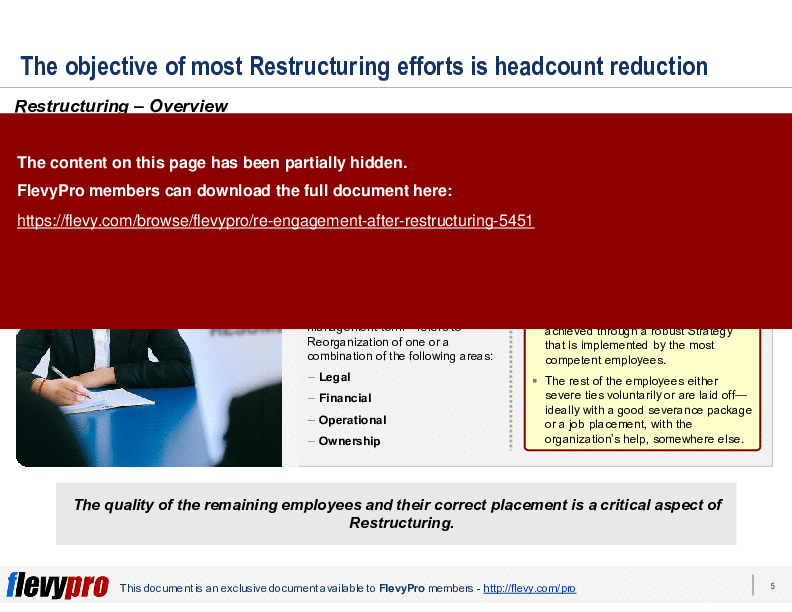
• Restructuring Overview - Understanding the goals and implications of organizational restructuring, focusing on headcount reduction and employee placement.
• Employee Reaction Matrix - A framework categorizing employee responses during restructuring into 4 types: Departure Grief, Survivor Relief, Survivor Irritation, and Departure Happiness.
• Re-engagement Strategies - Key actions to boost morale and productivity among surviving employees, ensuring they are clear on their roles and motivated to contribute.
• Motivational Drivers - Identifying what drives employee behavior during transitions and how to address these effectively.
• Communication Techniques - Best practices for maintaining open lines of communication with employees throughout the restructuring process.
• Manager Training - Preparing line managers to support and engage their teams effectively during and after restructuring.
Deliverables, Templates, and Tools
• Employee Reaction Matrix template for assessing staff responses
• Re-engagement plan framework tailored to organizational needs
• Communication strategy outline for addressing employee concerns
• Training materials for managers on supporting surviving employees
• Assessment tools for measuring employee motivation levels
• Action plan templates for implementing re-engagement strategies
Slide Highlights
• Overview of the Employee Reaction Matrix illustrating 4 employee states
• Key actions for addressing Departure Grief and Survivor Relief
• Strategies for managing Survivor Irritation and Departure Happiness
• Framework for developing a comprehensive re-engagement plan
• Visual representation of motivational drivers affecting employee behavior
Potential Workshop Agenda
Re-engagement Strategy Session (90 minutes)
• Discuss the Employee Reaction Matrix and its implications
• Identify key motivational drivers for surviving employees
• Develop tailored re-engagement strategies for different employee groups
Manager Training Workshop (60 minutes)
• Train managers on effective communication techniques
• Role-play scenarios for addressing employee concerns
• Develop action plans for supporting team members
Customization Guidance
• Tailor the Employee Reaction Matrix to reflect specific organizational contexts
• Adapt communication strategies based on employee feedback and concerns
• Modify training materials to align with the unique culture of the organization
• Incorporate specific motivational drivers relevant to the workforce
Secondary Topics Covered
• Best practices for managing organizational change
• Techniques for fostering a positive workplace culture post-restructuring
• Strategies for retaining top talent during transitions
• Importance of clear communication in maintaining employee trust
Topic FAQ
Document FAQ
These are questions addressed within this presentation.
What is the Employee Reaction Matrix?
The Employee Reaction Matrix categorizes employee responses during restructuring into 4 types: Departure Grief, Survivor Relief, Survivor Irritation, and Departure Happiness, helping leaders understand and address their needs effectively.
How can we boost morale among surviving employees?
Implementing targeted re-engagement strategies, clear communication, and providing support can significantly enhance morale among surviving employees.
What are the key motivational drivers for employees during restructuring?
Motivational drivers include job security, clarity of roles, opportunities for growth, and recognition of contributions. Addressing these can improve employee engagement.
How should managers communicate with their teams during restructuring?
Managers should maintain open lines of communication, provide regular updates, and be transparent about changes to foster trust and alleviate concerns.
What are the consequences of poor employee re-engagement?
Poor re-engagement can lead to absenteeism, low productivity, diminished morale, and increased turnover, negatively impacting organizational performance.
How can we assess employee reactions effectively?
Utilizing the Employee Reaction Matrix and conducting surveys or feedback sessions can help gauge employee sentiments and tailor responses accordingly.
What training is recommended for managers?
Training should focus on communication skills, understanding employee motivations, and strategies for supporting team members during transitions.
How can we measure the success of our re-engagement strategies?
Success can be measured through employee feedback, engagement surveys, productivity metrics, and retention rates following restructuring initiatives.
Glossary
• Re-engagement - The process of revitalizing employee motivation and commitment following organizational changes.
• Employee Reaction Matrix - A framework categorizing employee responses during restructuring.
• Motivational Drivers - Factors that influence employee behavior and engagement levels.
• Survivor Relief - The feeling of relief experienced by employees who remain after layoffs.
• Departure Grief - The emotional response of employees who are laid off or leave the organization.
• Survivor Irritation - The frustration felt by remaining employees due to increased workload or uncertainty.
• Departure Happiness - The positive feelings of employees who leave the organization voluntarily.
• Communication Strategy - A plan for how information is shared with employees during restructuring.
• Manager Training - Programs designed to equip managers with skills to support their teams effectively.
• Engagement Survey - A tool used to measure employee satisfaction and motivation levels.
• Organizational Revitalization - The process of renewing and enhancing the workplace culture and employee engagement.
• Redeployment - The reassignment of employees to new roles or responsibilities following restructuring.
• Change Management - The discipline of managing organizational change effectively.
• Employee Morale - The overall mood and satisfaction levels of employees within the organization.
• Retention Rates - The percentage of employees who remain with the organization over a specified period.
• Feedback Sessions - Meetings designed to gather employee input and sentiments regarding organizational changes.
• Action Plan - A detailed strategy outlining steps to achieve specific goals, such as employee re-engagement.
• Workplace Culture - The shared values, beliefs, and behaviors that shape the work environment.
• Performance Metrics - Quantitative measures used to assess employee productivity and effectiveness.
• Organizational Change - Any alteration in the way an organization operates, including restructuring or policy changes.
Source: Best Practices in Business Transformation, Employee Engagement, Restructuring, Redeployment PowerPoint Slides: Re-engagement after Restructuring PowerPoint (PPTX) Presentation Slide Deck, LearnPPT Consulting
Did you need more documents?
Consider a FlevyPro subscription from $39/month. View plans here.
For $10.00 more, you can download this document plus 2 more FlevyPro documents. That's just $13 each.
|
Download our FREE Strategy & Transformation Framework Templates
Download our free compilation of 50+ Strategy & Transformation slides and templates. Frameworks include McKinsey 7-S, Balanced Scorecard, Disruptive Innovation, BCG Curve, and many more. |