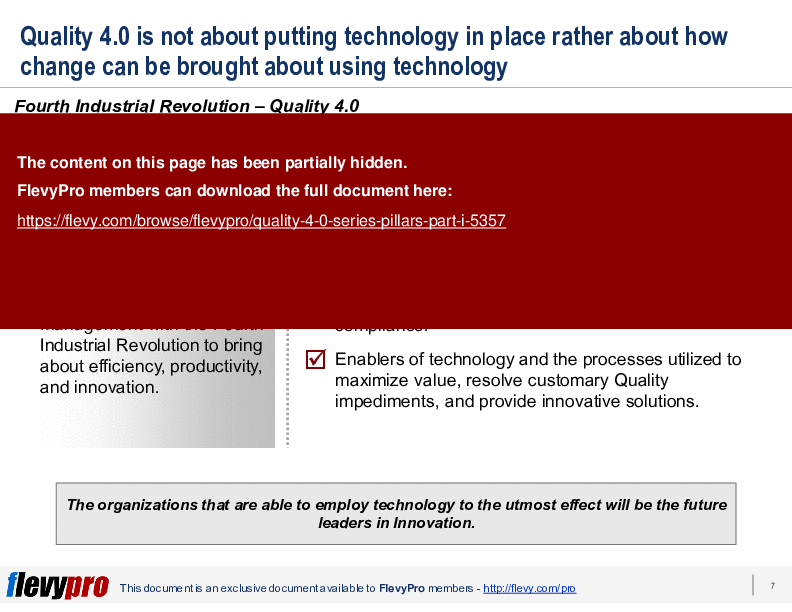
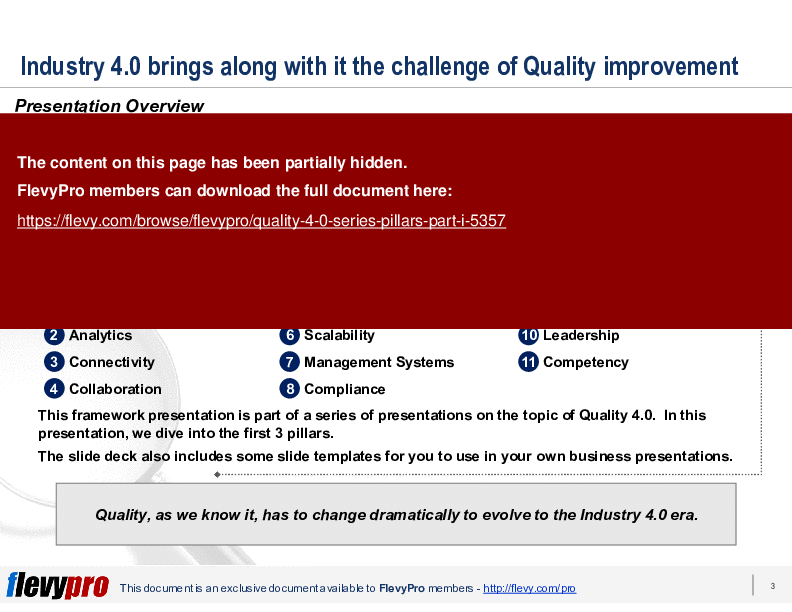
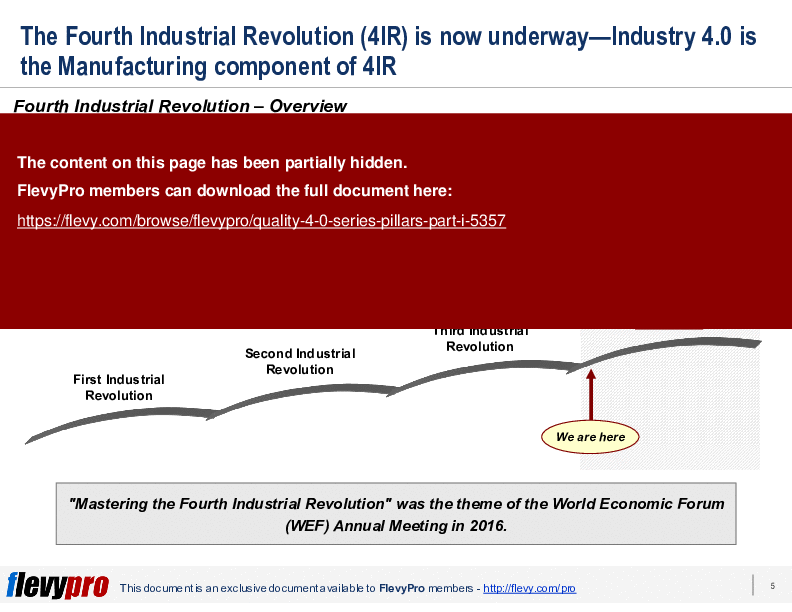

The introduction of emerging, digital technologies has ushered in the Fourth Industrial Revolution. To keep the competitive advantage in this era, leveraging contemporary technology is an absolute necessity.
Using cutting edge tech means not just augmenting, but in fact, revamping the whole Quality outlook. Quality, as we know it, has to change dramatically to evolve to the Industry 4.0 era.
Quality 4.0 is the complementary Quality approach to the Industry 4.0 era. Quality 4.0 is about transforming and improving culture, collaboration, competency, and leadership among other things through application of technology.
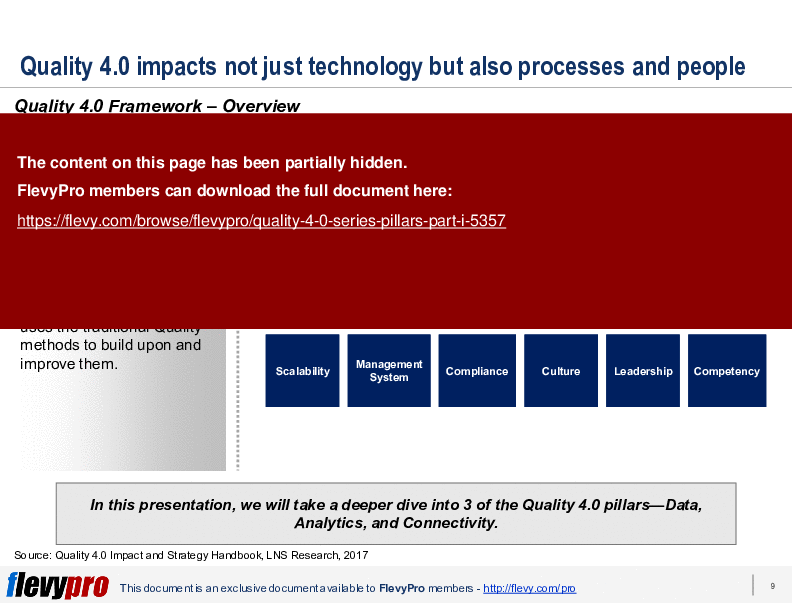
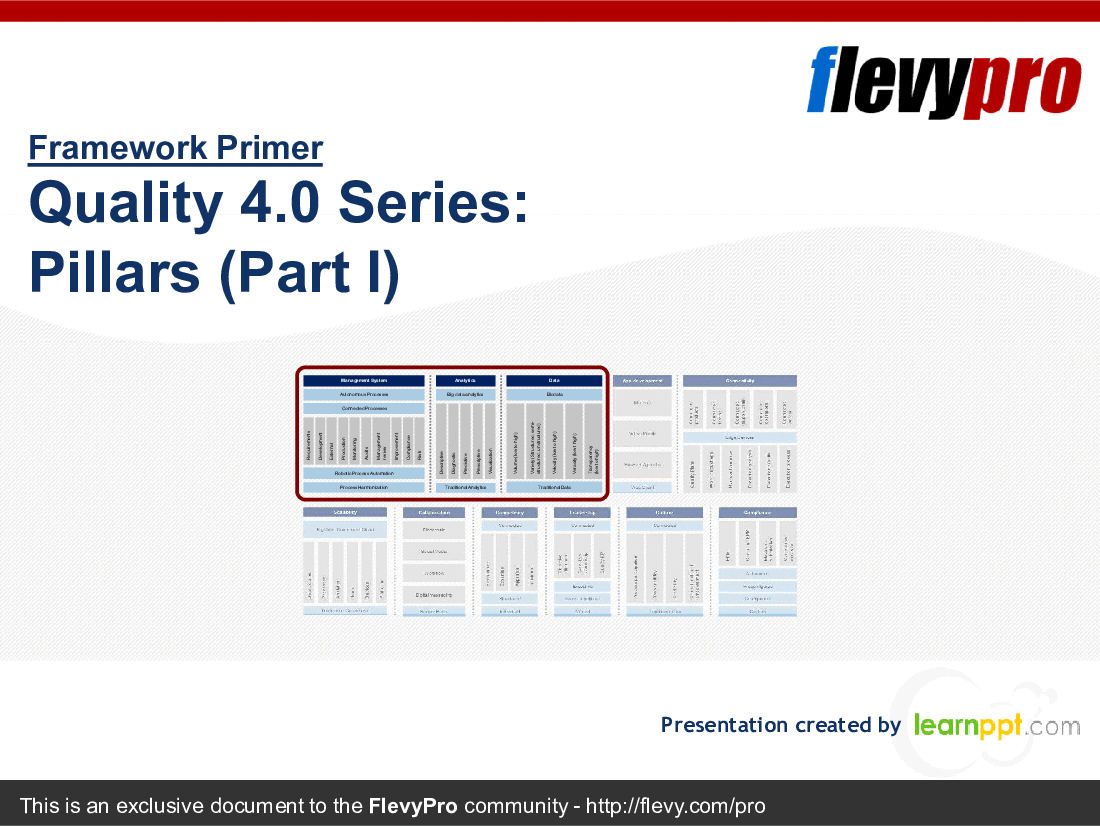
The Quality 4.0 framework introduces 11 pillars to Quality 4.0. This framework presentation is part of a series of presentations on the topic of Quality 4.0. In this presentation, we dive deep into the following pillars:
• Data
• Analytics
• Connectivity
The slide deck also includes some slide templates for you to use in your own business presentations.
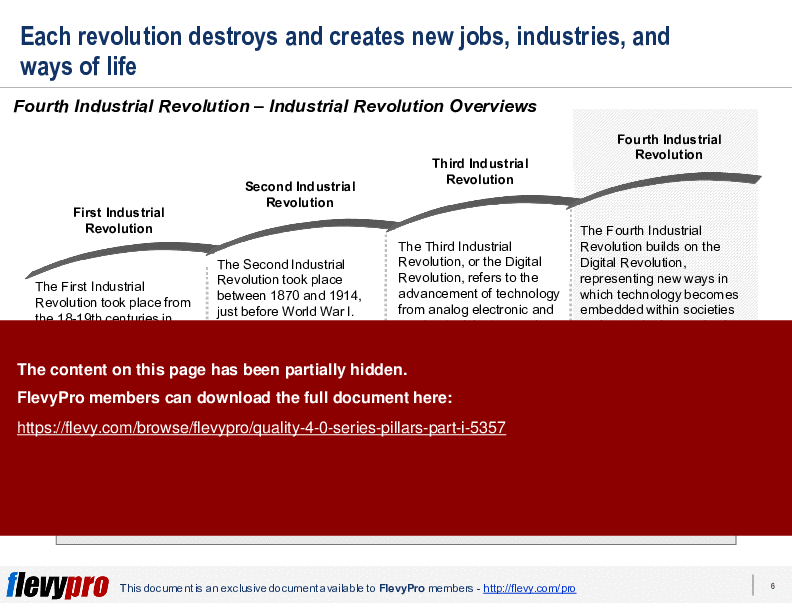
This presentation provides a comprehensive overview of the Fourth Industrial Revolution, emphasizing its impact on manufacturing and the need for a new Quality paradigm. The PPT outlines how each industrial revolution has transformed industries and societies, highlighting the ongoing transition to Industry 4.0. It delves into the historical context, showing the progression from the First to the Fourth Industrial Revolution and the technological advancements that define each era.
Quality 4.0 is not merely about implementing new technologies, but about leveraging them to drive cultural and operational change. This presentation covers the core components of the Quality 4.0 framework, including data, analytics, and connectivity. It explains how these pillars are essential for informed decision-making, uncovering insights, and ensuring seamless integration across business functions. The document also addresses the challenges organizations face in adopting these technologies and the strategies to overcome them.
The slide deck includes detailed templates and frameworks to help you implement Quality 4.0 in your organization. These tools are designed to facilitate the transition to a data-driven, connected, and analytical approach to quality management. By adopting the principles and practices outlined in this presentation, your organization can stay ahead of the curve and maintain a competitive edge in the Industry 4.0 era.
Got a question about this document? Email us at flevypro@flevy.com.
Executive Summary
The "Quality 4.0 Series: Pillars (Part I)" presentation equips organizations with essential insights into the transformative impact of Industry 4.0 on quality management. Focusing on the pillars of Data Analytics and Connectivity, this presentation provides a framework for leveraging digital technologies to enhance quality processes, culture, and leadership. By adopting Quality 4.0 principles, executives can drive efficiency, productivity, and innovation, ensuring their organizations remain competitive in the evolving landscape of the Fourth Industrial Revolution.
Who This Is For and When to Use
• Quality Managers and Executives overseeing quality improvement initiatives
• Data Analysts and IT professionals responsible for data integration and analytics
• Operations Managers looking to enhance process efficiency through connectivity
• Change Management Leaders facilitating digital transformation in quality practices
Best-fit moments to use this deck:
• During strategic planning sessions focused on quality improvement
• When initiating digital transformation projects within quality management
• For training sessions aimed at enhancing team understanding of Quality 4.0 principles
Learning Objectives
• Define the key components of Quality 4.0 and its relevance to modern quality management
• Build a framework for integrating data analytics into quality processes
• Establish effective connectivity between quality management systems and operational technology
• Identify the critical role of data in driving evidence-based decision-making
• Develop strategies for fostering a culture of quality through technology
• Implement best practices for leveraging analytics to enhance quality outcomes
Table of Contents
• Overview (page 1)
• Fourth Industrial Revolution (page 5)
• Quality 4.0 Framework (page 9)
• Quality 4.0 Pillars (Data Analytics, Connectivity) (page 12)
• Templates (page 19)
Primary Topics Covered
• Fourth Industrial Revolution - An overview of the transformative technologies shaping the current industrial landscape, emphasizing the need for organizations to adapt.
• Quality 4.0 Framework - A structured approach outlining the 11 pillars of Quality 4.0, focusing on how organizations can leverage these pillars to enhance quality management.
• Data Analytics - An exploration of the importance of data in quality management, including its core components: volume, variety, velocity, veracity, and transparency.
• Connectivity - Insights into the necessity of seamless communication between IT and operational technology to improve quality processes and outcomes.
Deliverables, Templates, and Tools
• Framework for integrating data analytics into quality management processes
• Templates for assessing data quality and analytics readiness
• Guidelines for establishing connectivity between quality management systems and operational technology
• Best practice examples for leveraging data in decision-making processes
• Tools for measuring and tracking quality performance metrics
Slide Highlights
• Overview of the Fourth Industrial Revolution and its implications for quality management
• Detailed exploration of the Quality 4.0 framework and its 11 pillars
• Visual representation of data components critical for quality decision-making
• Case studies illustrating successful implementation of data analytics in quality processes
• Connectivity strategies to enhance collaboration between IT and operational teams
Potential Workshop Agenda
Introduction to Quality 4.0 (30 minutes)
• Overview of the Fourth Industrial Revolution
• Discussion on the need for Quality 4.0
Data Analytics in Quality Management (60 minutes)
• Key components of data in quality
• Strategies for effective data utilization
Enhancing Connectivity for Quality Improvement (60 minutes)
• Best practices for integrating IT and operational technology
• Case studies on successful connectivity implementations
Customization Guidance
• Tailor the data analytics framework to align with your organization’s specific quality metrics and KPIs
• Adjust the connectivity strategies based on existing IT infrastructure and operational technology
• Incorporate industry-specific examples and case studies to enhance relevance
Secondary Topics Covered
• The role of leadership in fostering a culture of quality
• Compliance considerations in the context of Quality 4.0
• The impact of emerging technologies on traditional quality practices
• Strategies for building competency in quality management teams
Topic FAQ
Document FAQ
These are questions addressed within this presentation.
What is Quality 4.0?
Quality 4.0 refers to the integration of digital technologies into quality management processes, emphasizing the importance of data analytics and connectivity in enhancing quality outcomes.
How can data analytics improve quality management?
Data analytics provides insights that enable organizations to make informed, evidence-based decisions, ultimately leading to improved quality and operational efficiency.
What are the core components of data in Quality 4.0?
The core components include volume, variety, velocity, veracity, and transparency, each playing a critical role in effective data management and decision-making.
Why is connectivity important in Quality 4.0?
Connectivity ensures seamless communication between IT and operational technology, facilitating real-time data sharing and improving quality management processes.
How can organizations implement Quality 4.0 principles?
Organizations can start by assessing their current quality management practices, identifying gaps, and leveraging the Quality 4.0 framework to guide their digital transformation efforts.
What challenges might organizations face in adopting Quality 4.0?
Common challenges include data fragmentation, resistance to change, and the need for significant investment in technology and training.
How does Quality 4.0 impact organizational culture?
Quality 4.0 fosters a culture of collaboration and continuous improvement, encouraging teams to embrace technology and data-driven decision-making.
What tools are available to support Quality 4.0 implementation?
Various tools, including data analytics platforms, quality management systems, and connectivity solutions, can support organizations in their Quality 4.0 journey.
Glossary
• Quality 4.0 - The integration of digital technologies into quality management processes.
• Data Analytics - The process of examining data sets to draw conclusions about the information they contain.
• Connectivity - The ability of different systems and devices to communicate and share data effectively.
• Fourth Industrial Revolution - A new era characterized by the fusion of digital, physical, and biological technologies.
• Volume - The amount of data generated and processed.
• Variety - The different types of data sources and formats.
• Velocity - The speed at which data is generated and processed.
• Veracity - The accuracy and trustworthiness of data.
• Transparency - The accessibility of data for analysis and decision-making.
• Compliance - Adherence to laws, regulations, and standards in quality management.
• Culture - The shared values and practices that shape an organization's approach to quality.
• Leadership - The act of guiding and influencing others within the organization towards quality objectives.
• Competency - The skills and knowledge required to effectively manage quality processes.
• Management System - The framework for managing and improving quality within an organization.
• Scalability - The capability of a system to handle a growing amount of work or its potential to accommodate growth.
• Collaboration - Working together across teams and departments to achieve quality goals.
• App Development - The process of creating applications that support quality management functions.
• Robotic Process Automation - The use of technology to automate repetitive tasks in quality processes.
• Connected Processes - Integration of various processes through technology to improve efficiency and quality outcomes.
• Connected Products - Products that are equipped with sensors and connectivity features to provide real-time data.
• Connected Supply Chain - A supply chain that utilizes connectivity to enhance collaboration and efficiency.
Source: Best Practices in Fourth Industrial Revolution, Quality Management, Quality 4.0 PowerPoint Slides: Quality 4.0 Series: Pillars (Part I) PowerPoint (PPTX) Presentation Slide Deck, LearnPPT Consulting
Did you need more documents?
Consider a FlevyPro subscription from $39/month. View plans here.
For $10.00 more, you can download this document plus 2 more FlevyPro documents. That's just $13 each.
This document is available as part of the following discounted bundle(s):
Save %!
Quality 4.0 - Full Series
This bundle contains 4 total documents. See all the documents to the right.

|
Receive our FREE presentation on Operational Excellence
This 50-slide presentation provides a high-level introduction to the 4 Building Blocks of Operational Excellence. Achieving OpEx requires the implementation of a Business Execution System that integrates these 4 building blocks. |