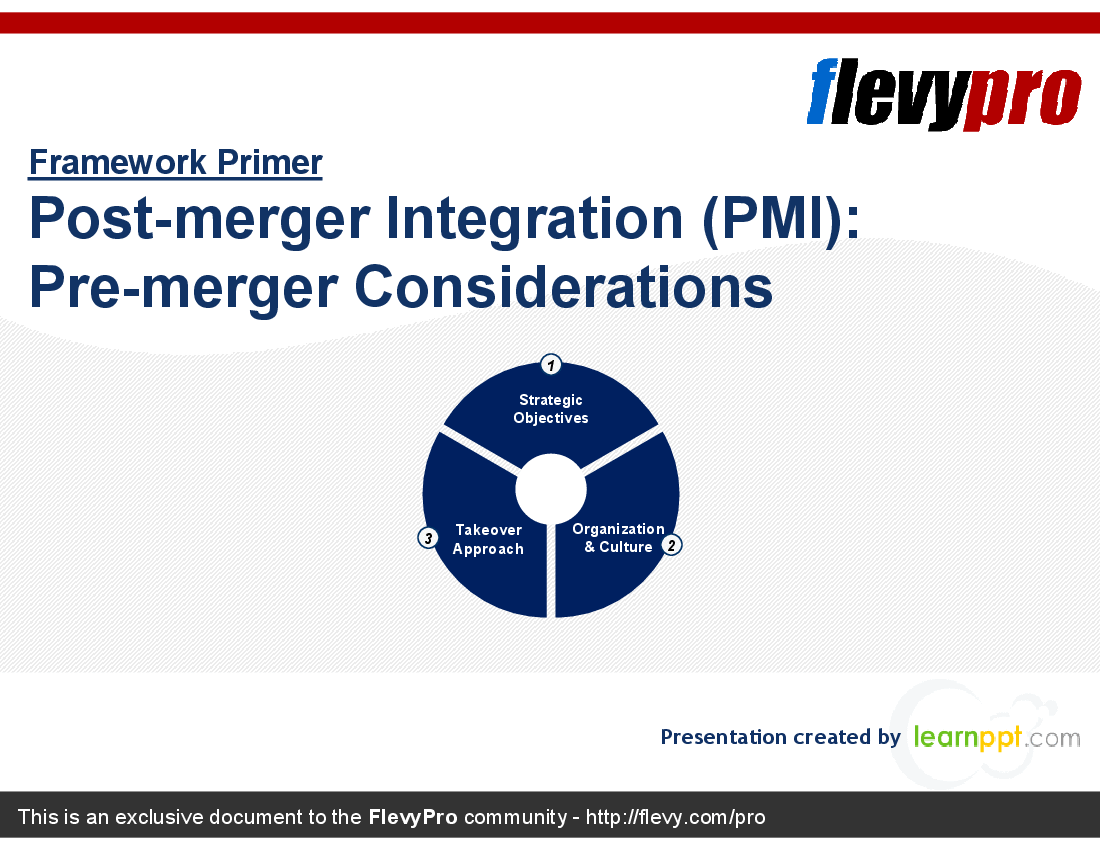

This framework is developed by a team of former McKinsey and Big 4 consultants. The presentation follows the headline-body-bumper slide format used by global consulting firms.
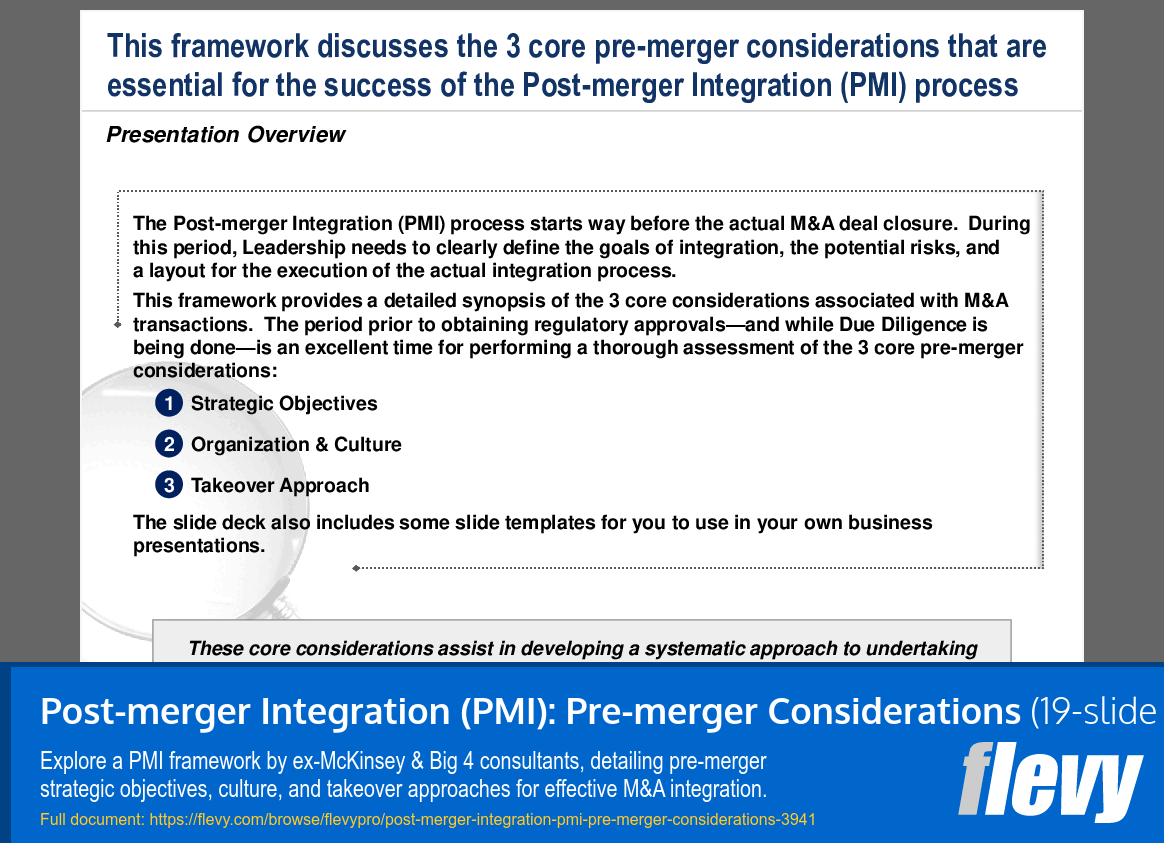
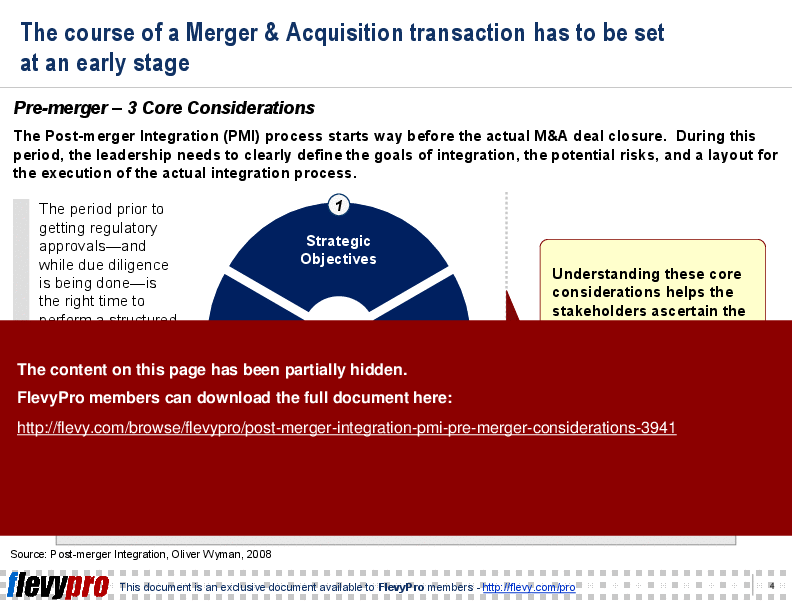
The Post-merger Integration (PMI) process starts way before the actual M&A deal closure. During this period, Leadership needs to clearly define the goals of integration, the potential risks, and a layout for the execution of the actual integration process.
This framework provides a detailed synopsis of the 3 core considerations associated with M&A transactions. The period prior to obtaining regulatory approvals—and while Due Diligence is being done—is an excellent time for performing a thorough assessment of the 3 core pre-merger considerations:
These core considerations assist in developing a systematic approach to undertaking a PMI. It is devoid of any "gut decisions" and ensures realization of synergies and value.
The slide deck also includes some slide templates for you to use in your own business presentations.
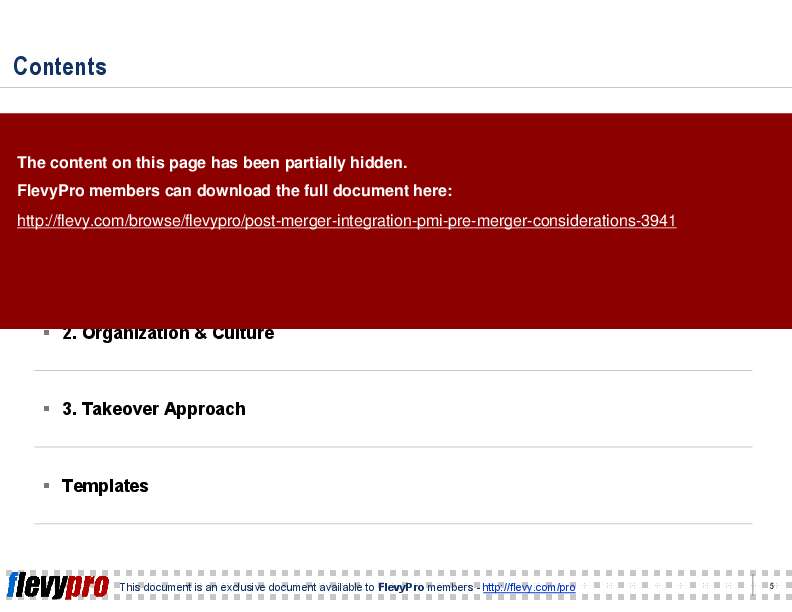
This PPT delves into the intricacies of pre-merger considerations, offering a comprehensive breakdown of strategic objectives, organizational culture, and takeover approaches. The detailed analysis of these elements ensures that leadership can navigate the complexities of M&A transactions with precision. The framework emphasizes the importance of aligning strategic goals with the overall vision of the organization, ensuring that the merger or acquisition contributes to long-term growth and stability.
The section on organizational culture highlights the significance of understanding and integrating the behavioral elements that drive a company's success. It covers six key dimensions, including organizational structures, reward systems, and management styles, providing a holistic view of how culture impacts the integration process. This thorough evaluation helps in mitigating potential cultural clashes and fostering a cohesive work environment post-merger.
The takeover approach is another critical aspect covered in this document. It outlines four different methodologies—Direct Hit, Hiatus, Deferred Decisions, and Quick and Unsympathetic Disposal—each with its own set of implications for the future relationship between the merging entities. By understanding these approaches, executives can make informed decisions that align with their strategic objectives and ensure a smoother transition during the integration phase.
This PPT slide outlines strategic objectives in mergers and acquisitions (M&As), categorizing them into 4 areas: reinforcement of a segment, extension in new geographies, expansion of product range, and acquisition of new capabilities.
Reinforcement of a segment focuses on maintaining a strong market position through mergers with rivals to achieve cost advantages. Extension in new geographies involves regional expansion to generate revenue and access investment opportunities, allowing organizations to compete in new markets.
Expansion of product range includes introducing new items within existing categories, such as line extensions or brand extensions, to capture additional market share.
Acquisition of new capabilities is a strategic motive for M&As, enabling companies to gain skills that are costly to develop independently, thereby enhancing corporate governance and maximizing sales potential.
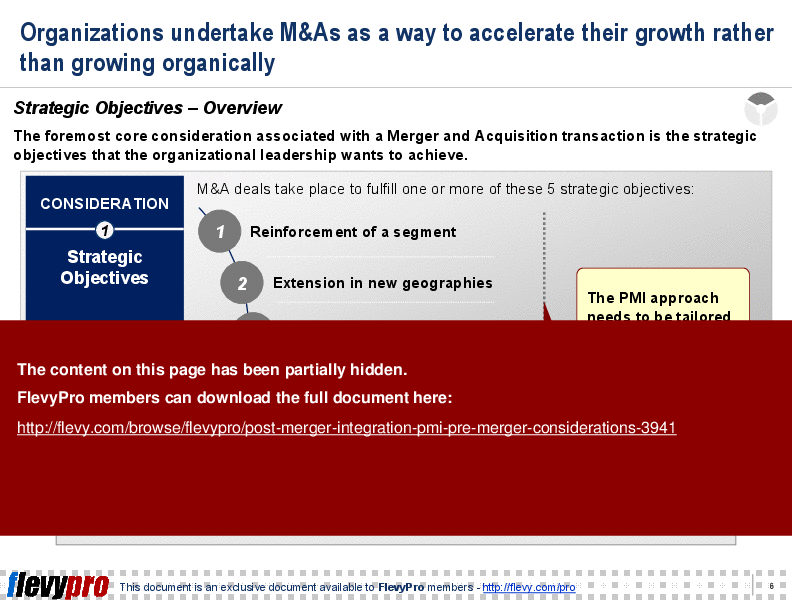
This PPT slide outlines strategic objectives in mergers and acquisitions (M&A). M&A is often pursued to accelerate growth beyond organic methods. Key objectives include: "Reinforcement of a segment," which involves acquiring competitors or complementary businesses to enhance market share; "Extension in new geographies," aimed at expanding operations into new regions for additional revenue streams; "Expansion of product range," broadening offerings to increase customer loyalty; "Acquisition of new capabilities," gaining essential skills or technologies for innovation; and "Venturing into a new domain," exploring new markets or industries for growth. A tailored post-merger integration (PMI) strategy is essential to realize the intended benefits of M&A.
This PPT slide addresses the impact of organizational and cultural differences in the M&A process, particularly during post-merger integration (PMI). Senior management must recognize these differences as potential barriers to successful M&A transactions. Small companies typically have an entrepreneurial culture with centralized decision-making, while larger corporations possess established formal structures. This disparity can create friction during acquisitions, leading to misunderstandings and resistance. Effective PMI strategies can mitigate these challenges by orienting employees from the acquired firm to the new corporate culture, allowing adaptation time. Proactively addressing cultural challenges within the PMI framework enhances integration and increases the likelihood of a successful merger.
This PPT slide analyzes 4 takeover approaches: Home run, Timeout, Adjourned game, and Short shrift. The Home run approach emphasizes immediate integration and collaborative management, with decisions made before closing. The Timeout approach involves joint integration planning, postponing decisions until after closing, reflecting a cautious management attitude. The Adjourned game focuses on structured integration with clear directives for Day Zero, prioritizing business stabilization, and involves a break between signing and closing. The Short shrift approach demands rapid integration and aggressive leadership, closing immediately after signing. Selecting the appropriate approach is critical for successful integration.
This framework is developed by a team of former McKinsey and Big 4 consultants. The presentation follows the headline-body-bumper slide format used by global consulting firms.
For $10.00 more, you can download this document plus 2 more FlevyPro documents. That's just $13 each.
ABOUT FLEVYPRO
This document is part of the FlevyPro Library, a curated knowledge base of documents for our FlevyPro subscribers.
FlevyPro is a subscription service for on-demand business frameworks and analysis tools. FlevyPro subscribers receive access to an exclusive library of curated business documents—business framework primers, presentation templates, Lean Six Sigma tools, and more—among other exclusive benefits.
The average daily rate of a McKinsey consultant is $6,625 (not including expenses). The average price of a Flevy document is $65.
Trusted by over 10,000+ Client Organizations
Since 2012, we have provided business templates to over 10,000 businesses and organizations of all sizes, from startups and small businesses to the Fortune 100, in over 130 countries.
"Last Sunday morning, I was diligently working on an important presentation for a client and found myself in need of additional content and suitable templates for various types of graphics. Flevy.com proved to be a treasure trove for both content and design at a reasonable price, considering the time I
saved. I encountered a download issue during the ordering process. However, a quick email to Flevy's support team, even on a Sunday (!!!), resulted in assistance within less than an hour, allowing me to download the content I needed. Fantastic job, Flevy! I give 5 stars for both content/price and customer service. Thank you!
"
– M. E., Chief Commercial Officer, International Logistics Service Provider
"[Flevy] produces some great work that has been/continues to be of immense help not only to myself, but as I seek to provide professional services to my clients, it gives me a large "tool box" of resources that are critical to provide them with the quality of service and outcomes they are expecting."
– Royston Knowles, Executive with 50+ Years of Board Level Experience
"FlevyPro has been a brilliant resource for me, as an independent growth consultant, to access a vast knowledge bank of presentations to support my work with clients. In terms of RoI, the value I received from the very first presentation I downloaded paid for my subscription many times over! The
quality of the decks available allows me to punch way above my weight – it's like having the resources of a Big 4 consultancy at your fingertips at a microscopic fraction of the overhead.
"
– Roderick Cameron, Founding Partner at SGFE Ltd
"Flevy is now a part of my business routine. I visit Flevy at least 3 times each month.
Flevy has become my preferred learning source, because what it provides is practical, current, and useful in this era where the business world is being rewritten.

many challenges and there is the need to make the right decisions in a short time, with so much scattered information, we are fortunate to have Flevy. Flevy investigates, selects, and puts at our disposal the best of the best to help us be successful in our work.
"
– Omar Hernán Montes Parra, CEO at Quantum SFE
"The wide selection of frameworks is very useful to me as an independent consultant. In fact, it rivals what I had at my disposal at Big 4 Consulting firms in terms of efficacy and organization."
– Julia T., Consulting Firm Owner (Former Manager at Deloitte and Capgemini)
"Flevy.com has proven to be an invaluable resource library to our Independent Management Consultancy, supporting and enabling us to better serve our enterprise clients.
The value derived from our [FlevyPro] subscription in terms of the business it has helped to gain far exceeds the investment made, making a subscription a no-brainer for any growing consultancy – or in-house strategy team."
– Dean Carlton, Chief Transformation Officer, Global Village Transformations Pty Ltd.
"Flevy is our 'go to' resource for management material, at an affordable cost. The Flevy library is comprehensive and the content deep, and typically provides a great foundation for us to further develop and tailor our own service offer."
– Chris McCann, Founder at Resilient.World
"If you are looking for great resources to save time with your business presentations, Flevy is truly a value-added resource. Flevy has done all the work for you and we will continue to utilize Flevy as a source to extract up-to-date information and data for our virtual and onsite presentations!"
Receive our FREE presentation on Operational Excellence
This 50-slide presentation provides a high-level introduction to the 4 Building Blocks of Operational Excellence. Achieving OpEx requires the implementation of a Business Execution System that integrates these 4 building blocks.
Receive our FREE presentation on Operational Excellence
Get Our FREE Product.
This 50-slide presentation provides a high-level introduction to the 4 Building Blocks of Operational Excellence. Achieving OpEx requires the implementation of a Business Execution System that integrates these 4 building blocks.