
This framework is developed by a team of former McKinsey and Big 4 consultants. The presentation follows the headline-body-bumper slide format used by global consulting firms.
Explore proven Performance Improvement frameworks crafted by ex-McKinsey and Big 4 consultants. Enhance organizational effectiveness with actionable insights. Performance Improvement is a 35-slide PPT PowerPoint presentation slide deck (PPTX) available for immediate download upon purchase.
A number of approaches have been developed over the years to enable employees to perform better in whatever endeavor they undertake.
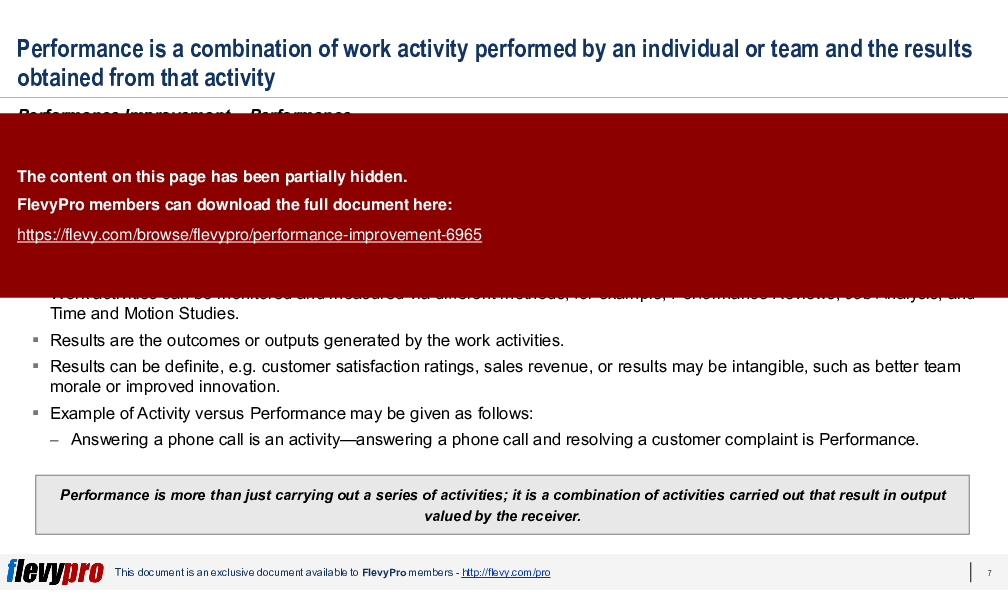
The organizational perspective on Performance emphasizes on the fact that the output which results from conducting a series of activities should be valued by the receiver. The are numerous methodologies and models over the years that focus on Performance Improvement within the business or organizational context.
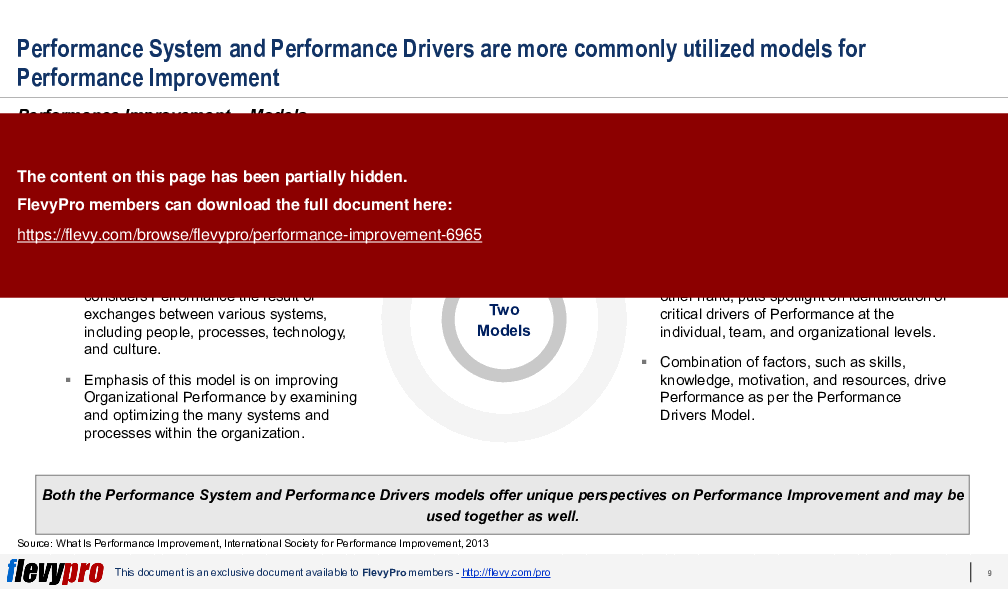
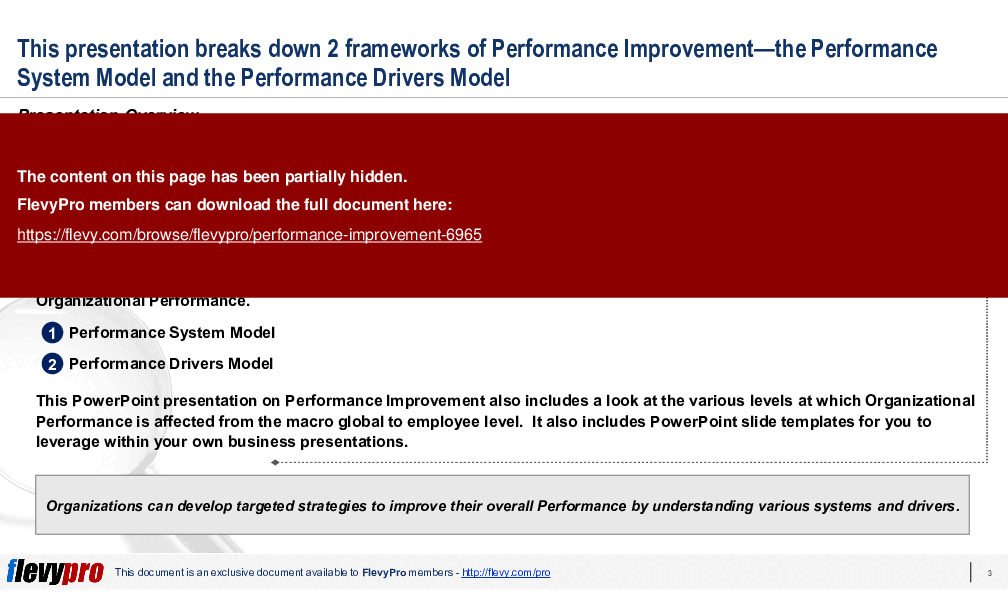
This PowerPoint presentation discusses at length 2 such Performance Improvement models that take distinctive approaches to improving Individual and Organizational Performance.
1. Performance System Model – The Performance System Model considers Performance the result of exchanges between various systems, including people, processes, technology, and culture. Emphasis of this model is on improving Organizational Performance by examining and optimizing the many systems and processes within the organization.
2. Performance Drivers Model – The Performance Drivers Model, on the other hand, puts spotlight on identification of critical drivers of Performance at the individual, team, and organizational levels. Combination of factors, such as skills, knowledge, motivation, and resources, drive Performance as per the Performance Drivers Model.
Organizations can develop targeted strategies to improve their overall Performance by understanding various systems and drivers. Both the Performance System and Performance Drivers Models offer unique perspectives on Performance Improvement.
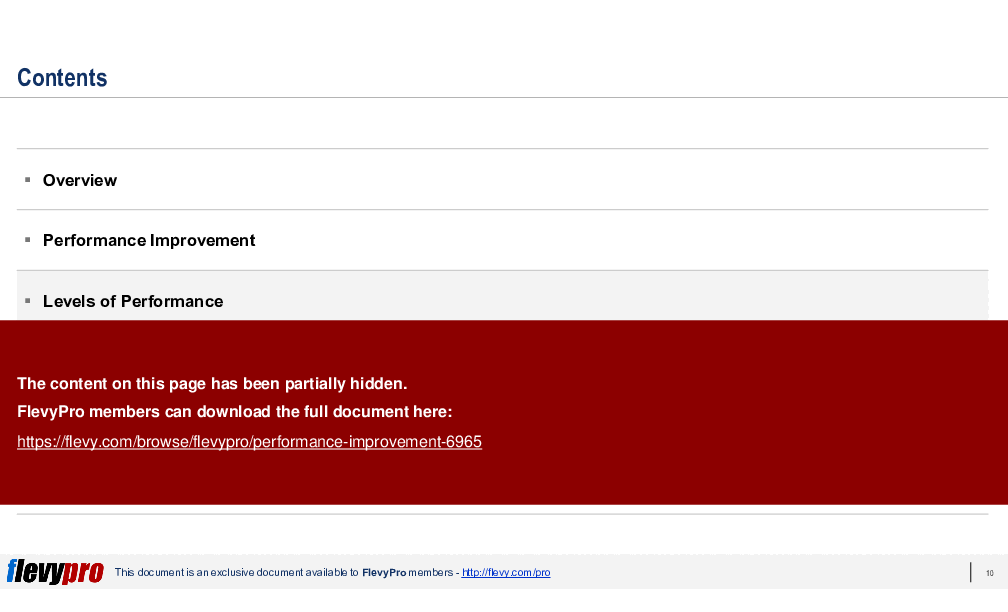
This PowerPoint presentation on Performance Improvement also includes a look at the various levels at which Organizational Performance is affected from the macro global to employee level. It also includes PowerPoint slide templates for you to leverage within your own business presentations.
This presentation also delves into the critical role of feedback in the Performance System Model, highlighting how both value and performance feedback loops are essential for continuous improvement. It emphasizes the importance of aligning inputs, processes, and outputs to adapt to varying conditions and enhance overall performance. The Performance Drivers Model is dissected to show how external and internal factors, such as resources and skills, influence performance outcomes. This PPT is an indispensable resource for executives seeking to implement robust performance improvement strategies within their organizations.
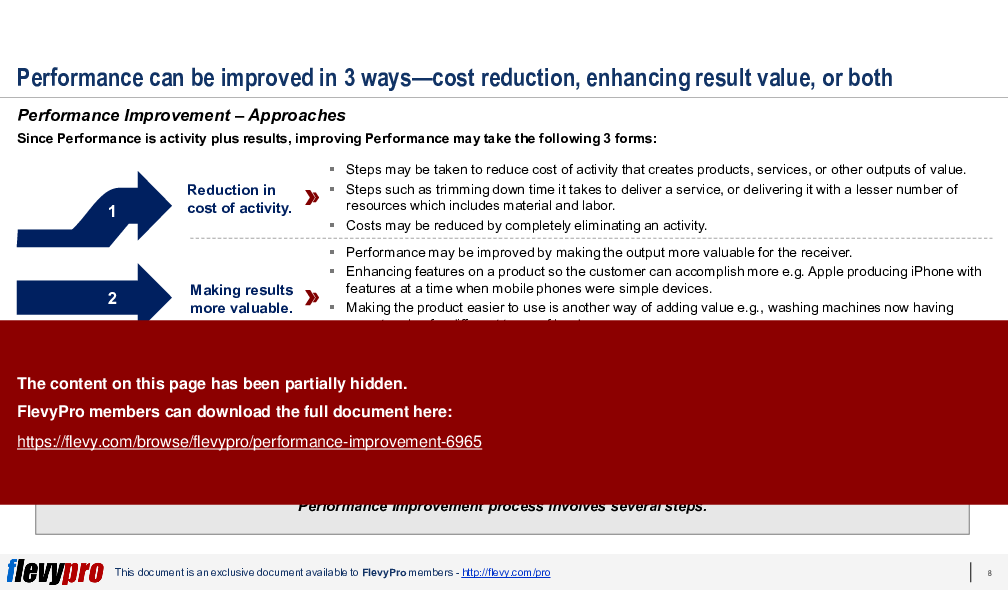
This PPT slide outlines 3 approaches to enhancing performance: cost reduction, value enhancement, and a combination of both. The first approach focuses on minimizing activity costs through strategies like reducing service delivery downtime and optimizing resource allocation. The second approach emphasizes increasing the perceived value of results, illustrated by technological advancements such as the iPhone's feature evolution and washing machines with preset cycles for improved usability. The third approach merges cost reduction with value enhancement, exemplified by banks introducing ATM machines, which cut labor costs while providing customer convenience. These strategies are essential for achieving operational excellence and customer satisfaction.
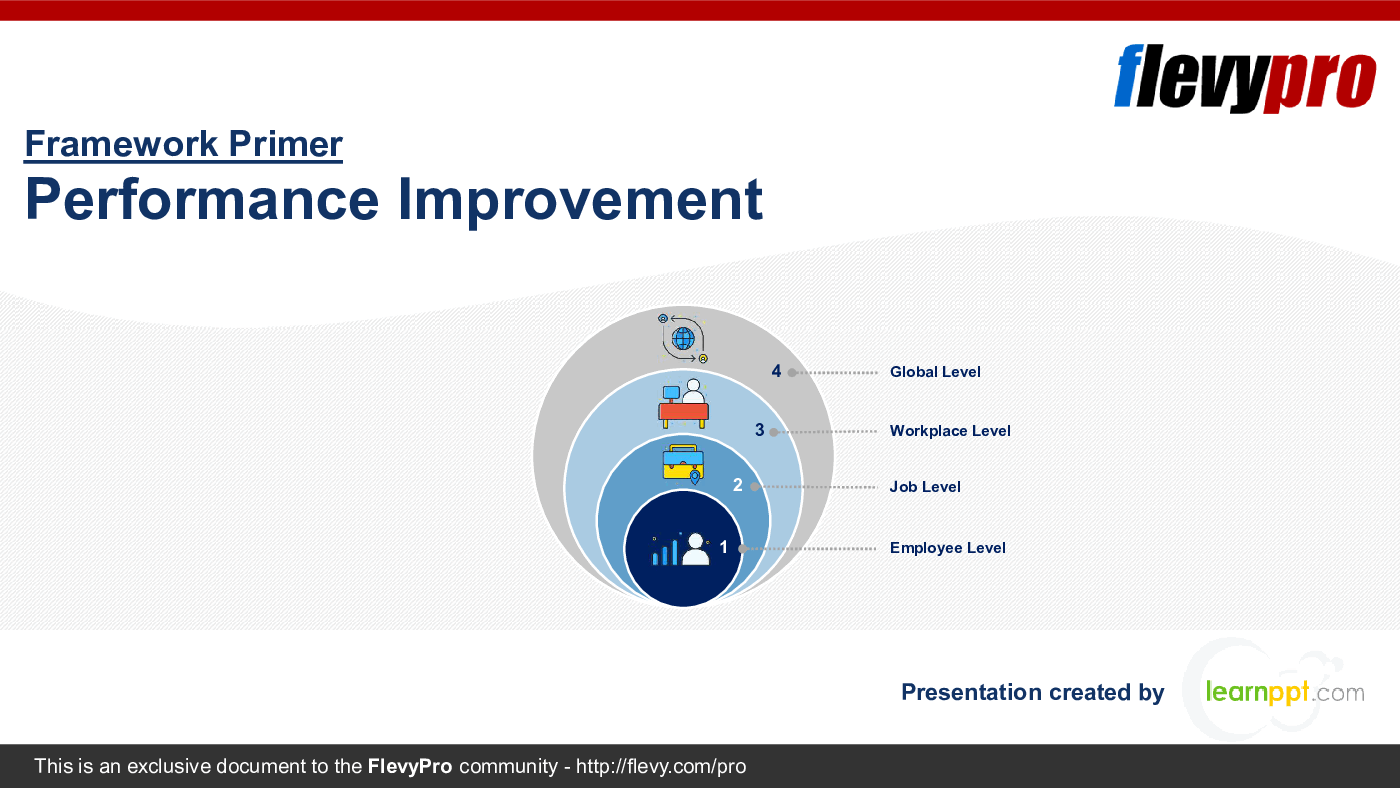
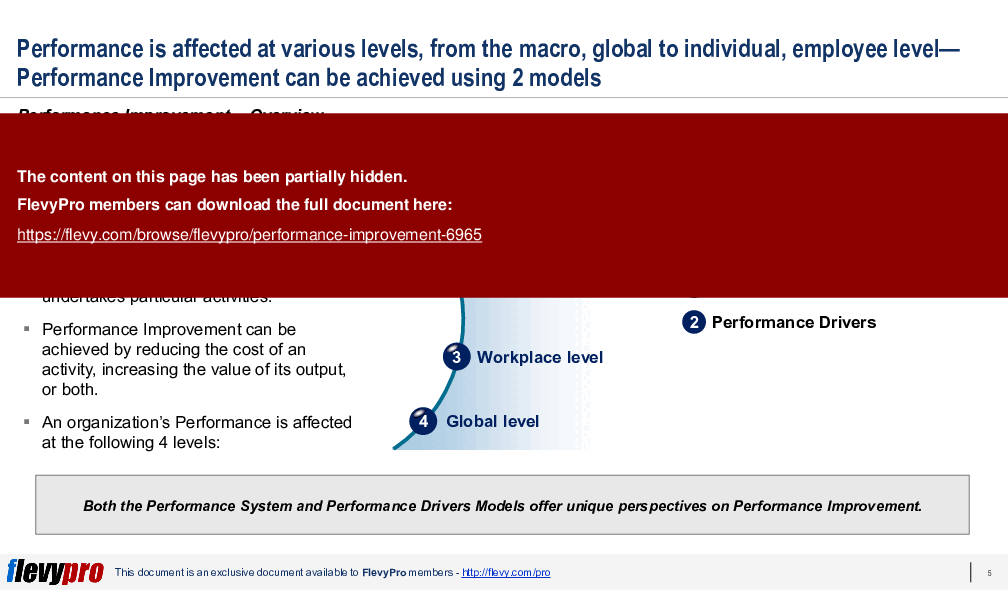
This PPT slide presents a framework for understanding organizational performance across 4 levels: Employee, Job, Workplace, and Global. The Employee Level emphasizes individual capabilities and engagement, while the Job Level focuses on specific roles and responsibilities. The Workplace Level encompasses the environment and culture, and the Global Level reflects broader organizational and market dynamics. Organizations often mistakenly prioritize improvements solely at the Employee Level, assuming that enhancing individual performance will lead to better overall results. This framework challenges that notion, highlighting the necessity of addressing all 4 levels to achieve meaningful performance improvement. Analyzing performance across these levels allows organizations to identify enhancement areas and implement targeted strategies for sustainable improvements.
This PPT slide outlines key elements of a performance system, categorizing components into Inputs, Conditions or Business Environment, Value Feedback, and Performance Feedback. Inputs include essential resources like data, materials, labor, time, and money, with quality and timeliness being critical for optimal performance outcomes. Conditions or Business Environment refers to external factors such as market demand and competition that impact performance, necessitating organizational adaptability. Value Feedback encompasses insights from stakeholders about the results produced, informing strategic adjustments and long-term planning through metrics like sales growth and customer churn. Performance Feedback involves internal assessments during work processes, focusing on quality control and resource allocation. Aligning inputs, processes, and outputs while adapting to conditions enhances organizational performance and supports continuous improvement.
This PPT slide presents 2 models for performance enhancement: the Performance System Model and the Performance Drivers Model. The Performance System Model focuses on the interconnectedness of organizational systems, emphasizing that performance arises from the interactions between people, processes, technology, and culture. It advocates for a holistic view to optimize internal systems. In contrast, the Performance Drivers Model identifies key performance drivers at individual, team, and organizational levels, highlighting skills, knowledge, motivation, and resources as critical factors. Both models provide frameworks for organizations to analyze internal dynamics and improve performance outcomes, catering to different aspects of performance enhancement.
The Performance System Model consists of 3 phases: Input, Process, and Output. The Input phase includes resources such as knowledge, skills, culture, and tools, along with external factors like government regulations, market trends, and economic conditions. The Process phase encompasses activities like communication, collaboration, and decision-making, which transform inputs into outputs, directly affecting organizational performance. The Output phase focuses on productivity, quality, and customer satisfaction, reflecting the effectiveness of inputs and processes. Feedback loops are essential for continuous improvement. This model provides a framework for understanding the interaction of internal processes and external conditions to enhance organizational performance and operational efficiency.
The Performance Drivers Model identifies factors influencing organizational and individual performance, categorized into internal and external groups. Internal factors include information (goals, guidelines, feedback), resources (materials, equipment, time, work process design), and incentives (non-financial rewards, performance-based compensation). External factors encompass skills, knowledge, capabilities, and motives, with sub-factors like know-how, experience, and training essential for skill development. Mental, physical, and emotional capacities are critical in capabilities, while motives highlight the importance of desire and willingness to engage in work. By addressing these drivers, organizations can enhance performance and achieve strategic goals, making this model a practical tool for diagnosing performance issues and implementing targeted improvements.
This framework is developed by a team of former McKinsey and Big 4 consultants. The presentation follows the headline-body-bumper slide format used by global consulting firms.
For $10.00 more, you can download this document plus 2 more FlevyPro documents. That's just $13 each.
ABOUT FLEVYPRO
This document is part of the FlevyPro Library, a curated knowledge base of documents for our FlevyPro subscribers.

FlevyPro is a subscription service for on-demand business frameworks and analysis tools. FlevyPro subscribers receive access to an exclusive library of curated business documents—business framework primers, presentation templates, Lean Six Sigma tools, and more—among other exclusive benefits.
The average daily rate of a McKinsey consultant is $6,625 (not including expenses). The average price of a Flevy document is $65.
Trusted by over 10,000+ Client Organizations
Since 2012, we have provided business templates to over 10,000 businesses and organizations of all sizes, from startups and small businesses to the Fortune 100, in over 130 countries.
"I am extremely grateful for the proactiveness and eagerness to help and I would gladly recommend the Flevy team if you are looking for data and toolkits to help you work through business solutions."
– Trevor Booth, Partner, Fast Forward Consulting
"One of the great discoveries that I have made for my business is the Flevy library of training materials.
As a Lean Transformation Expert, I am always making presentations to clients on a variety of topics: Training, Transformation, Total Productive Maintenance, Culture, Coaching, Tools, Leadership Behavior, etc. Flevy
It is well worth the money to purchase these presentations. Sure, I have the knowledge and information to make my point. It is another thing to create a presentation that captures what I want to say. Flevy has saved me countless hours of preparation time that is much better spent with implementation that will actually save money for my clients.
"
– Ed Kemmerling, Senior Lean Transformation Expert at PMG
"[Flevy] produces some great work that has been/continues to be of immense help not only to myself, but as I seek to provide professional services to my clients, it gives me a large "tool box" of resources that are critical to provide them with the quality of service and outcomes they are expecting."
– Royston Knowles, Executive with 50+ Years of Board Level Experience
"FlevyPro provides business frameworks from many of the global giants in management consulting that allow you to provide best in class solutions for your clients."
– David Harris, Managing Director at Futures Strategy
"As a young consulting firm, requests for input from clients vary and it's sometimes impossible to provide expert solutions across a broad spectrum of requirements. That was before I discovered Flevy.com.
Through subscription to this invaluable site of a plethora of topics that are key and crucial to consulting, I
have been able to exceed expectations and deliver quality advice and solutions to my clients. The quality and expertise of the authors are exemplary and gives me great confidence to use as part of my service offerings.
I highly recommend this company for any consultant wanting to apply international best practice standards in their service offerings.
"
– Nishi Singh, Strategist and MD at NSP Consultants
"As a small business owner, the resource material available from FlevyPro has proven to be invaluable. The ability to search for material on demand based our project events and client requirements was great for me and proved very beneficial to my clients. Importantly, being able to easily edit and tailor
the material for specific purposes helped us to make presentations, knowledge sharing, and toolkit development, which formed part of the overall program collateral. While FlevyPro contains resource material that any consultancy, project or delivery firm must have, it is an essential part of a small firm or independent consultant's toolbox.
"
– Michael Duff, Managing Director at Change Strategy (UK)
"The wide selection of frameworks is very useful to me as an independent consultant. In fact, it rivals what I had at my disposal at Big 4 Consulting firms in terms of efficacy and organization."
– Julia T., Consulting Firm Owner (Former Manager at Deloitte and Capgemini)
"Flevy.com has proven to be an invaluable resource library to our Independent Management Consultancy, supporting and enabling us to better serve our enterprise clients.
The value derived from our [FlevyPro] subscription in terms of the business it has helped to gain far exceeds the investment made, making a subscription a no-brainer for any growing consultancy – or in-house strategy team."
– Dean Carlton, Chief Transformation Officer, Global Village Transformations Pty Ltd.
Download our free compilation of 50+ Strategy & Transformation slides and templates. Frameworks include McKinsey 7-S, Balanced Scorecard, Disruptive Innovation, BCG Curve, and many more.