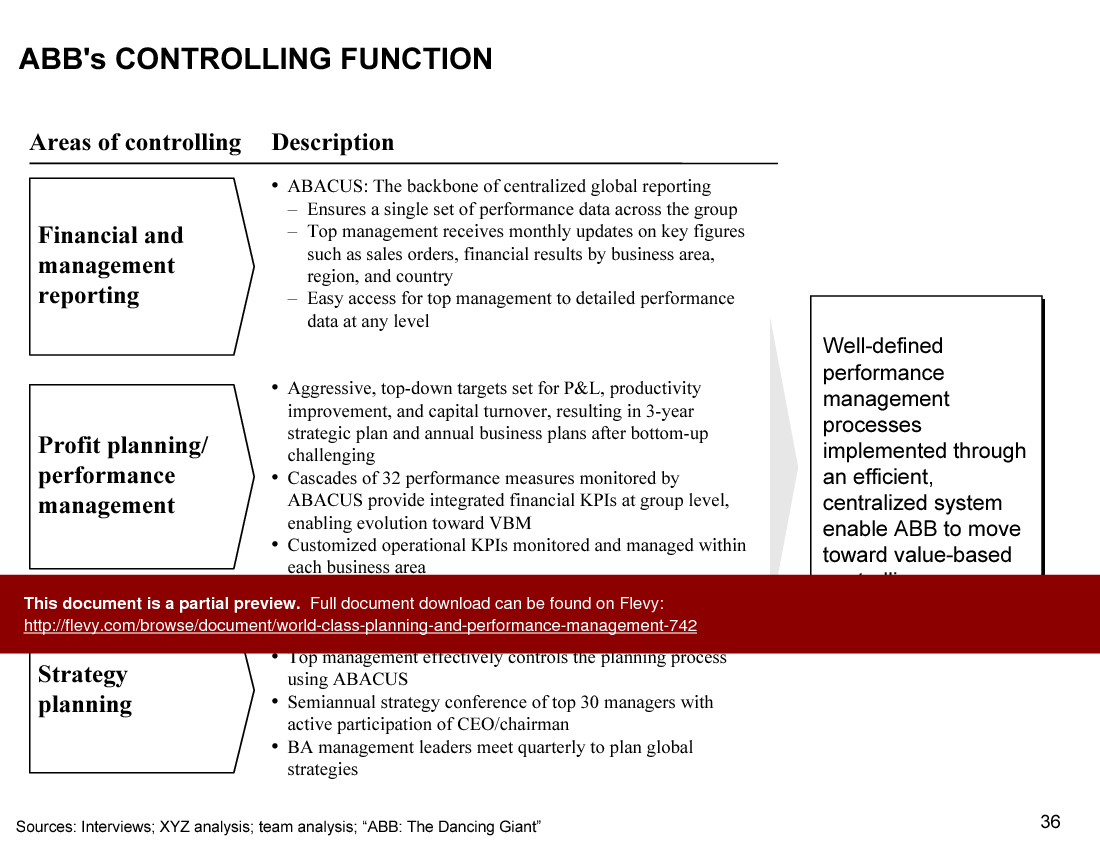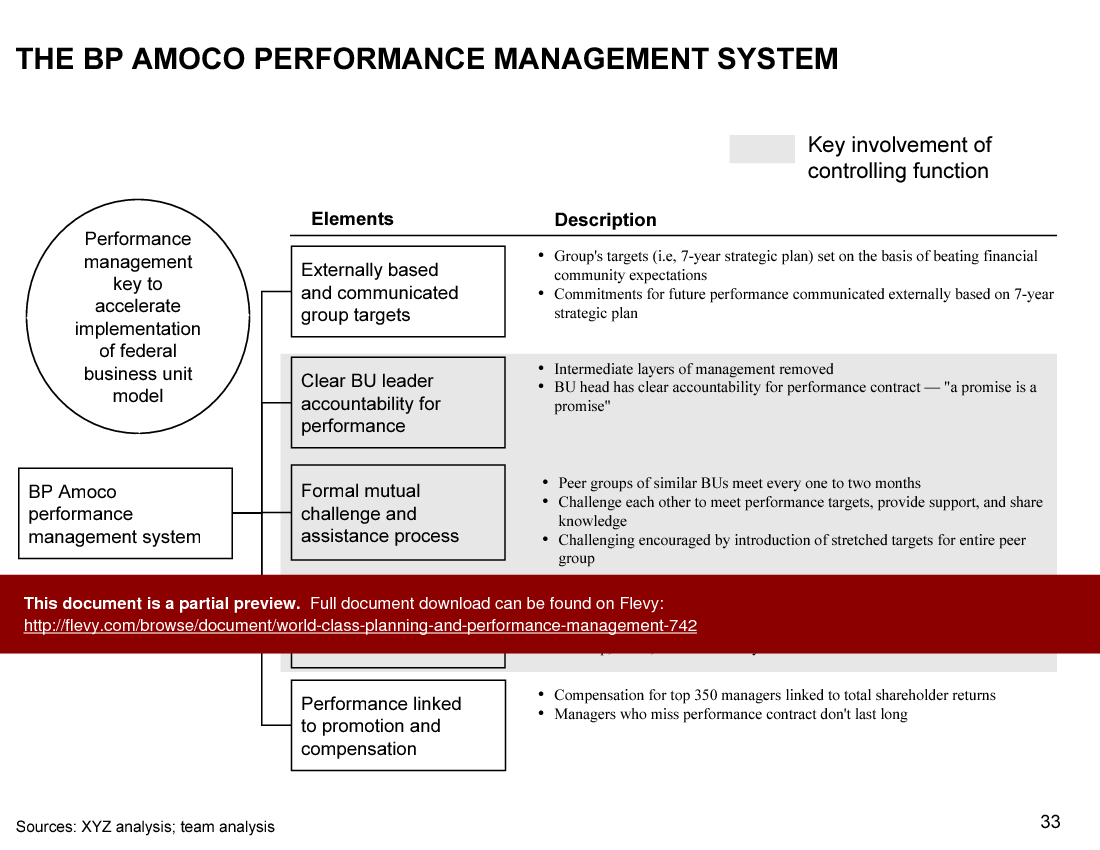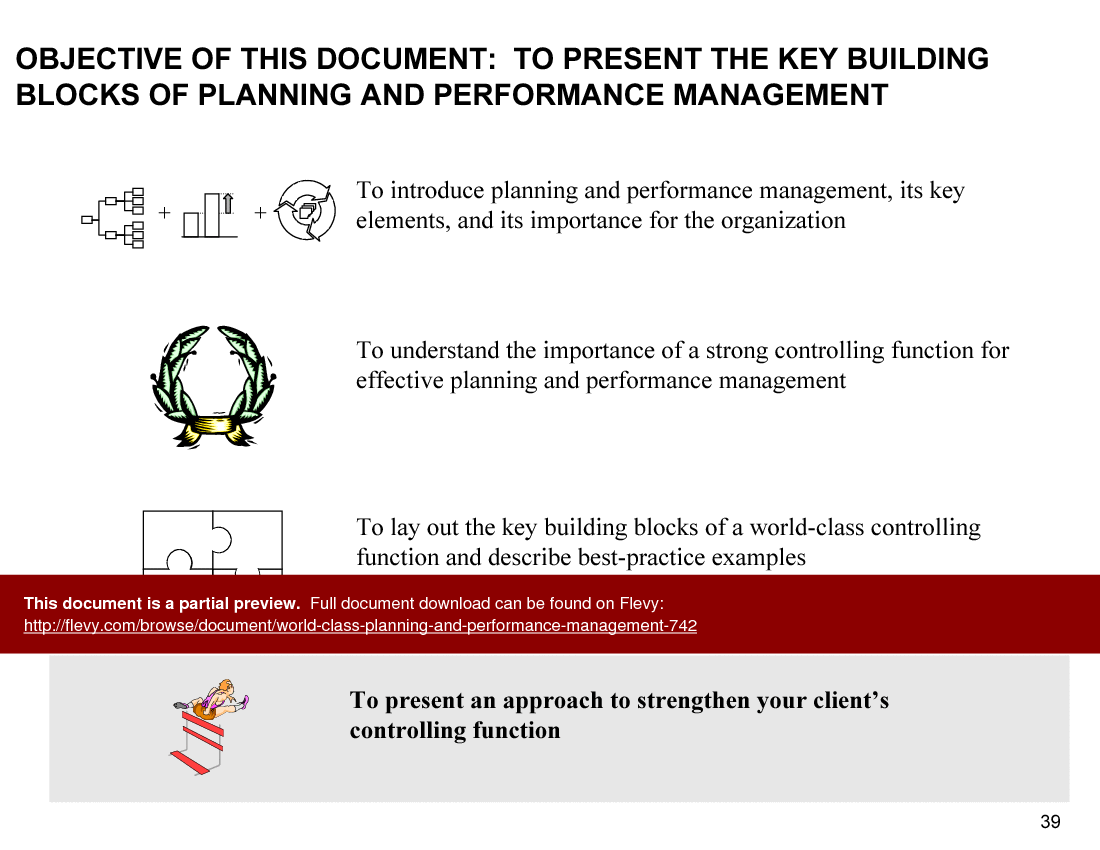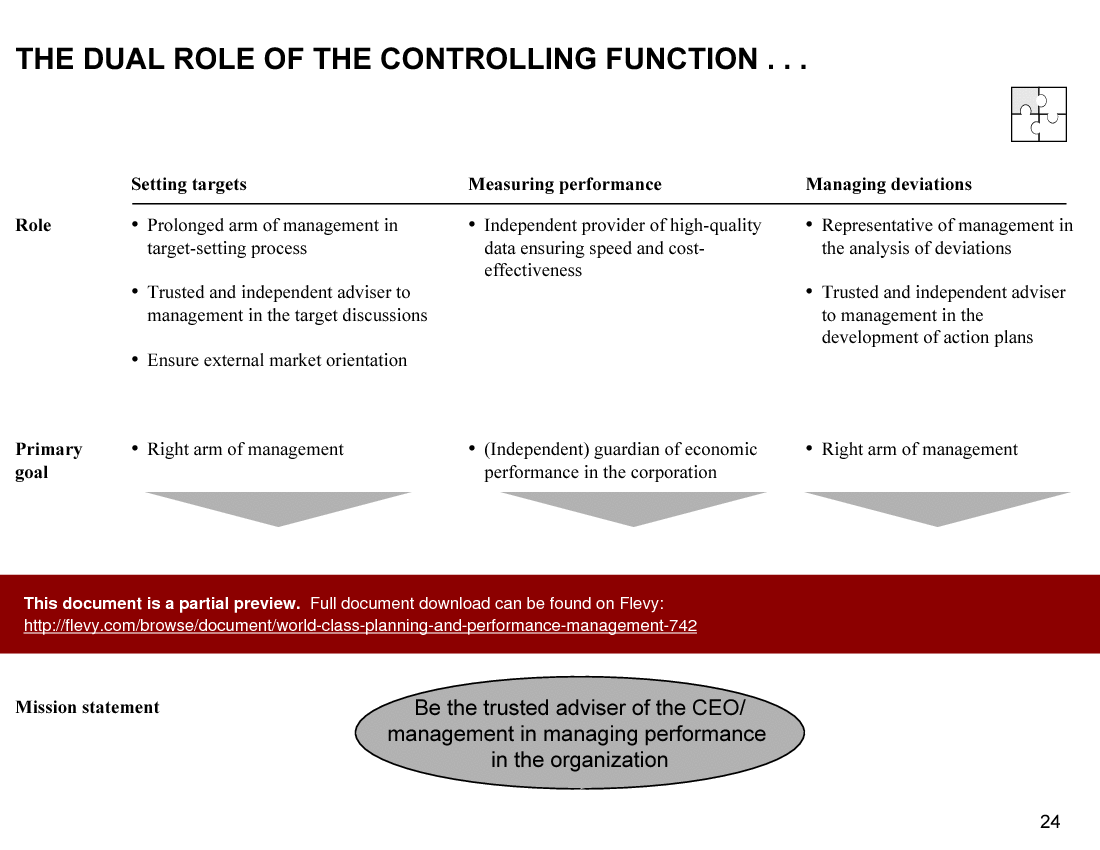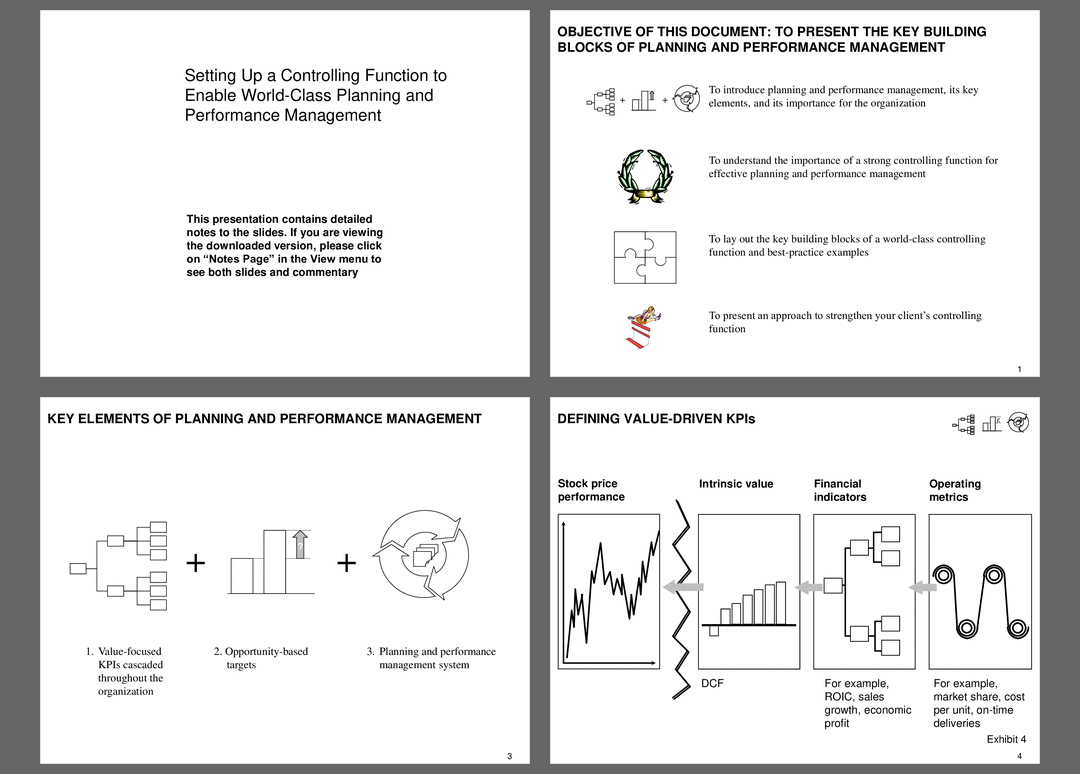
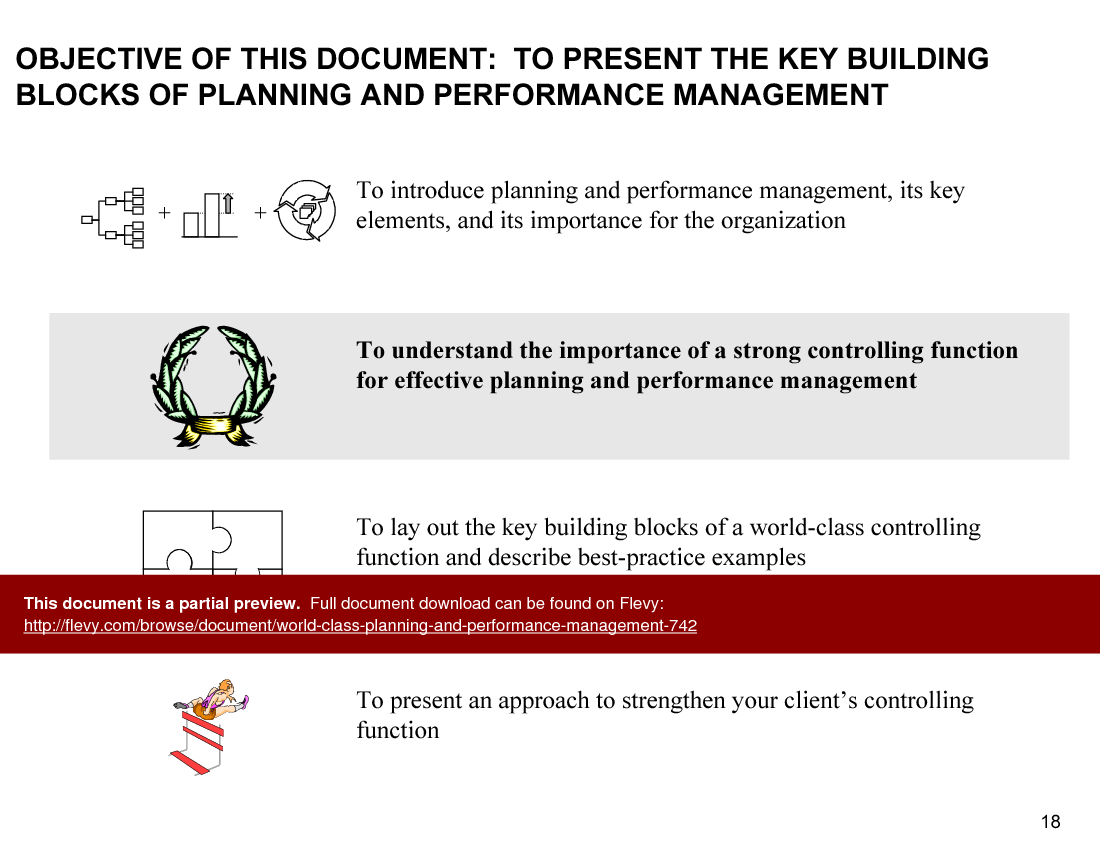
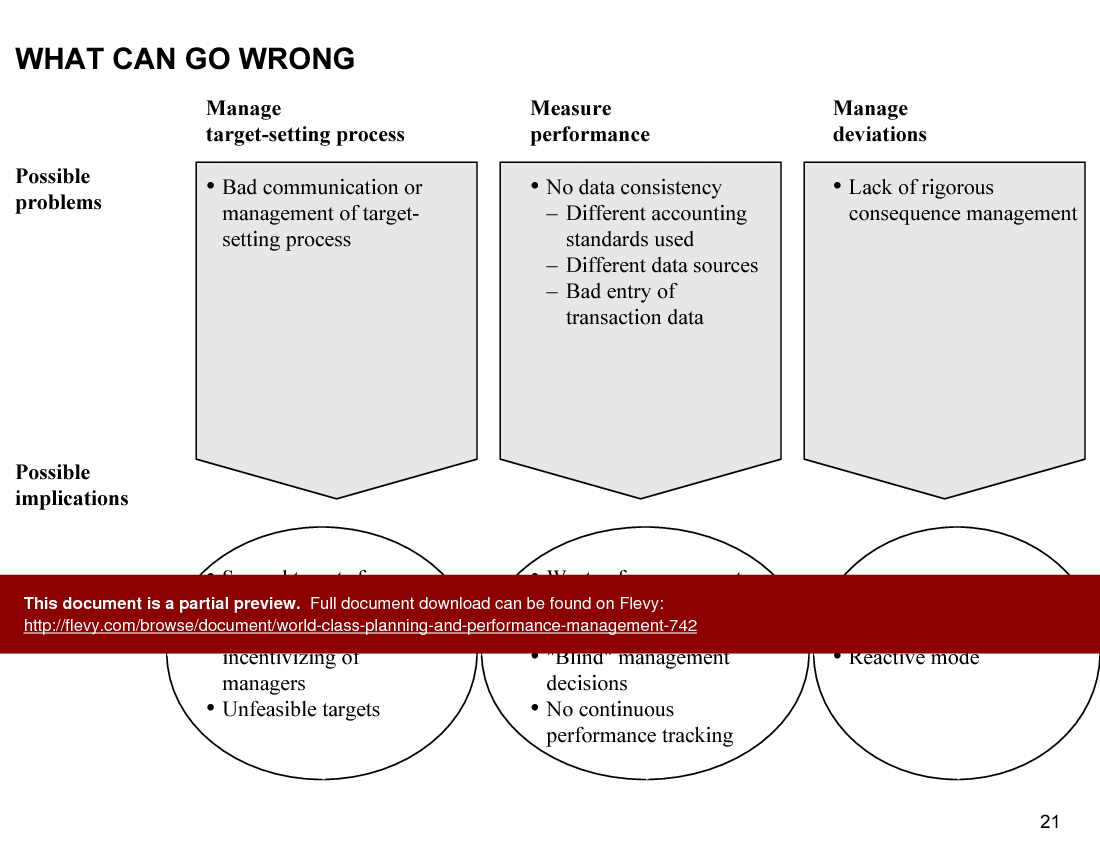

This presentation is to introduce planning and performance management, its key elements, and its importance for the organization. In addition, it outlines the importance of a strong controlling function for effective planning and performance management. The document also lays out the key building blocks of a world-class controlling function and best-practice examples, and presents an approach to strengthen your controlling function. The deck has 42 slides and contains detailed notes to the slides.
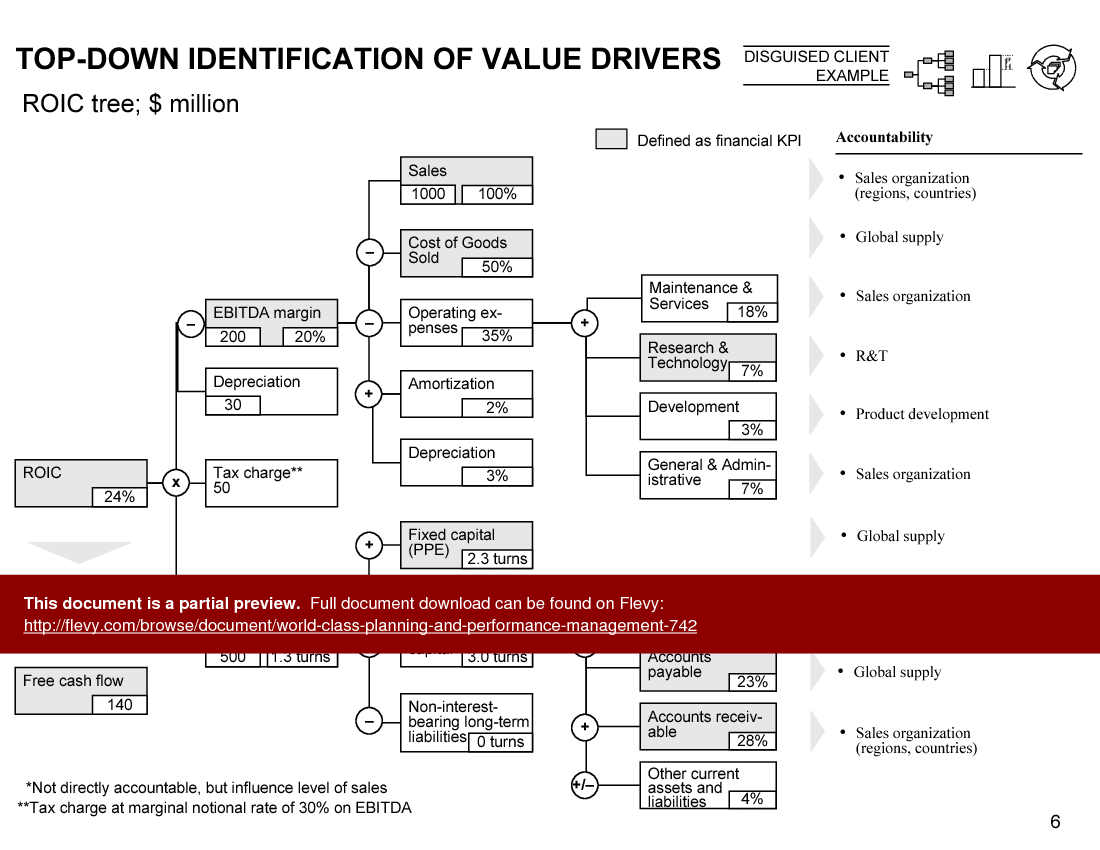
This comprehensive presentation delves into the top-down identification of value drivers, providing a detailed ROIC tree to help you pinpoint key financial KPIs. It emphasizes accountability across various organizational levels, ensuring that every department contributes to the overall financial health. This approach not only clarifies roles, but also aligns incentives with performance, driving a culture of accountability and excellence.
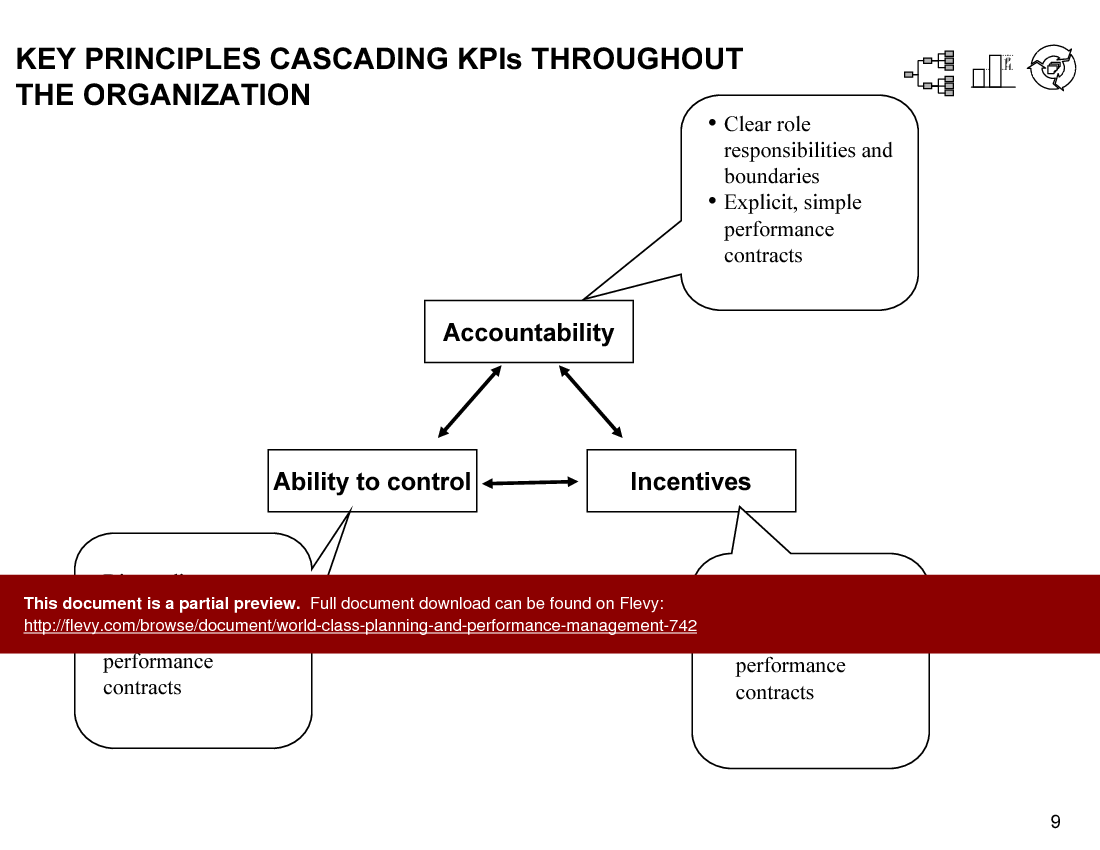
Key principles for cascading KPIs throughout the organization are meticulously outlined. The document stresses the importance of clear role responsibilities and boundaries, coupled with explicit and simple performance contracts. This ensures that every team member understands their contribution to the company's success, fostering a unified effort towards common goals.
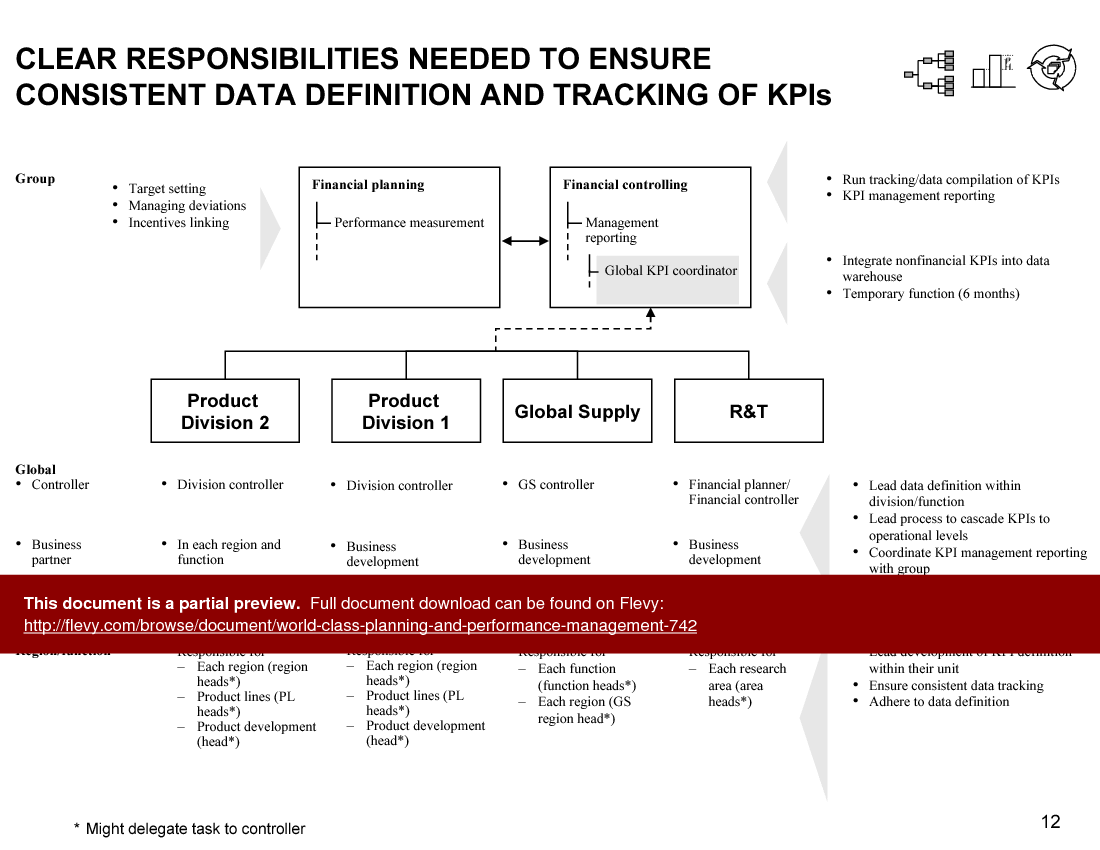
The presentation also highlights the critical responsibilities needed to ensure consistent data definition and tracking of KPIs. It provides a structured approach to financial planning and controlling, integrating nonfinancial KPIs into the data warehouse. This holistic view of performance management enables a more accurate and comprehensive assessment of the organization's health.
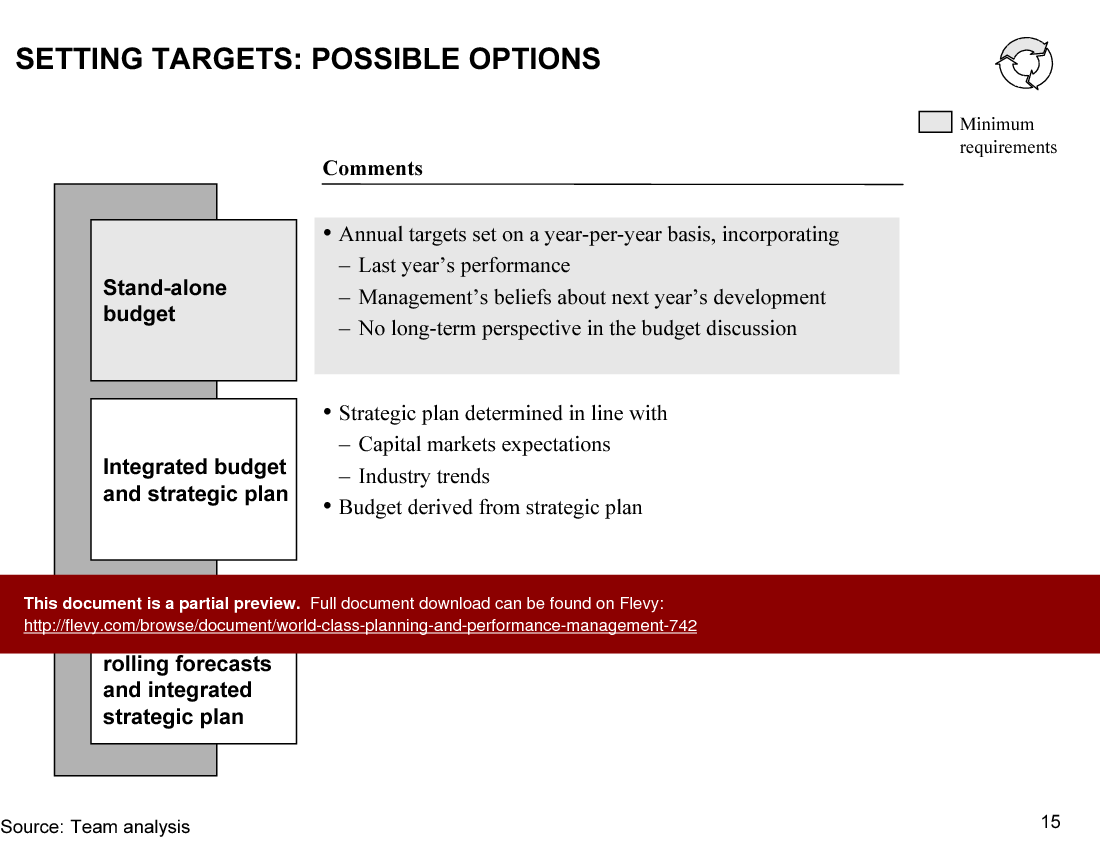
Setting targets is another crucial aspect covered in this document. It explores various options, from stand-alone budgets to integrated strategic plans, and rolling forecasts. This flexibility allows organizations to choose the most suitable approach based on their unique needs and market conditions. The emphasis on aligning strategic plans with capital market expectations and industry trends ensures that your organization remains competitive and forward-thinking.
Got a question about the product? Email us at support@flevy.com or ask the author directly by using the "Ask the Author a Question" form. If you cannot view the preview above this document description, go here to view the large preview instead.
Executive Summary
This presentation outlines the essential components of establishing a world-class controlling function to enhance planning and performance management, reflecting the rigor expected from a McKinsey, Bain, or BCG-quality framework (consulting-grade; not affiliated). It aims to equip executives with the knowledge to implement value-driven KPIs, set opportunity-based targets, and manage performance effectively. By leveraging best practices, organizations can strengthen their controlling function, ensuring accountability and alignment across all levels.
Who This Is For and When to Use
• Corporate executives overseeing strategic planning and performance management
• Finance leaders responsible for KPI development and performance tracking
• Consultants advising organizations on enhancing their controlling functions
• Integration leaders focused on aligning performance metrics with business objectives
Best-fit moments to use this deck:
• During strategic planning sessions to define KPIs and performance targets
• When establishing or refining a controlling function within an organization
• In workshops aimed at enhancing accountability and performance tracking
Learning Objectives
• Define the key elements of planning and performance management
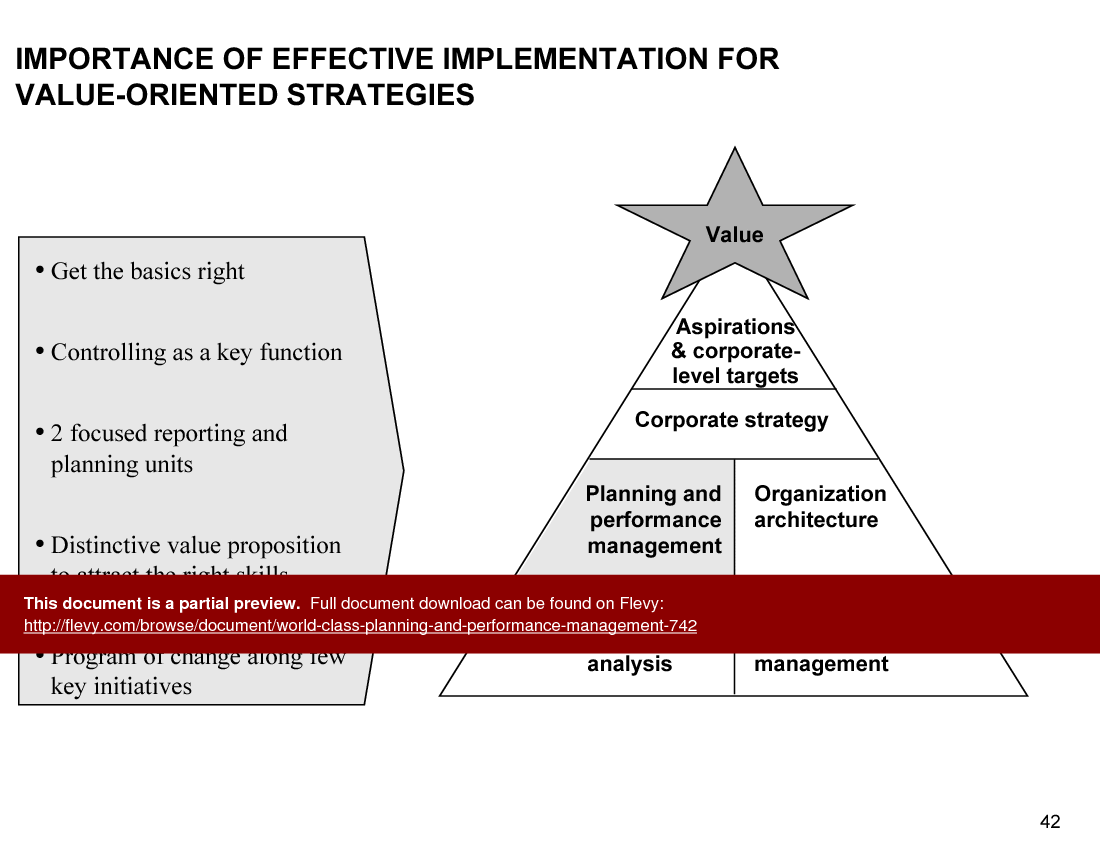
• Build a robust controlling function that supports effective decision-making
• Establish value-driven KPIs that align with organizational goals
• Implement opportunity-based targets to drive performance
• Measure performance consistently across all business units
• Manage deviations effectively to ensure continuous improvement
Table of Contents
• Introduction to Planning and Performance Management (page 1)
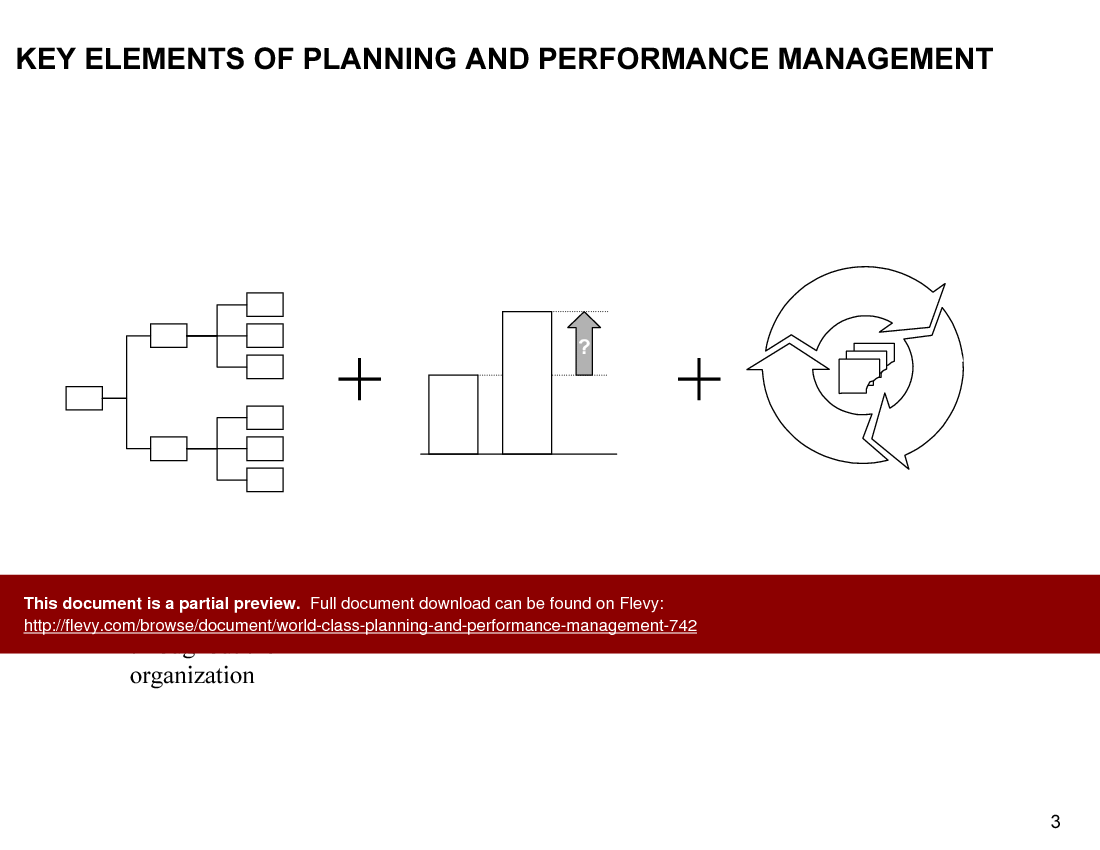
• Key Elements of Planning and Performance Management (page 3)
• Defining Value-Driven KPIs (page 4)
• Approach for Overall KPI Implementation (page 5)
• Top-Down Identification of Value Drivers (page 6)
• Template for KPI Definition (page 7)
• Cascading KPIs from Group to Operations (page 8)
• Key Principles for Cascading KPIs (page 9)
• Proposed Group KPIs (page 10)
• Focus Implementation on Critical KPIs (page 11)
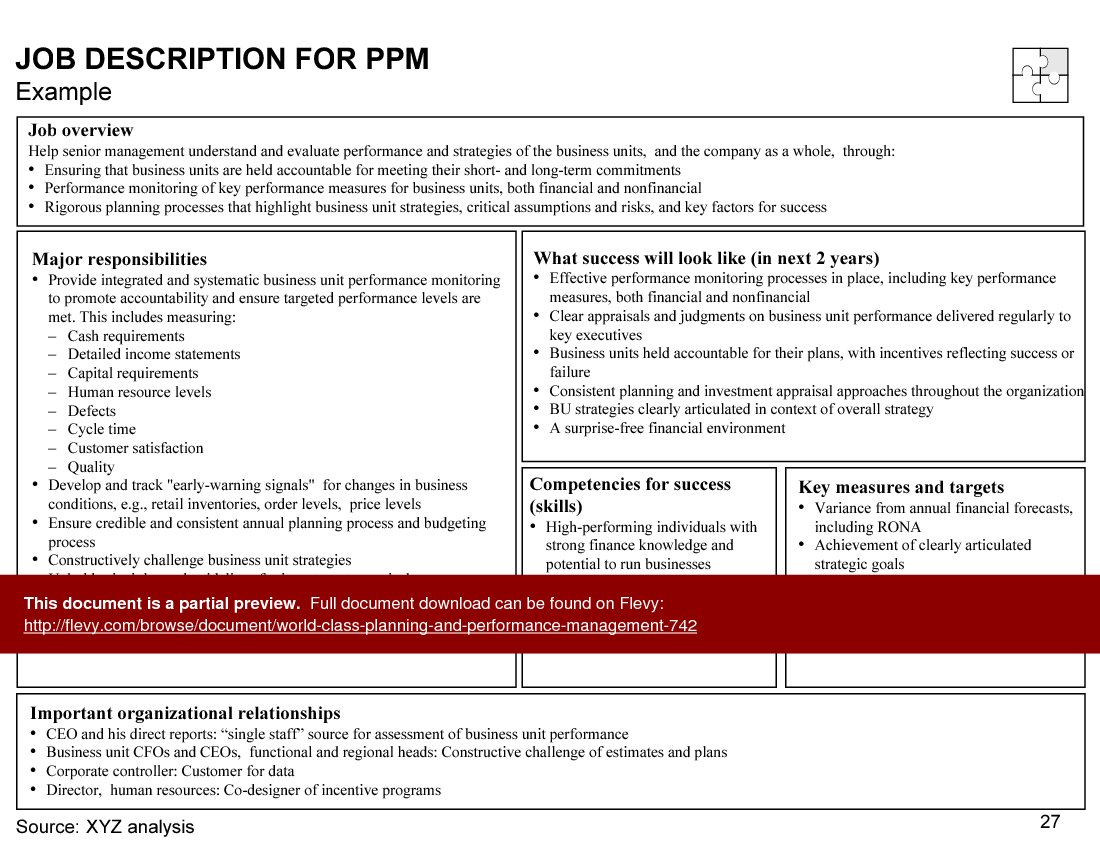
• Clear Responsibilities for KPI Tracking (page 12)
• Key Aspects of Setting Opportunity-Based Targets (page 13)
• Role of the Controlling Function (page 19)
• Key Building Blocks of a World-Class Controlling Function (page 23)
• Implementation Challenges (page 41)
Primary Topics Covered
• Value-Driven KPIs - KPIs that focus on financial performance, such as ROIC and sales growth, are essential for aligning organizational objectives with market expectations.
• Opportunity-Based Targets - Targets that are based on market opportunities and competitive analysis help organizations set realistic and ambitious performance goals.
• KPI Implementation Process - A structured approach to defining, cascading, and tracking KPIs ensures consistency and accountability across the organization.
• Performance Measurement - Regular tracking of performance against established KPIs allows for timely corrective actions and strategic adjustments.
• Managing Deviations - Identifying and analyzing deviations from targets enables organizations to implement corrective measures effectively.
• Role of the Controlling Function - The controlling function serves as a critical advisor to management, ensuring that performance management processes are aligned with strategic goals.
Deliverables, Templates, and Tools
• KPI definition template for consistent measurement and tracking
• Cascading KPI framework to ensure alignment from group to operational levels
• Performance measurement dashboards for real-time tracking of KPIs
• Action plans for managing deviations and implementing corrective measures
• Best practice examples for KPI implementation and performance management
• Training materials for developing skills within the controlling function
Slide Highlights
• Overview of key elements in planning and performance management
• Framework for defining and cascading KPIs throughout the organization
• Visual representation of the top-down identification of value drivers
• Template for KPI definition to standardize measurement practices
• Proposed group KPIs aligned with organizational objectives
• Implementation challenges and strategies for overcoming them
Potential Workshop Agenda
KPI Development Workshop (90 minutes)
• Discuss the importance of value-driven KPIs and opportunity-based targets
• Define and cascade KPIs across the organization
• Develop action plans for KPI tracking and performance measurement
Controlling Function Enhancement Session (60 minutes)
• Review the role of the controlling function in performance management
• Identify best practices for managing deviations and ensuring accountability
• Create a roadmap for implementing changes within the controlling function
Customization Guidance
• Tailor KPI definitions to align with specific organizational goals and market conditions
• Adjust the cascading framework to fit the unique structure of your organization
• Incorporate industry-specific benchmarks and performance metrics into the KPI framework
Secondary Topics Covered
• Financial and non-financial KPIs for comprehensive performance measurement
• Best practices for integrating non-financial KPIs into management reporting
• Strategies for fostering a finance-oriented corporate culture
• Importance of clear communication in the target-setting process
• Role of training and development in enhancing the controlling function
FAQ
What are the key elements of a world-class controlling function?
A world-class controlling function includes clear roles and responsibilities, effective processes for KPI definition and tracking, and strong alignment with organizational goals.
How can we ensure consistency in KPI tracking across the organization?
Establish uniform accounting standards and a centralized data management system to ensure that all business units track KPIs consistently.
What is the role of opportunity-based targets in performance management?
Opportunity-based targets help organizations set realistic performance goals based on market conditions and competitive analysis, driving accountability and focus.
How do we manage deviations effectively?
Implement a structured process for identifying, analyzing, and addressing deviations from targets to ensure continuous improvement and alignment with strategic goals.
What training is necessary for enhancing the controlling function?
Training should focus on KPI development, performance measurement techniques, and effective communication strategies to ensure that all team members are aligned with organizational objectives.
How can we align KPIs with compensation?
Link performance contracts to KPIs to ensure that compensation is tied to the achievement of strategic goals, fostering accountability throughout the organization.
What are the common pitfalls in KPI implementation?
Common pitfalls include unclear definitions, lack of buy-in from stakeholders, and inconsistent tracking methods, all of which can undermine the effectiveness of the performance management system.
How often should KPIs be reviewed and updated?
KPIs should be reviewed regularly, at least annually, to ensure they remain relevant and aligned with changing organizational goals and market conditions.
Glossary
• KPI - Key Performance Indicator; a measurable value that demonstrates how effectively an organization is achieving key business objectives.
• Controlling Function - A management function that focuses on monitoring and managing performance against established targets.
• Performance Management - The process of ensuring that organizational goals are consistently being met in an effective and efficient manner.
• Opportunity-Based Targets - Performance targets set based on market opportunities and competitive analysis.
• Value-Driven KPIs - KPIs that focus on financial performance and value creation for stakeholders.
• Cascading KPIs - The process of aligning KPIs from the top level of the organization down to individual departments and teams.
• Deviation Management - The practice of identifying and addressing discrepancies between actual performance and established targets.
• Financial Metrics - Quantitative measures used to assess the financial performance of an organization.
• Non-Financial Metrics - Qualitative measures that assess aspects of performance not directly related to financial outcomes.
• Benchmarking - The process of comparing business processes and performance metrics to industry bests and best practices from other companies.
• Action Plan - A detailed plan outlining actions needed to achieve specific goals or objectives.
• Performance Contract - An agreement that links individual or team performance to specific KPIs and outcomes.
• Data Management System - A system used to collect, store, and manage data for reporting and analysis.
• Accountability - The obligation of individuals or teams to report on their performance and take responsibility for their actions.
• Performance Tracking - The ongoing process of monitoring performance against established KPIs.
• Strategic Planning - The process of defining an organization's strategy or direction and making decisions on allocating resources to pursue this strategy.
• Financial Reporting - The process of producing statements that disclose an organization's financial status to management, investors, and regulators.
• Corporate Governance - The system of rules, practices, and processes by which a firm is directed and controlled.
• Management Reporting - The process of providing management with information to assist in decision-making and performance evaluation.
• Integrated Planning - A holistic approach to planning that aligns financial and operational objectives across the organization.
• Performance Measurement - The process of evaluating the efficiency and effectiveness of action.
Source: Best Practices in Strategic Planning, Performance Management PowerPoint Slides: World Class Planning & Performance Management PowerPoint (PPT) Presentation Slide Deck, Documents & Files
|
Download our FREE Strategy & Transformation Framework Templates
Download our free compilation of 50+ Strategy & Transformation slides and templates. Frameworks include McKinsey 7-S, Balanced Scorecard, Disruptive Innovation, BCG Curve, and many more. |