
This framework is developed by a team of former McKinsey and Big 4 consultants. The presentation follows the headline-body-bumper slide format used by global consulting firms.
Editor Summary
Maintaining Energy-to-Change is a 21-slide PowerPoint from LearnPPT Consulting that explains how to create and sustain organizational willingness, motivation, and energy to drive transformation.
Read moreThe deck describes 9 driving elements grouped into 3 pillars (Key Restraints, Ways to Release Restraints, Ways to Boost Energy), contrasts rational and emotional energy-to-change, and outlines a clear change story (burning platform, strategic direction, initial roadmap). Includes reusable slide templates and is sold as a digital download on Flevy.
Use this deck when an organization faces large-scale transformation or frequent strategic redirection and needs to establish and sustain momentum across the change program.
Senior leaders crafting the change story by defining the burning platform, strategic direction, and an initial roadmap to align stakeholders.
Transformation program leads structuring the initiative to identify and remove restraints such as uncertainty and unclear frameworks.
HR or change managers designing communications and interventions to build trust and emotional commitment among employees.
Line managers maintaining team spirit and addressing resistance during rollout through reassurance and structured guidance.
The 3-pillar, elementized approach emphasizes both the rational case and emotional engagement, reflecting stage-based change management practice.
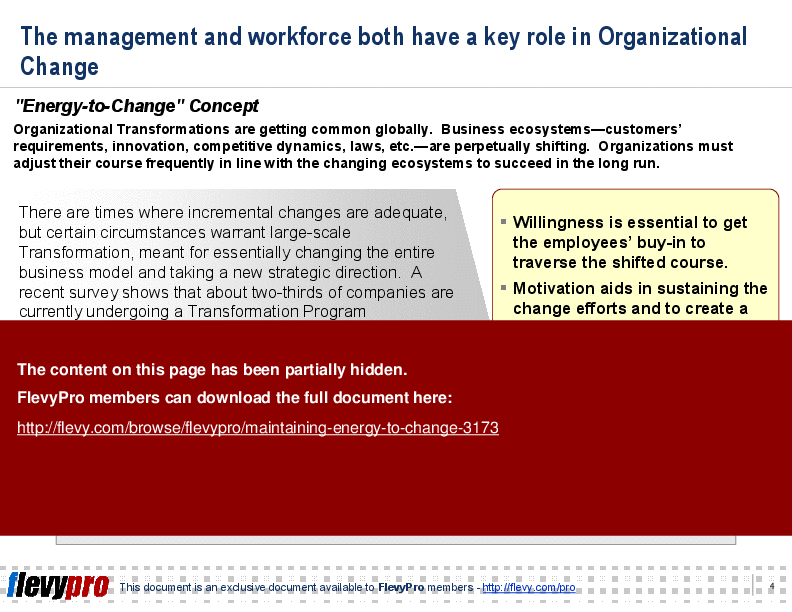
Business Transformations can be seen globally. Business ecosystems—customers' requirements, innovation, competitive dynamics, laws, etc.—are perpetually shifting. Organizations must adjust their course frequently in line with the changing ecosystems to succeed in the long run. There are times where incremental changes are adequate, but certain circumstances warrant large-scale Transformation, meant for essentially changing the entire business model and taking a new strategic direction.
Transformation initiatives profoundly depend on the organization's "Energy-to-Change." The Energy-to-Change is described as the willingness, motivation, and the energy to drive change. To enable successful organizational change, Leadership needs to understand how to inspire and retain Energy-to-Change throughout the Transformation effort. In fact, managing employees' "Energy-to-Change" is vital for a successful Organizational Transformation.
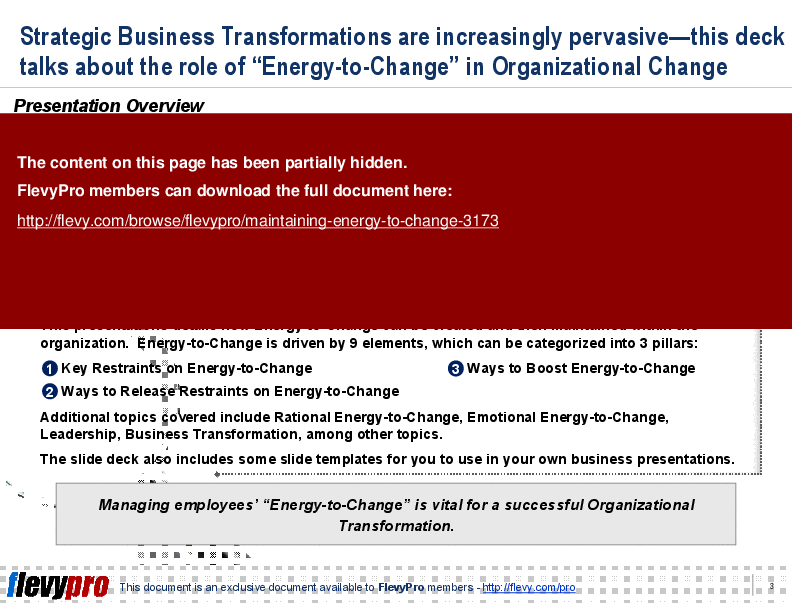
This presentations details how Energy-to-Change can be created and then maintained within the organization. Energy-to-Change is driven by 9 elements, which can be categorized into 3 pillars:
1. Key Restraints on Energy-to-Change
2. Ways to Release Restraints on Energy-to-Change
3. Ways to Boost Energy-to-Change
Additional topics covered include Rational Energy-to-Change, Emotional Energy-to-Change, Leadership, Business Transformation, among other topics.
The slide deck also includes some slide templates for you to use in your own business presentations.
This presentation delves into the critical role of both rational and emotional aspects in driving Energy-to-Change. It emphasizes the necessity of a clear-cut change story, which includes a burning platform, strategic direction, and an initial roadmap. The rational side focuses on understanding the need, desired future, and next steps, while the emotional side aims to foster trust and inspire employees to support the change.
Leaders are provided with actionable strategies to manage and overcome key restraints on Energy-to-Change, such as uncertainty, unclear frameworks, and resistance from transformation opponents. The PPT outlines methods to provide reassurance, structure the transformation initiative, and foster team spirit. This comprehensive guide equips leaders with the tools to sustain momentum and drive successful organizational transformation.
What does "Energy-to-Change" mean in organizational change work?
Energy-to-Change is defined as the organization's willingness, motivation, and energy to drive change; it matters because transformation success depends on sustaining those attitudes and behaviors. The concept is described as consisting of 3 components: willingness, motivation, and energy to drive change.
What are the core pillars to focus on when trying to sustain change momentum?
The framework groups influencing factors into 3 pillars: Key Restraints on Energy-to-Change, Ways to Release Restraints, and Ways to Boost Energy-to-Change. Change efforts should diagnose restraints, apply release mechanisms, and deploy boosting activities across these 3 pillars.
How do rational and emotional elements contribute differently to change adoption?
Rational energy centers on explaining the need, desired future state, and concrete next steps—forming the logical change story—while emotional energy focuses on building trust and inspiring people to support the change. The deck highlights both sides, including the need, desired future, and next steps as rational elements.
What common restraints typically reduce an organization’s Energy-to-Change?
Examples of restraints cited include uncertainty about outcomes, unclear frameworks for the transformation, and active resistance from opponents of change. The presentation recommends diagnosing these restraints as part of the initial assessment and addressing them with reassurance and structure.
What should I look for when selecting a slide deck or template to support a transformation program?
Look for content that helps craft a clear change story (burning platform, strategic direction, initial roadmap), addresses both rational and emotional engagement, and provides reusable presentation templates and guidance for leaders. Flevy's Maintaining Energy-to-Change specifically documents 9 elements across 3 pillars and includes slide templates.
How can leaders structure communications to reduce uncertainty and build trust during a transformation?
Leaders should provide reassurance, introduce clear frameworks for the initiative, and foster team spirit through regular, structured communications and visible next steps. The deck highlights using a clear change story and structured interventions to reduce uncertainty, including components like a burning platform and initial roadmap.
I’ve launched a transformation, but momentum is fading—what practical levers help re-energize people?
Practical levers include releasing identified restraints (clarifying frameworks, reducing uncertainty), boosting emotional energy (trust-building, inspiration), and reinforcing the rational case with concrete next steps and milestones. The presentation organizes these into Ways to Release Restraints and Ways to Boost Energy-to-Change across 9 elements.
After a merger, how should managers address resistance and rebuild team commitment?
The guidance recommends providing reassurance about the future, structuring the transformation with clear frameworks and roadmaps, and actively fostering team spirit to rebuild commitment. Specific methods cited include reassurance, structured frameworks, and team-spirit interventions as ways to address resistance.
This PPT slide outlines critical restraints in organizational transformation, focusing on "Energy-to-Change." The 3 primary challenges are Uncertainty, Unclear Transformation Framework, and Resistance from Transformation Opponents. Uncertainty acts as a barrier, as transformations require employees to adopt new behaviors without clear future outcomes, leading to hesitation. An Unclear Transformation Framework lacks clarity in scope, goals, and interdependencies, causing confusion and delaying decision-making. Resistance from Transformation Opponents categorizes employees into allies, undecided, and opponents, where a significant number of opponents can hinder transformation energy. Proactive leadership is essential to recognize and mitigate these restraints, ensuring successful organizational transformation.
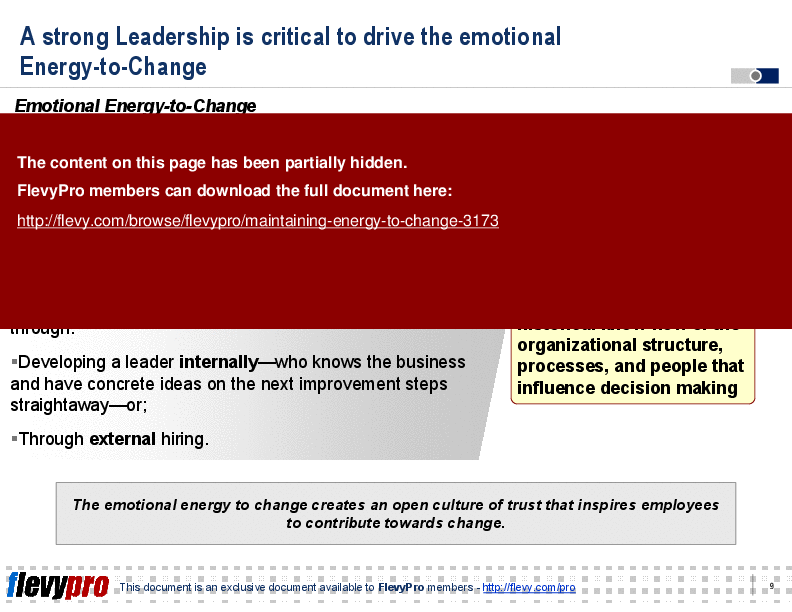
A strong leadership framework is essential for fostering emotional energy during organizational change initiatives. Effective leadership unifies team members around a common goal, critical for transformation program success. Addressing internal politics is vital, as true leadership can mitigate these challenges.
Two primary strategies for establishing inspirational leadership include developing internal leaders, who understand the business and can generate actionable ideas, and considering external hires, who bring fresh perspectives, but may lack historical context. This dual approach emphasizes a balanced leadership strategy leveraging both internal knowledge and external insights.
Cultivating emotional energy for change requires a culture of trust, encouraging employee participation in the transformation process and enhancing successful outcomes.
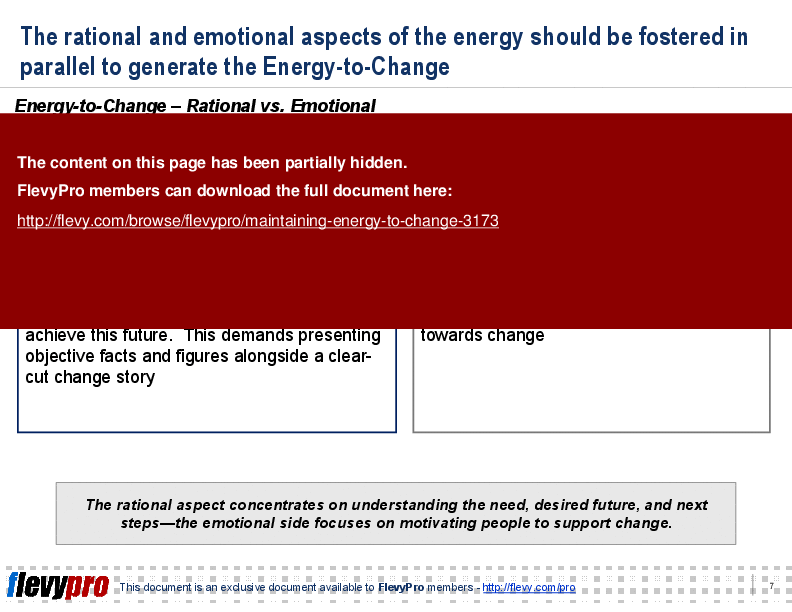
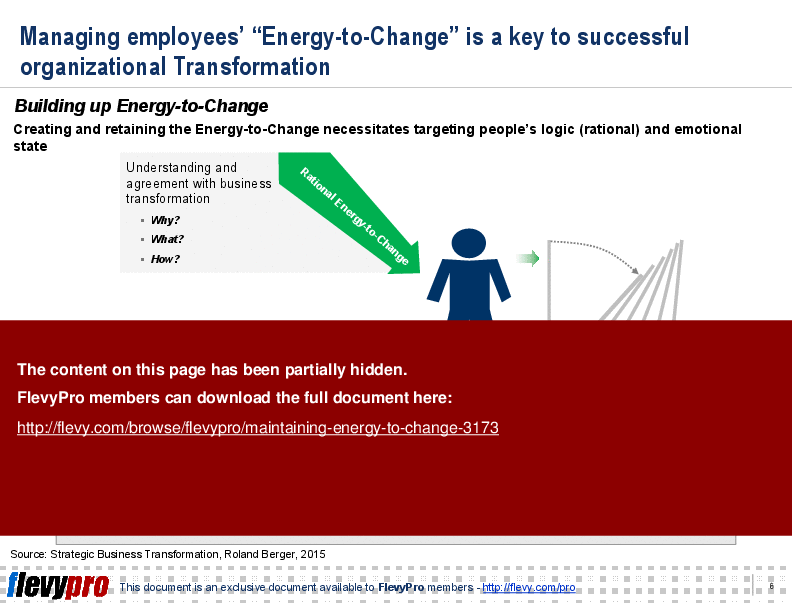
This PPT slide focuses on "Energy-to-Change," essential for successful organizational transformation, comprising Rational Energy-to-Change and Emotional Energy-to-Change. Rational Energy-to-Change ensures employees understand the necessity, implications, and implementation of business transformation, aligning workforce logic with transformation goals. Emotional Energy-to-Change emphasizes passion, inspiration, and trust, motivating employees to engage in the transformation process. A balance between rational understanding and emotional engagement fosters a supportive environment during change initiatives. A 2014 survey indicates that nearly 40% of transformation initiatives are driven by the existing workforce, highlighting the importance of cultivating both rational and emotional energies for effective change management. This dual approach enhances the sustainability of transformations in organizations.
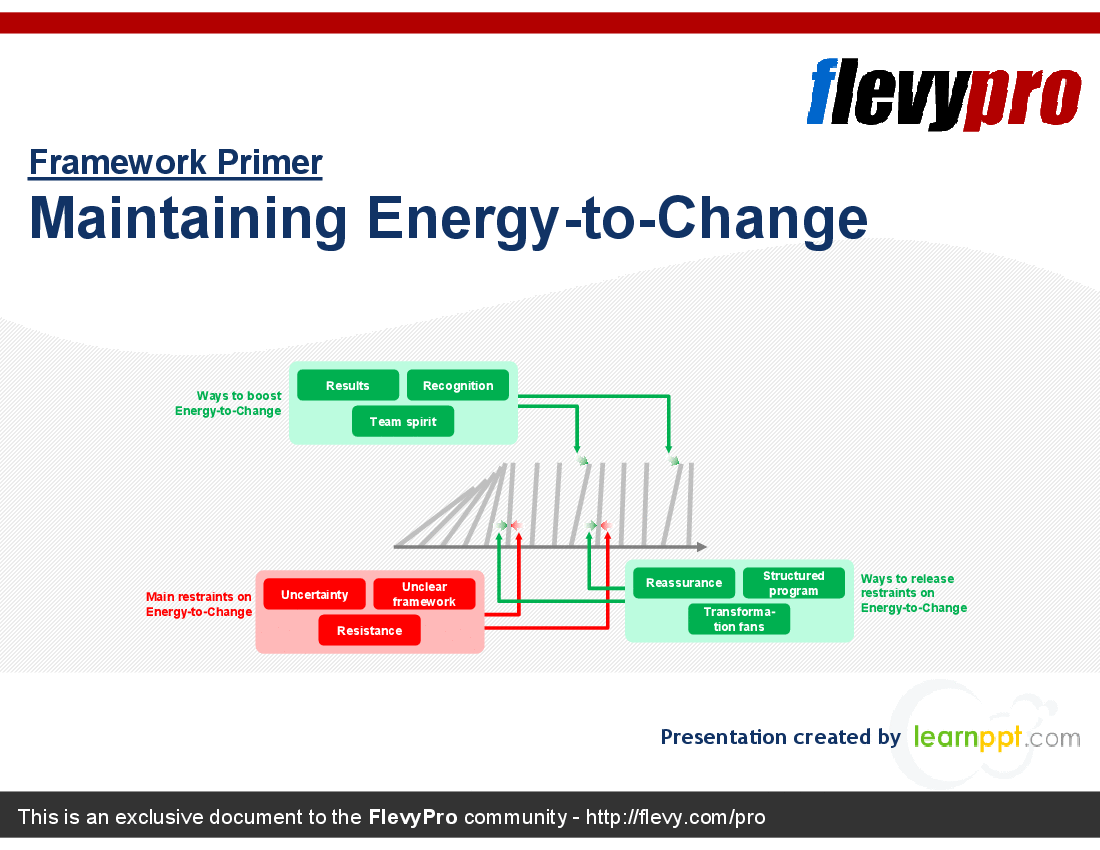
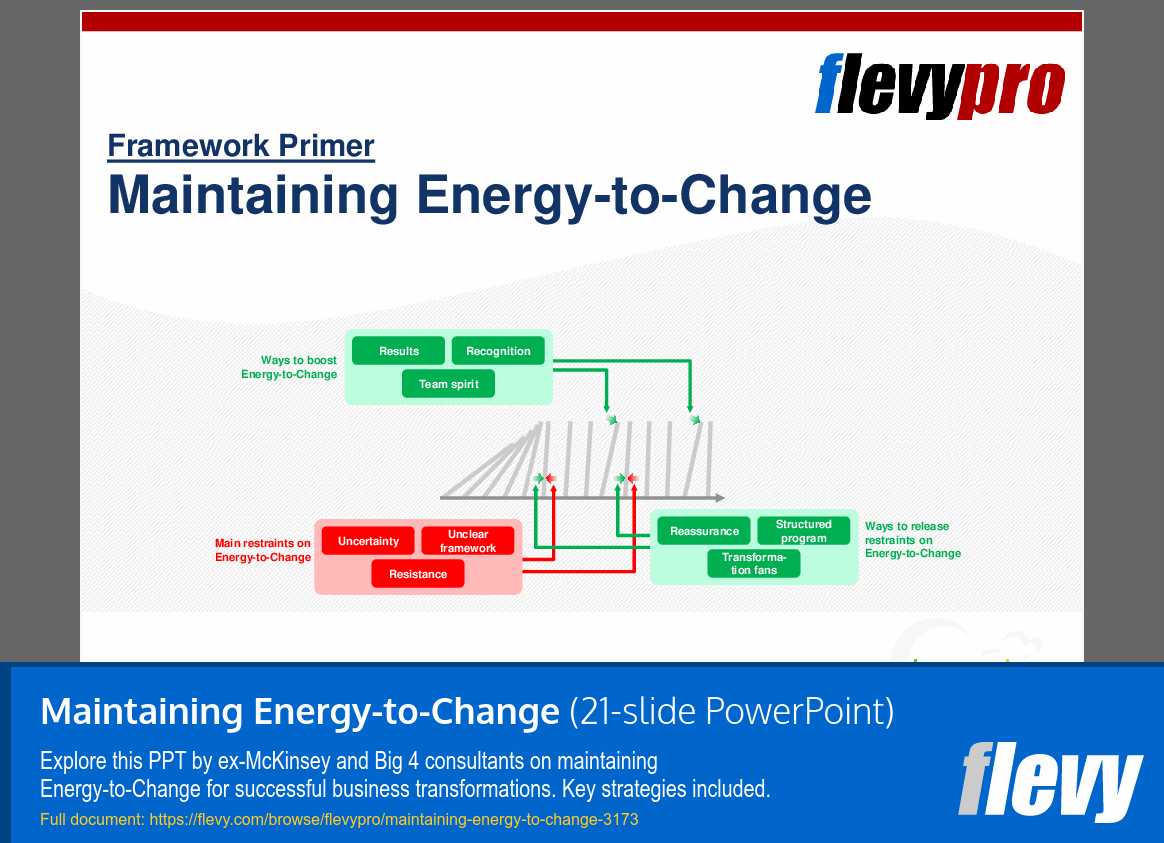
This PPT slide outlines a framework for maintaining energy for organizational change, emphasizing a top-down approach. Key components include results, recognition, and team spirit, which are interconnected and enhance employee engagement and motivation. Main restraints to change energy are uncertainty, unclear frameworks, and resistance, necessitating targeted strategies to sustain momentum. Methods to overcome these restraints involve providing reassurance, implementing structured programs, and leveraging transformation advocates—individuals who support change. Leadership plays a critical role in fostering a supportive atmosphere for change. Successful transformations depend on understanding these dynamics and actively managing them, guiding leaders in formulating actionable plans for effective organizational change.
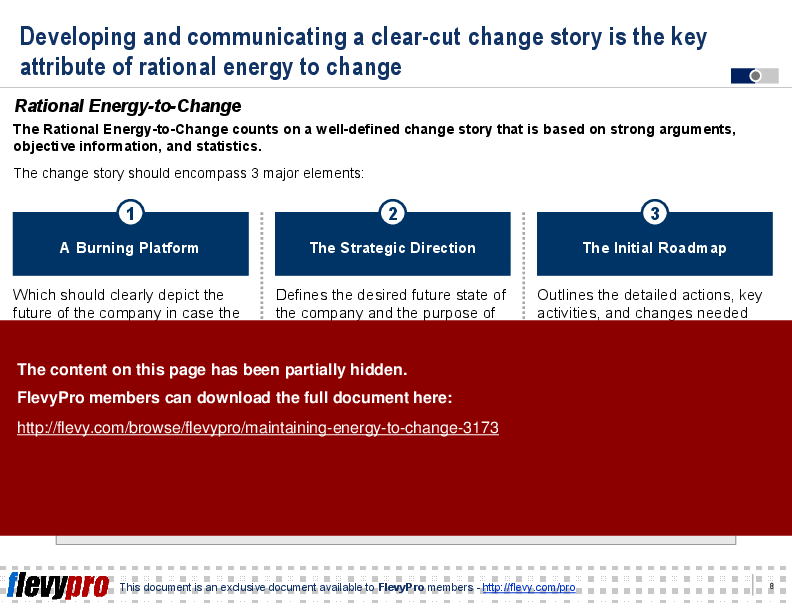
This PPT slide outlines a framework for developing and communicating a change story, highlighting the significance of rational energy in organizational transformation. It identifies 3 critical components:
1. "A Burning Platform" illustrates potential future consequences of maintaining the current trajectory, emphasizing the need to engage employees through competitive, environmental, and industry factors to foster urgency and commitment for change.
2. "The Strategic Direction" articulates the envisioned future state, clarifying the purpose of the chosen path to unify employees around a shared vision and its implications for future viability.
3. "The Initial Roadmap" details specific actions required for implementation, stressing the importance of a structured, adaptable plan that mitigates uncertainties during the transformation process.
These elements guide leaders in navigating organizational change through objective data and clear communication.
This PPT slide presents a dual framework for driving organizational change: "RATIONAL Energy-to-Change" and "EMOTIONAL Energy-to-Change." RATIONAL Energy emphasizes employee understanding of the necessity for change through clear communication of facts and data, ensuring alignment with the organization's future vision. EMOTIONAL Energy focuses on motivating employees to envision the future, fostering a supportive culture built on trust, open communication, and a sense of belonging. This emotional engagement is essential for commitment and enthusiasm, leading to effective implementation of change initiatives. Together, these energies create a comprehensive approach to transformation, highlighting that successful change management requires both rational understanding and emotional engagement.
Source: Best Practices in Change Management, Leadership, Business Transformation, Organizational Energy PowerPoint Slides: Maintaining Energy-to-Change PowerPoint (PPT) Presentation Slide Deck, LearnPPT Consulting
This framework is developed by a team of former McKinsey and Big 4 consultants. The presentation follows the headline-body-bumper slide format used by global consulting firms.
For $10.00 more, you can download this document plus 2 more FlevyPro documents. That's just $13 each.
ABOUT FLEVYPRO
This document is part of the FlevyPro Library, a curated knowledge base of documents for our FlevyPro subscribers.

FlevyPro is a subscription service for on-demand business frameworks and analysis tools. FlevyPro subscribers receive access to an exclusive library of curated business documents—business framework primers, presentation templates, Lean Six Sigma tools, and more—among other exclusive benefits.
The average daily rate of a McKinsey consultant is $6,625 (not including expenses). The average price of a Flevy document is $65.
Trusted by over 10,000+ Client Organizations
Since 2012, we have provided business templates to over 10,000 businesses and organizations of all sizes, from startups and small businesses to the Fortune 100, in over 130 countries.
"I am extremely grateful for the proactiveness and eagerness to help and I would gladly recommend the Flevy team if you are looking for data and toolkits to help you work through business solutions."
– Trevor Booth, Partner, Fast Forward Consulting
"FlevyPro has been a brilliant resource for me, as an independent growth consultant, to access a vast knowledge bank of presentations to support my work with clients. In terms of RoI, the value I received from the very first presentation I downloaded paid for my subscription many times over! The
quality of the decks available allows me to punch way above my weight – it's like having the resources of a Big 4 consultancy at your fingertips at a microscopic fraction of the overhead.
"
– Roderick Cameron, Founding Partner at SGFE Ltd
"As an Independent Management Consultant, I find Flevy to add great value as a source of best practices, templates and information on new trends. Flevy has matured and the quality and quantity of the library is excellent. Lastly the price charged is reasonable, creating a win-win value for
the customer, Flevy and the various authors. This is truly a service that benefits the consulting industry and associated clients. Thanks for providing this service.
"
– Jim Schoen, Principal at FRC Group
"As a small business owner, the resource material available from FlevyPro has proven to be invaluable. The ability to search for material on demand based our project events and client requirements was great for me and proved very beneficial to my clients. Importantly, being able to easily edit and tailor
the material for specific purposes helped us to make presentations, knowledge sharing, and toolkit development, which formed part of the overall program collateral. While FlevyPro contains resource material that any consultancy, project or delivery firm must have, it is an essential part of a small firm or independent consultant's toolbox.
"
– Michael Duff, Managing Director at Change Strategy (UK)
"My FlevyPro subscription provides me with the most popular frameworks and decks in demand in today’s market. They not only augment my existing consulting and coaching offerings and delivery, but also keep me abreast of the latest trends, inspire new products and service offerings for my practice, and educate me
in a fraction of the time and money of other solutions. I strongly recommend FlevyPro to any consultant serious about success.
"
– Bill Branson, Founder at Strategic Business Architects
"Last Sunday morning, I was diligently working on an important presentation for a client and found myself in need of additional content and suitable templates for various types of graphics. Flevy.com proved to be a treasure trove for both content and design at a reasonable price, considering the time I
saved. I encountered a download issue during the ordering process. However, a quick email to Flevy's support team, even on a Sunday (!!!), resulted in assistance within less than an hour, allowing me to download the content I needed. Fantastic job, Flevy! I give 5 stars for both content/price and customer service. Thank you!
"
– M. E., Chief Commercial Officer, International Logistics Service Provider
"Flevy.com has proven to be an invaluable resource library to our Independent Management Consultancy, supporting and enabling us to better serve our enterprise clients.
The value derived from our [FlevyPro] subscription in terms of the business it has helped to gain far exceeds the investment made, making a subscription a no-brainer for any growing consultancy – or in-house strategy team."
– Dean Carlton, Chief Transformation Officer, Global Village Transformations Pty Ltd.
"[Flevy] produces some great work that has been/continues to be of immense help not only to myself, but as I seek to provide professional services to my clients, it gives me a large "tool box" of resources that are critical to provide them with the quality of service and outcomes they are expecting."
– Royston Knowles, Executive with 50+ Years of Board Level Experience
Download our free compilation of 50+ slides and templates on Organizational Design, Change Management, and Corporate Culture. Methodologies include ADKAR, Burke-Litwin Change Model, McKinsey 7-S, Competing Values Framework, etc.