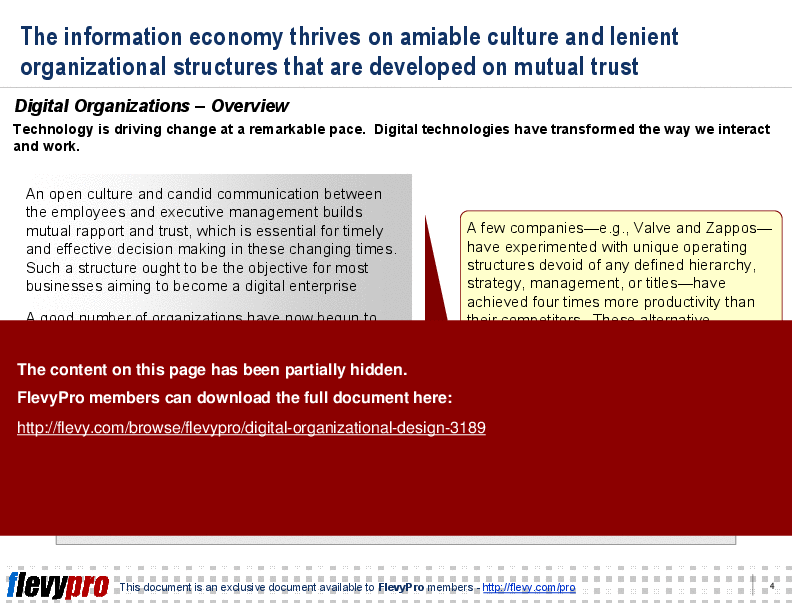

Digital technologies have transformed the way we interact and work. An open culture and candid communication between the employees and executive management builds mutual rapport and trust, which is essential for timely and effective decision making in these changing times. Organizations have already started embracing flat and lean organizational structures with decentralized decision-making authorities across the board, or at specific departments.
Companies are experimenting with unique operating structures devoid of any defined hierarchy, strategy, management, or titles; and have witnessed better results. These "digital native" structures are not likely to be implemented everywhere but should not be ignored by the leadership.
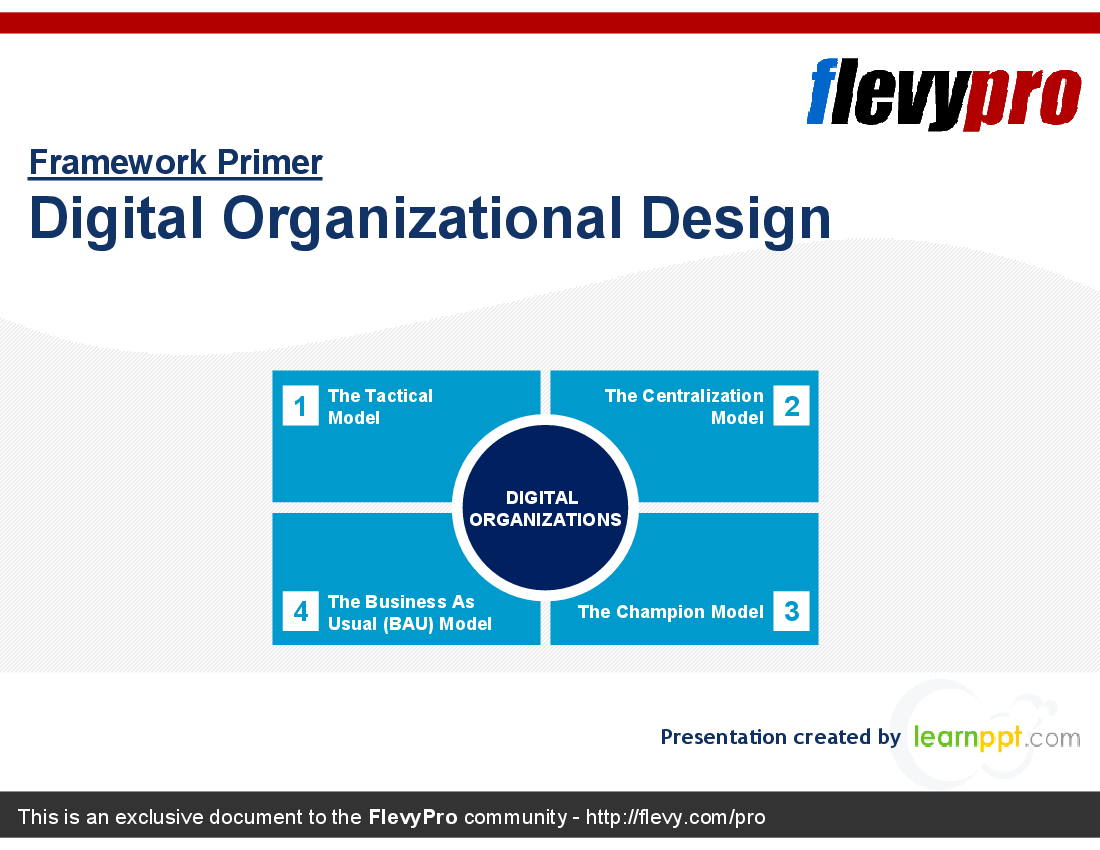
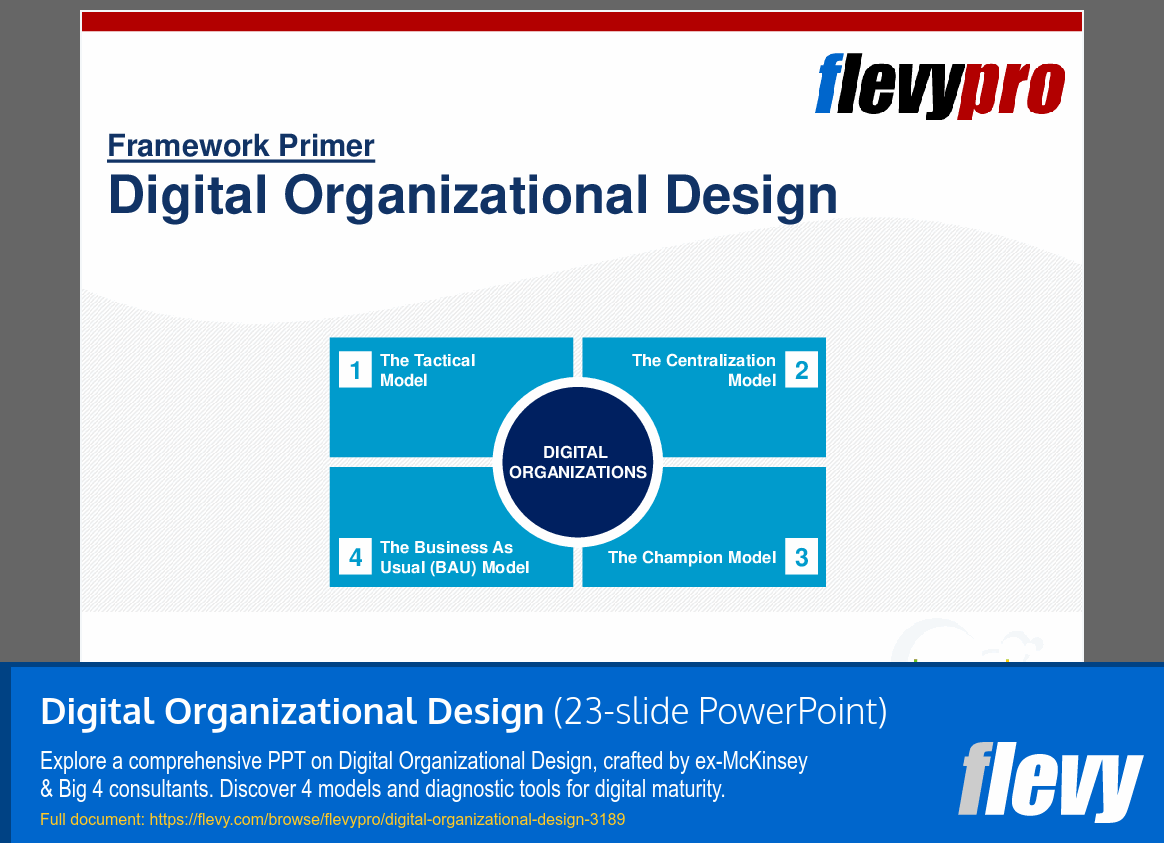
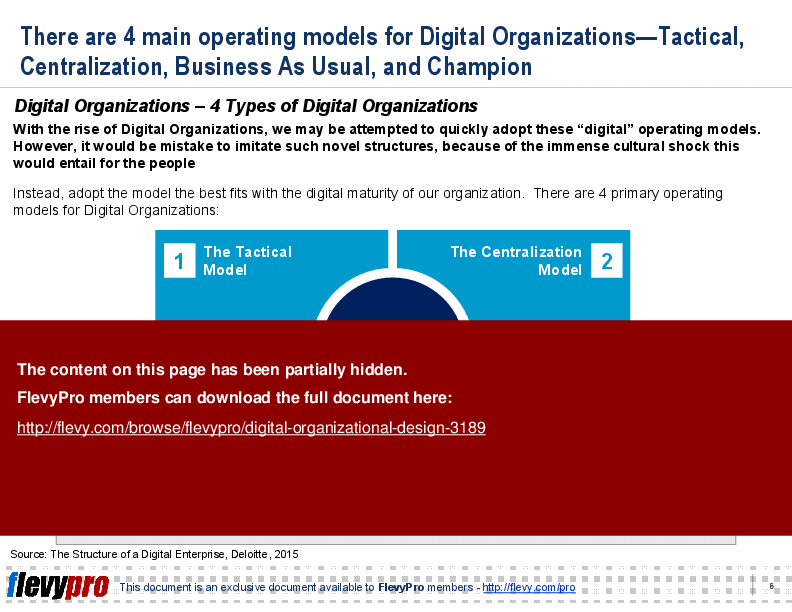
This deck elucidates on the 4 operating models of Digital Organizations, which should be painstakingly evaluated and tried to be incorporated by traditional organizations to become digital savvy:
1. The Tactical Model
2. The Centralization Model
3. The Champion Model
4. The Business As Usual (BUA) Model
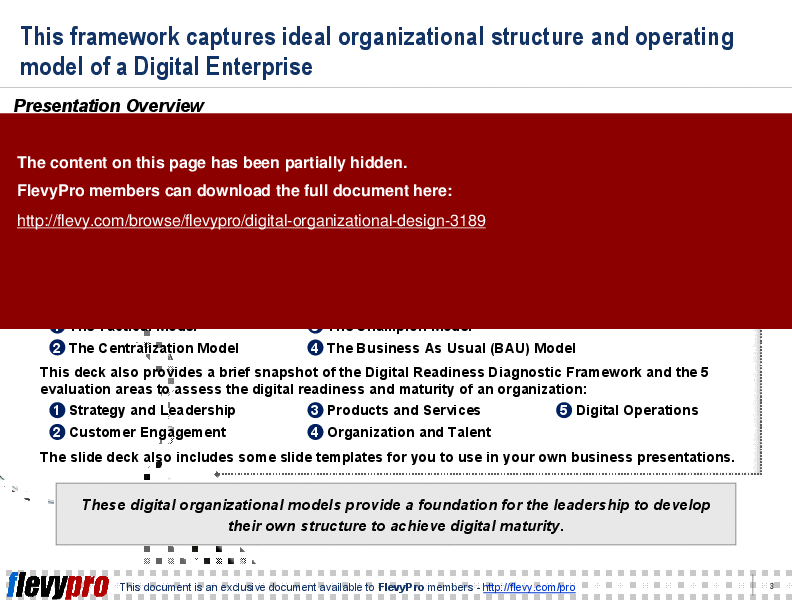
These digital organizational models provide a foundation for the leadership to develop their own structure to achieve digital maturity.
This deck also provides a brief snapshot of the Digital Readiness Diagnostic Framework and the 5 evaluation areas to assess the digital readiness and maturity of an organization:
1. Strategy and Leadership
2. Customer Engagement
3. Products and Services
4. Organization and Talent
5. Digital Operations
The slide deck also includes some slide templates for you to use in your own business presentations.
The PPT also delves into the practical application of these models, offering a detailed analysis of how companies can leverage digital technologies to foster innovation and streamline operations. It includes diagnostic tools to assess your organization's digital readiness, ensuring you can identify gaps and areas for improvement. The templates provided are designed to facilitate the implementation of these models, making it easier for your team to transition to a digital-first approach. This resource is essential for leaders aiming to drive digital transformation and stay competitive in an ever-evolving business landscape.
Got a question about this document? Email us at flevypro@flevy.com.
Executive Summary
This presentation on Digital Organizational Design provides a strategic framework for businesses seeking to enhance their digital maturity. Developed by former consultants from McKinsey and the Big 4, it outlines 4 distinct operating models—Tactical, Centralization, Business As Usual (BAU), and Champion. The document equips leaders with diagnostic tools and templates to assess their organization's digital readiness and implement effective strategies for transformation.
Who This Is For and When to Use
• Corporate executives overseeing digital transformation initiatives
• Integration leaders responsible for aligning digital strategies with business objectives
• Consultants advising organizations on digital maturity assessments
• HR and talent management teams focusing on digital skills development
Best-fit moments to use this deck:
• During strategic planning sessions for digital transformation
• When assessing current digital capabilities and identifying gaps
• For workshops aimed at fostering a digital-first culture within the organization
Learning Objectives
• Define the 4 operating models of digital organizations
• Assess organizational digital readiness using a diagnostic framework
• Identify key areas for improvement in digital strategy and execution
• Develop a tailored approach to enhance digital maturity
• Create actionable templates for implementing digital initiatives
• Foster a culture of openness and trust to support digital transformation
Table of Contents
• Overview (page 3)
• Types of Digital Organizations (page 6)
• Digital Organizational Readiness (page 12)
• Templates (page 16)
Primary Topics Covered
• Digital Organizational Models - The presentation details 4 models: Tactical, Centralization, BAU, and Champion, each with unique characteristics and suitability for different organizational contexts.
• Digital Readiness Diagnostic Framework - A structured approach to evaluate an organization's current digital state across 5 key areas: Strategy and Leadership, Customer Engagement, Products and Services, Organization and Talent, and Digital Operations.
• Cultural Transformation - Emphasizes the importance of fostering an open culture and mutual trust to facilitate effective decision-making in digital initiatives.
• Implementation Templates - Provides templates to assist organizations in presenting their digital strategies and readiness assessments effectively.
Deliverables, Templates, and Tools
• Digital Readiness Diagnostic Framework template for assessing organizational maturity
• Operating model comparison chart for evaluating the suitability of each digital model
• Action plan templates for implementing digital initiatives
• Communication templates for engaging stakeholders in digital transformation efforts
• Assessment tools for measuring progress in digital maturity
Slide Highlights
• Overview of the 4 digital organizational models with visual representations
• Diagnostic framework slide illustrating the 5 areas of evaluation
• Cultural transformation slide emphasizing the need for openness and trust
• Template slides for easy customization and presentation
Potential Workshop Agenda
Digital Maturity Assessment Workshop (90 minutes)
• Introduce the 4 digital organizational models and their implications
• Conduct a group assessment using the Digital Readiness Diagnostic Framework
• Identify key areas for improvement and develop action plans
Digital Strategy Development Session (60 minutes)
• Discuss current digital initiatives and their alignment with business objectives
• Brainstorm potential digital strategies and initiatives for implementation
Customization Guidance
• Adjust the diagnostic framework to reflect specific organizational contexts and industry standards
• Tailor templates to align with internal branding and communication styles
• Incorporate organizational terminology and metrics into the presentation materials
Secondary Topics Covered
• The role of leadership in driving digital transformation
• Strategies for overcoming resistance to change in digital initiatives
• Best practices for fostering a culture of innovation and agility
Topic FAQ
Document FAQ
These are questions addressed within this presentation.
What are the 4 operating models of digital organizations?
The 4 models are Tactical, Centralization, Business As Usual (BAU), and Champion, each representing different approaches to digital maturity and organizational structure.
How can we assess our organization's digital readiness?
Utilize the Digital Readiness Diagnostic Framework, which evaluates 5 key areas: Strategy and Leadership, Customer Engagement, Products and Services, Organization and Talent, and Digital Operations.
What is the importance of cultural transformation in digital initiatives?
An open culture fosters trust and collaboration, enabling effective decision-making and agile responses to change, which are crucial for successful digital transformation.
Can this framework be customized for our specific needs?
Yes, the templates and diagnostic tools can be tailored to reflect your organization's unique context, branding, and strategic objectives.
How do we implement the recommended digital strategies?
Develop actionable plans using the provided templates, ensuring alignment with organizational goals and stakeholder engagement throughout the process.
What are the benefits of adopting the Champion Model?
The Champion Model promotes shared ownership of digital initiatives, fostering a culture of continuous learning and adaptation across all levels of the organization.
How can we measure progress in our digital transformation efforts?
Establish key performance indicators (KPIs) aligned with the Digital Readiness Diagnostic Framework to track advancements in digital maturity and operational effectiveness.
What resources are available to support our digital transformation journey?
This presentation includes templates, diagnostic tools, and best practices derived from leading consulting frameworks to guide your organization's digital initiatives.
Glossary
• Digital Organizational Models - Frameworks that outline different approaches to structuring and operating a digital enterprise.
• Digital Readiness Diagnostic Framework - A tool for assessing an organization's maturity in digital capabilities across key areas.
• Cultural Transformation - The process of shifting organizational culture to support digital initiatives and foster innovation.
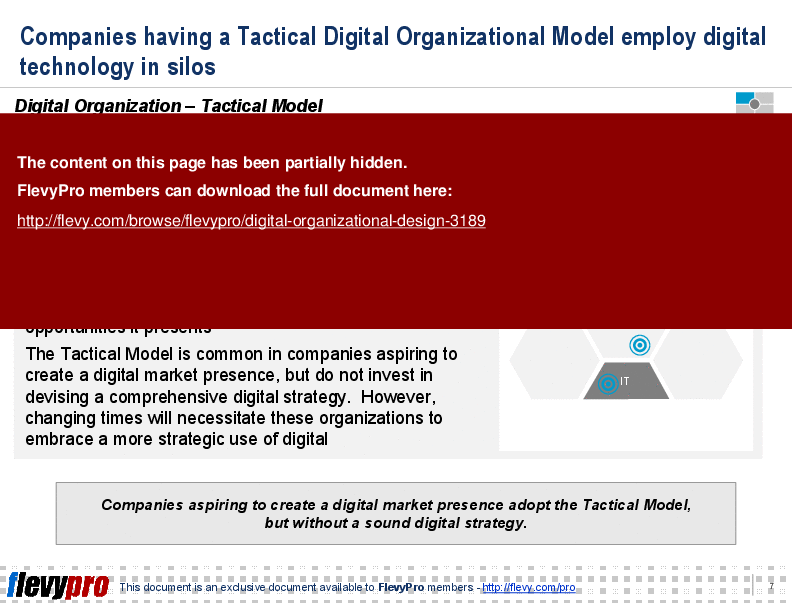
• Tactical Model - A digital organizational approach focused on isolated technology initiatives without a comprehensive strategy.
• Centralization Model - A structure that consolidates digital initiatives under a central governance framework to enhance strategic alignment.
• Business As Usual (BAU) Model - An advanced model where digital processes and culture are fully integrated into daily operations.
• Champion Model - A collaborative approach that empowers all employees to engage in digital initiatives and fosters a culture of trust.
• Key Performance Indicators (KPIs) - Metrics used to measure the success and progress of digital transformation efforts.
• Stakeholder Engagement - The process of involving key individuals or groups in the planning and execution of digital initiatives.
• Agile Methodology - An iterative approach to project management that emphasizes flexibility and responsiveness to change.
• Innovation - The process of developing new ideas, products, or processes that create value for an organization.
• Digital Maturity - The extent to which an organization has integrated digital technologies and practices into its operations and culture.
• Operational Effectiveness - The ability of an organization to deliver products and services efficiently and effectively.
• Strategic Alignment - The process of ensuring that an organization's activities and resources are aligned with its strategic objectives.
• Change Management - The discipline of managing the transition of individuals, teams, and organizations to a desired future state.
• Digital Transformation - The integration of digital technology into all areas of a business, fundamentally changing how it operates and delivers value to customers.
• Organizational Design - The process of structuring an organization to align with its strategy and goals.
• Customer Engagement - The interaction between a company and its customers, aimed at enhancing customer experience and satisfaction.
• Talent Management - The strategic approach to attracting, developing, and retaining skilled employees to meet organizational needs.
• Digital Operations - The use of digital technologies to enhance operational processes and improve efficiency.
• Innovation Culture - An organizational environment that encourages and supports creative thinking and experimentation.
• Leadership Development - The process of enhancing the skills and capabilities of leaders within an organization to drive performance and change.
Source: Best Practices in Digital Transformation, Organizational Design PowerPoint Slides: Digital Organizational Design PowerPoint (PPTX) Presentation Slide Deck, LearnPPT Consulting
Did you need more documents?
Consider a FlevyPro subscription from $39/month. View plans here.
For $10.00 more, you can download this document plus 2 more FlevyPro documents. That's just $13 each.
This document is available as part of the following discounted bundle(s):
Save %!
Digital Transformation Frameworks
This bundle contains 6 total documents. See all the documents to the right.

|
Download our FREE Digital Transformation Templates
Download our free compilation of 50+ Digital Transformation slides and templates. DX concepts covered include Digital Leadership, Digital Maturity, Digital Value Chain, Customer Experience, Customer Journey, RPA, etc. |