
 Click main image to view in full screen. Unlock all 19 preview images:
Change Management – PowerPoint PPTX Template
PowerPoint (PPTX) + supplemental PDF 110 Slides


BENEFITS OF THIS DOWNLOADABLE POWERPOINT DOCUMENT
- Provides a framework for understanding, planning and implementing change management.
- Provides the methods and tools for managing change.
- Provides guidelines for dealing with resistance to change.
CHANGE MANAGEMENT PPT TEMPLATE DESCRIPTION
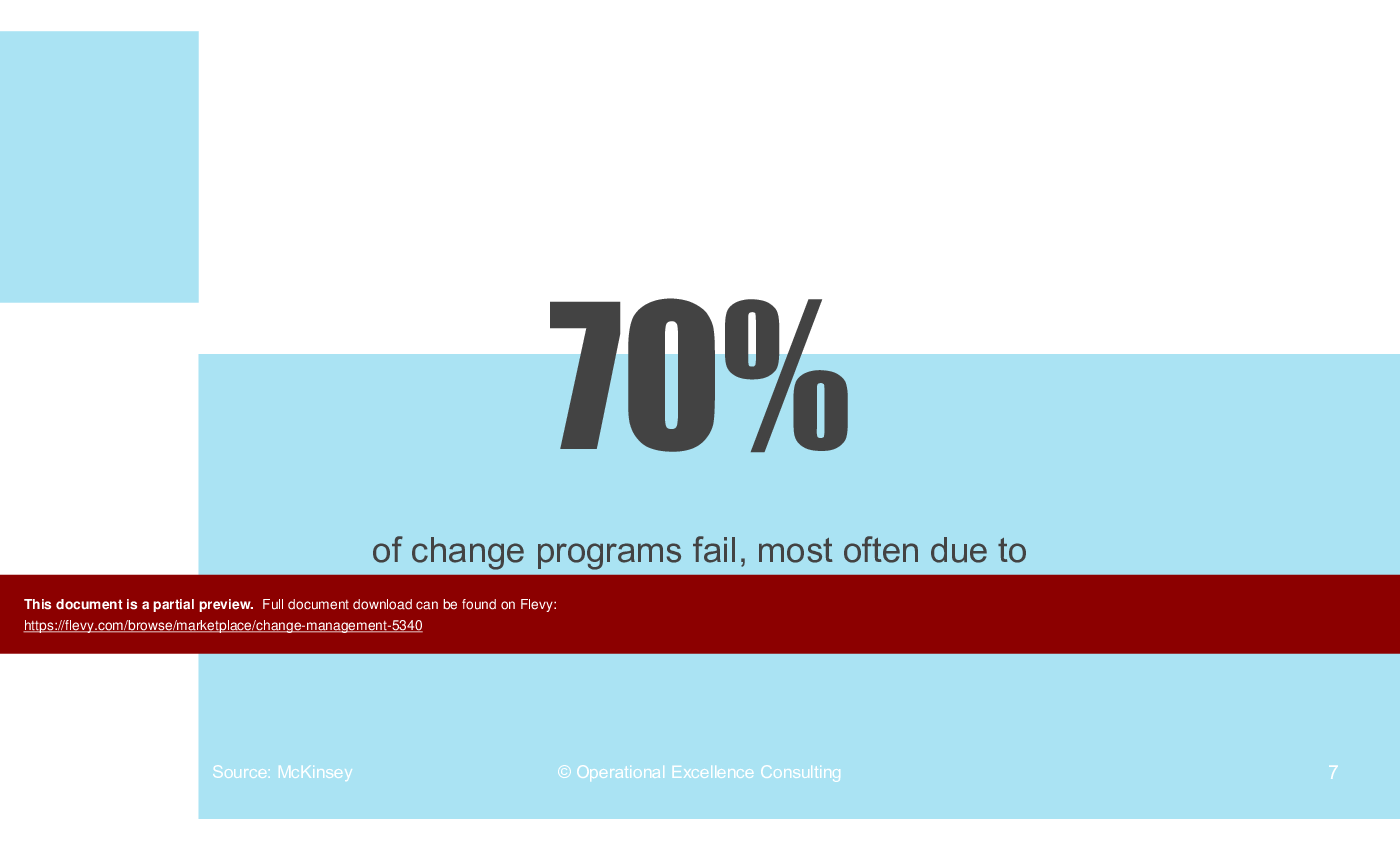
Change is the only constant in the work environment today, and businesses and individuals must embrace change to stay relevant and competitive. However, a McKinsey study revealed that 70% of change programs fail, primarily due to employee resistance. To ensure successful change, it's imperative to effectively manage both the technical and human aspects of the transformation process.
Change Management is the process of preparing and supporting individuals, teams, and organizations to make significant changes that ultimately enhance business performance. This process consists of four main phases, each of which plays a crucial role in addressing the multifaceted challenges of change:
1. Analyze Current Situation: Begin by understanding why change is necessary, evaluating its impact, and gathering feedback. In this phase, it's essential to assess the organization's adaptability and readiness for change.
2. Plan & Launch Program: Develop a comprehensive strategy, infrastructure, and detailed plan to transition from the current state to the desired state. Alongside this, focus on fostering organizational adaptability, encouraging a proactive approach to change.
3. Monitor Progress: Throughout the change process, closely monitor its impact and proactively address resistance. Consider human factors, such as emotional responses to change, and work on building a culture of openness and adaptability.
4. Evaluate Effectiveness: After the change has been implemented, evaluate its results and encourage a culture that embraces continuous change. Recognize and reward successful transformations, reinforcing the importance of adaptability.
This Change Management PPT presentation encompasses essential key concepts and principles integral to change management, including the emphasis on organizational adaptability. It presents a straightforward four-step change management process, applicable across various industries and change programs, such as digital transformation. Additionally, it offers valuable insights into frameworks, models, methods, and tools that can enhance the understanding, planning, and execution of change management while emphasizing the human dimension.
This presentation is a valuable resource for facilitating organizational transformation, whether it involves process and technology improvement, behavioral and cultural change, organizational restructuring, mergers and acquisitions, or redesigning work environments for the post-pandemic business landscape. By weaving adaptability into the fabric of change management, organizations can better navigate today's dynamic business challenges.
|||||||||||||||||||||||||||||||||||||||||||||||||||||||||||||||||||||||||||||||||||||||||||||||||||||||||||||||||||||||||||||||||||||||||||||||||||||||
This training package includes:
1. Change Management PPT training presentation (PowerPoint format, 16:9 widescreen)
2. Change Management poster (PDF format, in color and monochrome, printable in A3/A4 size)
|||||||||||||||||||||||||||||||||||||||||||||||||||||||||||||||||||||||||||||||||||||||||||||||||||||||||||||||||||||||||||||||||||||||||||||||||||||||
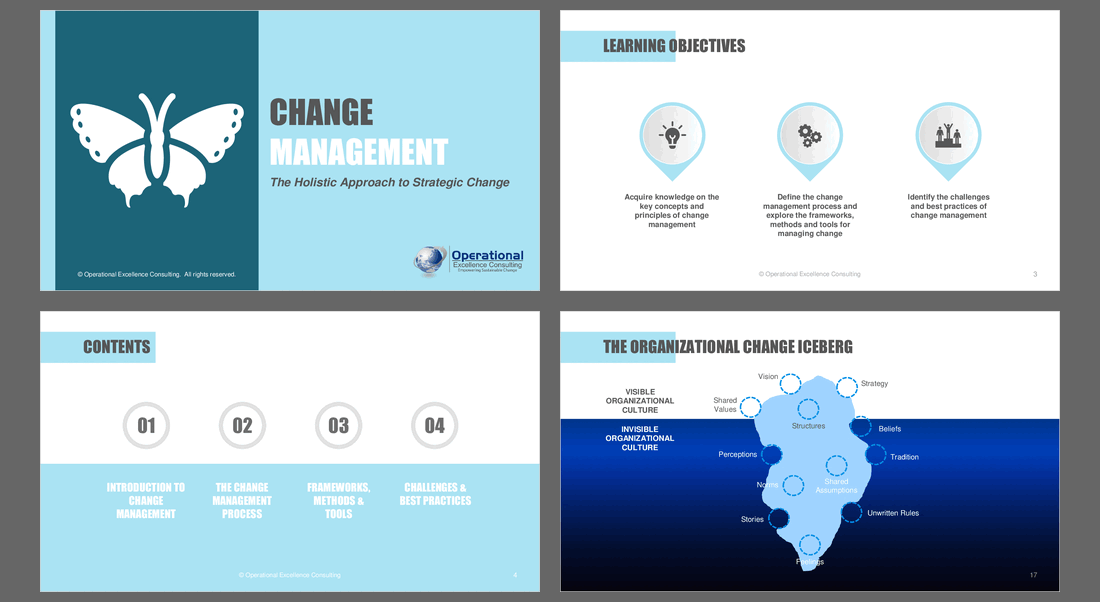
LEARNING OBJECTIVES
1. Acquire knowledge on the key concepts and principles of change management.
2. Define the change management process and explore the frameworks, methods and tools for managing change.
3. Identify the challenges and best practices of change management.
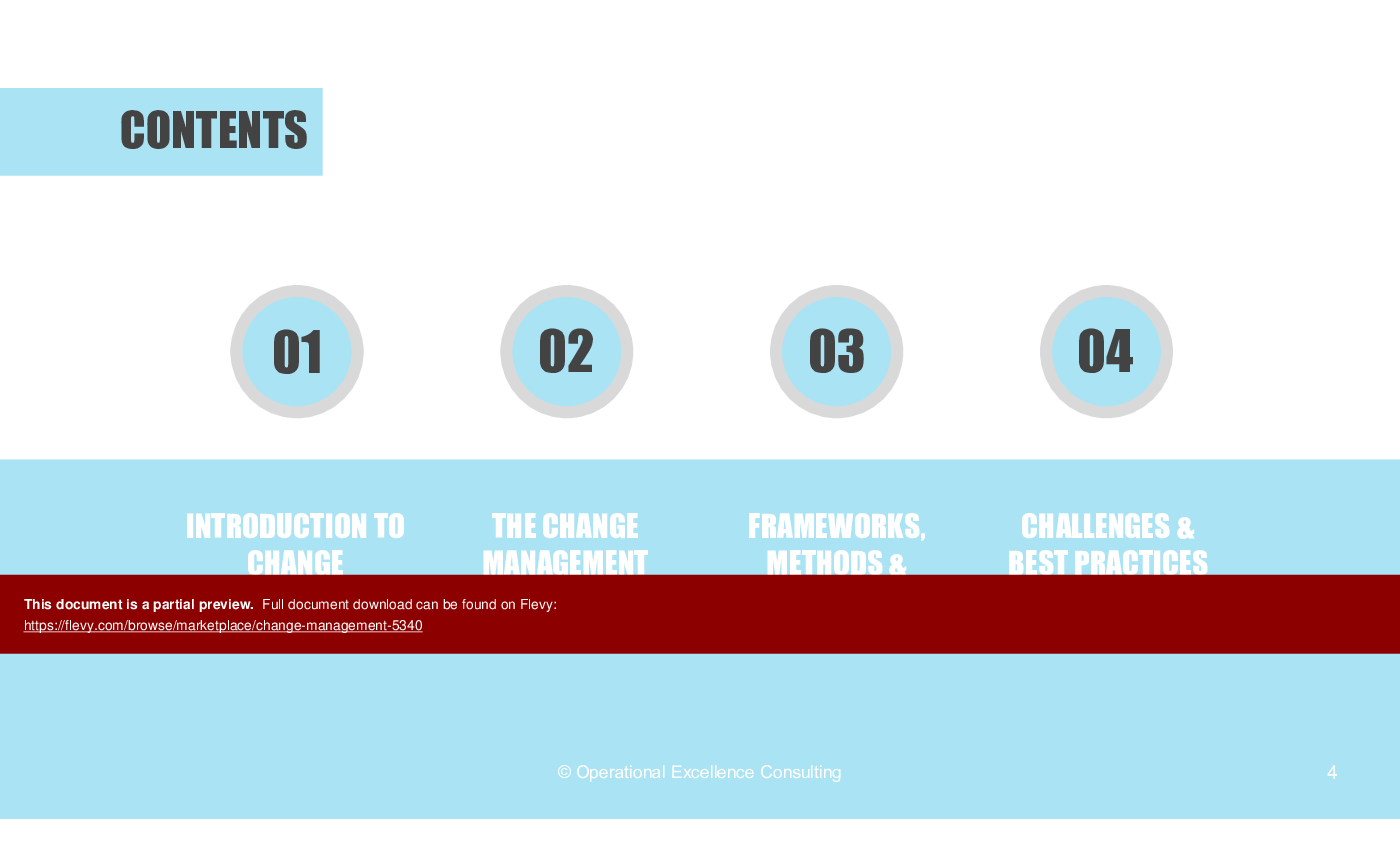
CONTENTS
1. Key Concepts and Principles of Change Management
• Some Statistics on Change Management
• The Nature of the Business Environment – VUCA
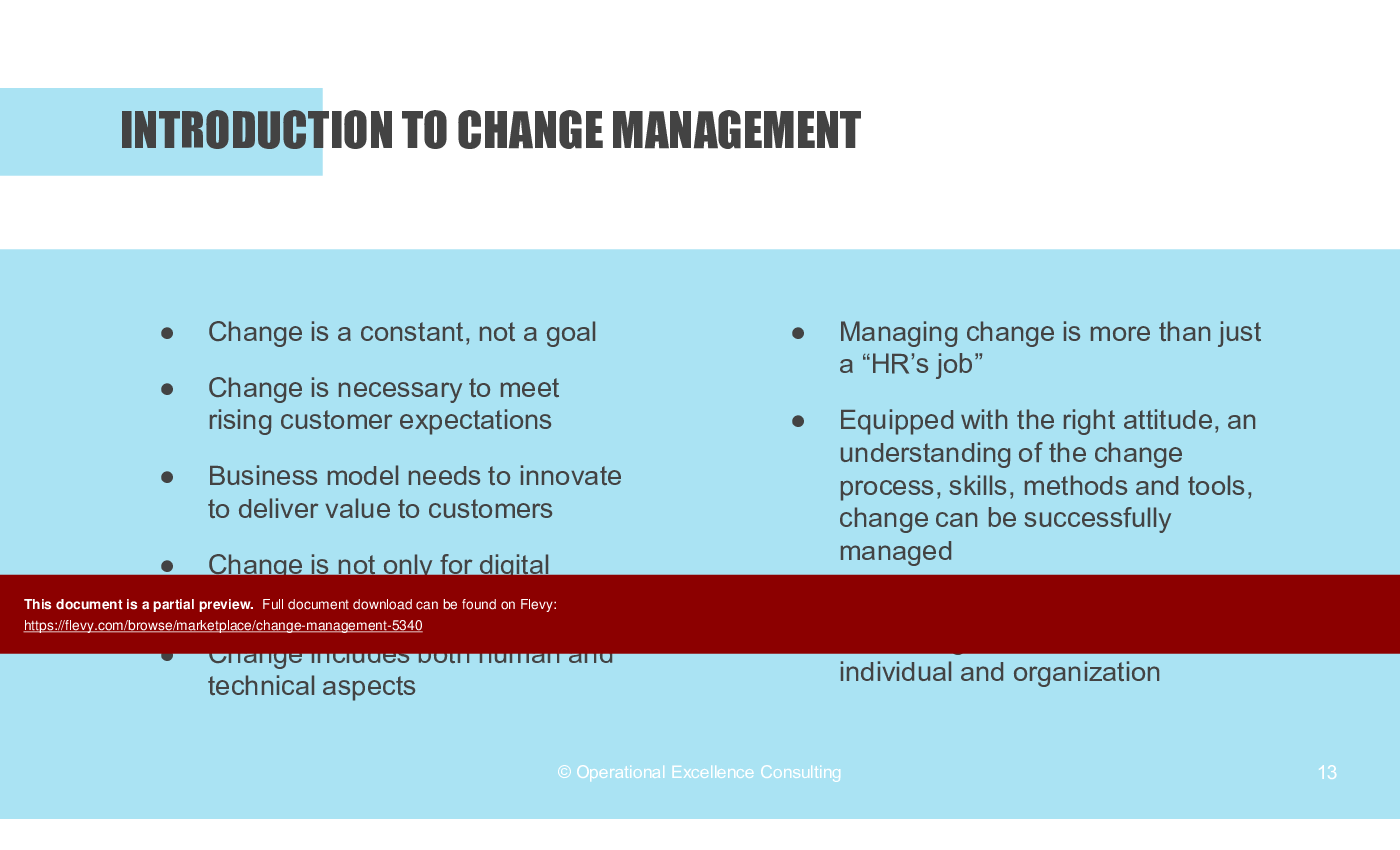
• Introduction to Change Management
• Why is Change Important in an Organization?
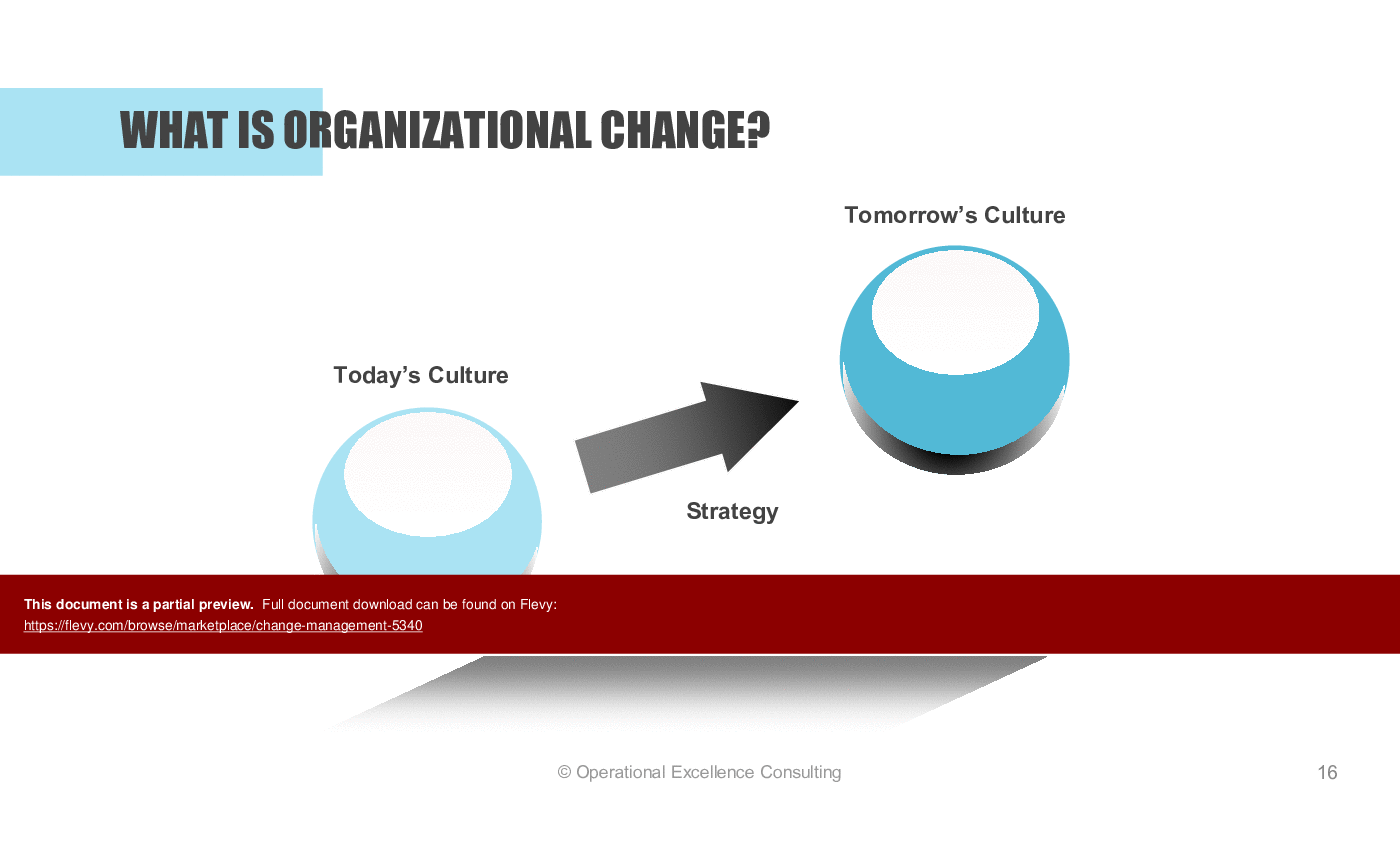
• What is Organizational Change?
• The Change Iceberg
• Definition of Change Management
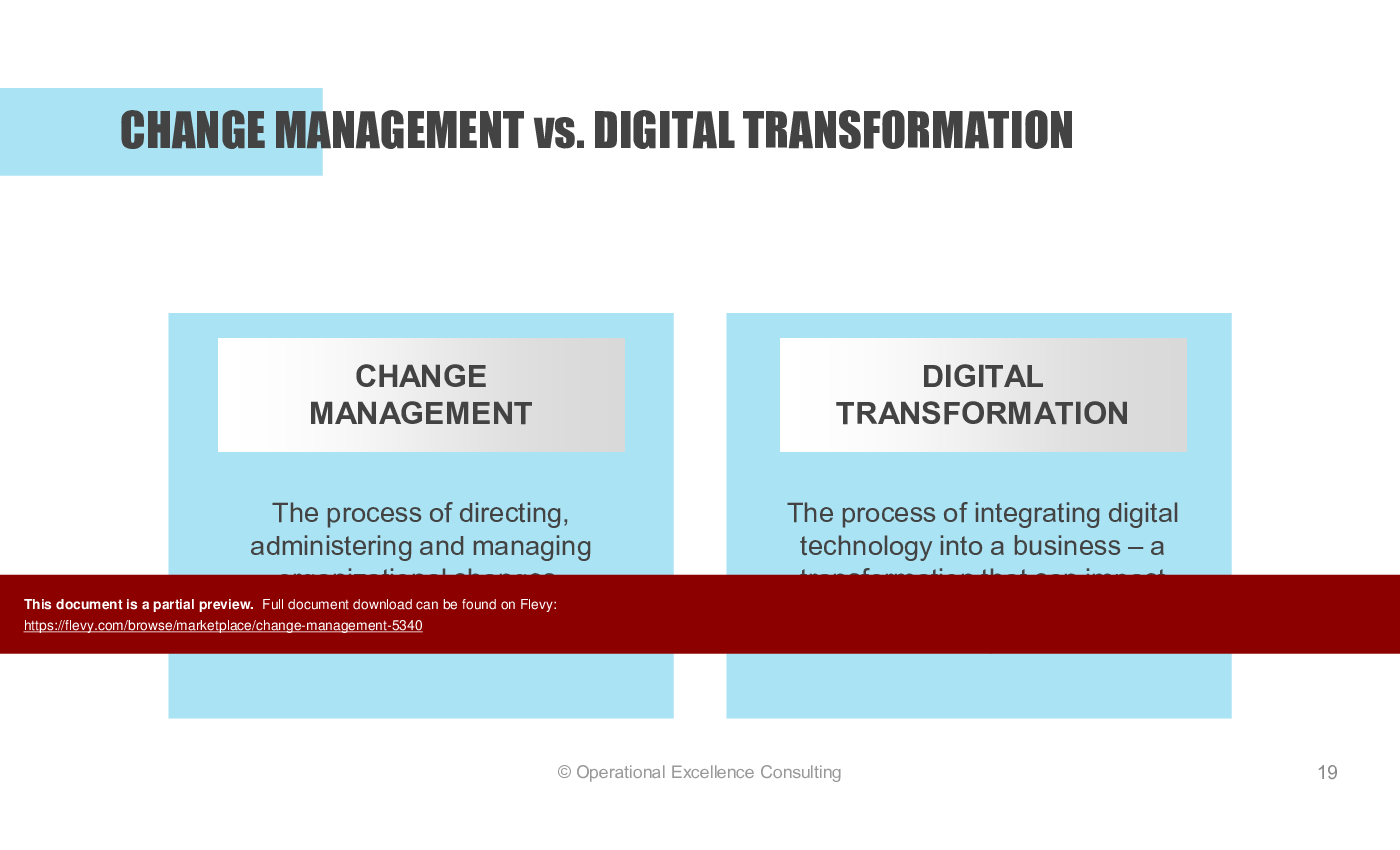
• Change Management vs. Digital Transformation
• Three Types of Organizational Change
• Examples of Businesses that Failed to Adapt to Change
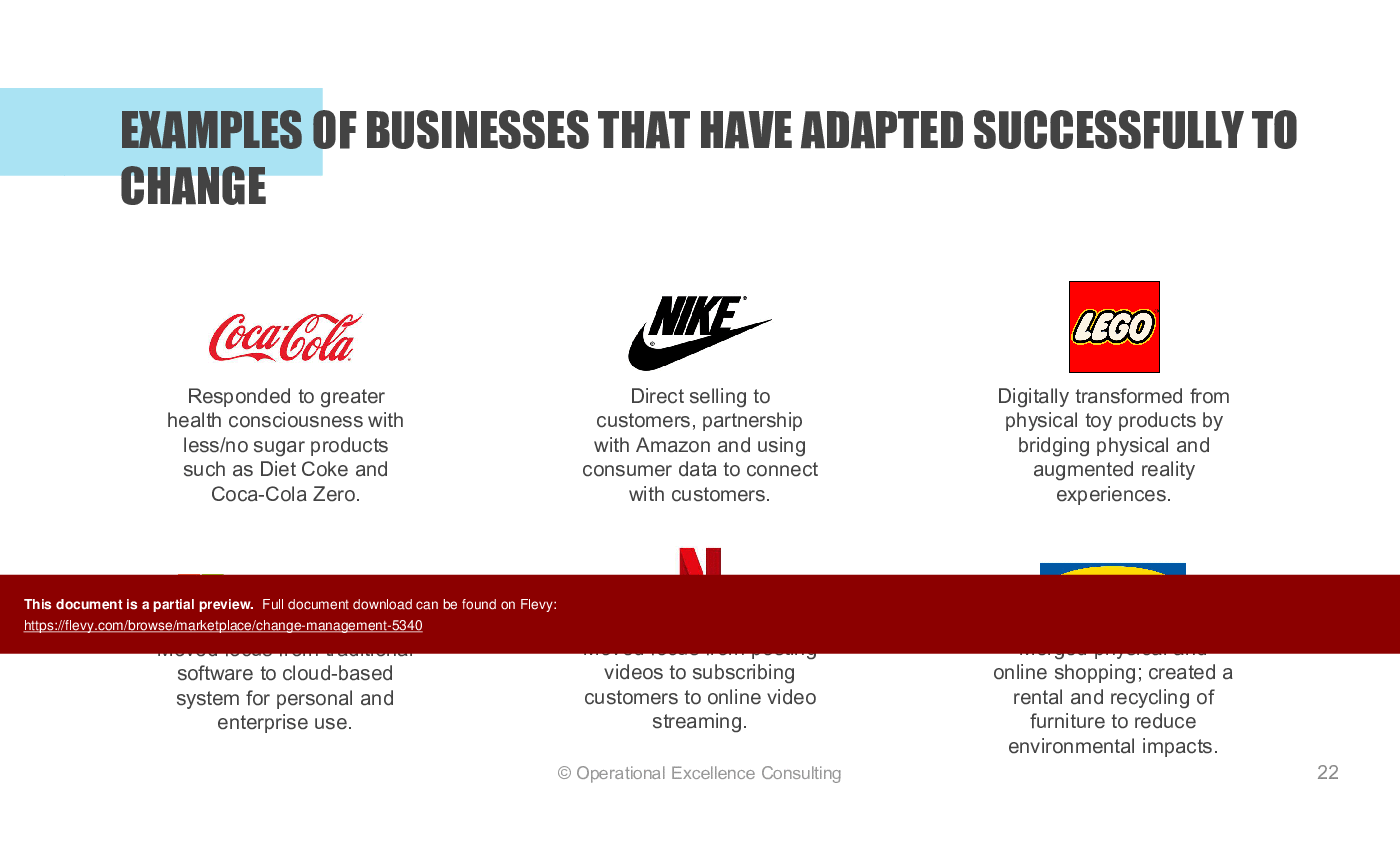
• Examples of Businesses that have Adapted Successfully to Change
• Force Field Analysis Model for Change
• Martec's Law on Technology & Organizational Change
• Sustaining Change is Difficult without a Culture Change
• Two Sides of Change
• Why Do People Fear Change?
• Resistance to Change
• The Kubler-Ross Change Curve
• Reasons for Resistance
• Methods of Overcoming Resistance to Change
• The Enrollment Curve
• Five Management Activities Contributing to Effective Change Management
• Ten Sources of Team Conflict
• Principles of Communication for Change Management
• Characteristics of Change-capable Organizations
• Ten Guiding Principles of Change Management
2. The Four-Phase Change Management Process
• A Systematic Approach to Managing Change
• The Four Phases of Change Management
• Phase 1: Analyze Current Situation
• Phase 2: Plan & Launch Program
• Phase 3: Monitor Progress
• Phase 4: Evaluate Effectiveness
• Example of Change Management Team Organization Structure
• Example of Roles & Responsibilities of a Change Management Team
• Areas that Change Agents are Capable of Changing
3. Frameworks, Methods and Tools
• Lewin's 3-Stage Change Model
• Impact Analysis
• SWOT Analysis
• PESTLE Analysis
• The ADKAR Change Model
• The McKinsey 7-S Framework
• Kotter's 8-Step Change Model
• The Power/Interest Grid for Stakeholder Prioritization
• Sinek's Golden Circle Model
• Szpekman's Communication Framework
• Senge's Learning Organization
• Tuckman's Team Development Model
• Blanchard & Thacker's Training Needs Analysis Framework
• The Design Thinking Process
• Agile Change Process
• Strategyzer's Business Mode Canvas
4. Challenges and Best Practices
• Most Common Change Management Challenges
• Twelve Change Management Best Practices
The presentation delves into the critical role of communication and leadership in overcoming resistance to change. It also highlights practical steps and models, such as Lewin's 3-Stage Change Process and the ADKAR Model, to facilitate smooth transitions.
Got a question about the product? Email us at support@flevy.com or ask the author directly by using the "Ask the Author a Question" form. If you cannot view the preview above this document description, go here to view the large preview instead.
PRESENTATION DEEP DIVE ANALYSIS
This deep-dive analysis was generated from the full 110-slide PowerPoint presentation.
Source: Best Practices in Change Management PowerPoint Slides: Change Management PowerPoint (PPTX) Presentation Slide Deck, Operational Excellence Consulting
ABOUT THE AUTHOR

Operational Excellence Consulting, founded in 2009 by Allan Ung, draws from extensive experience at Microsoft, IBM, and Underwriters Laboratories (UL). We specialize in strategy deployment, customer experience design, and operational excellence, applying Design Thinking, Lean, and Systems Thinking to maximize customer value and minimize waste.
Our
... [read more]
Ask the Author a Question
You must be logged in to contact the author.




























