
For any business looking to engage in acquisition activity, it is critical to understand what your strategy is. Acquisition and investment is more than a financial exercise, there has to be a strategy intent as well.
This document is in three main sections to help formulating an acquisition strategy:
1. Identifying the Acquisition Target and Process
2. Diligencing the Target
3. Evaluating Other Strategic Considerations
Followed by a overview of valuation methodologies commonly used to value targets:
1. Public Market Comparables
2. Merger Market Comparables
3. DCF
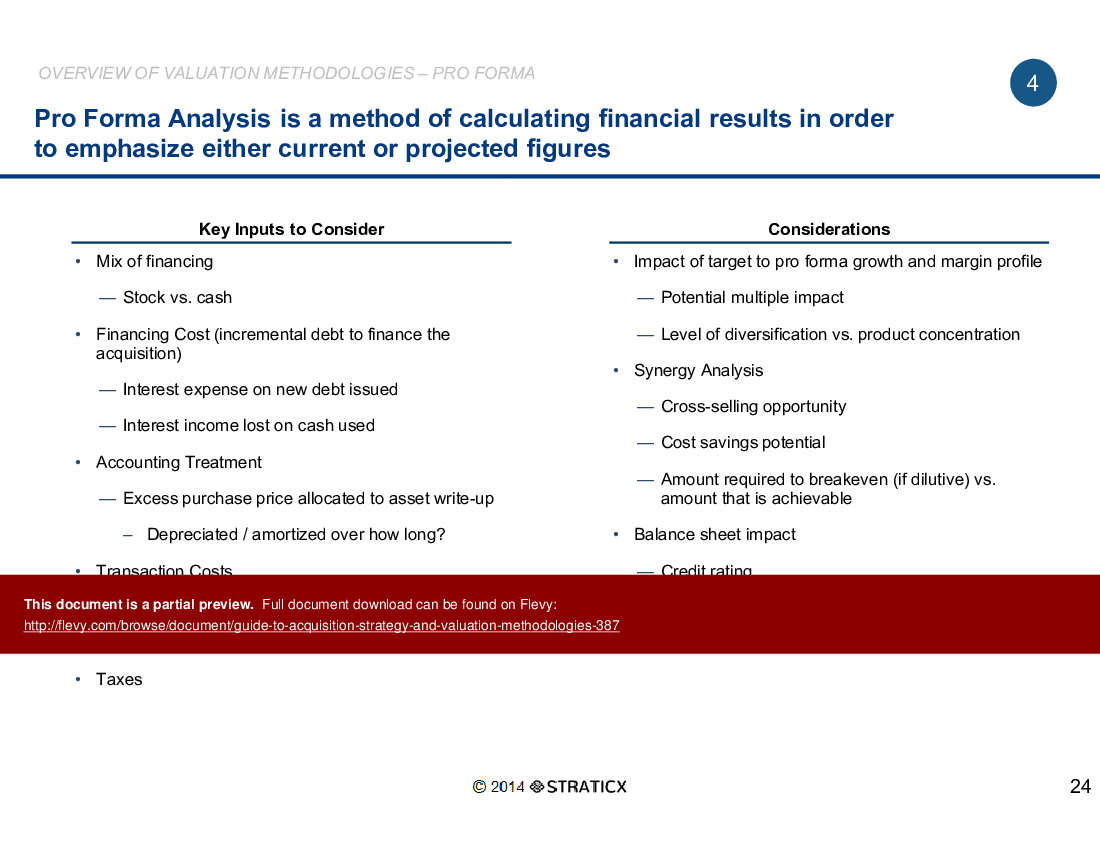
4. Pro Forma
This powerpoint is designed to give a good foundations and building blocks for those interesting in learning more about the above techniques.
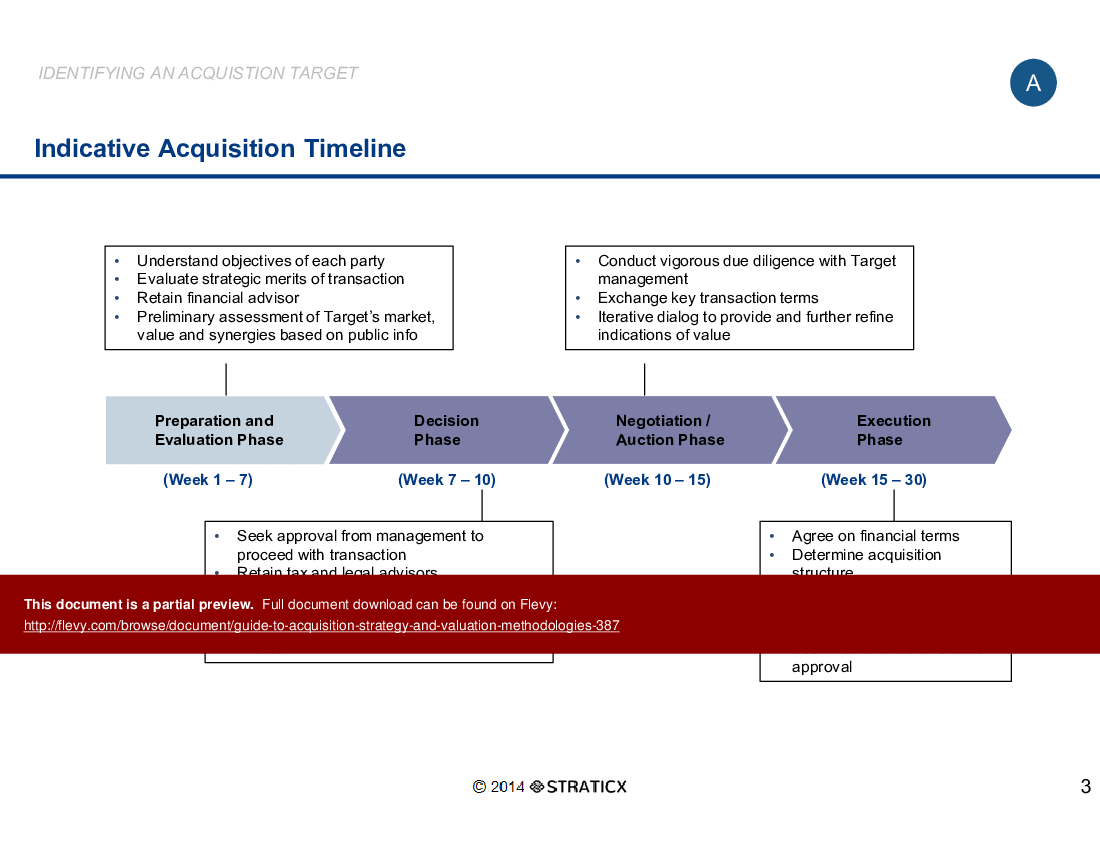
This guide delves into the intricacies of the acquisition timeline, breaking down the process into distinct phases: Preparation and Evaluation, Decision, Negotiation/Auction, and Execution. Each phase is meticulously outlined with key activities such as retaining a financial advisor, conducting due diligence, and finalizing financial terms. The timeline provides a clear roadmap for managing the acquisition process efficiently and effectively.
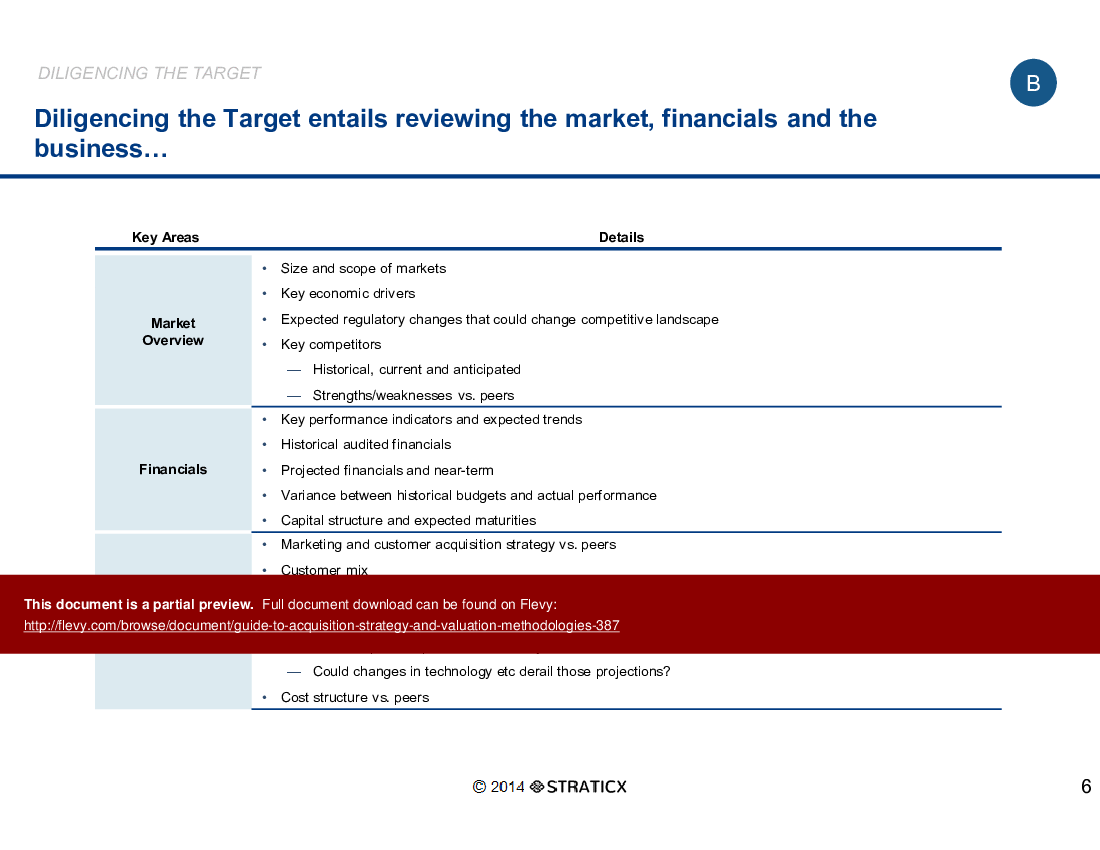
The document also emphasizes the importance of thorough due diligence, covering market overview, financials, and customer mix. It highlights the need to assess key performance indicators, historical and projected financials, and capital structure. Understanding these elements is crucial for making informed decisions and ensuring the acquisition aligns with strategic objectives.
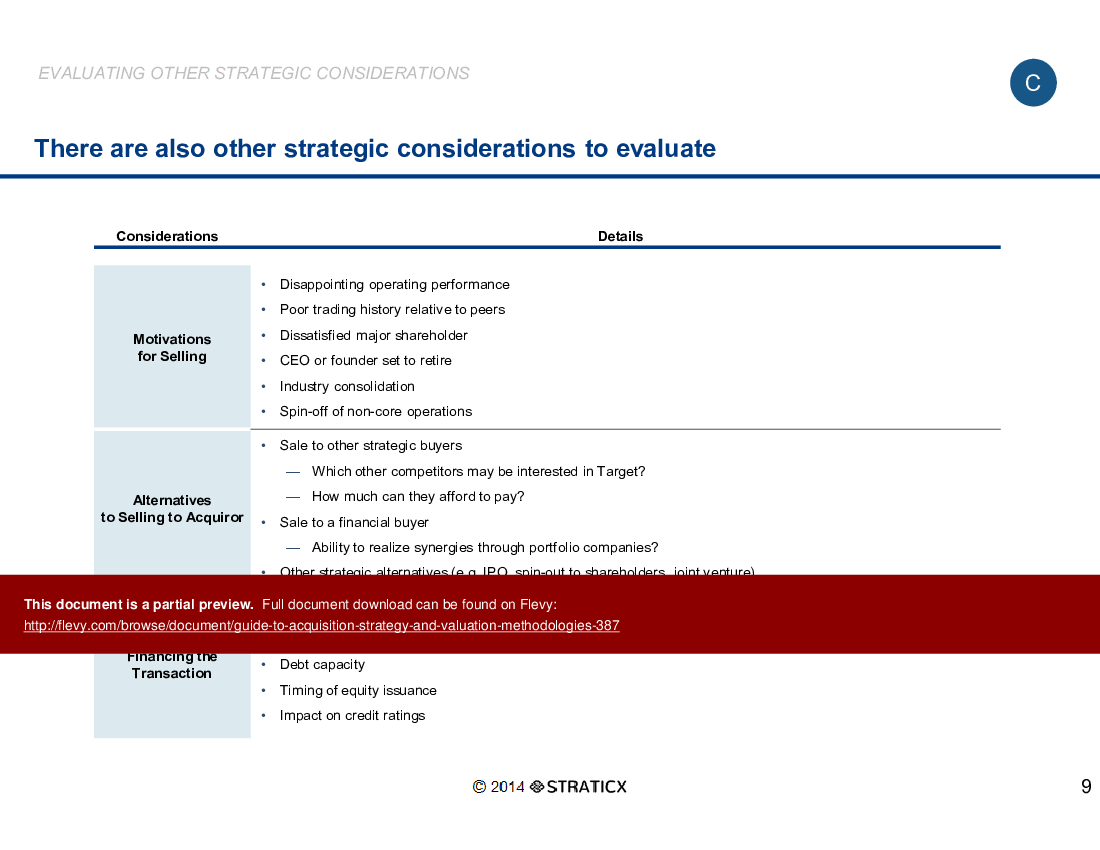
Strategic considerations are another focal point, addressing motivations for selling, alternatives to selling, and financing the transaction. The guide explores various scenarios, such as industry consolidation and spin-offs, and evaluates potential buyers and financing options. This comprehensive approach ensures that all aspects of the acquisition are considered, reducing risks and enhancing the likelihood of a successful transaction.
Got a question about the product? Email us at support@flevy.com or ask the author directly by using the "Ask the Author a Question" form. If you cannot view the preview above this document description, go here to view the large preview instead.
Executive Summary
This comprehensive guide to building an acquisition strategy and valuation methodologies is designed for corporate executives, integration leaders, and consultants seeking to navigate the complexities of mergers and acquisitions. It provides a structured approach to formulating an acquisition strategy, identifying potential targets, conducting thorough due diligence, and evaluating various valuation methodologies. The content is presented in a clear, consulting-grade format akin to McKinsey, Bain, or BCG-quality presentations (not affiliated). By utilizing this guide, users will be equipped to develop actionable acquisition plans, assess target value, and make informed decisions throughout the M&A process.
Who This Is For and When to Use
• Corporate executives responsible for strategic growth initiatives
• Integration leaders managing post-acquisition processes
• Consultants advising clients on M&A strategies
• Financial analysts conducting valuation assessments
• Business development teams exploring acquisition opportunities
Best-fit moments to use this deck:
• During the initial planning phase of an acquisition
• When evaluating potential acquisition targets
• In preparation for due diligence and valuation discussions
• To align stakeholders on acquisition strategy and objectives
Learning Objectives
• Define key components of an effective acquisition strategy
• Identify and evaluate potential acquisition targets
• Conduct comprehensive due diligence on target companies
• Analyze various valuation methodologies and their applications
• Assess strategic considerations influencing acquisition decisions
• Develop actionable timelines for the acquisition process
Table of Contents
• Formulating an Acquisition Strategy (page 1)
• Identifying the Acquisition Target and Process (page 1)
• Diligencing the Target (page 6)
• Evaluating Other Strategic Considerations (page 9)
• Overview of Valuation Methodologies (page 10)
Primary Topics Covered
• Acquisition Strategy Formulation - A structured approach to developing an acquisition strategy that aligns with corporate objectives and market conditions.
• Identifying Acquisition Targets - Key aspects to consider when searching for potential acquisition targets, including competitive advantage and market position.
• Due Diligence Process - A comprehensive review of market, financial, and business factors to assess the viability of an acquisition target.
• Strategic Considerations - Evaluation of motivations for selling and alternatives to selling, including potential competitors and financial buyers.
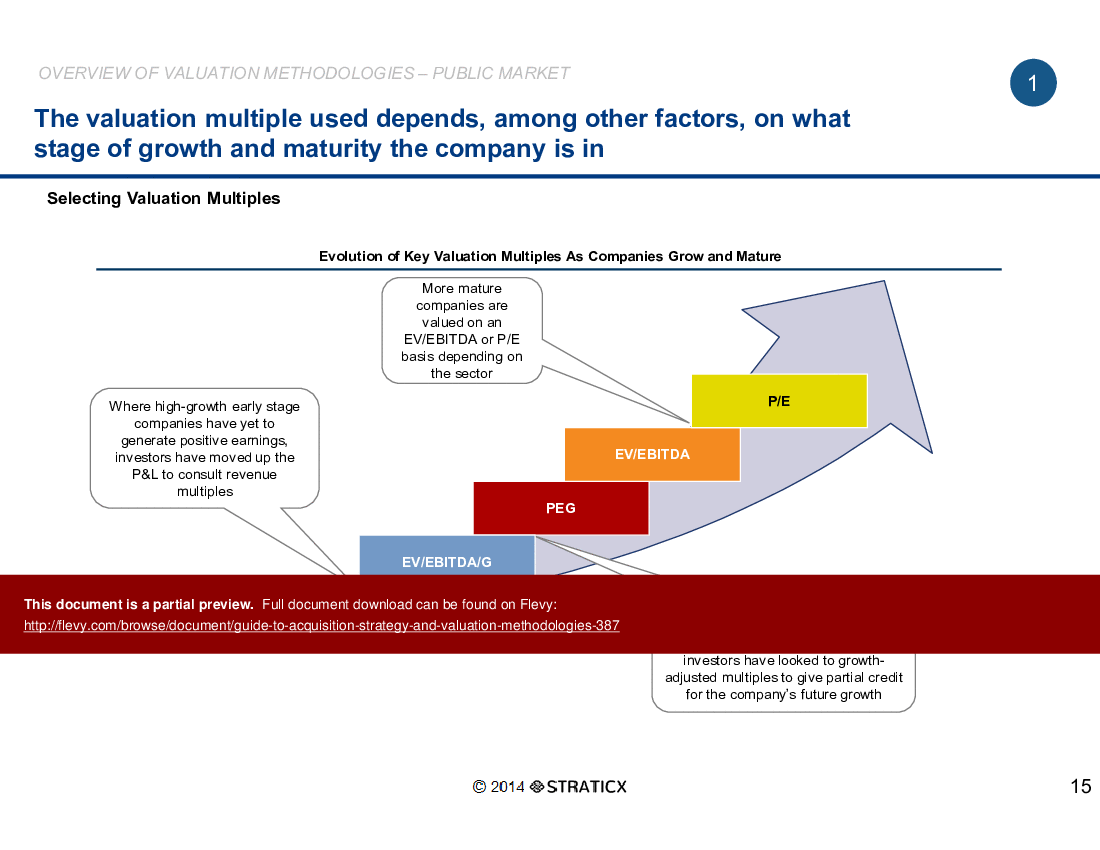
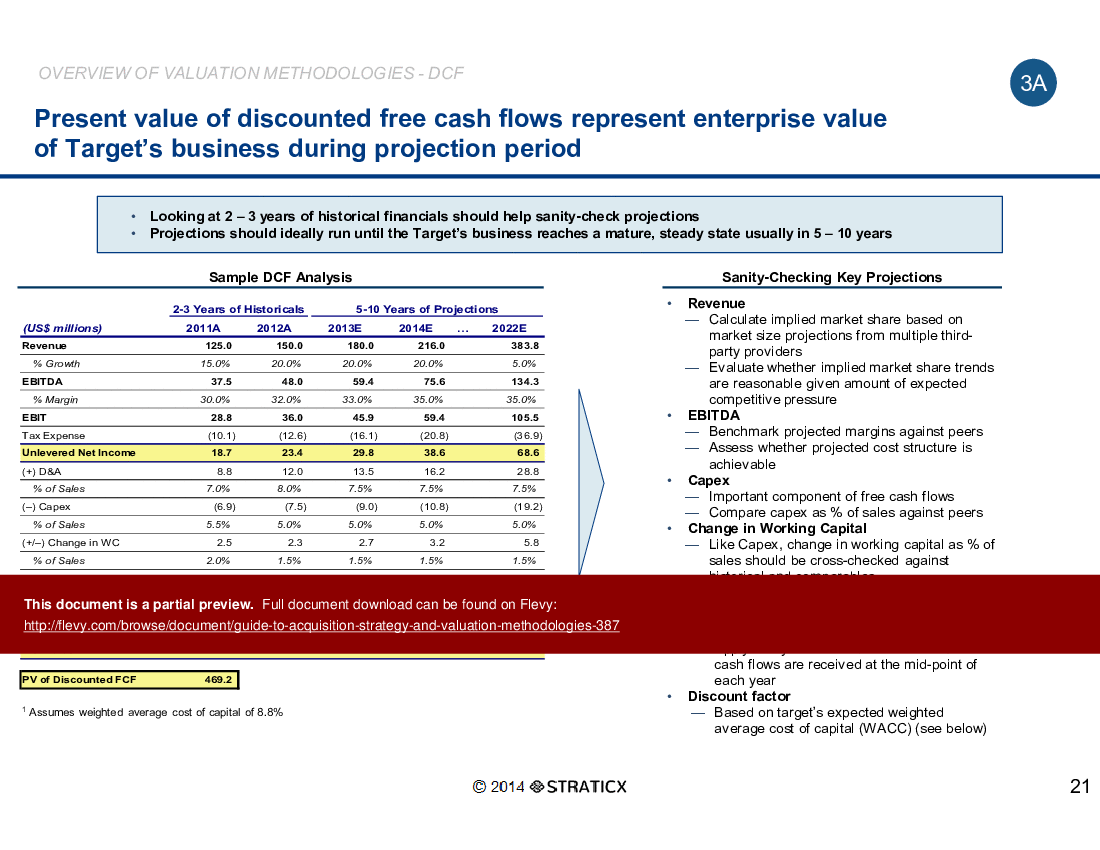
• Valuation Methodologies Overview - An exploration of various methodologies, including public market comparables, merger market comparables, and discounted cash flow analysis.
• Pro Forma Analysis - A method for calculating financial results to assess the impact of an acquisition on earnings per share and overall financial health.
Deliverables, Templates, and Tools
• Acquisition strategy framework template for aligning corporate objectives with potential targets
• Due diligence checklist covering market, financial, and legal aspects
• Valuation model templates for public market and merger market comparables
• Pro forma analysis template for assessing EPS accretion/dilution
• Indicative acquisition timeline template to guide the acquisition process
Slide Highlights
• Overview of key aspects to consider when identifying an acquisition target
• Indicative acquisition timeline detailing the phases from preparation to execution
• Competitive auction vs. negotiated transaction strategies
• Key areas of focus during the due diligence process
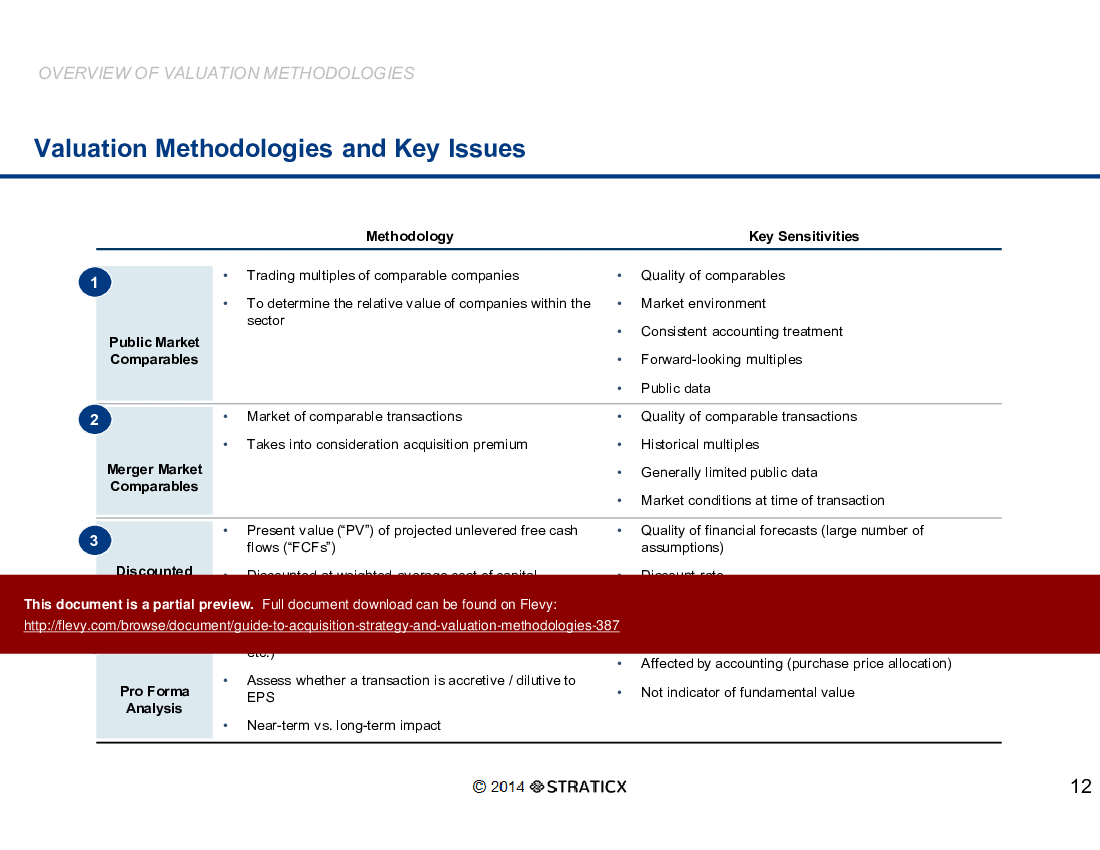
• Summary of valuation methodologies and their key sensitivities
Potential Workshop Agenda
Acquisition Strategy Development (90 minutes)
• Discuss corporate objectives and align on acquisition strategy
• Identify potential acquisition targets and evaluate strategic fit
• Develop a preliminary acquisition timeline
Due Diligence Deep Dive (120 minutes)
• Review due diligence requirements and assign responsibilities
• Conduct a market overview and assess financial performance
• Evaluate legal and regulatory considerations impacting the target
Valuation Methodologies Overview (60 minutes)
• Present various valuation methodologies and their applications
• Discuss the implications of each methodology on acquisition decisions
• Analyze case studies of recent acquisitions to illustrate valuation principles
Customization Guidance
• Tailor the acquisition strategy framework to reflect specific corporate goals and market conditions
• Adapt the due diligence checklist to include industry-specific factors and regulatory requirements
• Modify valuation models to account for unique financial structures and market dynamics
Secondary Topics Covered
• Market drivers influencing acquisition decisions
• Competitive landscape analysis for potential targets
• Historical performance review of acquisition targets
• Legal and regulatory considerations in the acquisition process
• Financing structures and their impact on acquisition strategy
FAQ
What is the first step in formulating an acquisition strategy?
The first step involves aligning corporate objectives with market opportunities to identify potential acquisition targets that fit strategic goals.
How do I conduct due diligence on a target?
Due diligence entails reviewing market conditions, financial performance, and legal compliance to assess the viability and risks associated with the target.
What are the key valuation methodologies?
Key methodologies include public market comparables, merger market comparables, discounted cash flow analysis, and pro forma analysis, each with its own strengths and applications.
How can I determine the ideal acquisition target?
An ideal target typically possesses a competitive advantage, robust financial performance, and access to new markets that align with the acquiror's strategic objectives.
What factors influence the choice of valuation methodology?
Factors include the availability of comparable data, the nature of the target's business, market conditions, and the specific financial metrics relevant to the acquisition.
What is the purpose of pro forma analysis?
Pro forma analysis evaluates the financial impact of an acquisition on earnings per share and overall financial health, helping to assess whether the transaction is accretive or dilutive.
How do I assess the motivations for selling a target?
Understanding the seller's motivations involves analyzing operational performance, market conditions, and potential strategic alternatives they may consider.
What is the importance of an indicative acquisition timeline?
An indicative acquisition timeline provides a structured approach to managing the acquisition process, ensuring that key phases and milestones are clearly defined and tracked.
Glossary
• Acquisition Strategy - A plan outlining the approach to acquiring a target company.
• Due Diligence - The process of investigating a target's business, financials, and legal standing before an acquisition.
• Valuation Methodologies - Various methods used to assess the value of a target company.
• Pro Forma Analysis - A financial analysis that projects the impact of an acquisition on earnings and financial metrics.
• Public Market Comparables - Valuation based on the trading multiples of similar publicly traded companies.
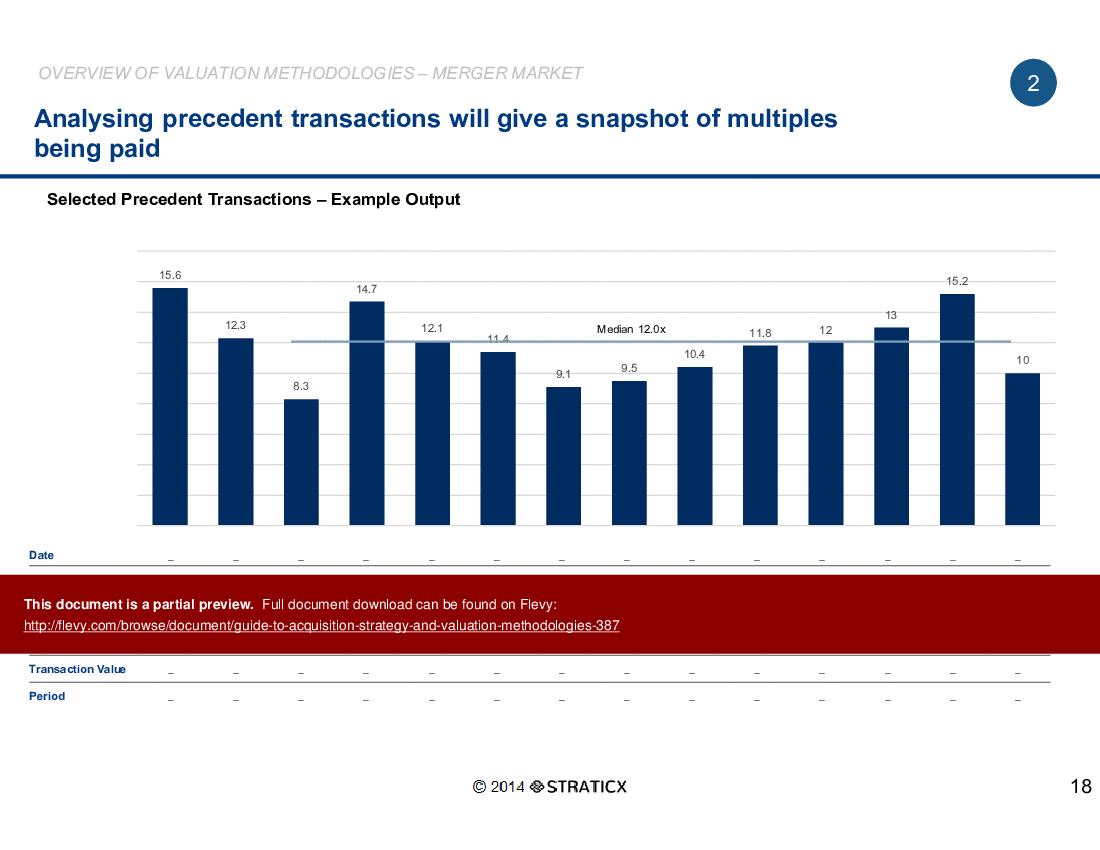
• Merger Market Comparables - Valuation based on historical acquisition transactions in the same industry.
• Discounted Cash Flow (DCF) - A valuation method that calculates the present value of projected future cash flows.
• EPS Accretion/Dilution - Assessment of whether an acquisition increases or decreases earnings per share.
• Competitive Advantage - Unique strengths that give a company an edge over its competitors.
• Market Drivers - Factors that influence the demand and supply dynamics in a market.
• Legal and Regulatory Considerations - Compliance factors that must be reviewed during the acquisition process.
• Financing Structure - The mix of debt and equity used to finance an acquisition.
• Synergy Analysis - Evaluation of potential cost savings and revenue enhancements resulting from an acquisition.
• Terminal Value - The estimated value of a business at the end of the projection period in a DCF analysis.
• Weighted Average Cost of Capital (WACC) - The average rate of return a company is expected to pay its security holders.
• Market Position - The relative standing of a company in its industry compared to competitors.
• Capital Structure - The combination of debt and equity financing used by a company.
• Acquisition Premium - The additional amount paid over the market value of a target company in an acquisition.
• Strategic Considerations - Factors influencing the decision-making process in acquisitions, including market conditions and competitive landscape.
• Financial Performance Metrics - Key indicators used to assess a company's financial health and operational efficiency.
Source: Best Practices in M&A, Valuation PowerPoint Slides: Guide to Acquisition Strategy and Valuation Methodologies PowerPoint (PPTX) Presentation Slide Deck, STRATICX
This document is available as part of the following discounted bundle(s):
Save %!
Complete Kit
This bundle contains 13 total documents. See all the documents to the right.
Save %!
Essential Kit
This bundle contains 5 total documents. See all the documents to the right.
|
Download our FREE Strategy & Transformation Framework Templates
Download our free compilation of 50+ Strategy & Transformation slides and templates. Frameworks include McKinsey 7-S, Balanced Scorecard, Disruptive Innovation, BCG Curve, and many more. |