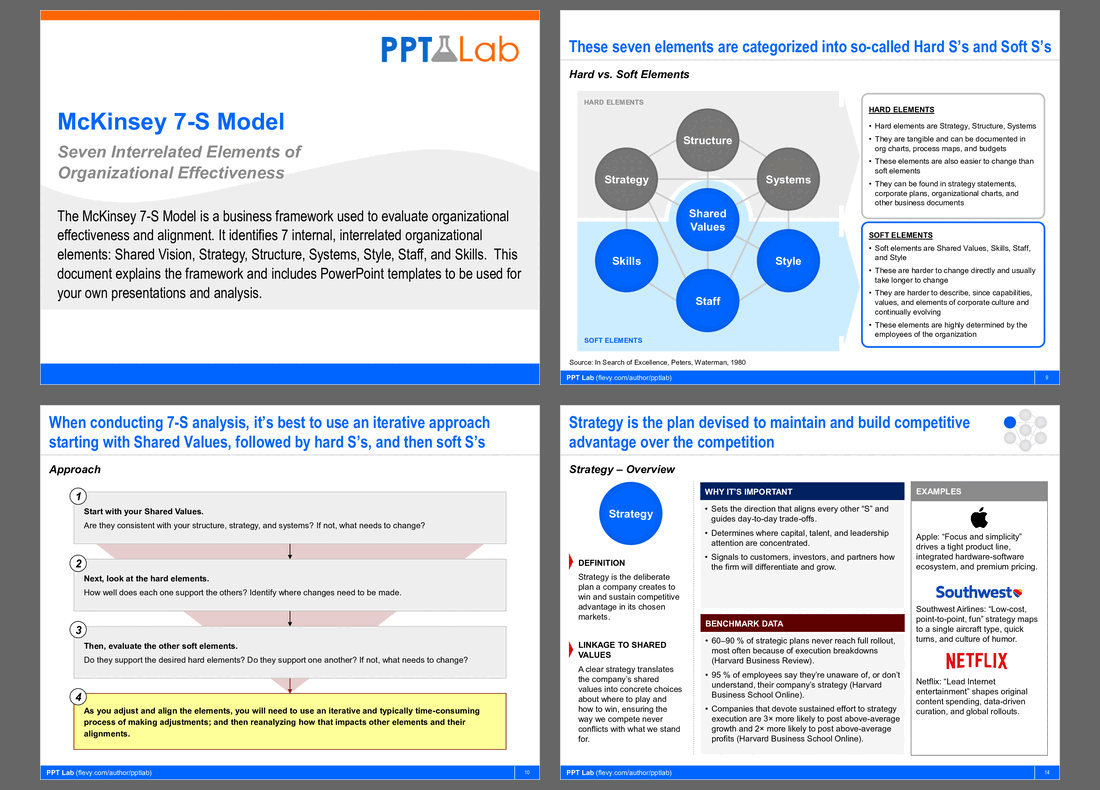
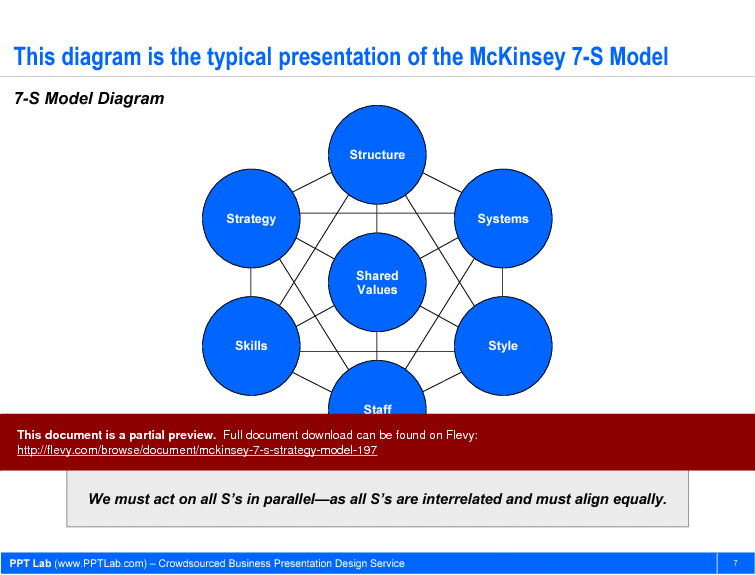
The McKinsey 7-S Strategy Model is a business framework used to evaluate organizational effectiveness and alignment. It identifies 7 internal, interrelated organizational elements: Shared Vision, Strategy, Structure, Systems, Style, Staff, and Skills. These elements need to be aligned for the organization or initiative to be successful.
This framework can be used to understand our organization and leverage it to maximize efficiency and profitability. It can also be used in situations where an alignment perspective is useful. The scope of these situations doesn't matter—for instance, it can be applied to elements of a project or of a team.
This deck explains the framework and includes PowerPoint templates to be used for your own presentations and analysis.
The document provides a comprehensive overview of the McKinsey 7-S Model, breaking down each element with detailed explanations and actionable insights. The "7S Deep Dives" section offers an in-depth analysis of each "S," including linkages to other elements, benchmark data, case examples, and diagnostic questions, ensuring you understand how to leverage them effectively within your organization. This section is crucial for identifying misalignments and areas for improvement, which can significantly impact your strategic initiatives.
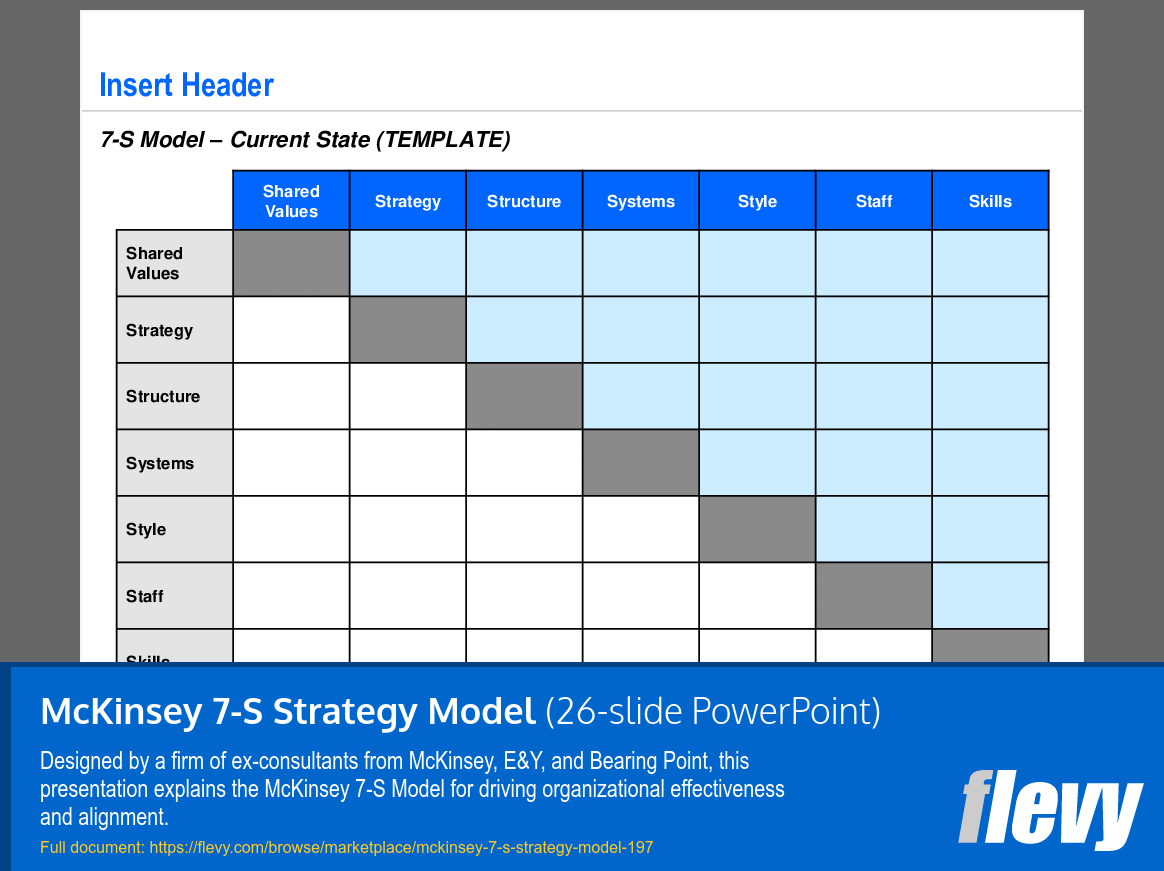
Included are various templates that facilitate the practical application of the 7-S Model. These templates are designed to streamline your analysis process, making it easier to visualize the current state and desired future state of your organization. They serve as a valuable tool for workshops, strategy sessions, and executive meetings, providing a structured approach to organizational alignment.
The iterative approach recommended for conducting the 7-S analysis starts with evaluating Shared Values, followed by the hard elements, and concluding with the soft elements. This method ensures a thorough examination of how each component supports the others. By following this approach, you can make informed adjustments that enhance overall organizational performance and drive sustainable growth.
Got a question about the product? Email us at support@flevy.com or ask the author directly by using the "Ask the Author a Question" form. If you cannot view the preview above this document description, go here to view the large preview instead.
Executive Summary
The McKinsey 7-S Model is a robust business framework designed to evaluate organizational effectiveness and alignment. Developed by McKinsey consultants Tom Peters and Robert Waterman, this model identifies 7 internal, interrelated elements: Shared Values, Strategy, Structure, Systems, Style, Staff, and Skills. This presentation provides a comprehensive overview of the 7-S Model, enabling organizations to maximize efficiency and profitability. It serves as a diagnostic tool for improving performance, guiding organizational changes, and aligning business units during mergers and acquisitions. This consulting-grade presentation is crafted to help executives and consultants implement strategic initiatives effectively.
Who This Is For and When to Use
• Corporate executives seeking to enhance organizational alignment and effectiveness
• Integration leaders managing mergers or acquisitions
• Consultants advising clients on organizational design and strategy
• Project managers aiming to align team dynamics with corporate goals
Best-fit moments to use this deck:
• During organizational assessments to identify misalignments
• When planning strategic initiatives or transformations
• In workshops focused on team alignment and performance improvement
• To guide discussions on corporate culture and values integration
Learning Objectives
• Define the McKinsey 7-S Model and its relevance to organizational effectiveness
• Analyze the interrelationships among the 7 elements of the model
• Evaluate current organizational alignment using the 7-S framework
• Develop actionable strategies to address identified misalignments
• Facilitate discussions on shared values and their impact on organizational culture
• Create a roadmap for implementing changes based on the 7-S analysis
Table of Contents
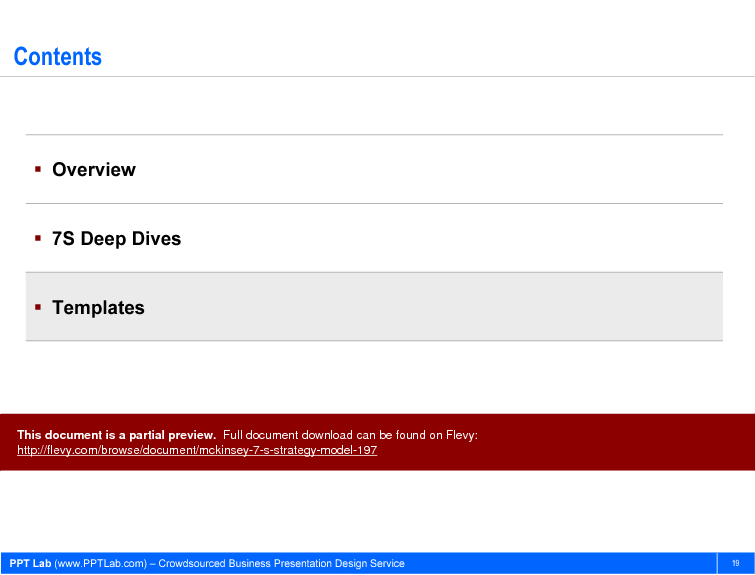
• Overview (page 4)
• 7S Deep Dives (page 11)
• Templates (page 19)
Primary Topics Covered
• Overview of the 7-S Model - An introduction to the framework and its purpose in evaluating organizational effectiveness.
• Shared Values - The core beliefs that shape the organization’s culture and guide decision-making.
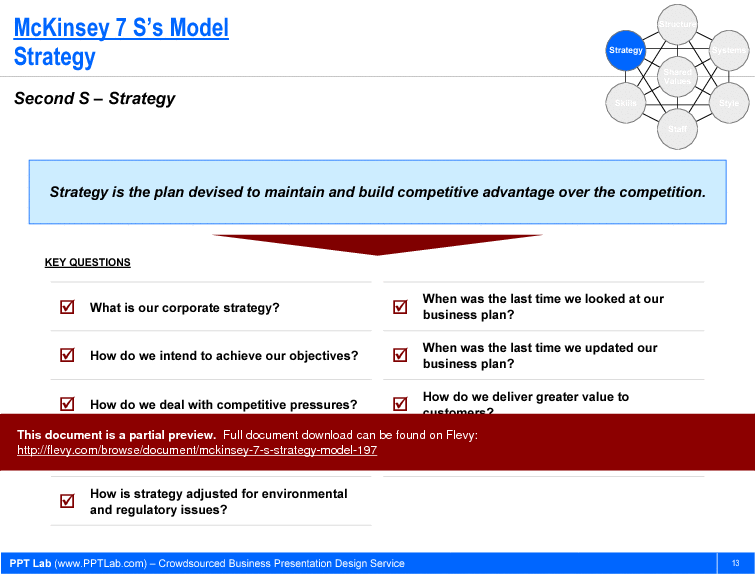
• Strategy - The deliberate plan to maintain and build competitive advantage in chosen markets.
• Structure - The formal arrangement of roles and reporting lines that channels resources toward strategic goals.
• Systems - The processes and IT platforms that support day-to-day operations and execution.
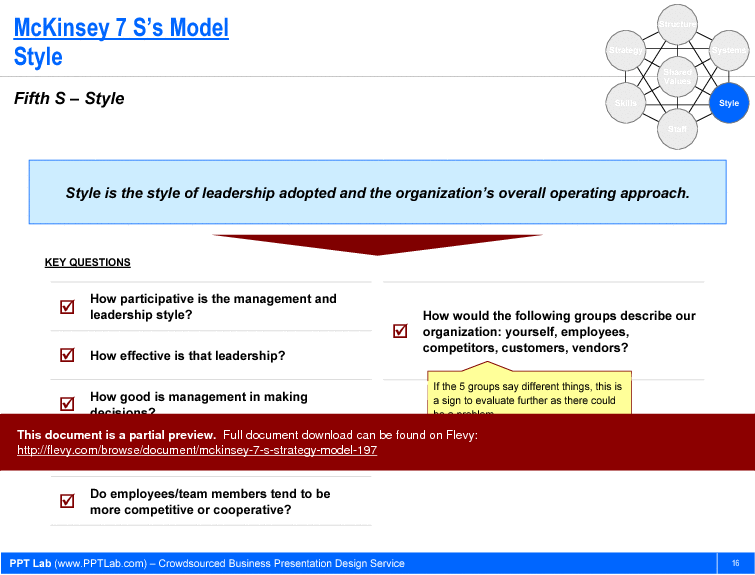
• Style - The collective pattern of leadership behaviors that sets the emotional tone for the organization.
• Staff - The composition and deployment of the workforce necessary to execute the strategy.
• Skills - The proficiencies and competencies required for employees to be effective in their roles.
Deliverables, Templates, and Tools
• 7-S Model overview presentation template for organizational assessments
• Deep dive analysis templates for each of the 7 elements
• Evaluation frameworks for assessing alignment and effectiveness
• Action plan templates for implementing changes based on 7-S analysis
• Diagnostic tools for measuring organizational culture and employee engagement
• Reporting templates for summarizing findings and recommendations
Slide Highlights
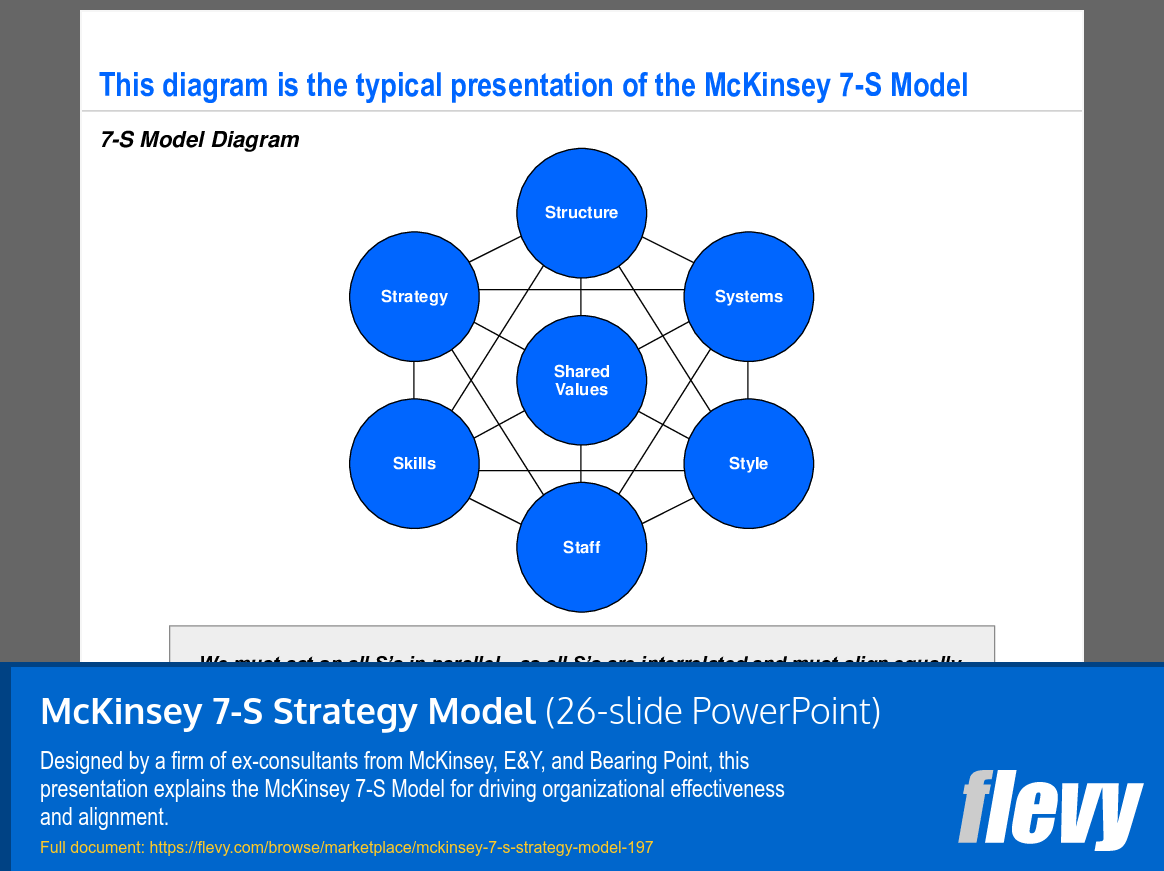
• Diagram illustrating the interconnections among the 7 elements of the 7-S Model
• Overview slide detailing the importance of Shared Values in organizational alignment
• Evaluation frameworks for assessing each of the 7 elements
• Case studies showcasing successful application of the 7-S Model in various organizations
• Templates for conducting workshops and discussions on the 7-S framework
Potential Workshop Agenda
Introduction to the 7-S Model (30 minutes)
• Overview of the framework and its significance
• Discussion on the interrelationships among the 7 elements
Deep Dive into Shared Values (45 minutes)
• Exploration of core values and their impact on organizational culture
• Group activity to identify and align values across teams
Evaluating Strategy and Structure (60 minutes)
• Assessment of current strategic initiatives and organizational structure
• Breakout sessions to develop improvement plans
Action Planning and Next Steps (30 minutes)
• Summary of findings and recommendations
• Establishing accountability for implementing changes
Customization Guidance
• Tailor the presentation to reflect your organization’s specific values and strategic goals
• Adjust templates to include relevant metrics and KPIs for your industry
• Incorporate case studies or examples that resonate with your audience
• Modify diagnostic questions to align with your organizational context
Secondary Topics Covered
• The importance of aligning hard and soft elements in organizational design
• Strategies for effective change management during organizational transformations
• The role of leadership in fostering a culture of alignment and engagement
• Best practices for conducting 7-S Model assessments in various contexts
FAQ
What is the McKinsey 7-S Model?
The McKinsey 7-S Model is a framework that evaluates organizational effectiveness by examining 7 interrelated elements: Shared Values, Strategy, Structure, Systems, Style, Staff, and Skills.
How can the 7-S Model be applied?
It can be used as a diagnostic tool to assess organizational alignment, guide strategic initiatives, and facilitate change management during mergers or acquisitions.
What are the hard and soft elements in the 7-S Model?
Hard elements include Strategy, Structure, and Systems, which are tangible and easier to change. Soft elements include Shared Values, Skills, Staff, and Style, which are more subjective and harder to modify.
Why are Shared Values important?
Shared Values act as the foundation for the other elements, guiding decision-making and influencing organizational culture.
How do I assess alignment using the 7-S Model?
Begin with Shared Values, then evaluate the hard elements, and finally assess the soft elements to identify areas of misalignment.
What are some common challenges when implementing the 7-S Model?
Challenges include resistance to change, lack of clarity in roles, and difficulty in measuring soft elements like culture and values.
Can the 7-S Model be used for team assessments?
Yes, the model can be applied to evaluate team dynamics and alignment with organizational goals.
What types of organizations can benefit from the 7-S Model?
The model is applicable to a wide range of organizations, from startups to Fortune 500 companies, across various industries.
Glossary
• 7-S Model - A framework for evaluating organizational effectiveness through 7 interrelated elements.
• Shared Values - Core beliefs that shape an organization’s culture and guide behavior.
• Strategy - A plan to achieve competitive advantage in chosen markets.
• Structure - The arrangement of roles and reporting lines within an organization.
• Systems - Processes and IT platforms that support daily operations.
• Style - The leadership behaviors that set the emotional tone of the organization.
• Staff - The composition and deployment of the workforce.
• Skills - The competencies and proficiencies required for effective job performance.
• Alignment - The degree to which the 7 elements of the 7-S Model are coordinated and mutually supportive.
• Change Management - The process of managing organizational change effectively.
• Organizational Culture - The shared values, beliefs, and practices that shape the behavior of members within an organization.
• Performance Metrics - Quantitative measures used to assess the effectiveness of an organization or its components.
• Diagnostic Tool - A method or framework used to evaluate and identify issues within an organization.
• Mergers and Acquisitions - The process of combining 2 companies or acquiring one company by another.
• Employee Engagement - The level of commitment and involvement an employee has towards their organization.
• Leadership Style - The manner in which leaders guide and influence their teams.
• Organizational Effectiveness - The ability of an organization to achieve its goals and objectives efficiently.
• Continuous Improvement - Ongoing efforts to enhance products, services, or processes.
• Stakeholder - Any individual or group that has an interest in the success of an organization.
• Benchmarking - The process of comparing organizational performance against industry standards or best practices.
Source: Best Practices in Organizational Design, McKinsey 7-S PowerPoint Slides: McKinsey 7-S Strategy Model PowerPoint (PPTX) Presentation Slide Deck, PPT Lab
|
Download our FREE Organization, Change, & Culture, Templates
Download our free compilation of 50+ slides and templates on Organizational Design, Change Management, and Corporate Culture. Methodologies include ADKAR, Burke-Litwin Change Model, McKinsey 7-S, Competing Values Framework, etc. |










