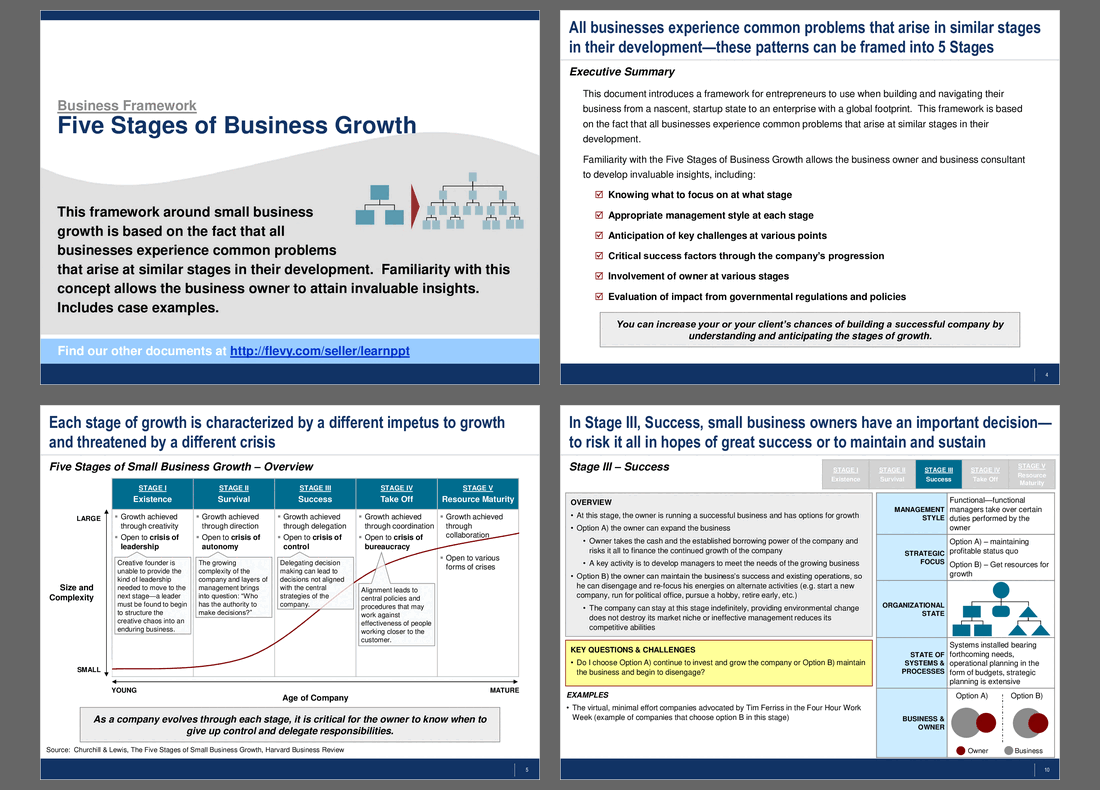
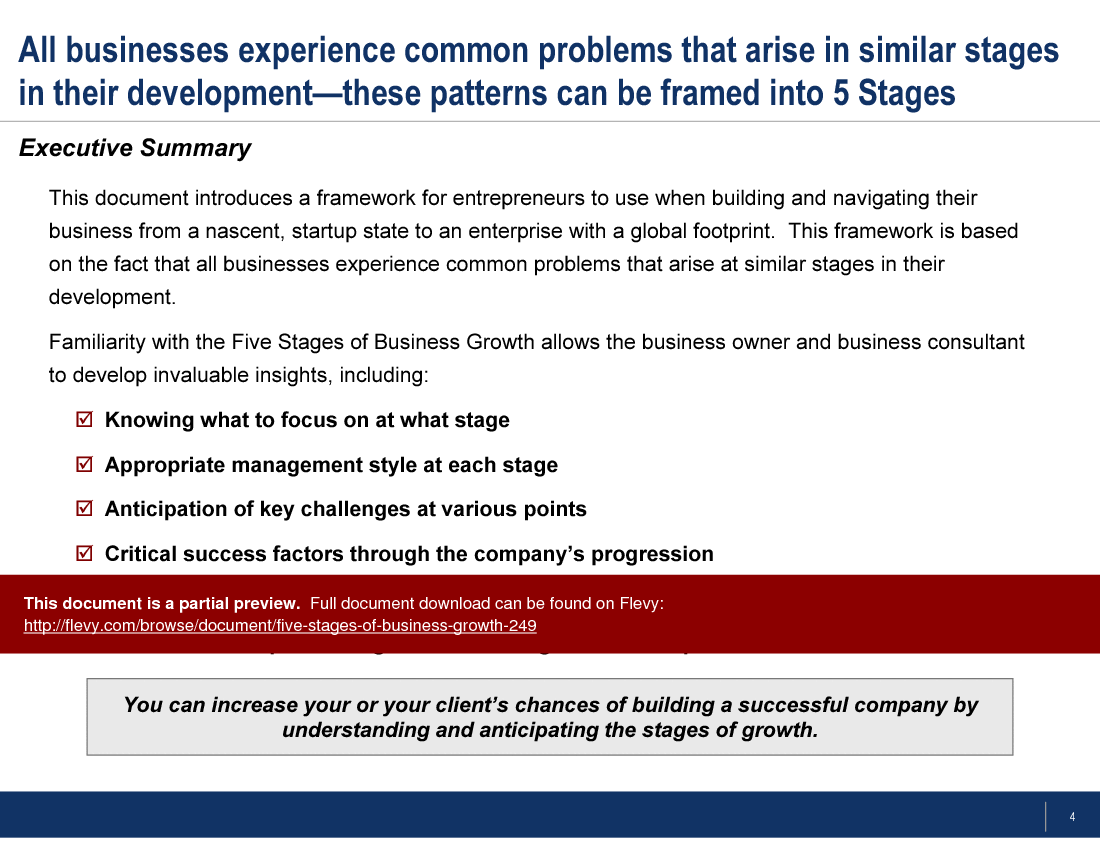

This presentation introduces a framework for entrepreneurs to use when building and navigating their business from a nascent, startup state to an enterprise with a global footprint. This framework, called the 5 Stages of Business Growth, is based on the fact that all businesses experience common problems that arise at similar stages in their development.

Familiarity with the Five Stages of Business Growth allows the business owner and business consultant to develop invaluable insights, including:
• Knowing what to focus on at what stage
• Appropriate management style at each stage
• Anticipation of key challenges at various points
• Critical success factors through the company's progression
• Involvement of owner at various stages
• Evaluation of impact from governmental regulations and policies
You can increase your organization's chances of building a successful enterprise by understanding and anticipating the stages of growth.
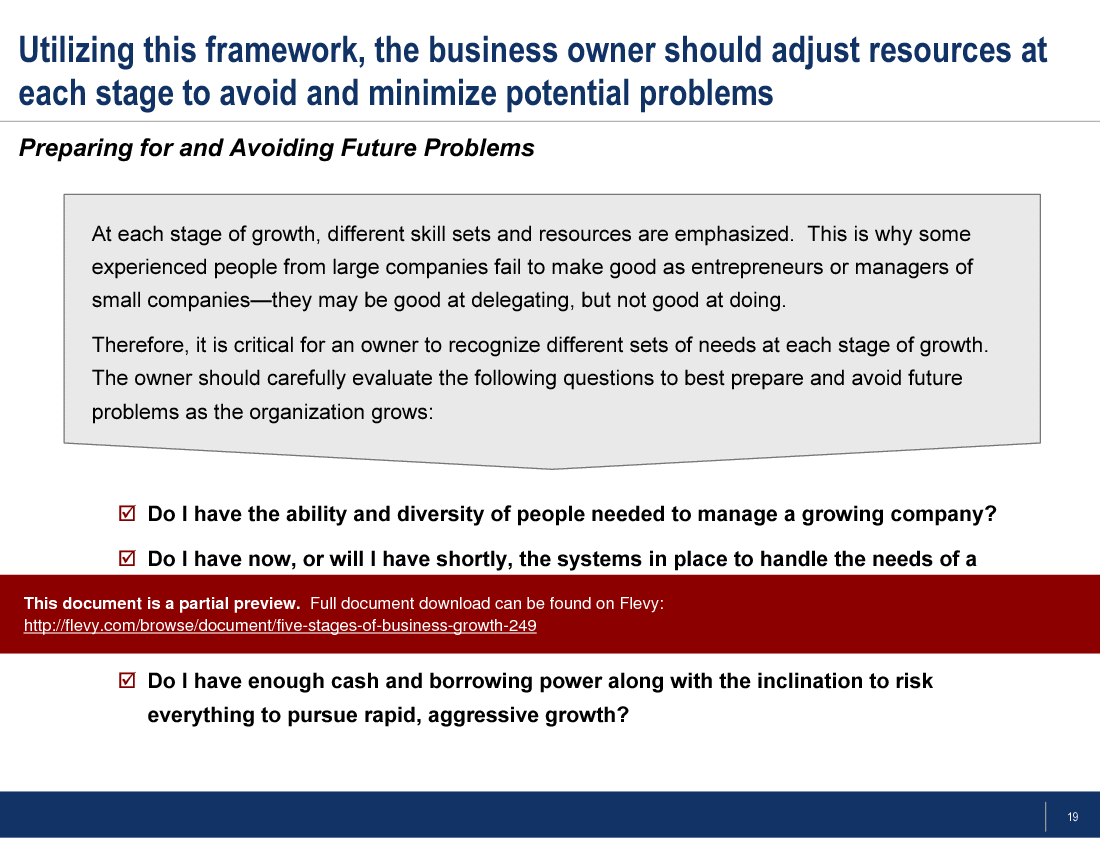
As each stage requires a different management style, it is common for the management team to also change as the company grows from small to enterprise. In fact, as a company evolves through each stage, it is critical for the owner to know when to give up control and delegate responsibilities. Failure to do this will result in the perpetual stagnation of the organization's growth and potential.
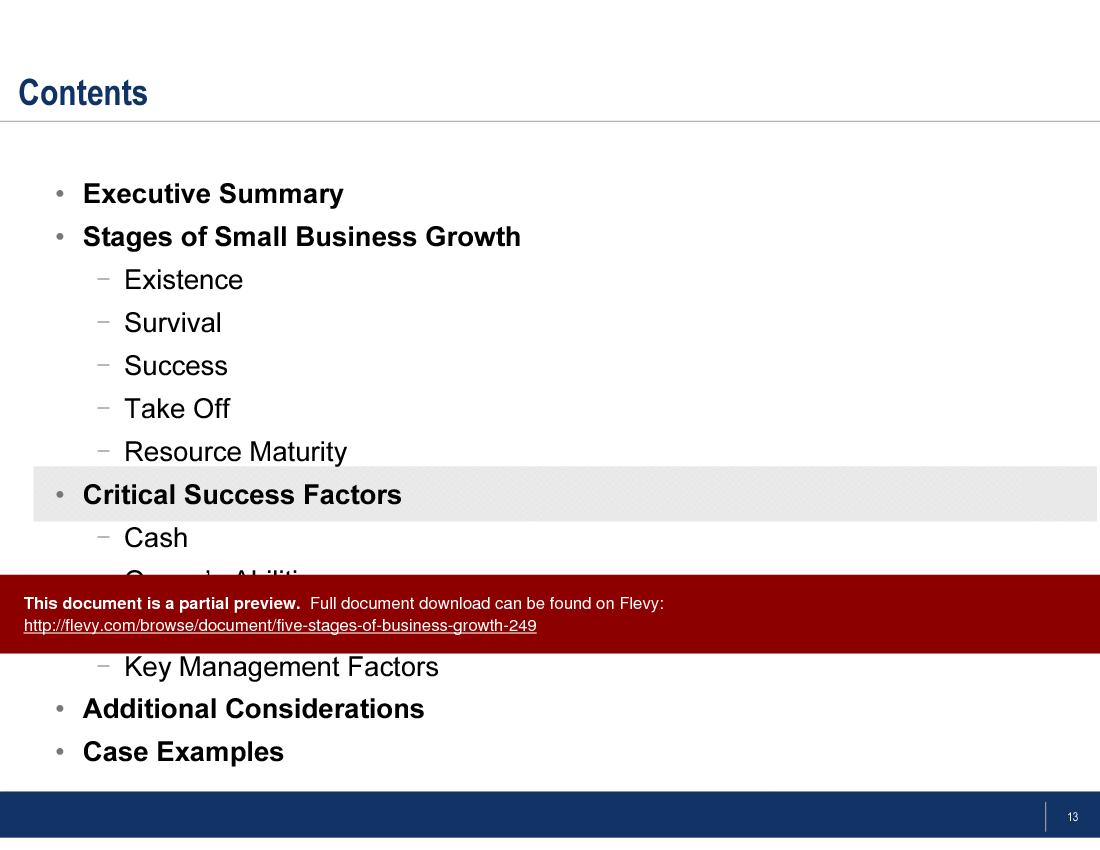
To elaborate on the above, this presentation also discusses Critical Success Factors (CSFs) around the areas of cash, the owner's abilities, strategic planning, and other key management factors
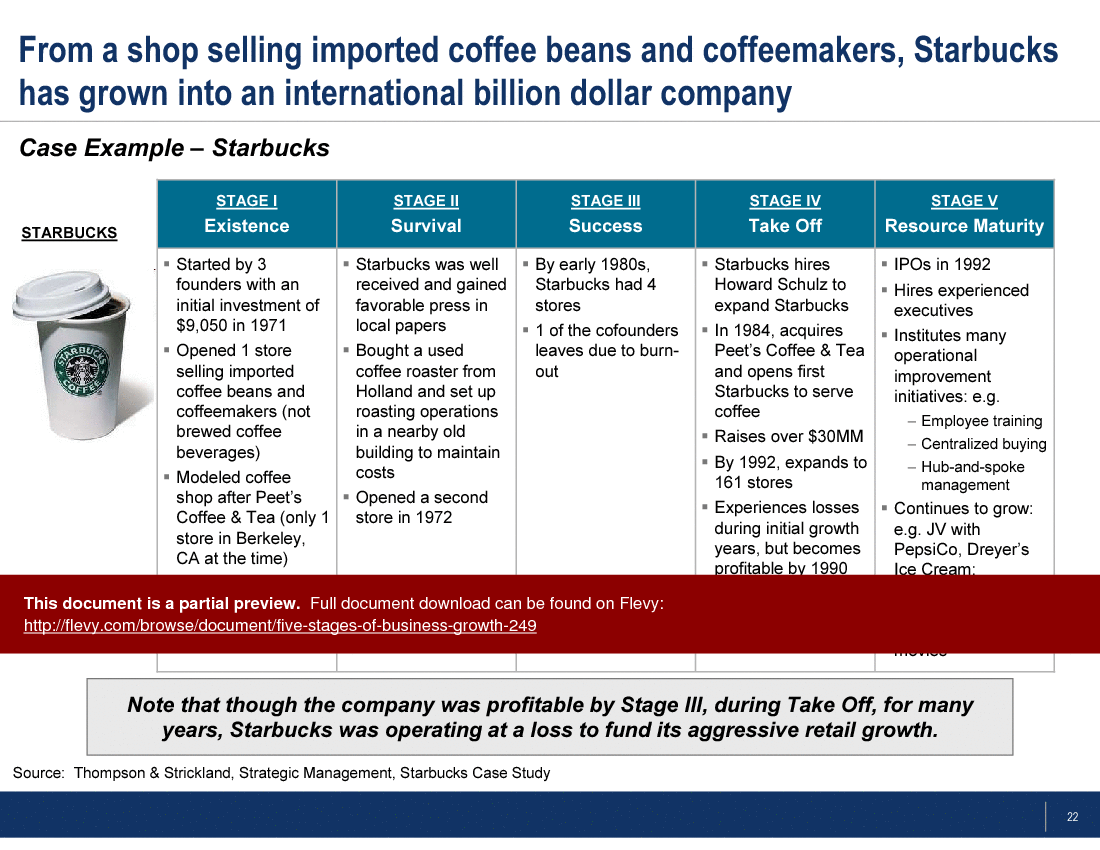
This PowerPoint presentation also includes case examples that illustrate how various organizations have evolved and matured through each stage, from Existence (Stage 1) to Resource Maturity (Stage 5).
The presentation delves into the pivotal decisions business owners face at each stage, particularly during the Success and Take Off phases. Real-world case studies, such as Starbucks and web start-ups, provide concrete examples of how companies navigate these growth stages.
Got a question about the product? Email us at support@flevy.com or ask the author directly by using the "Ask the Author a Question" form. If you cannot view the preview above this document description, go here to view the large preview instead.
Executive Summary
The Five Stages of Business Growth framework is a vital tool for entrepreneurs and business consultants, crafted by experts with backgrounds in McKinsey, BCG, Deloitte, EY, and Capgemini. This consulting-grade presentation outlines the common challenges businesses face at various developmental stages, providing insights that enhance the likelihood of success. By understanding these stages—from Existence to Resource Maturity—business owners can focus on critical areas, adopt appropriate management styles, anticipate challenges, and recognize the impact of external factors. This framework empowers users to navigate their business journey effectively, ensuring sustainable growth and operational efficiency.
Who This Is For and When to Use
• Small business owners seeking to understand growth dynamics
• Business consultants advising clients on scaling strategies
• Entrepreneurs in startup phases looking for structured guidance
• Investors assessing the maturity and potential of small businesses
Best-fit moments to use this deck:
• During strategic planning sessions to align on growth objectives
• When evaluating business performance at different growth stages
• For training workshops focused on business development and management
• In discussions about resource allocation and operational efficiency
Learning Objectives
• Define the Five Stages of Business Growth and their implications for business strategy
• Identify critical success factors at each stage of growth
• Develop strategies for overcoming challenges unique to each stage
• Recognize the importance of cash flow management in early stages
• Establish effective management styles tailored to each growth phase
• Evaluate the impact of external regulations on business operations
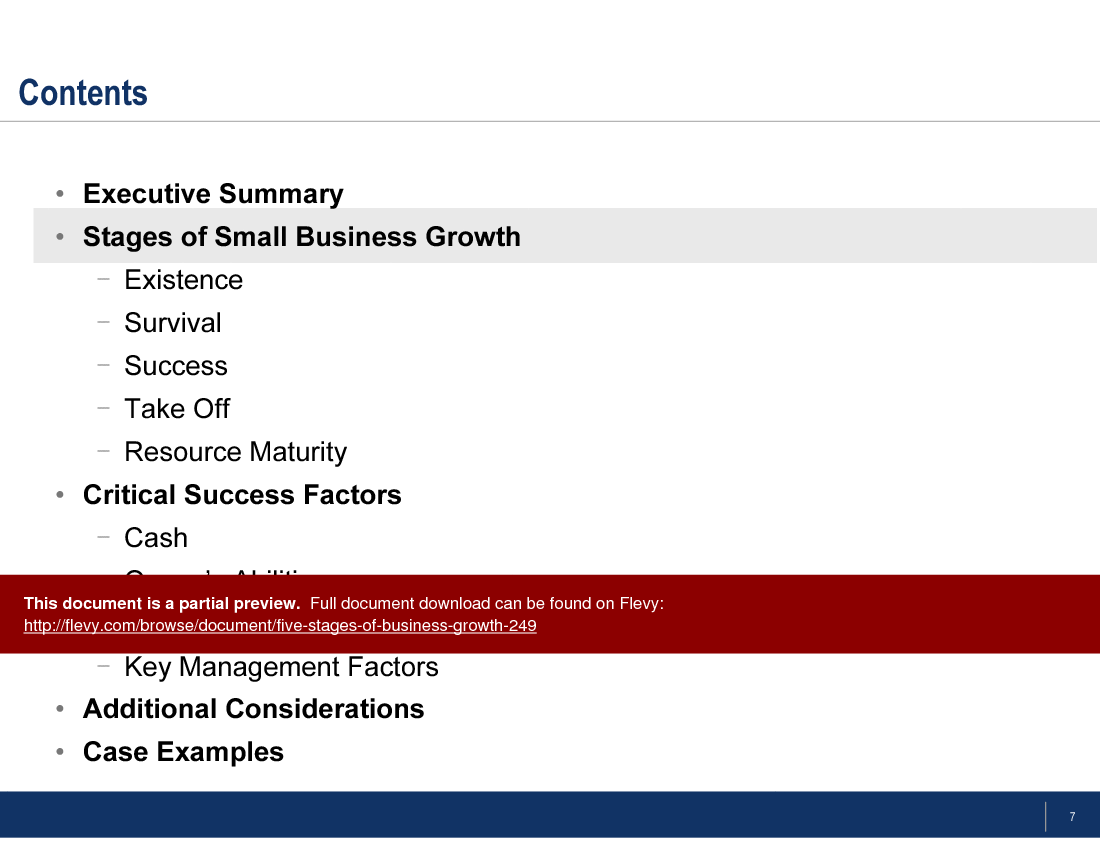
Table of Contents
• Executive Summary (page 3)
• Stages of Small Business Growth (page 7)
• Critical Success Factors (page 13)
• Additional Considerations (page 18)
• Case Examples (page 21)
Primary Topics Covered
• Existence Stage - Focuses on acquiring customers and delivering products or services effectively.
• Survival Stage - Centers on optimizing cash flow and establishing a viable business model.
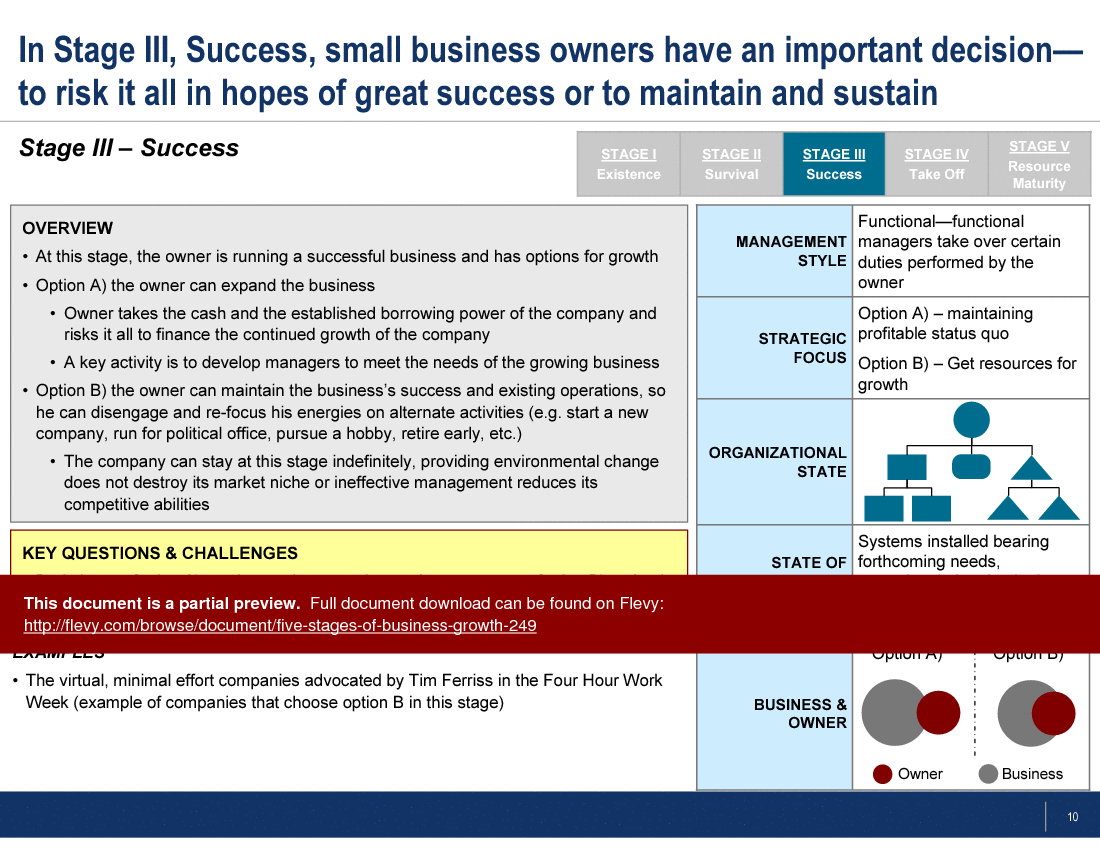
• Success Stage - Offers options for growth or maintaining operations, emphasizing managerial development.
• Take Off Stage - Involves rapid growth and the need for significant financing and management changes.
• Resource Maturity Stage - Focuses on streamlining operations and enhancing efficiency post-growth.
• Critical Success Factors - Highlights essential elements like cash flow, owner capabilities, strategic planning, and management factors.
Deliverables, Templates, and Tools
• Framework for assessing business growth stages
• Templates for cash flow forecasting and strategic planning
• Guidelines for management style adaptation at each stage
• Checklists for evaluating critical success factors
• Case studies illustrating real-world applications of the framework
Slide Highlights
• Overview of the Five Stages of Business Growth, detailing characteristics and challenges
• Management style adaptations required at each growth stage
• Critical success factors that influence business viability and growth
• Case examples demonstrating successful navigation through the stages
• Visual representations of the evolution of small companies
Potential Workshop Agenda
Understanding the Five Stages of Growth (90 minutes)
• Introduce the Five Stages framework and its significance
• Discuss characteristics and challenges of each stage
• Explore case examples for practical insights
Critical Success Factors Deep Dive (60 minutes)
• Identify key success factors for each growth stage
• Discuss strategies for overcoming common challenges
• Develop action plans tailored to specific business contexts
Customization Guidance
• Adjust case examples to reflect industry-specific challenges and solutions
• Tailor management style recommendations based on organizational culture
• Incorporate local regulatory considerations into strategic planning discussions
Secondary Topics Covered
• The role of cash flow in business sustainability
• Owner’s abilities and their impact on business growth
• Strategic planning as a core competency in mature businesses
• Key management factors influencing operational success
FAQ
What are the Five Stages of Business Growth?
The Five Stages include Existence, Survival, Success, Take Off, and Resource Maturity, each characterized by distinct challenges and management needs.
How can understanding these stages benefit my business?
Familiarity with these stages allows business owners to anticipate challenges, focus on critical success factors, and adapt management styles accordingly.
What is the significance of cash flow in the early stages?
Cash flow is crucial for survival and growth, as it ensures that the business can cover operational costs and invest in necessary resources.
How do management styles change across the stages?
Management styles evolve from direct supervision in the Existence stage to more decentralized approaches in the Resource Maturity stage, reflecting the growing complexity of the business.
What are critical success factors?
Critical success factors are essential elements that influence a business's ability to thrive, including cash management, owner capabilities, and strategic planning.
Can this framework be applied to franchises or web startups?
Yes, the framework is adaptable and can provide valuable insights for franchises and web startups, despite their unique challenges.
How do I know which stage my business is in?
Assess your business against the characteristics and challenges outlined in the framework to determine its current stage.
What happens if a business fails to transition through the stages?
Failure to transition can lead to stagnation or decline, often resulting in bankruptcy or the need to sell the business.
Glossary
• Existence Stage - The initial phase where the business focuses on customer acquisition and product delivery.
• Survival Stage - A phase characterized by the need to optimize cash flow and establish a viable business model.
• Success Stage - A stage where the business is profitable, and the owner must decide between growth or maintaining operations.
• Take Off Stage - A critical growth phase requiring significant management and financial adjustments.
• Resource Maturity Stage - The final stage focusing on operational efficiency and integration post-growth.
• Critical Success Factors - Key elements that determine a business's ability to succeed at each growth stage.
• Management Style - The approach taken by business leaders to manage teams and operations, which evolves with business growth.
• Cash Flow - The movement of money in and out of a business, critical for sustainability and growth.
• Strategic Planning - The process of defining a business's direction and making decisions on allocating resources.
• Owner’s Abilities - The skills and capabilities of the business owner that impact the company's growth and management.
• Key Management Factors - Elements that influence the effectiveness of management and operational success.
• Entrepreneurial Culture - The mindset and practices that promote innovation and adaptability within a business.
Source: Best Practices in Growth Strategy, Maturity Model, Entrepreneurship, Small Business PowerPoint Slides: Five Stages of Business Growth PowerPoint (PPT) Presentation Slide Deck, LearnPPT Consulting
This document is available as part of the following discounted bundle(s):
Save %!
Growth Strategy Frameworks
This bundle contains 6 total documents. See all the documents to the right.
|
Download our FREE Strategy & Transformation Framework Templates
Download our free compilation of 50+ Strategy & Transformation slides and templates. Frameworks include McKinsey 7-S, Balanced Scorecard, Disruptive Innovation, BCG Curve, and many more. |