
 Click main image to view in full screen. Unlock all 10 preview images:
Waste-finding Checklists for Manufacturing Companies – PowerPoint PPTX Template
PowerPoint (PPTX) + Excel (XLSX) 32 Slides


BENEFITS OF THIS DOWNLOADABLE POWERPOINT DOCUMENT
- Provides a tool to systematically discover waste on the shopfloor.
- Provides a means to capture and track waste elimination efforts as part of a Lean improvement plan.
- A helpful tool for executives and managers when they go for their gemba walks.
MANUFACTURING PPT TEMPLATE DESCRIPTION
Many organizations have jumped onto the Lean bandwagon to eliminate waste with the aim of creating customer value, improving quality, reducing costs and shortening lead time.
To eliminate waste, we must first find or discover them. However, for many people who have become so used to their manufacturing or workplace environment, finding waste or identifying what activities constitute waste may be a difficult exercise.
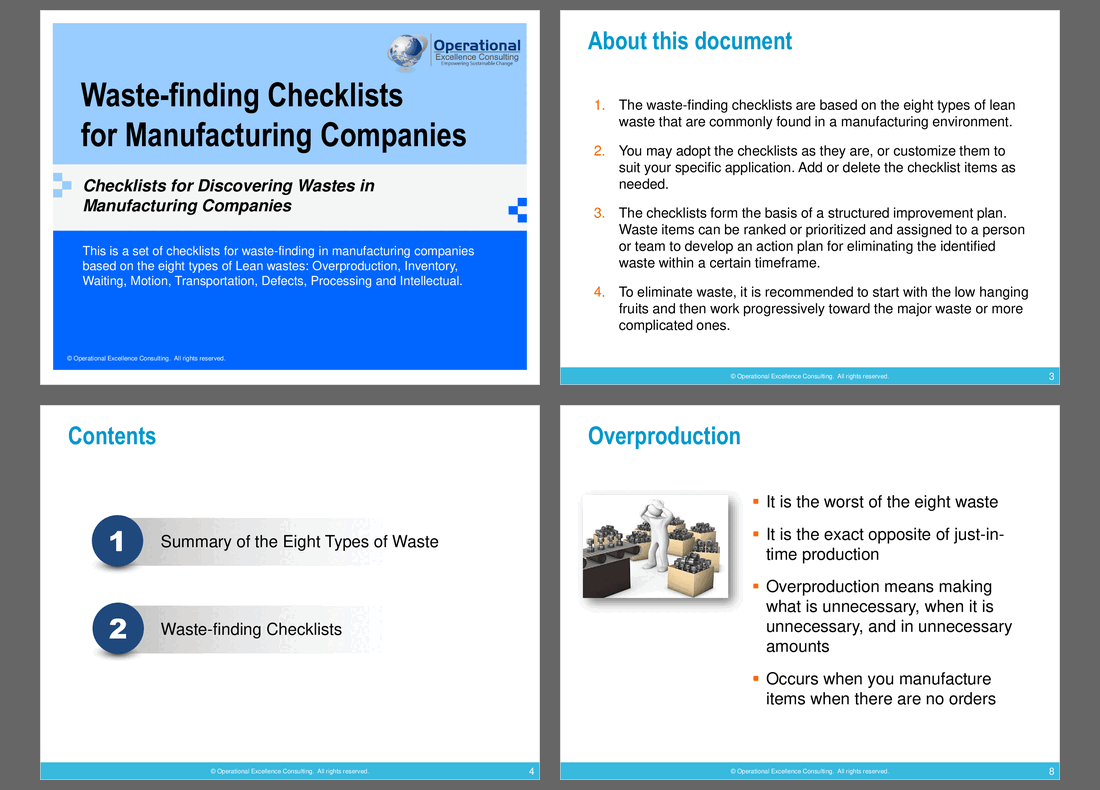
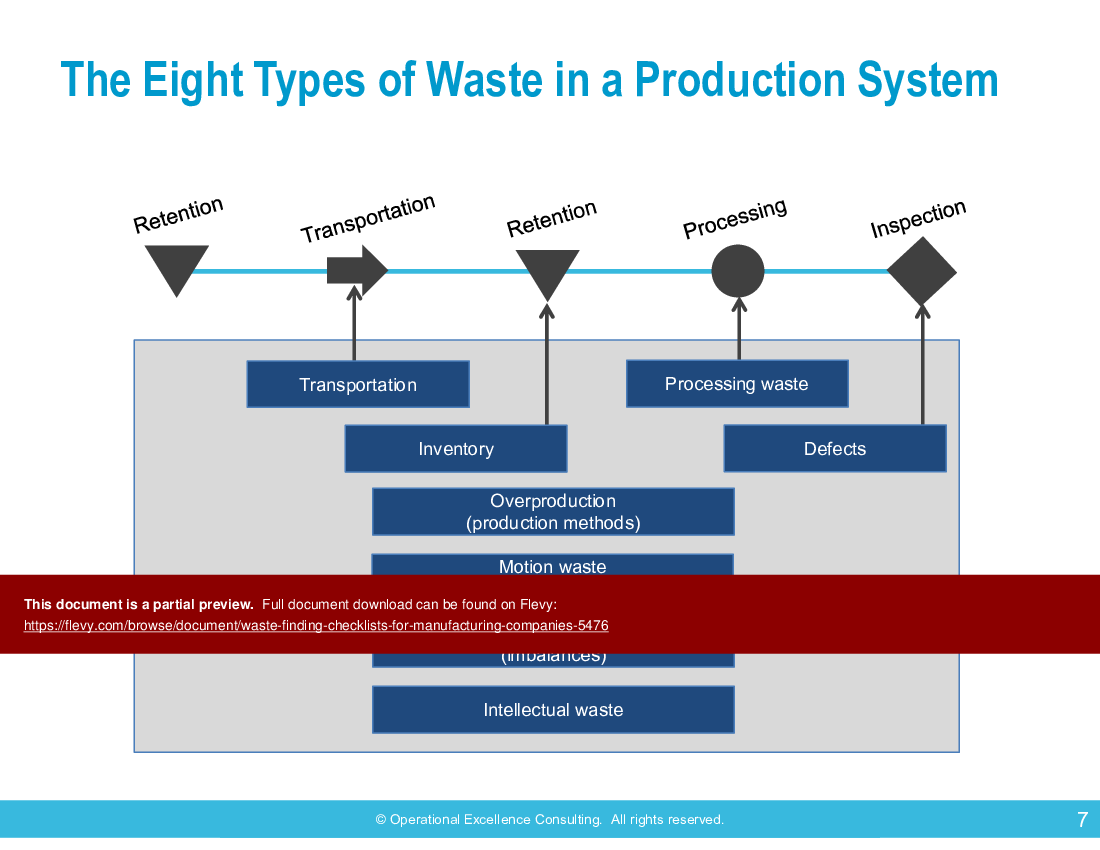
To make your waste-discovering job easier, we have developed a comprehensive set of checklists for waste-finding in manufacturing companies. The checklists are based on the eight types of Lean waste:
1. Waste of Overproduction
2. Waste of Inventory
3. Waste of Waiting
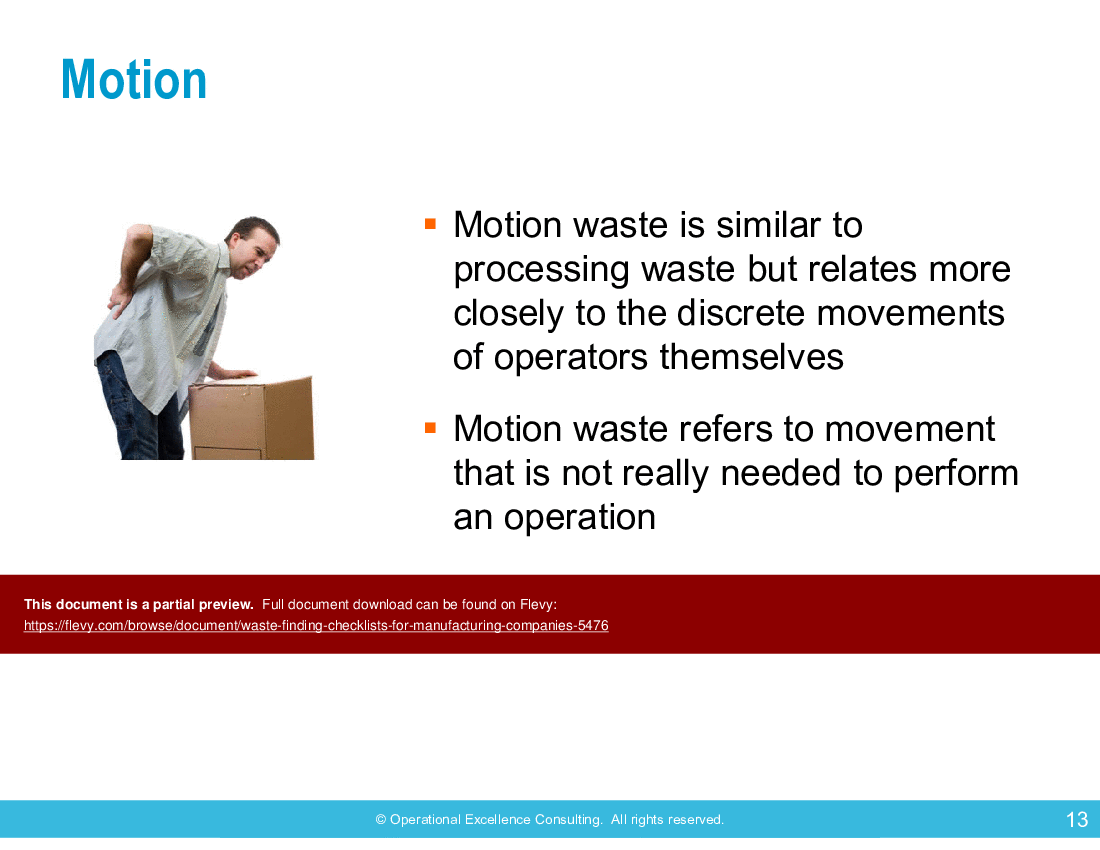
4. Waste of Motion
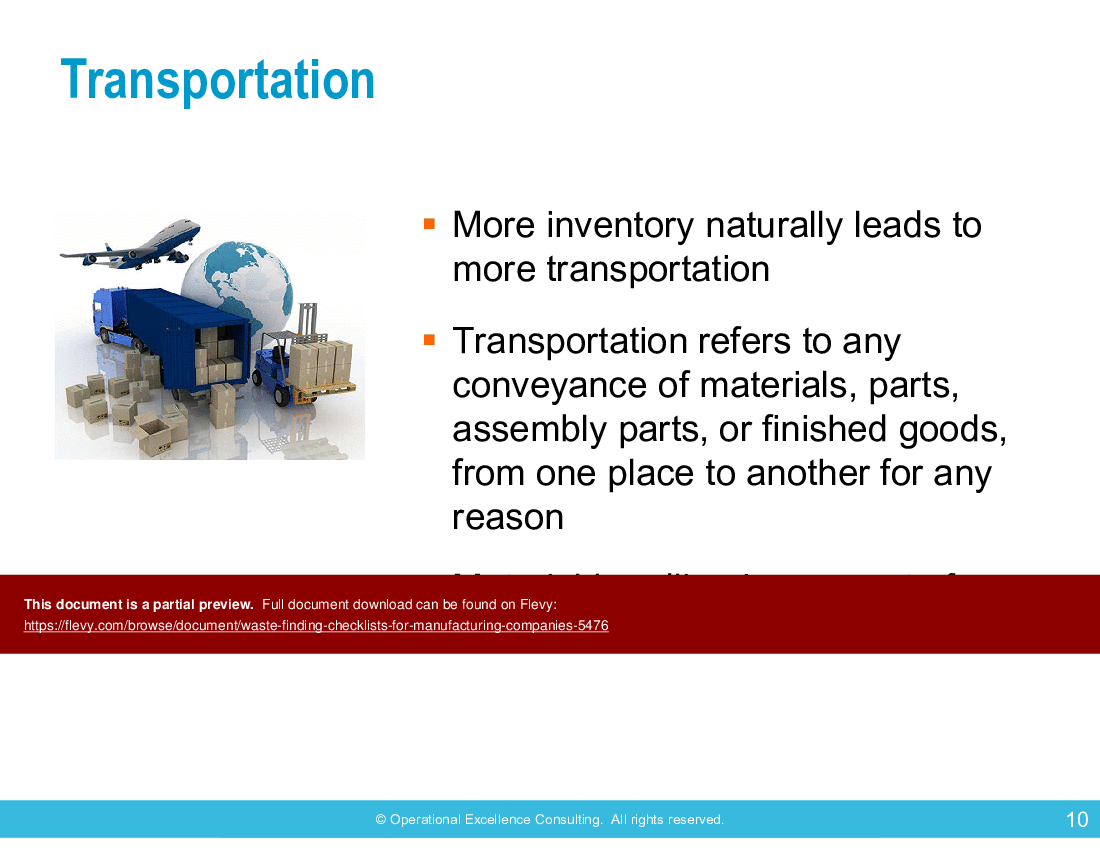
5. Waste of Transportation
6. Waste of Defects
7. Waste of Overprocessing
8. Waste of Intellectual (or Under-utilized Talents)
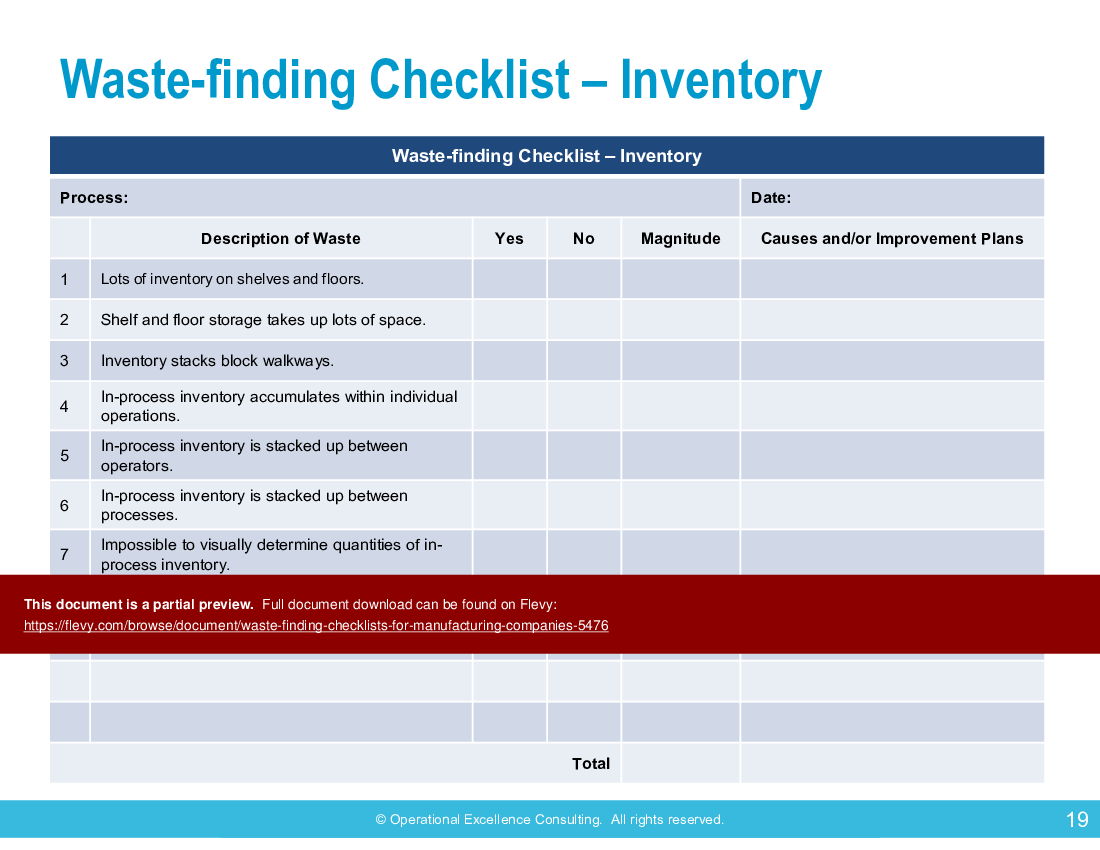
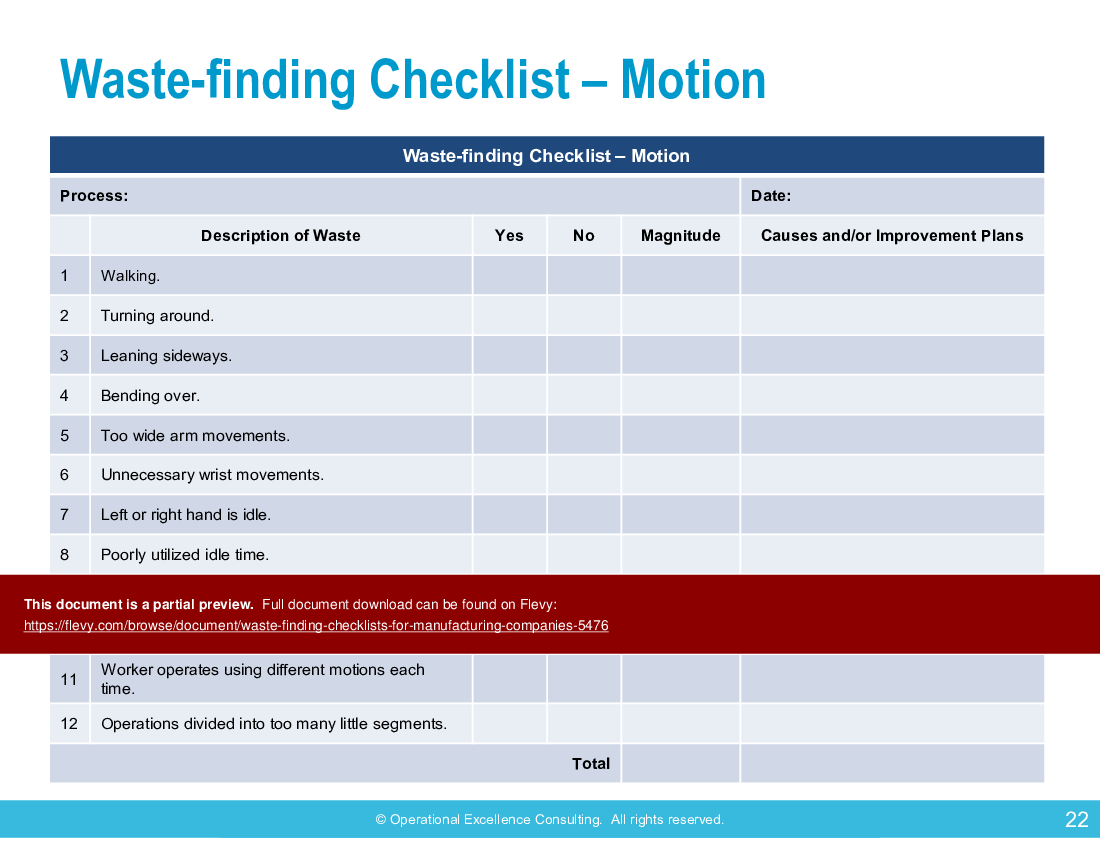
The checklists have a combined total of 65 waste items which could be potentially found on the shopfloor. For each checklist item, the magnitude of waste can be quantified under four levels:
• Magnitude 0 : No waste found
• Magnitude 1 : Very little waste
• Magnitude 2 : Some waste
• Magnitude 3 : A lot of waste
Available in both PowerPoint and Excel formats, the checklists can be applied generally to all manufacturing departments. Users may adopt the checklists as they are, or customize them to suit your specific application or type of industry. Add or delete the checklist items as needed.
The checklists form the basis of a structured improvement plan. Waste items can be ranked or prioritized and assigned to a person or team to develop an action plan for eliminating the identified waste within a certain timeframe.
||||||||||||||||||||||||||||||||||||||||||||||||||||||||||||||||||||||||||||||||||||||||||||||||||||||||||||||||||||||||||||||||||||||||||||||||||||||
This package includes:
1. Waste-finding Checklists (PowerPoint format)
2. Waste-finding Checklists (Excel format)
||||||||||||||||||||||||||||||||||||||||||||||||||||||||||||||||||||||||||||||||||||||||||||||||||||||||||||||||||||||||||||||||||||||||||||||||||||||
CONTENTS
1. Summary of the Eight Types of Lean Waste
2. Waste-finding Checklists
• Waste-finding Checklist: Overproduction
• Waste-finding Checklist: Inventory
• Waste-finding Checklist: Waiting
• Waste-finding Checklist: Motion
• Waste-finding Checklist: Transportation
• Waste-finding Checklist: Defects
• Waste-finding Checklist: Overprocessing
• Waste-finding Checklist: Intellectual
• Major Waste-finding Checklist (a summary total of all the eight types of waste)
The PPT includes detailed explanations of each type of waste, providing actionable insights for immediate implementation. Each checklist item is accompanied by practical examples and improvement plans tailored to real-world manufacturing scenarios.
Got a question about the product? Email us at support@flevy.com or ask the author directly by using the "Ask the Author a Question" form. If you cannot view the preview above this document description, go here to view the large preview instead.
TOPIC FAQ
What are the eight types of Lean waste and why are they used in waste-finding work?
The eight types of Lean waste are Overproduction, Inventory, Waiting, Motion, Transportation, Defects, Overprocessing, and Intellectual (under-utilized talents). They provide a structured taxonomy to focus observation and root-cause work, and are the organizing principle behind the checklists in the package, covering eight waste categories.How can I systematically find waste on the shop floor if teams are used to current operations?
Use standardized checklists during gemba walks to capture observed issues, score each item by severity, and note examples. The Waste-finding Checklists for Manufacturing Companies package provides ready checklists plus practical examples and improvement-plan prompts to guide discovery across 65 checklist items.How should I quantify the severity of identified wastes so teams can prioritize actions?
Apply a simple ordinal magnitude scale to each checklist item—Magnitude 0 (no waste) through Magnitude 3 (a lot of waste)—then rank items by score and impact. This enables objective prioritization and assignment for improvement planning using the four-level magnitude scale.What features should I look for when choosing waste-finding templates for manufacturing?
Prefer templates that map to the eight Lean wastes, include practical examples and improvement-plan guidance, and come in editable formats for customization. The Waste-finding Checklists for Manufacturing Companies include detailed explanations, examples, and are provided in both PowerPoint and Excel formats.How much effort does it take to apply waste-finding checklists across a plant?
Effort varies by scope; the checklists are designed to be applied generally across departments and customized as needed. The package’s coverage—65 checklist items and a Major Waste-finding summary—lets teams scale usage to single cells or full plants depending on available time and resources.Can I adapt these checklists for a specific industry, product line, or department?
Yes. The checklists are provided as editable PowerPoint and Excel files so users can add or delete items and tailor examples to their processes. The package explicitly supports customization to suit specific applications or industry types in the provided PowerPoint and Excel formats.How do waste-finding checklists feed into an improvement plan after issues are found?
After scoring, items can be ranked, prioritized, and assigned to a person or team to develop an action plan with a timeframe. The PowerPoint includes practical improvement-plan examples so teams can move from discovery to assigned corrective actions across the 65 waste items.What advantages does a Lean-based checklist approach offer over informal observation?
A Lean checklist standardizes observation, ensures coverage across recognized waste categories, facilitates objective scoring, and supports prioritization and assignment. The method reduces omission risk and links discovery to improvement planning by using the eight Lean waste categories.Source: Best Practices in Manufacturing PowerPoint Slides: Waste-finding Checklists for Manufacturing Companies PowerPoint (PPTX) Presentation Slide Deck, Operational Excellence Consulting
ABOUT THE AUTHOR

Operational Excellence Consulting, founded in 2009 by Allan Ung, draws from extensive experience at Microsoft, IBM, and Underwriters Laboratories (UL). We specialize in strategy deployment, customer experience design, and operational excellence, applying Design Thinking, Lean, and Systems Thinking to maximize customer value and minimize waste.
Our
... [read more]
Ask the Author a Question
You must be logged in to contact the author.