
This document provides a holistic approach for undertaking strategic planning. While covering the traditional strategic planning approach, the document touches on adaptations that may be used in an unpredictable environment.
Contents:
1. Strategic Planning Overview
• Key questions and associated stages
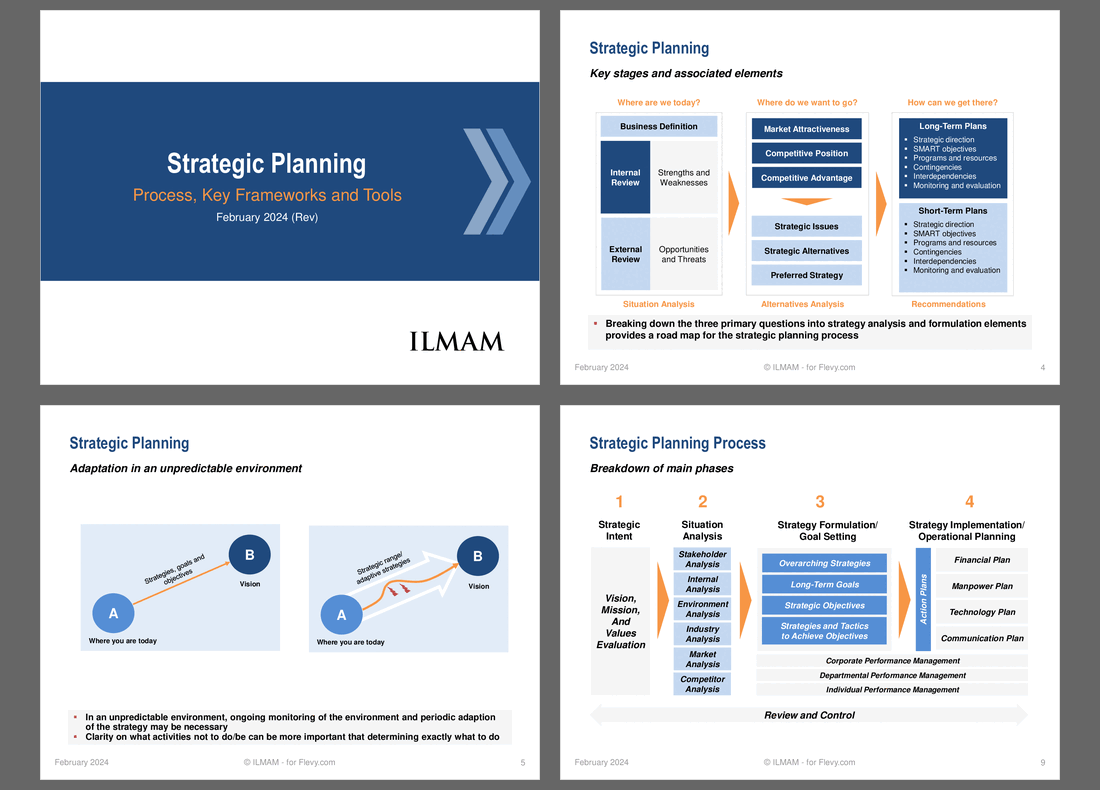
• Key stages and associated elements
• Adaptation in an unpredictable environment
• Strategy approaches
2. Strategic Planning Process
• Main planning phases
• Breakdown of main phases
• Key planning activities and methods
• Typical timeline for traditional strategic planning
3. Strategic Intent
• Key elements of the Strategic Direction Statement
• Strategy and culture
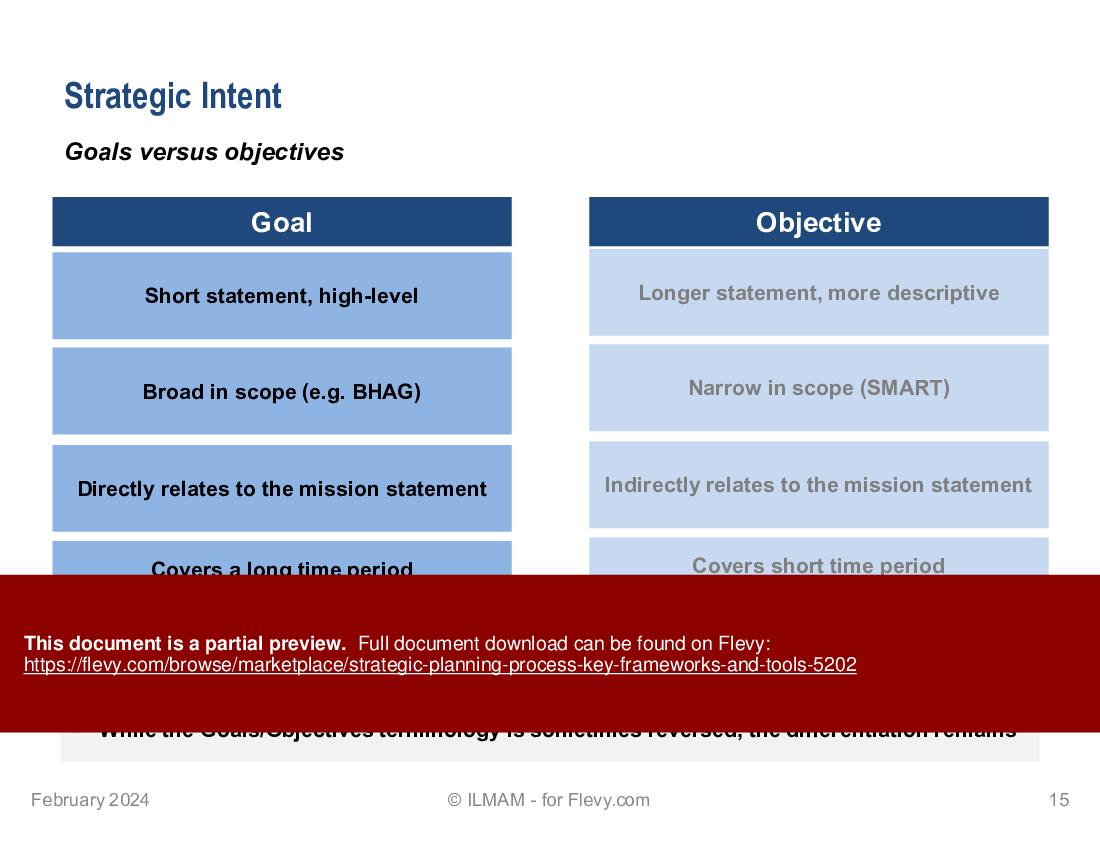
• Goals vs objectives
• Big Hairy Audacious Goal (BHAG)
• Big Hairy Audacious Goal (BHAG) – examples
4. Stakeholder Analysis
• Mapping the key stakeholders
5. Internal Analysis
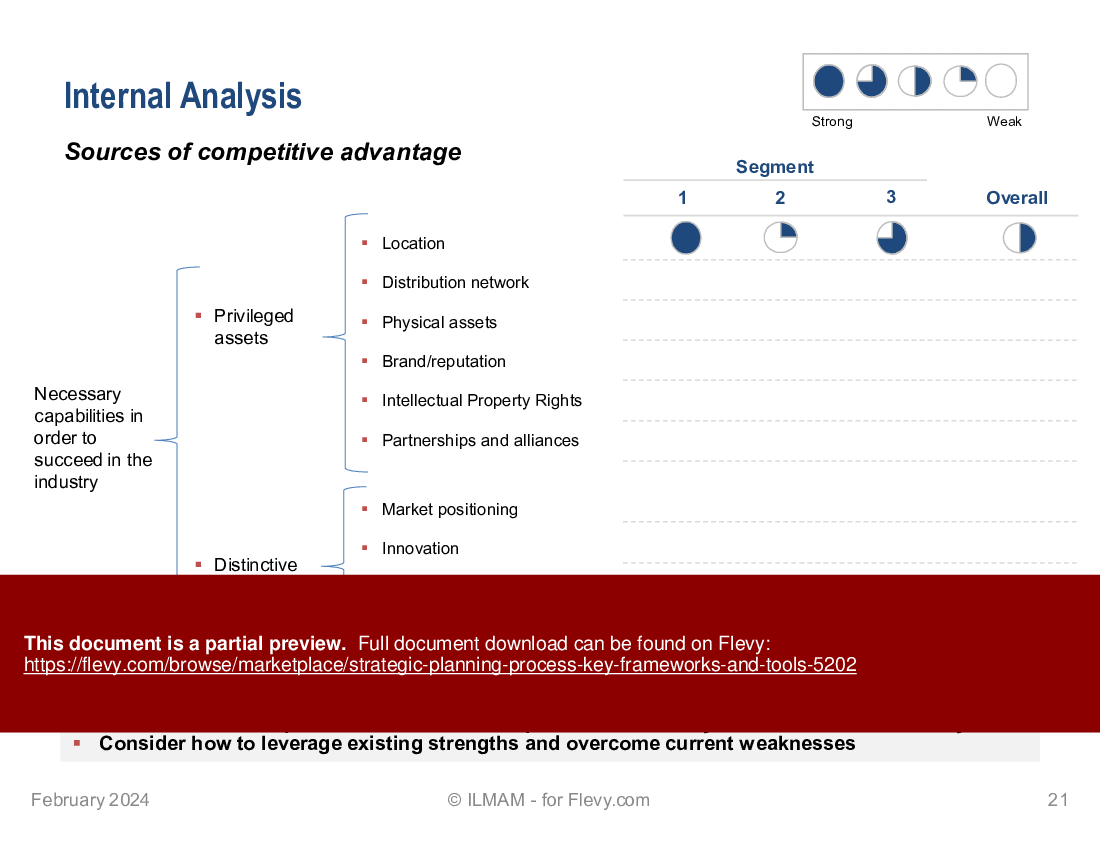
• Sources of competitive advantage
• VRIO analysis
• Porter's value chain
6. Environmental Analysis
• PEST analysis sample factors
• PEST analysis factors – summary slide
• PESTEL analysis sample factors
• PESTEL analysis factors – summary slide
• Impact/uncertainty matrix
• Scenario identification
• Identified key scenarios descriptions – summary slide
7. Industry Analysis
• Porter's five forces analysis
• Porter's five forces analysis – key factors to consider
• Porter's five forces analysis – summary slide
• Industry life cycle
• Industry life cycle with Porter's five forces
8. Market Analysis
• The BCG portfolio matrix
• The BCG portfolio matrix with characteristics
• The BCG portfolio matrix – plotted
• McKinsey/GE matrix
• McKinsey/GE matrix – potential actions
• McKinsey/GE matrix – plotted
9. Competitor Analysis
• Competitor identification
• Competitive benchmarking by relevant industry indicators
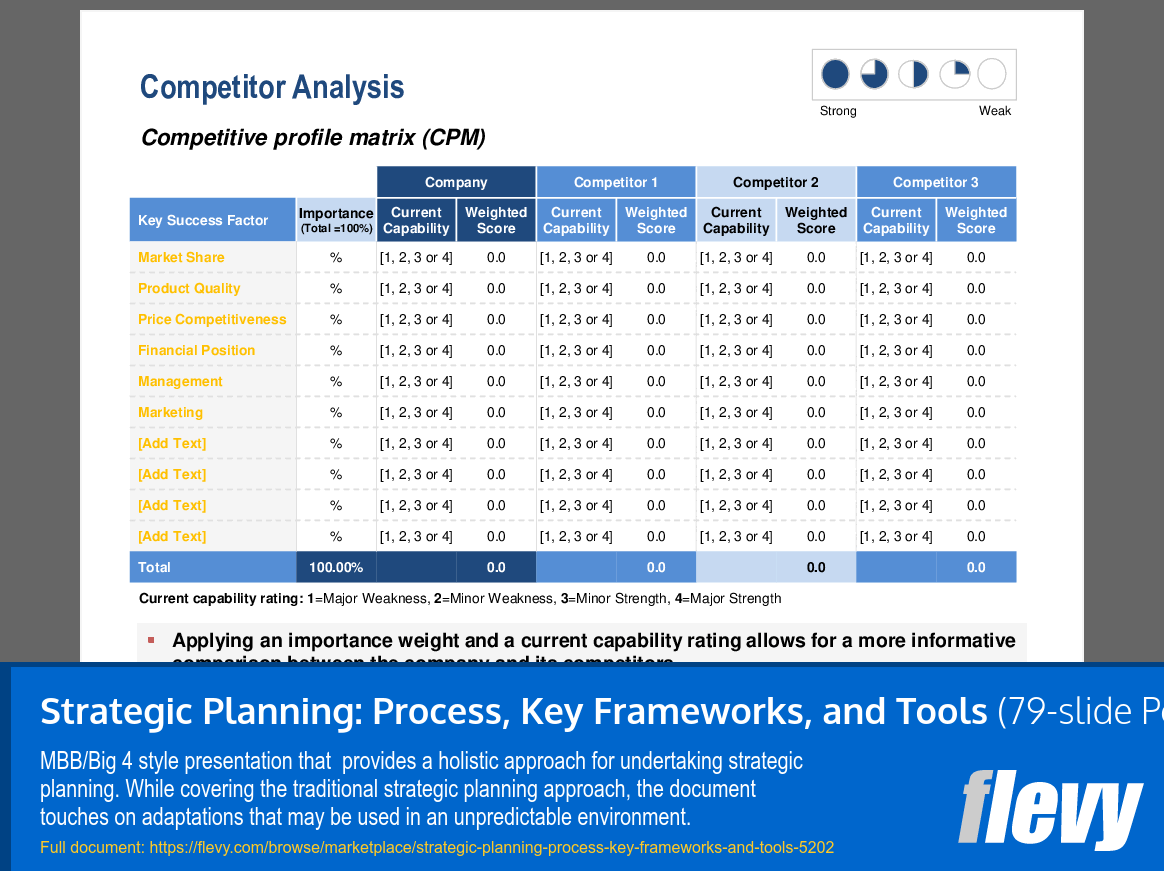
• Competitive profile matrix (CPM)
10. Strategic Synthesis
• Situation analysis drives strategy formulation and plans
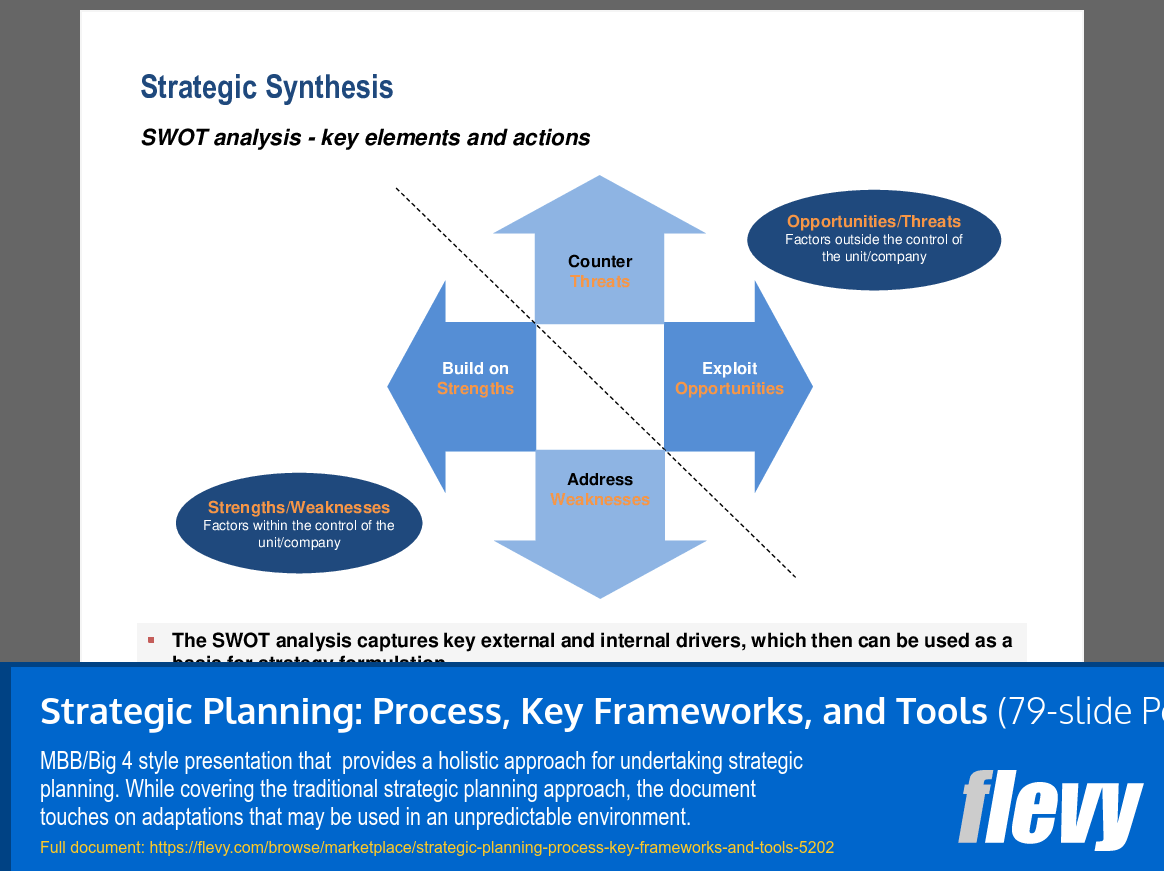
• SWOT analysis – key elements and actions
• SWOT analysis – key questions to consider
• SWOT analysis – potential factors to consider
• SWOT analysis – summary slide
• Internal Factor Evaluation (IFE) matrix
• External Factor Evaluation (EFE) matrix
11. Strategy Formulation
• Strategy levels – a typical large company
• Strategy levels – a typical small company
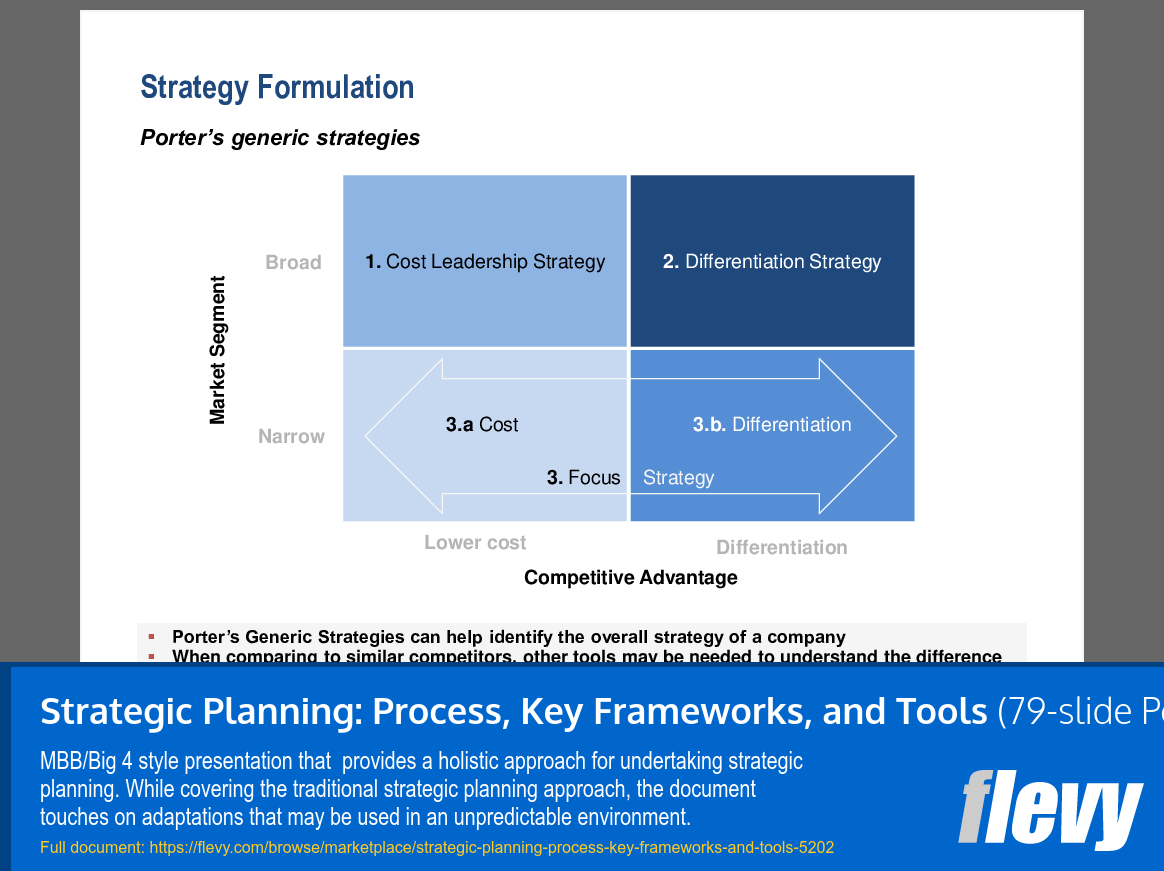
• Porter's generic strategies
• Strategy types
• SPACE matrix
• Ansoff's matrix
• Ansoff's matrix – potential actions
• Blue ocean strategy
• Risk management process
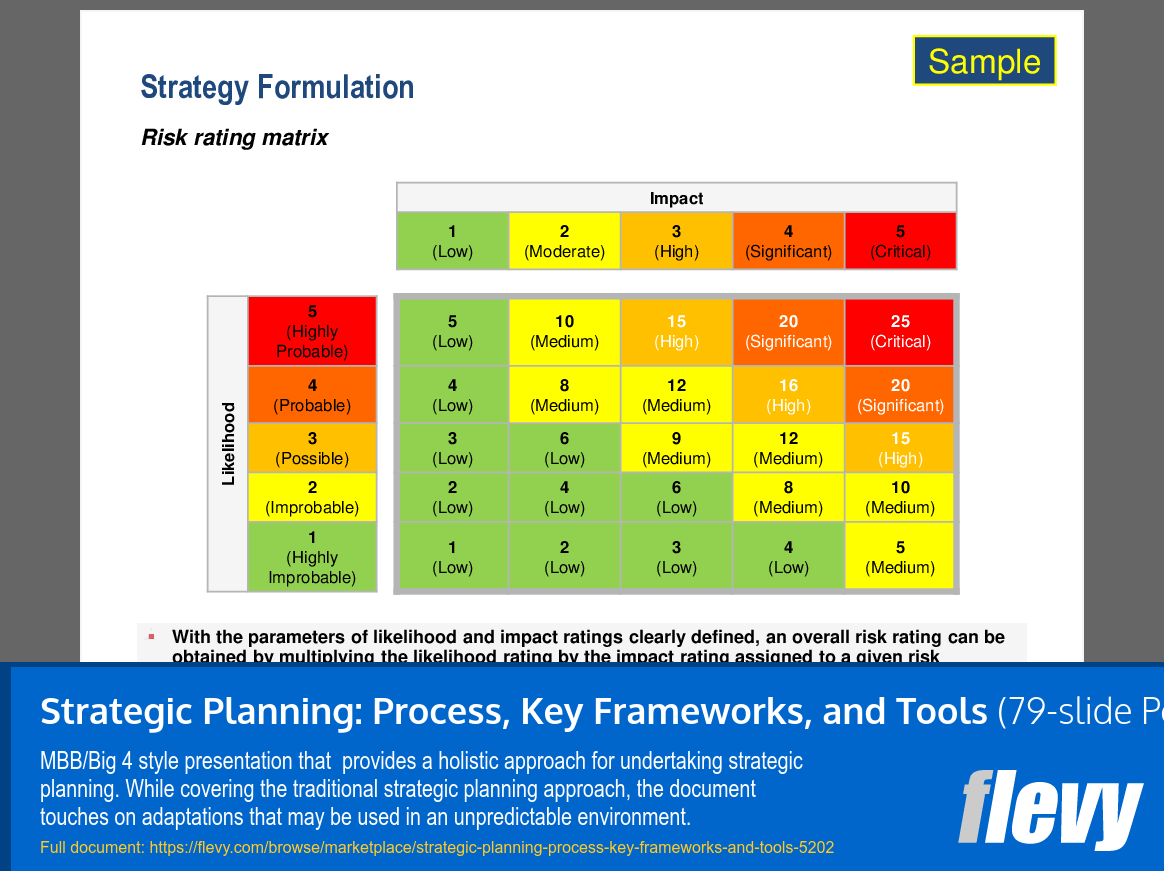
• Risk rating matrix
• Risks and contingencies
12. Strategy Implementation
• McKinsey 7S model
• Balanced scorecard
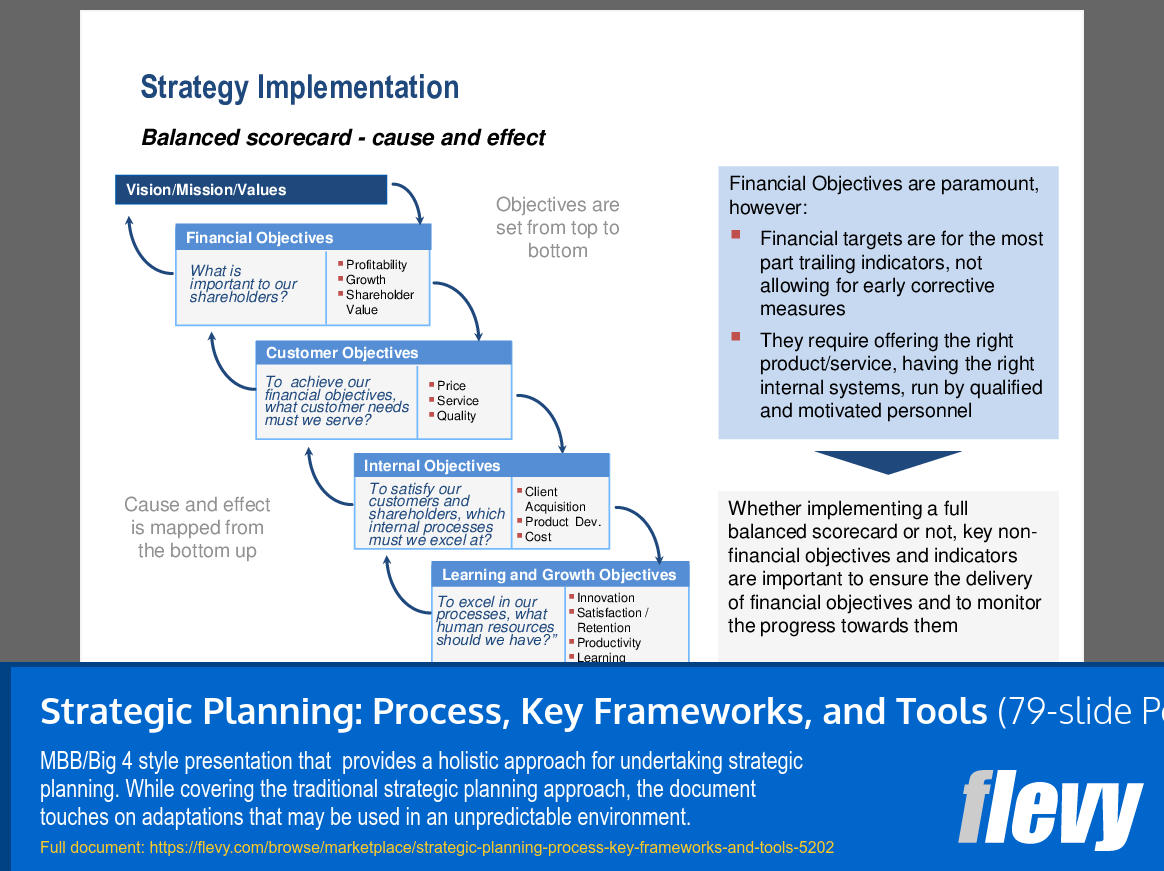
• Balanced scorecard – cause and effect
• Balanced scorecard – cascading strategies and objectives
• Strategy map – strategic theme
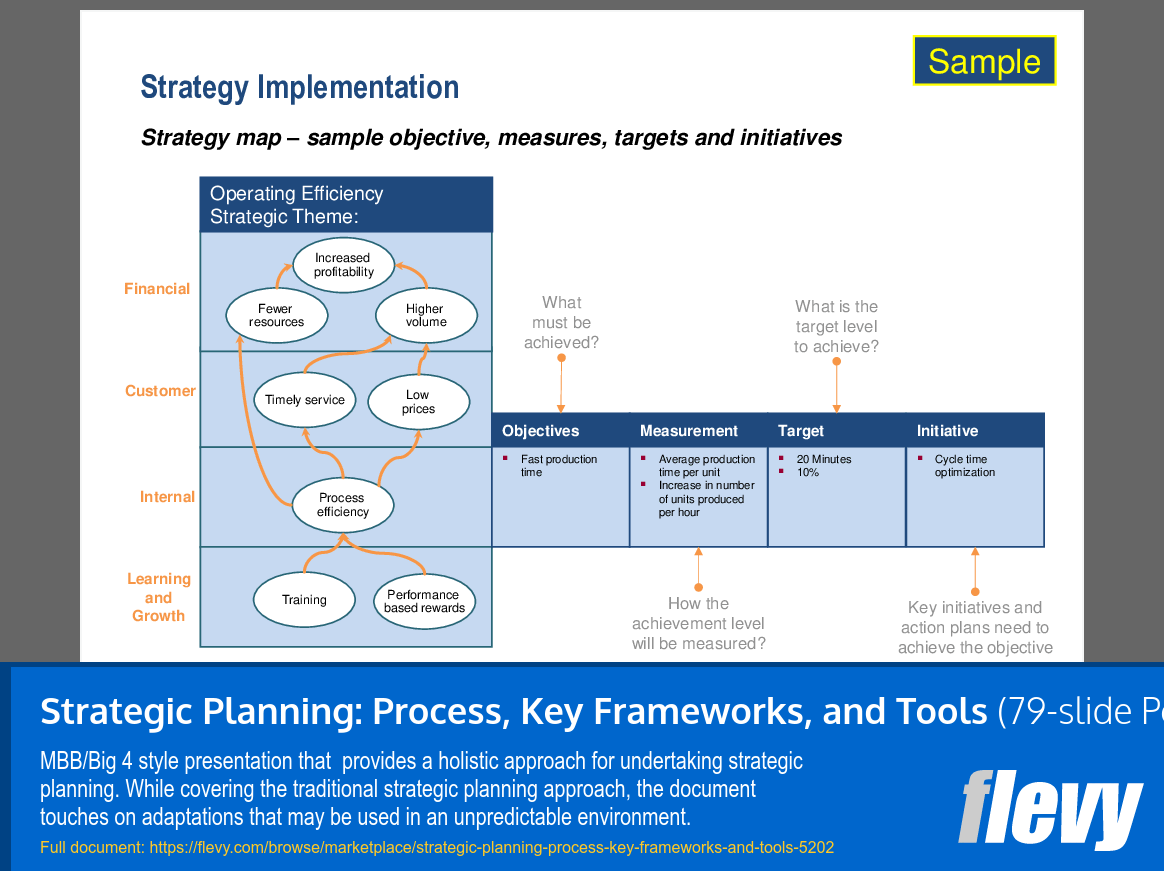
• Strategy map – sample objective, measures, targets and initiatives
• Objectives vs goals
• Objectives – SMART
• Initiative action plan
The PPT includes a detailed breakdown of strategic planning phases, from vision and mission evaluation to operational planning. It also provides comprehensive tools for internal and external analysis, including VRIO, PESTEL, and Porter's Five Forces.
Got a question about the product? Email us at support@flevy.com or ask the author directly by using the "Ask the Author a Question" form. If you cannot view the preview above this document description, go here to view the large preview instead.
Executive Summary
This presentation titled "Strategic Planning: Process, Key Frameworks, and Tools" offers a structured approach to strategic planning, emphasizing the need for adaptability in unpredictable environments. It is crafted in a McKinsey, Bain, or BCG-quality style (consulting-grade; not affiliated). The document guides corporate executives and consultants through the strategic planning process, detailing essential frameworks, tools, and methodologies. Users will learn to conduct situation analyses, formulate strategies, and implement actionable plans, ensuring alignment with both long-term and short-term objectives.
Who This Is For and When to Use
• Corporate executives overseeing strategic initiatives
• Integration leaders managing cross-functional strategy execution
• Consultants advising on strategic planning frameworks
• Business analysts conducting market and competitive assessments
Best-fit moments to use this deck:
• During annual strategic planning sessions to align organizational goals
• When adapting strategies in response to market changes or disruptions
• For workshops aimed at enhancing strategic agility and responsiveness
Learning Objectives
• Define the strategic planning process and its key components
• Analyze internal and external environments to identify strengths and weaknesses
• Formulate strategic goals and objectives that are SMART (Specific, Measurable, Achievable, Relevant, Time-bound)
• Develop actionable plans that include resource allocation and contingency measures
• Implement monitoring and evaluation frameworks to track progress
• Adapt strategies based on ongoing environmental assessments
Table of Contents
• Strategic Intent (page 1)
• Situation Analysis (page 2)
• Strategy Formulation/Goal Setting (page 3)
• Strategy Implementation/Operational Planning (page 4)
• Monitoring, Review, and Control (page 5)
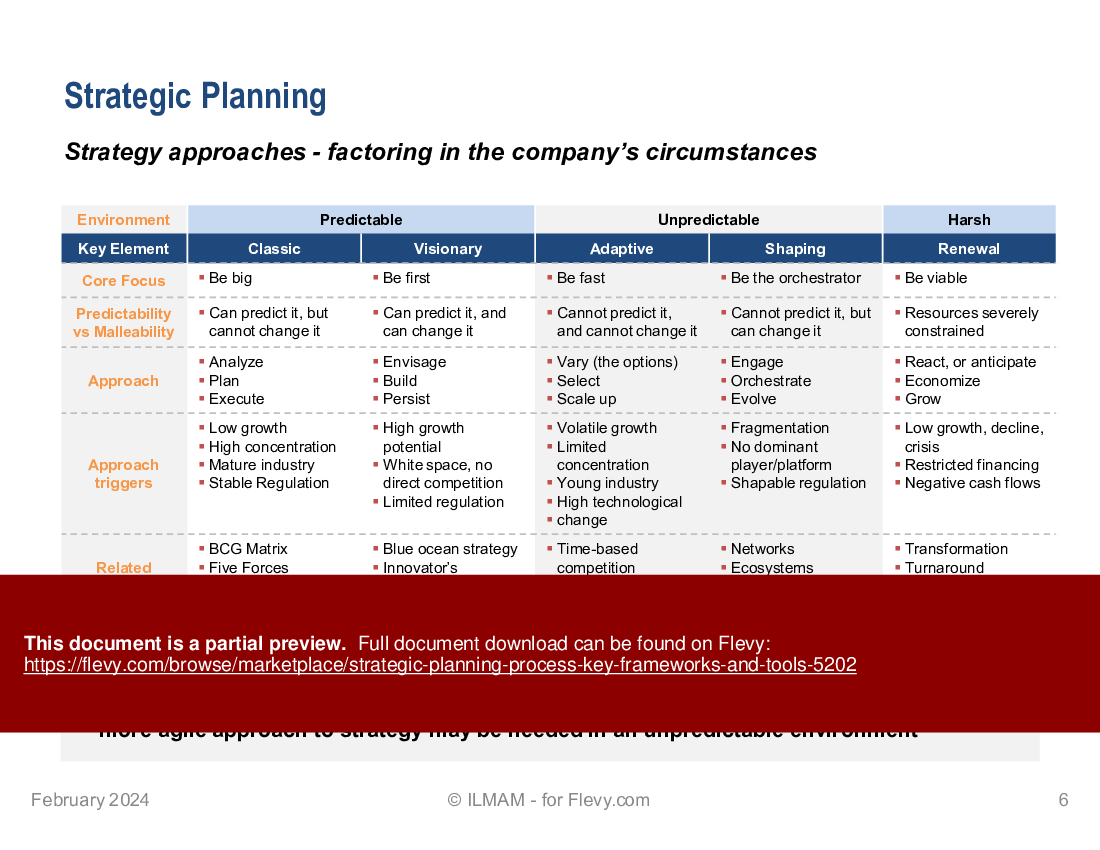
• Adaptation in an Unpredictable Environment (page 6)
• Strategy Approaches (page 7)
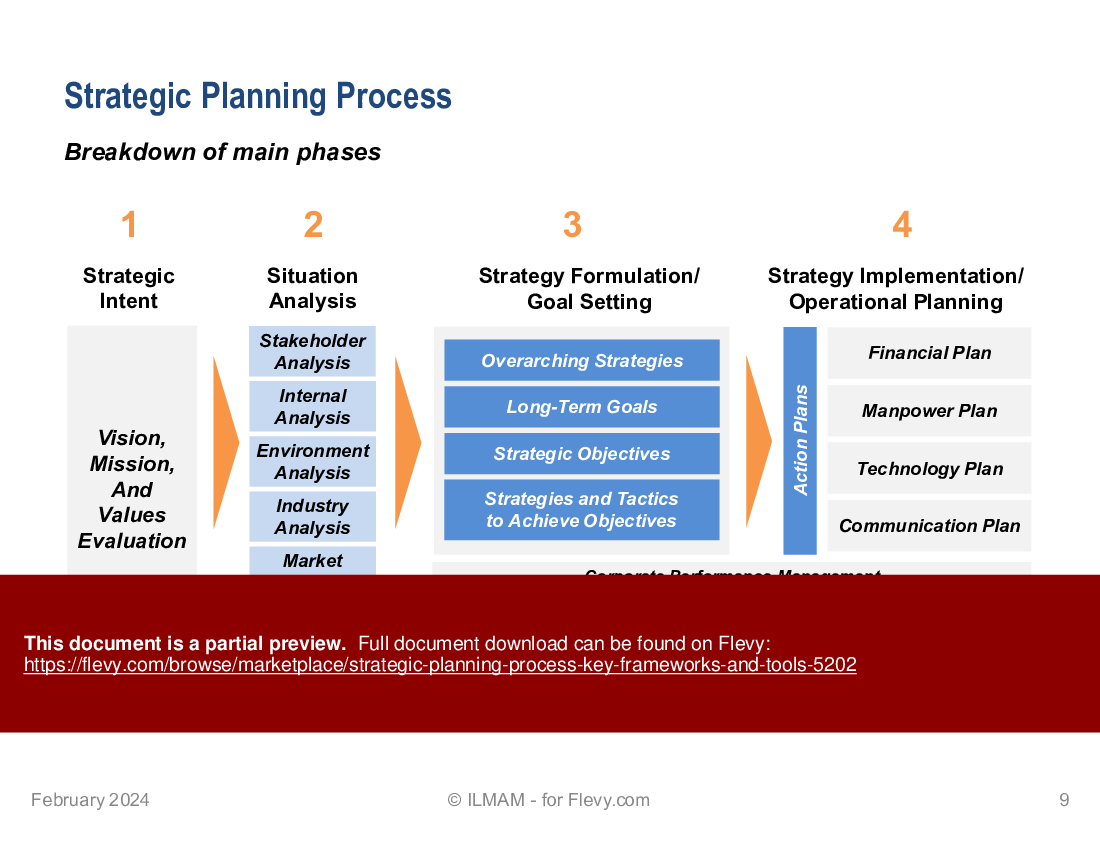
• Breakdown of Main Phases (page 8)
Primary Topics Covered
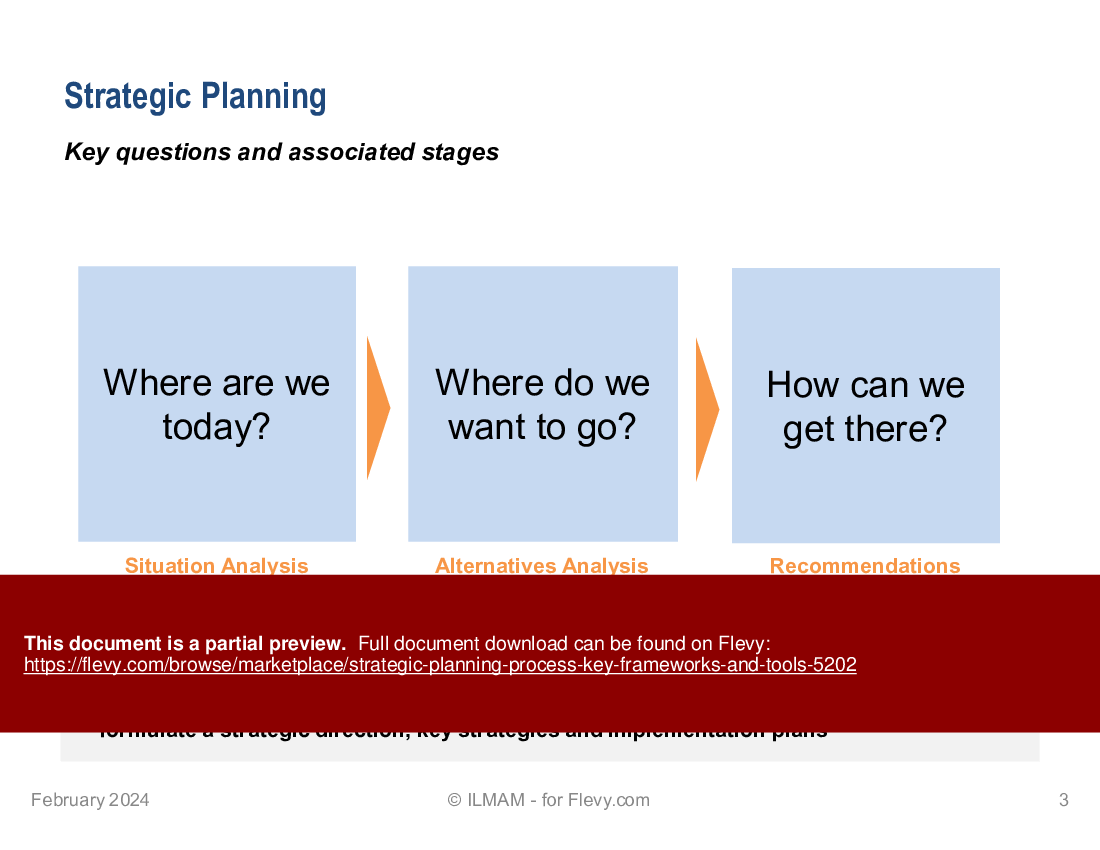
• Situation Analysis - A comprehensive review of internal strengths and weaknesses alongside external opportunities and threats to establish a baseline for strategic planning.
• Alternatives Analysis - Evaluation of strategic alternatives based on situational insights, leading to the selection of a preferred strategy.
• Recommendations - Development of long-term and short-term plans that include SMART objectives, resource allocation, and monitoring mechanisms.
• Adaptation in Unpredictable Environments - Emphasizes the importance of ongoing monitoring and flexibility in strategy formulation to respond to market volatility.
• Strategic Intent - Establishes the vision, mission, and values that guide the strategic planning process.
• Monitoring and Control - Frameworks for evaluating corporate, departmental, and individual performance against strategic objectives.
Deliverables, Templates, and Tools
• Situation analysis template for assessing internal and external factors
• Strategic goal-setting framework incorporating SMART criteria
• Action plan template for operationalizing strategic objectives
• Monitoring and evaluation checklist to track progress and adapt strategies
• Contingency planning guide for addressing potential risks and challenges
• Resource allocation model to ensure effective implementation of strategies
Slide Highlights
• Visual representation of the strategic planning process phases, illustrating the iterative nature of planning.
• Breakdown of situation analysis elements, highlighting key internal and external factors.
• Adaptation strategies for unpredictable environments, emphasizing the need for flexibility.
• Overview of various strategic approaches tailored to different market conditions.
• Framework for monitoring and control, detailing performance management at multiple levels.
Potential Workshop Agenda
Strategic Planning Overview (60 minutes)
• Introduce the strategic planning process and its importance
• Discuss key components of situation analysis
• Explore the significance of adaptability in strategy
Goal Setting and Strategy Formulation (90 minutes)
• Define SMART objectives and their role in strategic planning
• Conduct a group exercise on formulating strategic goals
• Develop action plans based on selected strategies
Monitoring and Evaluation Techniques (60 minutes)
• Review frameworks for tracking strategic performance
• Discuss contingency planning and risk management strategies
• Share best practices for ongoing strategy adaptation
Customization Guidance
• Tailor the situation analysis template to reflect specific industry dynamics and organizational context.
• Adjust strategic goals and objectives to align with current business priorities and market conditions.
• Incorporate company-specific metrics into the monitoring and evaluation framework for better alignment with organizational goals.
• Modify action plans to include relevant resources and timelines that fit the organization’s operational capabilities.
Secondary Topics Covered
• Competitive positioning and market attractiveness assessment
• Long-term vs. short-term strategic planning considerations
• The role of vision and mission in guiding strategic initiatives
• Frameworks for evaluating strategic alternatives and making recommendations
• Importance of stakeholder analysis in the strategic planning process
FAQ
What is the strategic planning process?
The strategic planning process involves defining an organization’s vision, conducting situation analyses, formulating goals, implementing strategies, and monitoring progress to ensure alignment with objectives.
How do I conduct a situation analysis?
A situation analysis includes assessing internal strengths and weaknesses, as well as external opportunities and threats, to inform strategic decision-making.
What are SMART objectives?
SMART objectives are Specific, Measurable, Achievable, Relevant, and Time-bound goals that guide strategic planning and execution.
How can strategies be adapted in unpredictable environments?
Strategies can be adapted through ongoing monitoring of market conditions, allowing organizations to pivot and adjust their approaches as necessary.
What is the importance of monitoring and evaluation in strategic planning?
Monitoring and evaluation ensure that organizations track their progress against strategic objectives, allowing for timely adjustments and improved performance outcomes.
What frameworks can be used for competitive analysis?
Common frameworks include SWOT analysis, Porter's Five Forces, and the BCG Matrix, which help assess market dynamics and competitive positioning.
How do I ensure alignment between long-term and short-term plans?
Align long-term goals with short-term action plans by ensuring that immediate objectives contribute to overarching strategic aims.
What role does stakeholder analysis play in strategic planning?
Stakeholder analysis helps identify key individuals or groups that can influence or are impacted by the strategic plan, ensuring their needs and concerns are addressed.
Glossary
• Situation Analysis - Assessment of internal and external factors influencing an organization’s strategic position.
• SMART Objectives - Specific, Measurable, Achievable, Relevant, and Time-bound goals guiding strategic initiatives.
• Strategic Intent - The overarching vision, mission, and values that direct an organization’s strategy.
• Monitoring and Evaluation - Processes for tracking performance and adapting strategies based on results.
• Competitive Positioning - The process of defining how a company differentiates itself in the marketplace.
• Adaptation - The ability to modify strategies in response to changing market conditions.
• Stakeholder Analysis - Identification and assessment of individuals or groups that affect or are affected by strategic decisions.
• Long-Term Plans - Strategic objectives and initiatives aimed at achieving sustained success over time.
• Short-Term Plans - Immediate action steps and objectives that support long-term goals.
• Resource Allocation - The process of distributing resources effectively to implement strategies.
• Contingency Planning - Preparing alternative strategies to address potential risks and uncertainties.
• Performance Management - The systematic process of improving organizational performance through goal setting and evaluation.
Source: Best Practices in Strategic Planning, Strategy Frameworks, Strategic Thinking, Bain PowerPoint PowerPoint Slides: Strategic Planning: Process, Key Frameworks, and Tools PowerPoint (PPTX) Presentation Slide Deck, ILMAM - Strategy & Management Consulting
|
Download our FREE Strategy & Transformation Framework Templates
Download our free compilation of 50+ Strategy & Transformation slides and templates. Frameworks include McKinsey 7-S, Balanced Scorecard, Disruptive Innovation, BCG Curve, and many more. |