
The Six Sigma Measurement Systems Analysis (MSA) Training Module includes:
1. MS PowerPoint Presentation including 62 slides covering the following topics:
• An Introduction to Measurement Systems Analysis (MSA)
• Determining the Relevance of a Measure or Metrics
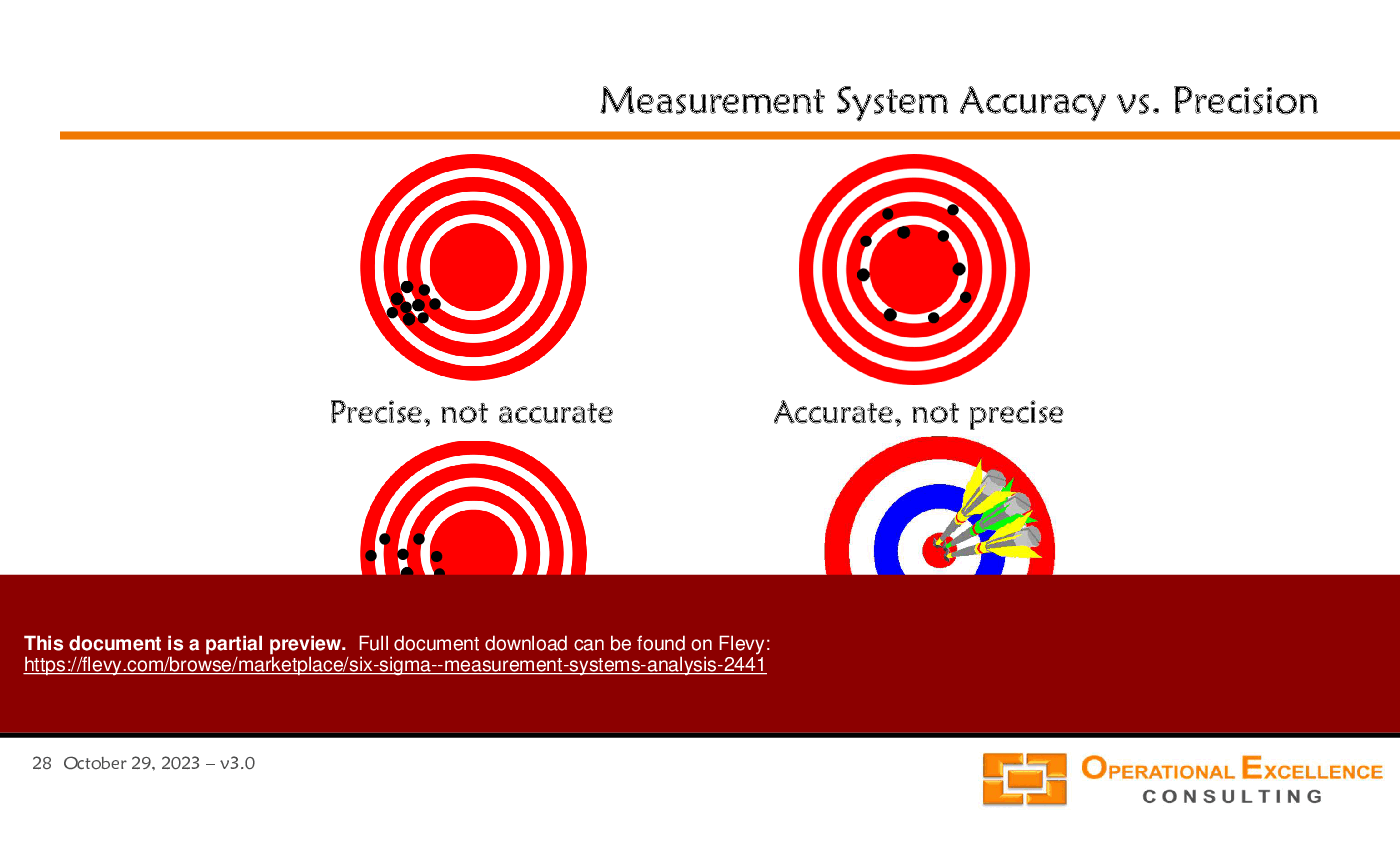
• Evaluating the Discrimination, Accuracy, Stability, Linearity, and Precision of a Measurement System
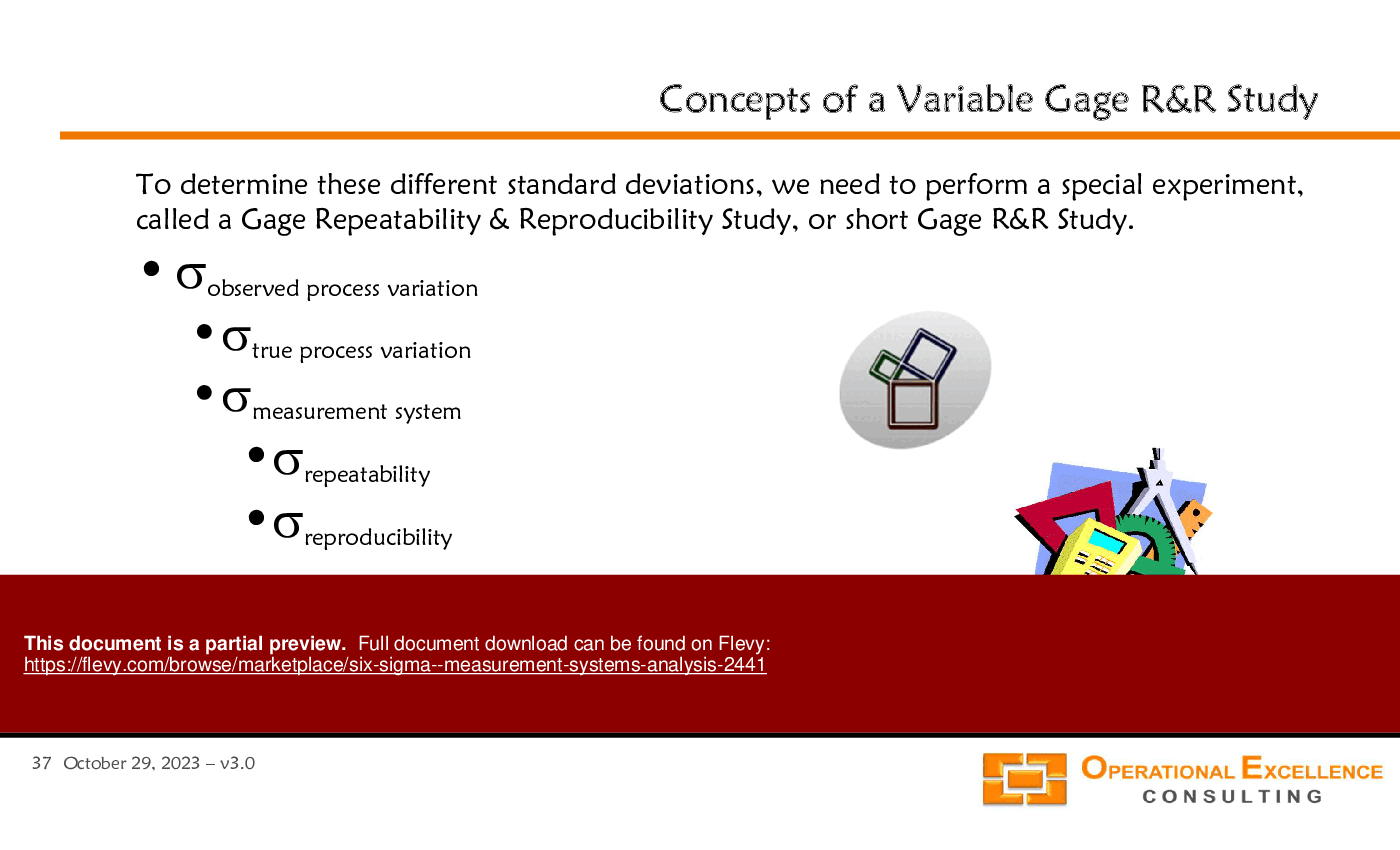
• Performing and analyzing a Variable or Attribute Gage Repeatability & Reproducibility (Gage R&R) Study using Minitab.
"After you have downloaded the training material, you can change any part of the training material and remove all logos and references to Operational Excellence Consulting. You can share the material with your colleagues and clients, and re-use it as you need. The only restriction is that you cannot publicly re-distribute, sell, rent, or license the material as though it is your own. Thank you."
This Six Sigma Measurement Systems Analysis PowerPoint is designed to equip executives with the necessary tools to critically evaluate measurement systems within their organizations. The content dives deep into the essential concepts of measurement error, emphasizing the importance of understanding variability in data collection processes. By addressing both repeatability and reproducibility, this module provides a comprehensive framework for identifying and mitigating measurement-related issues that can compromise data integrity.
The training material also includes practical applications using Minitab, allowing users to conduct Gage R&R studies effectively. This hands-on approach ensures that executives can not only grasp theoretical concepts, but also apply them to real-world scenarios. The insights gained from this analysis are crucial for making informed decisions that drive operational excellence and enhance process reliability.
Investing in this training module means committing to a culture of continuous improvement. By mastering Measurement Systems Analysis, leaders can foster an environment where data-driven decision-making thrives, ultimately leading to higher quality outcomes and increased customer satisfaction. This is a strategic step towards ensuring that your organization can trust its data and make impactful changes based on accurate insights.
Got a question about the product? Email us at support@flevy.com or ask the author directly by using the "Ask the Author a Question" form. If you cannot view the preview above this document description, go here to view the large preview instead.
Executive Summary
This Six Sigma Measurement Systems Analysis (MSA) presentation, developed by Operational Excellence Consulting LLC, is designed to enhance understanding and application of measurement systems in quality management. It provides a thorough exploration of key concepts such as measurement error, sources of variation, and the significance of Gage Repeatability and Reproducibility (Gage R&R) studies. Buyers will gain the ability to evaluate measurement systems effectively, ensuring data integrity and reliability in process improvement initiatives.
Who This Is For and When to Use
• Quality assurance managers focused on process improvement
• Operational excellence leaders aiming to enhance measurement systems
• Data analysts responsible for interpreting measurement data
• Six Sigma practitioners looking to deepen their understanding of MSA
Best-fit moments to use this deck:
• During training sessions on Six Sigma methodologies
• When conducting Gage R&R studies
• In workshops aimed at improving measurement system accuracy and precision
• For team meetings focused on quality control and data reliability
Learning Objectives
• Define measurement system analysis and its importance in quality management
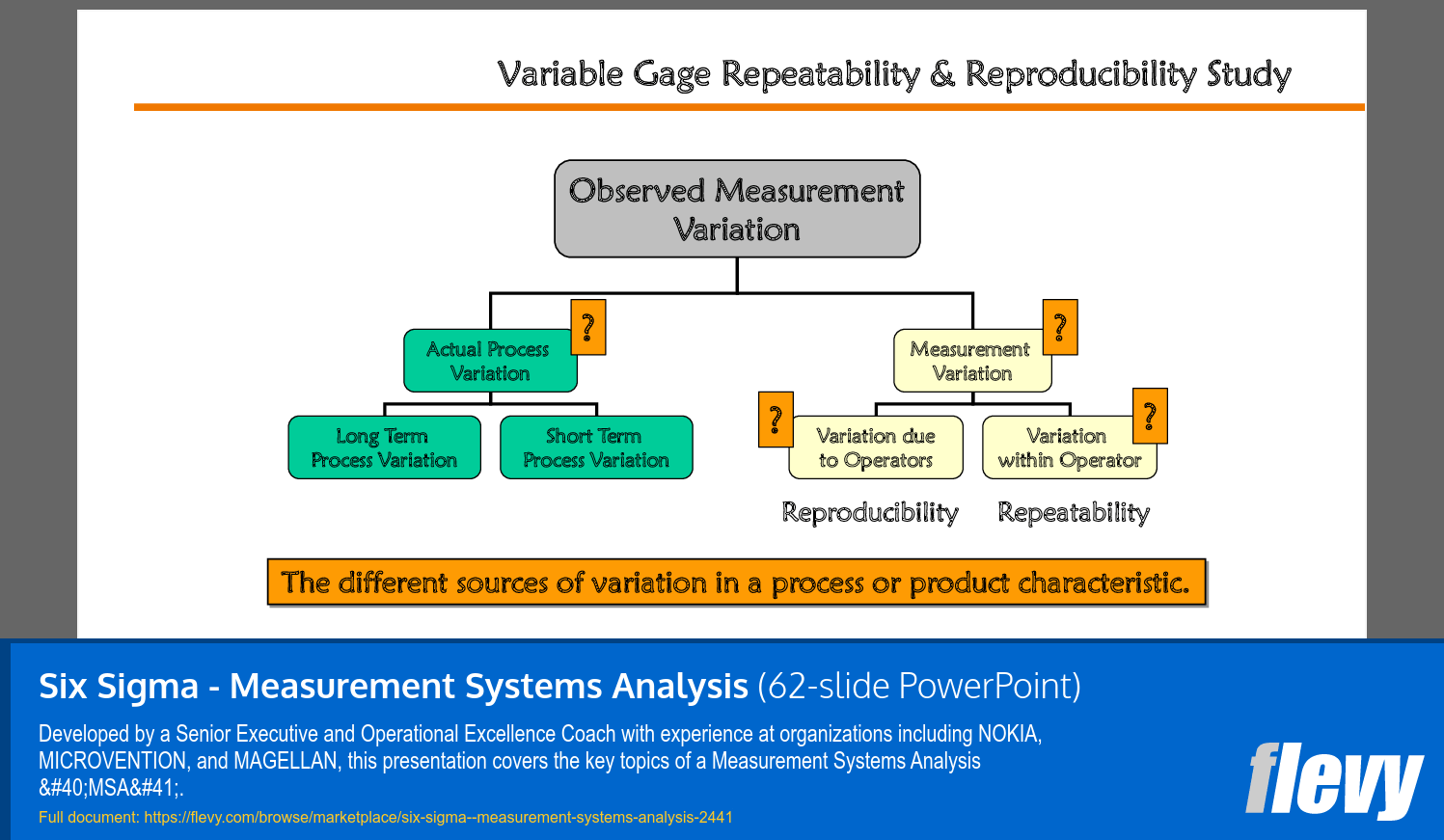
• Identify sources of variation affecting measurement systems
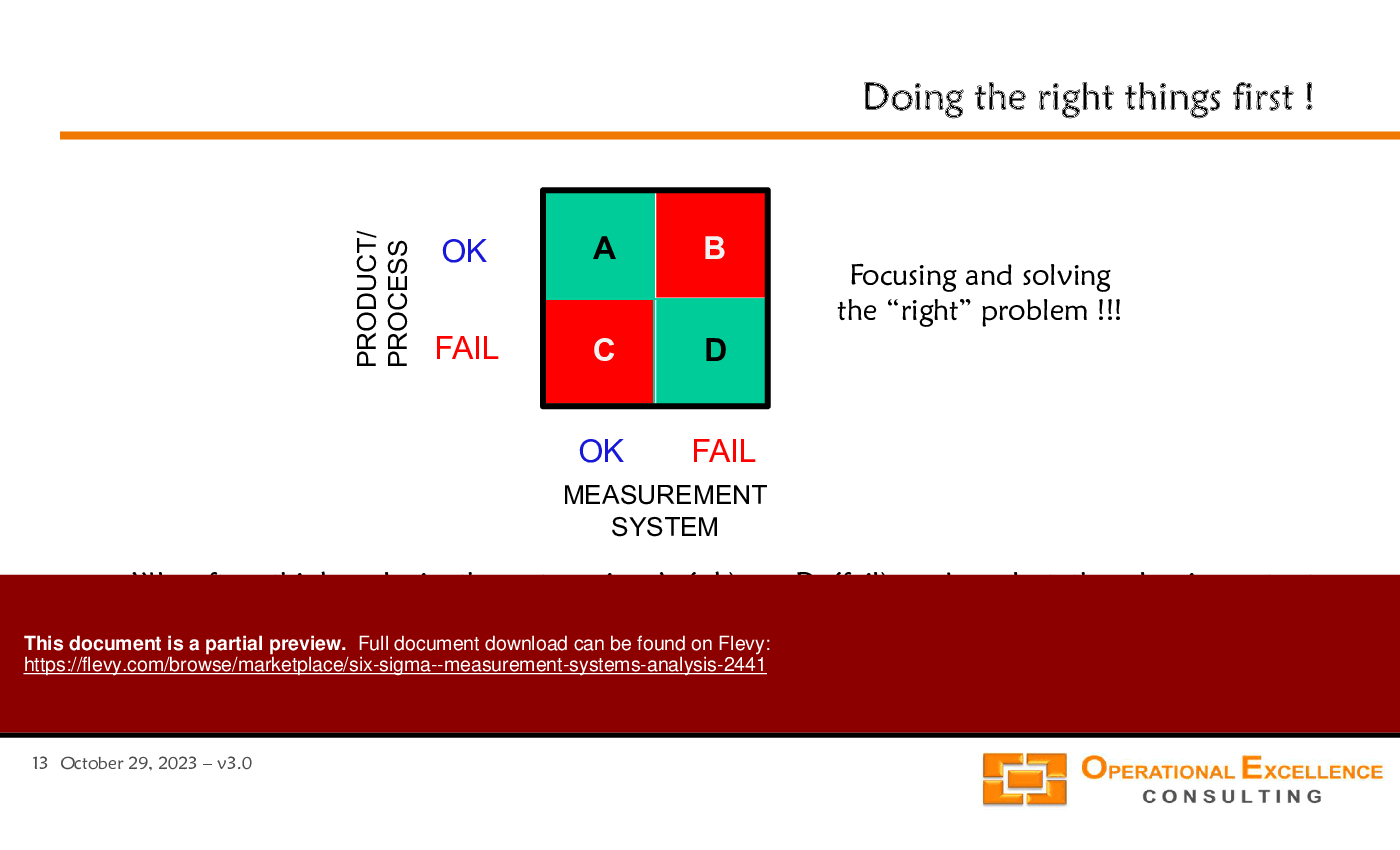
• Establish criteria for evaluating measurement system relevance and accuracy
• Conduct Gage R&R studies to assess measurement reliability
• Analyze measurement system performance using statistical tools
• Implement strategies to improve measurement systems and reduce variability
Table of Contents
• Introduction (page 1)
• Sources of Variation (page 3)
• Measurement System Terminology (page 3)
• Variable Gage R&R Study (page 30)
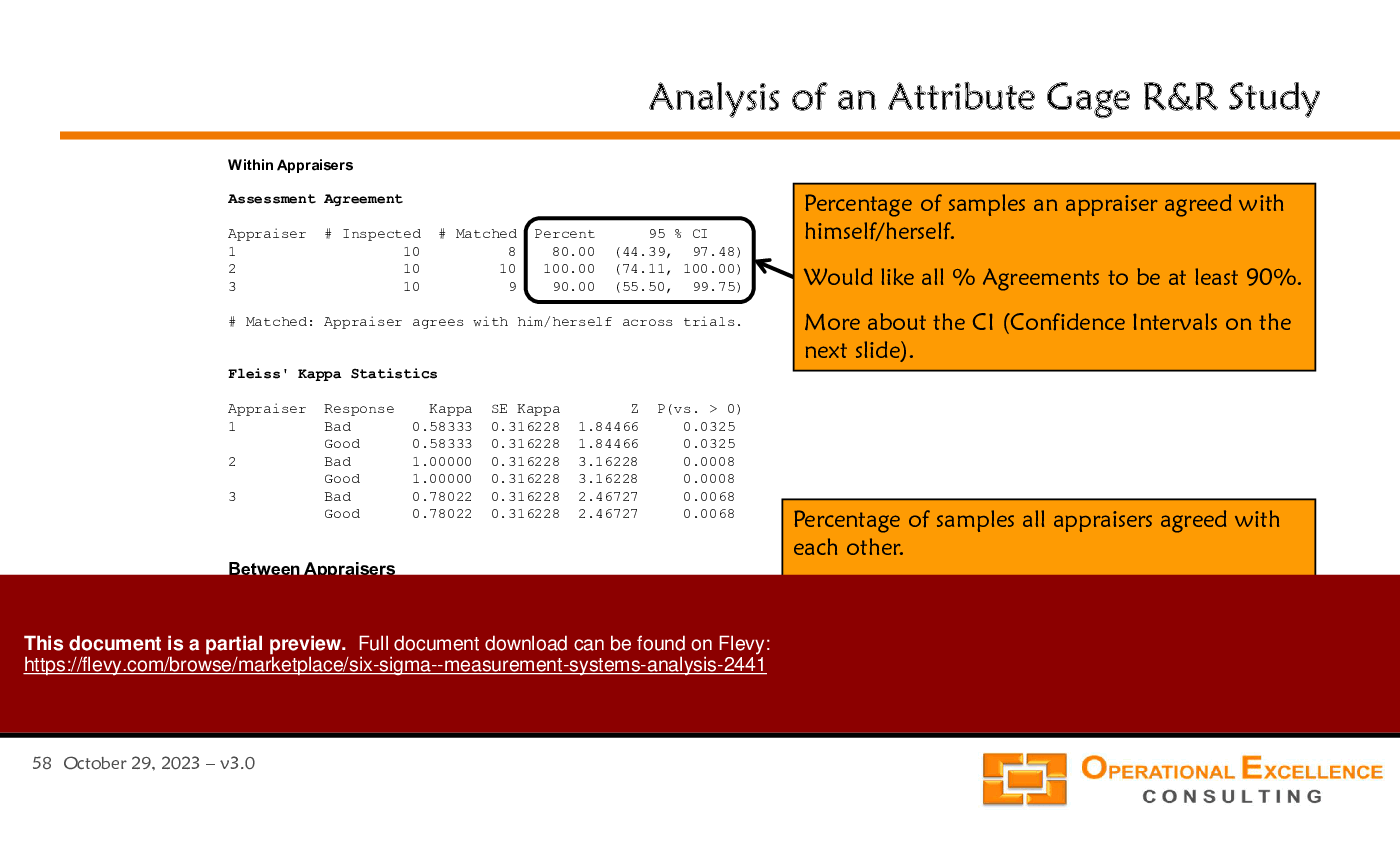
• Attribute Gage R&R Study (page 54)
Primary Topics Covered
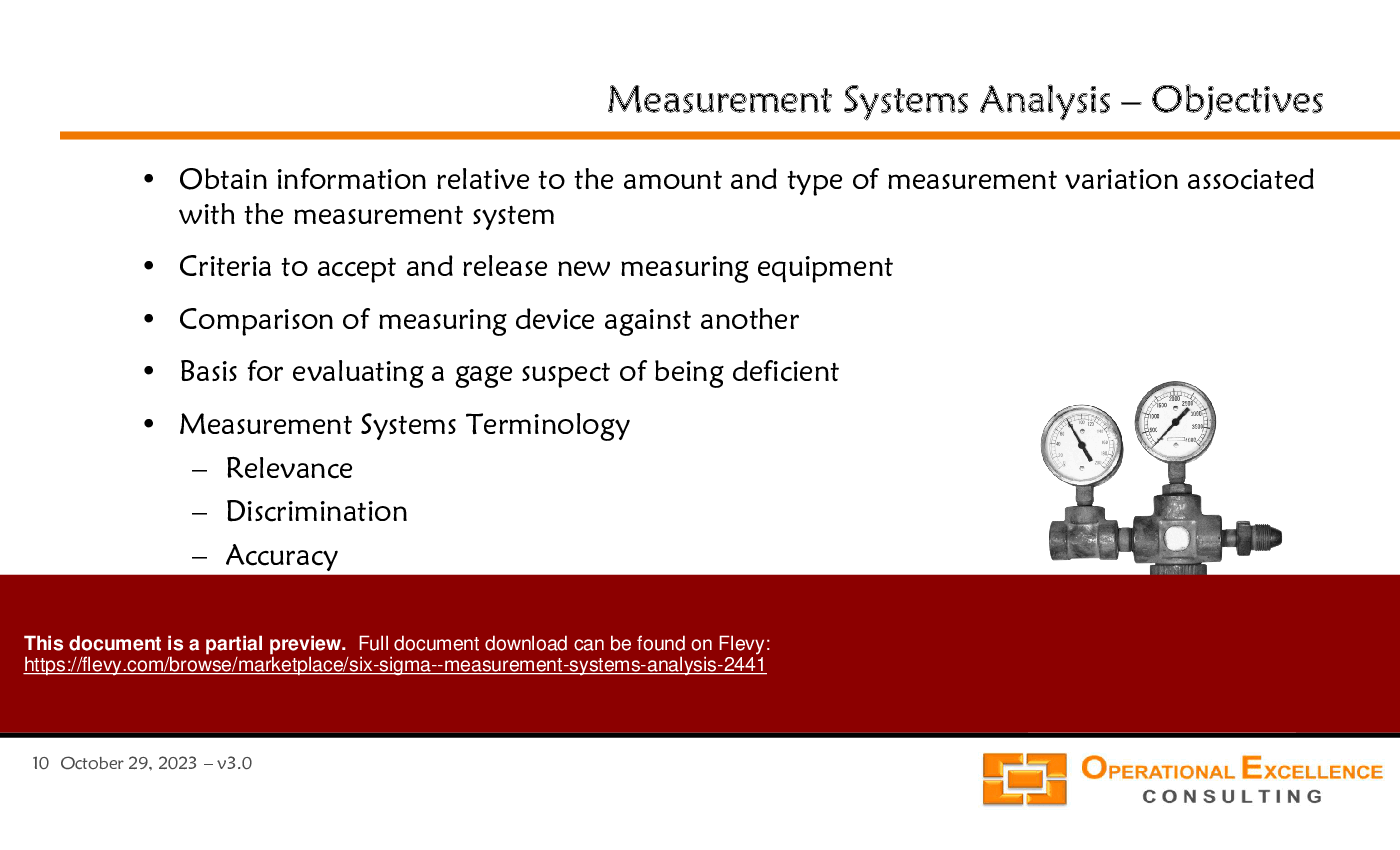
• Measurement System Analysis - An overview of MSA and its critical role in ensuring data integrity for process improvement.
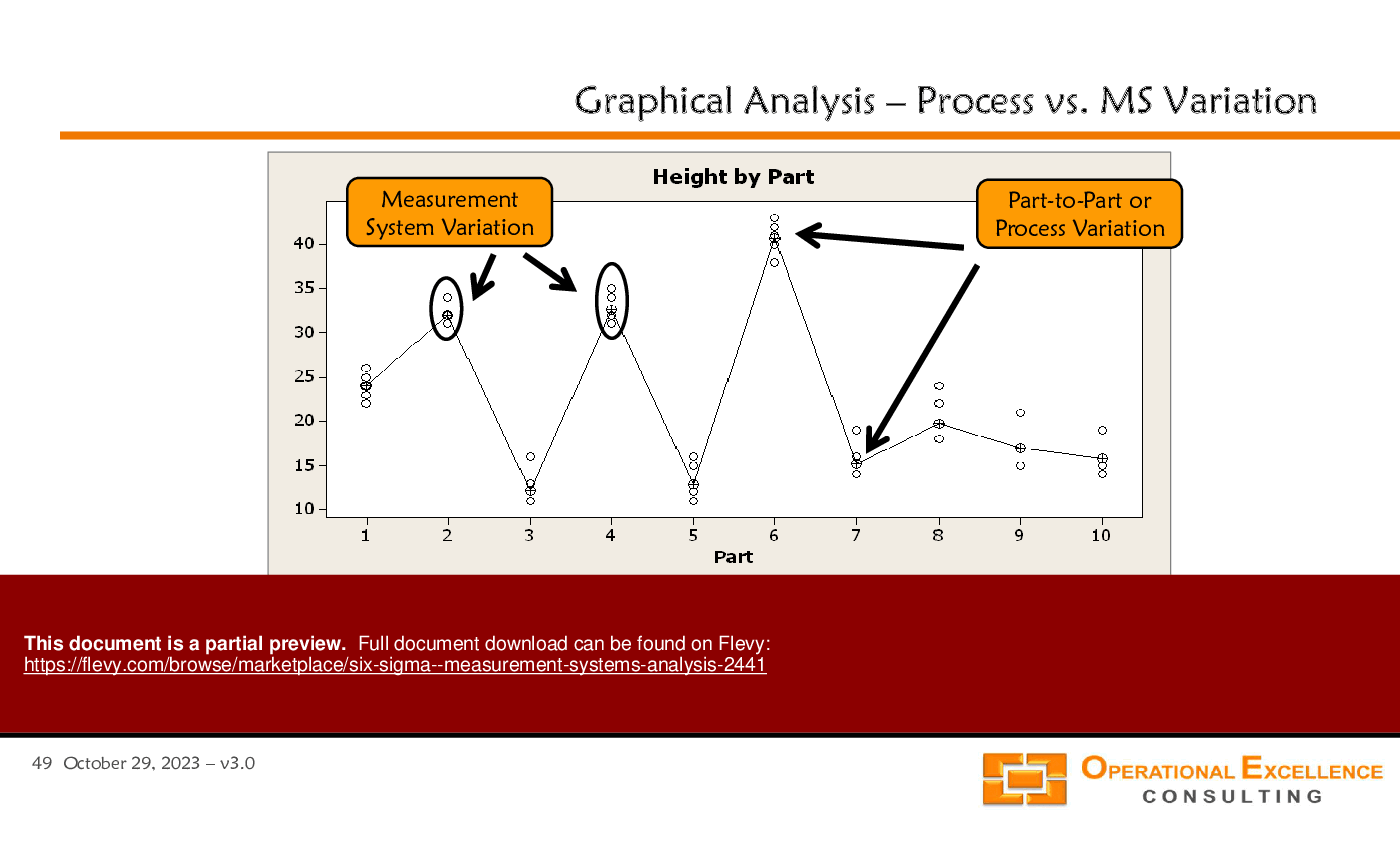
• Sources of Variation - Identification of actual process variation and measurement system variation, including operator effects.
• Measurement System Terminology - Key terms such as relevance, discrimination, accuracy, stability, linearity, and precision essential for understanding measurement systems.
• Variable Gage R&R Study - A detailed examination of the Gage R&R study methodology to evaluate measurement system performance.
• Attribute Gage R&R Study - Guidelines for conducting attribute Gage R&R studies to assess categorical measurement systems.
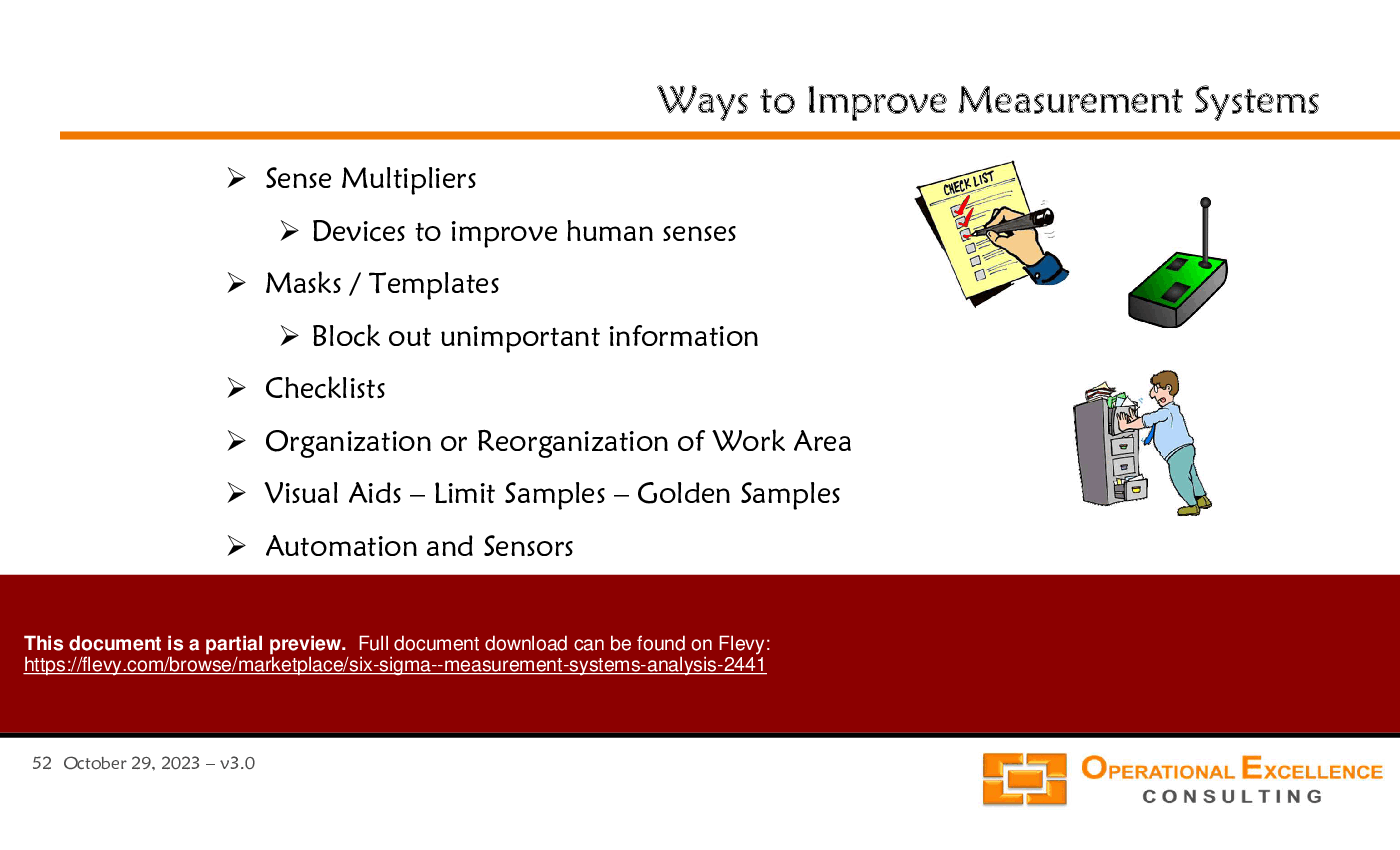
• Improvement Strategies - Techniques and tools to enhance measurement systems, including automation and visual aids.
Deliverables, Templates, and Tools
• Gage R&R Study worksheet template for Minitab
• Measurement system evaluation checklist
• Statistical analysis tools for Gage R&R results
• Graphical analysis templates for visualizing measurement data
• Guidelines for conducting effective measurement system audits
Slide Highlights
• Introduction to the significance of measurement systems in quality management
• Visual representation of sources of measurement variation
• Detailed breakdown of measurement system terminology with examples
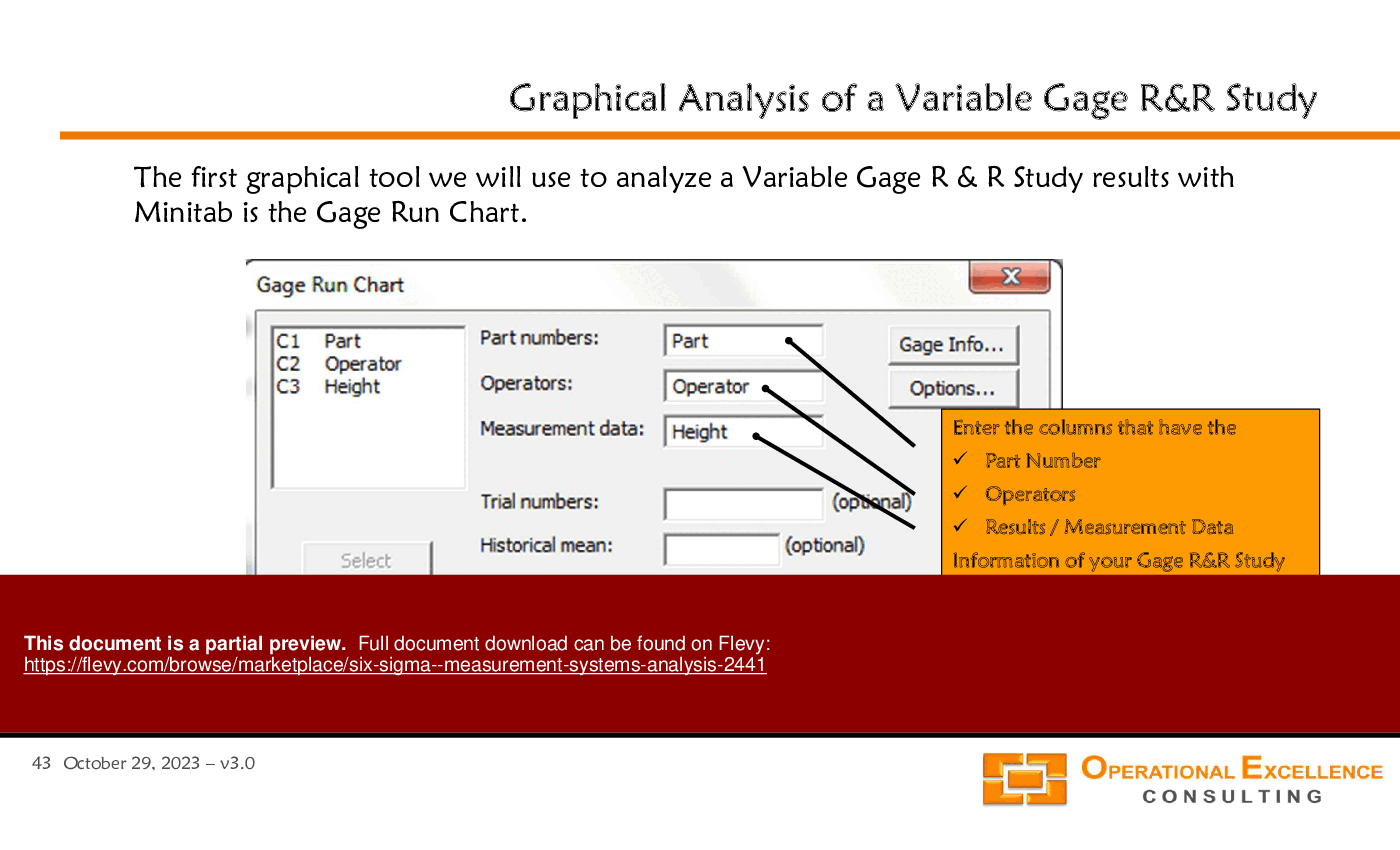
• Step-by-step guide for conducting a Variable Gage R&R study
• Graphical analysis tools for interpreting Gage R&R study results
Potential Workshop Agenda
Introduction to Measurement Systems (30 minutes)
• Overview of measurement system analysis
• Discussion on the importance of accurate measurements
Sources of Variation and Measurement System Terminology (60 minutes)
• Identification of sources of variation
• Explanation of key measurement system terms
Conducting a Variable Gage R&R Study (90 minutes)
• Step-by-step guide to performing a Gage R&R study
• Hands-on practice using Minitab
Improvement Strategies for Measurement Systems (30 minutes)
• Techniques for enhancing measurement accuracy and reliability
• Discussion on implementing improvements in real-world scenarios
Customization Guidance
• Tailor the Gage R&R study design to fit specific operational contexts
• Adjust terminology and examples to align with organizational standards
• Incorporate company-specific measurement systems and processes into the training material
• Modify statistical analysis tools to reflect the data types used in your organization
Secondary Topics Covered
• Measurement error and its impact on data integrity
• The importance of calibration in measurement systems
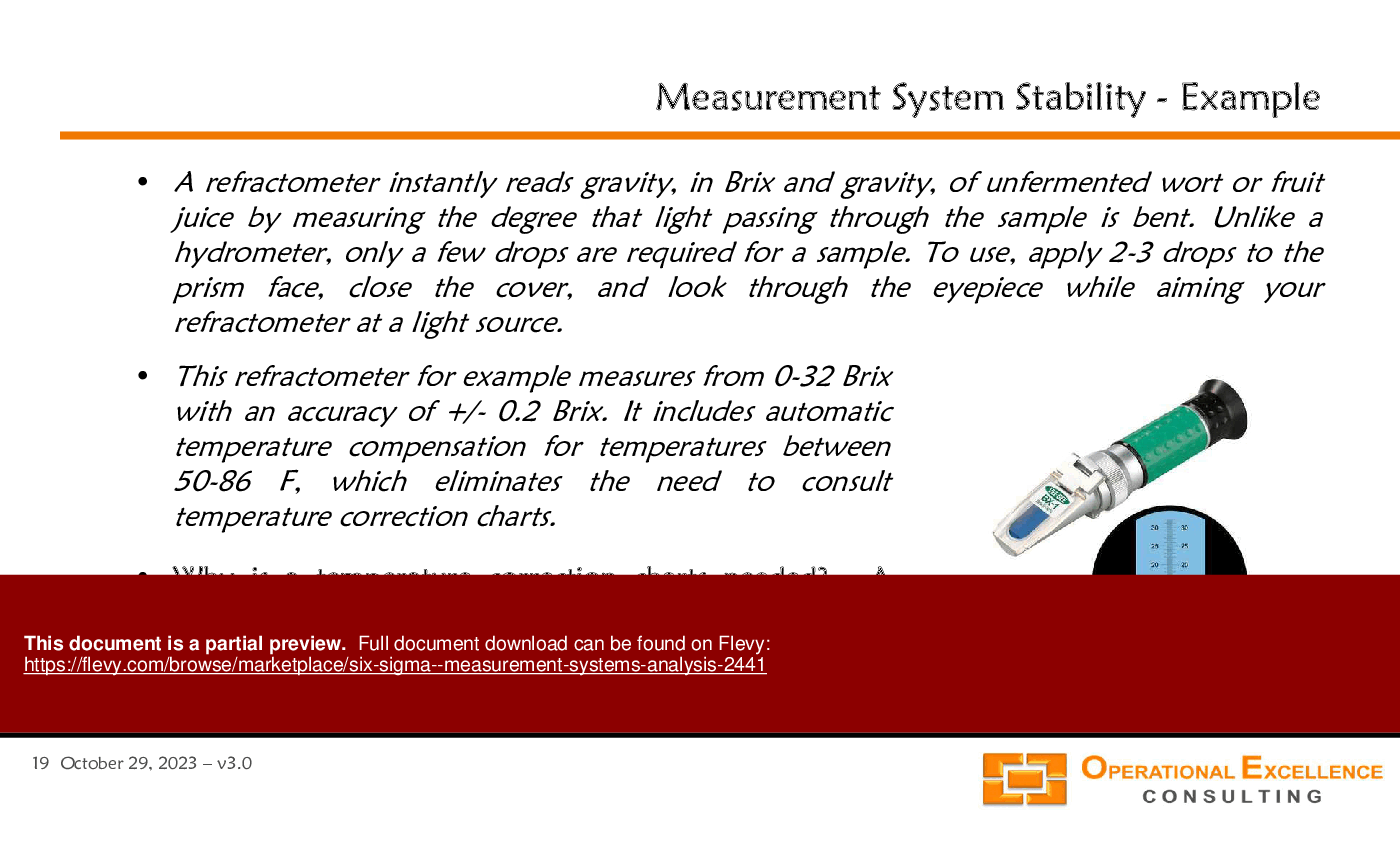
• Techniques for ensuring measurement system stability
• Analysis of measurement system linearity and its implications
• Strategies for improving measurement precision and discrimination
FAQ
What is Measurement Systems Analysis?
Measurement Systems Analysis (MSA) evaluates the accuracy and reliability of measurement systems to ensure data integrity in quality management processes.
Why is Gage R&R important?
Gage R&R studies assess the repeatability and reproducibility of measurement systems, identifying sources of variation that can affect data accuracy.
How can I improve my measurement system?
Improvements can be made by implementing automation, using visual aids, and ensuring proper calibration of measurement devices.
What are the key components of a Gage R&R study?
Key components include selecting appropriate samples, defining operator roles, and analyzing the results for repeatability and reproducibility.
What is the significance of measurement system stability?
Stability ensures that measurements remain consistent over time, which is crucial for reliable data analysis and decision-making.
How do I determine if my measurement system is accurate?
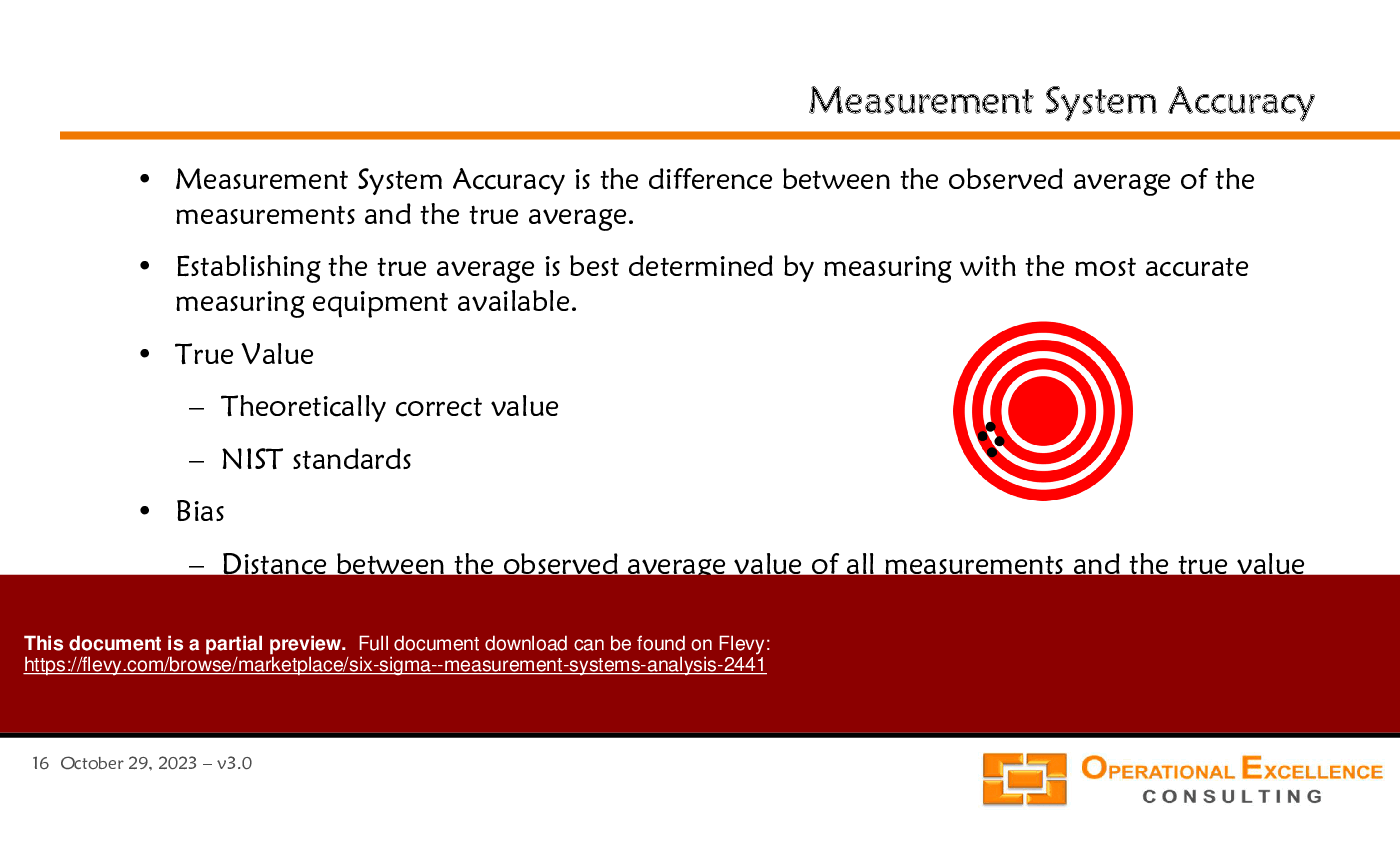
Accuracy can be assessed by comparing measurement results against known standards and evaluating the bias in the measurements.
What tools can I use for statistical analysis in MSA?
Minitab is commonly used for conducting Gage R&R studies and performing statistical analysis on measurement data.
How do I interpret the results of a Gage R&R study?
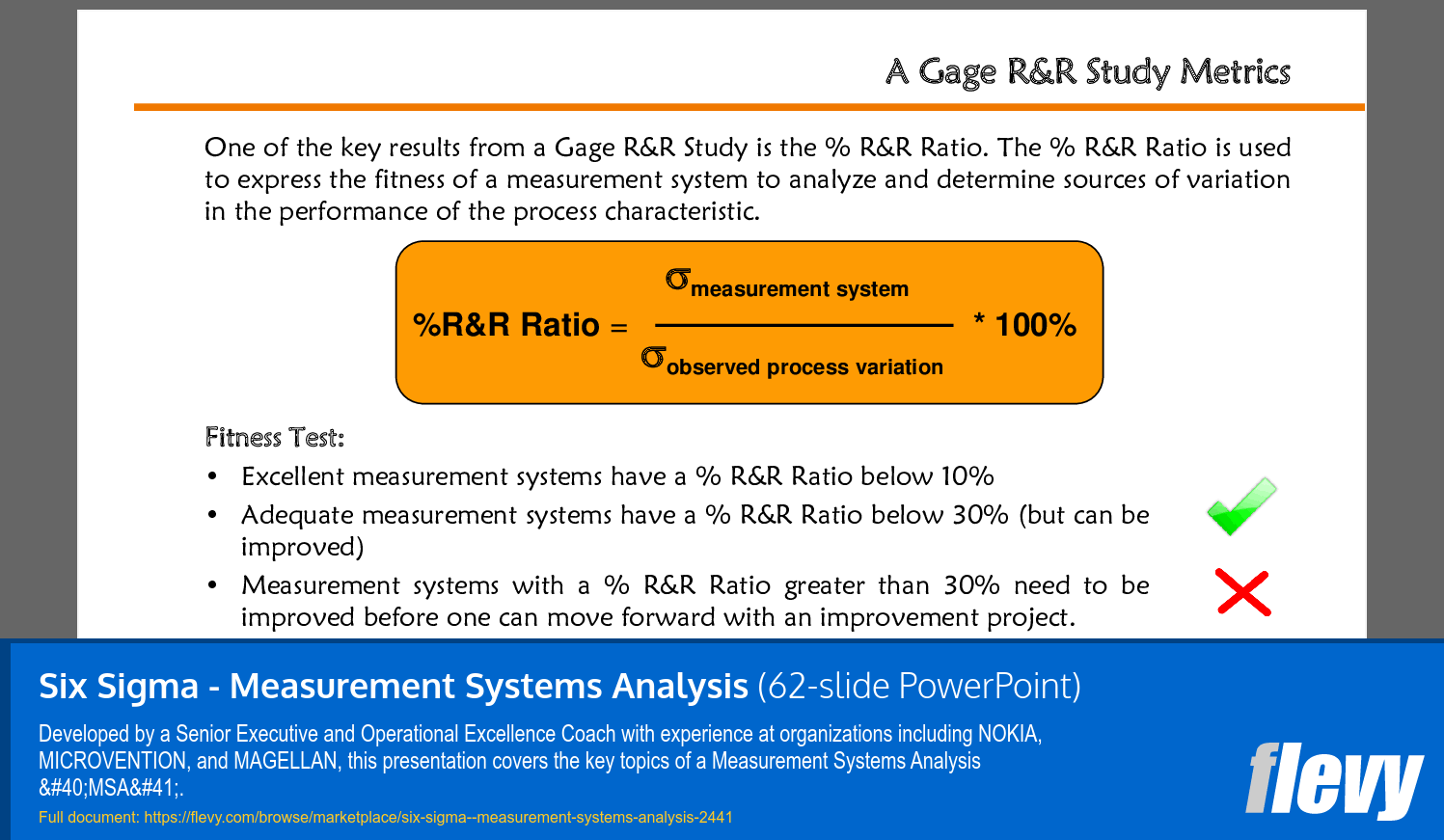
Results can be interpreted by analyzing the % R&R ratio, which indicates the proportion of total variation attributed to the measurement system.
Glossary
• Measurement Systems Analysis - A process to evaluate the accuracy and reliability of measurement systems.
• Gage R&R - A study to assess the repeatability and reproducibility of measurement systems.
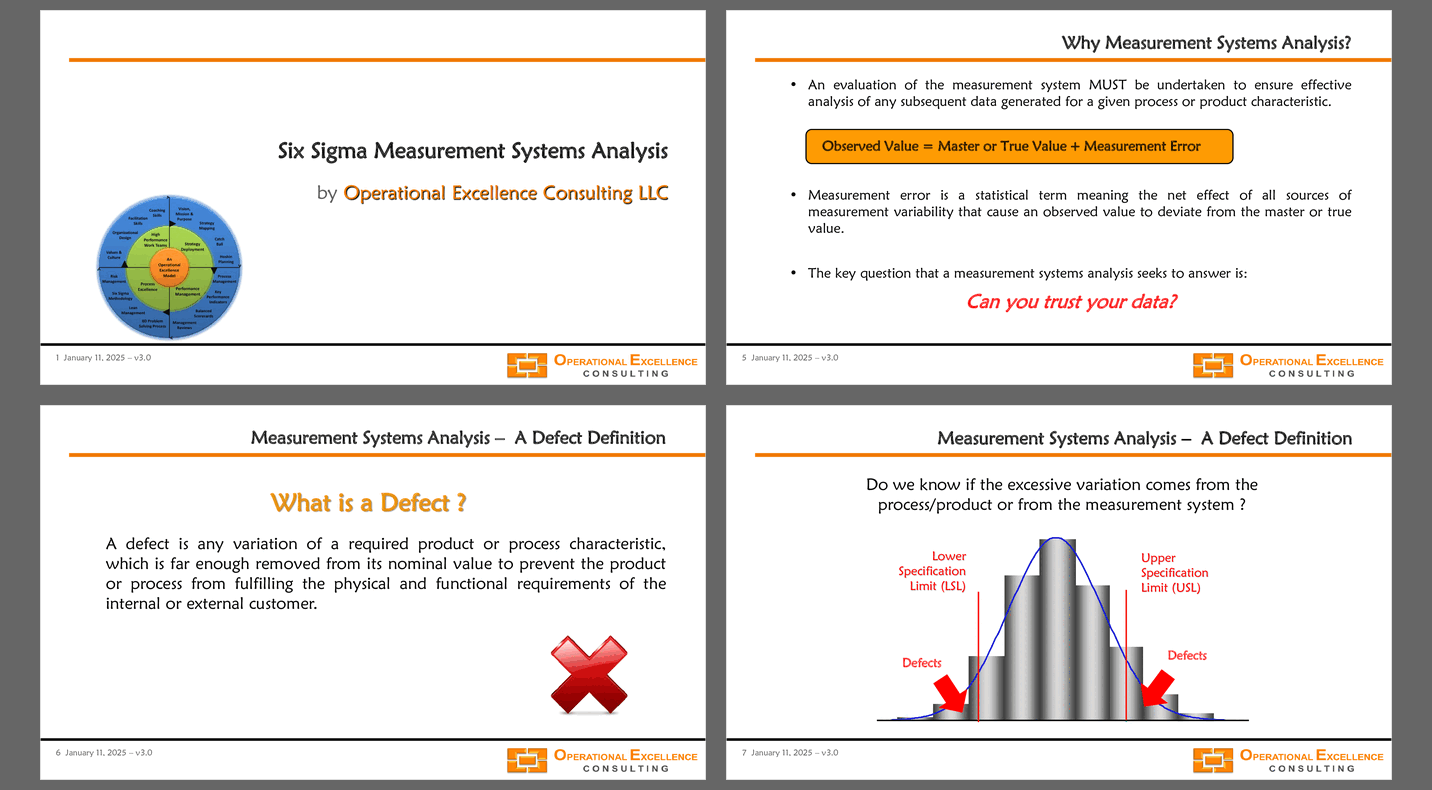
• Measurement Error - The difference between the observed value and the true value due to variability in the measurement process.
• Relevance - The degree to which a measurement system measures important product or process characteristics.
• Discrimination - The ability of a measurement system to distinguish between different levels of a measured attribute.
• Accuracy - The closeness of a measured value to the true value.
• Stability - The consistency of measurement results over time.
• Linearity - The degree to which a measurement system's accuracy remains consistent across its operating range.
• Precision - The degree to which repeated measurements under unchanged conditions show the same results.
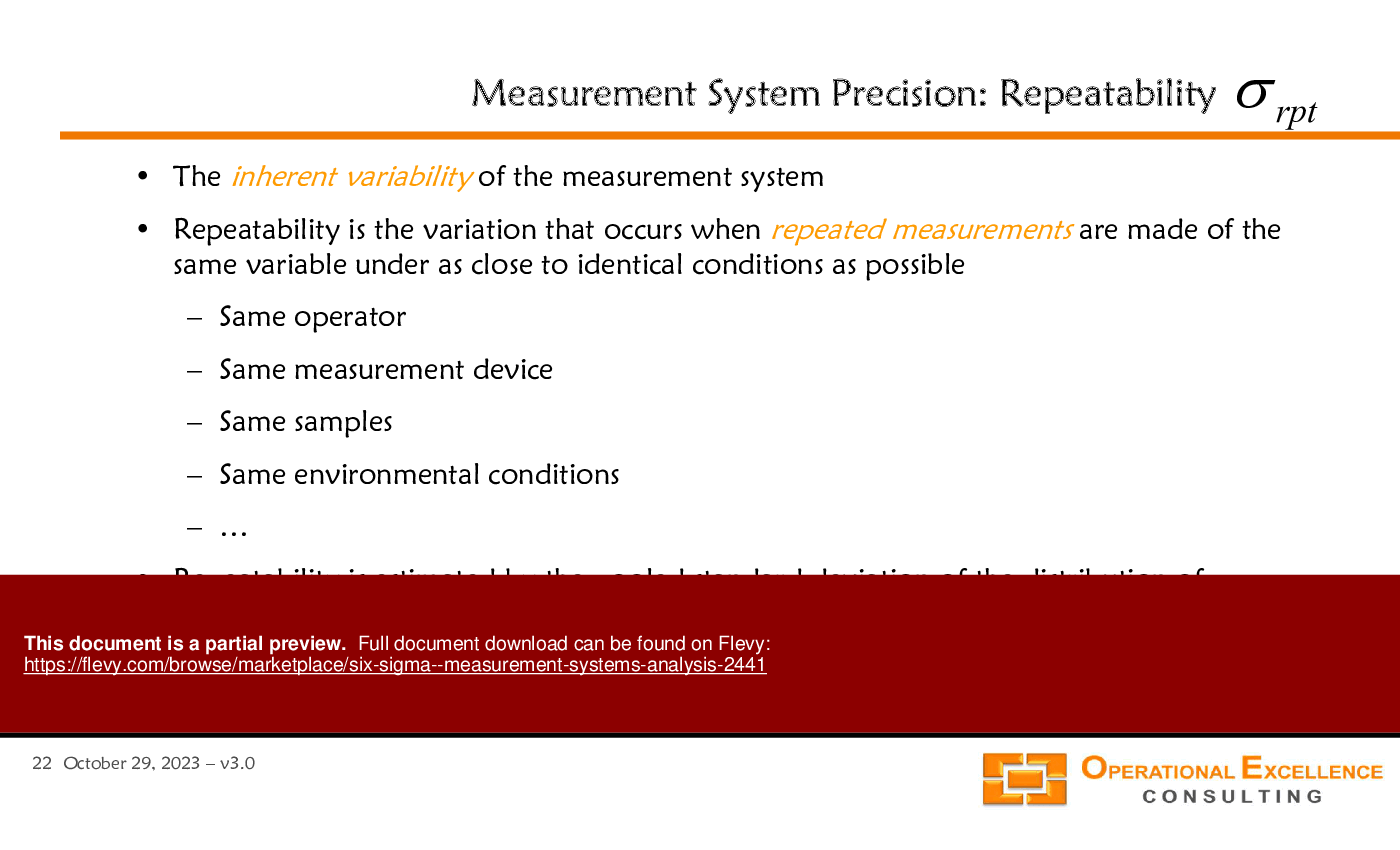
• Repeatability - The variation in measurements taken by the same operator using the same instrument.
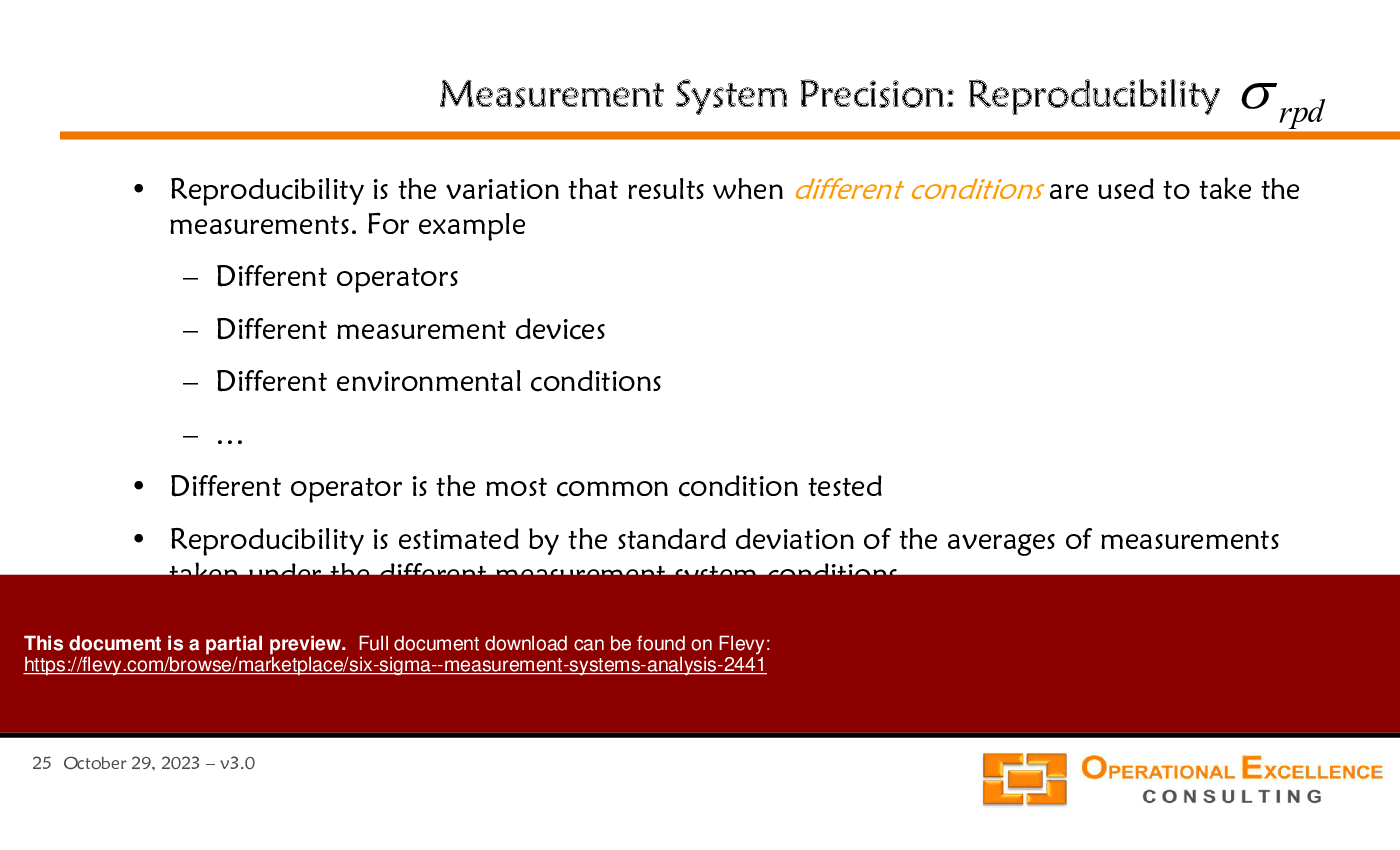
• Reproducibility - The variation in measurements taken by different operators using the same instrument.
• Calibration - The process of adjusting a measurement system to ensure its accuracy.
• Statistical Analysis - The application of statistical methods to interpret measurement data.
• Control Chart - A graphical tool used to monitor the stability of a measurement system over time.
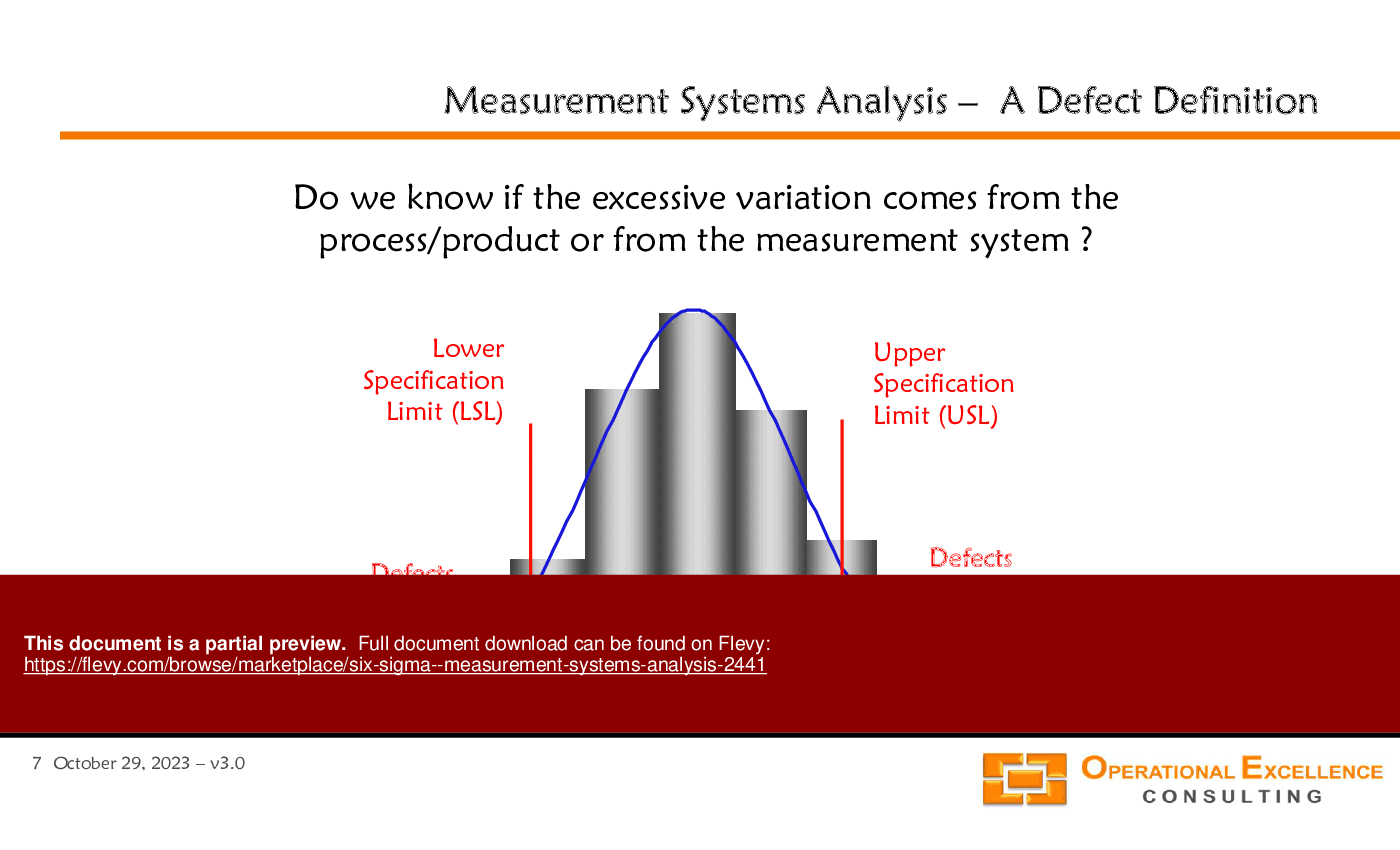
• Process Variation - The inherent variability in a process that affects measurement outcomes.
• Attribute Measurement - A type of measurement that categorizes items as acceptable or unacceptable.
• Variable Measurement - A type of measurement that provides a numerical value for a characteristic.
• Fitness Test - A criterion used to evaluate the adequacy of a measurement system based on its % R&R ratio.
• Distinct Categories - Classification of measurements into distinct groups for analysis.
• Visual Aids - Tools used to enhance understanding and communication of measurement data.
• Automation - The use of technology to improve measurement processes and reduce human error.

Source: Best Practices in MSA, Gage R&R PowerPoint Slides: Six Sigma - Measurement Systems Analysis PowerPoint (PPTX) Presentation Slide Deck, Operational Excellence Consulting LLC
This document is available as part of the following discounted bundle(s):
Save %!
OPERATIONAL EXCELLENCE Training Module Library
This bundle contains 18 total documents. See all the documents to the right.

Save %!
SIX SIGMA METHODOLOGY Training Module Library
This bundle contains 7 total documents. See all the documents to the right.
|
Receive our FREE presentation on Operational Excellence
This 50-slide presentation provides a high-level introduction to the 4 Building Blocks of Operational Excellence. Achieving OpEx requires the implementation of a Business Execution System that integrates these 4 building blocks. |