 Click main image to view in full screen.
Secondary Supply Constraint – PDF
PDF document 14 Pages


BENEFITS OF THIS DOWNLOADABLE PDF DOCUMENT
- Identifies where recyclable material fails to become qualified and secured strategic supply.
- Provides a practical diagnostic for prioritizing feedstock, recovery, processing, qualification, and offtake bottlenecks.
- Converts secondary-resource intelligence into actionable procurement, integration, investment, and supply-resilience decisions.
PDF DESCRIPTION
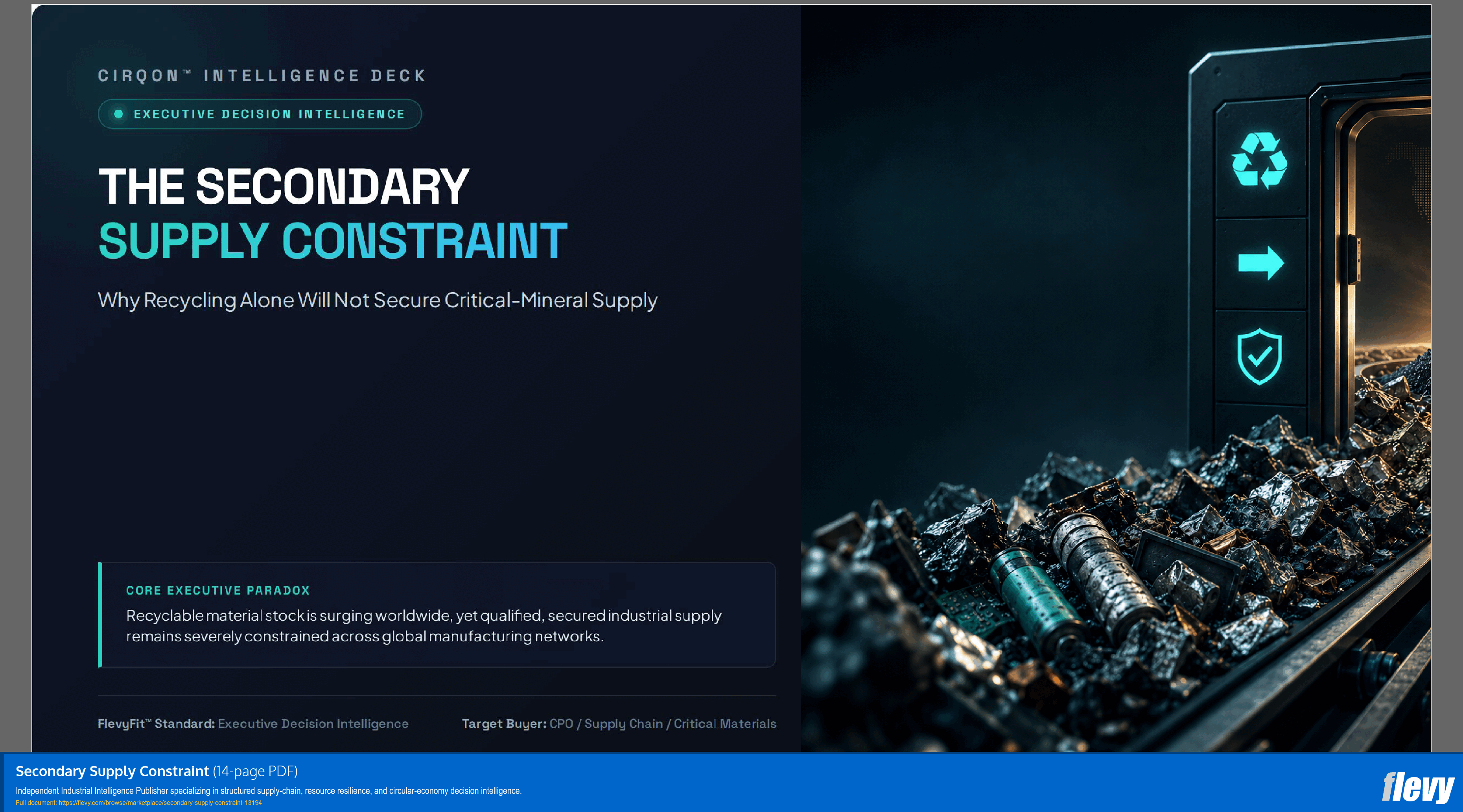
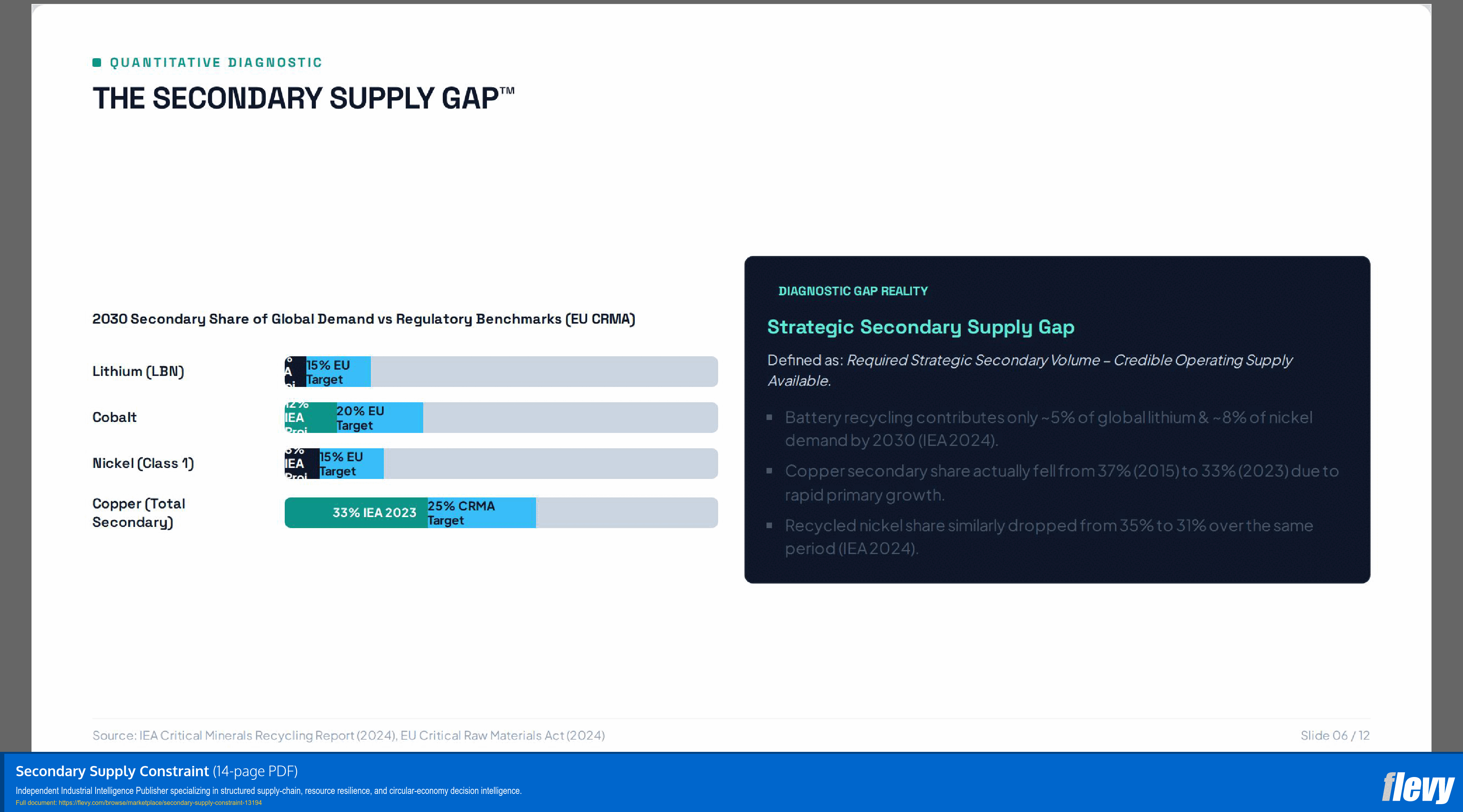
Recycling capacity is expanding across batteries, e-waste, industrial materials, permanent magnets, and other secondary-resource streams. But recyclable material is not automatically equivalent to strategic supply. The critical question for industrial decision-makers is where secondary material stops being potential supply and becomes qualified, secured, production-ready supply.
The Secondary Supply Constraint examines the structural gap between recyclable material availability and usable secondary supply. It provides an executive decision framework for identifying the bottlenecks that prevent recovered material from entering strategic industrial supply chains at scale.
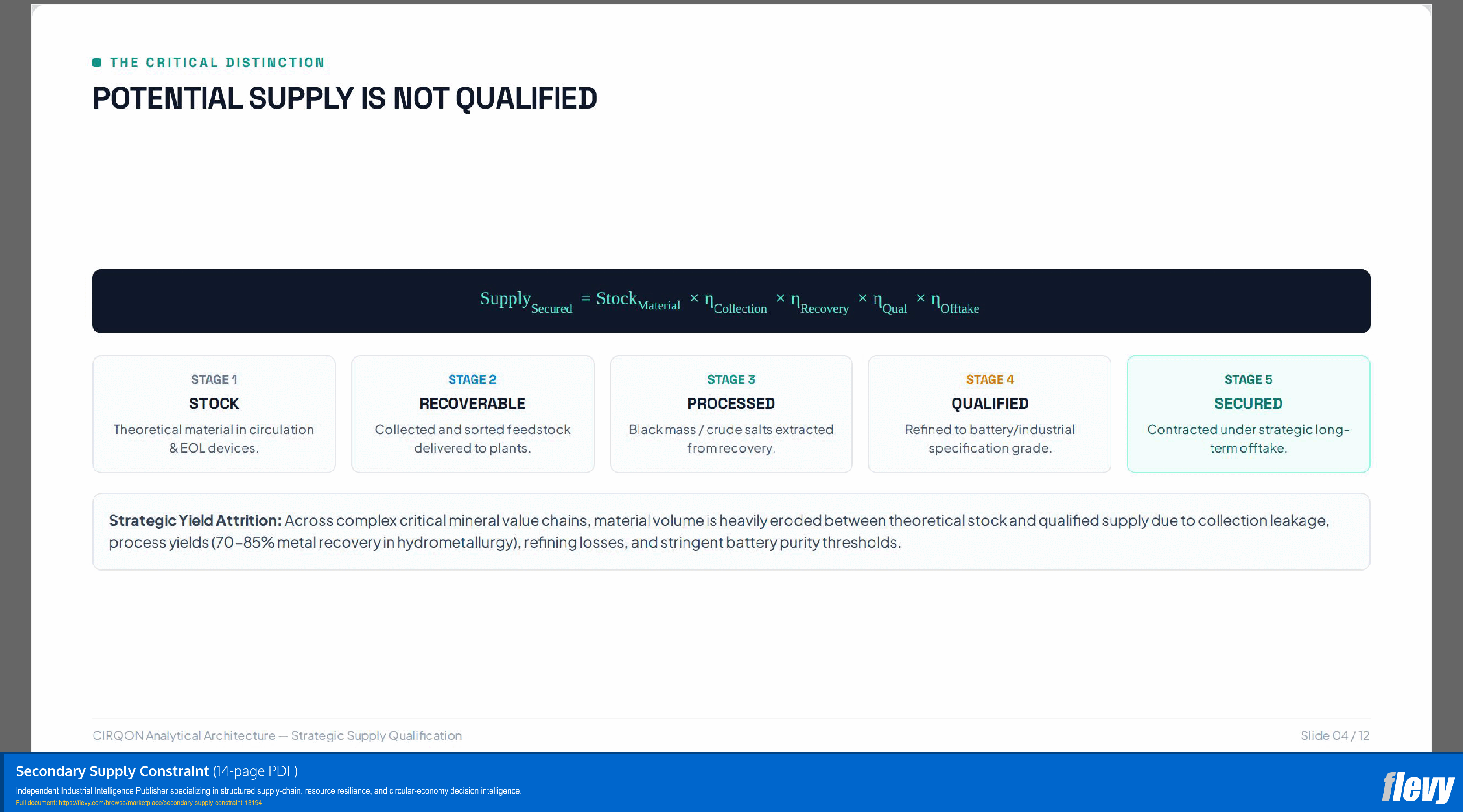
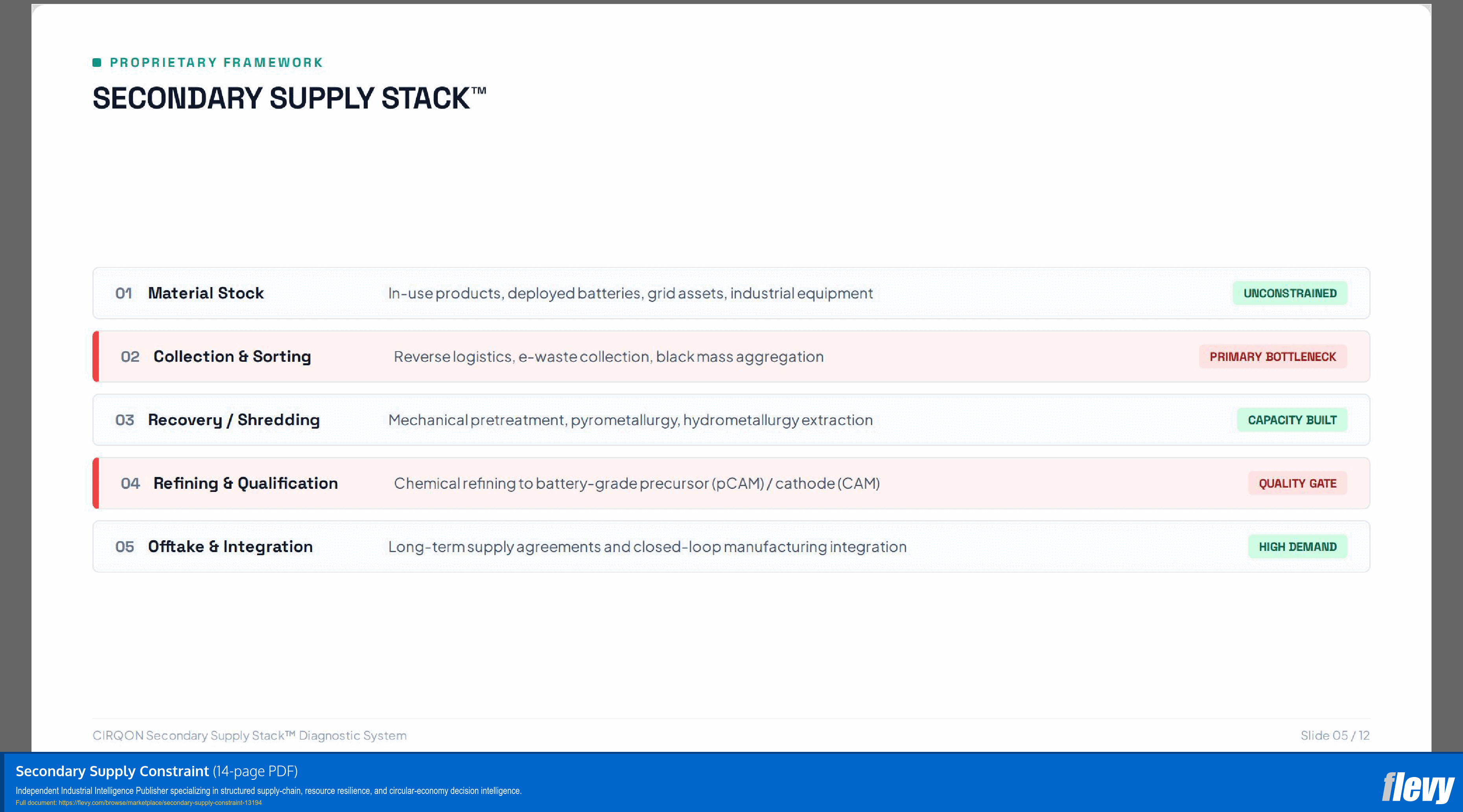
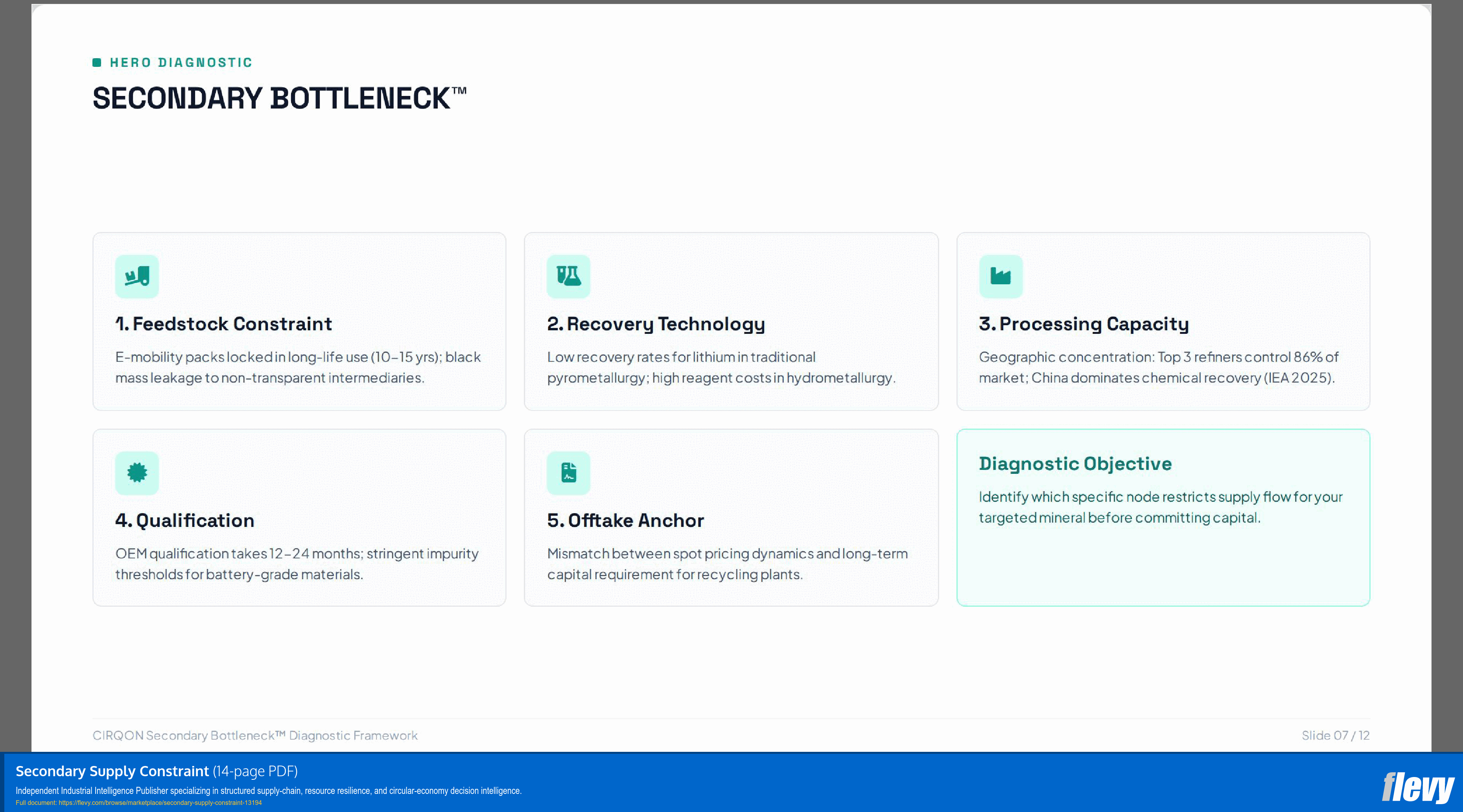
The playbook distinguishes five stages of secondary supply development: Material Stock, Collection & Sorting, Recovery & Shredding, Refining & Qualification, and Offtake & Integration. This distinction is important because a large theoretical resource base can remain commercially irrelevant when collection systems, recovery technology, processing capacity, qualification requirements, or contracted demand are insufficient.
The analysis introduces the Secondary Supply Stack™ and Secondary Bottleneck™ diagnostic to help decision-makers identify where secondary-material strategies are most likely to fail. It examines feedstock constraints, recovery technology, processing capacity, qualification requirements, and offtake architecture across selected critical minerals and secondary-resource streams.
The playbook also provides a cross-mineral exposure matrix covering lithium, nickel, cobalt, copper, and rare earths, allowing executives to distinguish between different bottleneck structures rather than treating recycling as a uniform supply solution.
The economic analysis addresses recovery economics, cost drivers, and stranded-capacity risk. A recycling facility can possess technical capability and installed capacity yet remain economically underutilized when secured feedstock, qualification pathways, or long-term offtake agreements are insufficient.
The final sections translate the analysis into management action through a Secondary Strategy Matrix and an Executive Action Radar covering three horizons: Map, Secure, and Scale. The objective is to help industrial organizations determine which secondary-supply bottleneck requires intervention, what strategic response is appropriate, and what capabilities or commercial relationships should be developed next.
This is not a general recycling market report. It is an Executive Intelligence Playbook designed to help procurement, supply-chain, strategy, sustainability, and industrial-resource leaders evaluate whether secondary materials can become a dependable component of critical-mineral supply resilience.
The methodology uses a structured evidence hierarchy combining recognized mineral and recycling datasets, industry research, regulatory and corporate information, and explicit distinctions between operating capacity, recoverable material, qualified supply, and secured supply. Analytical frameworks are proprietary CIRQON constructs and are intended as decision-support tools rather than industry-standard ratings or forecasts.
Got a question about the product? Email us at support@flevy.com or ask the author directly by using the "Ask the Author a Question" form. If you cannot view the preview above this document description, go here to view the large preview instead.
Source: Secondary Supply Constraint PDF (PDF) Document, Wisnu Pandega Wardana
ABOUT THE AUTHOR

I am an independent Industrial Intelligence and Strategic Innovation Publisher focused on developing structured business intelligence, innovation frameworks, and opportunity-oriented research for decision-makers.
My work focuses on translating emerging technologies, industrial transformation, sustainability, resource efficiency, and market shifts into structured intelligence assets that
... [read more]
Ask the Author a Question
You must be logged in to contact the author.




























