
 Click main image to view in full screen. Unlock all 10 preview images:
Engineering Perceived Value: The P.A.V.E. Framework – PDF
PDF document 24 Pages


BENEFITS OF THIS DOWNLOADABLE PDF DOCUMENT
- Provides a reusable framework for engineering higher perceived F&B product value without relying primarily on additional raw material or higher product cost.
- Helps product, marketing, and operations teams diagnose product-value weaknesses and determine whether to scale, optimize, prototype, validate, or reassess a concept.
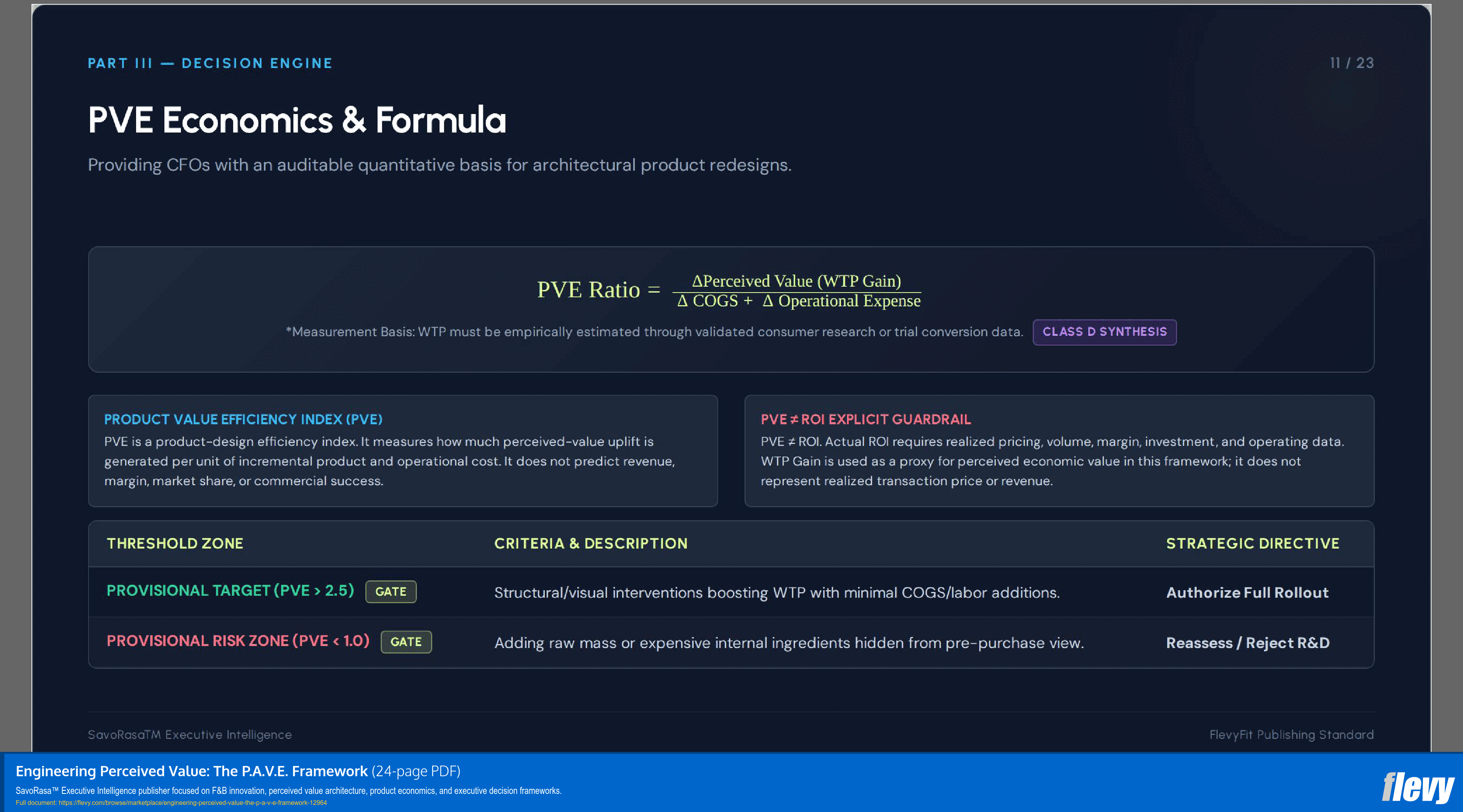
- Introduces the PVE Product Value Efficiency Index to evaluate perceived-value uplift relative to incremental product and operational cost.
VALUE PROPOSITION PDF DESCRIPTION
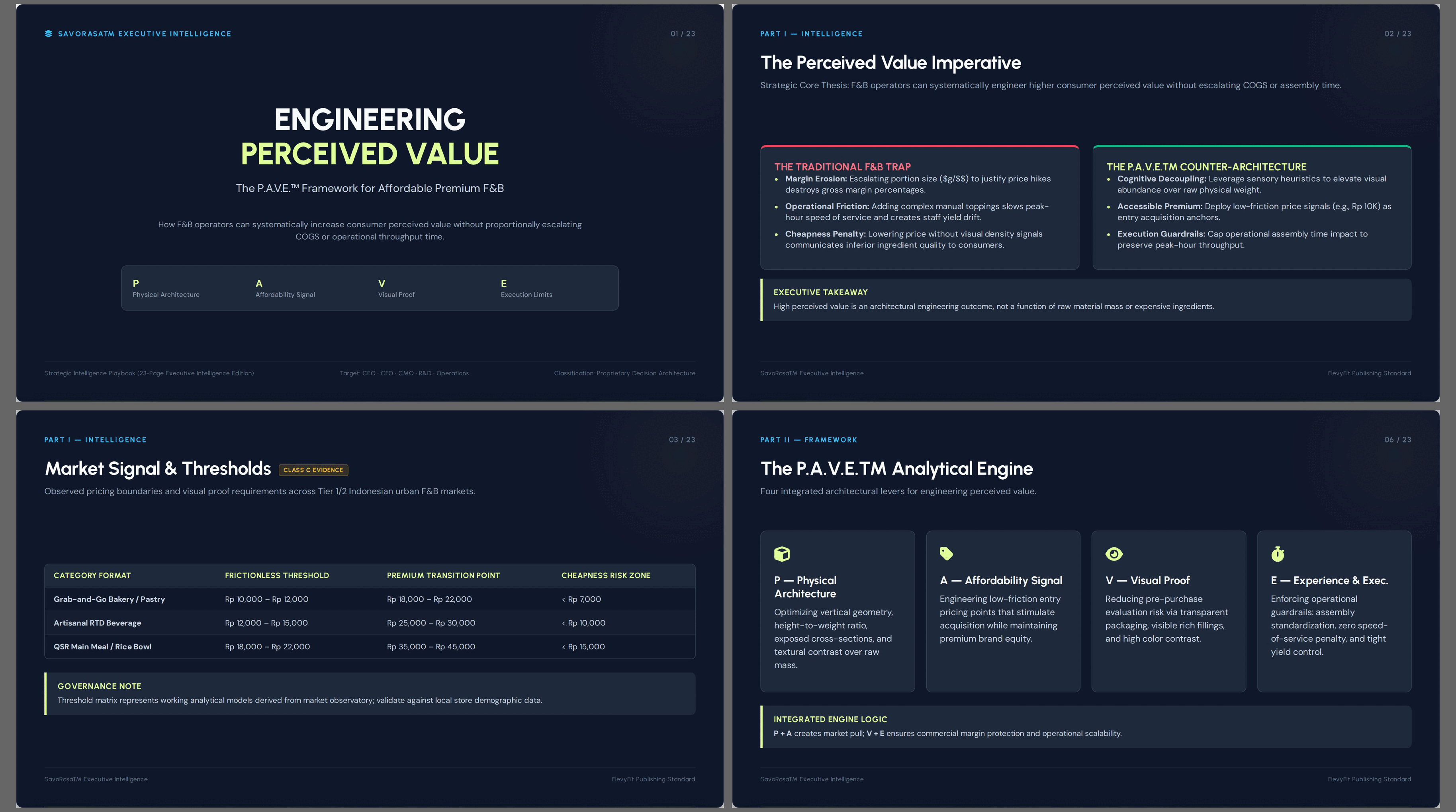
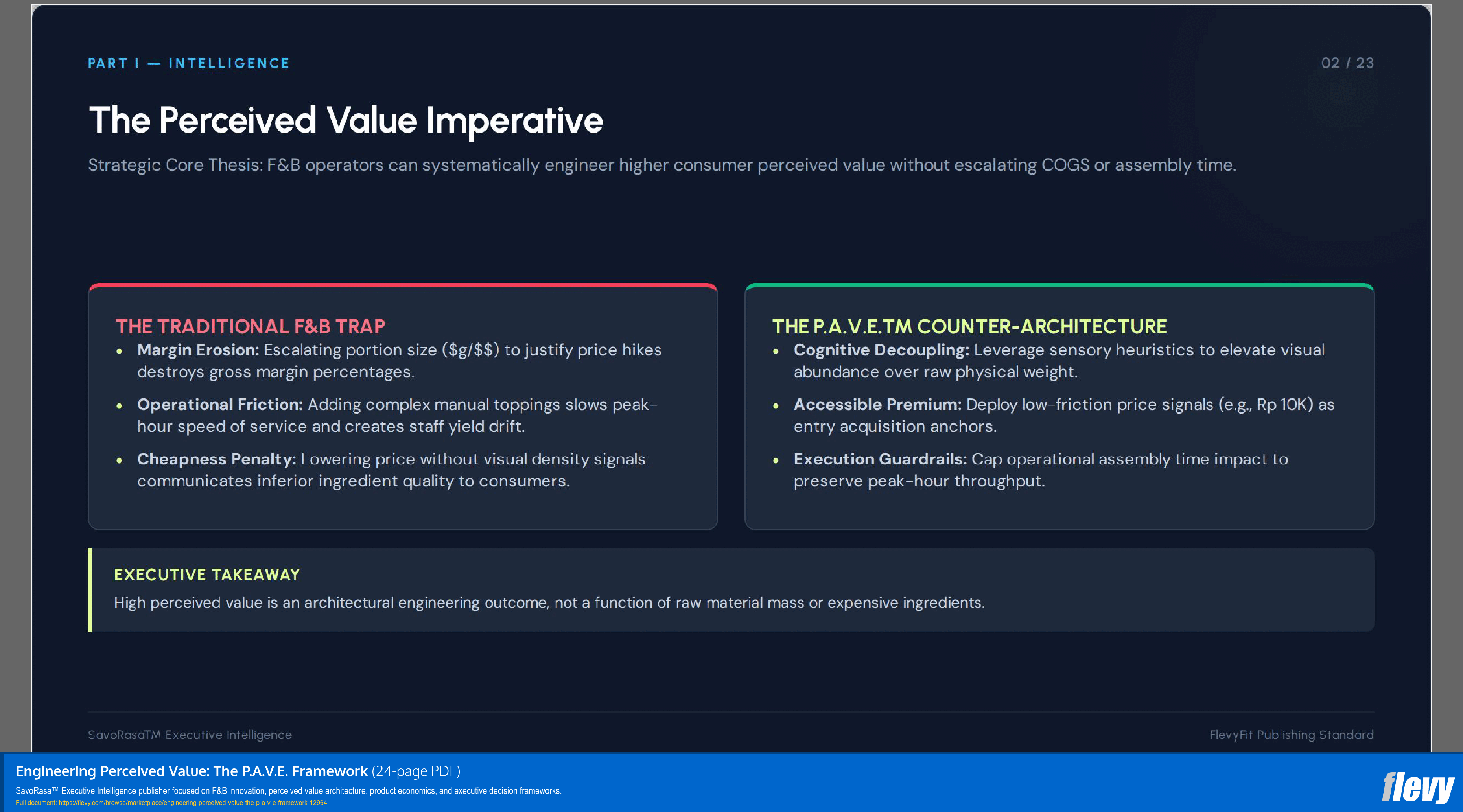
Engineering Perceived Value introduces the P.A.V.E.™ Framework, a reusable decision architecture for F&B operators seeking to increase consumer-perceived product value without proportionally increasing product cost or operational complexity.
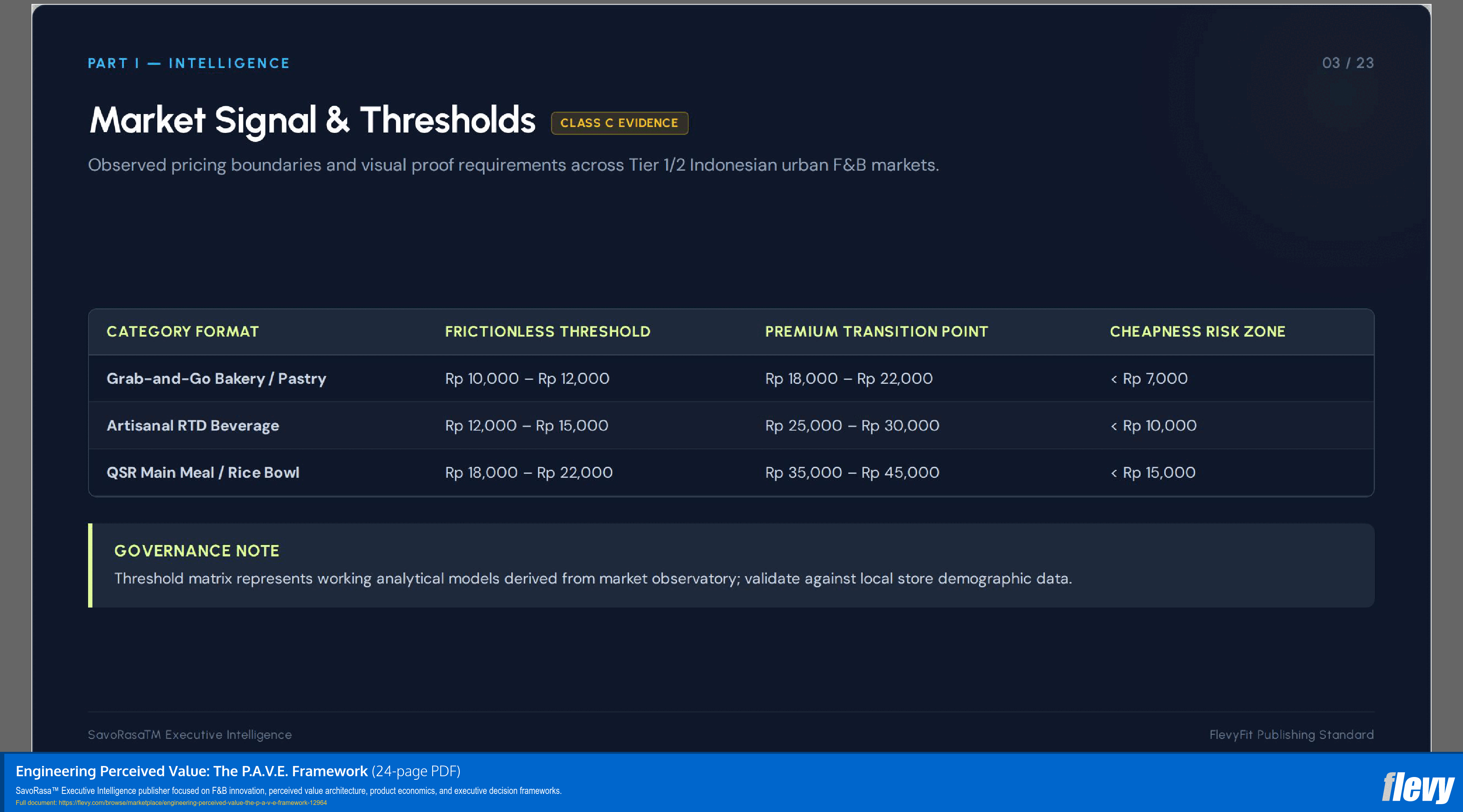
In competitive F&B markets, customers do not evaluate a product solely through ingredient quantity, production cost, or nominal price. Perceived value is shaped before and during consumption by physical product architecture, affordability signals, visual proof, sensory expectations, and the quality of execution. This creates an opportunity for operators to redesign how value is constructed rather than relying primarily on additional raw material, larger portions, or higher-cost ingredients.
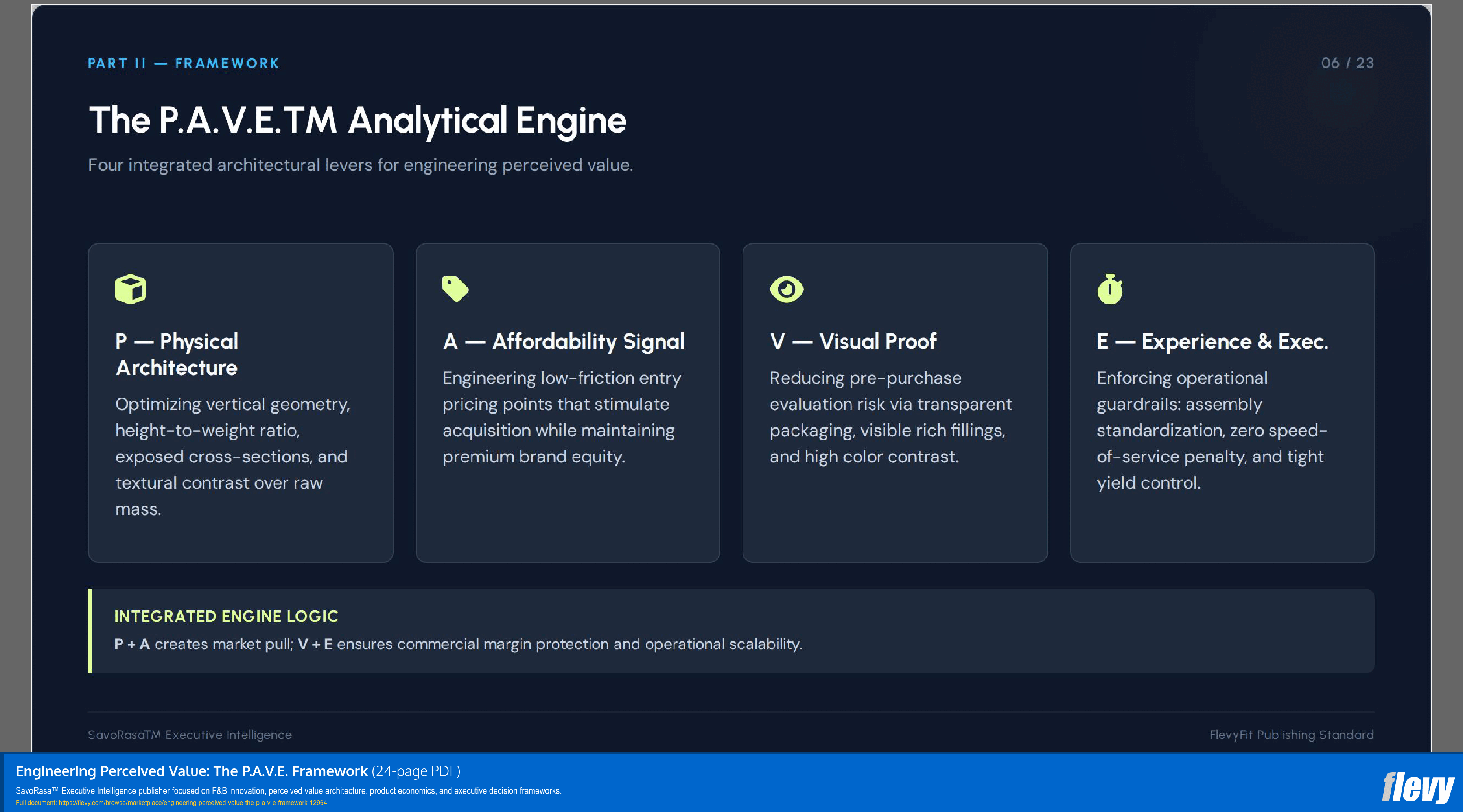
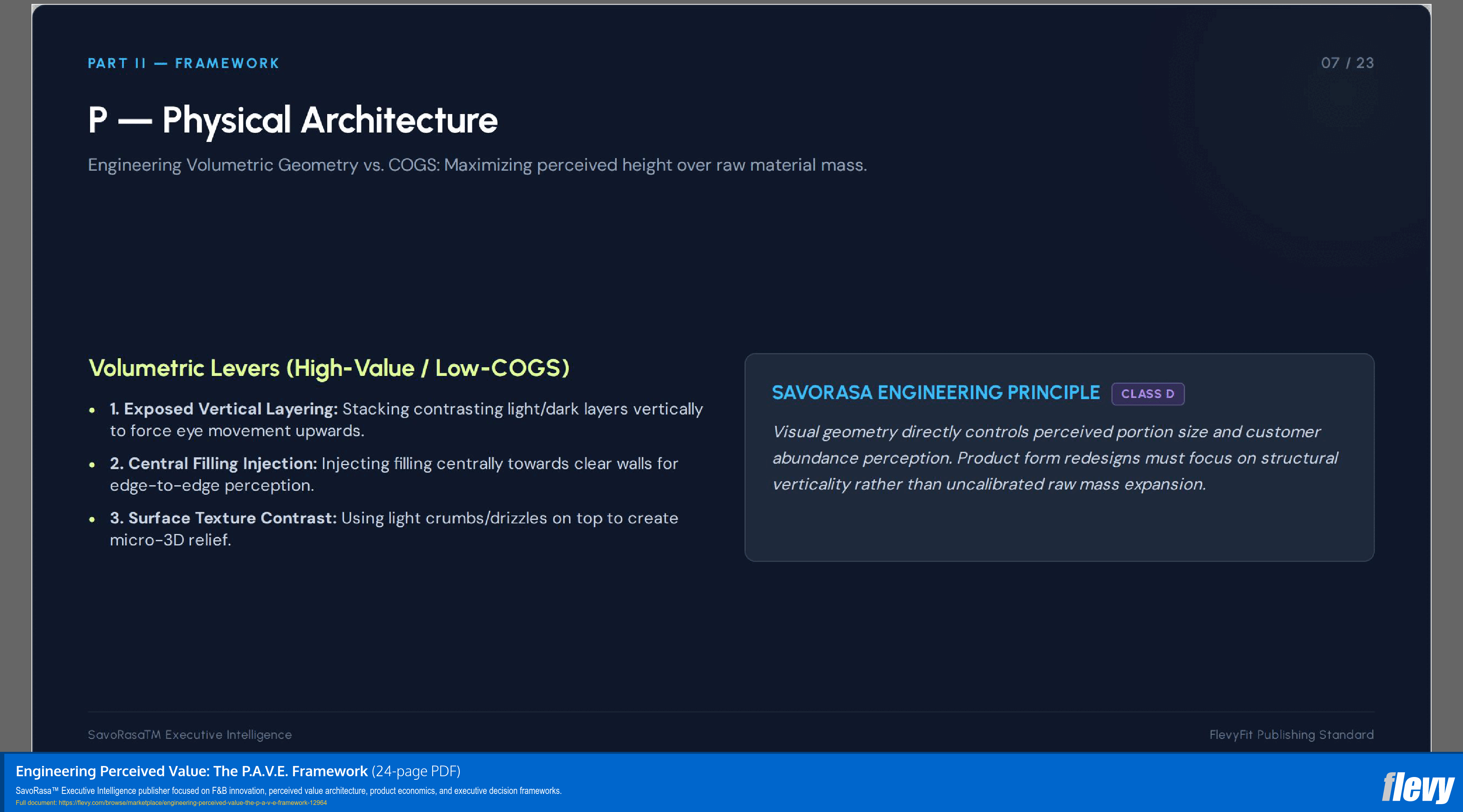
The P.A.V.E.™ Framework organizes this opportunity into four integrated dimensions: Physical Architecture, Affordability Signal, Visual Proof, and Experience & Execution. Together, these dimensions provide a structured way to diagnose product value, identify low-cost design interventions, and determine whether a concept should be scaled, optimized, prototyped, validated, or reassessed.
The publishing also introduces the PVE – Product Value Efficiency Index. PVE measures how much perceived-value uplift is generated per unit of incremental product and operational cost. It is explicitly a product-design efficiency index, not a financial-return metric, and does not predict revenue, margin, market share, or commercial success.
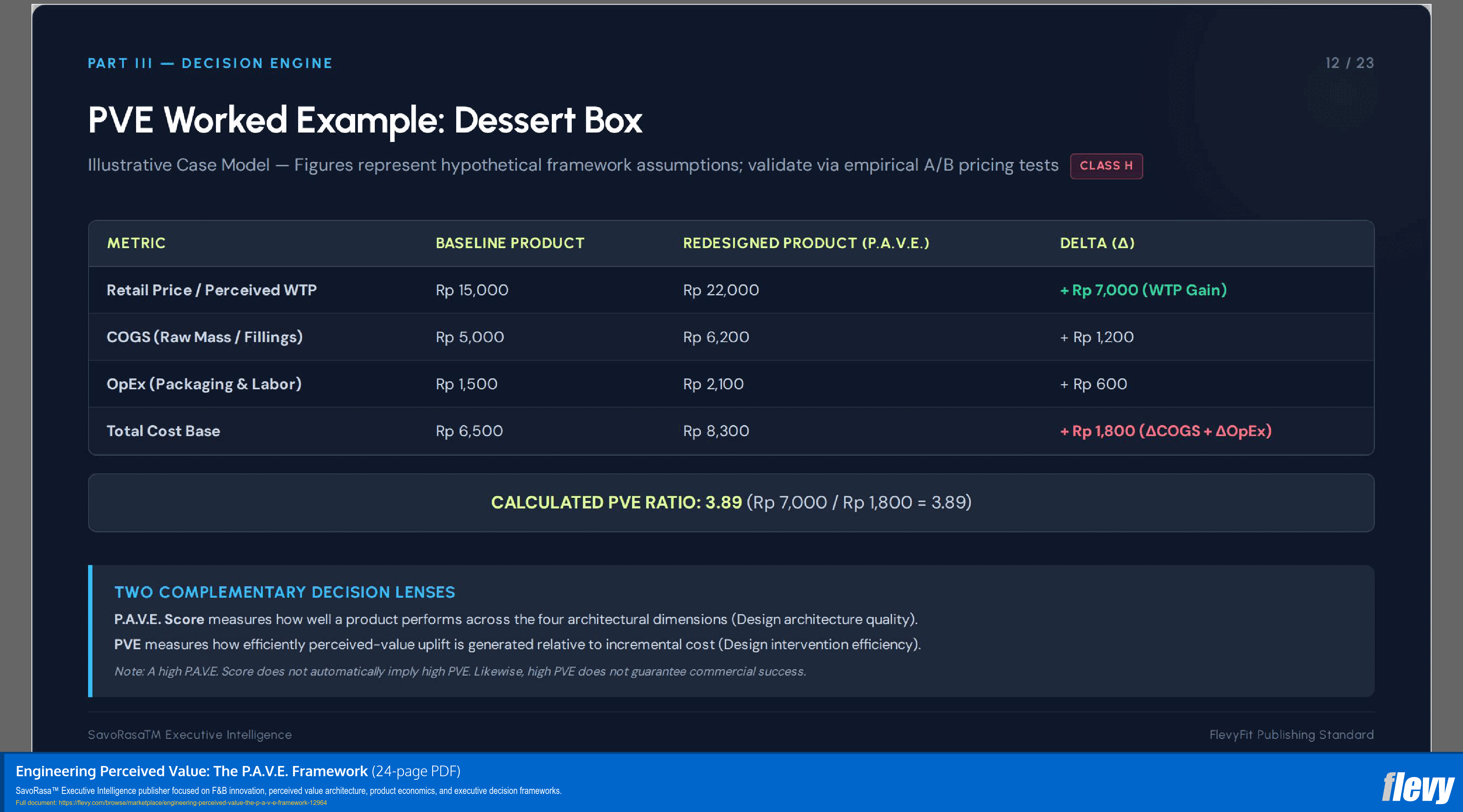
The framework includes a weighted P.A.V.E. diagnostic model, PVE calculation methodology, illustrative worked examples, cross-category applications across bakery and pastry, RTD and café beverages, and QSR rice bowls, plus an implementation cycle covering diagnosis, re-engineering, cost and model review, prototyping, validation, and commercial scaling.
The asset is designed for executives and decision-makers involved in F&B product development, innovation, marketing, operations, pricing, and portfolio decisions. It is particularly useful when teams need to improve perceived product value while protecting COGS, throughput, consistency, and brand positioning.
Rather than presenting a generic pricing guide or consumer trend report, this playbook provides a reusable decision system that can be applied to individual products, new product concepts, packaging interventions, menu architecture, and broader product portfolios.
P.A.V.E.™ provides the framework. The PVE Index provides the economic design lens. The diagnostic and action gates provide the decision pathway.
Got a question about the product? Email us at support@flevy.com or ask the author directly by using the "Ask the Author a Question" form. If you cannot view the preview above this document description, go here to view the large preview instead.
Source: Best Practices in Value Proposition PDF: Engineering Perceived Value: The P.A.V.E. Framework PDF (PDF) Document, Wisnu Pandega Wardana
ABOUT THE AUTHOR

I am an independent Industrial Intelligence and Strategic Innovation Publisher focused on developing structured business intelligence, innovation frameworks, and opportunity-oriented research for decision-makers.
My work focuses on translating emerging technologies, industrial transformation, sustainability, resource efficiency, and market shifts into structured intelligence assets that
... [read more]
Ask the Author a Question
You must be logged in to contact the author.




























