 Click main image to view in full screen.
Plastic-to-Biomaterial Transition Architecture – PDF
PDF document 19 Pages


BENEFITS OF THIS DOWNLOADABLE PDF DOCUMENT
- Provides a structured method for identifying which packaging functions are genuinely ready for biomaterial transition.
- Helps decision-makers distinguish between transition, pilot, watch, and retain opportunities using evidence, readiness, friction, and circularity criteria.
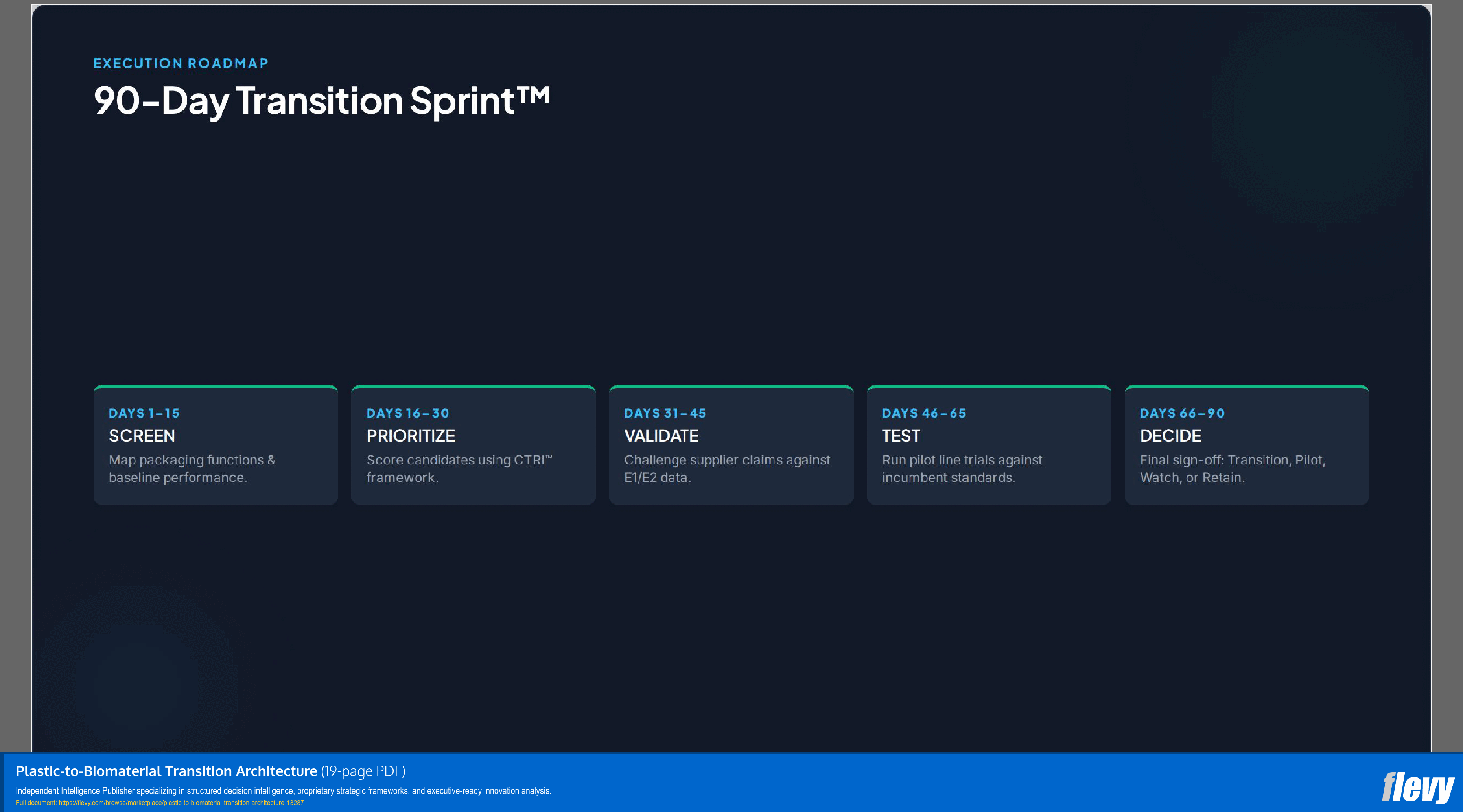
- Provides reusable decision frameworks and a 90-day transition process for converting packaging innovation signals into actionable executive decisions.
CIRCULAR ECONOMY PDF DESCRIPTION
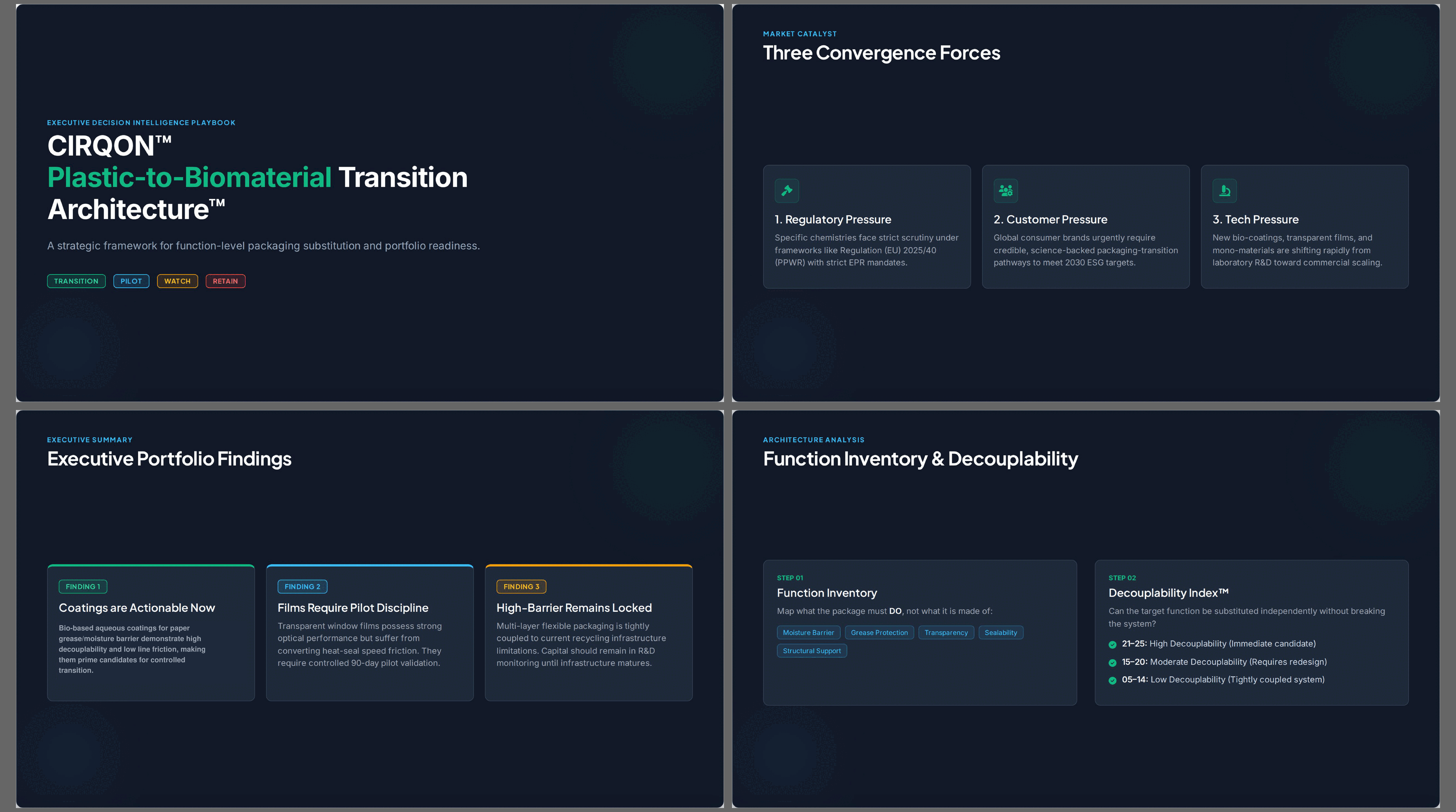
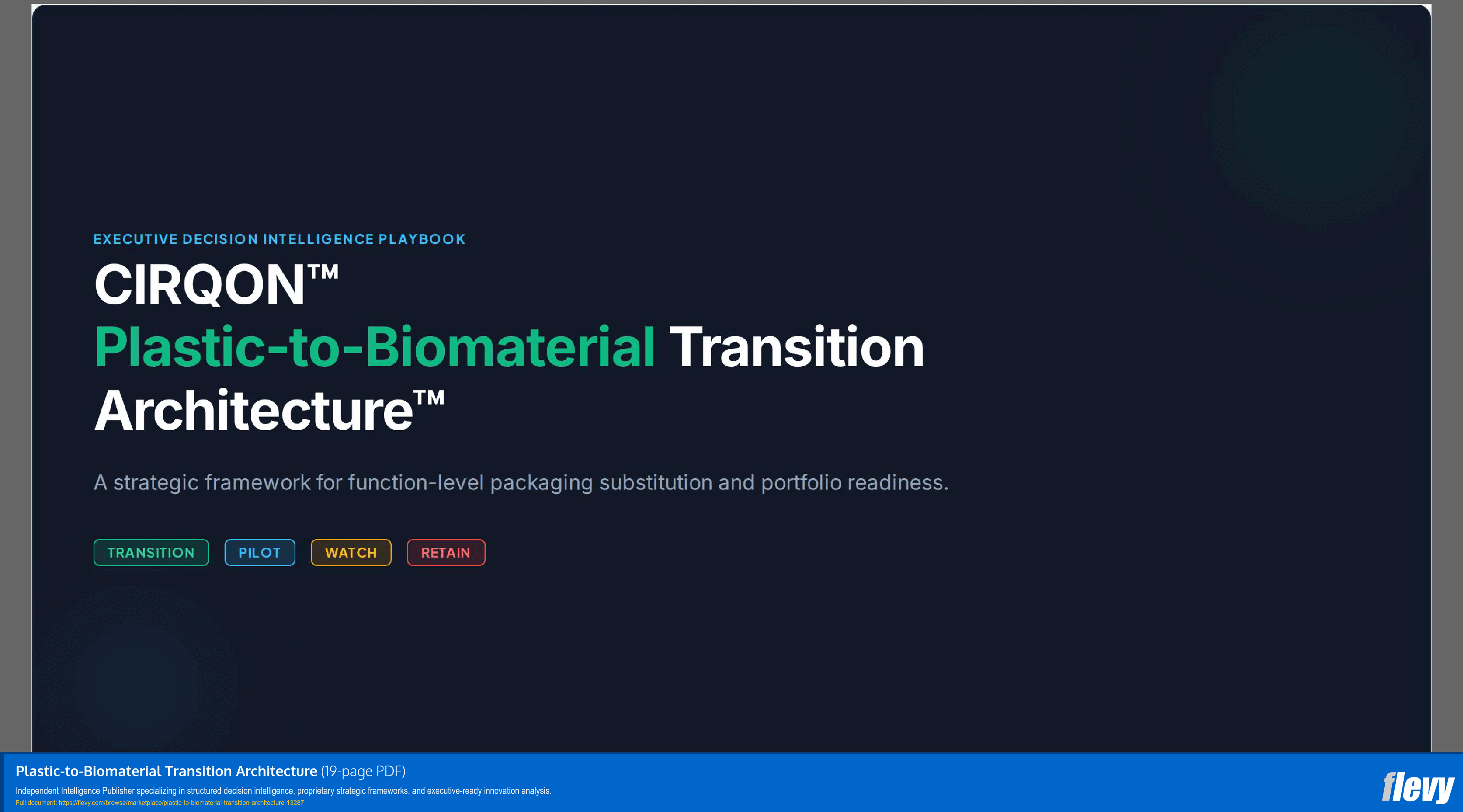
The Plastic-to-Biomaterial Transition Architecture™ is an Executive Intelligence Playbook for evaluating where packaging functions can realistically transition away from conventional plastic architectures—and where organizations should pilot, watch, or retain the incumbent solution.
Packaging transition is often approached as a material-selection exercise: identify a promising biomaterial, compare sustainability attributes, and assess whether it could replace plastic. This approach can overlook the real barriers to adoption. A packaging system performs multiple functions simultaneously, and replacing one material may create new technical, manufacturing, economic, supply, or circularity constraints.
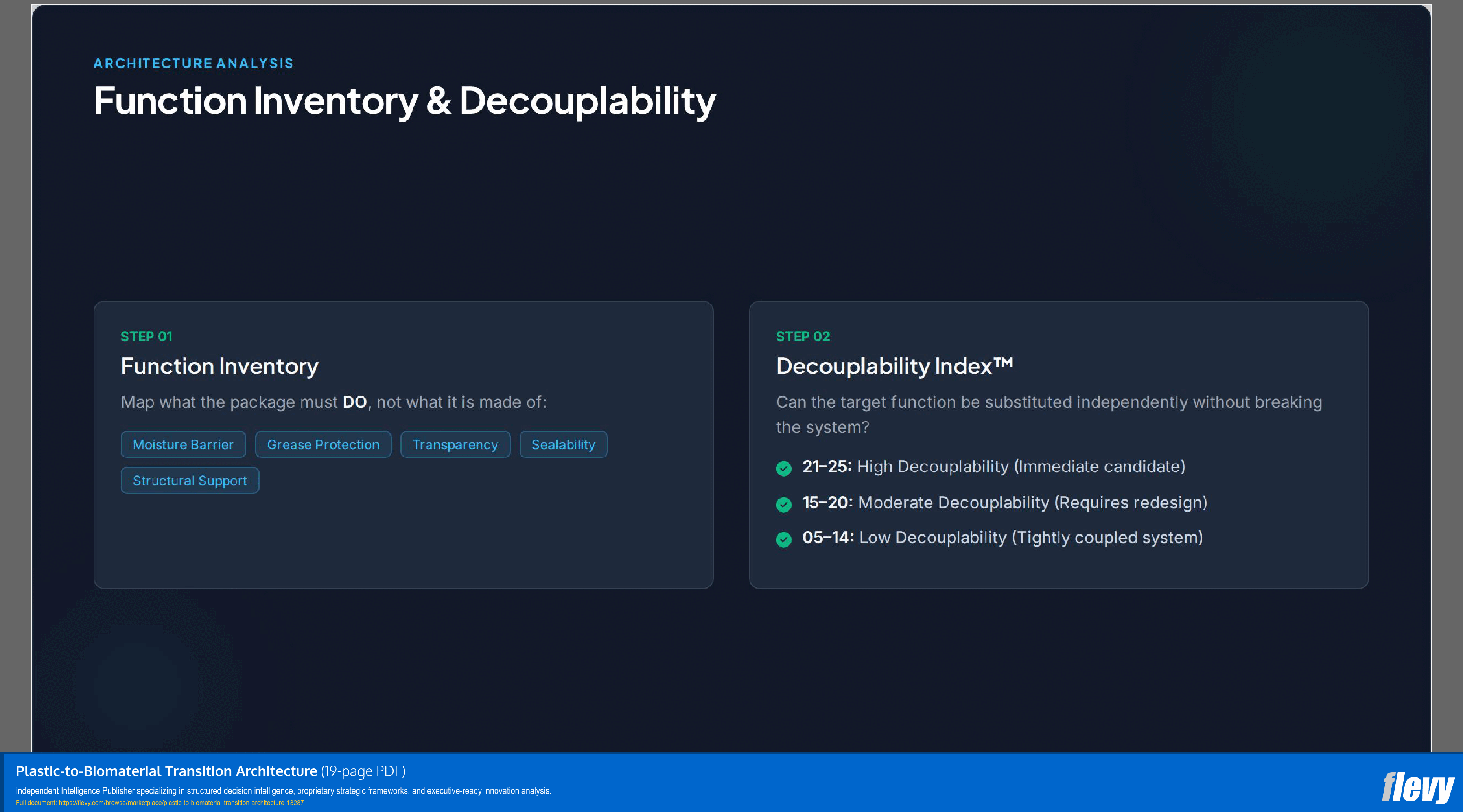
CIRQON™ takes a different approach. It evaluates packaging transition at the function level rather than treating material substitution as a binary decision. The playbook provides an eight-step analytical operating system: Signal, Function, Decouple, Evidence, Readiness, Friction, Circularity, and Decision. This structure helps decision-makers determine which packaging functions are most exposed to transition pressure, which alternatives are sufficiently mature, where system-level friction remains dominant, and what evidence would change the current recommendation.
The playbook introduces several proprietary decision-support frameworks, including the Function Inventory, Function Decouplability Index™, CIRQON Transition Readiness Index™ (CTRI™), Transition Friction Model™, CIRQON Circularity Readiness Test™ (CRT™), Executive Decision Matrix™, and Evidence-to-Decision Matrix™. Together, these tools convert fragmented technology, regulatory, commercial, and circularity signals into a structured decision process.
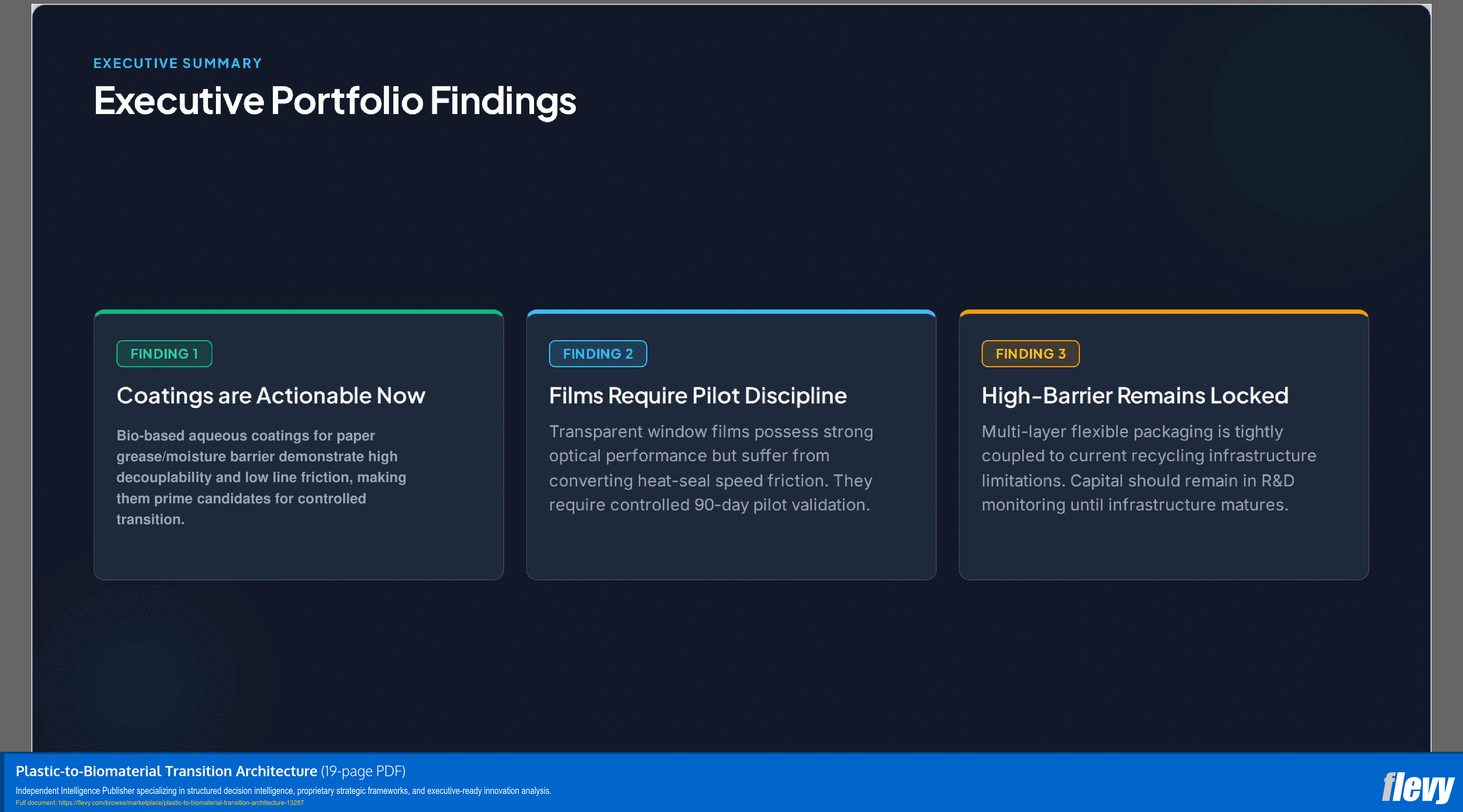
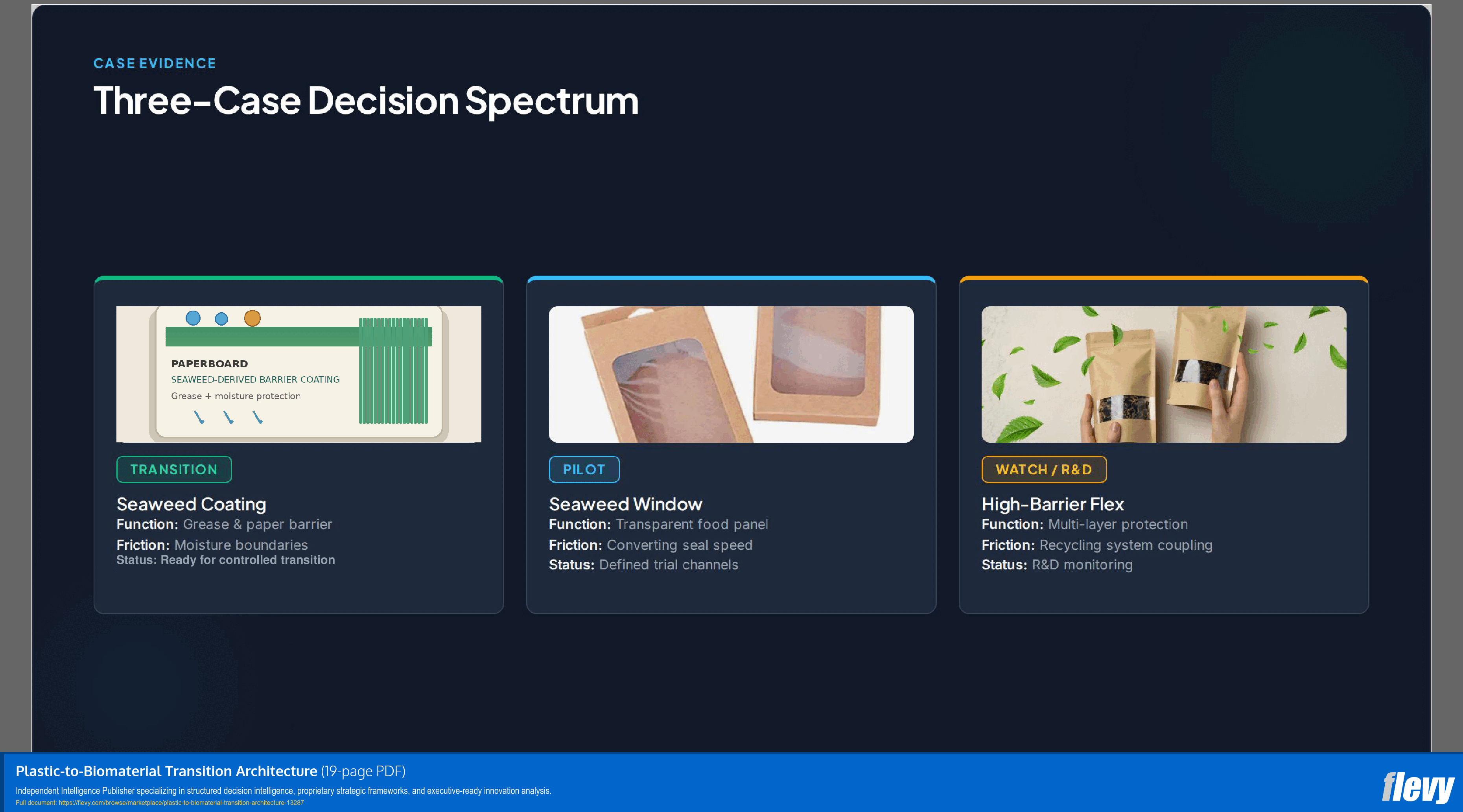
Three illustrative packaging cases demonstrate how the architecture produces differentiated decisions rather than a universal "green" recommendation: seaweed-derived barrier coatings are positioned as candidates for controlled transition; seaweed-derived transparent window applications require pilot discipline; and high-barrier flexible packaging remains a watch/R&D opportunity because multiple functions remain tightly coupled and system-level barriers are still significant.
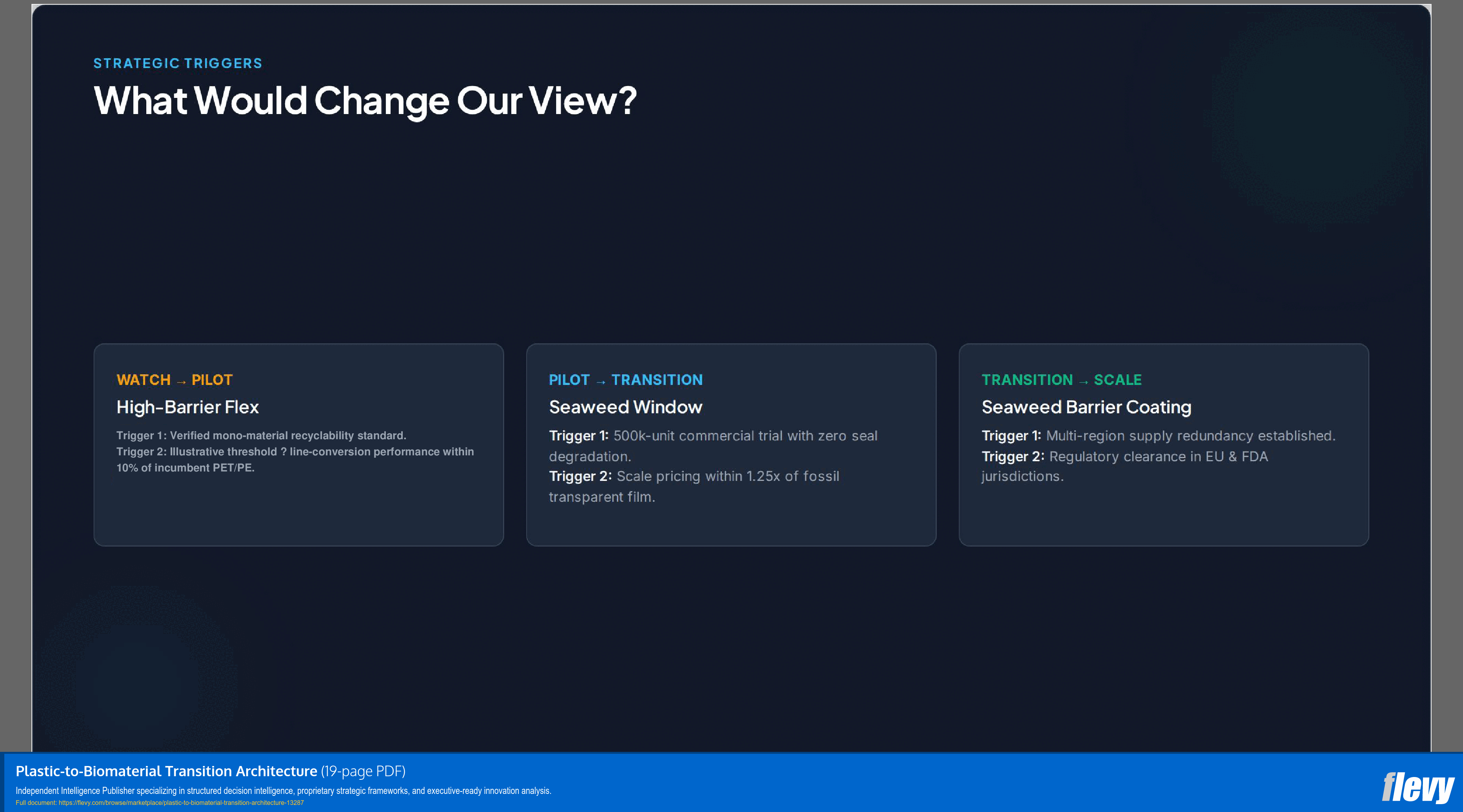
The playbook also includes a 90-Day Transition Sprint™, an Executive Decision One-Pager™, evidence-confidence hierarchy, evidence-to-decision logic, and "What Would Change Our View?" triggers. These elements are designed to help strategy, innovation, packaging, sustainability, procurement, and operations leaders move from technology scanning toward disciplined transition decisions.
The result is a compact decision-intelligence asset for organizations evaluating packaging transformation without relying on material hype or one-size-fits-all sustainability claims.
Got a question about the product? Email us at support@flevy.com or ask the author directly by using the "Ask the Author a Question" form. If you cannot view the preview above this document description, go here to view the large preview instead.
Source: Best Practices in Circular Economy PDF: Plastic-to-Biomaterial Transition Architecture PDF (PDF) Document, Wisnu Pandega Wardana
ABOUT THE AUTHOR

I am an independent Industrial Intelligence and Strategic Innovation Publisher focused on developing structured business intelligence, innovation frameworks, and opportunity-oriented research for decision-makers.
My work focuses on translating emerging technologies, industrial transformation, sustainability, resource efficiency, and market shifts into structured intelligence assets that
... [read more]
Ask the Author a Question
You must be logged in to contact the author.




























