 Click main image to view in full screen.
AI Infrastructure Value Chain: Investment Framework – PDF
PDF document 19 Pages


BENEFITS OF THIS DOWNLOADABLE PDF DOCUMENT
- Provides a reusable framework for mapping the AI infrastructure value chain, identifying structural bottlenecks, and understanding where economic value is captured.
- Enables decision-makers to screen AI infrastructure opportunities using power-to-compute productivity, capital allocation, risk, utilization, and scenario-based decision tools.
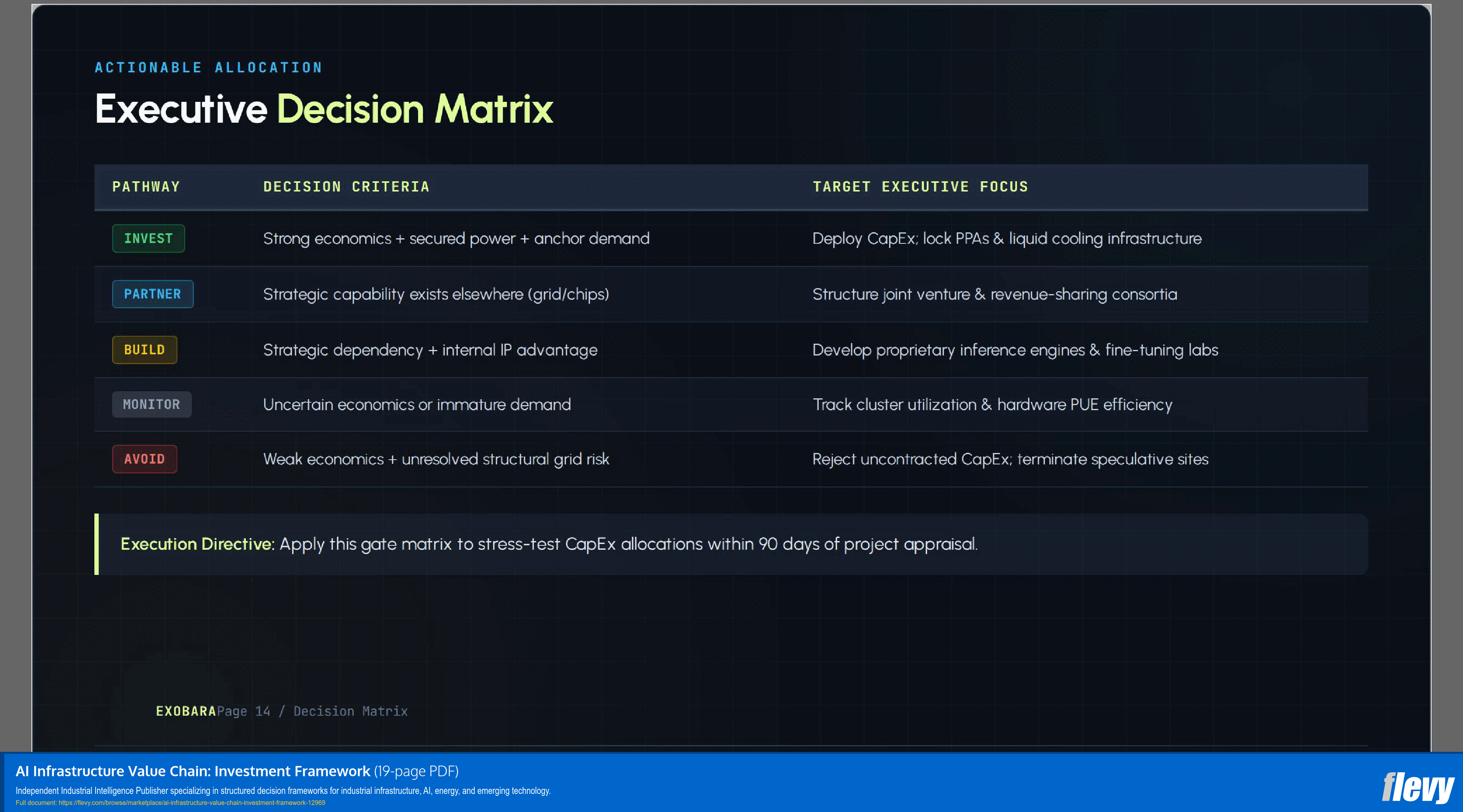
- Translates emerging AI infrastructure developments into actionable Invest, Partner, Build, Monitor, or Avoid decisions for infrastructure and industrial strategy.
ARTIFICIAL INTELLIGENCE PDF DESCRIPTION
AI Infrastructure Value Chain: Investment Framework is an executive decision framework for investors, infrastructure developers, corporate strategists, technology leaders, and C-suite decision-makers evaluating the rapidly emerging economics of AI infrastructure.
As artificial intelligence moves from a primarily software-centric paradigm toward an infrastructure-intensive operating model, competitive advantage increasingly depends on physical and digital infrastructure: power availability, data-center readiness, cooling systems, accelerated compute, networking, AI services, and industrial demand.
This briefing provides a structured way to evaluate where value is created, where infrastructure bottlenecks can constrain returns, and where capital or strategic capability should be deployed.
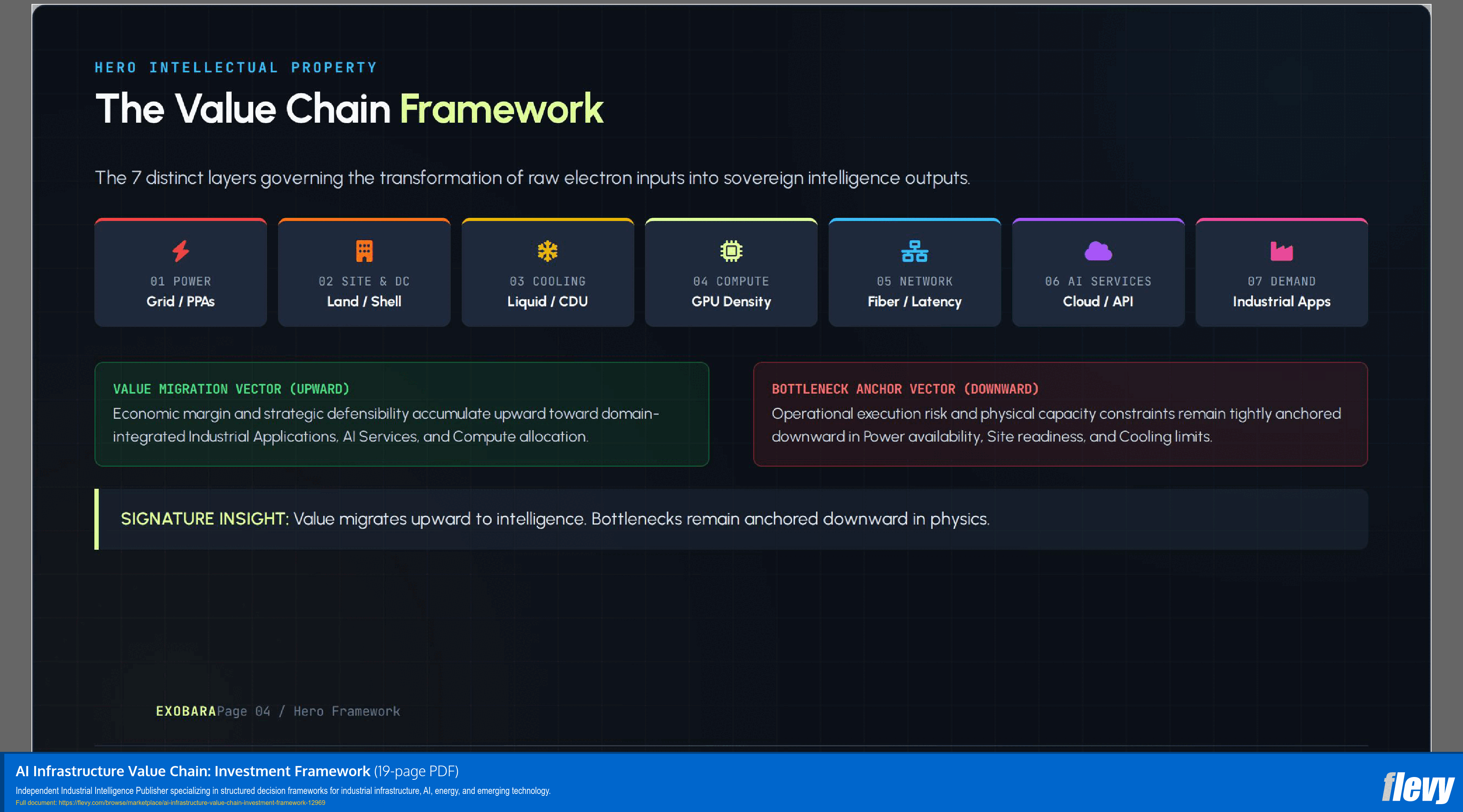
At the center of the document is the AI Infrastructure Value Chain, a seven-layer framework spanning Power, Site & Data Center, Cooling, Compute, Network, AI Services, and Industrial Demand. The framework is supported by practical decision tools covering infrastructure bottlenecks, MW-to-Compute Productivity, value capture, competitive positioning, capital allocation, project risk, scenario analysis, and executive decision pathways.
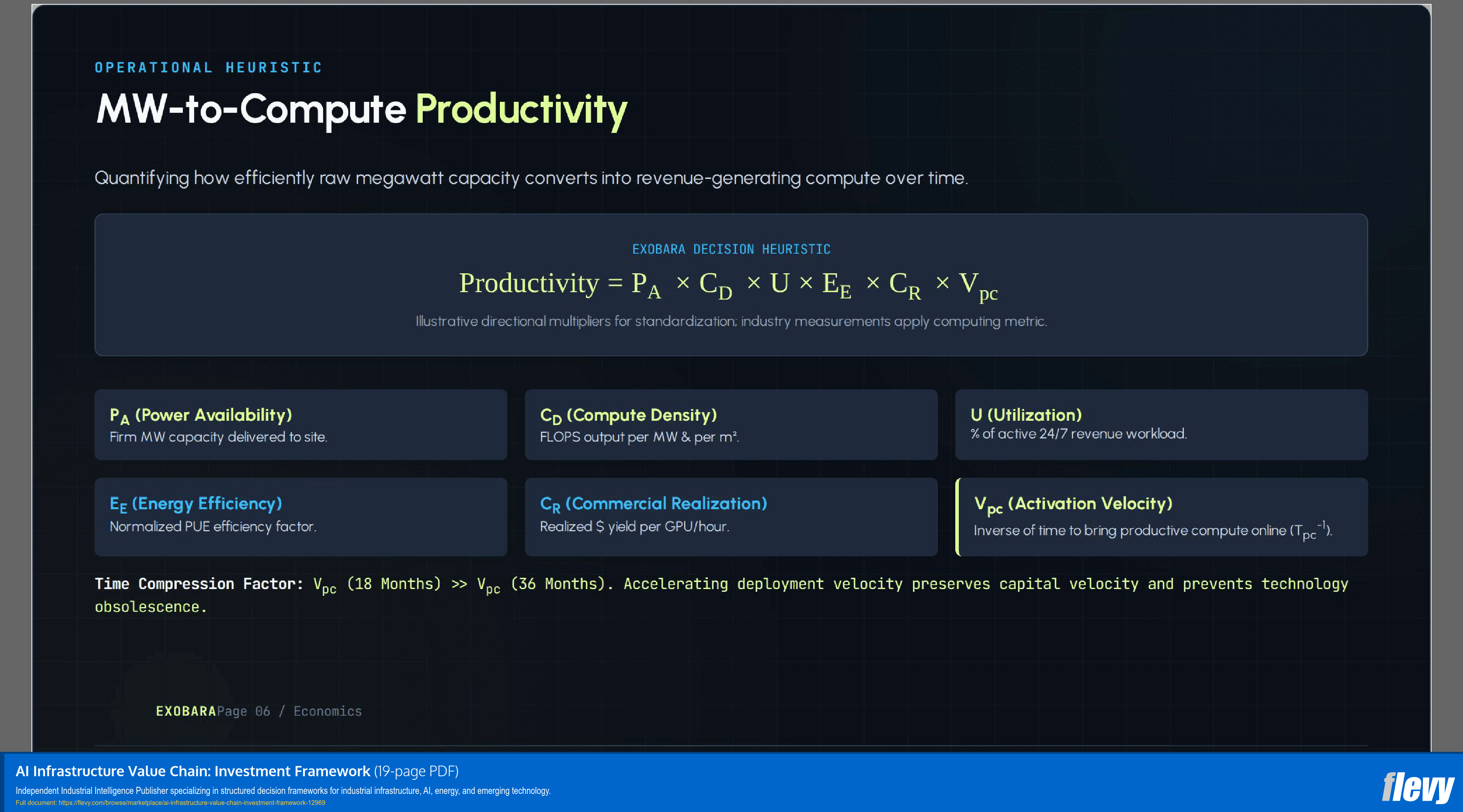
The MW-to-Compute Productivity Framework provides a directional heuristic for assessing how effectively available power can be converted into productive, revenue-generating compute. It considers power availability, compute density, utilization, energy efficiency, commercial realization, and productive-compute activation velocity.
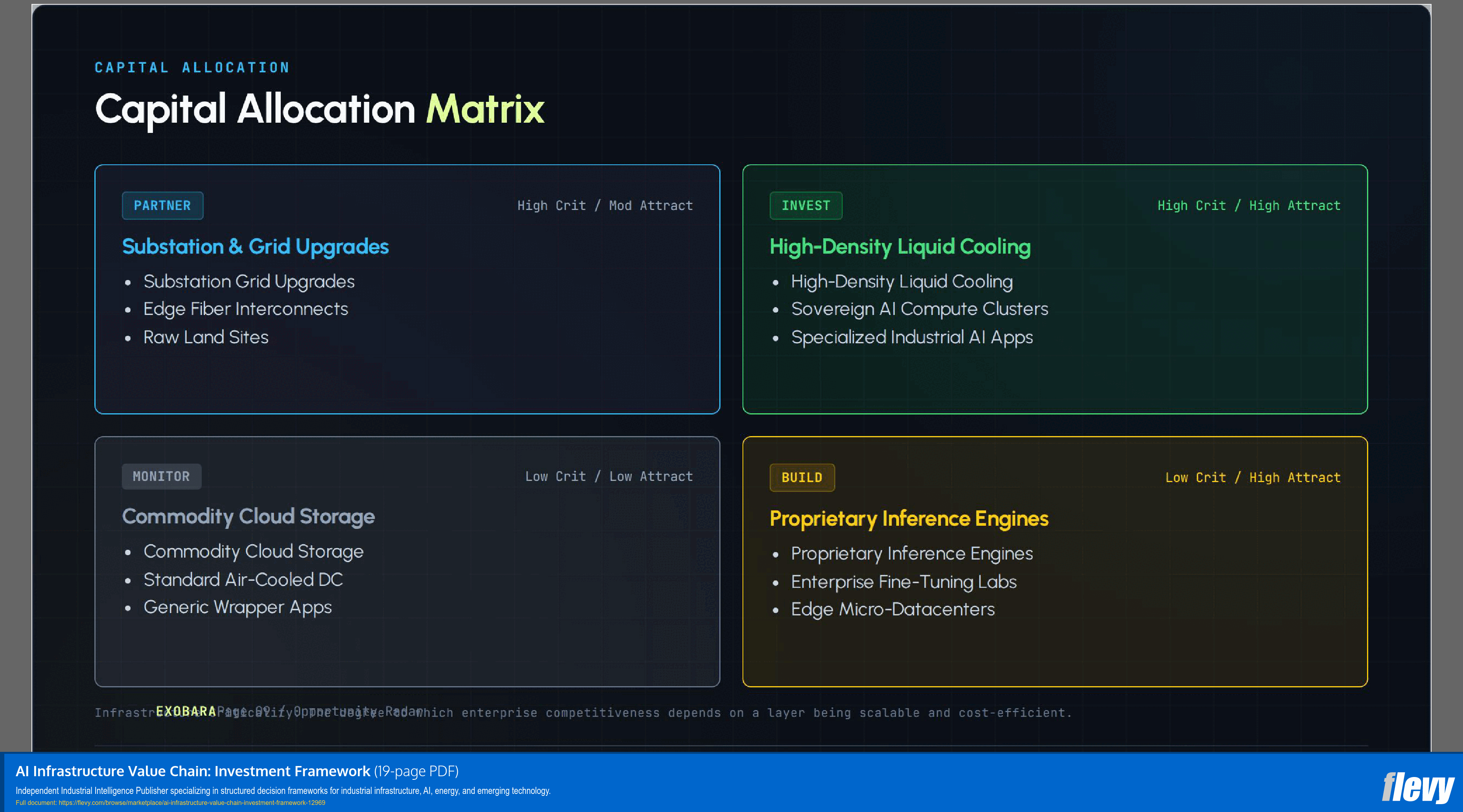
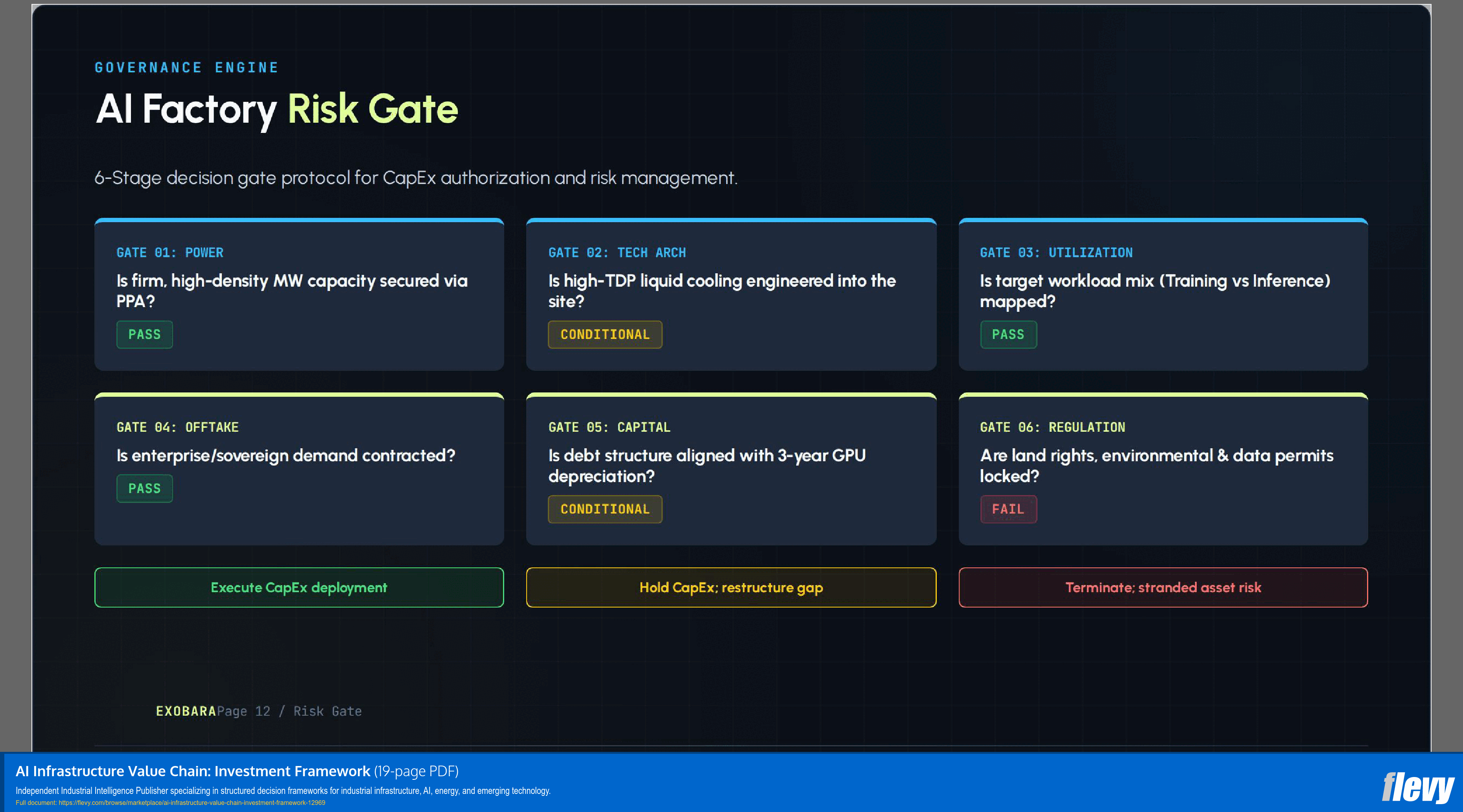
The Infrastructure Bottleneck Map translates physical constraints into operational and financial consequences. The Infrastructure Value Capture Map helps identify where strategic dependency can translate into durable economic value. The Capital Allocation Matrix organizes opportunities into Partner, Invest, Monitor, and Build pathways, while the AI Factory Risk Gate provides a structured six-stage screen covering power, technology, utilization, offtake, capital, and regulatory readiness.
The briefing also includes an Infrastructure Scenario Engine covering AI Acceleration, Selective Scale, and Compute Oversupply, with a Regime-Break Watch for geopolitical fragmentation, export controls, sovereign AI mandates, and extreme power constraints.
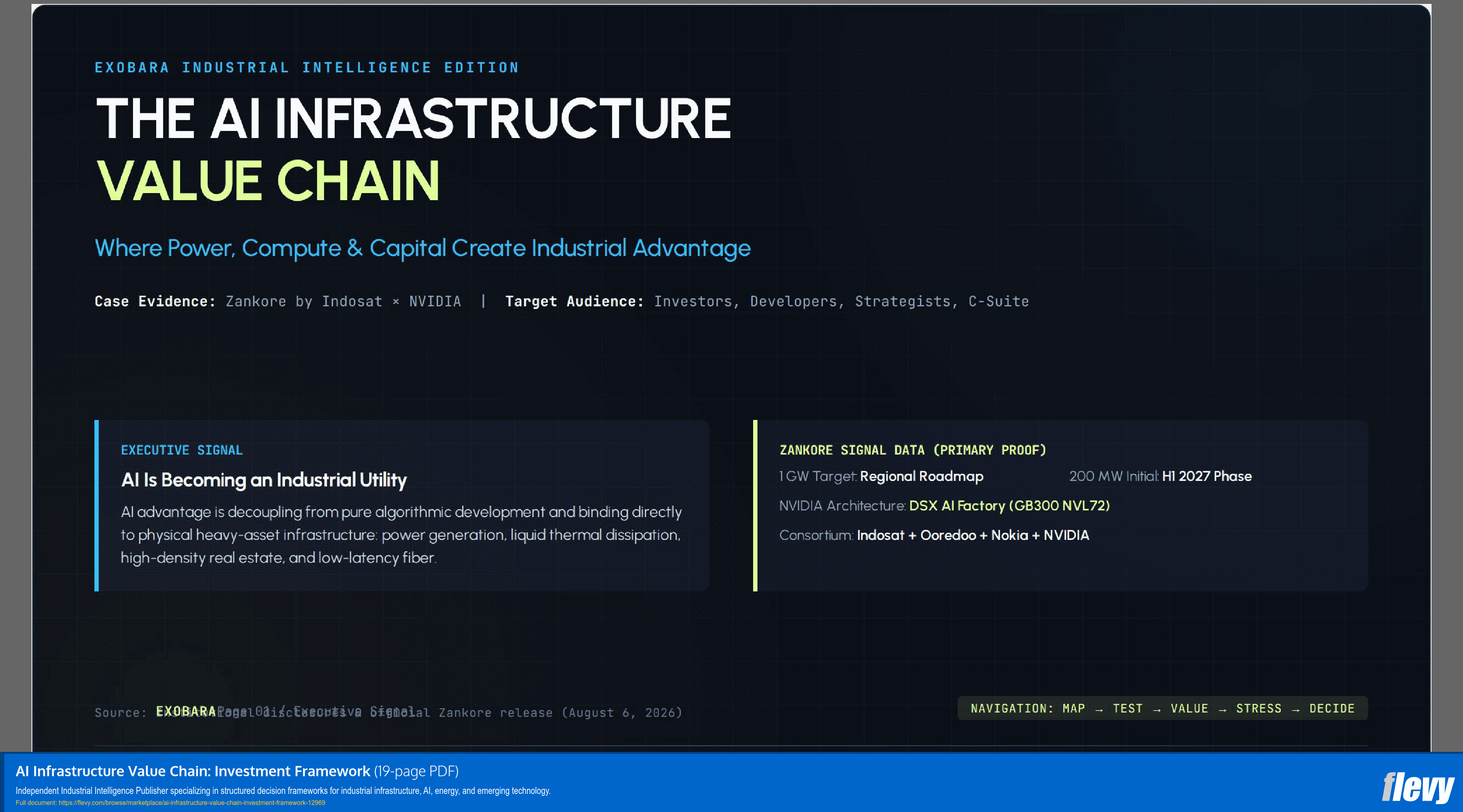
A live case involving the Zankore AI Factory platform and the Indosat–Ooredoo–NVIDIA–Nokia ecosystem is used as operational evidence for the broader structural thesis. The case is deliberately treated as proof of an emerging infrastructure shift rather than as the subject of the publication.
This framework is designed to support early-stage infrastructure screening, AI factory investment assessment, strategic partnership evaluation, capital allocation discussions, infrastructure development planning, and executive workshops.
The analytical frameworks are proprietary EXOBARA decision tools and are intended as directional strategic heuristics rather than accounting standards, regulatory ratings, financial advice, or substitutes for technical, legal, environmental, or investment due diligence.
Got a question about the product? Email us at support@flevy.com or ask the author directly by using the "Ask the Author a Question" form. If you cannot view the preview above this document description, go here to view the large preview instead.
Source: Best Practices in Artificial Intelligence, Value Chain Analysis PDF: AI Infrastructure Value Chain: Investment Framework PDF (PDF) Document, Wisnu Pandega Wardana
ABOUT THE AUTHOR

I am an independent Industrial Intelligence and Strategic Innovation Publisher focused on developing structured business intelligence, innovation frameworks, and opportunity-oriented research for decision-makers.
My work focuses on translating emerging technologies, industrial transformation, sustainability, resource efficiency, and market shifts into structured intelligence assets that
... [read more]
Ask the Author a Question
You must be logged in to contact the author.




























