 Click main image to view in full screen.


BENEFITS OF THIS DOWNLOADABLE PDF DOCUMENT
- For full time professionals, this means reducing dependency on a single income source and building financial flexibility outside of employer structures.
- For part time workers, it provides a disciplined approach to maximizing limited income streams and converting consistency into long term leverage.
- For 1099 contractors, it addresses the need for structure in an environment where income variability is high. The guide outlines how to stabilize financial planning despite irregular cash flow and create continuity in wealth accumulation.
RETIREMENT PDF DESCRIPTION
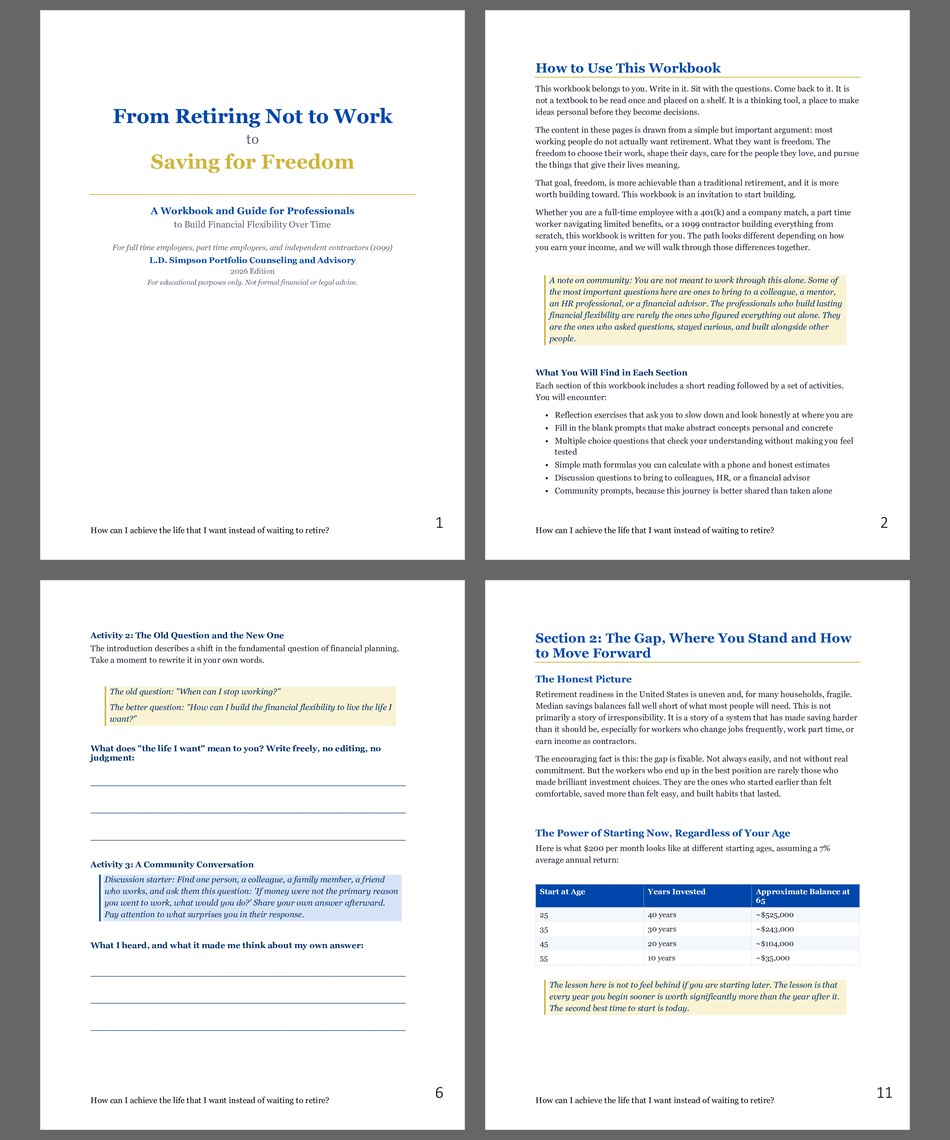
If your income is your primary source of stability, this guide shows you how to convert that income into long term control over your time, decisions, and financial direction.
Most professionals, whether full time employees, part time workers, or 1099 contractors, operate within the same constraint. Income is earned, expenses are covered, and saving happens without a clear connection to future choice or flexibility. They remain in fixed work patterns due to perceived financial risk. Compensation, benefits, retirement accounts, and tenure create a psychological barrier to change. Over time, this leads to delayed decision making and a reliance on a distant retirement event as the primary exit strategy.
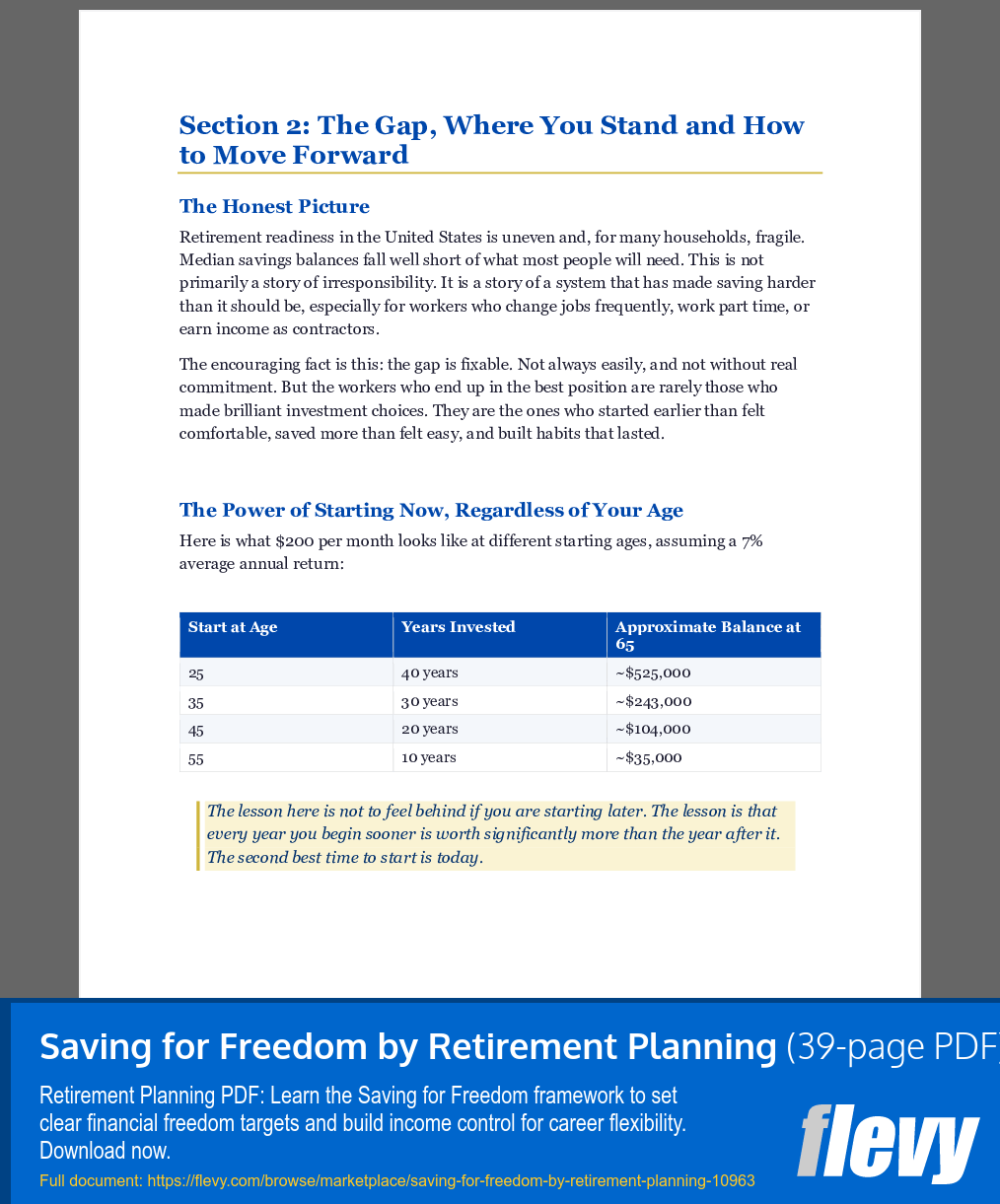
The guide and workbook reframes retirement planning from a passive activity into a structured system designed to expand optionality over time. Instead of saving without context, you will learn how to align your financial behavior with specific life outcomes such as reduced work dependence, career flexibility, or independent income paths.
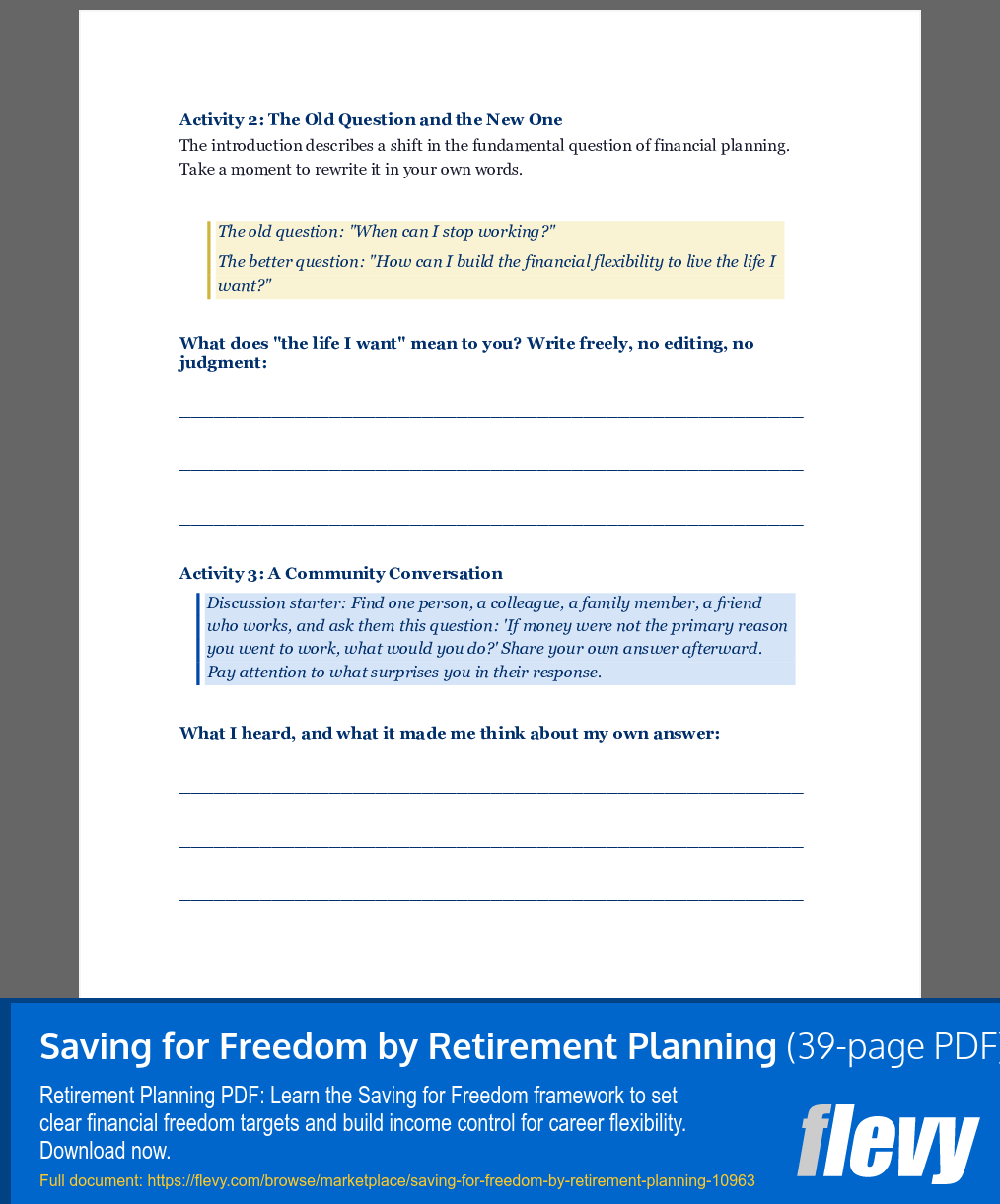
This guide introduces an alternative behavioral framework – positions saving not as preparation for eventual escape, but as a tool for progressive control. The objective is not to endure your working years, but to incrementally increase your ability to choose how and where you allocate your time.
The practical framework's goal is to:
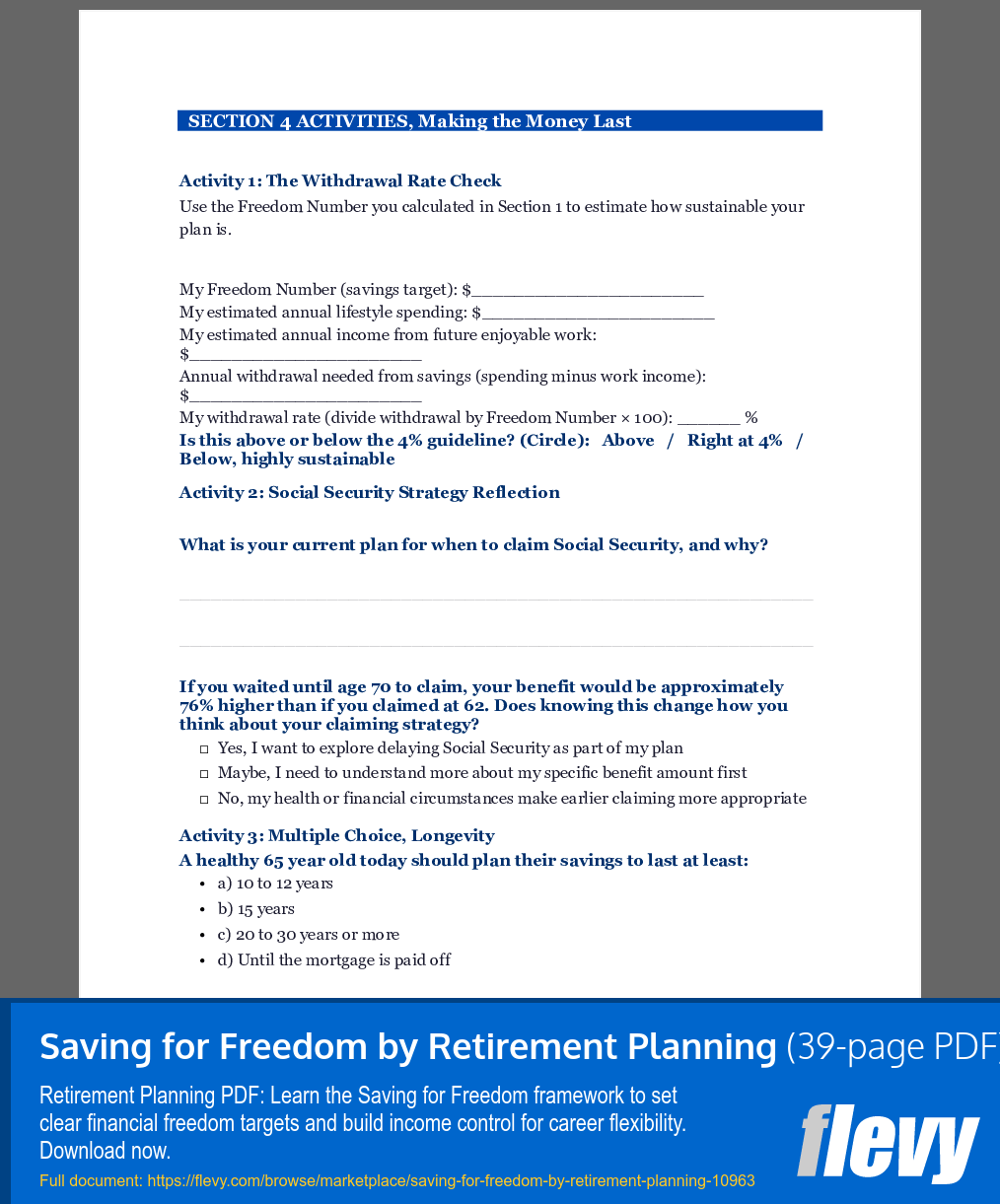
• Define what financial freedom means in measurable terms
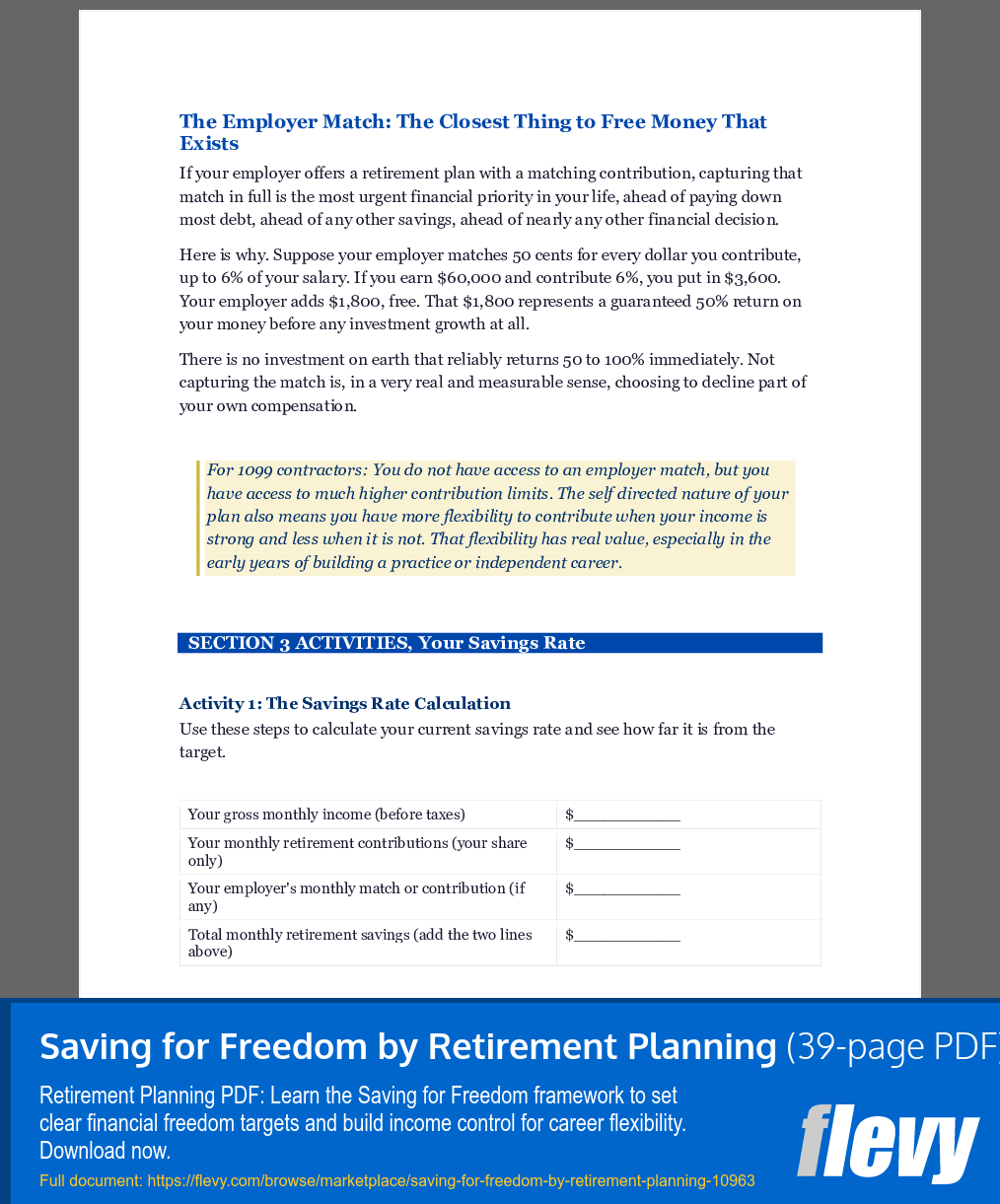
• Establish a clear savings target aligned with your desired level of independence
• Allocate income in a way that builds flexibility rather than dependency
• Make present day financial decisions that expand future optionality
Highlights:
1. Clear Financial Freedom Target
• Defines exactly what "freedom" means in real numbers, not vague ideas
• Shows you how much you need so you stop guessing and start planning
• Gives you a measurable target that guides every financial decision
2. Income to Control System
• Teaches how to turn active income into long term control over your time
• Helps reduce dependence on a single paycheck or client
• Builds a system where money creates options, not just covers expenses
3. Behavior Driven Decision Framework
• Identifies the real reason people stay stuck in the same financial patterns
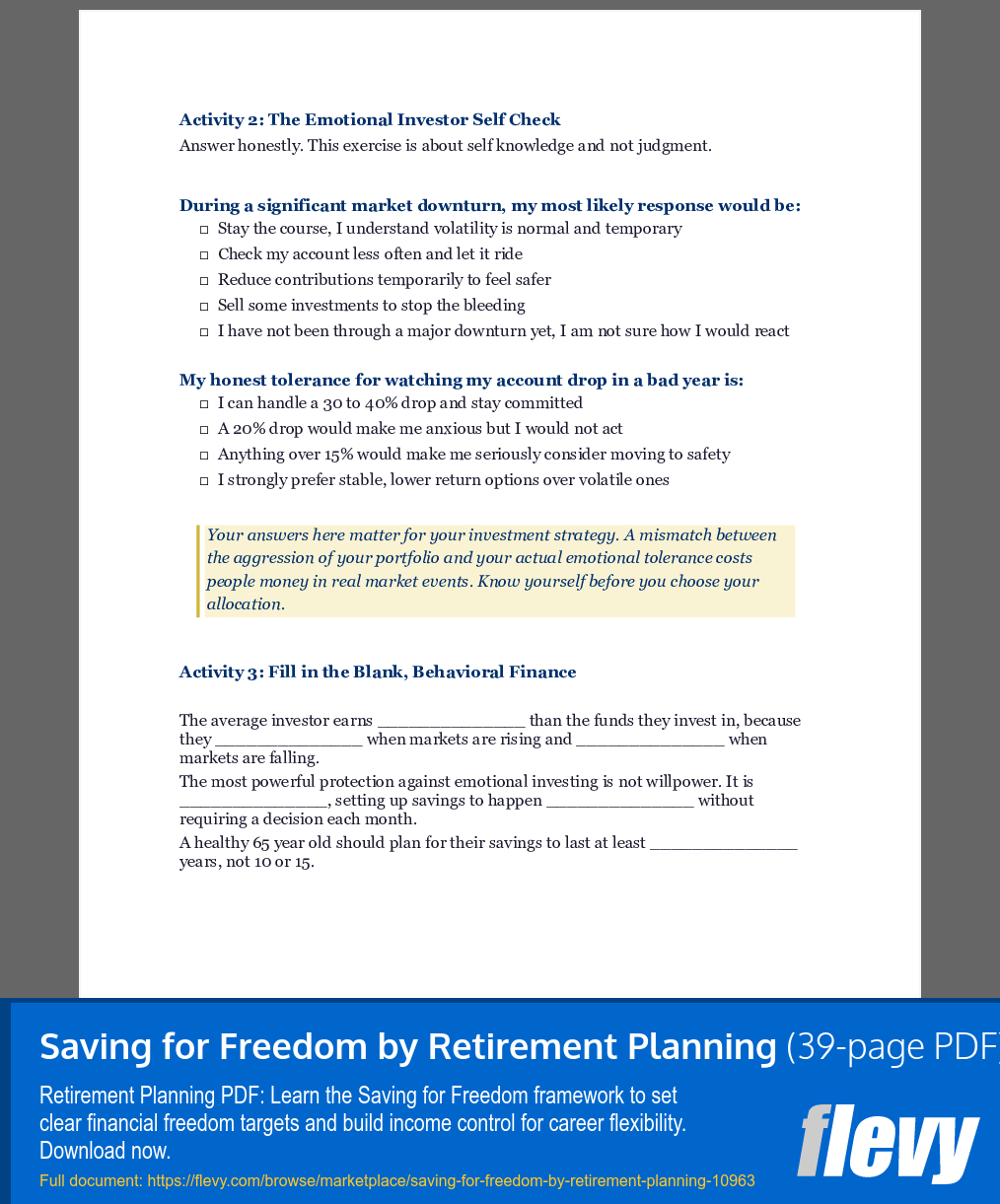
• Replaces emotional and reactive decisions with structured actions
• Helps you stay consistent even when income changes or markets shift
4. Flexible Strategy for Any Work Structure
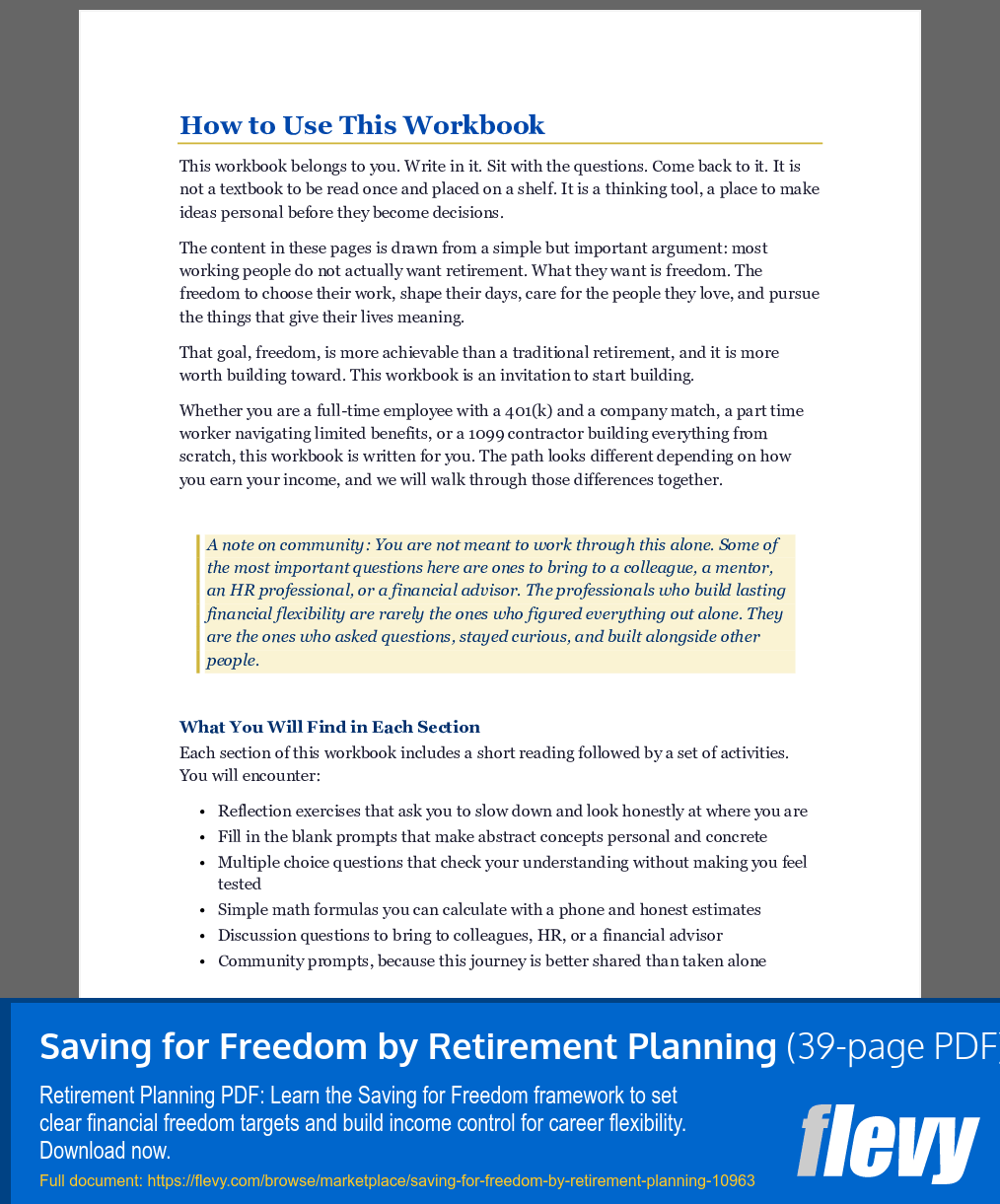
• Works for full time employees, part time workers, and 1099 contractors
• Adapts to both stable and unpredictable income streams
• Provides a repeatable approach you can apply regardless of how you earn money
Got a question about the product? Email us at support@flevy.com or ask the author directly by using the "Ask the Author a Question" form. If you cannot view the preview above this document description, go here to view the large preview instead.
Source: Best Practices in Retirement PDF: Saving for Freedom by Retirement Planning PDF (PDF) Document, roybusinesschat




























