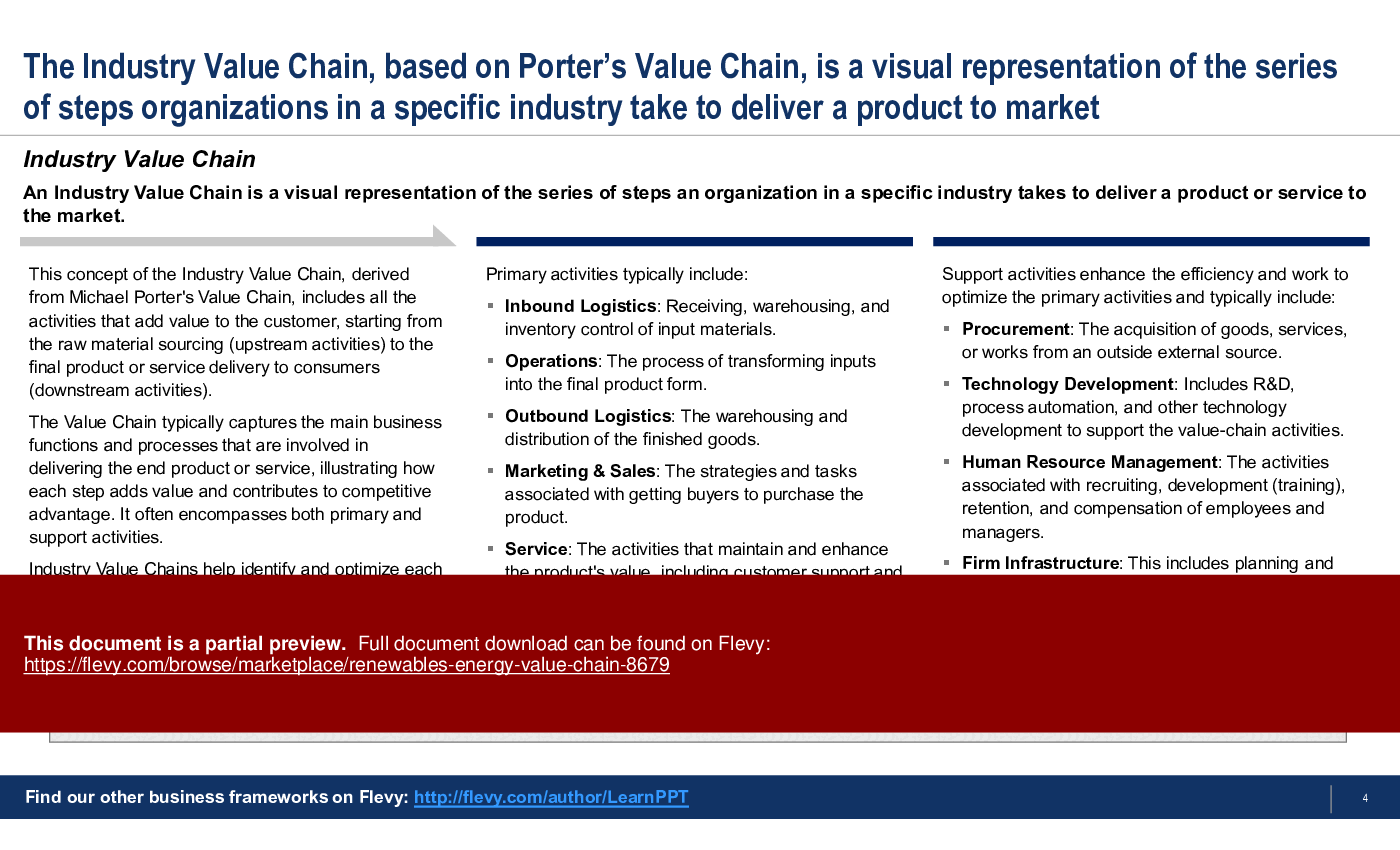

An Industry Value Chain is a visual representation of the series of steps an organization in a specific industry takes to deliver a product or service to the market. It captures the main business functions and processes that are involved in delivering the end product or service, illustrating how each step adds value and contributes to a Competitive Advantage. It often encompasses both primary and support activities.

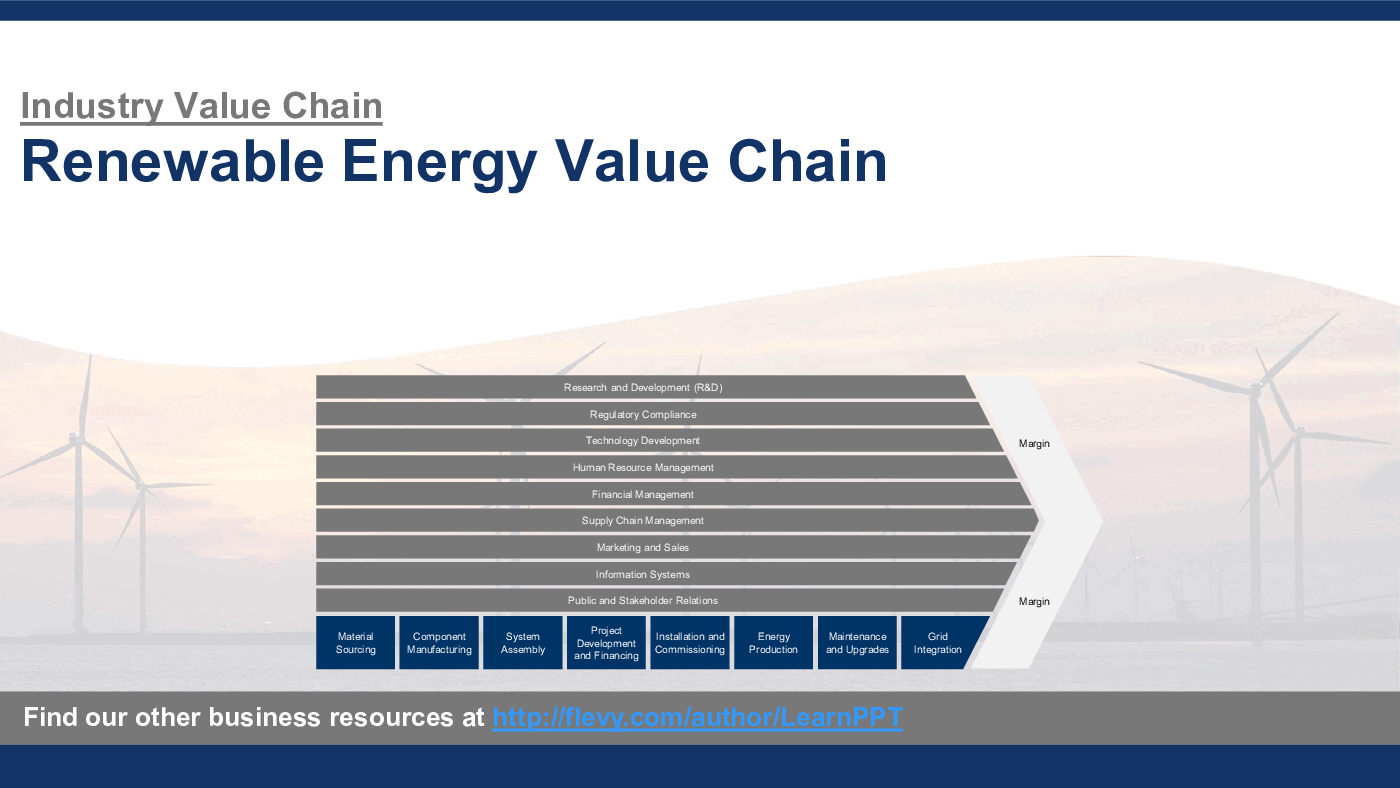
This PowerPoint presentation captures the Renewable Energy Industry Value Chain, which includes the following primary and support activities for Renewable Energy:
Primary Activities
1. Material Sourcing
2. Component Manufacturing
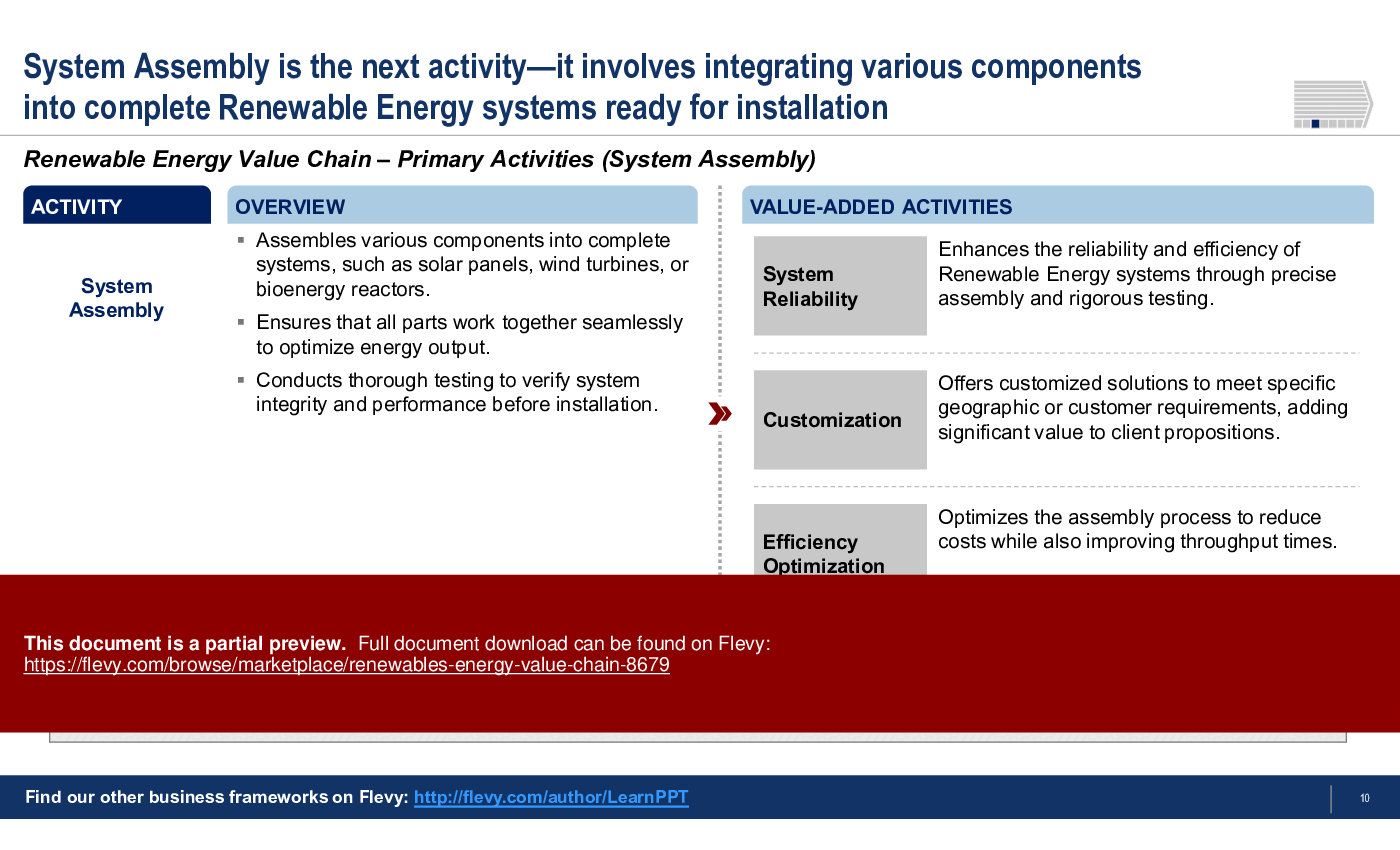
3. System Assembly
4. Project Development and Financing
5. Installation and Commissioning
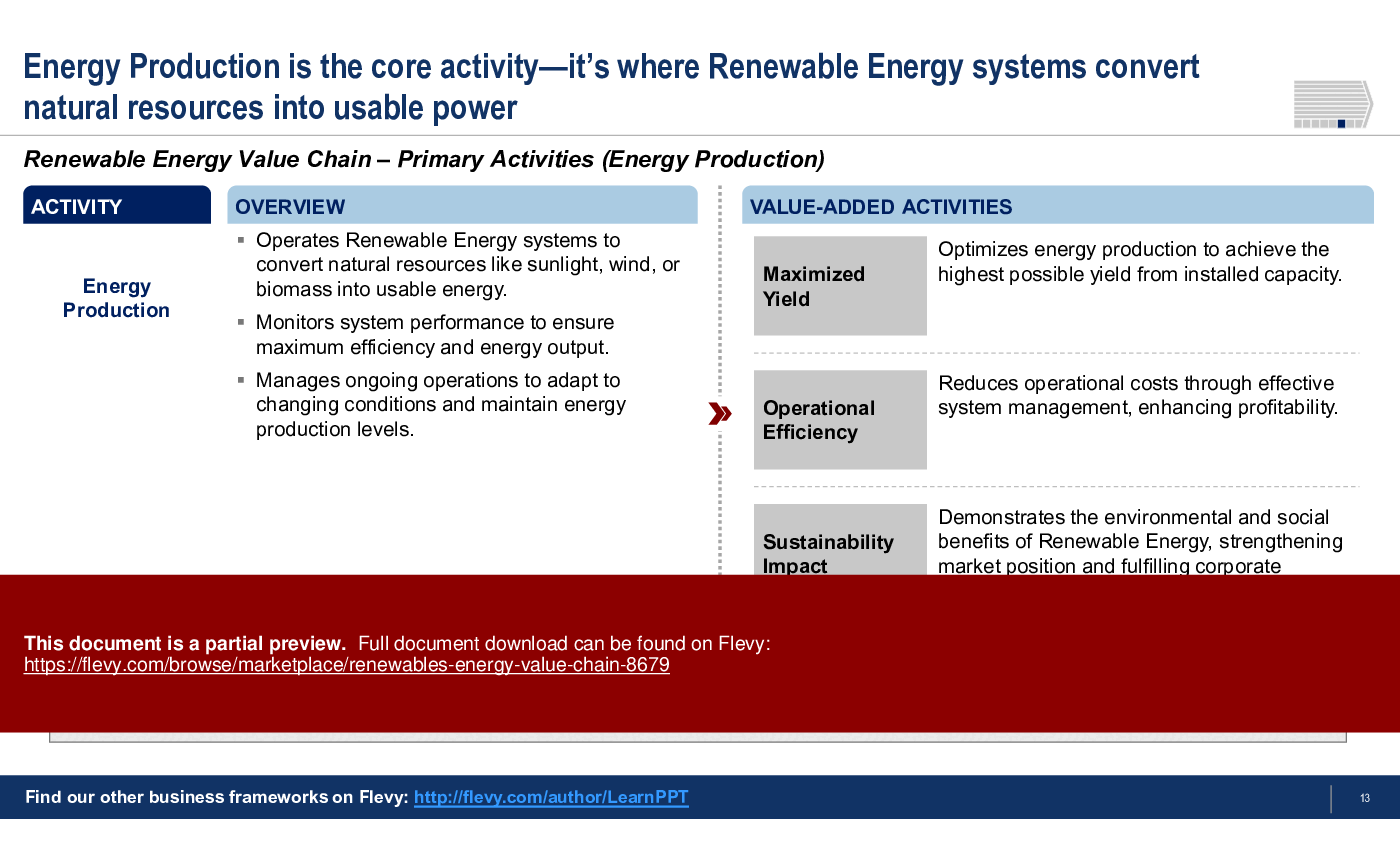
6. Energy Production
7. Maintenance and Upgrades
8. Grid Integration
Secondary Activities
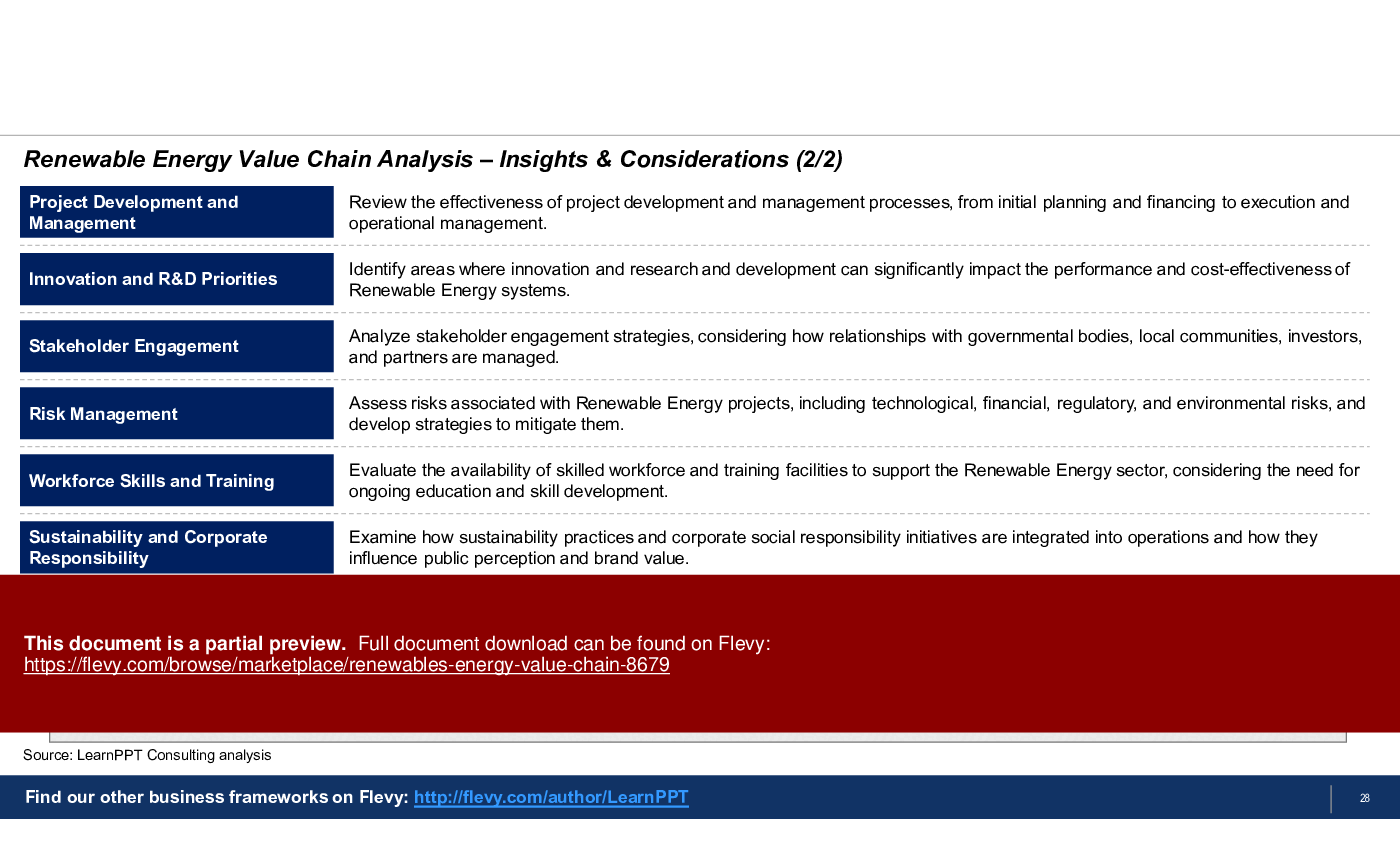
1. Research and Development (R&D)
2. Regulatory Compliance
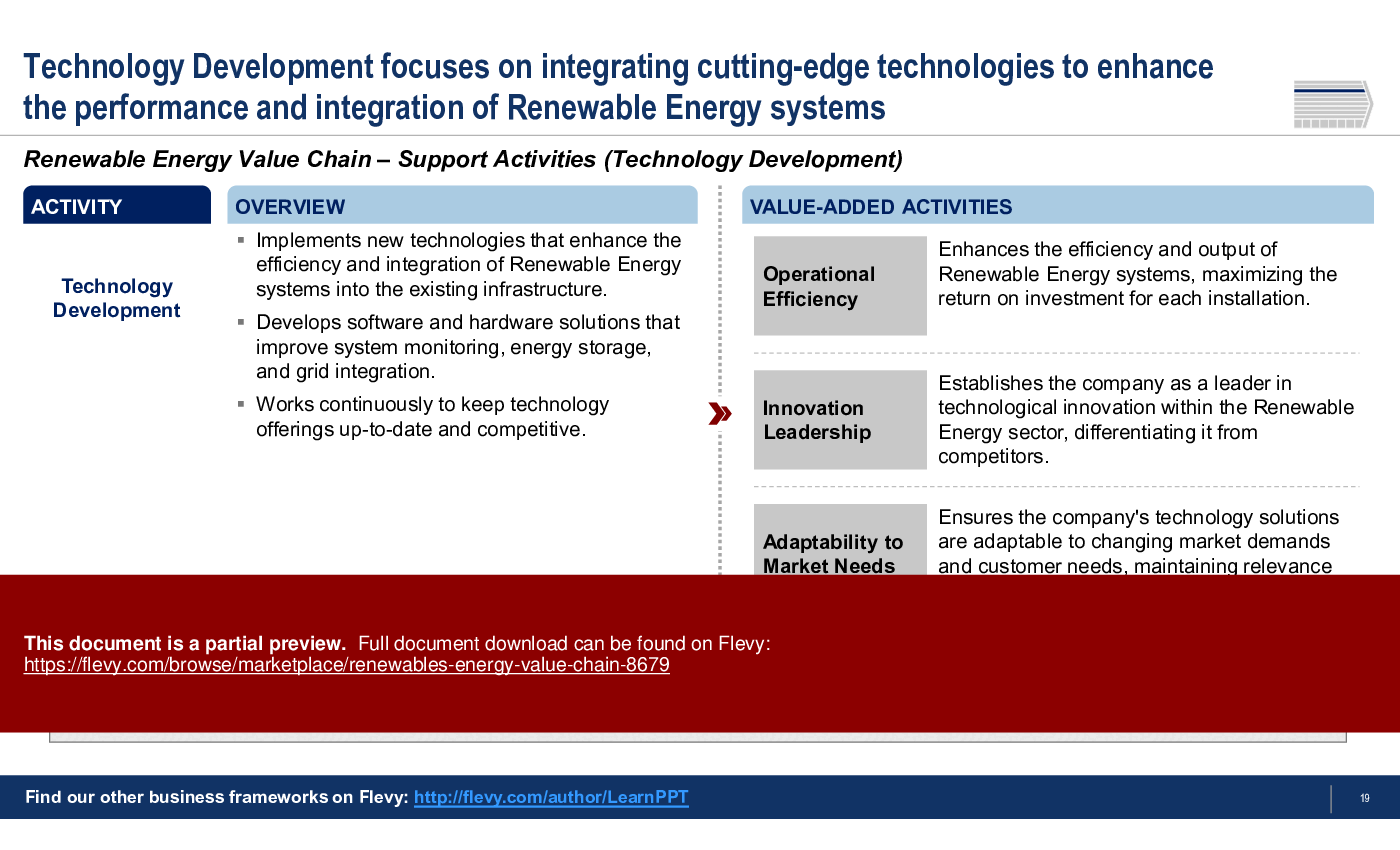
3. Technology Development
4. Human Resource Management
5. Financial Management
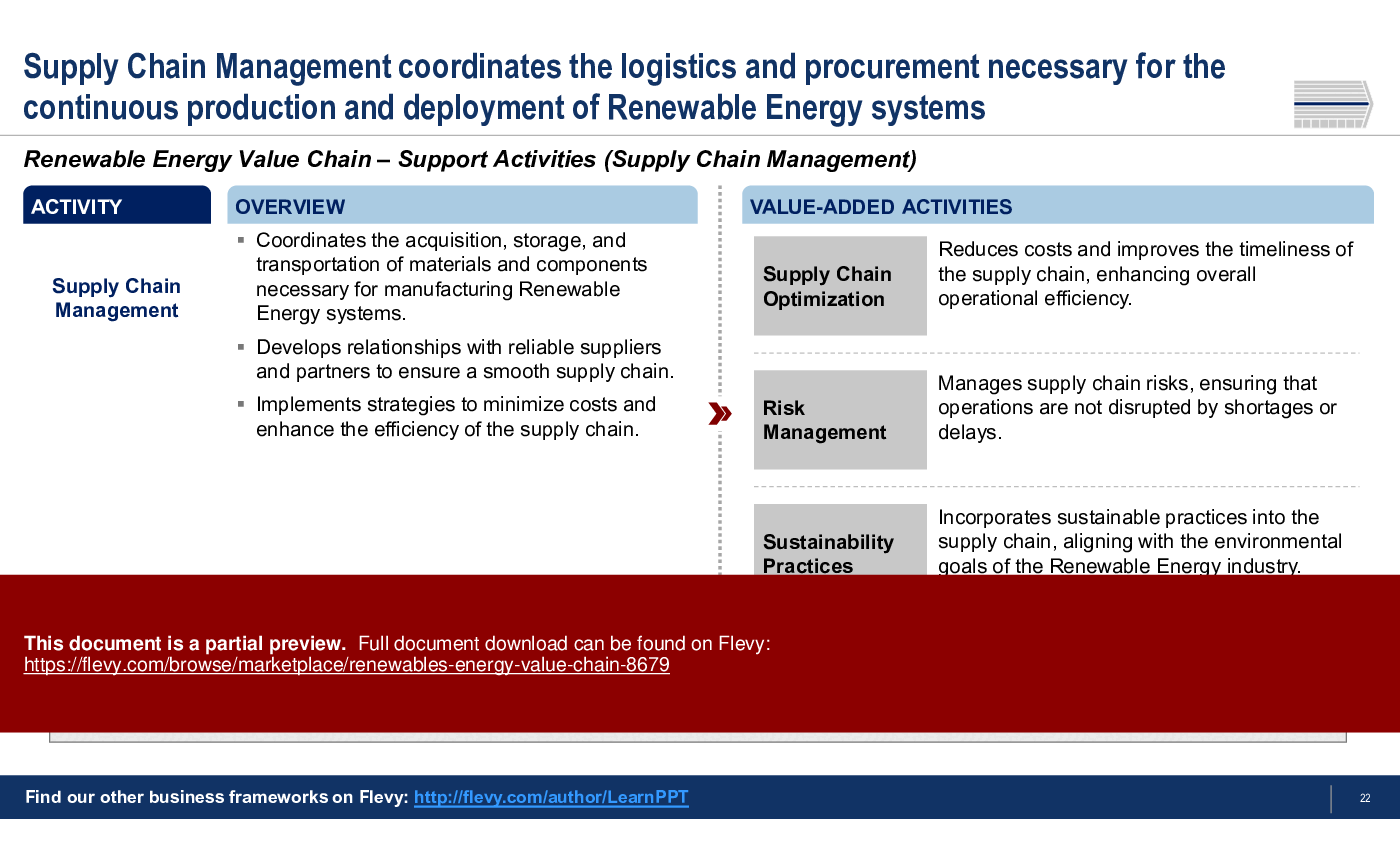
6. Supply Chain Management
7. Marketing and Sales
8. Information Systems
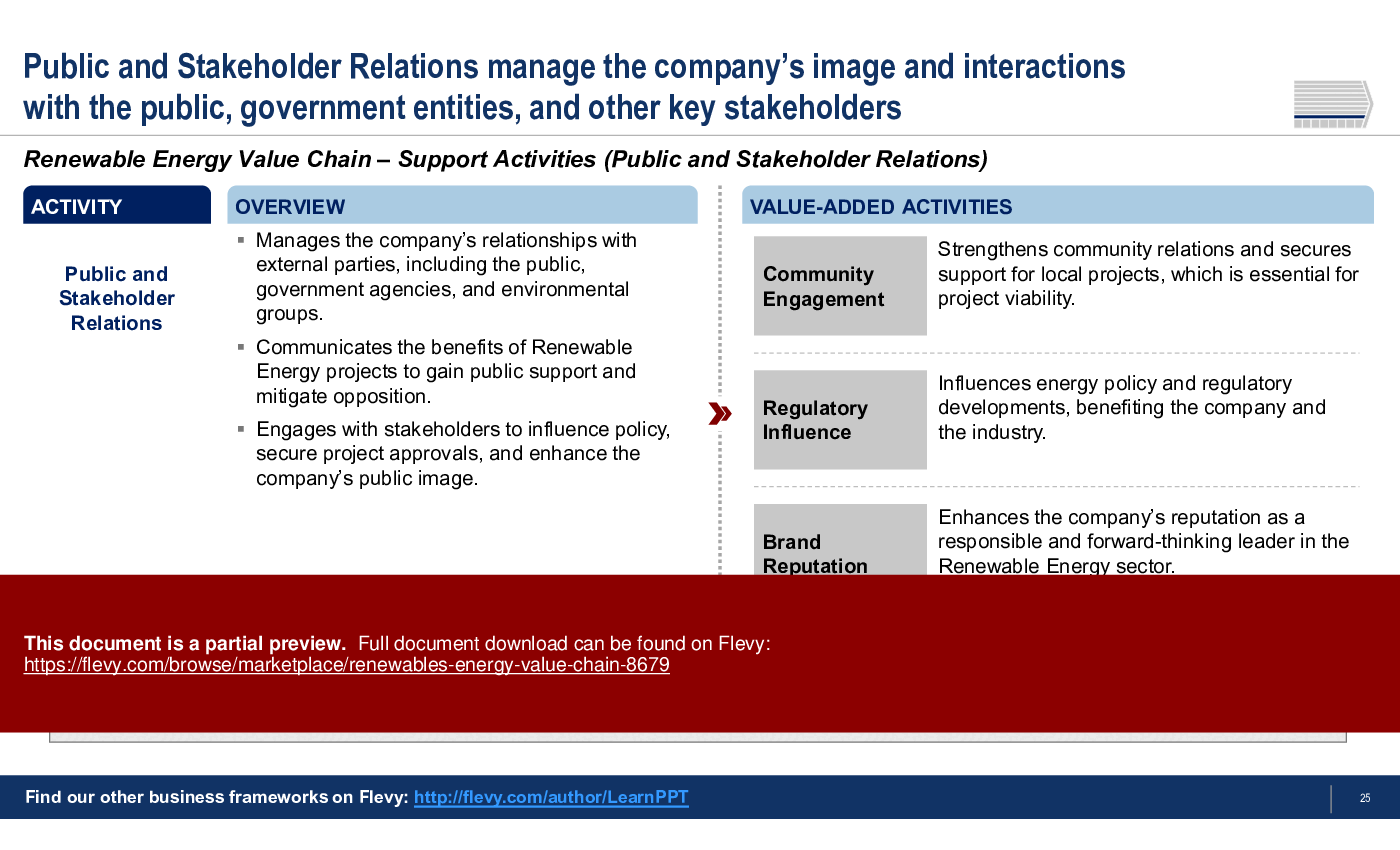
9. Public and Stakeholder Relations
This PowerPoint presentation dives deeper into each of these activities, highlighting key elements.
The Renewable Energy Industry Value Chain integrates a complex network of activities from material sourcing to grid integration, necessitating a strong focus on innovation, efficiency, and sustainability. Effective management of the Renewable Energy Value Chain can significantly enhance energy security, reduce carbon footprints, and provide long-term economic benefits to communities and countries. Furthermore, strategic collaborations along the Value Chain, from raw material suppliers to regulatory bodies, are essential to accelerate the adoption of renewable technologies and optimize market penetration.
This presentation also discusses Renewable Energy Value Chain Analysis, highlighting a multitude of key considerations and potential insights to pay attention to. We further discuss the significant impact of Digital Transformation and various specific emergent technologies on the Renewable Energy Industry.
This presentation serves as a comprehensive guide for executives looking to navigate the complexities of the Renewable Energy Value Chain. It emphasizes the critical importance of each activity, from sourcing materials to grid integration, ensuring that stakeholders can make informed decisions that drive operational excellence and sustainability.
Got a question about the product? Email us at support@flevy.com or ask the author directly by using the "Ask the Author a Question" form. If you cannot view the preview above this document description, go here to view the large preview instead.
Executive Summary
This presentation provides a comprehensive overview of the Renewable Energy Value Chain, designed in a consulting-grade format akin to McKinsey, Bain, or BCG-quality presentations (not affiliated). It outlines the critical primary and support activities essential for delivering renewable energy solutions effectively. The framework enables organizations to enhance operational efficiency, reduce carbon footprints, and drive long-term economic benefits. By leveraging this analysis, executives can identify strategic opportunities and optimize their renewable energy initiatives.
Who This Is For and When to Use
• Corporate executives in the renewable energy sector
• Project managers overseeing renewable energy initiatives
• Consultants advising on energy strategy and operations
• Supply chain managers focusing on renewable energy components
• Marketing and sales teams targeting renewable energy solutions
Best-fit moments to use this deck:
• During strategic planning sessions for renewable energy projects
• For stakeholder presentations to illustrate value chain efficiencies
• In workshops aimed at optimizing operational processes in renewable energy
Learning Objectives
• Define the Renewable Energy Value Chain and its significance
• Identify primary and support activities that enhance operational efficiency
• Analyze the impact of digital transformation on renewable energy systems
• Develop strategies for effective stakeholder engagement in renewable energy projects
• Assess regulatory compliance requirements for renewable energy operations
• Evaluate the financial viability of renewable energy initiatives
Table of Contents
• Executive Summary (page 1)
• Renewable Energy Value Chain (page 2)
• Primary Activities (page 3)
• Support Activities (page 4)
• Renewable Energy Value Chain Analysis (page 5)
Primary Topics Covered
• Material Sourcing - Involves procuring sustainable materials essential for manufacturing renewable energy components.
• Component Manufacturing - Focuses on producing key components like photovoltaic cells and wind turbine gears with high reliability.
• System Assembly - Integrates various components into complete renewable energy systems, ensuring optimal performance.
• Project Development and Financing - Encompasses planning and securing funds for renewable energy projects, managing logistics effectively.
• Installation and Commissioning - Manages the physical setup of renewable energy systems, ensuring operational readiness.
• Energy Production - Operates renewable energy systems to convert natural resources into usable energy efficiently.
• Maintenance and Upgrades - Provides ongoing maintenance and identifies upgrade opportunities to enhance system performance.
• Grid Integration - Manages the inclusion of renewable energy into existing power grids, ensuring compliance and stability.
Deliverables, Templates, and Tools
• Framework for assessing renewable energy project viability
• Templates for stakeholder engagement strategies
• Guidelines for regulatory compliance in renewable energy
• Tools for evaluating supply chain robustness
• Models for financial forecasting in renewable energy projects
• Checklists for installation and commissioning processes
Slide Highlights
• Overview of the Renewable Energy Value Chain, illustrating primary and support activities
• Detailed breakdown of Material Sourcing and its strategic importance
• Insights into the impact of digital transformation on renewable energy operations
• Visual representation of the integration of renewable energy into existing power grids
• Case studies highlighting successful stakeholder engagement in renewable energy projects
Potential Workshop Agenda
Introduction to the Renewable Energy Value Chain (30 minutes)
• Overview of primary and support activities
• Discussion on the significance of each activity
Deep Dive into Primary Activities (60 minutes)
• Analyze Material Sourcing, Component Manufacturing, and System Assembly
• Identify key challenges and opportunities in each area
Stakeholder Engagement Strategies (45 minutes)
• Develop frameworks for effective communication with stakeholders
• Explore case studies of successful engagement in renewable energy
Customization Guidance
• Tailor the framework to align with specific organizational goals and regional regulations
• Adjust terminology and metrics to fit the company’s operational language
• Incorporate case studies relevant to the organization’s market focus
Secondary Topics Covered
• Digital transformation in renewable energy
• Environmental impact assessments for renewable energy projects
• Innovations in renewable energy technologies
• Risk management strategies in renewable energy initiatives
• Workforce development and training in the renewable energy sector
FAQ
What is the Renewable Energy Value Chain?
The Renewable Energy Value Chain encompasses all activities involved in delivering renewable energy solutions, from material sourcing to grid integration.
How can this framework enhance operational efficiency?
By identifying and optimizing each activity within the value chain, organizations can improve efficiency, reduce costs, and enhance overall performance.
What role does digital transformation play in renewable energy?
Digital transformation leverages technologies like IoT and AI to optimize processes, enhance monitoring, and improve decision-making across the value chain.
How do we ensure regulatory compliance in renewable energy projects?
Regularly update practices to align with national and international regulations, and conduct thorough assessments to maintain compliance.
What are the key financial considerations for renewable energy projects?
Evaluate capital costs, operational expenses, potential revenue streams, and return on investment to ensure financial viability.
How can we engage stakeholders effectively?
Develop clear communication strategies that highlight the benefits of renewable energy projects and address community concerns.
What are the primary activities in the Renewable Energy Value Chain?
The primary activities include Material Sourcing, Component Manufacturing, System Assembly, Project Development and Financing, Installation and Commissioning, Energy Production, Maintenance and Upgrades, and Grid Integration.
How does stakeholder engagement influence project success?
Positive relationships with stakeholders can facilitate smoother project approvals and enhance public support for renewable energy initiatives.
Glossary
• Renewable Energy Value Chain - The series of activities involved in delivering renewable energy solutions.
• Material Sourcing - The procurement of raw materials necessary for renewable energy components.
• Component Manufacturing - The process of producing essential parts for renewable energy systems.
• System Assembly - Integrating components into complete renewable energy systems.
• Grid Integration - The process of incorporating renewable energy into existing power grids.
• Digital Transformation - The integration of digital technologies to enhance operational efficiency.
• Stakeholder Engagement - Strategies for communicating and collaborating with external parties.
• Regulatory Compliance - Adhering to laws and regulations governing renewable energy operations.
• Financial Viability - The assessment of a project's potential for profitability and sustainability.
• Operational Efficiency - The ability to deliver energy solutions effectively while minimizing costs.
• Sustainability Practices - Approaches that ensure environmental responsibility in renewable energy projects.
• Risk Management - Identifying and mitigating potential risks associated with renewable energy initiatives.
Source: Best Practices in Value Chain Analysis, Energy Industry, Renewable Energy PowerPoint Slides: Renewable Energy Value Chain PowerPoint (PPTX) Presentation Slide Deck, LearnPPT Consulting
|
Download our FREE Strategy & Transformation Framework Templates
Download our free compilation of 50+ Strategy & Transformation slides and templates. Frameworks include McKinsey 7-S, Balanced Scorecard, Disruptive Innovation, BCG Curve, and many more. |