
This product (Plan for Performance Methodology) is a 66-slide PPT PowerPoint presentation slide deck (PPT), which you can download immediately upon purchase.
This presentation introduces a strategy development approach (known as the PLAN Methodology) of a top tier consulting firm.
The contents includes:
Phase I: Business Imperative Development
Phase II: Environmental Analysis
Phase III: Strategic Options Analysis
Phase IV: Business Strategy Implementation
Various frameworks and tools are described under each phase.
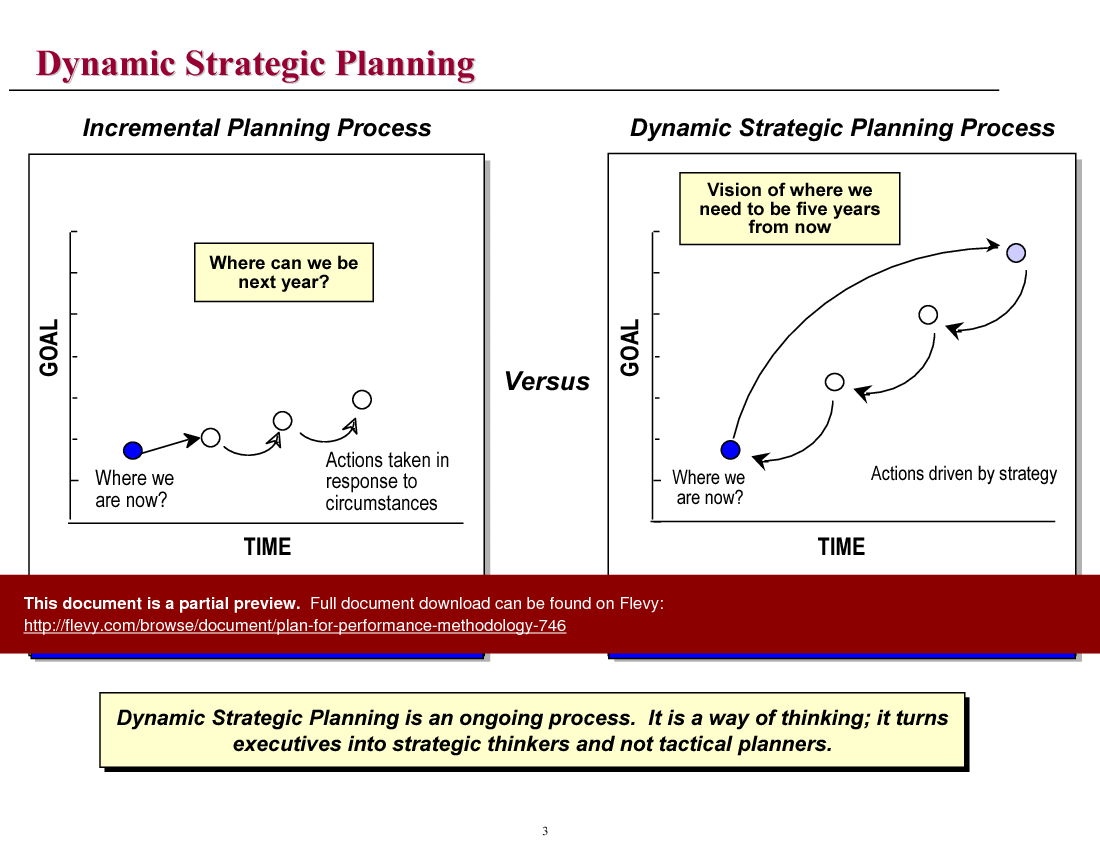
The Plan for Performance Methodology presentation also delves into the nuances of dynamic strategic planning, contrasting it with incremental planning processes. It emphasizes the importance of having a long-term vision and aligning actions with strategic goals. This approach transforms executives into strategic thinkers, steering away from mere tactical planning.
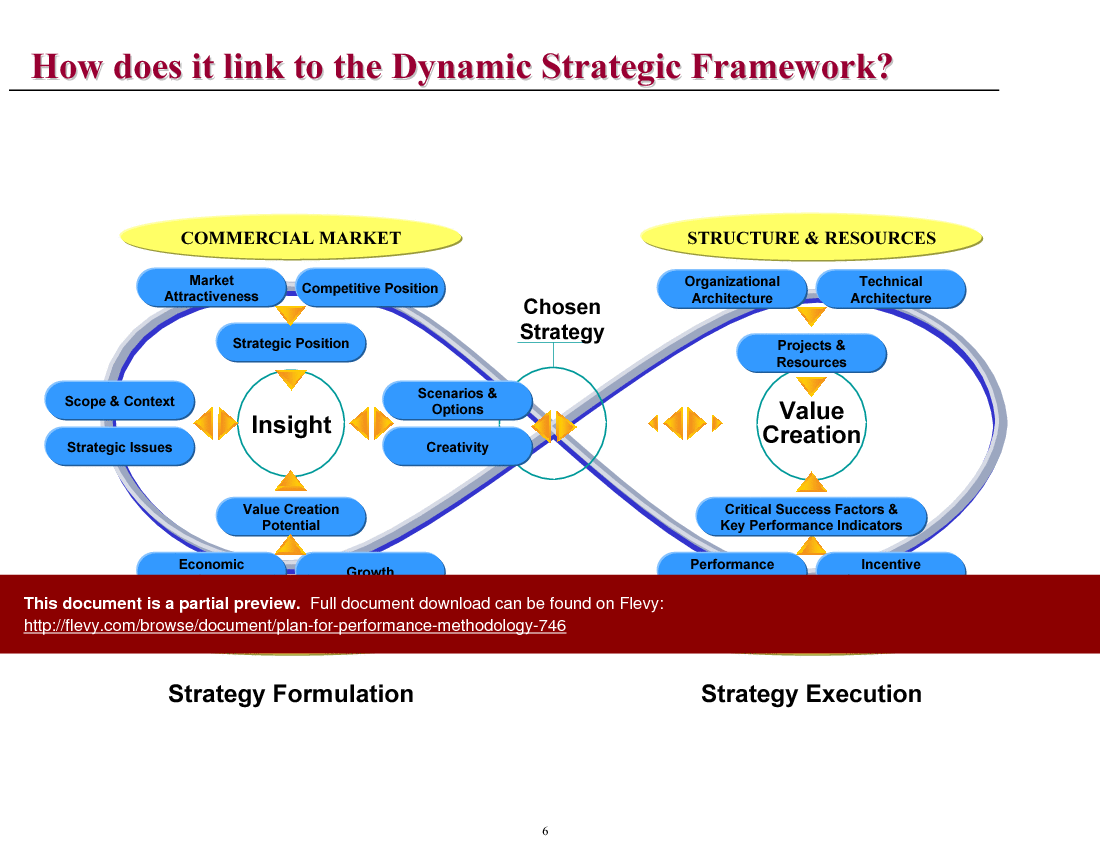
The document links the dynamic strategic framework to both commercial market insights and organizational structure and resources. It covers how to formulate and execute strategies by leveraging market attractiveness, competitive positioning, and value creation potential. The frameworks provided guide you through identifying critical success factors and key performance indicators.
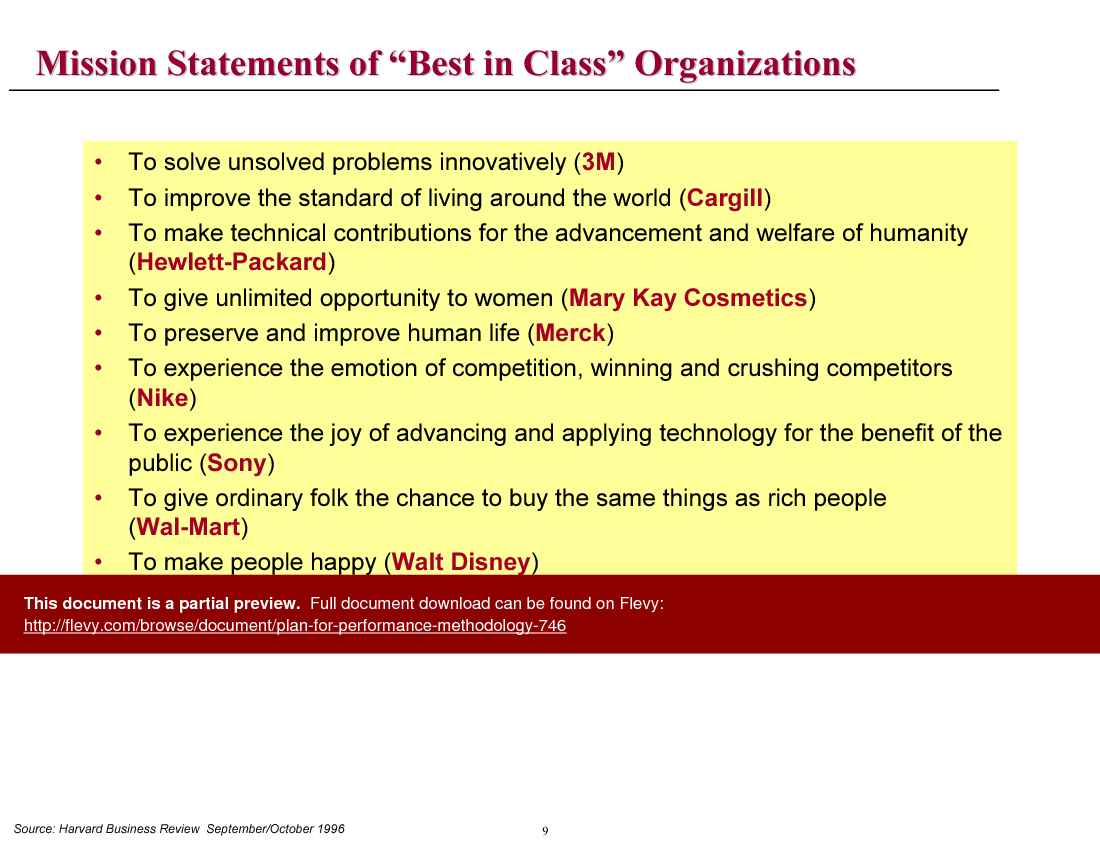
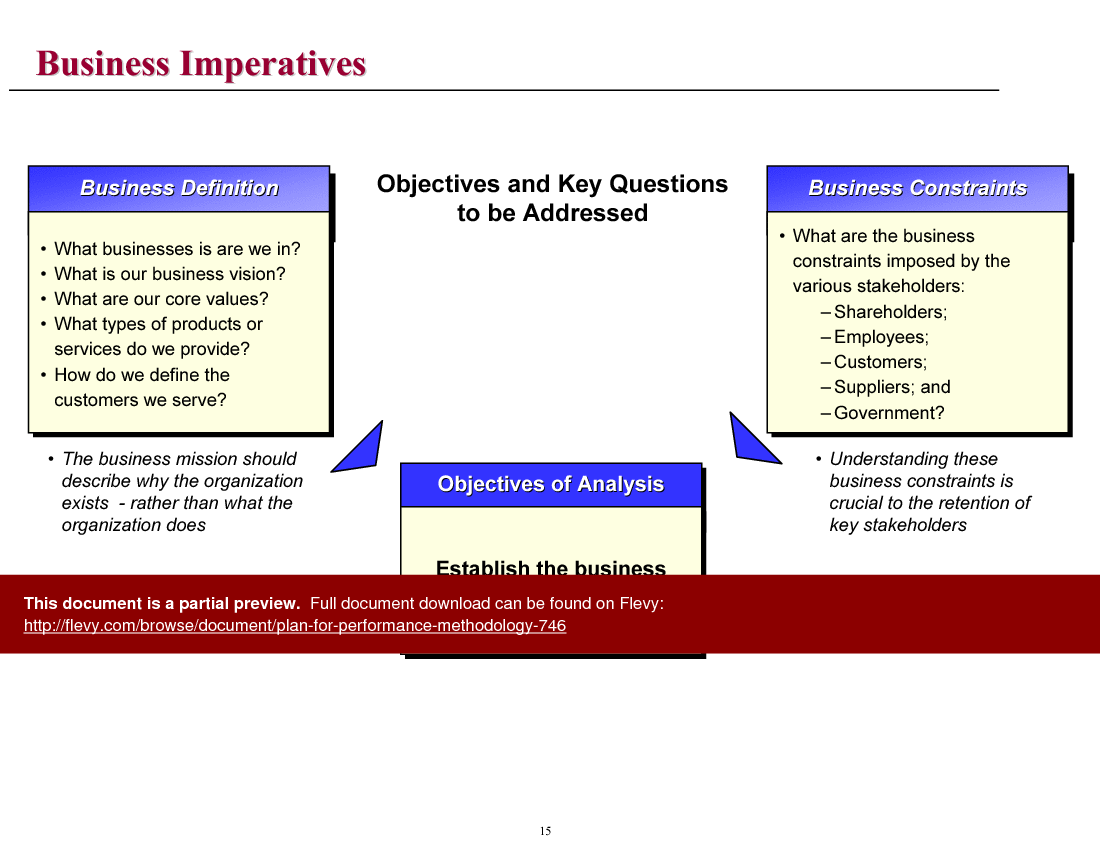
Mission statements from "Best in Class" organizations are highlighted to illustrate the importance of clear, impactful business imperatives. These examples serve as benchmarks for defining your own business vision and core values. The presentation also addresses the constraints imposed by various stakeholders, ensuring a comprehensive understanding of the business environment.
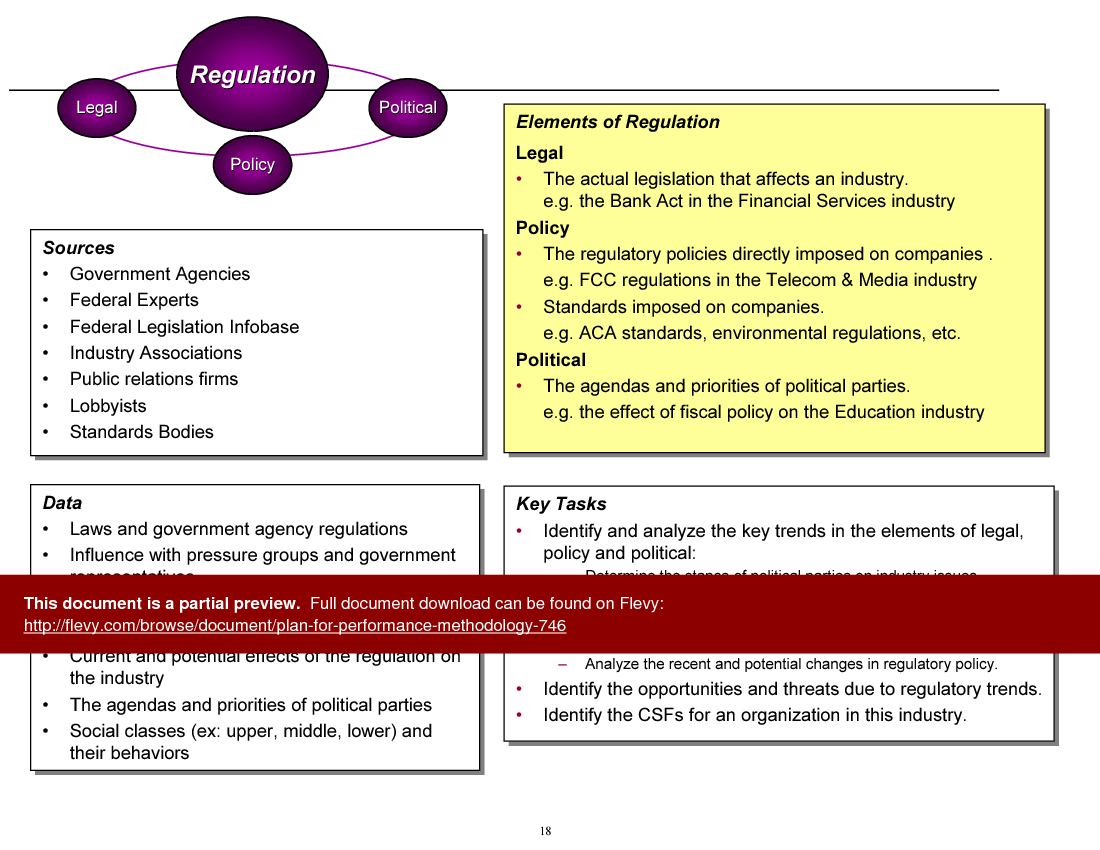
The methodology includes a thorough analysis of regulatory elements, such as legal, policy, and political factors. It identifies key tasks for analyzing trends and regulatory impacts on the industry. This ensures that your strategic planning is well-informed and adaptable to changing regulatory landscapes.
Got a question about the product? Email us at support@flevy.com or ask the author directly by using the "Ask the Author a Question" form. If you cannot view the preview above this document description, go here to view the large preview instead.
MARCUS OVERVIEW
This synopsis was written by Marcus [?] based on the analysis of the full 66-slide presentation.
Executive Summary
The "PLAN for Performance" methodology is a consulting-grade framework designed to enhance strategic planning processes within organizations. Crafted by ex-top-tier consultants, this methodology embodies the rigor and clarity expected from McKinsey, Bain, or BCG-quality presentations (not affiliated). It empowers corporate executives and consultants to develop robust business strategies through a structured approach that includes Business Imperative Development, Environmental Analysis, Strategic Options Analysis, and Business Strategy Implementation. By utilizing this methodology, organizations can effectively navigate uncertainties, align their strategic objectives with market realities, and implement actionable plans that drive performance.
Who This Is For and When to Use
• Corporate executives looking to refine their strategic planning processes.
• Integration leaders responsible for aligning business strategies with operational realities.
• Consultants seeking a structured framework for advising clients on strategic initiatives.
• Strategic planning teams aiming to enhance collaboration and stakeholder engagement.
Best-fit moments to use this deck:
• During the initial phases of strategic planning to establish business imperatives.
• When conducting environmental analyses to identify market opportunities and threats.
• In workshops focused on developing and evaluating strategic options.
• For guiding the implementation of strategic initiatives across the organization.
Learning Objectives
• Define the core components of the PLAN methodology and its phases.
• Build a comprehensive environmental analysis that informs strategic direction.
• Establish clear business imperatives that align with organizational goals.
• Develop actionable strategic options that address identified business challenges.
• Evaluate risks and rewards associated with each strategic option.
• Implement and monitor action plans to ensure successful strategy execution.
Table of Contents
• Introduction to PLAN Methodology (page 1)
• Common Failings of Strategic Planning (page 2)
• Dynamic Strategic Planning Process (page 3)
• PLAN Methodology Phases Overview (page 5)
• Business Definition and Imperatives (page 7)
• External Analysis Framework (page 16)
• Internal Analysis Framework (page 32)
• Developing Strategic Options (page 46)
• Evaluating Options: Risk/Reward Analysis (page 53)
• Action Plan Development (page 64)
Primary Topics Covered
• Business Imperative Development - Establishing the foundational business imperatives that guide strategic planning efforts and align with the organization's mission and vision.
• Environmental Analysis - Conducting a thorough examination of external factors, including market trends, competition, and regulatory influences, to inform strategic decisions.
• Strategic Options Analysis - Generating and evaluating a range of strategic options based on insights gathered from environmental and internal analyses.
• Business Strategy Implementation - Developing actionable plans that outline the steps necessary to execute chosen strategies and monitor their effectiveness.
• Stakeholder Engagement - Identifying and involving key stakeholders throughout the planning process to ensure alignment and support for strategic initiatives.
• Risk Management - Assessing potential risks associated with strategic options and developing mitigation strategies to address them.
Deliverables, Templates, and Tools
• Business imperative development framework to define organizational goals and objectives.
• Environmental analysis template for assessing external market conditions and trends.
• Strategic options evaluation matrix to compare potential strategies based on risk and reward.
• Action plan template outlining key initiatives, timelines, and responsible parties.
• Stakeholder analysis tool to identify and engage relevant stakeholders in the planning process.
• Risk management framework to assess and mitigate potential risks associated with strategic initiatives.
Slide Highlights
• Overview of the PLAN methodology phases, illustrating the structured approach to strategic planning.
• Visual representation of the dynamic strategic planning process, emphasizing the importance of adaptability.
• Key insights from external and internal analyses that inform strategic decision-making.
• Risk/reward analysis framework that guides the evaluation of strategic options.
• Action item conflict assessment matrix to identify and resolve potential conflicts in strategic initiatives.
Potential Workshop Agenda
Introduction to PLAN Methodology (30 minutes)
• Overview of the PLAN methodology and its significance in strategic planning.
• Discussion on common failings in traditional strategic planning approaches.
Environmental Analysis Workshop (60 minutes)
• Conducting a collaborative environmental analysis to identify key market trends.
• Engaging stakeholders in discussions about external factors impacting strategy.
Strategic Options Development Session (90 minutes)
• Brainstorming potential strategic options based on insights from analyses.
• Evaluating options using the risk/reward analysis framework.
Action Plan Development (60 minutes)
• Developing actionable plans for selected strategies, including timelines and responsibilities.
• Establishing monitoring mechanisms to track progress and adapt as necessary.
Customization Guidance
• Tailor the business imperative framework to reflect your organization’s specific mission and vision.
• Adapt the environmental analysis template to include industry-specific factors relevant to your market.
• Modify the strategic options evaluation matrix to align with your organization’s risk tolerance and strategic priorities.
• Customize action plans to incorporate unique timelines, resources, and stakeholder responsibilities relevant to your initiatives.
Secondary Topics Covered
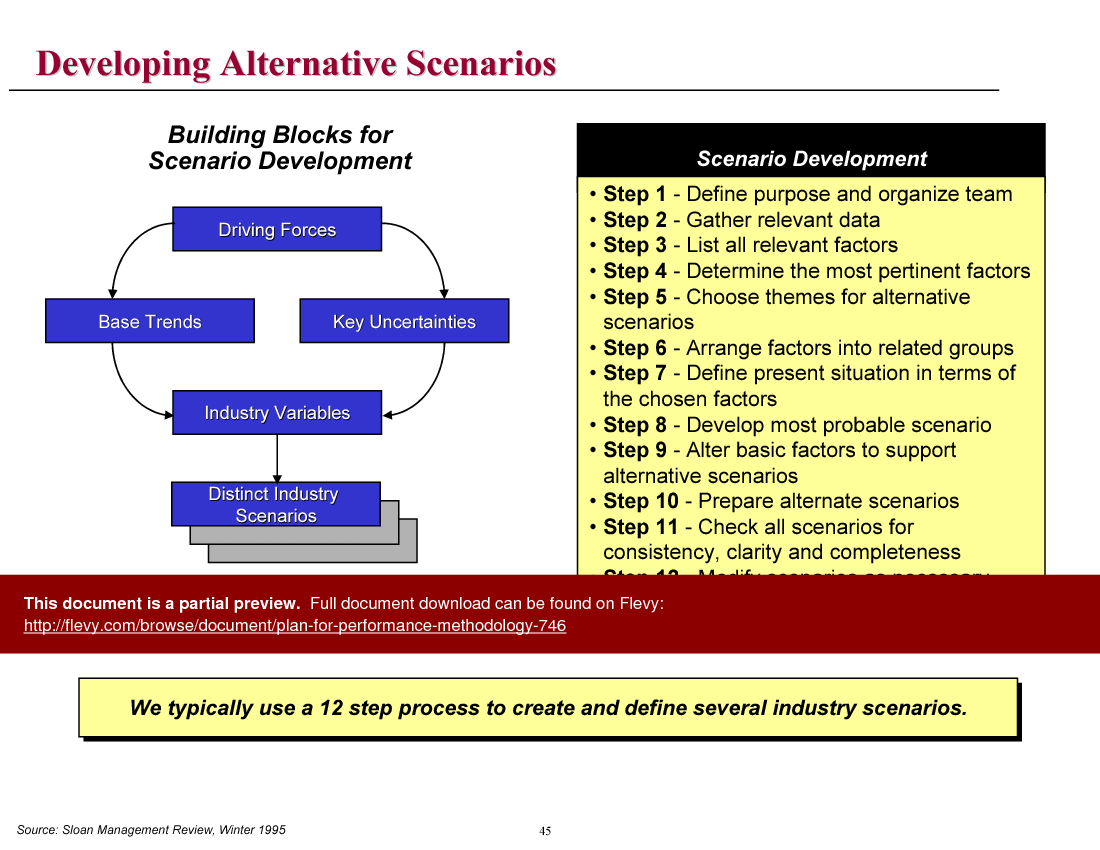
• The role of scenario planning in dynamic strategic planning.
• Techniques for fostering stakeholder engagement throughout the planning process.
• Methods for aligning strategic objectives with operational capabilities.
• Best practices for monitoring and adapting strategic initiatives over time.
• Insights into competitive benchmarking and market positioning.
FAQ
What is the PLAN methodology?
The PLAN methodology is a structured approach to strategic planning that includes phases for developing business imperatives, conducting environmental analyses, analyzing strategic options, and implementing business strategies.
How can this methodology help my organization?
This methodology provides a clear framework for aligning strategic objectives with market realities, enabling organizations to make informed decisions and implement actionable plans that drive performance.
What are the key phases of the PLAN methodology?
The key phases include Business Imperative Development, Environmental Analysis, Strategic Options Analysis, and Business Strategy Implementation.
How does stakeholder engagement fit into the PLAN methodology?
Stakeholder engagement is integral to the methodology, ensuring that key stakeholders are involved in the planning process to foster alignment and support for strategic initiatives.
What tools and templates are included in the methodology?
The methodology includes templates for business imperatives, environmental analysis, strategic options evaluation, action planning, and stakeholder analysis.
How can I assess risks associated with strategic options?
The methodology provides a risk/reward analysis framework that helps evaluate potential risks and rewards for each strategic option, guiding informed decision-making.
Can the methodology be customized for different industries?
Yes, the methodology is flexible and can be tailored to reflect the specific needs, challenges, and opportunities of different industries.
What outcomes can I expect from implementing this methodology?
Organizations can expect enhanced clarity in strategic direction, improved stakeholder alignment, and actionable plans that drive performance and adaptability in a dynamic market environment.
Glossary
• Business Imperative - A critical factor that defines the strategic direction and priorities of an organization.
• Environmental Analysis - The process of assessing external factors that impact an organization’s strategic decisions.
• Strategic Options - Various potential strategies developed based on insights from analyses and stakeholder input.
• Risk/Reward Analysis - A framework for evaluating the potential risks and rewards associated with different strategic options.
• Stakeholder Engagement - The process of involving key stakeholders in the strategic planning process to ensure alignment and support.
• Action Plan - A detailed outline of initiatives, timelines, and responsibilities for executing selected strategies.
• Dynamic Strategic Planning - An ongoing process that emphasizes adaptability and responsiveness to changing market conditions.
• SWOT Analysis - A tool for assessing an organization’s strengths, weaknesses, opportunities, and threats.
• Scenario Planning - A strategic planning method used to visualize and prepare for various future scenarios.
• Core Competencies - The unique strengths and capabilities that give an organization a competitive advantage.
• Market Segmentation - The process of dividing a market into distinct groups of consumers with similar needs or characteristics.
• Value Proposition - A statement that outlines the unique benefits and value a product or service offers to customers.
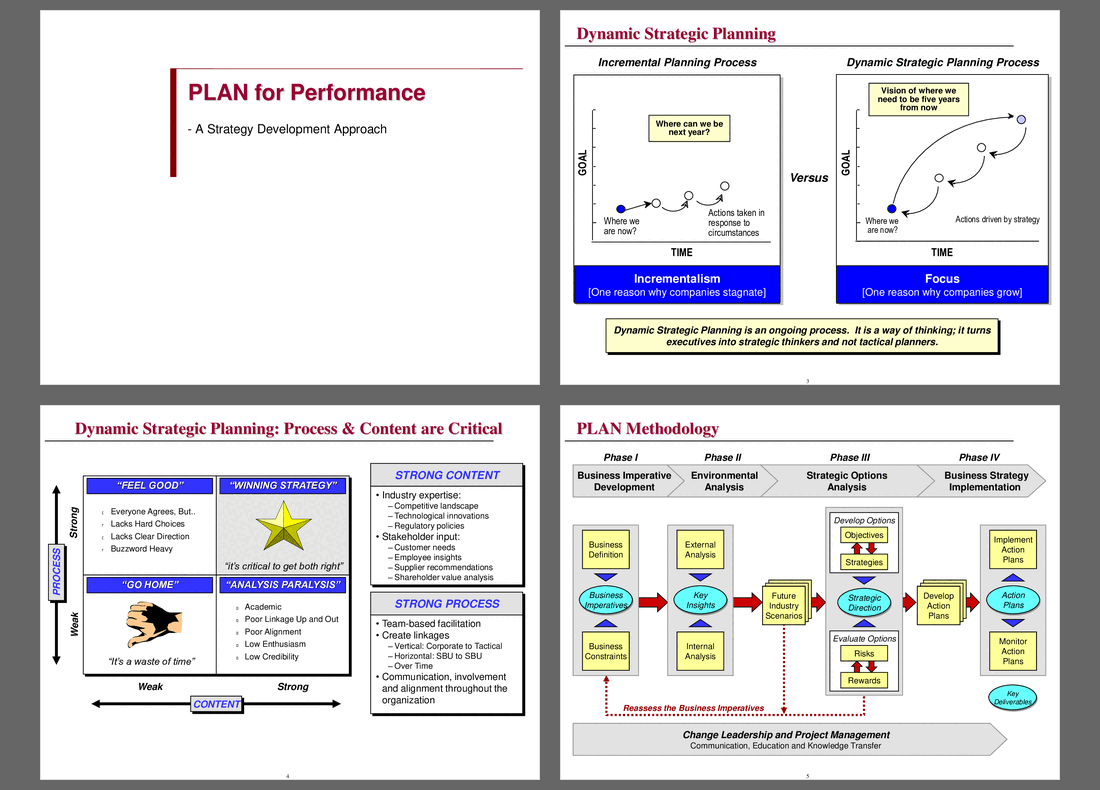
This slide contrasts 2 strategic planning approaches: Incremental Planning and Dynamic Strategic Planning. Incremental Planning focuses on short-term goals with a linear trajectory, reacting to immediate circumstances, which can lead to stagnation. The key question is, "Where can we be next year?" indicating a narrow focus on immediate outcomes. In contrast, Dynamic Strategic Planning emphasizes a long-term vision, encouraging organizations to look 5 years ahead. This proactive approach drives actions based on strategic vision rather than immediate reactions. Companies adopting dynamic planning are more likely to thrive by aligning actions with long-term goals, essential for sustainable growth and navigating uncertainties.
This slide presents a framework for evaluating portfolio strategies across 3 categories: Creating Value, Conservative, and Aggressive. The vertical axis represents Overall Reward, while the horizontal axis indicates Overall Risk, creating a two-dimensional matrix to visualize the relationship between potential rewards and associated risks.
In the Creating Value quadrant, strategies focus on innovation and growth with manageable risk, leveraging existing strengths. The Conservative quadrant emphasizes lower-risk strategies aimed at stability and steady returns, appealing to risk-averse organizations. The Aggressive quadrant includes strategies that embrace higher risk for potentially greater rewards, requiring readiness for volatility and performance fluctuations.
Aligning portfolio strategy with the organization's business lines and risk tolerance is essential for informed decision-making.
The "External Analysis Framework" is essential for evaluating an organization's external environment. Central to this framework is "External Analysis," which examines external factors affecting business strategy. Key categories include Regulation, Technology, Competition, and Market.
"Regulation" encompasses Legal and Policy aspects, highlighting the need to navigate legal requirements and political factors that influence regulatory landscapes.
"Technology" focuses on Inputs, Outputs, and Enablers, emphasizing the role of processes and systems in leveraging technology for operational effectiveness.
"Competition" involves assessing Structure, New Entrants, and Substitutes to understand industry dynamics and potential market threats.
The "Market" category includes Segmentation, Economy, and Social Trends, underscoring the importance of market demographics, economic conditions, and evolving social trends on consumer behavior.
This framework provides a systematic approach for organizations to conduct thorough external analyses, informing strategic decision-making.
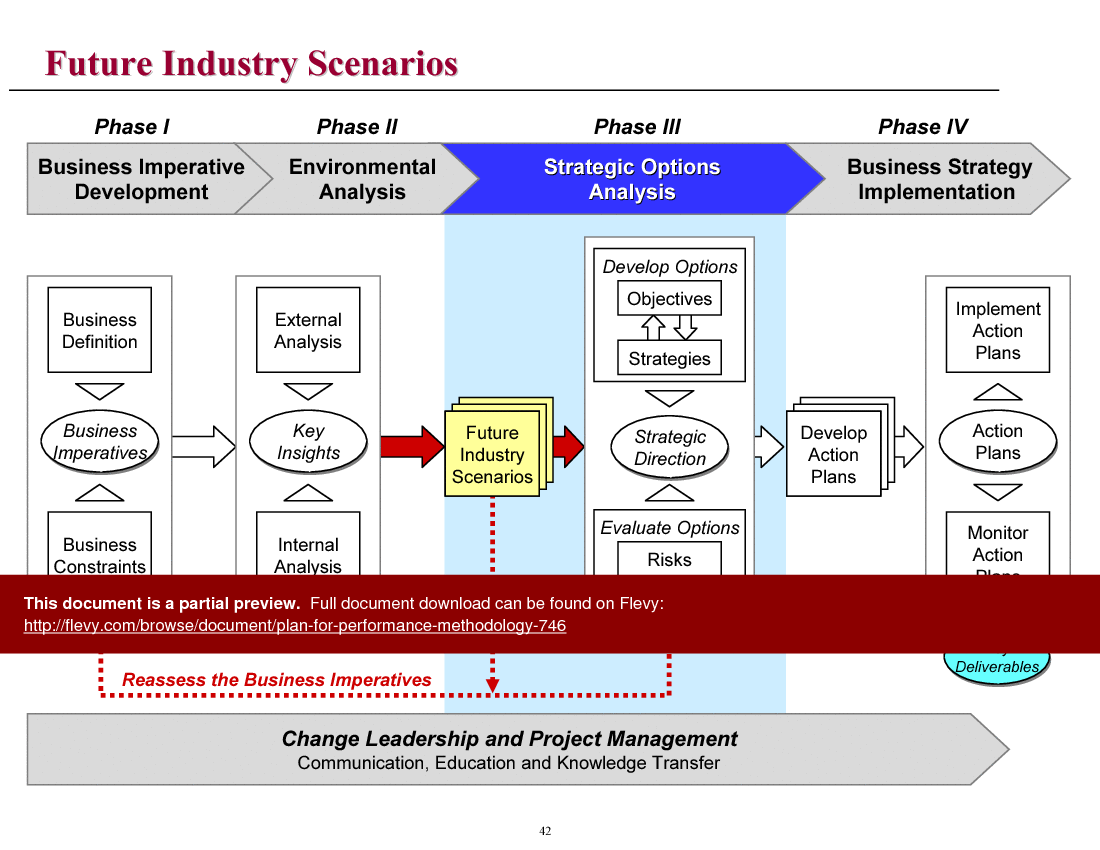
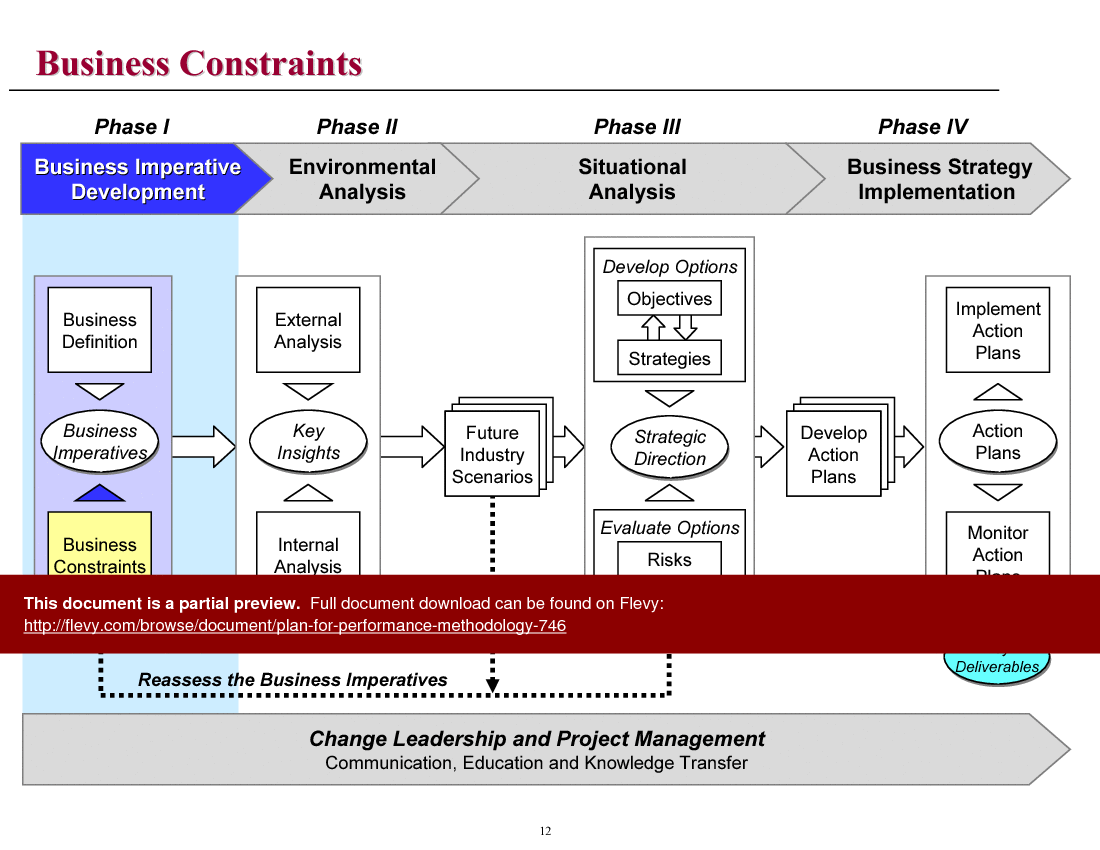
The PLAN Methodology is a structured approach to strategic planning, divided into 4 phases. Phase I, Business Imperative Development, defines the business, identifies key imperatives, and understands constraints, setting the direction for analysis. Phase II, Environmental Analysis, conducts external and internal analyses to gather insights on market conditions, competitive dynamics, and organizational capabilities, informing strategic decisions. Phase III, Strategic Options Analysis, develops options based on insights, sets objectives and strategies, and evaluates risks and rewards to establish a clear strategic direction. Phase IV, Business Strategy Implementation, focuses on creating actionable plans and emphasizes monitoring to ensure alignment with business goals. This iterative methodology encourages ongoing reassessment of business imperatives, enhancing strategic clarity and adaptability.
This slide outlines a structured approach to technology in the automotive sector, categorizing it into 3 elements: Inputs, Enablers, and Outputs. Inputs include foundational products and materials, such as electronics essential for automotive manufacturing. Enablers are technological processes that enhance production efficiency, exemplified by assembly line robotics. Outputs represent the final products delivered to customers, such as minivans. Key information sources include patent offices, industry experts, and trade publications, vital for data on patents, technology differentiation, and market trends. Actionable tasks involve analyzing technology trends, assessing impacts, identifying enabling technologies, and comparing specifications to guide strategic decisions. This framework ensures companies effectively leverage technology to navigate advancements and align strategies.
This slide provides an overview of the global consulting services market in 2002, segmented by industry and growth trends from 1998 to 2002. A pie chart shows consulting revenue distribution: Financial Services (35%), Manufacturing (22%), Consumer Business (16%), Telecom (9%), Energy (7%), Healthcare (3%), and Government (8%). The scatter plot illustrates global consulting revenue growth, with Financial Services, Manufacturing, and Consumer Business showing robust expansion. The average compound annual growth rate (CAGR) is 13%, indicating healthy sector growth. Consulting revenues are projected to grow uniformly across industries, suggesting stable market conditions and potential investment opportunities for consulting firms.
This slide outlines a framework for dynamic strategic planning, categorizing 4 outcomes based on process and content strength in a two-by-two matrix. The vertical axis represents process strength, while the horizontal axis indicates content strength. The "FEEL GOOD" quadrant shows consensus without decisive direction, indicating superficial agreement. The "WINNING STRATEGY" quadrant represents the ideal state where both process and content are strong, emphasizing the alignment of effective strategies with robust content. The "GO HOME" quadrant reflects weak process and content, indicating futile efforts, while "ANALYSIS PARALYSIS" shows a strong process lacking actionable content, leading to poor alignment. Key attributes of strong content include industry expertise and stakeholder input, while strong process focuses on team facilitation and organizational linkages. Balancing both elements is essential for effective strategic planning.
This slide outlines a four-phase methodology for addressing business constraints. Phase I, Business Imperative Development, focuses on defining the business and identifying imperatives to understand constraints. Phase II, Environmental Analysis, involves external and internal analyses to gather insights on potential challenges and opportunities. Phase III, Situational Analysis, develops future industry scenarios, evaluates options, weighs risks against rewards, and determines strategic direction. Phase IV, Business Strategy Implementation, centers on developing and executing action plans while monitoring for adaptability to changing conditions. This structured approach provides a framework for aligning strategies with business imperatives and navigating environmental changes effectively.
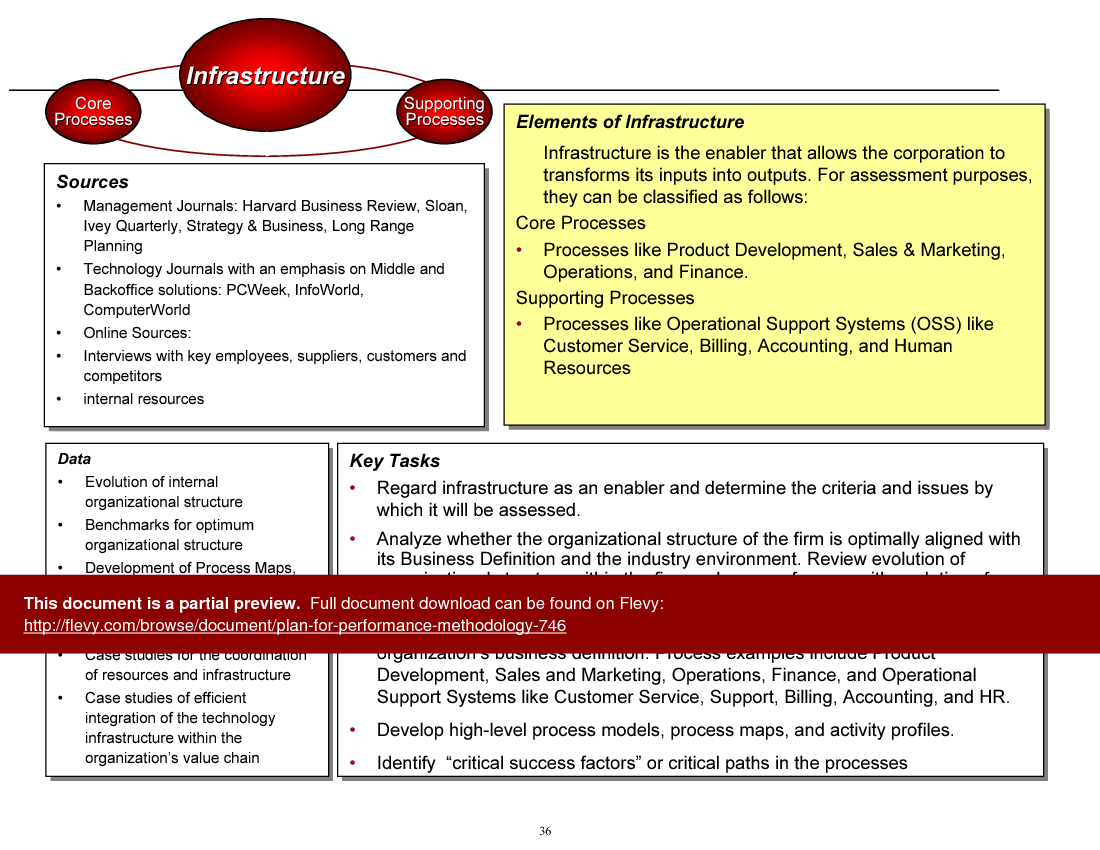
This slide outlines a high-level process model for acute care facilities, focusing on meeting the acute and specialty needs of patients and clients. Key operational areas include clinical and non-clinical functions such as facility management, human resources, and information systems, essential for smooth operations. Critical processes involve admitting and registering patients, assessing needs, and planning discharges, which are vital for a patient-centered approach. Follow-up on customer needs is emphasized for long-term satisfaction and outcomes. Additional services like laboratory, radiological, and pharmacological services, along with educational services, indicate a comprehensive approach to healthcare delivery, supporting informed decision-making for patients and families.
This slide outlines a structured framework for evaluating strategic options across 4 criteria: Strategic, Operational, Financial, and Overall. Strategic criteria include "Alignment with growth objectives," "Enhances client acquisition and retention," and "Increases competitive positioning," focusing on long-term goals. The Operational section highlights metrics like "Reduces scarcity of supply" and "Enhances operational synergies," emphasizing efficiency and quality. Financial criteria aim to increase revenues and profitability while minimizing investment, underscoring financial viability in strategic decisions. The Overall column aggregates evaluations, providing a comprehensive view of each option's potential impact, facilitating informed decision-making aligned with organizational goals.
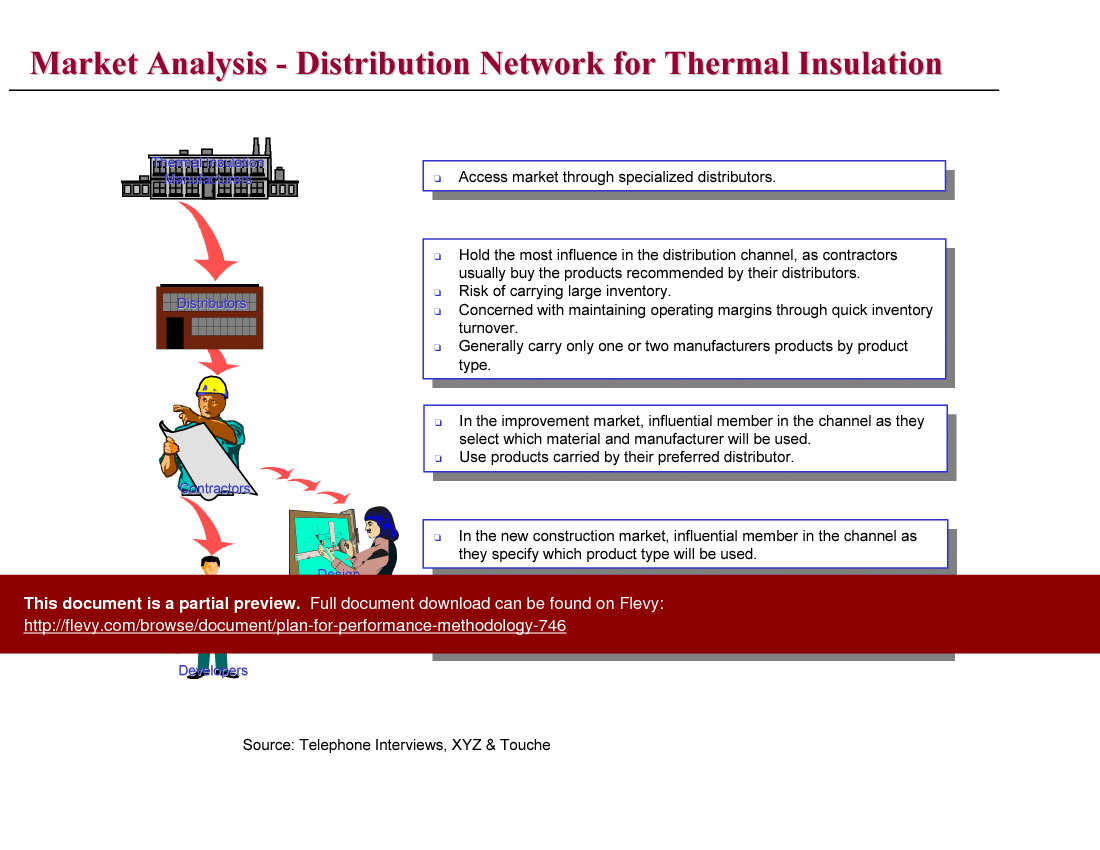
The distribution network for thermal insulation products relies heavily on specialized distributors, who influence contractor purchasing decisions through recommendations. This relationship presents risks for distributors, who must balance large inventories with quick turnover to maintain healthy margins. The market segments are divided into improvement and new construction. In the improvement segment, contractors and design professionals select materials based on established distributor relationships. Conversely, in new construction, influential members specify required product types, indicating a more directive procurement role. A competitive bidding process among contractors is recommended to enhance cost efficiency and secure better pricing, fostering a competitive environment for improved project outcomes.
This slide illustrates the interconnections within a strategic framework, emphasizing how insights drive strategy formulation and execution. "Insight" links the "Commercial Market," which includes market attractiveness, competitive position, and strategic issues, to the organization's strategic position. The flow of information leads to identifying "Value Creation Potential" and growth opportunities. The "Structure & Resources" necessary for executing strategy include organizational and technical architecture, project allocation, and resource management. "Value Creation" is central, highlighting critical success factors and performance monitoring for effective strategy execution. This interconnected approach is vital for navigating complex market dynamics and achieving sustainable growth.
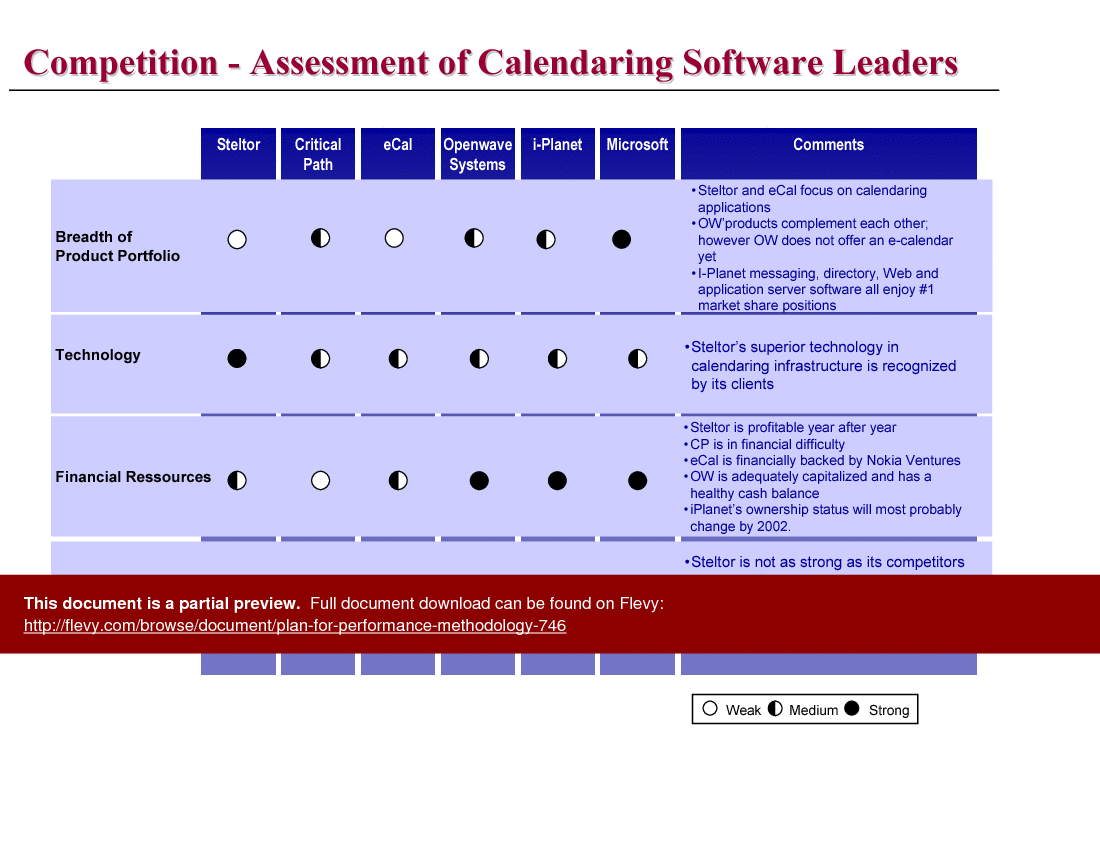
This slide assesses leading calendaring software providers based on key attributes: product portfolio breadth, technology, financial resources, and partnerships. Steltor and eCal focus on calendaring applications, while Openwave Systems lacks an e-calendar, indicating strategic alignment with gaps. Steltor is recognized for superior calendaring technology, positioning it favorably among competitors. In financial resources, Steltor shows consistent profitability, whereas Critical Path faces financial difficulties. eCal benefits from Nokia Ventures' backing, ensuring stability. Openwave is adequately capitalized, while i-Planet's ownership change hints at instability. In partnerships, Steltor is less competitive than Critical Path, Openwave, i-Planet, and Microsoft, which have strong partnership programs, potentially impacting Steltor's market reach.
This slide outlines a structured approach to conflict resolution among action items in strategic initiatives. The process begins with assessing alignment among action items to ensure harmonious progress towards common goals. If a conflict exists, organizations explore developing alternative action items, emphasizing flexibility in strategic planning. Proposed alternatives are tested against existing items to identify new conflicts, maintaining alignment and preventing disruptions. If alternatives cannot be found, the focus shifts to directly addressing the conflict or reassessing the strategic initiative, allowing for conflict mitigation or adaptation of objectives. Unresolved conflicts may act as bottlenecks, hindering organizational success. The conflict assessment matrix visually clarifies the decision-making process and highlights critical steps in resolving conflicts, serving as a valuable tool for executives to enhance strategic effectiveness.
The Action Item Conflict Assessment Matrix evaluates interdependencies among action items across strategic initiatives (S1 to S4). Each row represents an action item, and each column corresponds to a strategic initiative. A color-coded system indicates relationships: green cells signify aligned actions with synergistic benefits, red cells indicate conflicts that may lead to inefficiencies, and gray cells denote neutral actions with no impact. This matrix is a vital tool for decision-makers to visualize the interplay between actions and strategies, enabling prioritization of aligned actions and risk mitigation. It fosters collaboration and alignment across teams, enhancing the execution of strategic initiatives.
Source: Best Practices in Performance Management PowerPoint Slides: Plan for Performance Methodology PowerPoint (PPT) Presentation Slide Deck, Documents & Files
The average daily rate of a McKinsey consultant is $6,625 (not including expenses). The average price of a Flevy document is $65.
Need KPIs or benchmarks?Explore KPI Depot to access the most comprehensive database of KPI data, organized by function and industry.
Trusted by over 10,000+ Client Organizations
Since 2012, we have provided best practices to over 10,000 businesses and organizations of all sizes, from startups and small businesses to the Fortune 100, in over 130 countries.

"Flevy.com has proven to be an invaluable resource library to our Independent Management Consultancy, supporting and enabling us to better serve our enterprise clients.
The value derived from our [FlevyPro] subscription in terms of the business it has helped to gain far exceeds the investment made, making a subscription a no-brainer for any growing consultancy – or in-house strategy team."
– Dean Carlton, Chief Transformation Officer, Global Village Transformations Pty Ltd.
"As a consulting firm, we had been creating subject matter training materials for our people and found the excellent materials on Flevy, which saved us 100's of hours of re-creating what already exists on the Flevy materials we purchased."
– Michael Evans, Managing Director at Newport LLC
"I have used Flevy services for a number of years and have never, ever been disappointed. As a matter of fact, David and his team continue, time after time, to impress me with their willingness to assist and in the real sense of the word. I have concluded in fact
that it is not at all just a repository of documents/resources but, in the way that David and his team manage the firm, it is like dealing with consultants always ready to assist, advise and direct you to what you really need, and they always get it right.
I am an international hospitality accomplished senior executive who has worked and lived during the past 35 years in 23 countries in 5 continents and I can humbly say that I know what customer service is, trust me.
Aside from the great and professional service that Flevy's team provide, their wide variety of material is of utmost great quality, professionally put together and most current.
Well done Flevy, keep up the great work and I look forward to continue working with you in the future and to recommend you to a variety of colleagues around the world.
"
– Roberto Pelliccia, Senior Executive in International Hospitality
"Flevy is our 'go to' resource for management material, at an affordable cost. The Flevy library is comprehensive and the content deep, and typically provides a great foundation for us to further develop and tailor our own service offer."
– Chris McCann, Founder at Resilient.World
"As a small business owner, the resource material available from FlevyPro has proven to be invaluable. The ability to search for material on demand based our project events and client requirements was great for me and proved very beneficial to my clients. Importantly, being able to easily edit and tailor
the material for specific purposes helped us to make presentations, knowledge sharing, and toolkit development, which formed part of the overall program collateral. While FlevyPro contains resource material that any consultancy, project or delivery firm must have, it is an essential part of a small firm or independent consultant's toolbox.
"
– Michael Duff, Managing Director at Change Strategy (UK)
"As an Independent Management Consultant, I find Flevy to add great value as a source of best practices, templates and information on new trends. Flevy has matured and the quality and quantity of the library is excellent. Lastly the price charged is reasonable, creating a win-win value for
the customer, Flevy and the various authors. This is truly a service that benefits the consulting industry and associated clients. Thanks for providing this service.
"
– Jim Schoen, Principal at FRC Group
"I have found Flevy to be an amazing resource and library of useful presentations for lean sigma, change management and so many other topics. This has reduced the time I need to spend on preparing for my performance consultation. The library is easily accessible and updates are regularly provided. A wealth of great information."
– Cynthia Howard RN, PhD, Executive Coach at Ei Leadership
"I like your product. I'm frequently designing PowerPoint presentations for my company and your product has given me so many great ideas on the use of charts, layouts, tools, and frameworks. I really think the templates are a valuable asset to the job."
– Roberto Fuentes Martinez, Senior Executive Director at Technology Transformation Advisory
Download our free compilation of 50+ Strategy & Transformation slides and templates. Frameworks include McKinsey 7-S, Balanced Scorecard, Disruptive Innovation, BCG Curve, and many more.