
The Operational Excellence 360 Assessment Module includes:
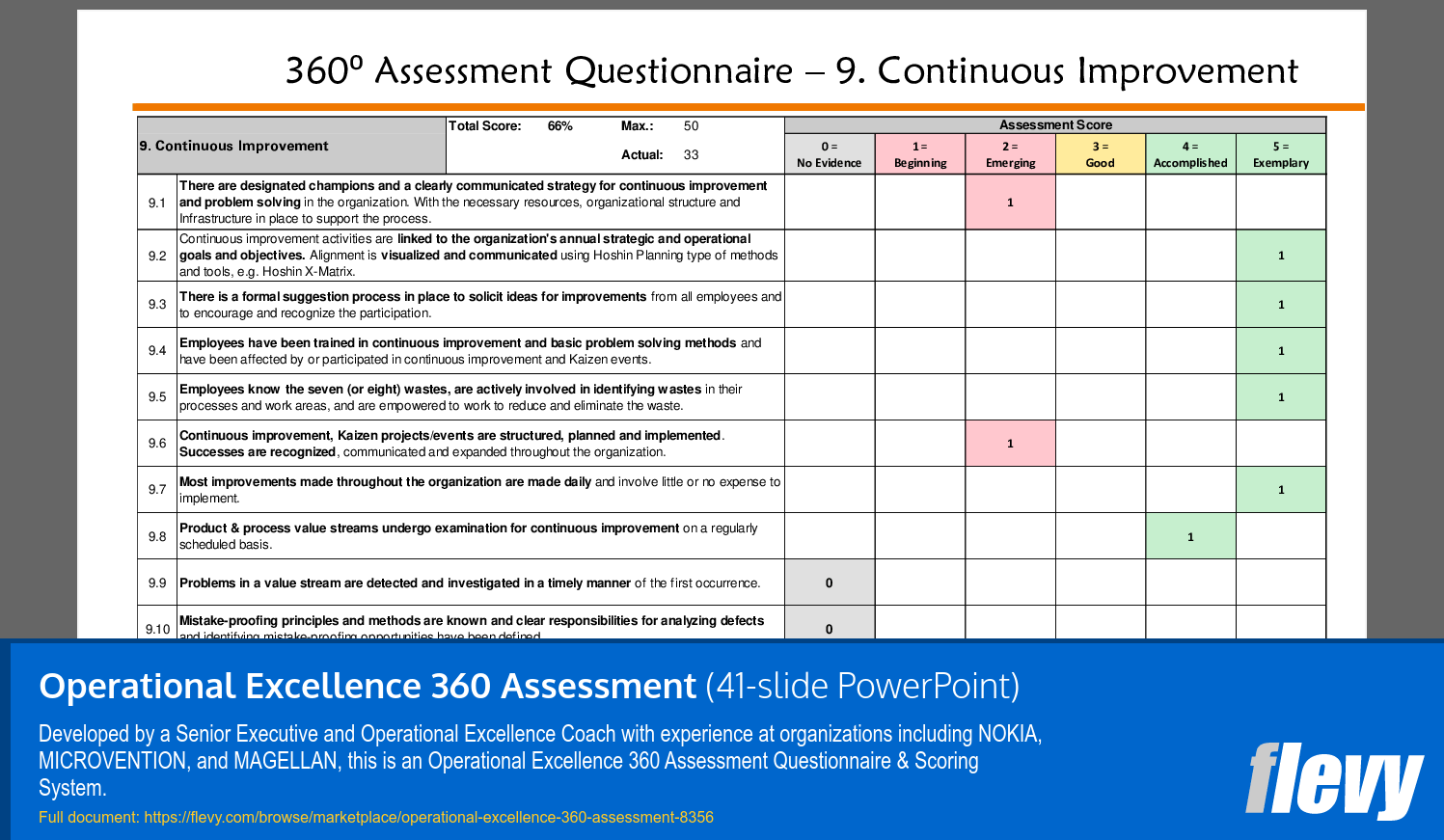
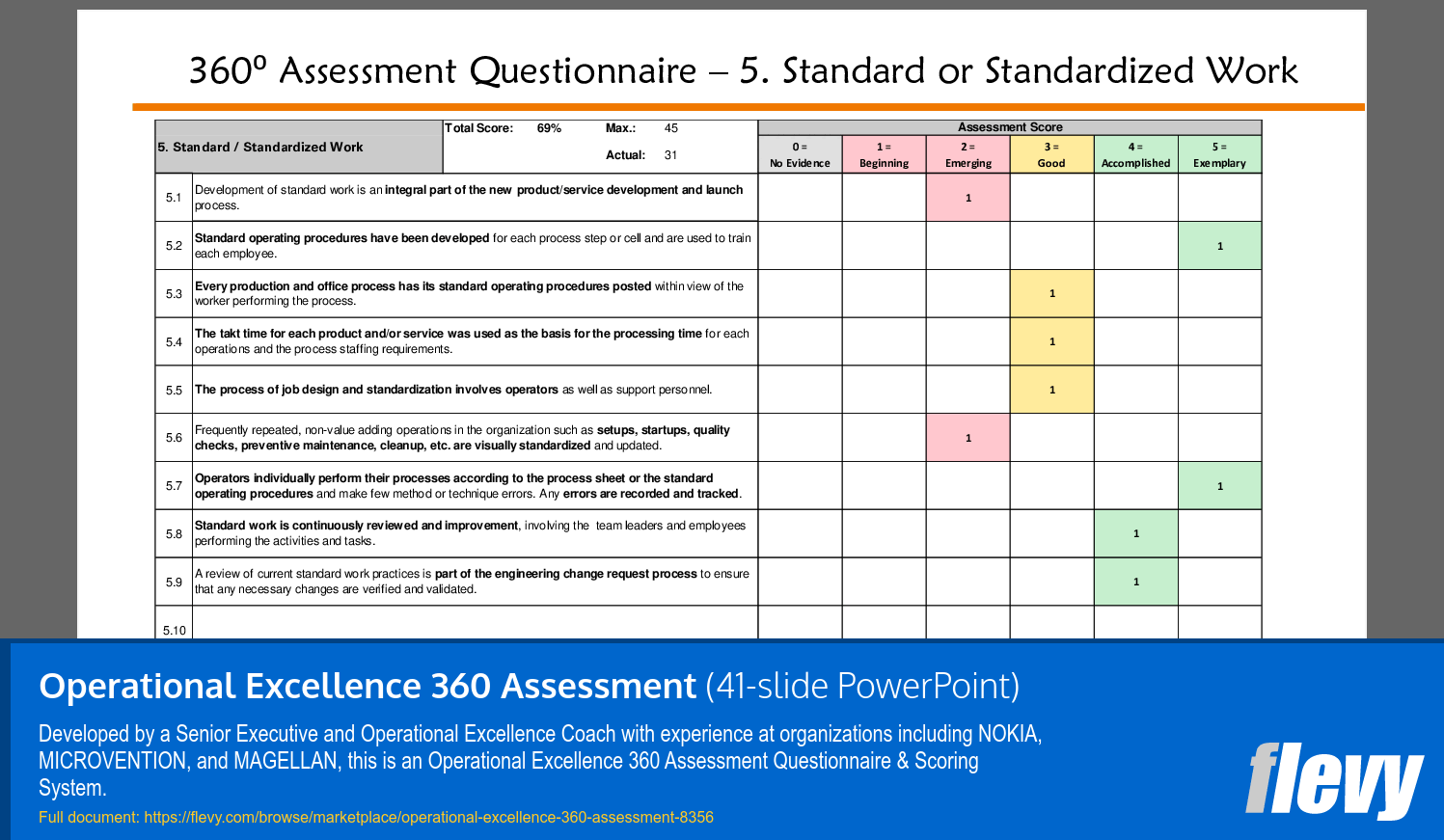
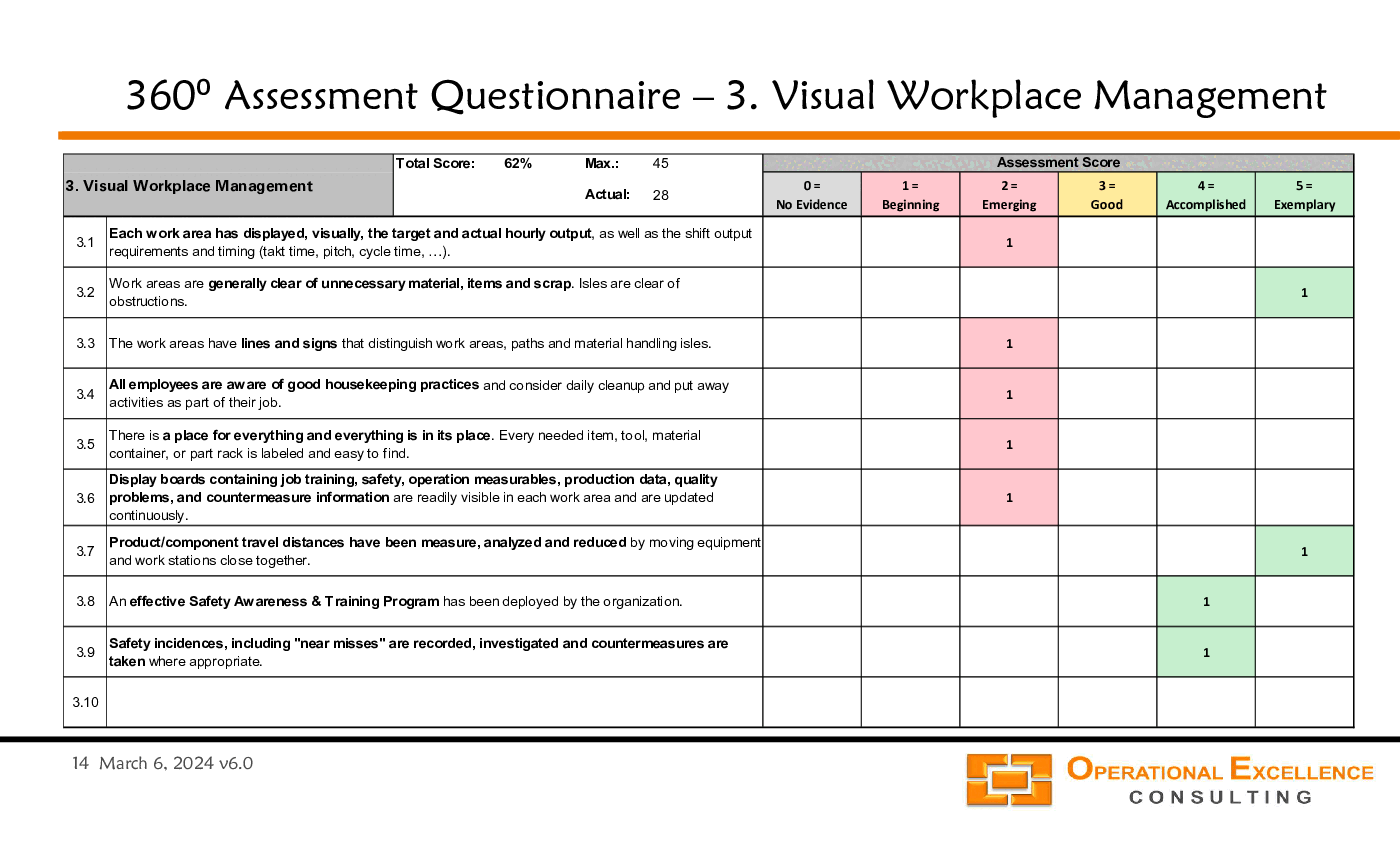
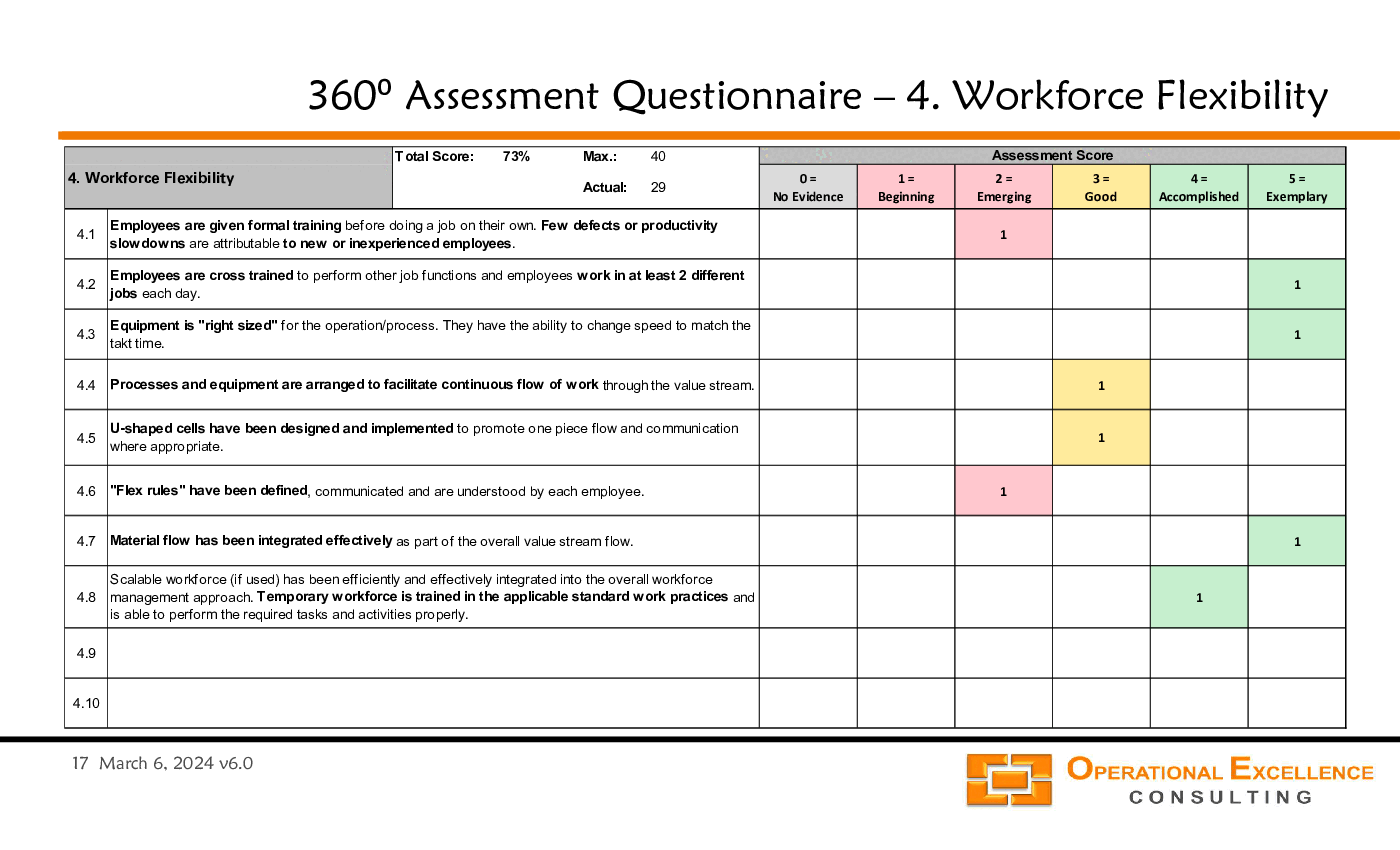
1. MS PowerPoint Reporting & Presentation with 41 slides (including "placeholder" slides) covering the ten assessment areas – Business Systems & Reporting, Internal Communication, Visual Workplace Management, Workforce Flexibility, Standard Work, Quality & Mistake-Proofing, Rapid Changeover & Maintenance, Balanced & Demand-Driven Processes, Continuous Improvement, and Customer Communication.

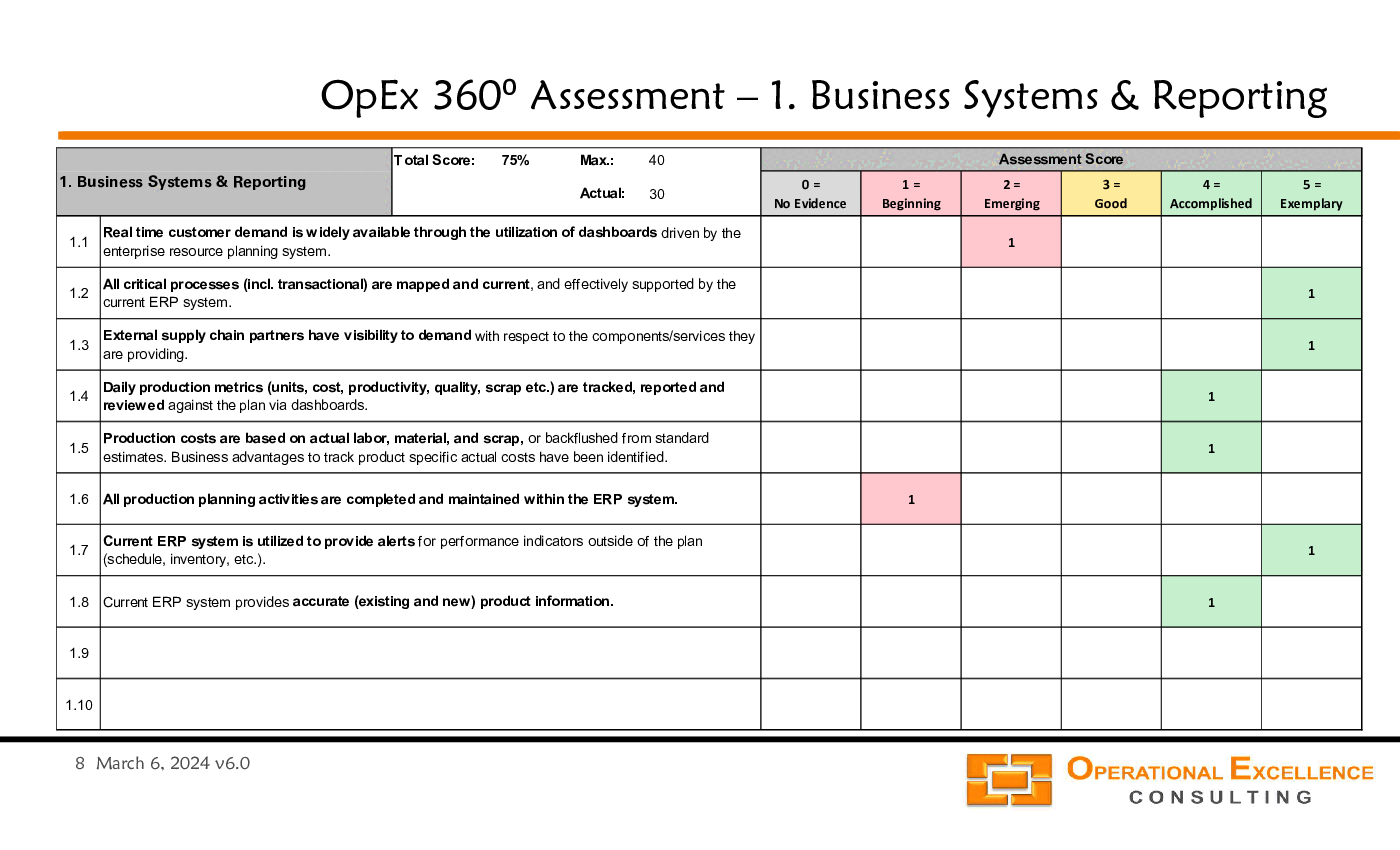
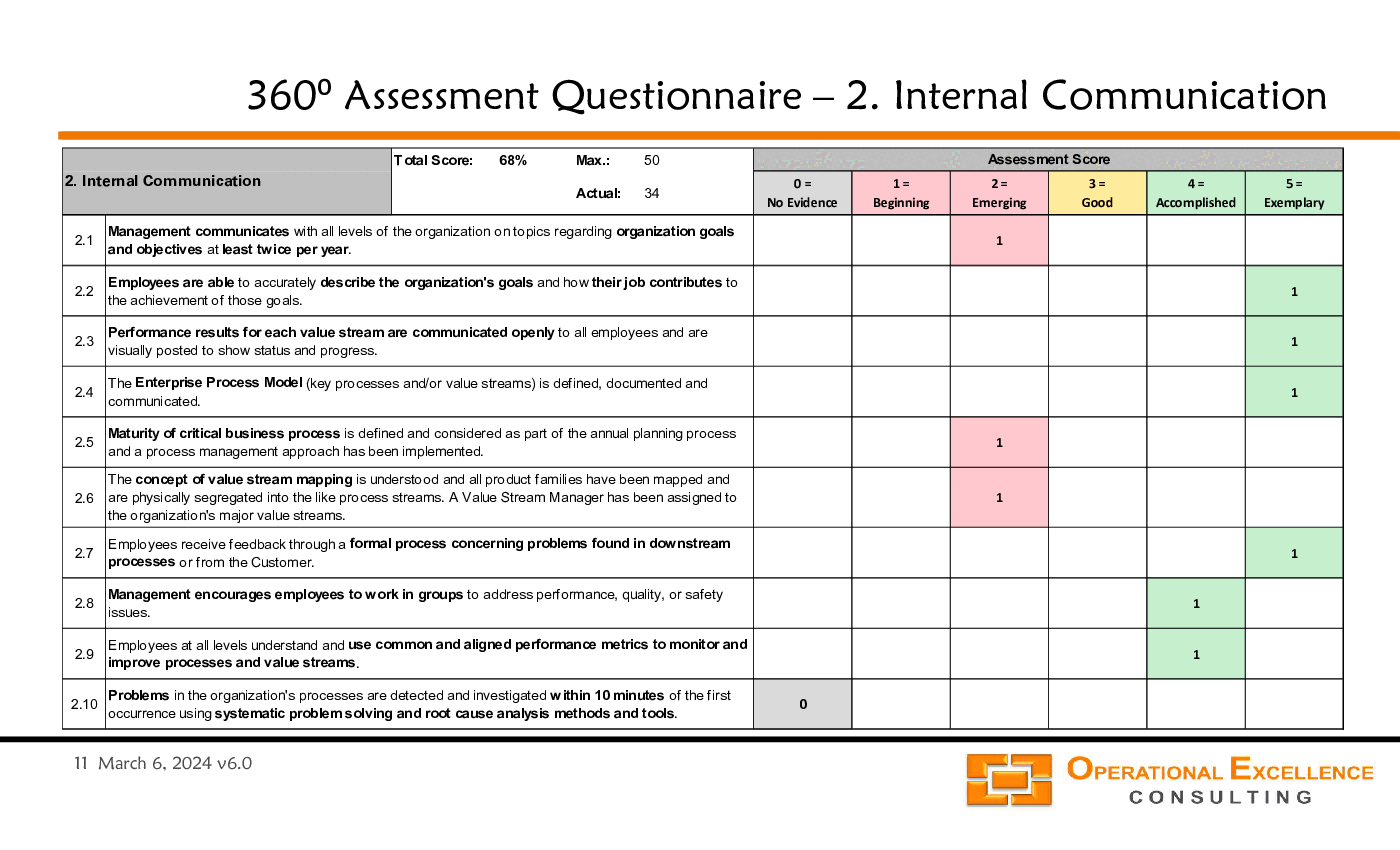
Each assessment area includes eight to ten questions to assess your organization's current capabilities and maturity level (1 to 5).
Please note that the MS PowerPoint Reporting & Presentation includes "placeholder" slides, e.g. for findings and identified opportunities, to be completed when performing an actual assessment.
2. MS Excel Questionnaire & Scoring Template covering the ten assessment areas.
"After you have downloaded the training material, you can change any part of the training material and remove all logos and references to Operational Excellence Consulting. You can share the material with your colleagues and clients, and re-use it as you need. The only restriction is that you cannot publicly re-distribute, sell, rent, or license the material as though it is your own. Thank you."
Got a question about the product? Email us at support@flevy.com or ask the author directly by using the "Ask the Author a Question" form. If you cannot view the preview above this document description, go here to view the large preview instead.
Executive Summary
The Operational Excellence 360⁰ Assessment is a comprehensive evaluation tool designed to measure and enhance organizational performance across critical operational dimensions. Developed by Frank G. Adler, a seasoned Operational Excellence Coach, this assessment provides a structured framework to identify strengths and areas for improvement in business systems, internal communication, visual workplace management, and more. By utilizing this assessment, organizations can effectively align their operational strategies with performance goals, ensuring sustainable excellence and continuous improvement.
Who This Is For and When to Use
• Senior Executives overseeing operational strategy and performance management
• Operational Excellence teams focused on process improvement and efficiency
• Quality Assurance professionals seeking to enhance product and service quality
• Change Management leaders implementing new operational frameworks
Best-fit moments to use this deck:
• During strategic planning sessions to align operational goals with business strategy
• When assessing current operational capabilities and identifying gaps
• In preparation for organizational transformations or process improvements
• To benchmark performance against industry standards and best practices
Learning Objectives
• Define the core components of Operational Excellence and their interrelationships
• Identify key performance indicators (KPIs) for measuring operational success
• Develop actionable strategies for continuous improvement across various operational areas
• Establish a framework for effective communication and collaboration within teams
• Implement visual management techniques to enhance workplace efficiency
• Foster a culture of quality and mistake-proofing within the organization
Table of Contents
• What is Operational Excellence? (page 2)
• Operational Excellence 360⁰ Assessment Overview (page 3)
• Scoring Guidelines (page 4)
• Assessment Categories and Focus Areas (page 3)
• Key Findings and Opportunities (page 8)
• Effort & Benefit Matrix (page 40)
• Next Steps (page 41)
Primary Topics Covered
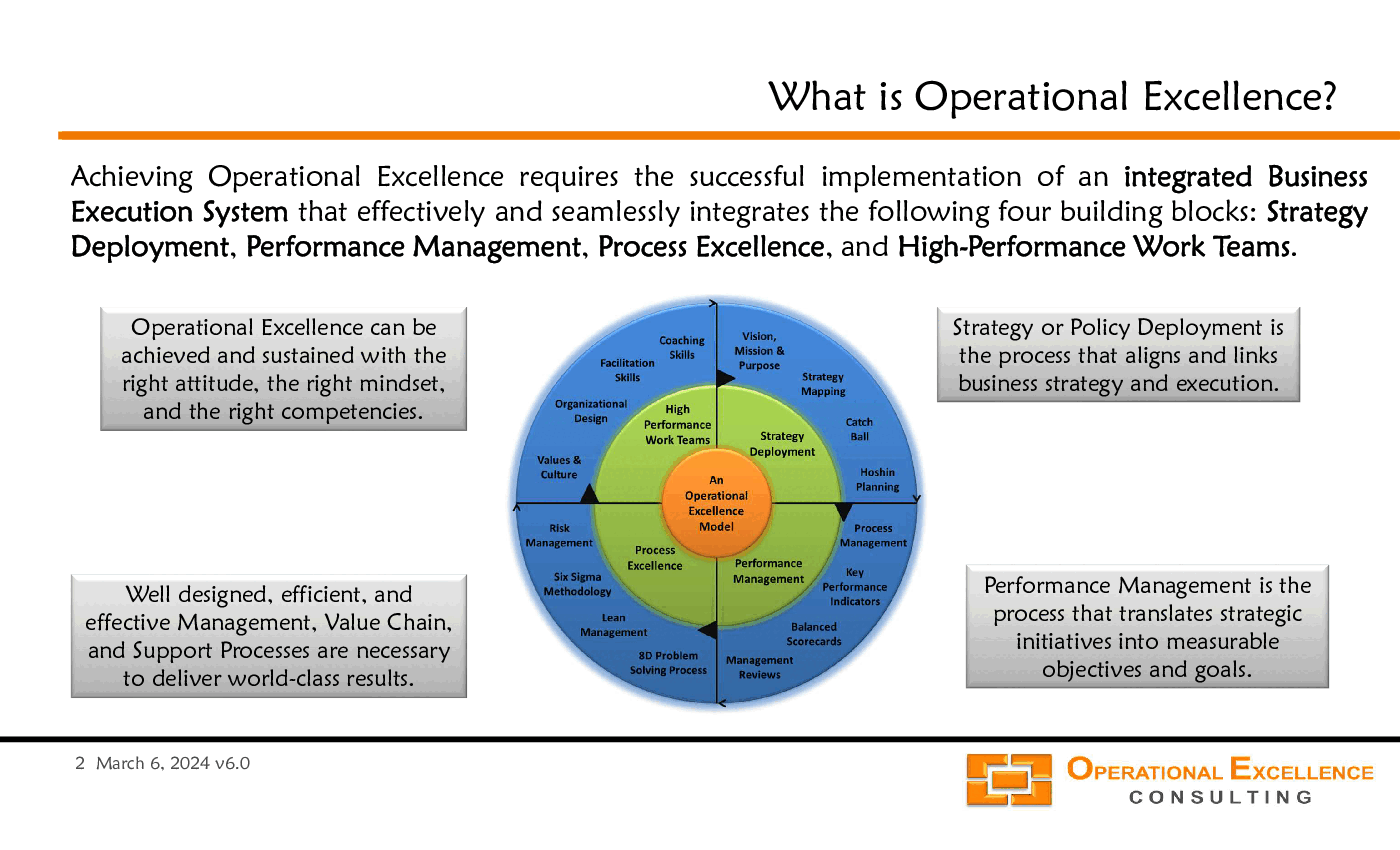
• Operational Excellence Definition - A framework integrating Strategy Deployment, Performance Management, Process Excellence, and High-Performance Work Teams to achieve sustainable operational success.
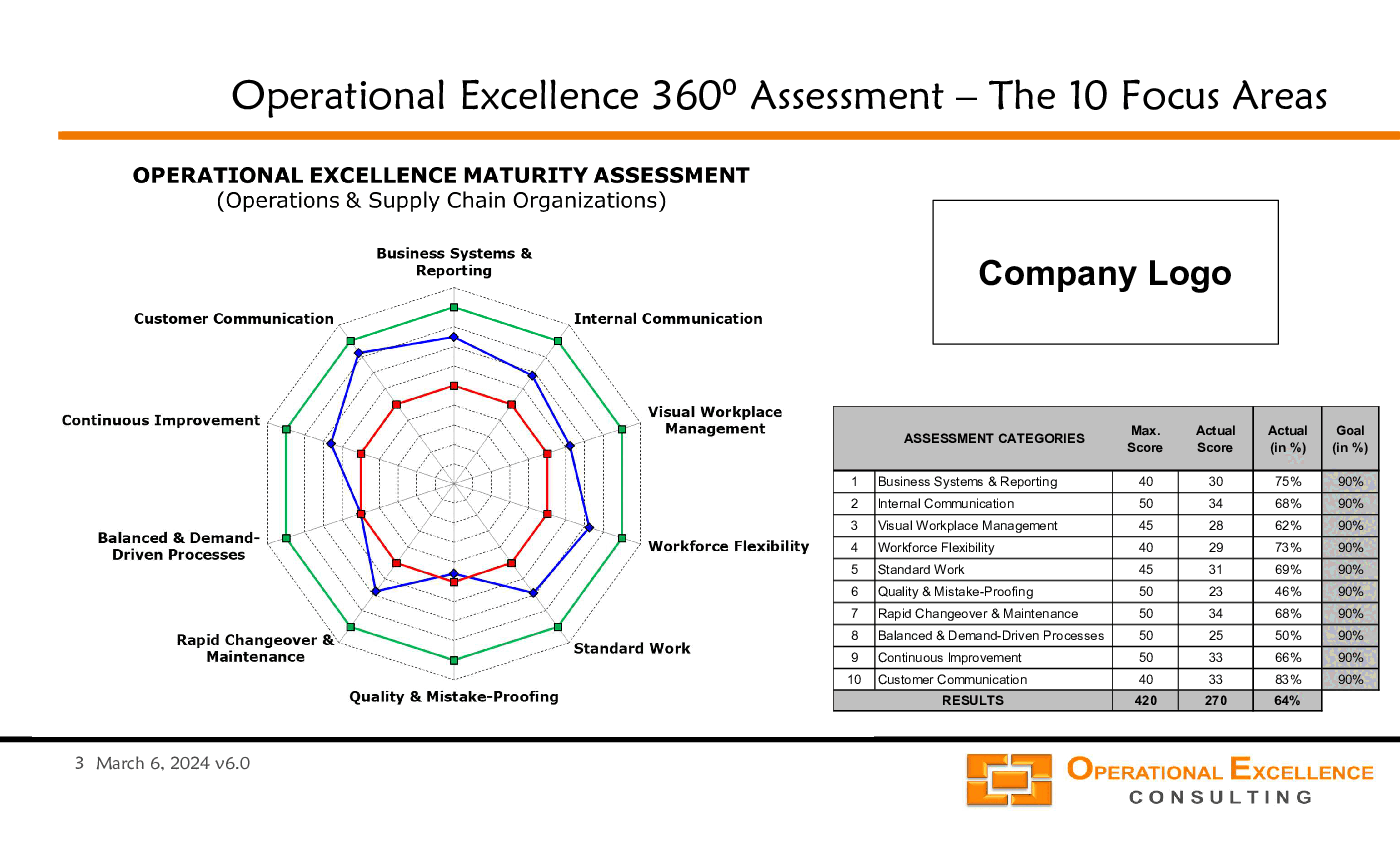
• Assessment Categories - Ten focus areas including Business Systems & Reporting, Internal Communication, and Quality & Mistake-Proofing, each evaluated for effectiveness and opportunities for improvement.
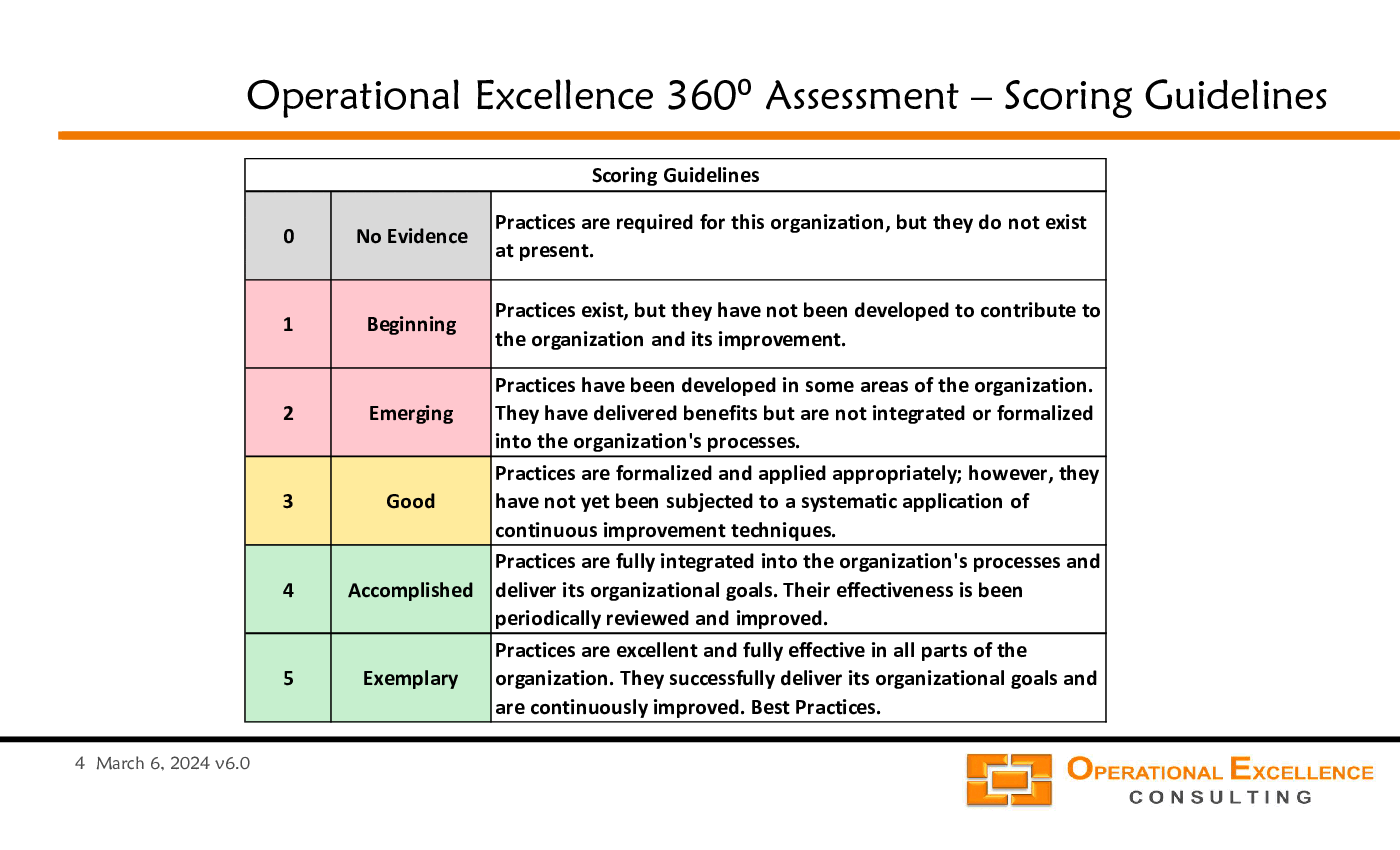
• Scoring Guidelines - A five-level scoring system to assess the maturity of practices from "No Evidence" to "Exemplary," facilitating targeted improvement efforts.
• Key Findings - Insights drawn from the assessment results that highlight organizational strengths and areas needing attention.
• Opportunities for Improvement - Specific recommendations for enhancing operational practices based on assessment scores.
• Effort & Benefit Matrix - A visual tool to prioritize improvement initiatives based on their potential impact and required effort.
Deliverables, Templates, and Tools
• Operational Excellence 360⁰ Assessment Questionnaire template for evaluating current practices
• Scoring framework to assess maturity levels across operational focus areas
• Visual management tools for tracking performance metrics and improvement initiatives
• Communication templates for sharing assessment results and action plans with stakeholders
• Continuous improvement planning templates to facilitate structured enhancement efforts
Slide Highlights
• Overview of Operational Excellence and its 4 building blocks
• Detailed scoring guidelines illustrating the assessment framework
• Radar chart visualizing performance across the ten focus areas
• Effort & Benefit Matrix for prioritizing improvement initiatives
• Next Steps slide outlining actionable recommendations post-assessment
Potential Workshop Agenda
Operational Excellence Overview Session (60 minutes)
• Introduce the concept of Operational Excellence and its importance
• Discuss the 4 building blocks and their interdependencies
• Review the assessment process and scoring guidelines
Assessment Findings Review (90 minutes)
• Present key findings from the assessment results
• Identify strengths and areas for improvement
• Facilitate discussion on prioritizing improvement initiatives
Action Planning Workshop (120 minutes)
• Develop actionable plans based on assessment insights
• Assign responsibilities and establish timelines for implementation
• Create a communication strategy to share results with the organization
Customization Guidance
• Tailor the assessment questionnaire to reflect specific organizational goals and objectives
• Adjust scoring criteria based on industry benchmarks and best practices
• Incorporate company-specific terminology and metrics for clarity and relevance
• Modify visual management tools to align with existing reporting formats
Secondary Topics Covered
• Change Management principles related to operational excellence
• Best practices for fostering a culture of continuous improvement
• Techniques for effective internal communication and stakeholder engagement
• Strategies for enhancing workforce flexibility and cross-training
FAQ
What is the purpose of the Operational Excellence 360⁰ Assessment?
The assessment aims to evaluate and enhance organizational performance across key operational areas, providing a structured approach to identify strengths and improvement opportunities.
How is the scoring system structured?
The scoring system ranges from 0 (No Evidence) to 5 (Exemplary), allowing organizations to assess the maturity of their practices and prioritize areas for improvement.
What are the ten focus areas assessed?
The assessment covers Business Systems & Reporting, Internal Communication, Visual Workplace Management, Workforce Flexibility, Standard Work, Quality & Mistake-Proofing, Rapid Changeover & Maintenance, Balanced & Demand-Driven Processes, Continuous Improvement, and Customer Communication.
How can organizations use the assessment results?
Organizations can leverage the results to develop targeted improvement plans, align operational strategies with business goals, and foster a culture of continuous improvement.
What is the Effort & Benefit Matrix?
The Effort & Benefit Matrix is a visual tool that helps prioritize improvement initiatives based on their potential impact and the effort required for implementation.
Who should participate in the assessment process?
Key stakeholders from various departments, including operations, quality assurance, and management, should be involved to ensure a comprehensive evaluation.
How often should the assessment be conducted?
Regular assessments are recommended, ideally on an annual basis, to track progress and adapt strategies as needed.
What are the next steps after completing the assessment?
Organizations should review the findings, develop action plans, and communicate results to stakeholders to ensure alignment and commitment to improvement initiatives.
Glossary
• Operational Excellence - A philosophy that focuses on continuous improvement and efficient processes to achieve superior performance.
• Strategy Deployment - The process of aligning business strategy with execution to ensure organizational goals are met.
• Performance Management - The systematic process of measuring and managing organizational performance against strategic objectives.
• Process Excellence - The practice of optimizing business processes to enhance efficiency and effectiveness.
• High-Performance Work Teams - Teams that are empowered and equipped to achieve high levels of performance and innovation.
• Continuous Improvement - Ongoing efforts to enhance products, services, or processes through incremental improvements.
• Visual Management - Techniques that use visual signals to communicate information and enhance workplace efficiency.
• Scoring Guidelines - Criteria used to evaluate the maturity of operational practices.
• Key Performance Indicators (KPIs) - Metrics used to measure the success of an organization in achieving its objectives.
• Value Stream Mapping - A tool used to visualize and analyze the flow of materials and information in a process.
• Mistake-Proofing - Techniques designed to prevent errors in processes and improve quality.
• Change Management - The approach to transitioning individuals, teams, and organizations to a desired future state.
• Customer Communication - The processes and systems in place to engage with customers and address their needs effectively.
• Workforce Flexibility - The ability of employees to adapt to different roles and responsibilities as needed.
• Balanced Processes - Processes that are designed to meet demand without overproduction or waste.
• Effort & Benefit Matrix - A tool for prioritizing initiatives based on their required effort and potential benefits.
• Assessment Questionnaire - A structured set of questions used to evaluate operational practices.
• Standard Operating Procedures (SOPs) - Documented processes that outline how tasks should be performed.
• Total Productive Maintenance (TPM) - A maintenance approach focused on proactive and preventative maintenance to maximize equipment effectiveness.
• Hoshin Planning - A strategic planning methodology that aligns goals and objectives across an organization.
• Kaizen - A Japanese term meaning "change for better," referring to activities that continuously improve all functions.
Source: Best Practices in Operational Excellence PowerPoint Slides: Operational Excellence 360 Assessment PowerPoint (PPTX) Presentation Slide Deck, Operational Excellence Consulting LLC
|
Receive our FREE presentation on Operational Excellence
This 50-slide presentation provides a high-level introduction to the 4 Building Blocks of Operational Excellence. Achieving OpEx requires the implementation of a Business Execution System that integrates these 4 building blocks. |