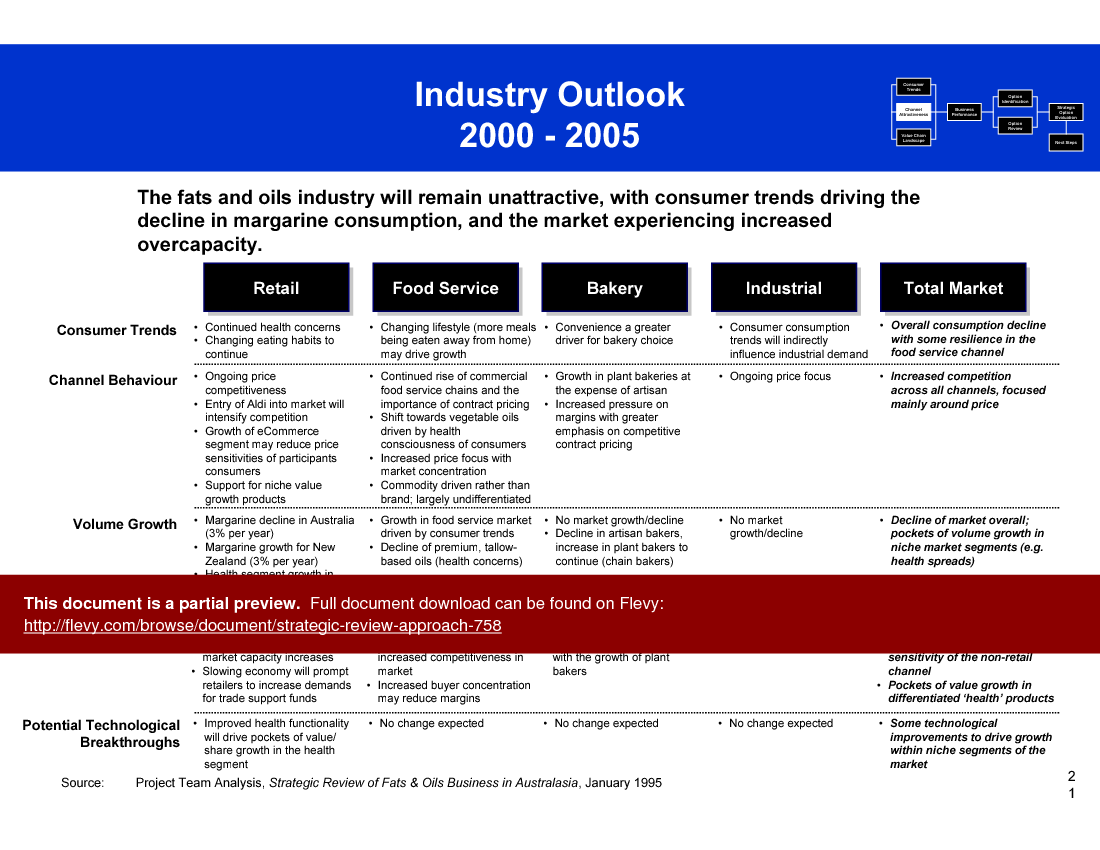

This product (Strategic Review Approach) is a 148-slide PPT PowerPoint presentation slide deck (PPT), which you can download immediately upon purchase.
This presentation sets out a strategic review approach using a global food company as an example. This strategic review incorporates the review of the environmental scan and internal scrutiny and the identification, evaluation and recommendation of future strategic options to achieve the required returns. The approach includes the following steps:
• Perform environmental and internal assessment
• Develop hypothesis
• Review business performance
• Identify strategic options
• Evaluate strategic options and identify implications
• Develop business case/business model
• Identify the way forward
Specifically, two key value drivers were identified for this business unit – product mix and value chain configuration. And 12 strategic options are evaluated based on fit with global strategic objectives, channel attractiveness, value chain landscape and business performance.
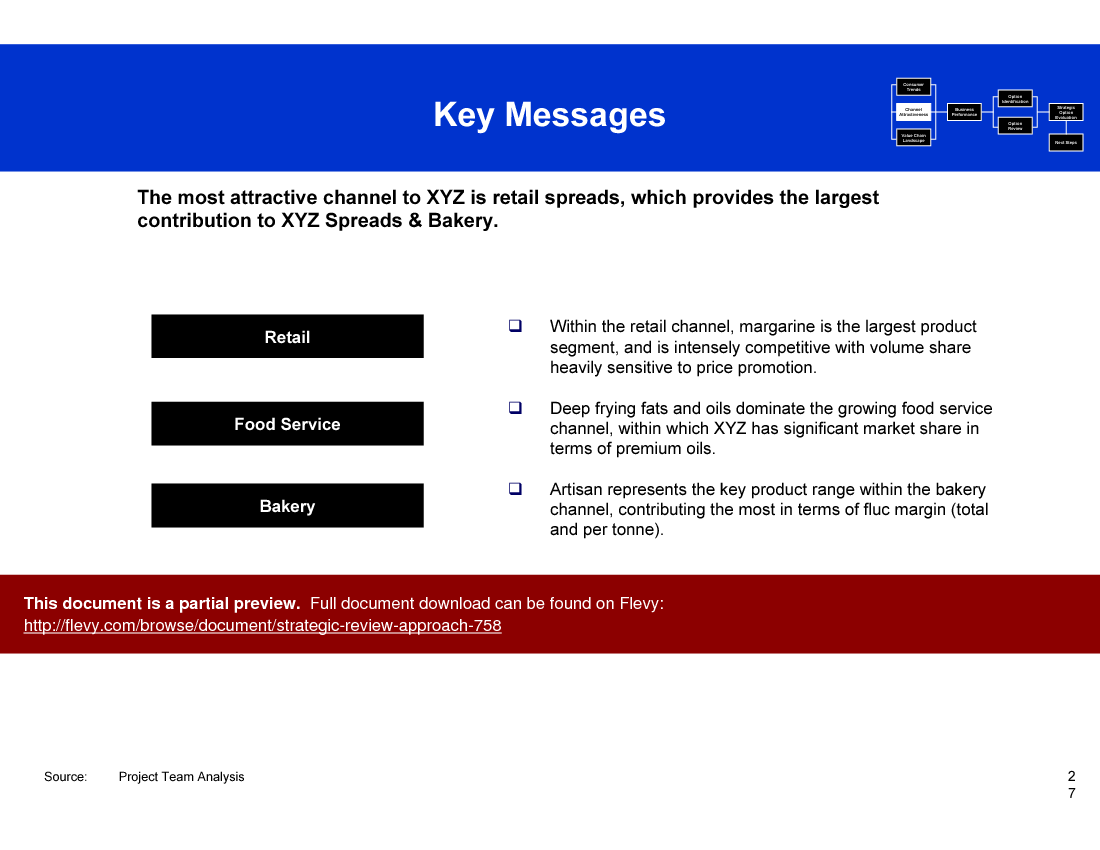
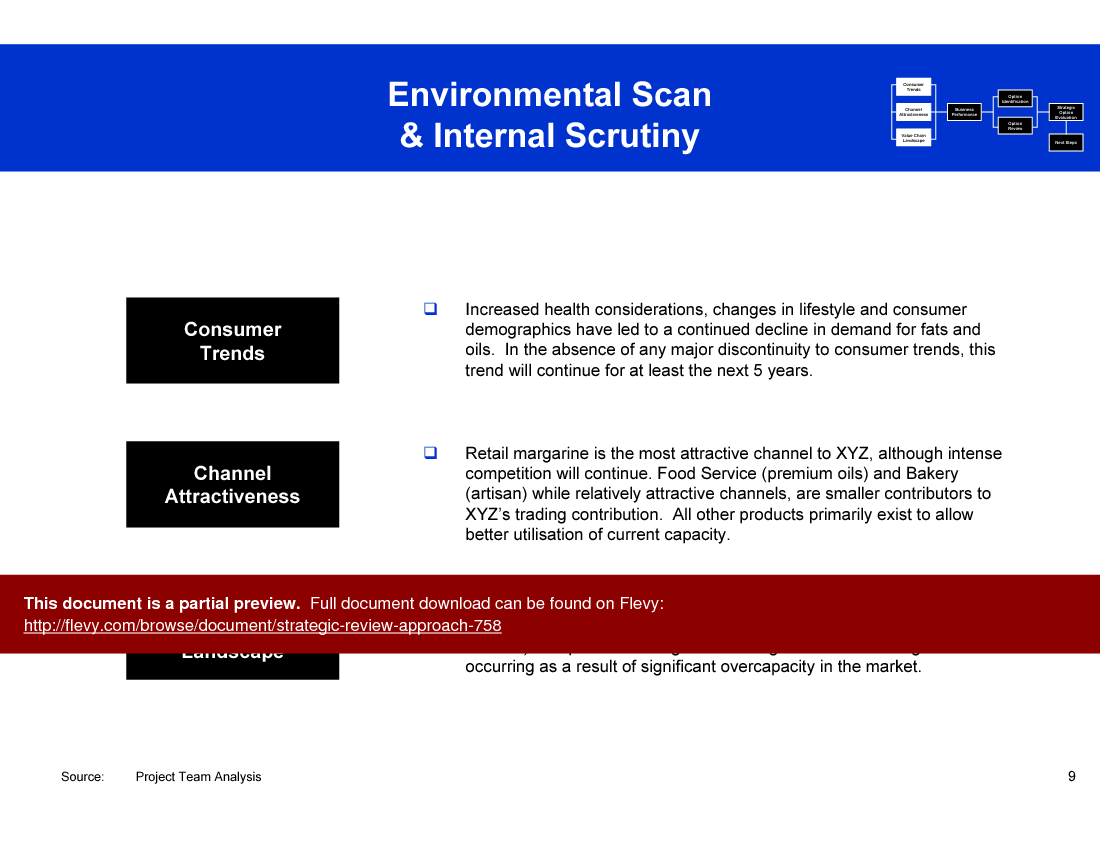
The document provides a comprehensive analysis of the current market conditions, focusing on consumer trends, channel attractiveness, and the competitive landscape. It highlights the decline in demand for fats and oils due to increased health considerations and changes in lifestyle. The document also underscores the significance of retail margarine as the most attractive channel for XYZ, despite the intense competition and price sensitivity.
The strategic review identifies several critical gaps between current performance and required targets. It suggests exploring radical options to achieve a 12% total business return (TBR). The analysis includes a detailed evaluation of 12 strategic options, considering factors like channel mix, value chain complexity, and business performance. The document emphasizes the need for validating key assumptions, understanding transition costs, and investigating additional opportunities for improvement.
The environmental scan and internal scrutiny sections provide valuable insights into consumer trends and channel behavior. The document outlines the competitive environment, with key players like Goodman Fielder and Peerless influencing market dynamics. It also discusses the potential for growth in niche segments driven by health trends and technological advancements. The strategic agenda and value chain options sections offer a roadmap for achieving business objectives and enhancing value chain integration.
Got a question about the product? Email us at support@flevy.com or ask the author directly by using the "Ask the Author a Question" form. If you cannot view the preview above this document description, go here to view the large preview instead.
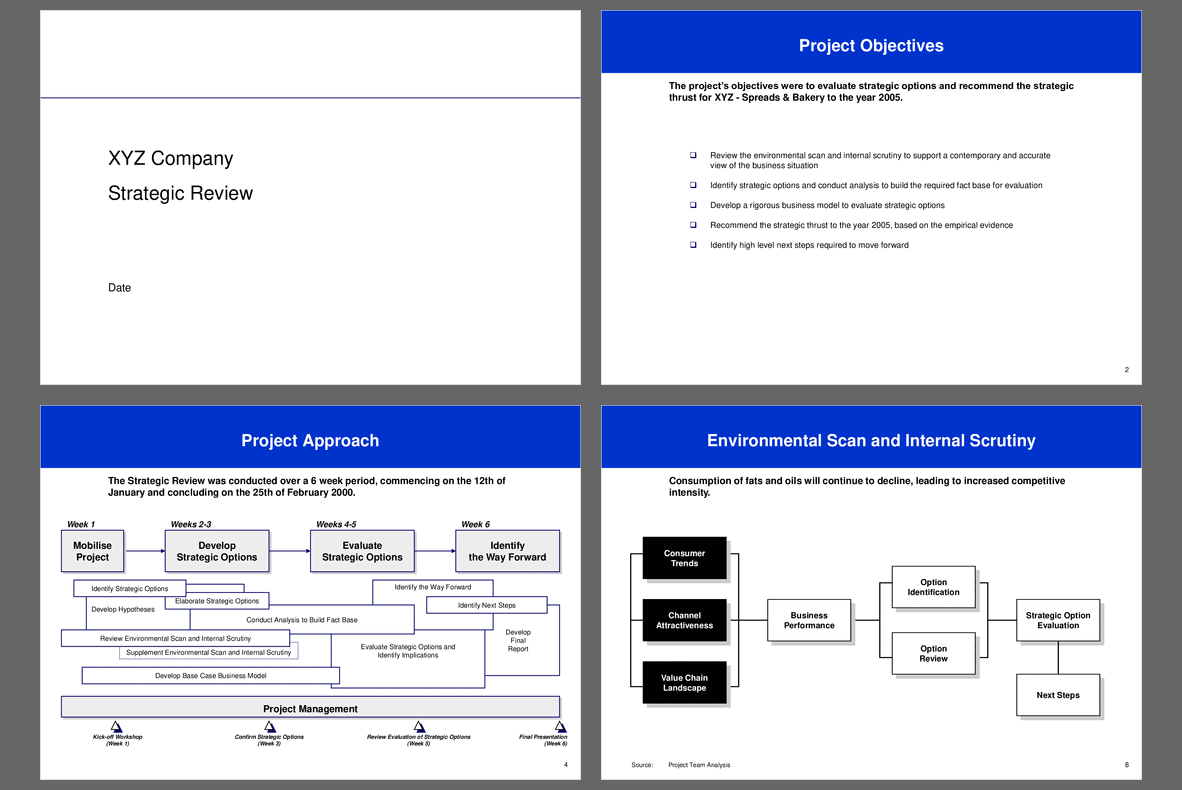
This PPT slide outlines a structured approach to a strategic review conducted over a six-week period, starting on January 12 and concluding on February 25, 2000. The process is divided into 4 main phases: Mobilize Project, Develop Strategic Options, Evaluate Strategic Options, and Identify the Way Forward.
In the first week, the focus is on mobilizing the project. This involves identifying strategic options and developing hypotheses. The second phase, spanning weeks 2 to three, emphasizes the development of these strategic options. Key activities include elaborating on the identified options, conducting an environmental scan, and internal scrutiny to ensure a thorough understanding of the context. This phase also includes the development of a base case business model, which serves as a foundational reference for subsequent analysis.
Weeks 4 and 5 are dedicated to evaluating the strategic options. This phase involves conducting a detailed analysis to build a robust fact base, which is crucial for informed decision-making. The evaluation process also includes identifying implications of the various strategic options.
Finally, in week six, the focus shifts to identifying the way forward. This includes determining next steps and developing a final report that encapsulates the findings and recommendations from the review. The slide's structure clearly delineates each phase and its associated tasks, providing a comprehensive roadmap for executing a strategic review. This approach not only ensures a systematic evaluation of options, but also facilitates alignment among stakeholders on the path forward.
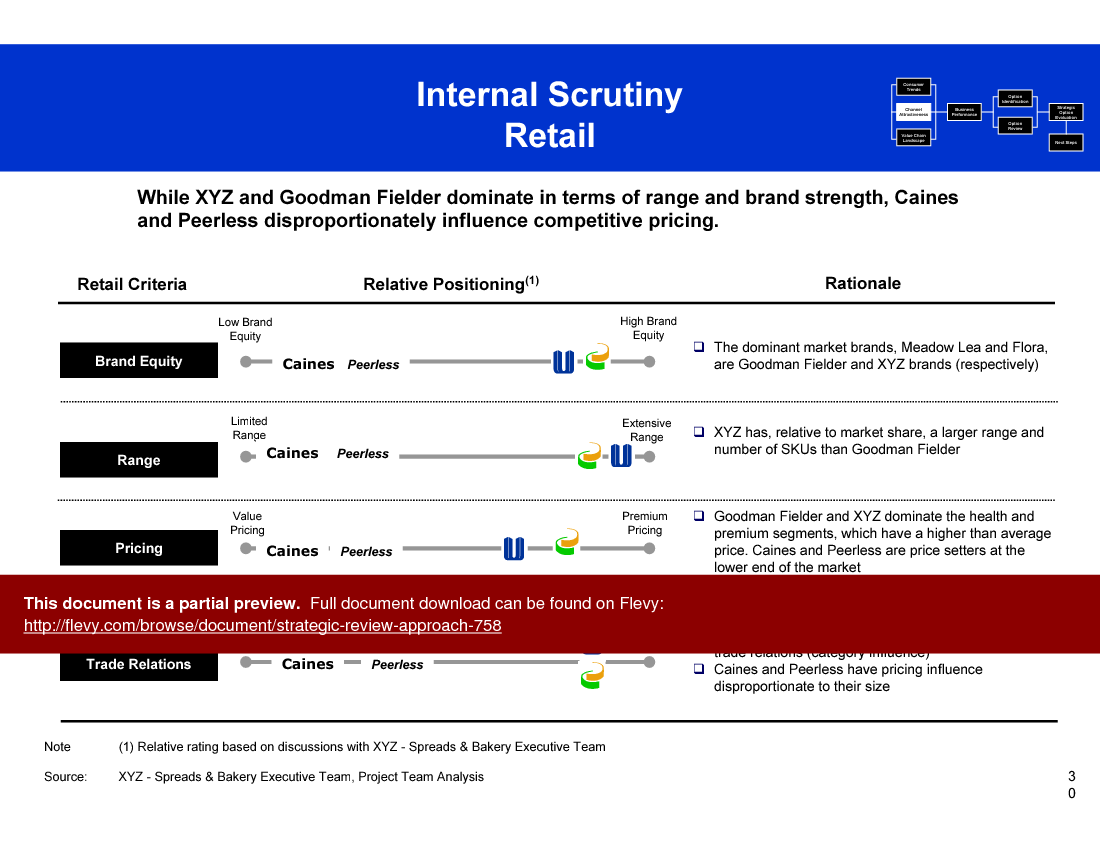
This PPT slide presents an analysis of key retail criteria affecting brand positioning within the market. It highlights the relative positioning of brands Caines, Peerless, XYZ, and Goodman Fielder across 4 critical dimensions: Brand Equity, Range, Pricing, and Trade Relations.
In terms of Brand Equity, Caines and Peerless are positioned at the lower end of the spectrum, while Goodman Fielder and XYZ dominate with higher brand recognition. This suggests that Caines and Peerless may struggle to leverage brand strength in their marketing strategies, potentially impacting consumer loyalty and market share.
The Range section indicates that XYZ has a broader selection of products compared to Goodman Fielder, which could provide XYZ with a strategic edge in meeting diverse consumer needs. However, the limited range of Caines and Peerless may hinder their ability to compete effectively in this area.
Pricing analysis reveals that Goodman Fielder and XYZ cater to the premium segment, commanding higher prices. In contrast, Caines and Peerless are positioned as value options, which could appeal to cost-sensitive consumers, but may limit profitability.
Finally, the Trade Relations criterion underscores the importance of strong partnerships. Goodman Fielder and XYZ benefit from superior trade relations, enhancing their market influence. Caines and Peerless, while less influential, still hold some pricing power that is disproportionate to their size, indicating potential for strategic pricing maneuvers.
This slide serves as a critical tool for understanding market dynamics and identifying areas for improvement in brand strategy and positioning. It provides actionable insights for stakeholders looking to enhance their competitive stance in the retail sector.
This PPT slide outlines the essential components necessary for a successful transition to a new business configuration, emphasizing the importance of leadership and communication. It highlights the need for clear direction and key performance indicators (KPIs) to facilitate this change effectively.
The Transformation Architecture Model is presented in a quadrant format, categorizing 4 critical areas: Leadership, Navigation, Enablement, and Ownership. Each area is linked to specific implications that are crucial for the transformation process.
Under Leadership, the emphasis is on establishing robust communication mechanisms. This is vital for ensuring a seamless exit from existing business units and providing clarity on the strategic direction. The implication here is that without strong leadership, the transition may face significant challenges.
Navigation focuses on project management. It stresses the importance of executing the transition within budget constraints while managing the sale of various product lines. The implication is clear: effective navigation minimizes market disruption during the transition.
Enablement addresses the need for reconfiguring brand and marketing teams. This is aimed at enhancing performance and responsiveness to market demands. The implication suggests that timely and accurate market data is essential for making informed decisions during the transition.
Ownership involves establishing specific measures and incentives to engage all stakeholders. This ensures accountability and drives results across critical areas such as customer development. The implication here is that without clear ownership, the likelihood of achieving desired outcomes diminishes.
Overall, the slide serves as a strategic guide for executives looking to navigate complex transformations in their organizations.
This PPT slide presents an evaluation summary of strategic options, focusing on their attractiveness based on net present value (NPV) and implementation complexity. The primary option highlighted is "3B Brown Field," which is identified as the most appealing choice in terms of total business return. However, it carries significant execution risks and complexity, suggesting that while the financial upside is considerable, the path to realization is fraught with challenges.
The strategic options are visually represented in a quadrant format, with NPV on the vertical axis and implementation complexity on the horizontal axis. The positioning of "3B Brown Field" indicates a high NPV of $124.8 million,, but it is also marked as complex to implement. This complexity arises from the hypothetical nature of refined oil supply and its dependence on the fluctuating sale prices of related products like frytol and artisan bakery goods.
The slide also includes other options such as "Exit," which is noted for potentially offering the best return depending on the sale price, and "Base Case," which fails to meet the established performance targets due to existing initiatives. The "2B" option is less financially attractive than "3B Brown Field," yet it shares similar risks concerning refined oil supply.
Overall, the slide effectively communicates the trade-offs between potential returns and execution challenges, providing a clear framework for decision-making. It serves as a critical tool for executives considering their strategic direction, emphasizing the need to weigh financial benefits against operational feasibility.
This PPT slide presents a structured approach to analyzing the current market dynamics and internal capabilities within the context of the fats and oils sector. It begins with a clear assertion that consumption in this category is on a decline, which is expected to intensify competitive pressures. This sets the stage for a comprehensive environmental scan.
The slide is organized into 2 main sections: the first focuses on external factors influencing the market, while the second addresses internal assessments. The external factors include "Consumer Trends," "Channel Attractiveness," and "Value Chain Landscape." These elements are crucial for understanding shifts in consumer behavior, the viability of distribution channels, and the overall framework of the supply chain. Each of these components plays a vital role in shaping strategic decisions.
The internal assessment is represented by "Business Performance," which acts as a bridge between external insights and strategic options. This section likely evaluates how well the organization is currently performing against market expectations and internal benchmarks.
Following this analysis, the slide outlines a decision-making process that includes "Option Identification," "Option Review," and "Strategic Option Evaluation." This sequence emphasizes a methodical approach to exploring potential strategies, assessing their feasibility, and determining the best course of action. The final step, "Next Steps," indicates a forward-looking perspective, suggesting that the analysis will lead to actionable recommendations.
Overall, this slide serves as a foundational tool for executives seeking to navigate the complexities of a declining market while identifying viable strategies to enhance performance and sustain growth. It encapsulates a thorough examination of both external and internal factors, paving the way for informed decision-making.
This PPT slide outlines key drivers of business value creation, focusing on elements that are primarily within XYZ's control. It emphasizes the importance of bridging the performance gap through strategic management of these drivers. The central concept is value creation, which is depicted as a process influenced by various operational and financial factors.
The first section highlights revenue as a critical driver, detailing components such as market growth, market share, volume, and pricing strategies. This suggests a proactive approach to enhancing revenue streams, indicating that these factors can be manipulated to achieve better outcomes.
Costs are presented as a counterbalance to revenue, with specific categories outlined, including production costs, sales force costs, and trade and marketing expenses. This duality of revenue and costs illustrates the need for a balanced strategy that maximizes revenue while controlling expenses.
The slide further breaks down the financing aspect, mentioning finance charges and net assets. This indicates that effective management of financial resources is crucial for sustaining value creation. The inclusion of WABCC (Weighted Average Cost of Capital) suggests a focus on optimizing capital structure to enhance returns.
Fixed assets and working capital are also addressed, with management strategies highlighted for both areas. The emphasis on inventory, debtor, and creditor management under working capital indicates a comprehensive approach to operational efficiency.
The degree of control over each driver is visually represented, allowing for quick assessment of which areas offer the most leverage. The performance impact is categorized into trading contribution and total business return, providing a clear framework for evaluating the effectiveness of various strategies. This slide serves as a roadmap for executives aiming to enhance performance through targeted management of controllable factors.
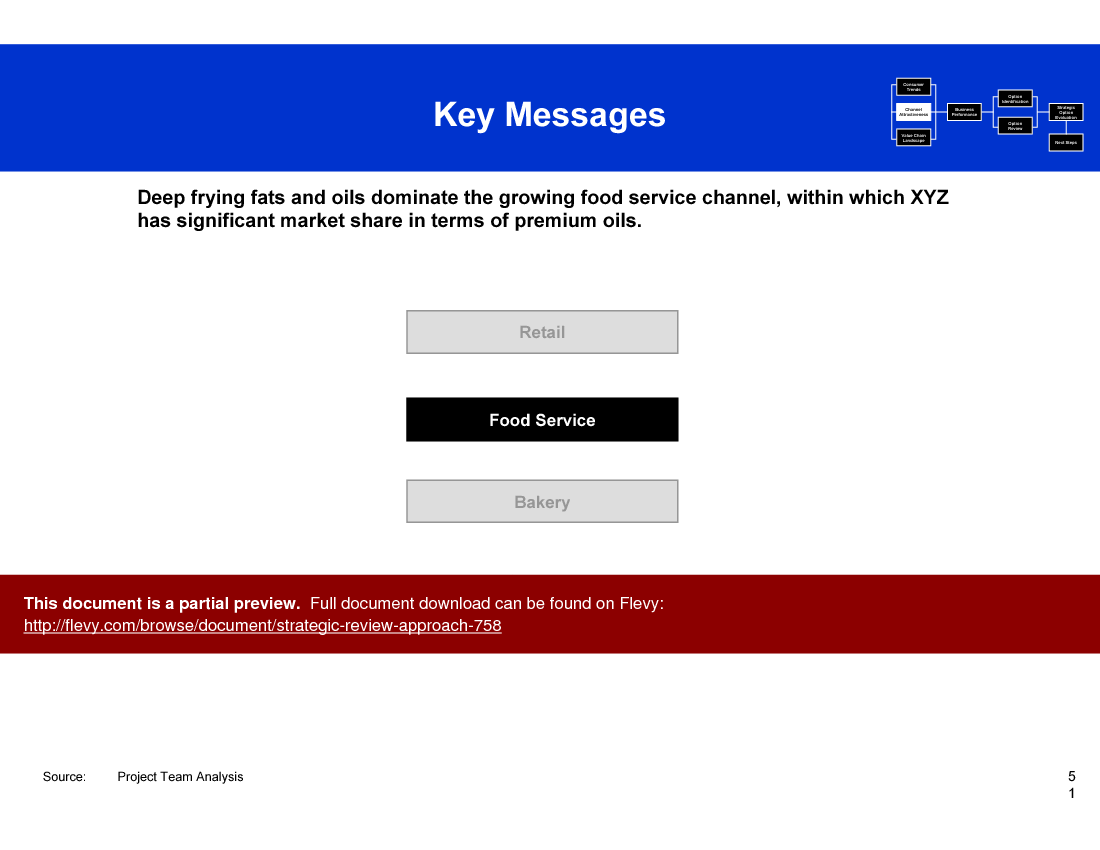
This PPT slide presents a structured overview of the fats and oils market, highlighting its segmentation into 4 primary channels: Retail, Food Service, Bakery, and Industrial. Each channel is associated with specific product categories and key market players, providing a clear framework for understanding the competitive dynamics within this sector.
In the Retail channel, products include margarine, copha, shortening,, butter, blends, and oils. This segment appears to have a diverse range of offerings, indicating a broad consumer base with varying preferences. The Food Service channel features premium oils, standard oils, culinary spreads, and portion control products, suggesting a focus on quality and convenience for commercial operations. The Bakery segment is centered on bakery fats and oils, which are essential for various baked goods, while the Industrial channel is more straightforward, focusing solely on industrial fats and oils.
Market players are listed under each product category, showcasing key competitors like XYZ, Goodman Fielder, and Peerless. This information is crucial for stakeholders looking to assess their positioning and identify potential partnerships or threats. The slide effectively communicates the complexity of the market, emphasizing that retail has the largest number of competitors, which could imply a more fragmented landscape compared to other channels.
Overall, this slide serves as a foundational reference for understanding the fats and oils market, offering insights into product offerings and competitive players. It can guide strategic decisions for companies looking to enter or expand within this market.
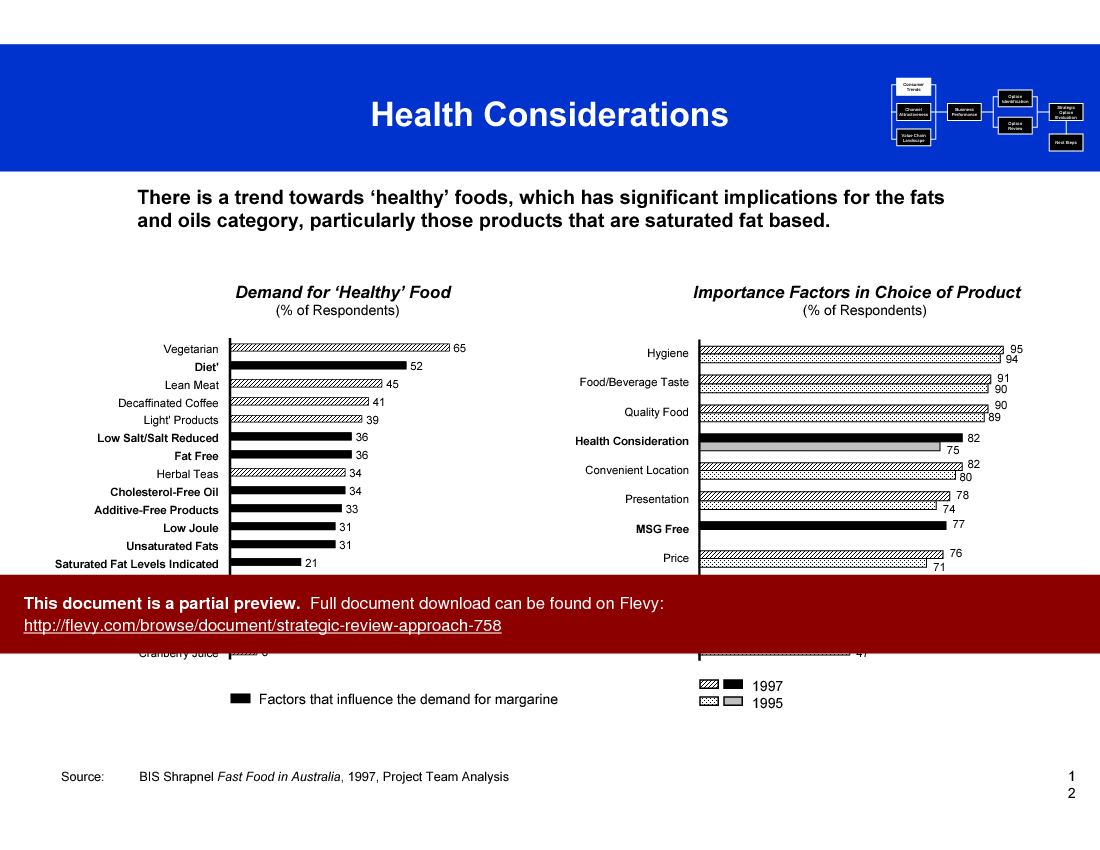
This PPT slide presents a clear overview of the growing consumer demand for "healthy" food options, particularly within the fats and oils category. The left side illustrates the percentage of respondents indicating their preference for various healthy food types. Notably, vegetarian diets lead the list at 65%, followed by diets emphasizing low salt/salt reduction and fat-free options, each at 36%. This data suggests a significant shift in consumer behavior towards healthier eating habits, which is crucial for companies in the food industry to consider when developing their product lines.
On the right side, the slide details the importance factors influencing product choice among consumers. Hygiene tops the list at 95%, indicating that cleanliness is paramount in consumer decision-making. Other critical factors include taste, quality, and health considerations, all hovering around 90%. The emphasis on health considerations at 82% reinforces the trend towards healthier products, suggesting that companies must prioritize these attributes in their offerings.
The data also highlights the importance of convenience and presentation, both rated above 75%. This indicates that while health is a priority, consumers also value the overall experience of purchasing and consuming food products. The presence of factors like "No Additives/Preservatives" and "Tick of NHF" further emphasizes the demand for transparency and quality in food products.
Overall, this slide serves as a vital resource for understanding consumer preferences and the critical elements that influence purchasing decisions in the healthy food segment. Companies must adapt their strategies accordingly to meet these evolving consumer expectations.
This PPT slide presents an analysis of key suppliers in the food industry, focusing on their potential for vertical integration within the value chain. Each supplier is evaluated based on their likelihood of integrating across various stages: sourcing, making, moving, and selling. The likelihood of value chain integration is rated on a scale from 1 to 9, with 9 indicating a strong potential.
Cargill Foods, Kerry, and Gardner Smith are highlighted as key suppliers, each receiving a score of 9 for their likelihood of integration. This suggests that they possess significant capabilities in sourcing and processing raw materials. For instance, Cargill Foods is noted for its extensive global sourcing and trading capabilities, alongside its expertise in commodity storage and risk management. Kerry also demonstrates strong sourcing capabilities, particularly in tropical oils, while Gardner Smith is recognized for its role as a trader and seed crusher.
The slide further details the suppliers’ potential movements within the value chain. Both Cargill and Kerry could expand into refining oils, with Cargill already engaged in this process in the U.S. and Australia. However, all 3 suppliers are deemed unlikely to move into the distribution of fats and oils products, indicating a strategic focus on their core competencies rather than diversifying into less familiar areas.
The insights provided in this slide are crucial for stakeholders considering partnerships or investments in these suppliers. Understanding the strengths and limitations of each supplier can inform strategic decisions and align with broader business objectives.
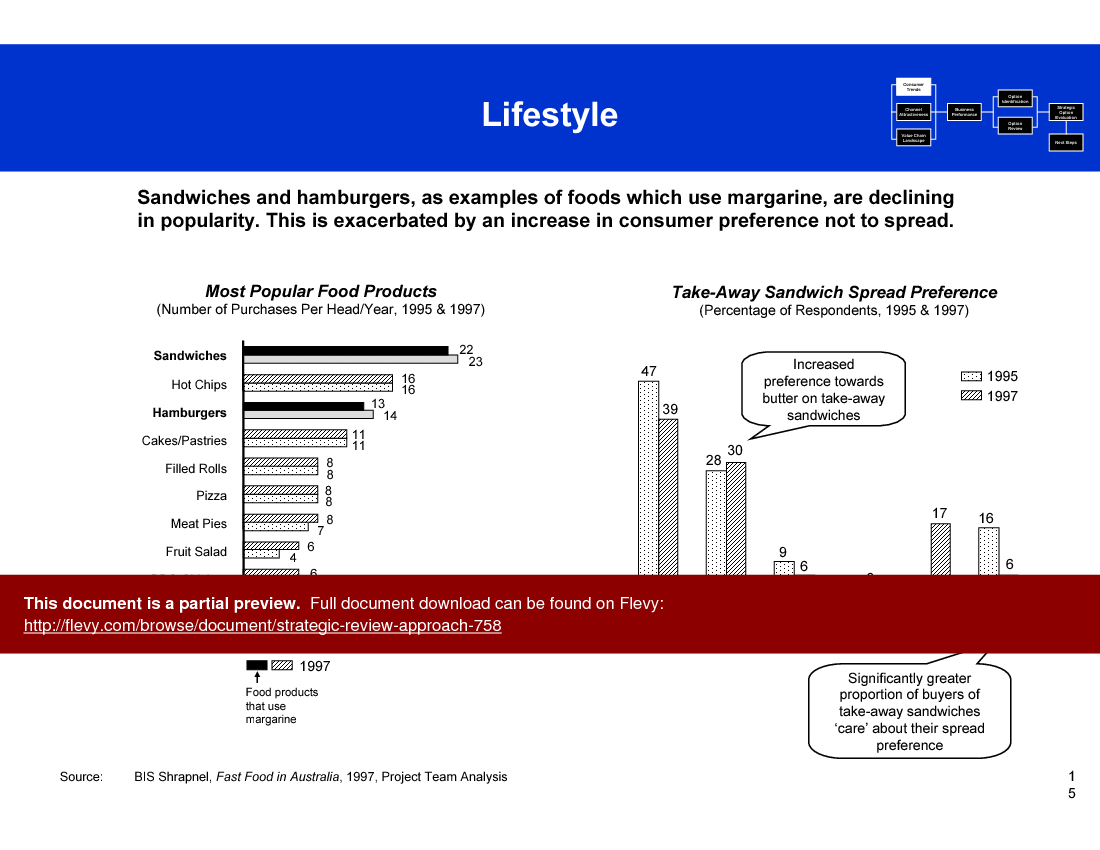
This PPT slide presents a comparative analysis of food consumption trends from 1995 to 1997, focusing on sandwiches and hamburgers, which are highlighted as declining in popularity. The left side of the slide features a bar chart illustrating the most popular food products, ranked by the number of purchases per head per year. Sandwiches lead the chart in 1997 with 23 purchases,, but this represents a slight increase from 22 in 1995. In contrast, hamburgers show a decrease from 14 to 13 purchases, indicating a shift in consumer preferences.
The right side of the slide provides insights into consumer spread preferences for takeaway sandwiches. A significant trend is noted: the preference for, butter has increased from 39% in 1995 to 47% in 1997, while the preference for margarine has decreased from 30% to 28%. This shift suggests a growing consumer inclination towards more traditional spreads, moving away from margarine. Other spread options, such as "Don't Buy" and "No Spread," remain relatively stable, indicating that a portion of consumers is opting for minimal or no spreads at all.
The data implies that the decline in sandwiches and hamburgers may be linked to changing consumer attitudes towards food quality and health, particularly regarding the types of spreads used. For stakeholders in the food industry, these insights could inform product development and marketing strategies aimed at aligning with evolving consumer preferences. Understanding these trends is crucial for making informed decisions that cater to the market's shifting demands.
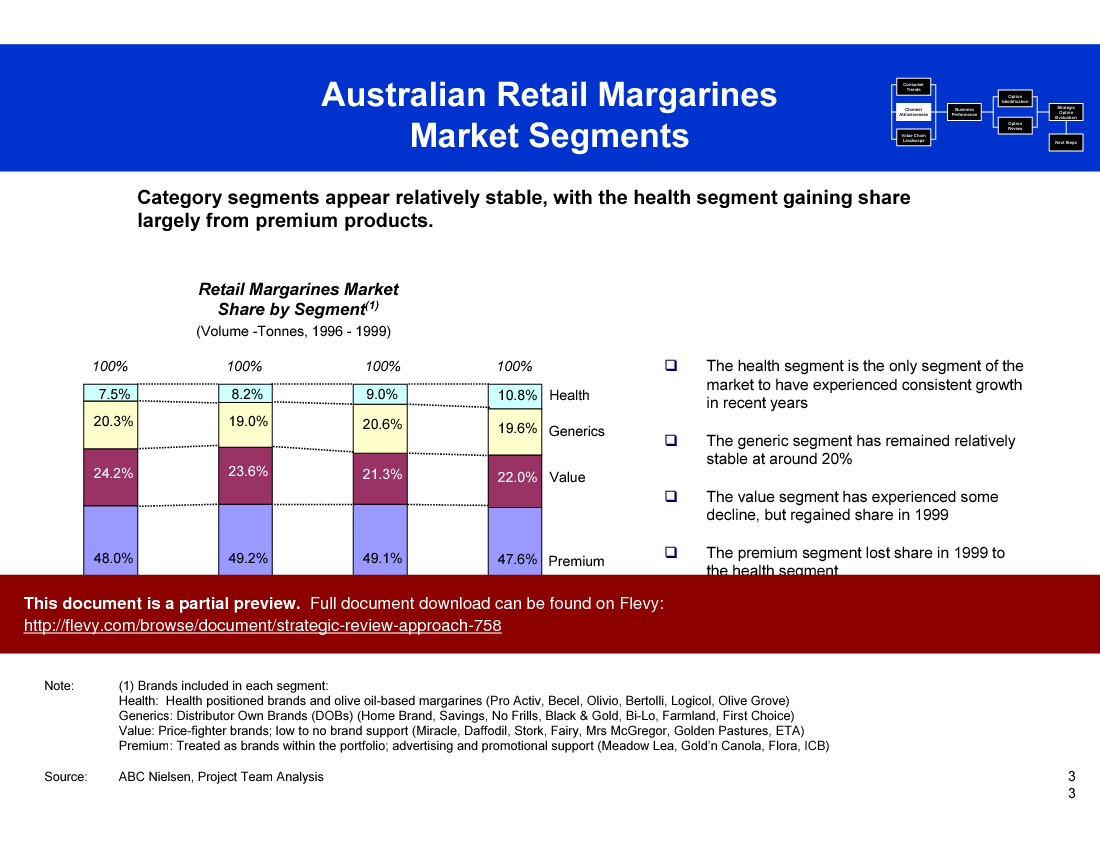
This PPT slide presents an analysis of the Australian retail margarine market, focusing on the brand portfolio of 2 key players: XYZ and Goodman Fielder. It categorizes the market into 4 segments: Health, Premium, Value, and Generic, detailing the share of each company's portfolio within these segments.
XYZ's portfolio shows a significant emphasis on the Premium segment, holding 55% of its total portfolio share. This suggests a strategic focus on higher-value products, which may cater to consumers seeking quality. The Health segment accounts for 8%, indicating a smaller, but still relevant presence in health-oriented products. The Value segment is noteworthy, as XYZ captures 29% of its portfolio here, suggesting a robust strategy to appeal to cost-conscious consumers.
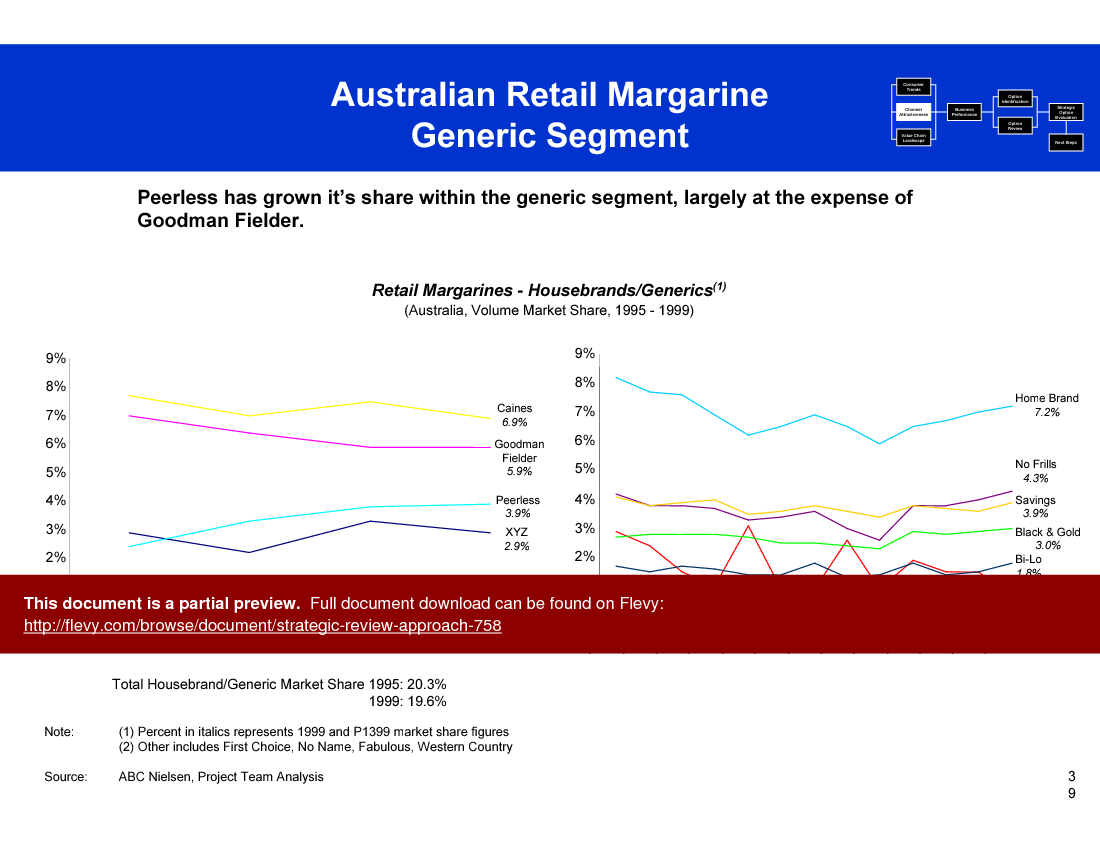
In contrast, Goodman Fielder’s Premium segment dominates with 64% of its portfolio, reflecting a strong alignment with premium offerings. The Value segment for Goodman Fielder is considerably lower at 17%, which may imply a gap in catering to budget-sensitive customers compared to XYZ. The Generic segment shows both companies with modest shares,, but Goodman Fielder leads with 13% compared to XYZ's 8%.
The total market share for XYZ stands at 35.6%, while Goodman Fielder captures 45.6%. This data indicates that while XYZ has a strong presence in the value segment, Goodman Fielder’s overall strategy leans heavily towards premium products. Understanding these dynamics can help stakeholders identify potential areas for growth or investment, particularly in segments where one company significantly outperforms the other.
This PPT slide presents a framework for evaluating 3 strategic options within a matrix format, focusing on the channel mix and product offerings. The vertical axis represents the channel mix, ranging from low to high, while the horizontal axis categorizes options labeled A, B, and C. Each cell in the matrix corresponds to a specific strategic option, with the highlighted cells indicating the most attractive choices identified during the option review process.
The descriptions on the right detail the strategic options. Option 2B involves producing spreads and premium oil products at a specific site, utilizing refined oils sourced from third-party suppliers. This option suggests potential partnerships with existing industry players, hinting at a collaborative approach to leverage existing capabilities. Option 3B, labeled "Brown Field," focuses on retail spreads, emphasizing the use of alternate manufacturing sites and existing assets. It notes that transition costs have not been factored into this option, which may imply a need for further financial analysis.
The slide also includes an "Exit" option, indicating a potential divestiture of the spreads and bakery business based on current performance metrics. This option suggests a strategic pivot, allowing the company to reallocate resources or focus on more profitable ventures.
Overall, this slide provides a structured overview of strategic choices, highlighting both operational considerations and potential market partnerships. It serves as a decision-making tool for executives looking to assess the viability of various paths forward in the food industry. The clarity of the matrix format aids in visualizing the trade-offs associated with each option, making it a valuable resource for strategic planning.
This PPT slide presents a detailed analysis of the price positioning of margarine products in the Australian retail market as of 1999. It categorizes the margarine offerings into distinct segments based on their price and the range of benefit claims. The x-axis indicates the retail price per 500 grams, while the y-axis displays the range of benefit claims, suggesting a correlation between price and perceived value.
The chart highlights 4 primary segments: Health, Premium, Value, and Generic. Each segment is represented by a bubble, with the size of the bubble reflecting the market share of that category. The Health segment, accounting for 10.8% of the market, has a higher average price of $2.38, indicating that consumers are willing to pay more for health-oriented products. The Premium segment, which captures 47.6% of the market, has an average price of $2.30, suggesting a strong demand for higher-quality margarine.
Value and Generic segments show lower price points, with Value at $1.30 and Generic at $1.27, representing 22.0% and 19.6% of the market, respectively. This indicates a significant portion of consumers prioritizing cost over premium features. The chart also notes various brands within each segment, providing insight into brand positioning and competition.
Overall, the slide effectively illustrates the price dynamics and market segmentation within the margarine category, offering valuable insights for stakeholders looking to understand pricing strategies and consumer preferences in the Australian market. The data can inform strategic decisions regarding product development, marketing, and pricing adjustments.
This PPT slide presents a financial performance overview of the margarine market in Australia from 1996 to 1999, focusing on the Net Promoter Score (NPS) for XYZ's products. Despite a general decline in the margarine sector, XYZ has managed to enhance its NPS, indicating a positive shift in consumer perception. The left side of the slide features a bar chart that illustrates the NPS figures for Retail Australia across the specified years. The NPS values show a gradual improvement, rising from 74.4 in 1996 to 78.2 in 1999, suggesting effective strategies in engaging customers.
The chart also breaks down the NPS into components, highlighting the contributions from different product lines. The figures for Copha and Retail Oils are presented alongside Retail Margarine, indicating that while margarine sales may be declining, other product lines are performing well. The right side of the slide contains a line graph that tracks the NPS per tonne for various products over the same period. This visual representation underscores the growth trajectory of Copha and Oils, contrasting with the stagnation in margarine.
The overall message is clear: XYZ is successfully navigating a challenging market by leveraging consumer trends towards premium products like Pro Activ. This strategic pivot has not only improved customer loyalty, but also positioned the company favorably within the broader retail landscape. The data suggests that even in declining markets, there are opportunities for growth through innovation and consumer engagement.
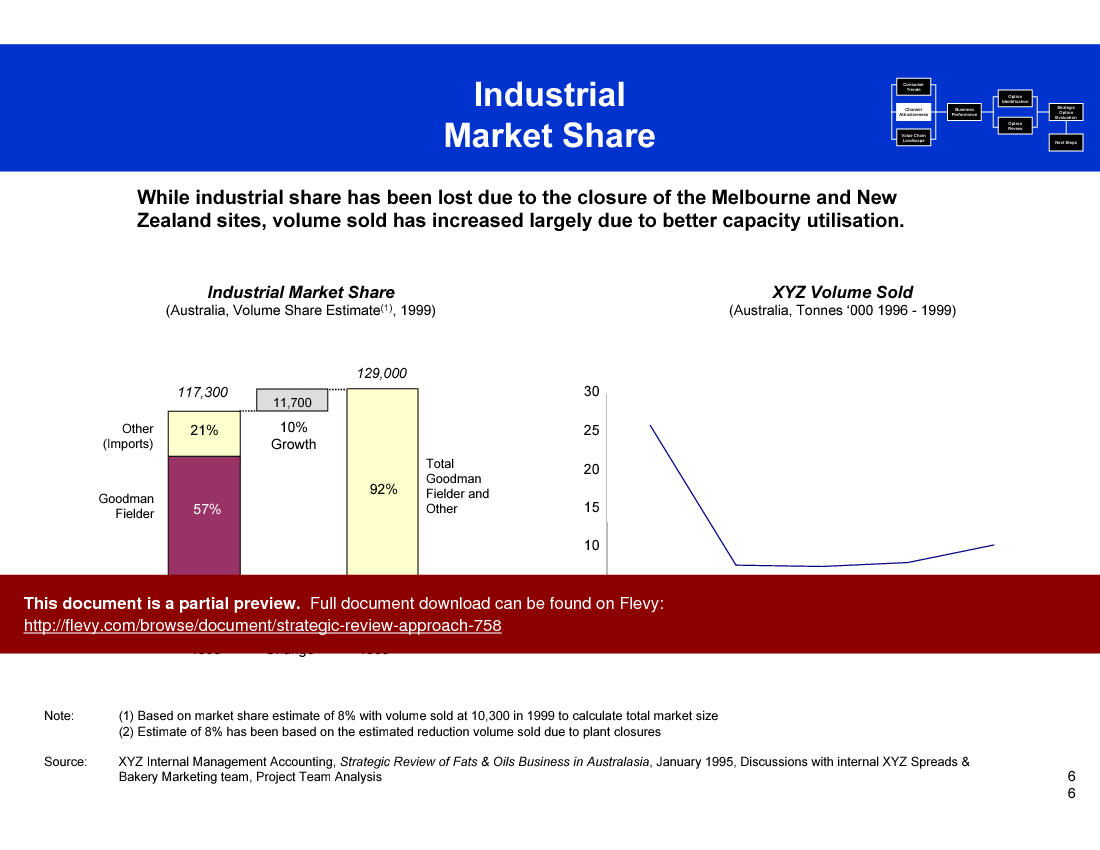
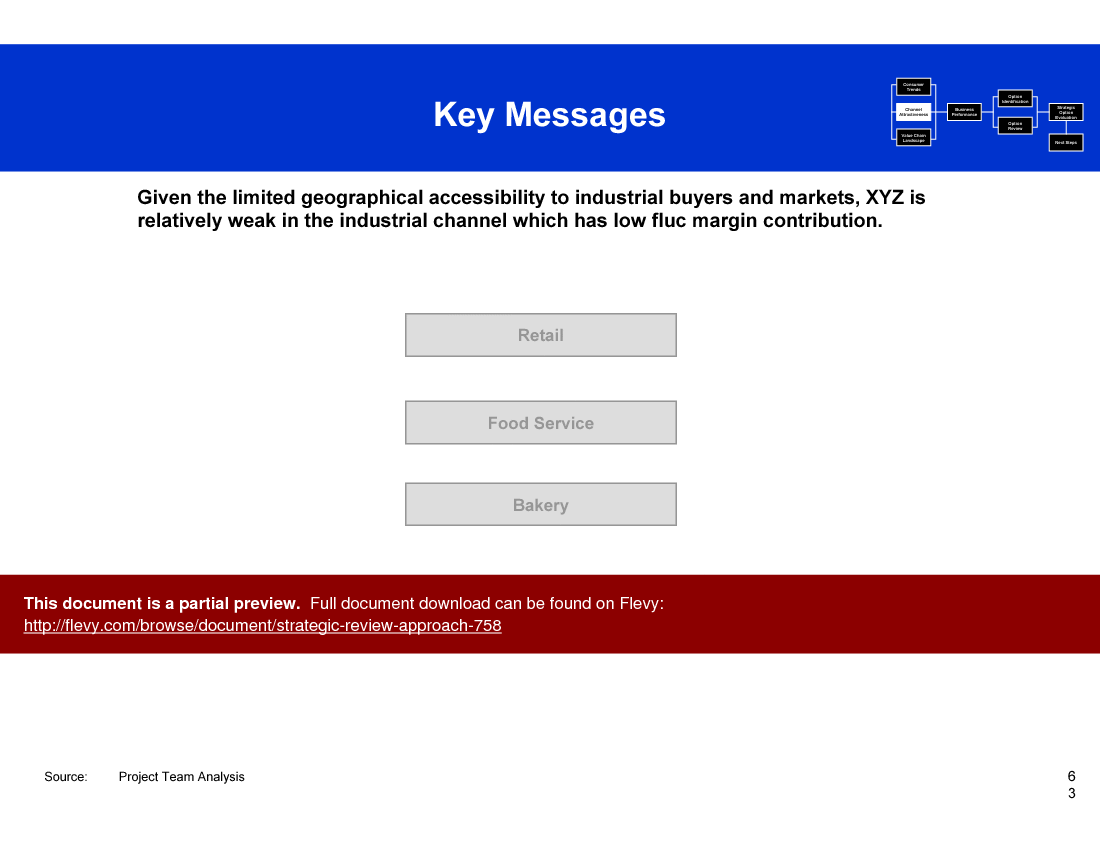
This PPT slide outlines critical characteristics of the industrial channel in Australia, emphasizing geographical factors affecting market dynamics. It highlights that the industrial sector is primarily price-driven, which is a crucial insight for stakeholders looking to navigate this space. Goodman Fielder emerges as a dominant player due to its extensive refining network, suggesting that companies must consider partnerships or competitive strategies to contend with such established entities.
XYZ's geographic presence is noted to have diminished, particularly with factory closures in Melbourne and New Zealand. This shift indicates potential vulnerabilities in XYZ's operational strategy, which could be a concern for investors or partners assessing long-term viability. The mention of transport costs further complicates XYZ's position, making it less competitive against Goodman Fielder, especially outside New South Wales. This aspect underscores the importance of logistical efficiency in maintaining market presence.
The slide also points out that XYZ has lost contracts not just in distant markets, but also within Sydney, indicating a broader issue with pricing strategy or market positioning. This could serve as a warning for other players in the sector to reassess their pricing models in light of competitive pressures.
Goodman Fielder's strategic decision to dedicate its Mascot site to industrial fats and oils signals a potential shift in market focus, which could impact supply dynamics. The competition from Malaysian imports adds another layer of complexity, suggesting that local players must be aware of international influences on pricing and availability. Overall, this slide provides a comprehensive view of the industrial channel's current state, highlighting areas for strategic focus and potential risk management.
This PPT slide presents a structured overview of the value chain specific to the Edible Fats and Oils sector. It categorizes the various elements and participants involved in the production and distribution process. The value chain is segmented into 4 primary areas: Source, Make, Move, and Sell.
In the Source phase, raw materials are identified as the foundational inputs necessary for production. The Make phase further breaks down into refining and finishing processes, indicating the transformation of raw materials into purchase goods. This highlights the importance of operational efficiency in converting inputs into market-ready products.
The Move section emphasizes the distribution aspect, showcasing how products are warehoused and transported to various market channels. This is crucial for ensuring that goods reach consumers in a timely manner, which can significantly impact customer satisfaction and sales performance.
The Sell phase outlines the market dynamics, where products are offered to consumers. It lists various participants in this value chain, including notable companies like Cargill, Kerry, and others. These participants are categorized under different functions, demonstrating the interconnectedness of roles from sourcing to selling.
The slide also features a consumer-centric approach, indicating that the ultimate goal of the value chain is to meet consumer demands. This perspective is essential for any organization looking to optimize its operations and enhance its market position.
Overall, this slide serves as a comprehensive guide for stakeholders to understand the intricate relationships and processes involved in the Edible Fats and Oils value chain, providing insights into potential areas for improvement and strategic focus.
This PPT slide presents an evaluation of various operational options for a retail spreads business, focusing on a shared XYZ site. It categorizes options based on several criteria: Strategic Objectives, Channel Attractiveness, Value Chain Integration, Business Performance, Average Total Contribution (TC), and Target Business Return (TBR).
The Base Case serves as a benchmark with scores of 5 across most categories, indicating a solid foundation for comparison. Option A, which includes "Spreads, Premium Oils & Artisan Bakery," shows a strong alignment with Strategic Objectives, but falls short in Channel Attractiveness and TBR, suggesting potential limitations in market reach and profitability.
Refine & Finish, another option, maintains a balanced score in Strategic Objectives and Channel Attractiveness, but shows a slight decline in Business Performance metrics. This indicates that while the option is strategically sound, it may not yield the desired financial outcomes.
Option B presents a mixed bag. It has a positive Trading Contribution, but a lower TBR compared to the Base Case, highlighting a trade-off between immediate returns and long-term viability. The comments section emphasizes that this option maximizes business performance measures, but does not meet financial targets, raising questions about its sustainability.
Option C, which includes "Purchase Finished Goods," is noted as unviable based on preliminary financial analysis. This suggests that while it may align with some strategic goals, it lacks the necessary financial metrics to be considered a viable path forward.
Overall, the slide provides a structured overview of potential operational models, allowing decision-makers to weigh the pros and cons of each option against strategic goals and financial expectations.
This PPT slide outlines Strategic Option 2B, focusing on the purchasing and finishing of refined materials specifically for the retail spreads and premium oils sectors within the food service market. It is divided into 2 main sections: the channel distribution and the value chain process.
On the left, the "Channel - Retail Spreads and Premium Oils" section categorizes various market segments, including Retail, Food Service, Bakery, and Industrial. Each segment is further divided into specific product types, such as Premium Oils and Spreads, indicating a structured approach to market segmentation. This segmentation suggests a targeted strategy to cater to distinct customer needs across different channels.
The right side of the slide presents the "Value Chain - Finish and Sell" framework. This outlines the operational steps from sourcing raw materials to selling finished products. The process includes sourcing, making, moving, and selling, emphasizing a comprehensive view of the value chain. Each stage is crucial for ensuring efficiency and effectiveness in delivering products to the market.
The rationale section highlights key strategic benefits. It notes the alignment with a broader agenda to simplify operations while focusing on core competencies. The slide points out XYZ's strong market position in retail spreads, being the second-largest player in Australia and New Zealand. Additionally, it emphasizes the significant market share in premium oils, indicating a robust foundation for growth.
Overall, the content suggests a strategic realignment aimed at reducing costs and enhancing operational efficiency. The focus on variable costs and leveraging market strengths positions XYZ to adapt to market dynamics effectively. This approach could be appealing for stakeholders considering investment or partnership opportunities.
MARCUS DESCRIPTION
This deep dive was written by Marcus [?] based on the analysis of the full document.
Executive Summary
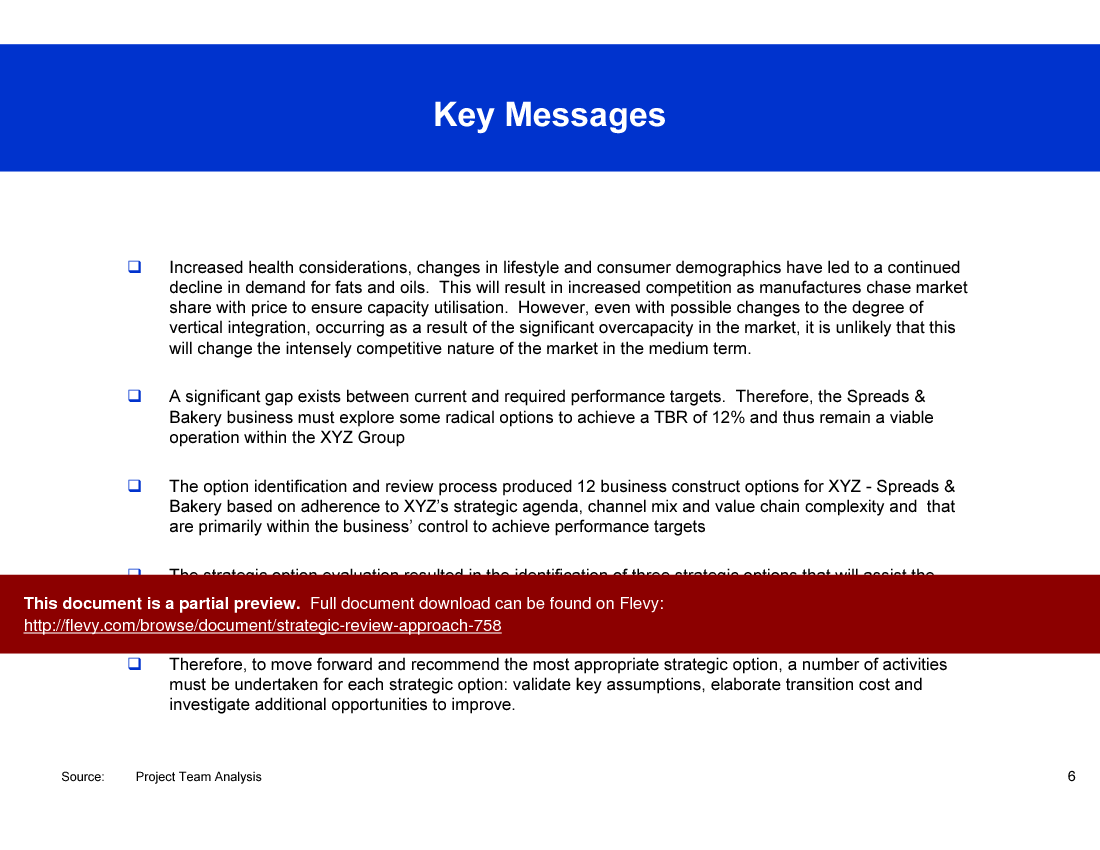
The Strategic Review for XYZ's Spreads & Bakery business unit presents a comprehensive analysis aimed at addressing the significant performance gap between the current total business return (TBR) of 4.5% and the required target of 12%. This consulting-grade presentation, crafted with the rigor expected from McKinsey, Bain, or BCG (not affiliated), outlines strategic options to enhance profitability in a challenging market characterized by declining consumption and intense competition. The review includes an environmental scan, internal scrutiny, and the evaluation of twelve strategic options, ultimately recommending a focused approach to realign operations and improve financial performance.
Who This Is For and When to Use
• Executives in the food and beverage industry seeking to enhance profitability and market share.
• Strategic planners and consultants focused on operational efficiency and market positioning.
• Financial analysts assessing business performance and investment opportunities in the food sector.
• Marketing teams aiming to understand consumer trends and adapt brand strategies.
Best-fit moments to use this deck:
• During strategic planning sessions to define future business direction.
• When evaluating operational changes to improve financial metrics.
• For stakeholder presentations to communicate strategic insights and recommendations.
Learning Objectives
• Define the current market landscape and its implications for the Spreads & Bakery business.
• Analyze consumer trends affecting the fats and oils market.
• Identify and evaluate strategic options to achieve a TBR of 12%.
• Develop a clear roadmap for implementing recommended strategies.
• Establish metrics for tracking performance improvements post-implementation.
Primary Topics Covered
• Market Trends - The fats and oils market is experiencing declining consumption, with significant implications for profitability and market share.
• Strategic Options - Twelve strategic options were identified to address performance gaps, focusing on operational efficiency and market alignment.
• Consumer Insights - Health trends are reshaping consumer preferences, necessitating a shift in product offerings and marketing strategies.
• Financial Analysis - A detailed review of financial performance metrics highlights the need for radical improvements to meet TBR targets.
• Implementation Roadmap - A clear plan for executing recommended strategies, including necessary actions and timelines.
Deliverables, Templates, and Tools
• Strategic option evaluation matrices to assess potential paths forward.
• Environmental scan templates for ongoing market analysis.
• Financial performance tracking models to monitor progress against TBR targets.
• Consumer research frameworks to gather insights on preferences and behaviors.
• Project management tools for effective execution of strategic initiatives.
Slide Highlights
• Overview of market trends impacting the fats and oils industry.
• Detailed analysis of consumer preferences and health considerations.
• Evaluation of strategic options with financial implications.
• Roadmap for implementing recommended strategies and tracking performance.
Potential Workshop Agenda
Strategic Planning Workshop (90 minutes)
• Present market trends and consumer insights.
• Discuss strategic options and their implications.
• Identify key performance metrics for tracking success.
Implementation Planning Session (60 minutes)
• Develop a detailed action plan for the selected strategic option.
• Assign responsibilities and establish timelines for execution.
Performance Review Meeting (30 minutes)
• Review progress against TBR targets.
• Adjust strategies based on market feedback and performance data.
Customization Guidance
• Tailor the financial performance metrics to reflect specific operational contexts.
• Adjust consumer insights based on regional market variations.
• Modify strategic options based on organizational capabilities and resources.
Secondary Topics Covered
• Competitive landscape analysis within the fats and oils market.
• Regulatory considerations affecting operational decisions.
• Technological advancements impacting production and distribution.
FAQ What are the main challenges facing the Spreads & Bakery business?
The main challenges include declining consumption, intense competition, and a significant performance gap between current and target returns.
How were the strategic options evaluated?
Options were evaluated based on alignment with strategic objectives, channel attractiveness, and potential for improving financial performance.
What is the recommended strategic option?
The recommended option focuses on a retail spreads finishing business on a shared XYZ site to leverage existing assets and improve profitability.
What actions are necessary to close the performance gap?
Key actions include reaffirming pricing disciplines, conducting consumer research, and evaluating trade promotion effectiveness.
How will success be measured?
Success will be measured through tracking total business return, trading contribution, and market share growth against established targets.
Glossary
• Total Business Return (TBR) - The overall return on investment required for business viability.
• Fluc Margin - Fluctuation margin per tonne, indicating profitability per unit sold.
• NPS - Net proceeds of sales, reflecting revenue after costs.
• Market Share - The percentage of total sales in a market captured by a company.
• Consumer Trends - Shifts in consumer preferences and behaviors impacting product demand.
• Strategic Options - Various paths identified for improving business performance.
• Environmental Scan - Analysis of external factors affecting business operations.
• Internal Scrutiny - Review of internal capabilities and performance metrics.
• Channel Attractiveness - Evaluation of market segments based on potential profitability.
• Value Chain - The full range of activities required to bring a product from conception to market.
• Operational Efficiency - The ability to deliver products with minimal waste and maximum productivity.
• Consumer Research - Gathering insights on consumer preferences to inform product development and marketing strategies.
Source: Best Practices in Strategic Plan Example, Restaurant Industry PowerPoint Slides: Strategic Review Approach PowerPoint (PPT) Presentation Slide Deck, Documents & Files
The average daily rate of a McKinsey consultant is $6,625 (not including expenses). The average price of a Flevy document is $65.
Trusted by over 10,000+ Client Organizations
Since 2012, we have provided best practices to over 10,000 businesses and organizations of all sizes, from startups and small businesses to the Fortune 100, in over 130 countries.

"[Flevy] produces some great work that has been/continues to be of immense help not only to myself, but as I seek to provide professional services to my clients, it gives me a large "tool box" of resources that are critical to provide them with the quality of service and outcomes they are expecting."
– Royston Knowles, Executive with 50+ Years of Board Level Experience
"The wide selection of frameworks is very useful to me as an independent consultant. In fact, it rivals what I had at my disposal at Big 4 Consulting firms in terms of efficacy and organization."
– Julia T., Consulting Firm Owner (Former Manager at Deloitte and Capgemini)
"As a small business owner, the resource material available from FlevyPro has proven to be invaluable. The ability to search for material on demand based our project events and client requirements was great for me and proved very beneficial to my clients. Importantly, being able to easily edit and tailor
the material for specific purposes helped us to make presentations, knowledge sharing, and toolkit development, which formed part of the overall program collateral. While FlevyPro contains resource material that any consultancy, project or delivery firm must have, it is an essential part of a small firm or independent consultant's toolbox.
"
– Michael Duff, Managing Director at Change Strategy (UK)
"If you are looking for great resources to save time with your business presentations, Flevy is truly a value-added resource. Flevy has done all the work for you and we will continue to utilize Flevy as a source to extract up-to-date information and data for our virtual and onsite presentations!"
– Debbi Saffo, President at The NiKhar Group
"As a consultant requiring up to date and professional material that will be of value and use to my clients, I find Flevy a very reliable resource.
The variety and quality of material available through Flevy offers a very useful and commanding source for information. Using Flevy saves me time, enhances my expertise and ends up being a good decision."
– Dennis Gershowitz, Principal at DG Associates
"My FlevyPro subscription provides me with the most popular frameworks and decks in demand in today’s market. They not only augment my existing consulting and coaching offerings and delivery, but also keep me abreast of the latest trends, inspire new products and service offerings for my practice, and educate me
in a fraction of the time and money of other solutions. I strongly recommend FlevyPro to any consultant serious about success.
"
– Bill Branson, Founder at Strategic Business Architects
"Flevy is our 'go to' resource for management material, at an affordable cost. The Flevy library is comprehensive and the content deep, and typically provides a great foundation for us to further develop and tailor our own service offer."
– Chris McCann, Founder at Resilient.World
"As an Independent Management Consultant, I find Flevy to add great value as a source of best practices, templates and information on new trends. Flevy has matured and the quality and quantity of the library is excellent. Lastly the price charged is reasonable, creating a win-win value for
the customer, Flevy and the various authors. This is truly a service that benefits the consulting industry and associated clients. Thanks for providing this service.
Download our free compilation of 50+ Strategy & Transformation slides and templates. Frameworks include McKinsey 7-S, Balanced Scorecard, Disruptive Innovation, BCG Curve, and many more.