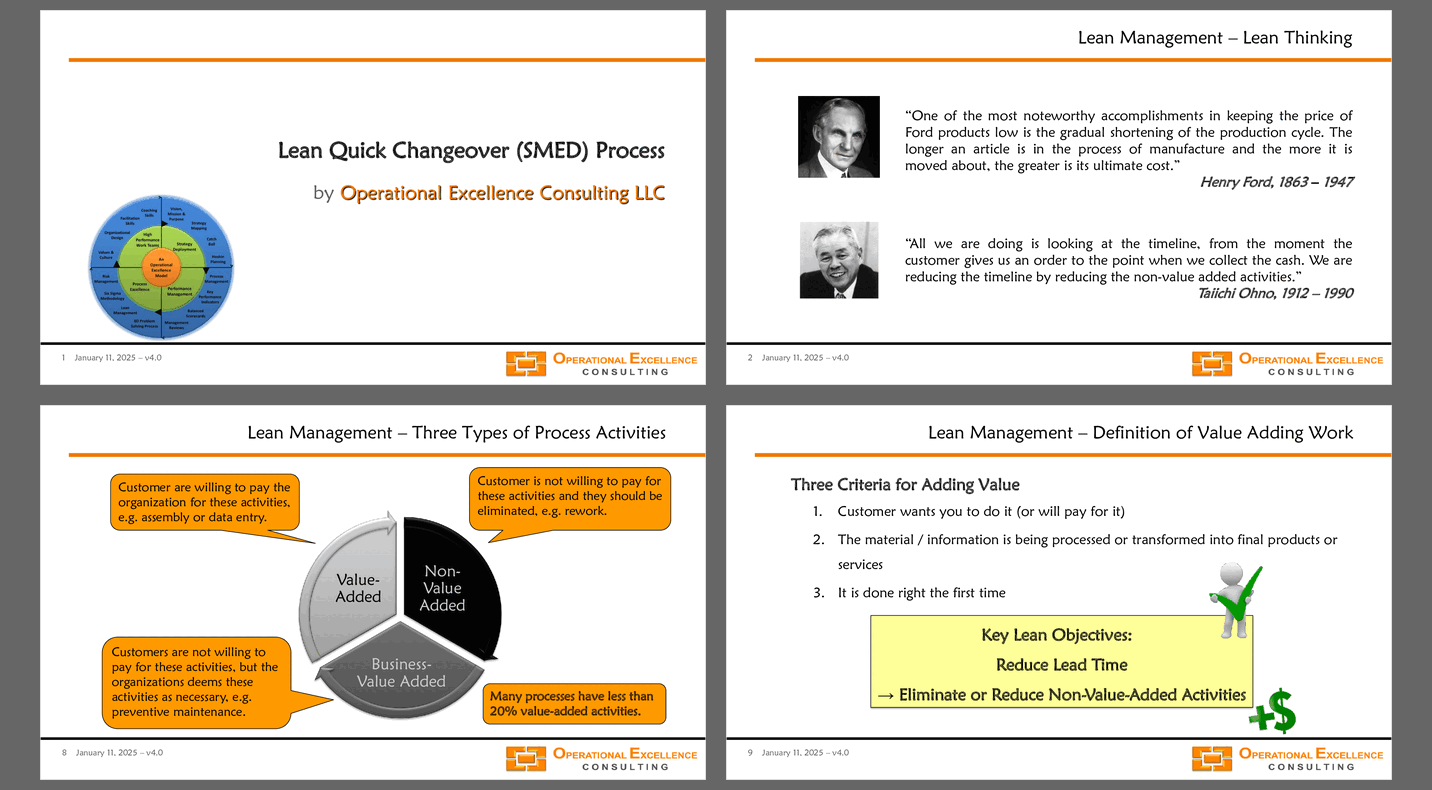

The Quick Changeover or Single-Minute Exchange of Die (SMED) Process provides a rapid and efficient way of setting up or converting a process from running the current product or service to running the next product or service.
The Lean Quick Changeover (SMED) Process Training Module includes:
1. MS PowerPoint Presentation including 66 slides covering
• Introduction to Lean Management,
• The Five Lean Principles,
• The Seven Lean Wastes,
• Lean Kaizen Events, and
• A Step-by-Step Changeover Time Reduction (SMED) Process.
2. MS Excel Changeover Time Analysis Worksheet Template
"After you have downloaded the training material, you can change any part of the training material and remove all logos and references to Operational Excellence Consulting. You can share the material with your colleagues and clients, and re-use it as you need. The only restriction is that you cannot publicly re-distribute, sell, rent or license the material as though it is your own. Thank you."
Got a question about the product? Email us at support@flevy.com or ask the author directly by using the "Ask the Author a Question" form. If you cannot view the preview above this document description, go here to view the large preview instead.
Executive Summary
The Lean Quick Changeover (SMED) Process presentation, developed by Operational Excellence Consulting LLC, provides a comprehensive framework for implementing effective changeover strategies in manufacturing and service environments. This presentation outlines a systematic approach to reducing setup times, enhancing operational efficiency, and minimizing waste. By applying the SMED methodology, organizations can achieve rapid changeovers, ultimately leading to improved production flow and reduced lead times. The content is designed for executives and operational leaders seeking to streamline processes and drive continuous improvement initiatives.
Who This Is For and When to Use
• Operations Managers focused on enhancing production efficiency
• Lean Practitioners and Continuous Improvement Teams
• Manufacturing and Service Industry Executives
• Project Managers overseeing process optimization initiatives
Best-fit moments to use this deck:
• During Lean transformation initiatives aimed at reducing waste
• In Kaizen events targeting specific changeover processes
• When implementing new production lines or service offerings requiring quick setup
Learning Objectives
• Define the SMED process and its significance in Lean management
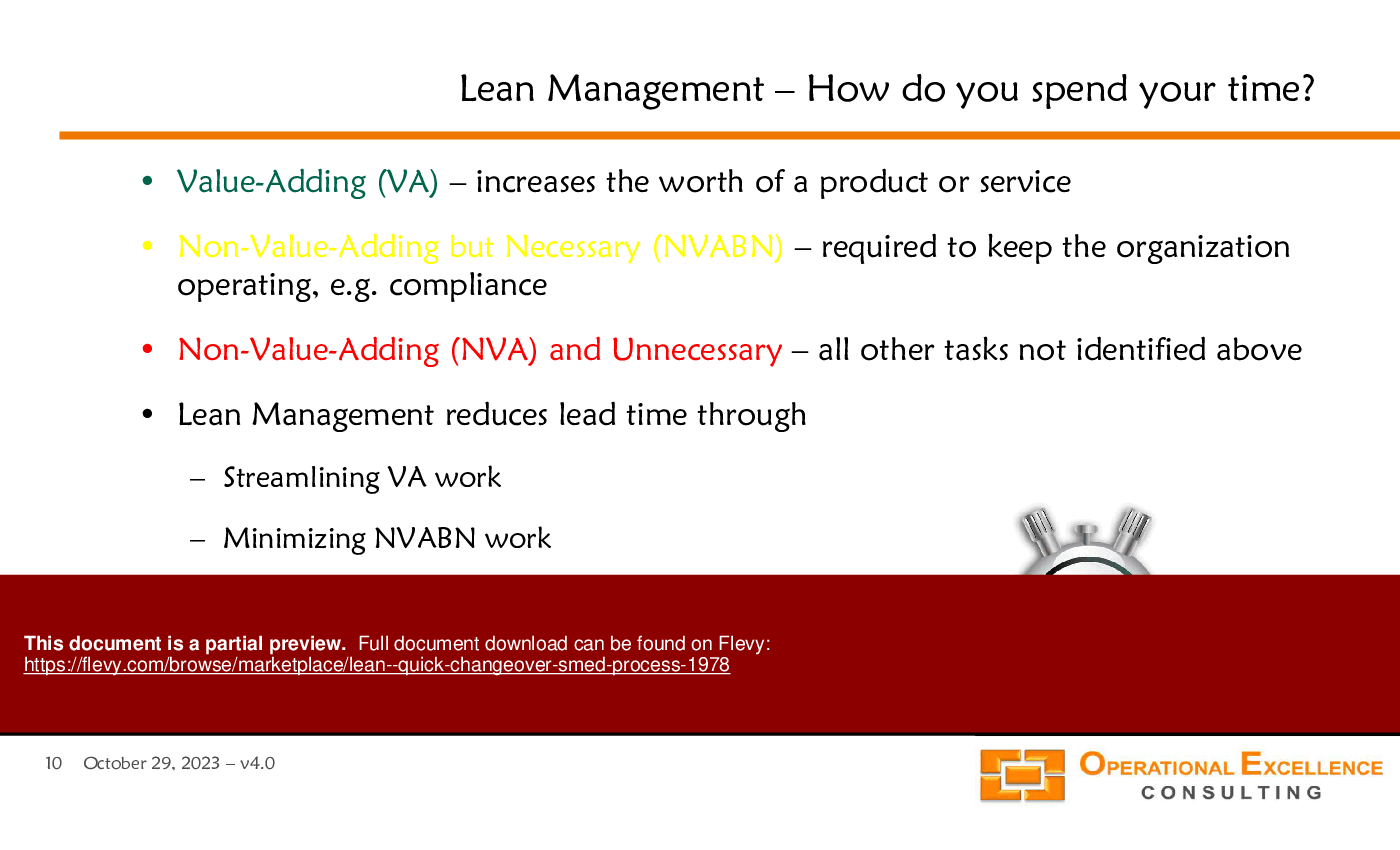
• Identify and categorize changeover activities into value-added and non-value-added tasks
• Implement strategies to convert internal activities to external ones
• Streamline both internal and external changeover activities for efficiency
• Document and standardize new changeover procedures
• Evaluate and iterate on the changeover process for continuous improvement
Table of Contents
• Introduction to Lean and SMED (page 2)
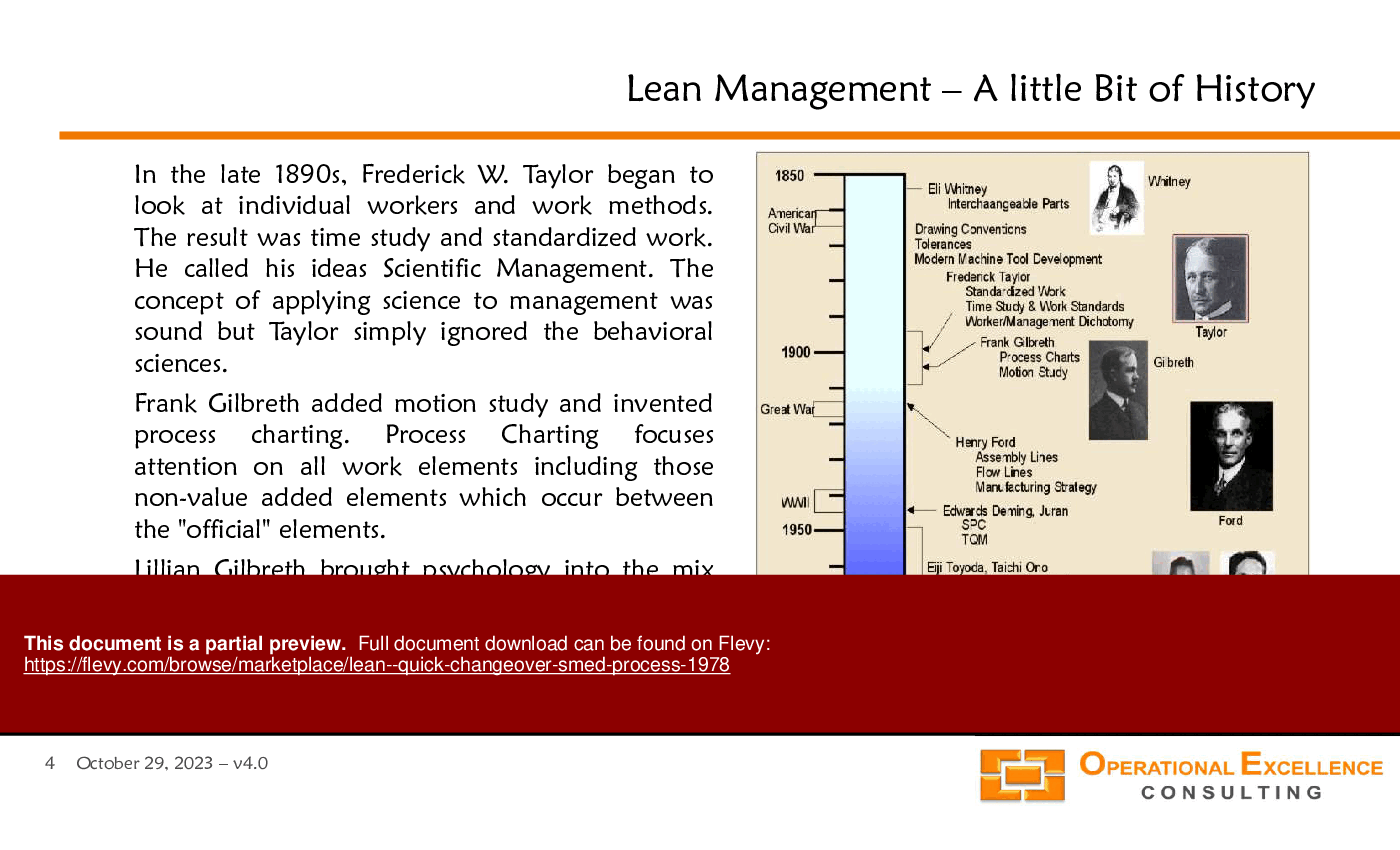
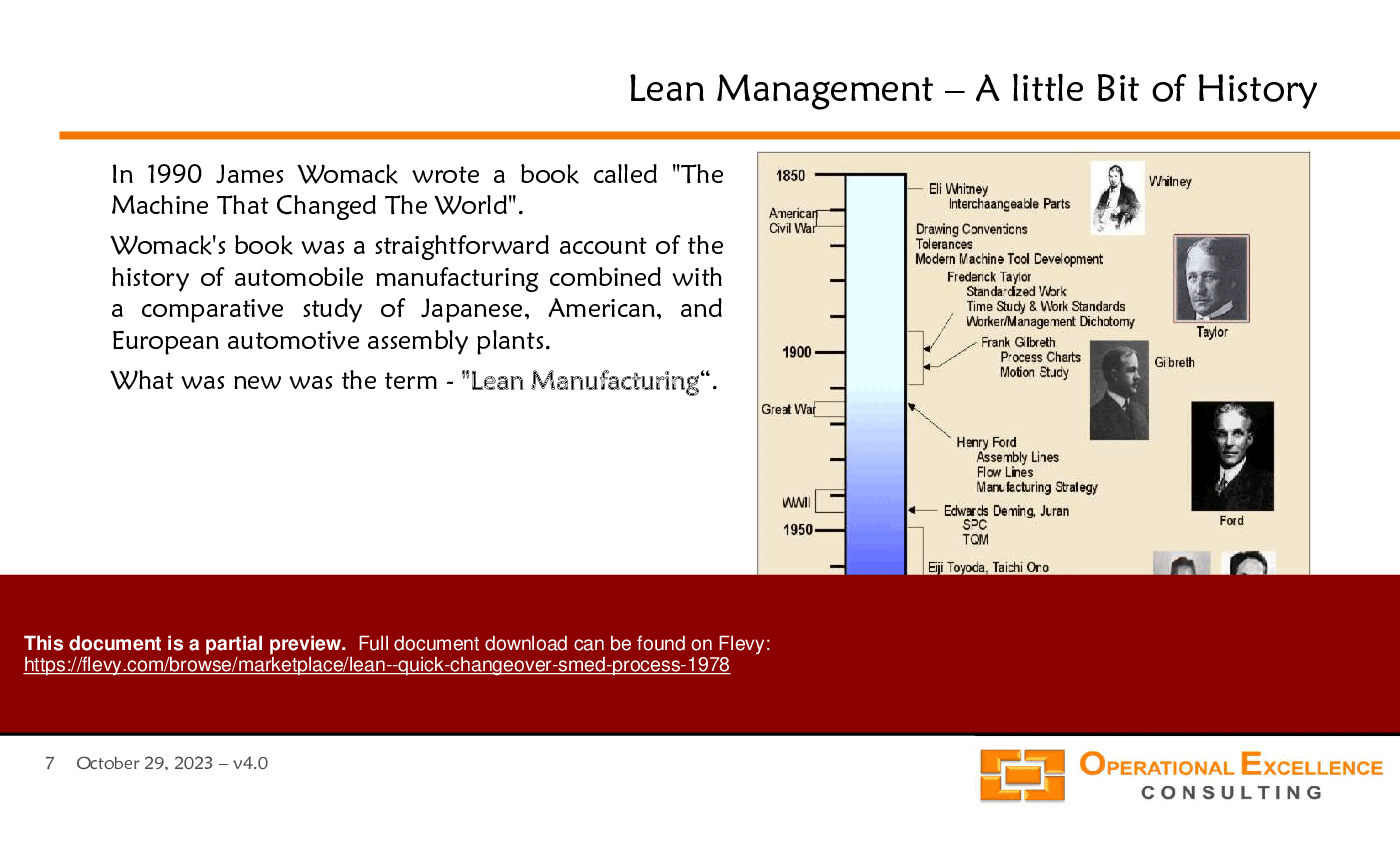
• History of Lean Management (page 3)
• Types of Process Activities (page 8)
• The Seven Wastes (page 11)
• Lean Principles (page 21)
• Kaizen Events Overview (page 22)
• Steps in the SMED Process (page 38)
• Changeover Reduction Techniques (page 40)
• Documentation and Standardization (page 60)
• Continuous Improvement and Next Steps (page 61)
Primary Topics Covered
• Lean Management - An overview of Lean principles and their application in reducing waste and improving efficiency.
• SMED Process - A detailed explanation of the Single-Minute Exchange of Die methodology for rapid changeovers.
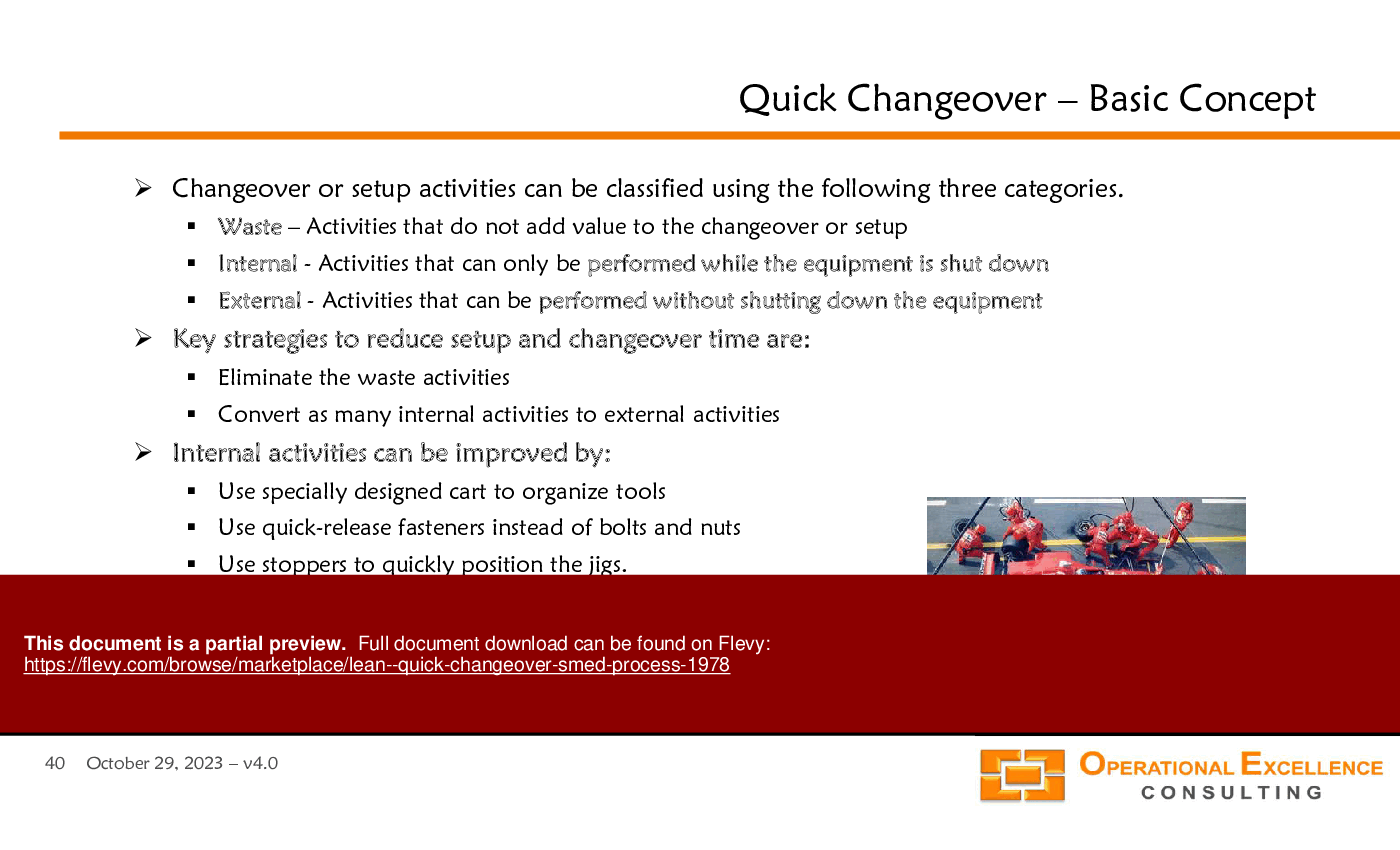
• Changeover Activities - Classification of activities into waste, internal, and external categories to identify improvement opportunities.
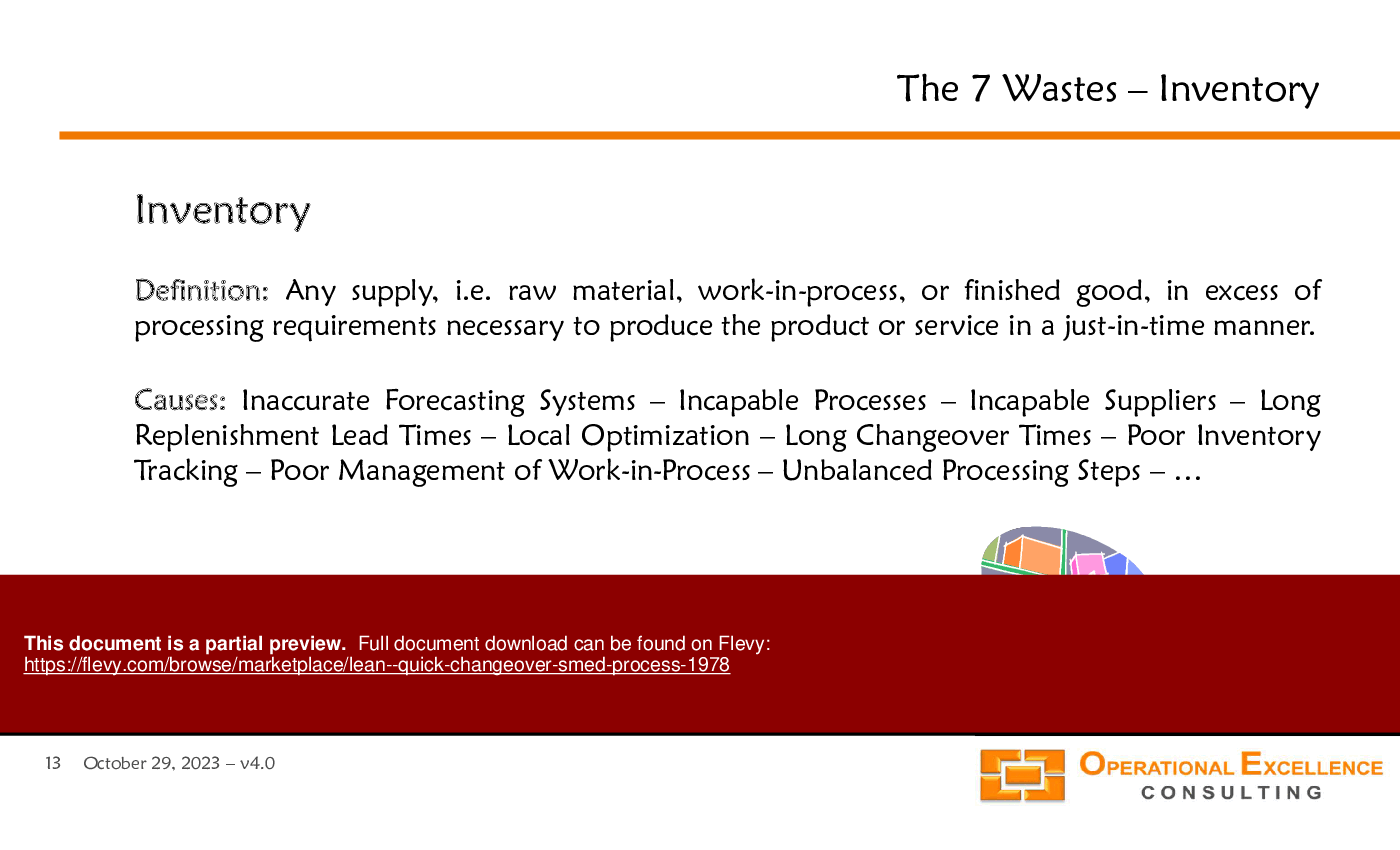
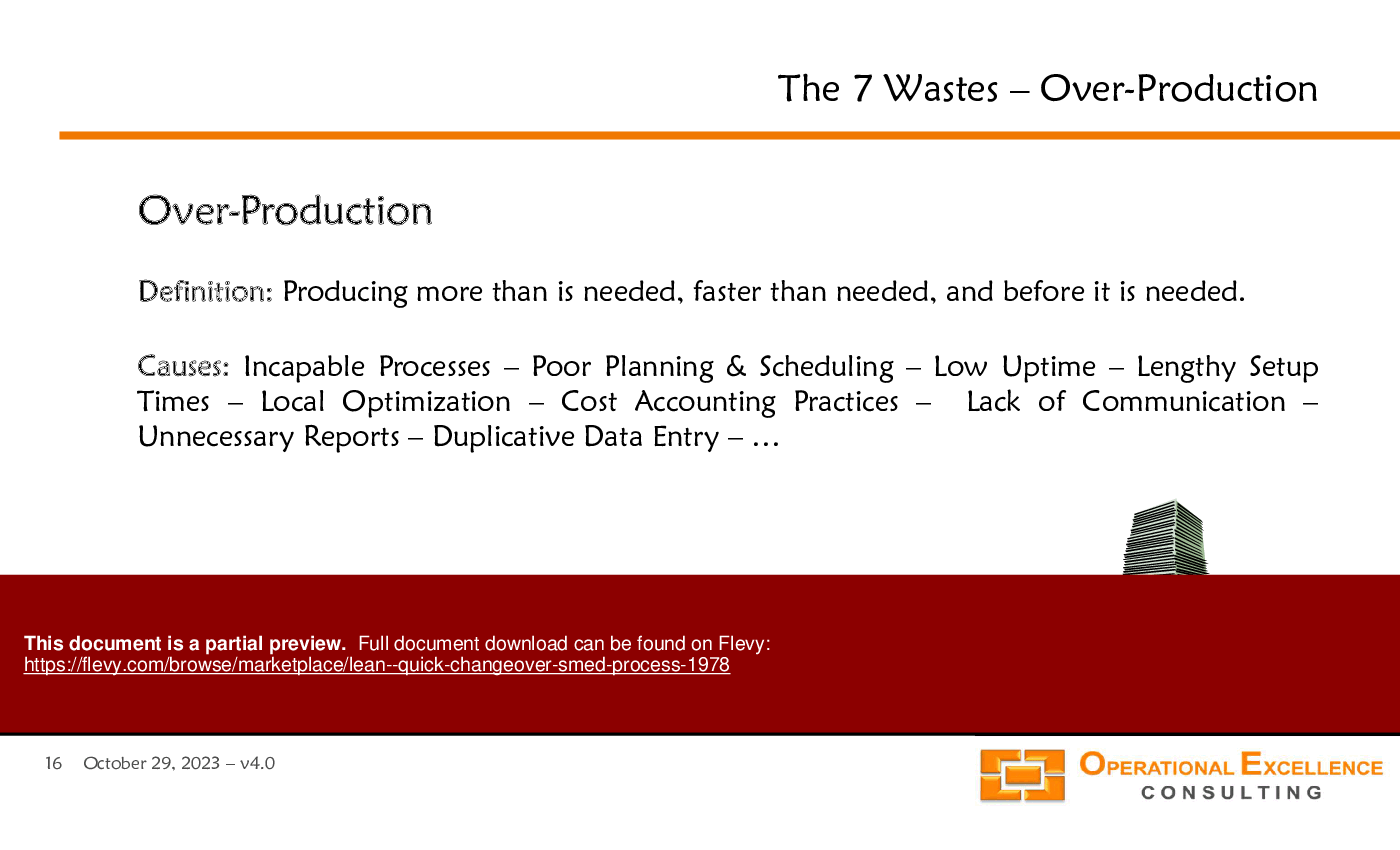
• Waste Reduction - Exploration of the 7 types of waste and their impact on operational efficiency.
• Kaizen Events - Guidelines for conducting effective Kaizen events to implement SMED strategies.
• Continuous Improvement - Emphasis on the iterative nature of process improvement and the importance of documentation.
Deliverables, Templates, and Tools
• Changeover Reduction Form for documenting current and revised times
• Checklist for setup and preparation activities
• Standard operating procedures for new changeover processes
• Visual work instructions to aid in training and implementation
• Metrics for evaluating changeover improvements
Slide Highlights
• Overview of Lean principles and their historical context
• Detailed breakdown of the 7 wastes and their implications
• Step-by-step guide to the SMED process, including practical examples
• Visual aids for organizing work areas and tools for efficiency
• Case studies demonstrating successful changeover reductions
Potential Workshop Agenda
Introduction to Lean and SMED (30 minutes)
• Overview of Lean principles and SMED methodology
• Discussion on the importance of reducing changeover times
Kaizen Event Planning (60 minutes)
• Define objectives and deliverables for the event
• Identify current challenges and baseline metrics
Changeover Process Analysis (90 minutes)
• Measure and analyze current changeover activities
• Identify non-value-added tasks and improvement opportunities
Implementation and Evaluation (60 minutes)
• Document new procedures and train team members
• Evaluate improvements and plan for future iterations
Customization Guidance
• Tailor the presentation to reflect specific organizational processes and terminology
• Adjust metrics and evaluation criteria based on industry standards
• Incorporate case studies relevant to the organization’s operational context
Secondary Topics Covered
• Historical evolution of Lean management practices
• The role of employee engagement in continuous improvement
• Techniques for effective team collaboration during Kaizen events
• Strategies for overcoming common challenges in changeover processes
FAQ
What is the SMED process?
The SMED process, or Single-Minute Exchange of Die, is a Lean methodology aimed at reducing changeover times to less than ten minutes by categorizing activities and eliminating waste.
How can we identify waste in our processes?
Waste can be identified by analyzing each step of the changeover process and categorizing activities into value-added, non-value-added, and necessary non-value-added tasks.
What are the benefits of implementing SMED?
Implementing SMED leads to reduced lead times, improved production flow, and increased flexibility in responding to customer demands.
How do we document the new changeover process?
The new changeover process should be documented through standard operating procedures, including visual work instructions and metrics for evaluation.
What is a Kaizen event?
A Kaizen event is a focused, short-term project aimed at improving a specific process or area, typically lasting 3-5 days, where teams work collaboratively to identify and implement improvements.
How often should we review our changeover processes?
Changeover processes should be reviewed regularly, ideally after each Kaizen event, to ensure continuous improvement and adaptation to changing operational needs.
What tools can help streamline changeover activities?
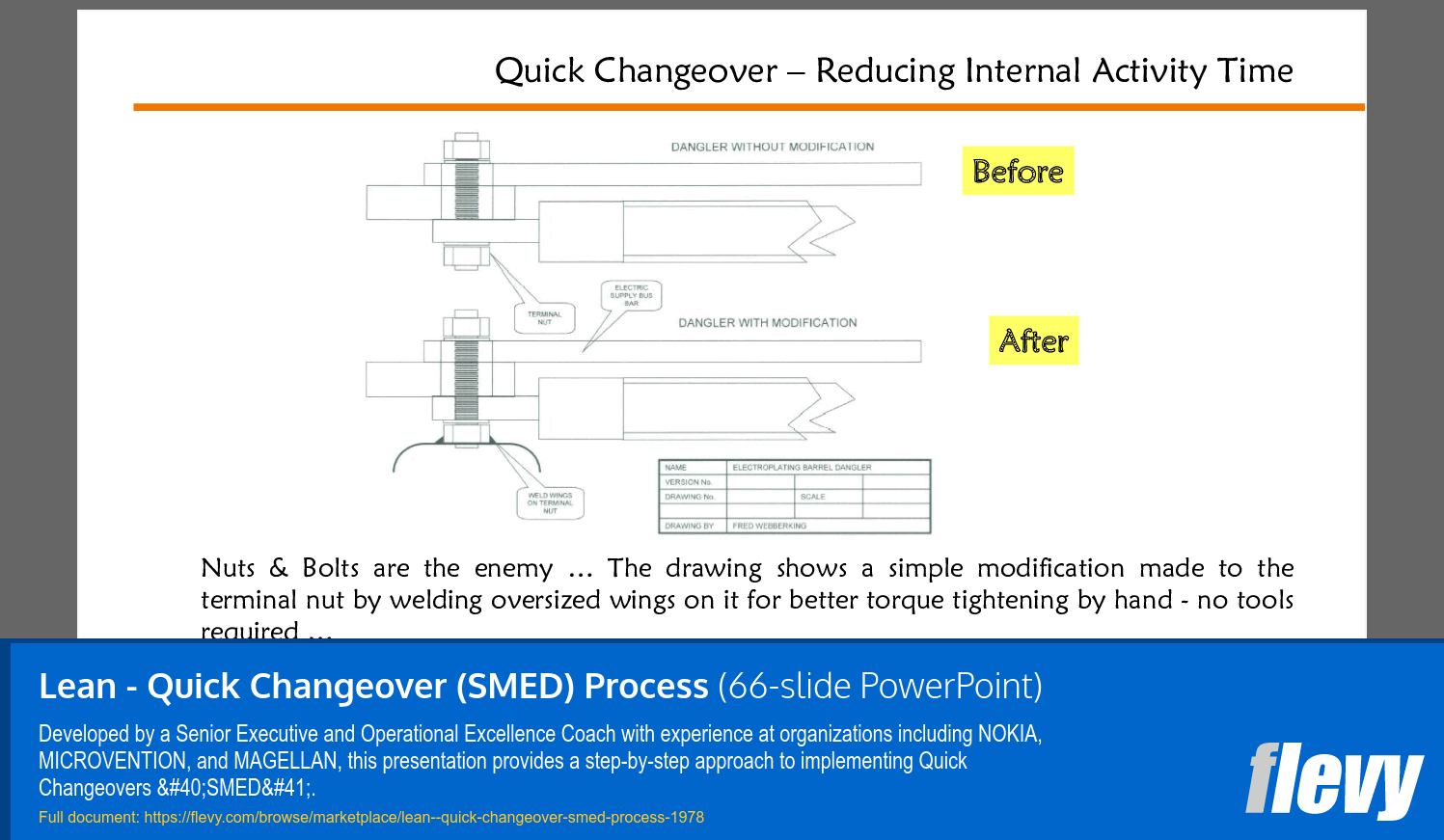
Tools such as specially designed carts for organizing equipment, quick-release fasteners, and visual management systems can significantly streamline changeover activities.
How can we ensure sustainability of improvements?
Sustainability can be ensured through regular training, documentation of new procedures, and ongoing evaluation of changeover processes to identify further improvement opportunities.
Glossary
• SMED - Single-Minute Exchange of Die; a Lean methodology for reducing changeover times.
• Kaizen - Continuous improvement process involving all employees.
• Value-Added Activities - Tasks that increase the worth of a product or service.
• Non-Value-Added Activities - Tasks that do not add value and should be eliminated.
• Lean Principles - Guidelines for reducing waste and improving efficiency in processes.
• Waste - Any activity that consumes resources without adding value.
• Changeover - The process of switching from one product or service to another.
• Continuous Improvement - Ongoing effort to enhance products, services, or processes.

• Documentation - The process of recording new procedures and standards.
• Standard Operating Procedures (SOP) - Detailed, written instructions to achieve uniformity in performing a specific function.
• Visual Work Instructions - Graphical representations of processes to aid understanding and compliance.
• Metrics - Measurements used to evaluate the success of a process or improvement initiative.
Source: Best Practices in Setup Reduction PowerPoint Slides: Lean - Quick Changeover (SMED) Process PowerPoint (PPTX) Presentation Slide Deck, Operational Excellence Consulting LLC
This document is available as part of the following discounted bundle(s):
Save %!
LEAN MANAGEMENT Training Module Library
This bundle contains 8 total documents. See all the documents to the right.
Save %!
OPERATIONAL EXCELLENCE Training Module Library
This bundle contains 18 total documents. See all the documents to the right.
|
Receive our FREE presentation on Operational Excellence
This 50-slide presentation provides a high-level introduction to the 4 Building Blocks of Operational Excellence. Achieving OpEx requires the implementation of a Business Execution System that integrates these 4 building blocks. |