
 Click main image to view in full screen. Unlock all 15 preview images:
IT Automation - Implementation Toolkit – Excel XLSX
Excel (XLSX) + Zip archive file (ZIP)


INFORMATION TECHNOLOGY EXCEL DESCRIPTION
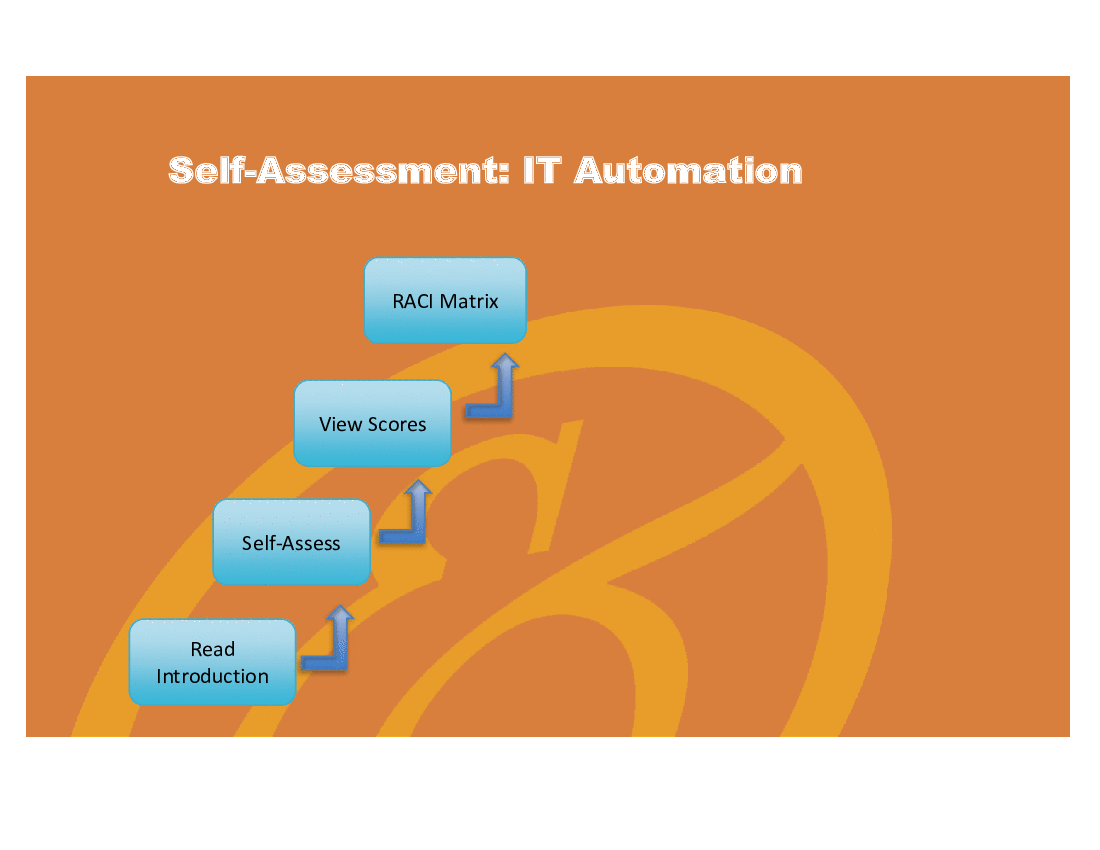
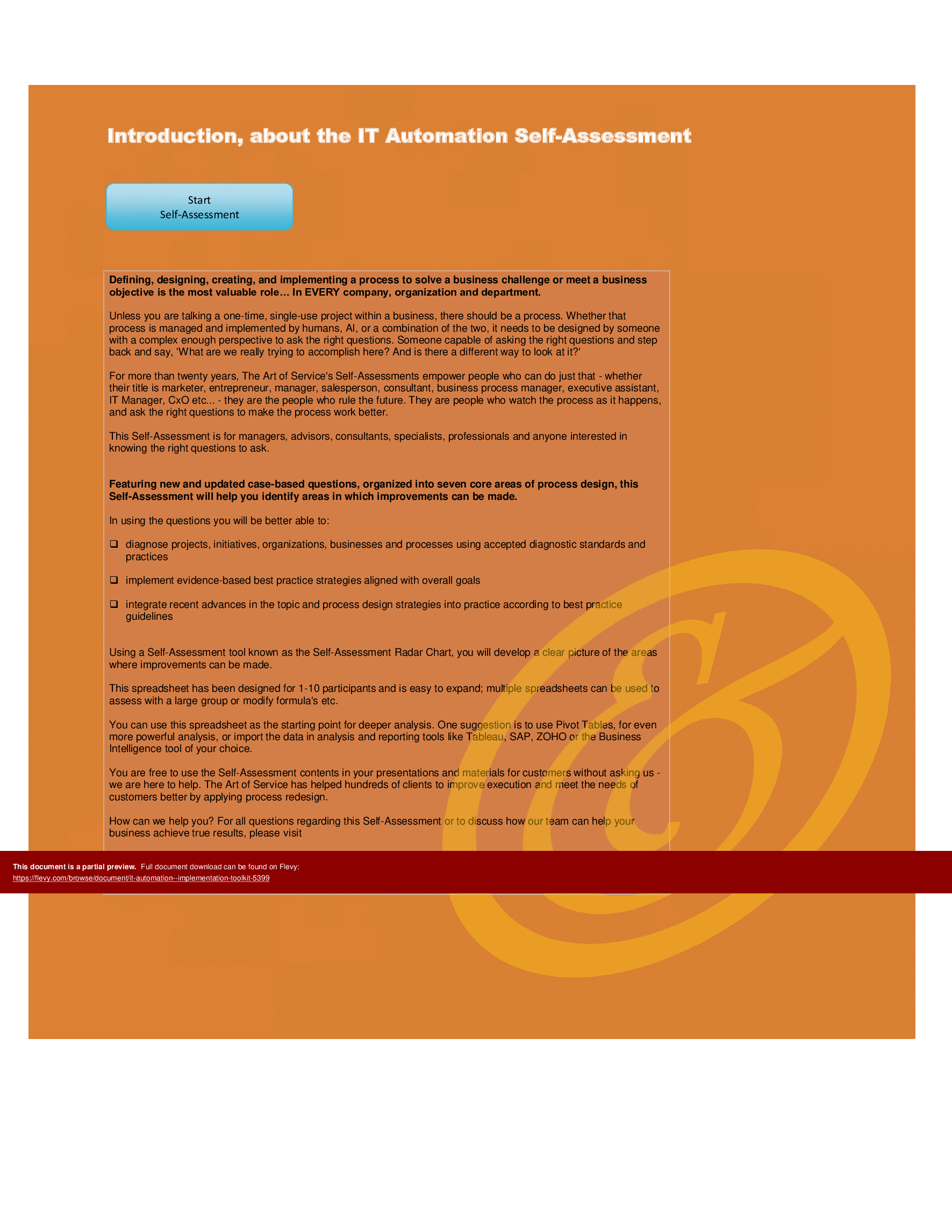
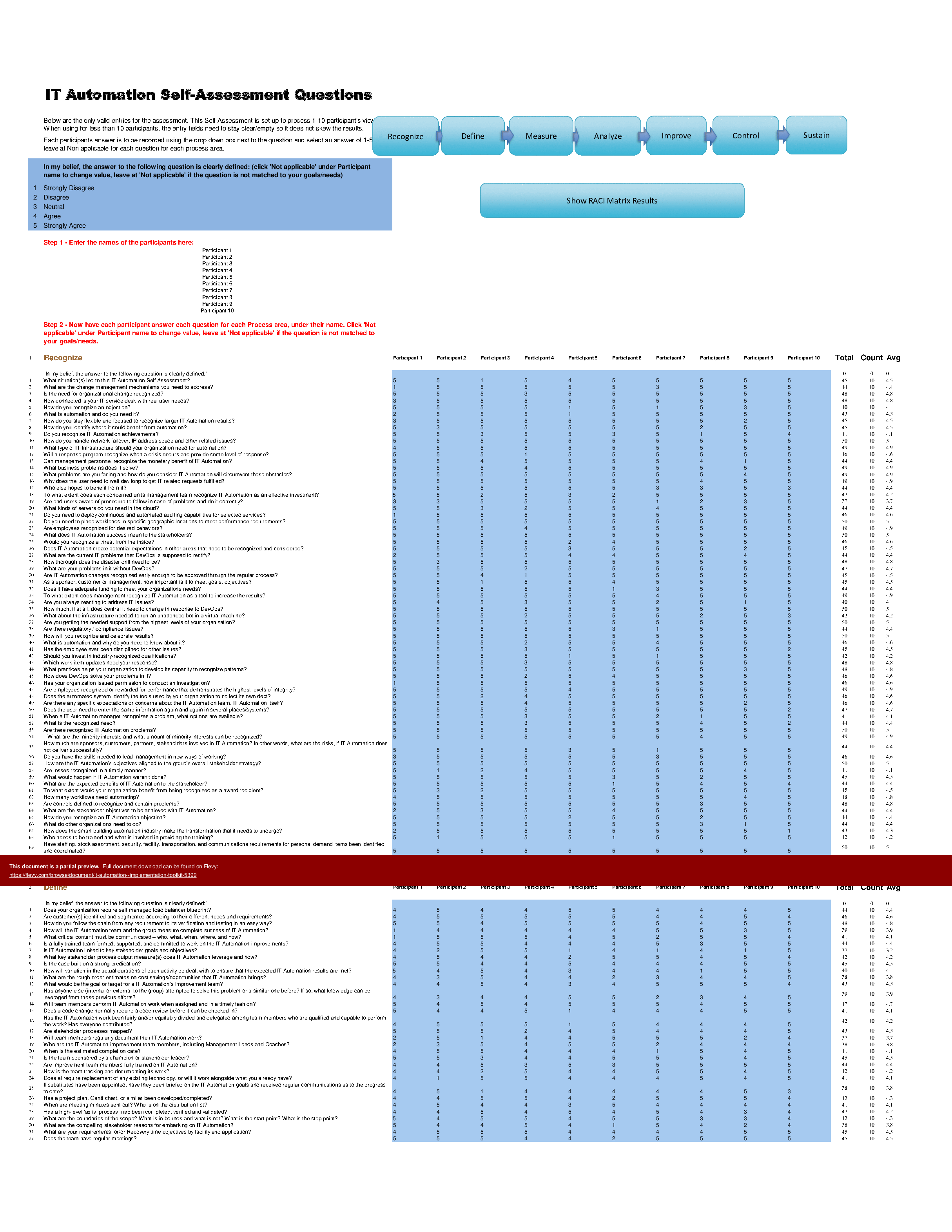
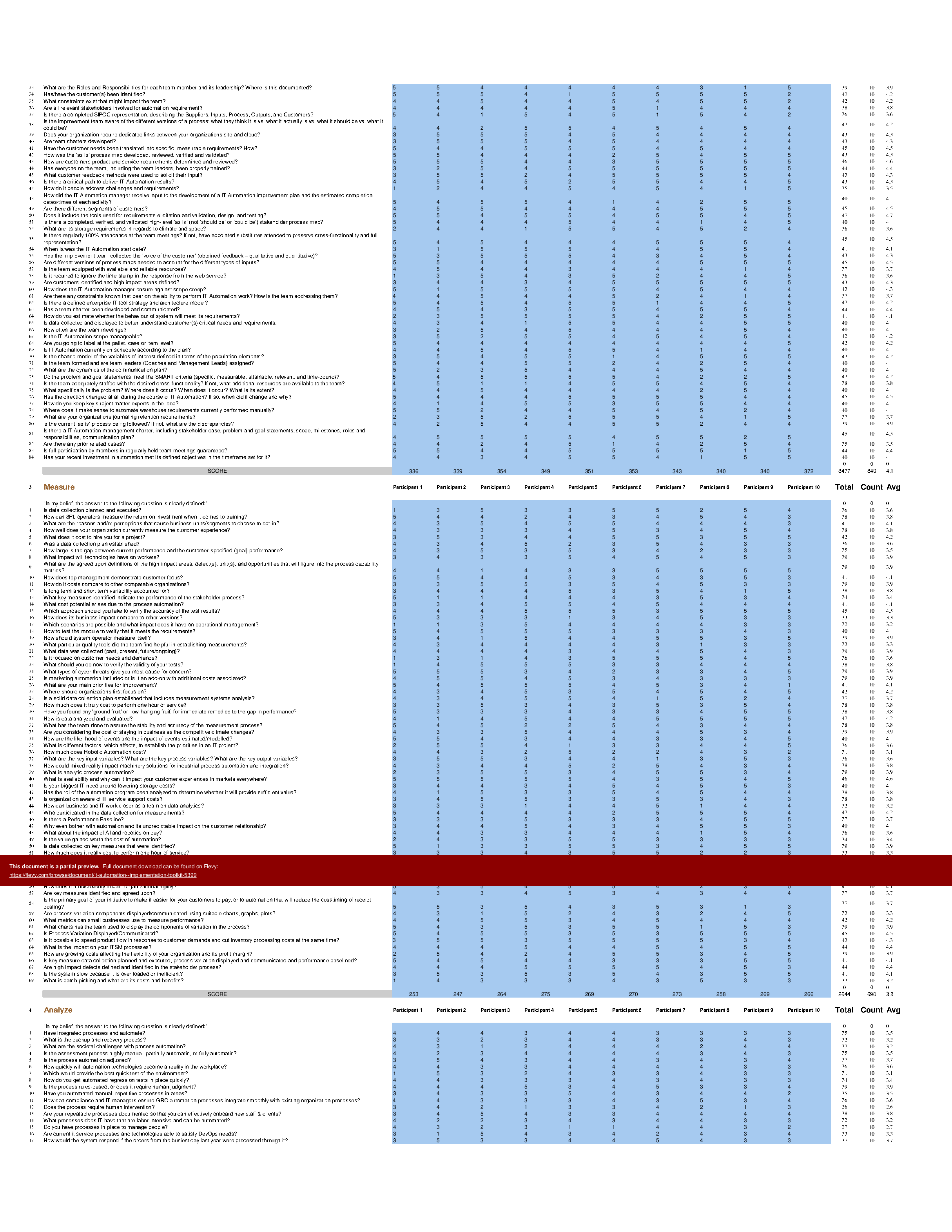
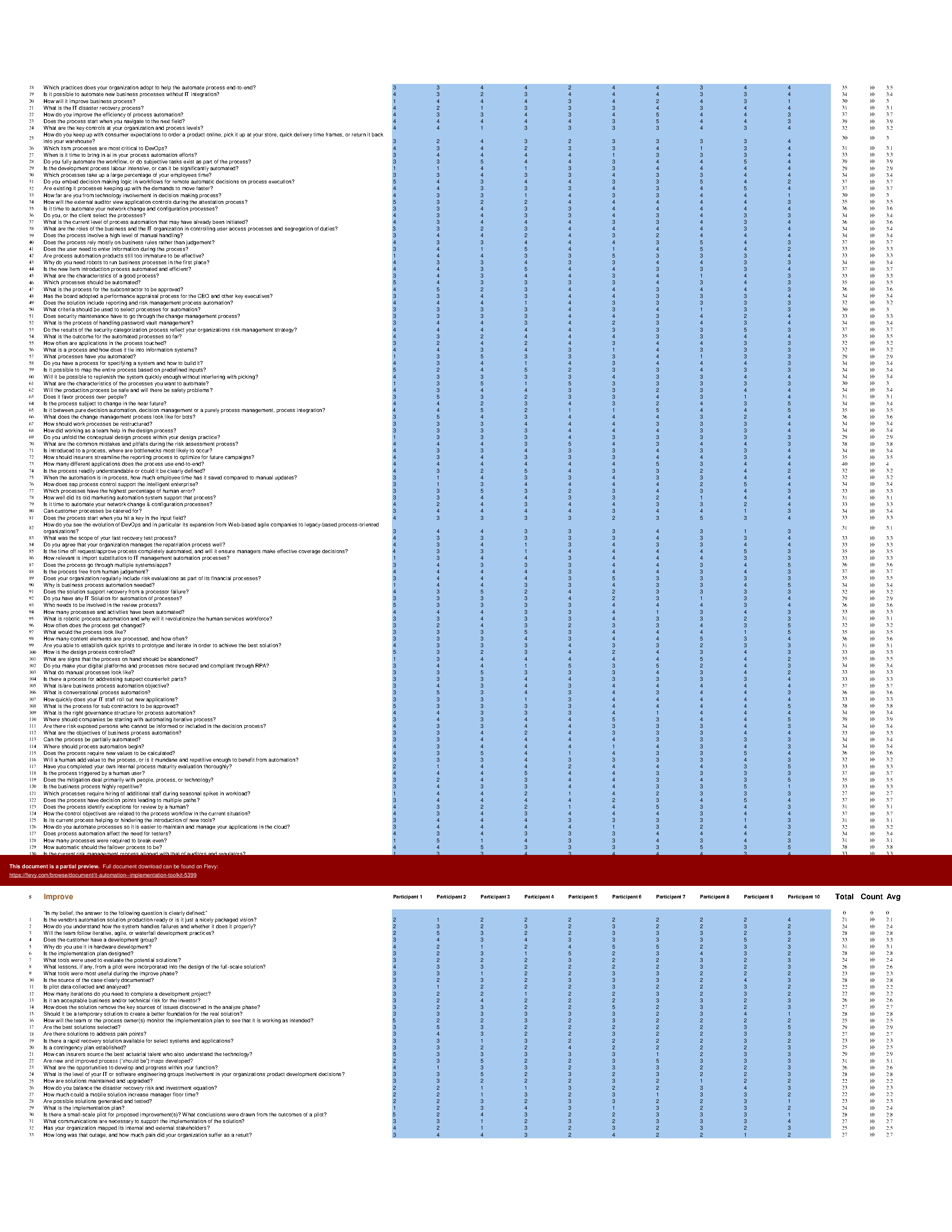
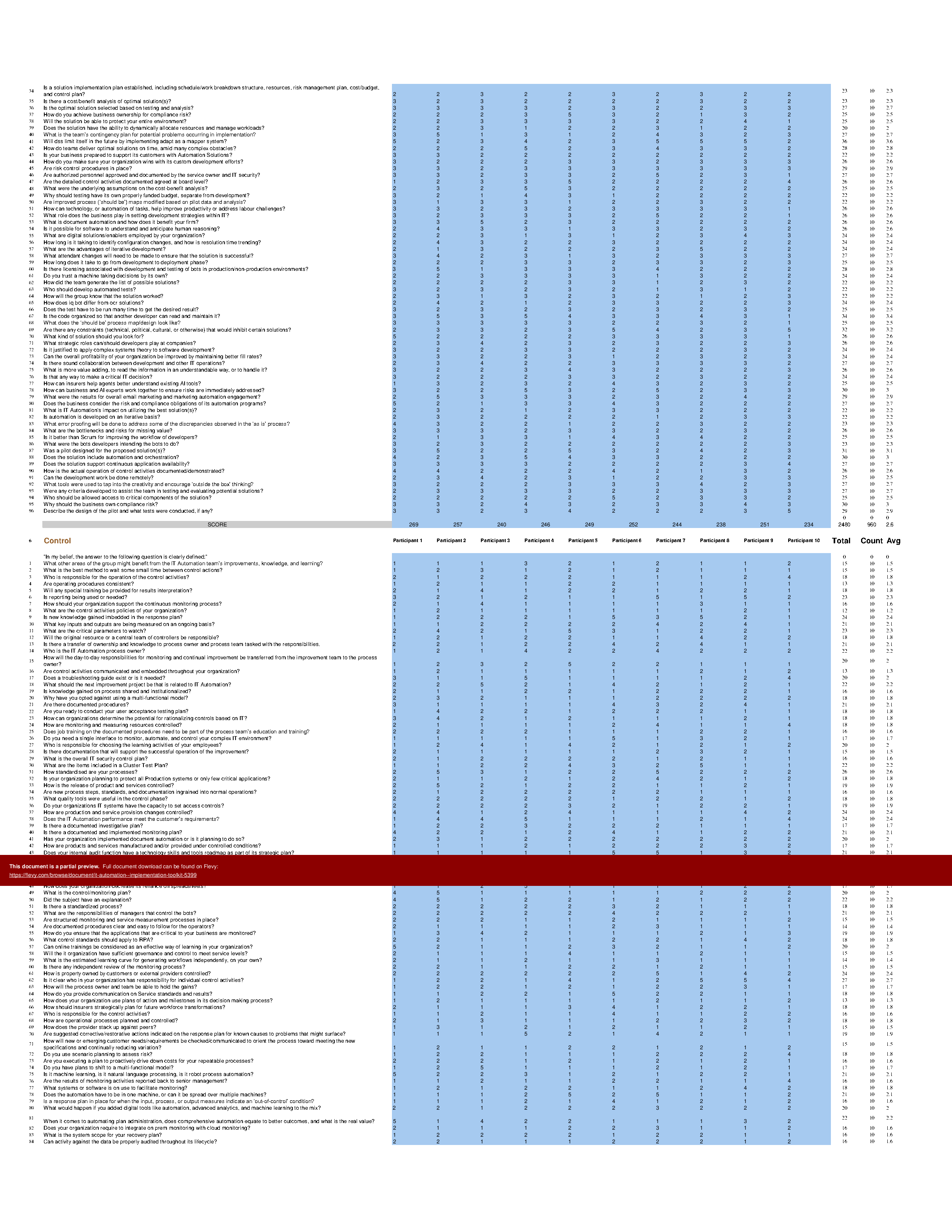
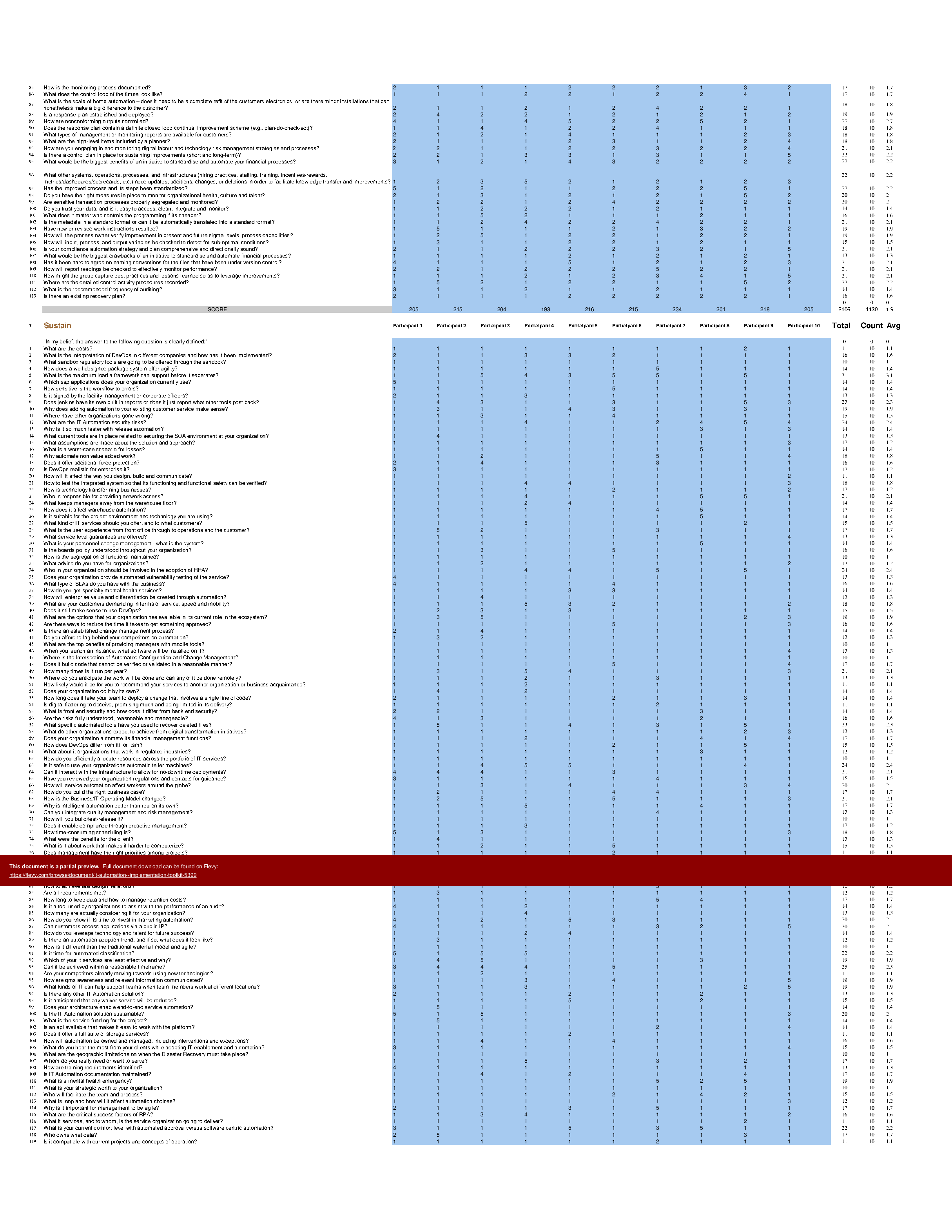
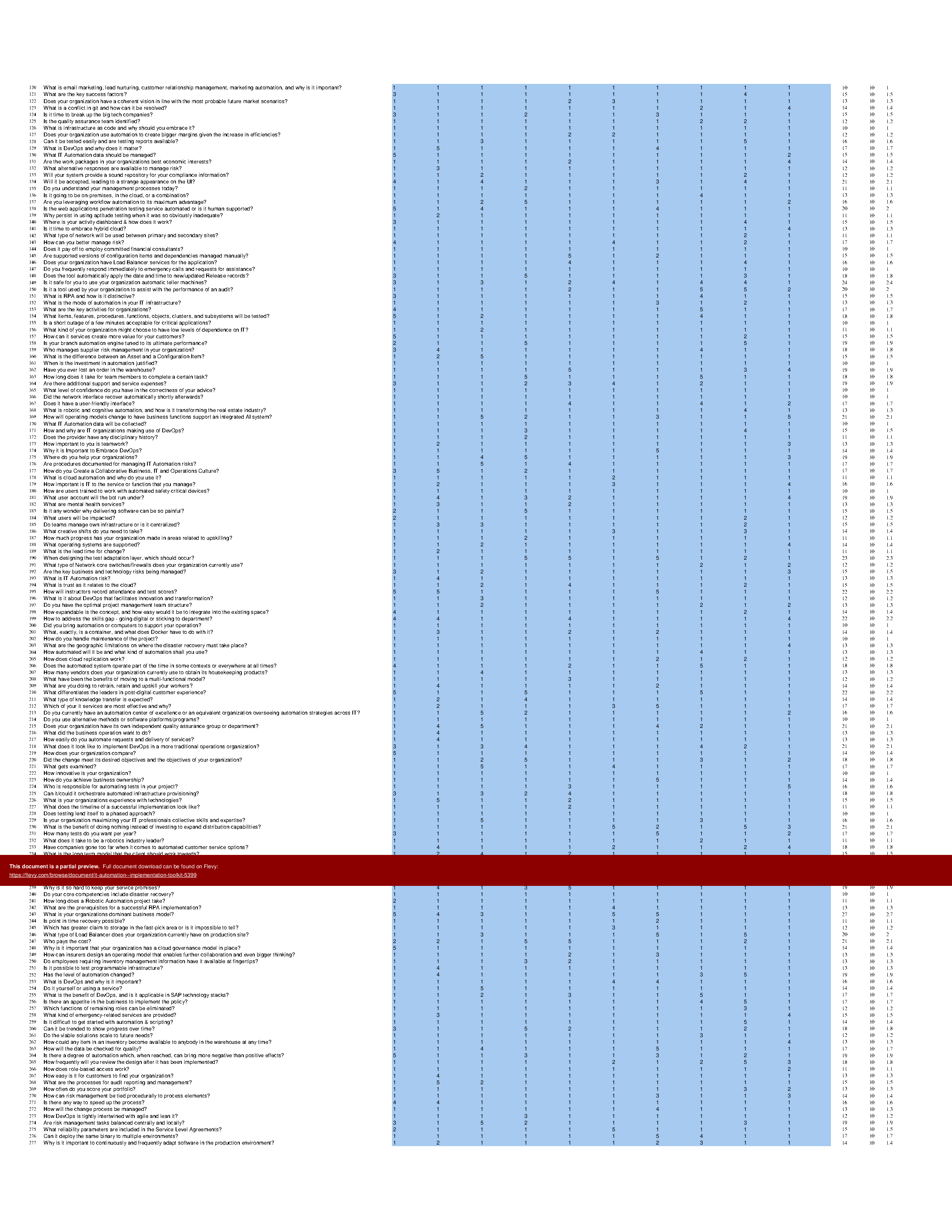
The IT Automation Toolkit includes a set of best-practice templates, step-by-step workplans, and maturity diagnostics for any IT Automation related project. Please note the above partial preview is ONLY of the Self Assessment Excel Dashboard, referenced in steps 1 and 2 (see below for more details).
Through a 3-step process, this toolkit will guide you from idea to implementation. Please find a below a summary of the 3 steps.
STEP 1: Get your bearings
Start with the latest quick edition of the IT Automation Self Assessment book in PDF containing 49 requirements to perform a quickscan, get an overview and share with stakeholders.
Organized in a data driven improvement cycle RDMAICS (Recognize, Define, Measure, Analyze, Improve, Control and Sustain), check the example pre-filled Self-Assessment Excel Dashboard to get familiar with results generation.
STEP 2: Set concrete goals, tasks, dates and numbers you can track
Featuring 993 new and updated case-based questions, organized into seven core areas of process design, this Self-Assessment will help you identify areas in which IT Automation improvements can be made.
The Self-Assessment Excel Dashboard; with the IT Automation Self-Assessment and Scorecard you will develop a clear picture of which IT Automation areas need attention, which requirements you should focus on and who will be responsible for them:
• Shows your organization instant insight in areas for improvement: Auto generates reports, radar chart for maturity assessment, insights per process and participant and bespoke, ready to use, RACI Matrix
• Gives you a professional Dashboard to guide and perform a thorough IT Automation Self-Assessment
• Is secure: Ensures offline data protection of your Self-Assessment results
• Dynamically prioritized projects-ready RACI Matrix shows your organization exactly what to do next
STEP 3: Implement, Track, follow up and revise strategy
The outcomes of STEP 2, the self assessment, are the inputs for STEP 3; Start and manage IT Automation projects with the 62 implementation resources. There are 62 step-by-step IT Automation Project Management Form Templates covering over 1500 IT Automation project requirements and success criteria.
Got a question about the product? Email us at support@flevy.com or ask the author directly by using the "Ask the Author a Question" form. If you cannot view the preview above this document description, go here to view the large preview instead.
TOPIC FAQ
What are the typical phases of an IT automation implementation process?
A common approach begins with assessment and scoping, moves to goal-setting and project planning, then proceeds to implementation, tracking and revision. The IT Automation Toolkit structures this as a 3-step process and embeds a data-driven RDMAICS cycle (Recognize, Define, Measure, Analyze, Improve, Control and Sustain).How can I measure my organization's IT automation maturity?
Use a structured self-assessment with scorecards, radar charts, and a dashboard to quantify maturity across process areas. Flevy's IT Automation - Implementation Toolkit provides a Self-Assessment Excel Dashboard that auto-generates reports, radar charts, and a scorecard for maturity assessment.What types of assessment questions should be included in an IT automation self-assessment?
Effective assessments use case-based questions covering process design, governance, tooling, integration, monitoring, security and operations. The toolkit's Self-Assessment contains 993 case-based questions organized across 7 core areas to identify improvement opportunities.What features matter when choosing an IT automation implementation toolkit?
Look for structured workplans, maturity diagnostics, actionable outputs (reports, radar charts), responsibility matrices (RACI), offline data protection, and ready-to-use implementation templates. Flevy's IT Automation - Implementation Toolkit explicitly includes those features plus 62 implementation resources.How much of the implementation planning burden can a template-based toolkit reduce?
While total effort depends on scope, a template library and pre-defined requirements can reduce planning time by providing ready artifacts. The toolkit supplies 62 project management form templates and covers over 1500 IT automation project requirements and success criteria.How should I prioritize which automation projects to start first?
Prioritize projects based on maturity gaps, expected value, and resource availability using a scorecard and visual maturity outputs. The Self-Assessment Excel Dashboard supports dynamic prioritization and produces a projects-ready RACI matrix to show what to do next.After completing a self-assessment, how do I move to execution?
Use assessment outputs (gaps, prioritized requirements, assigned responsibilities) as inputs to project planning and execution. The toolkit maps STEP 2 outcomes into STEP 3 and provides 62 step-by-step IT Automation Project Management Form Templates for implementation and tracking.Can I keep sensitive assessment data secure when using a self-assessment dashboard?
Yes; a workbook-based or offline dashboard approach can ensure results remain local and protected. The toolkit's Self-Assessment Excel Dashboard includes offline data protection to secure your assessment results.Source: Best Practices in Information Technology, Automation Excel: IT Automation - Implementation Toolkit Excel (XLSX) Spreadsheet, Gerard Blokdijk




























