
This presentation has 40 slides and comprises of:
Introduction to Just in Time systems
Defining the value chain
Measuring Performance
JIT Systems
Workplace projects
Also included with this document is a bonus zip of 41 Lean documents (includes templates, case studies, articles, posters, charts, and more).

This comprehensive presentation dives deep into the intricacies of Just in Time (JIT) systems, offering a thorough understanding of how to streamline operations and reduce waste. It covers essential elements such as understanding demand rates, developing systems to monitor performance, and managing material flow effectively. The PPT also emphasizes the importance of continuous improvement, providing actionable insights on how to enhance existing systems.
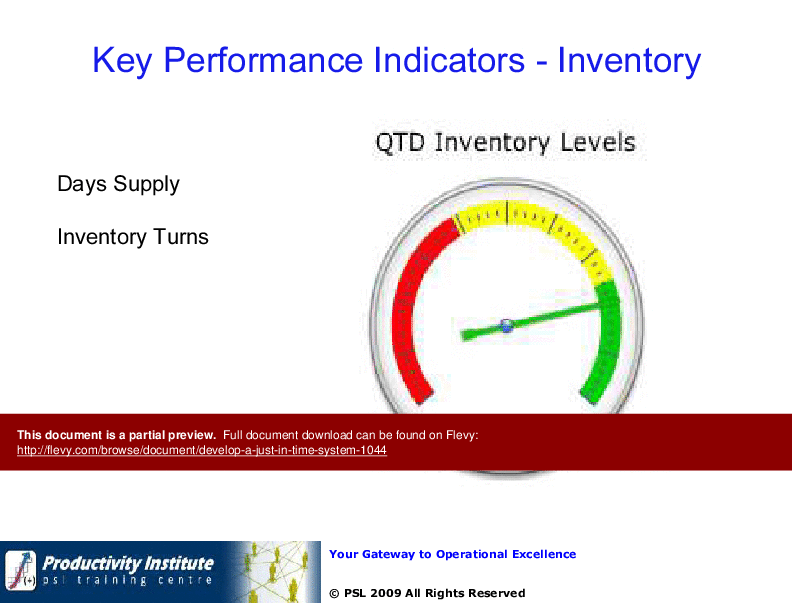
Key performance indicators (KPIs) are crucial for monitoring the success of JIT systems. This presentation highlights critical KPIs like days supply and inventory turns, ensuring that executives can keep a close eye on inventory levels and turnover rates. The focus on real-time data and performance metrics allows for quick adjustments and ensures that the JIT system operates at peak efficiency.
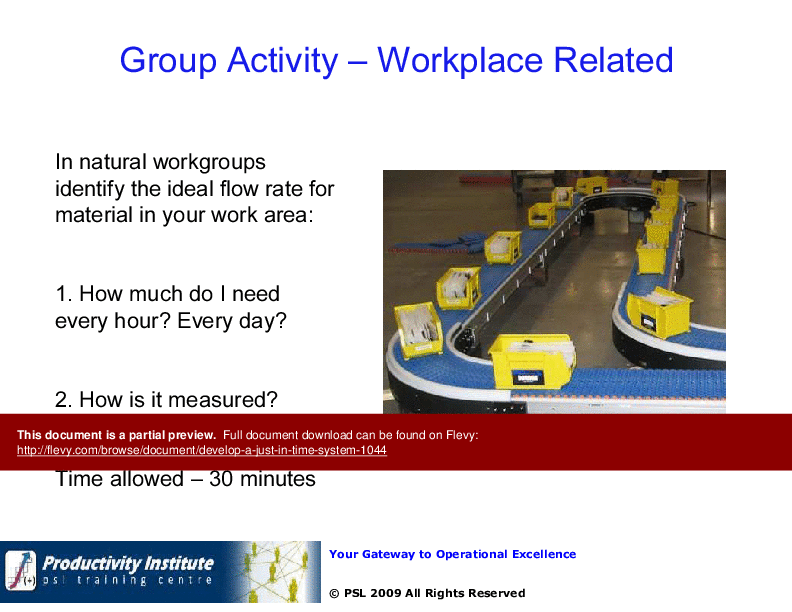
Engaging group activities are included to facilitate practical application of JIT principles within your organization. These activities are designed to help teams identify ideal flow rates and measure performance in real-world scenarios. By involving natural workgroups, the presentation ensures that the concepts are not just theoretical, but can be effectively implemented in your workplace.
Got a question about the product? Email us at support@flevy.com or ask the author directly by using the "Ask the Author a Question" form. If you cannot view the preview above this document description, go here to view the large preview instead.
Executive Summary
This presentation, titled "Develop a Just In Time System," is designed to equip organizations with the knowledge and tools necessary to implement Just In Time (JIT) systems effectively. Developed by a Lean expert and certified LSS Master Black Belt, this resource provides insights into optimizing operational efficiency through JIT principles. Participants will learn to define their value chain, measure performance using key performance indicators, and engage in workplace projects that foster practical application of JIT methodologies. By adopting these strategies, organizations can reduce operational costs, improve inventory management, and enhance customer satisfaction.
Who This Is For and When to Use
• Operations Managers seeking to streamline processes
• Supply Chain Professionals aiming to reduce inventory levels
• Quality Assurance Teams focused on improving product quality
• Project Managers implementing Lean methodologies
Best-fit moments to use this deck:
• During training sessions focused on Lean principles
• When initiating JIT system implementation projects
• In workshops aimed at improving operational efficiency
Learning Objectives
• Define the principles of Just In Time systems
• Identify key performance indicators relevant to JIT
• Develop a system for monitoring material flow
• Implement strategies to reduce inventory levels
• Create a measurement system for inventory management
• Engage in workplace projects to apply JIT concepts
Table of Contents
• Introduction to Just In Time Systems (page 3)
• Defining the Value Chain (page 5)
• Measuring Performance (page 7)
• JIT Systems Overview (page 10)
• Workplace Projects (page 15)
Primary Topics Covered
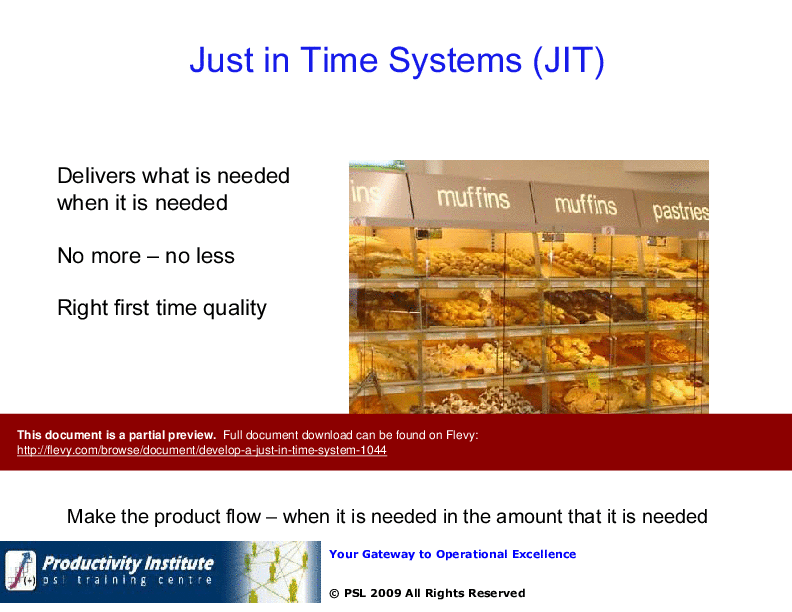
• Just In Time Principles - JIT focuses on delivering products when needed, in the right quantity, and with first-time quality.
• Value Chain Definition - Understanding the flow of materials and information across the value chain is crucial for JIT implementation.
• Performance Measurement - Key performance indicators such as Takt Time and inventory turns are essential for assessing JIT effectiveness.
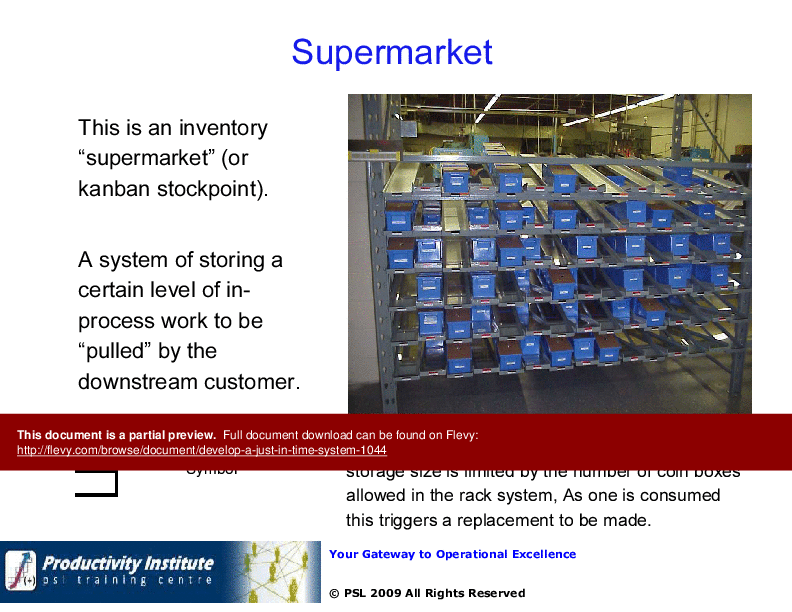
• Material Flow Management - Strategies for managing material flow include the use of Kanban systems and supermarkets to optimize inventory levels.
• Workplace Projects - Practical activities that help teams identify ideal flow rates and develop measurement systems for inventory management.
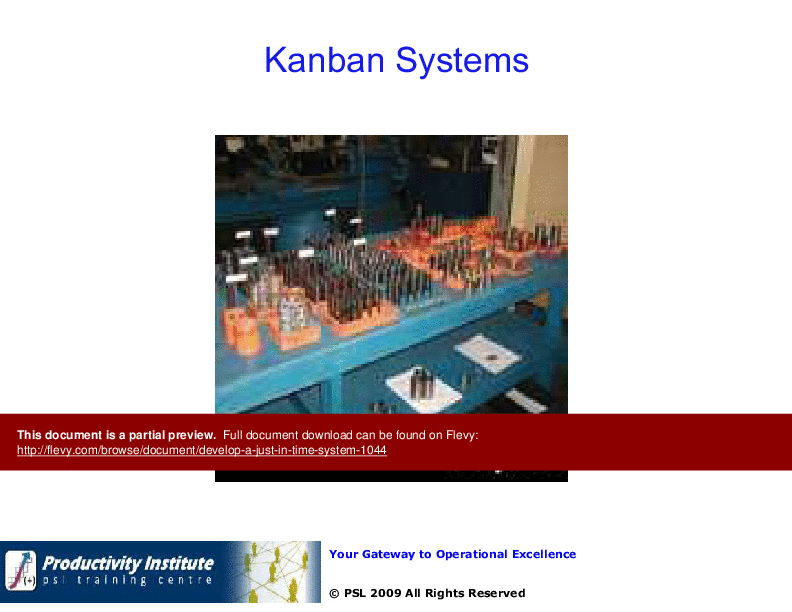
• Kanban Systems - Various types of Kanban systems, including production and withdrawal Kanban, facilitate efficient material handling.
Deliverables, Templates, and Tools
• Opportunity Improvement Sheets for identifying areas of enhancement
• Action Plan templates for implementing JIT strategies
• Measurement systems for tracking inventory management
• Kanban boards for visualizing workflow and inventory levels
• Guidelines for conducting workplace projects related to JIT
Slide Highlights
• Overview of JIT principles emphasizing the importance of flow and quality
• Visual representations of Kanban systems and their benefits
• Key performance indicators illustrated with real-world examples
• Group activity slides that encourage participant engagement and practical application
Potential Workshop Agenda
Introduction to JIT Concepts (60 minutes)
• Overview of JIT principles and benefits
• Discussion on the value chain and its importance
Group Activities (90 minutes)
• Identify ideal flow rates for materials in work areas
• Develop measurement systems for inventory management
Implementation Strategies (60 minutes)
• Discuss best practices for managing material flow
• Review Kanban systems and their applications
Customization Guidance
• Tailor the measurement systems to fit specific operational contexts and product types
• Adjust Kanban system designs based on the unique workflow of your organization
• Incorporate industry-specific terminology and metrics into the presentation
Secondary Topics Covered
• Inventory management techniques in JIT systems
• The role of safety stock and buffer stock in JIT
• Challenges associated with stock movement and management
• Continuous improvement practices in JIT implementation
FAQ
What is a Just In Time system?
A Just In Time system is a production strategy that aims to reduce inventory levels by delivering products only as they are needed in the production process.
How does JIT improve operational efficiency?
JIT reduces operational costs, minimizes inventory holdings, and enhances response times, leading to increased customer satisfaction.
What are key performance indicators for JIT?
Key performance indicators include Takt Time, inventory turns, and DIFOTIS (Delivered in Full, On Time, In Spec).
What is a Kanban system?
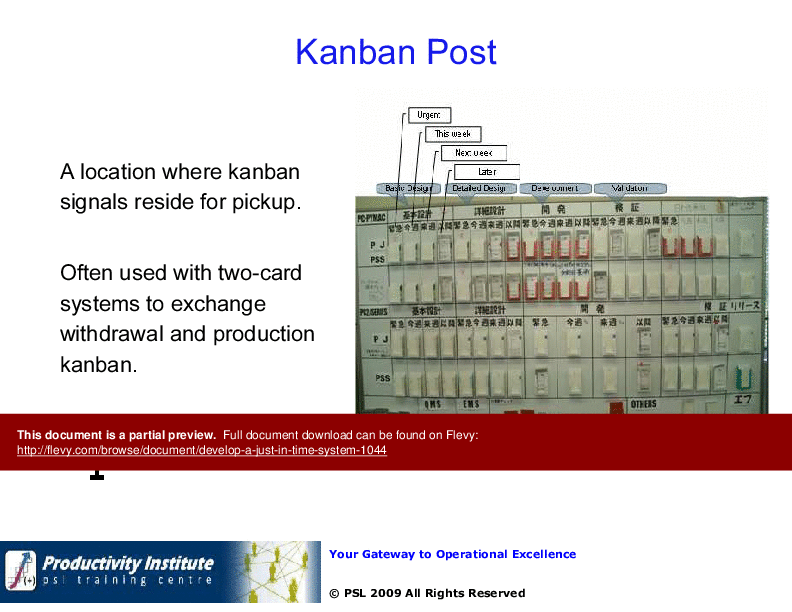
A Kanban system is a visual tool that signals when to produce or replenish items, effectively managing inventory levels and workflow.
How can teams implement JIT in their workplace?
Teams can implement JIT by identifying flow rates, developing measurement systems, and engaging in practical workplace projects.
What challenges might arise during JIT implementation?
Common challenges include managing stock movement, ensuring timely deliveries, and maintaining quality standards.
How can I measure the success of a JIT system?
Success can be measured through key performance indicators, regular monitoring of inventory levels, and stakeholder feedback.
What resources are available for further learning about JIT?
Recommended readings and resources include books and DVDs focused on Kanban and JIT methodologies.
Glossary
• Just In Time (JIT) - A production strategy that reduces inventory by delivering products as needed.
• Value Chain - The series of steps that a company takes to deliver a product to the market.
• Takt Time - The pace of production set by customer demand.
• Kanban - A visual signal used to trigger the production or replenishment of items.
• DIFOTIS - A measure of delivery performance based on completeness, timeliness, and specification.
• Buffer Stock - Inventory held to protect against variability in demand or supply.
• Safety Stock - Extra inventory kept to prevent stockouts during unexpected demand spikes.
• Inventory Turns - A measure of how often inventory is sold and replaced over a period.
• Pull System - A production strategy that pulls work through the system based on demand.
• Push System - A production strategy that pushes work through the system regardless of demand.
• FIFO - First In, First Out; a method for managing inventory to ensure older stock is used first.
• CONWIP - Constant Work In Progress; a system that controls the amount of work in progress in a production process.
Source: Best Practices in JIT PowerPoint Slides: Develop a Just In Time System PowerPoint (PPT) Presentation Slide Deck, OpEx Academy NZ
|
Receive our FREE presentation on Operational Excellence
This 50-slide presentation provides a high-level introduction to the 4 Building Blocks of Operational Excellence. Achieving OpEx requires the implementation of a Business Execution System that integrates these 4 building blocks. |