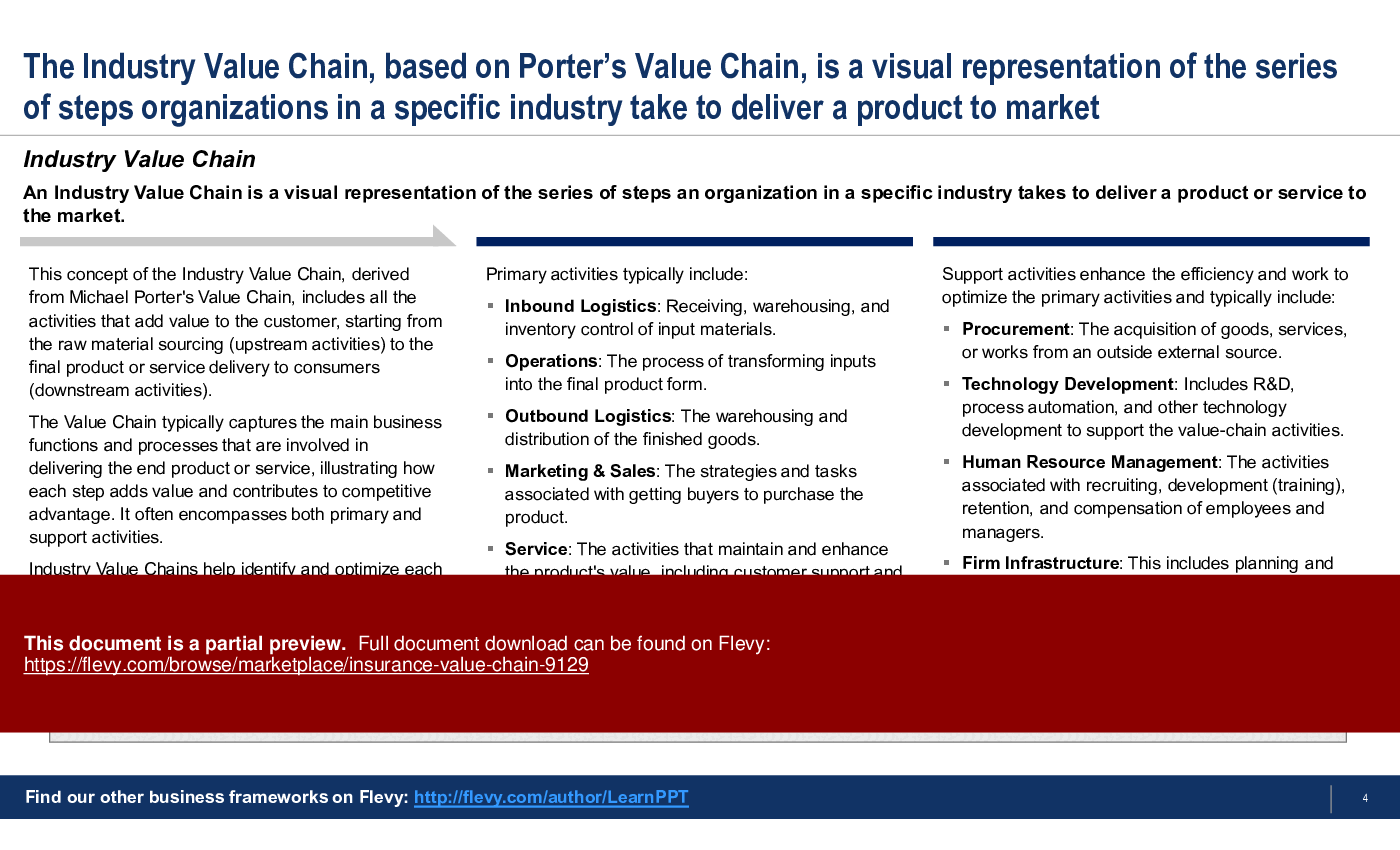
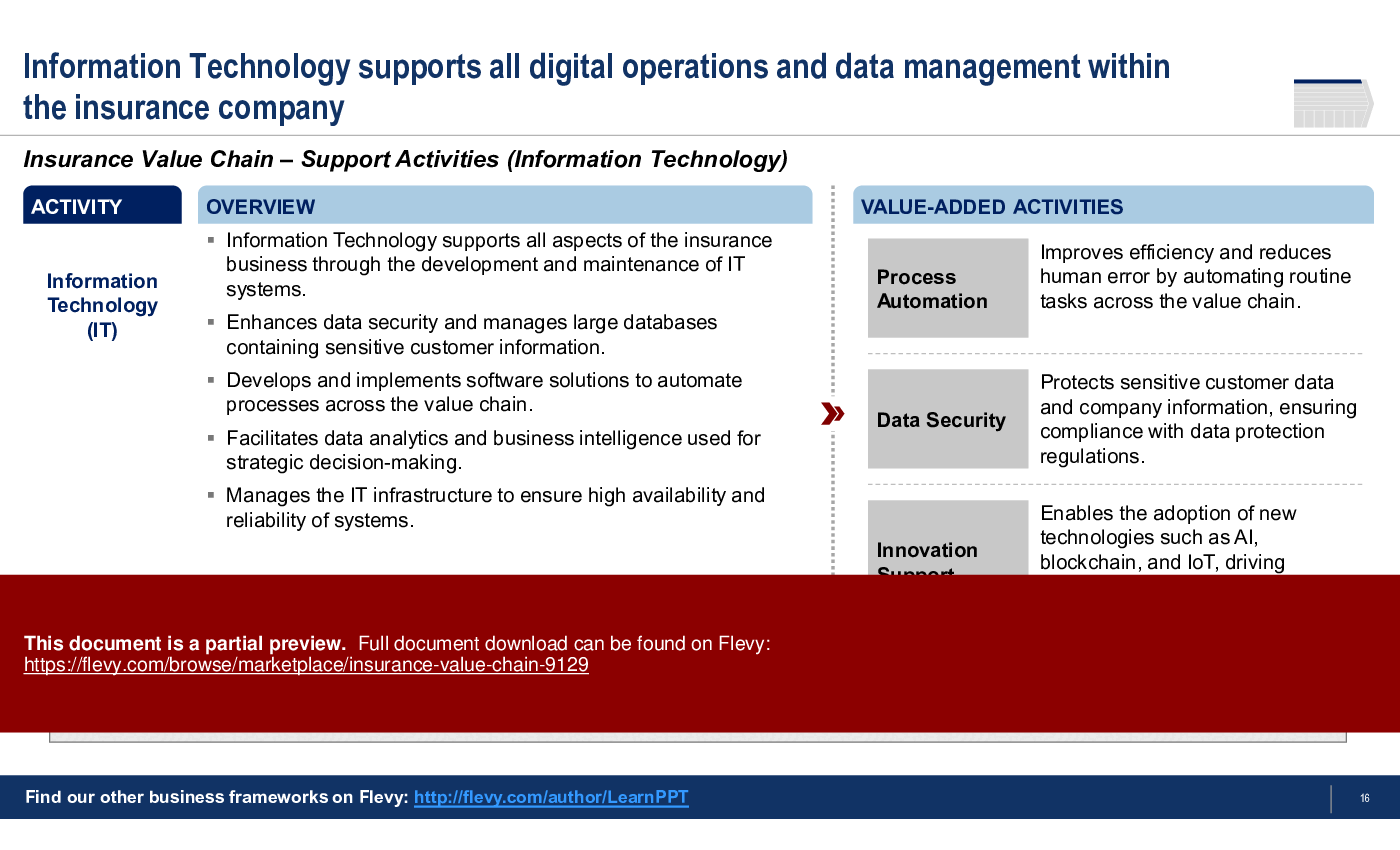
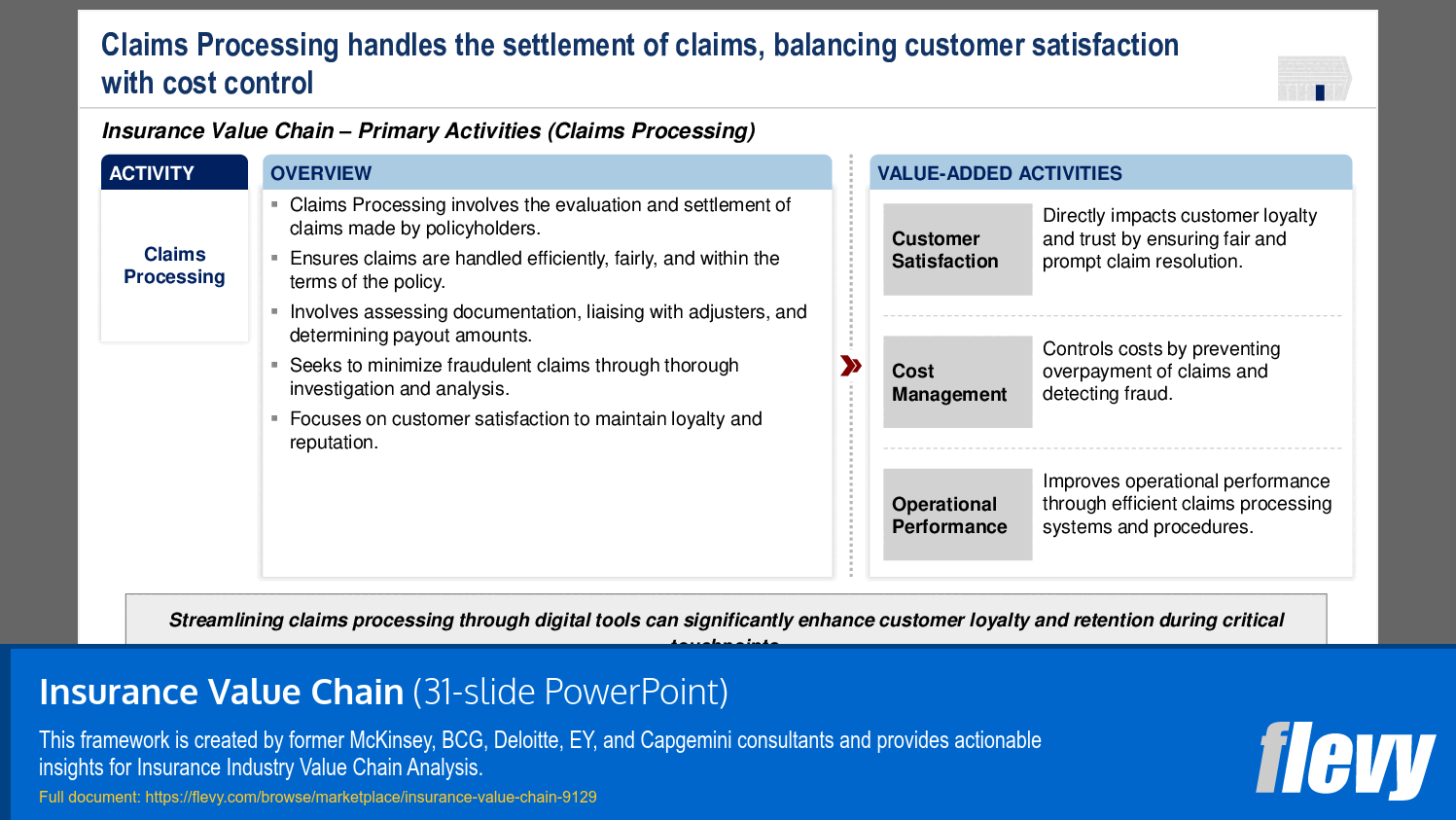
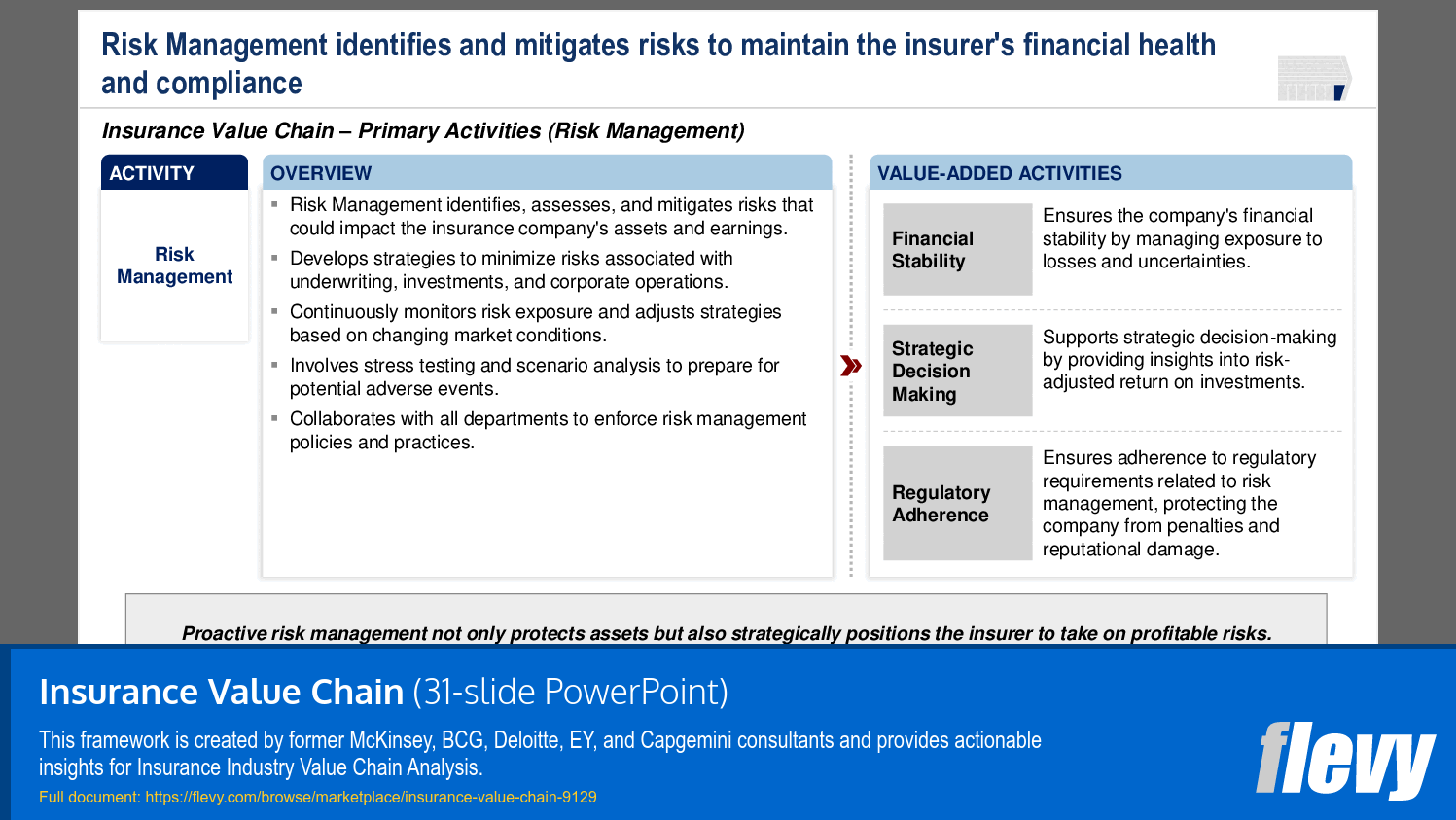

An Industry Value Chain is a visual representation of the series of steps an organization in a specific industry takes to deliver a product or service to the market. It captures the main business functions and processes that are involved in delivering the end product or service, illustrating how each step adds value and contributes to a Competitive Advantage. It often encompasses both primary and support activities.
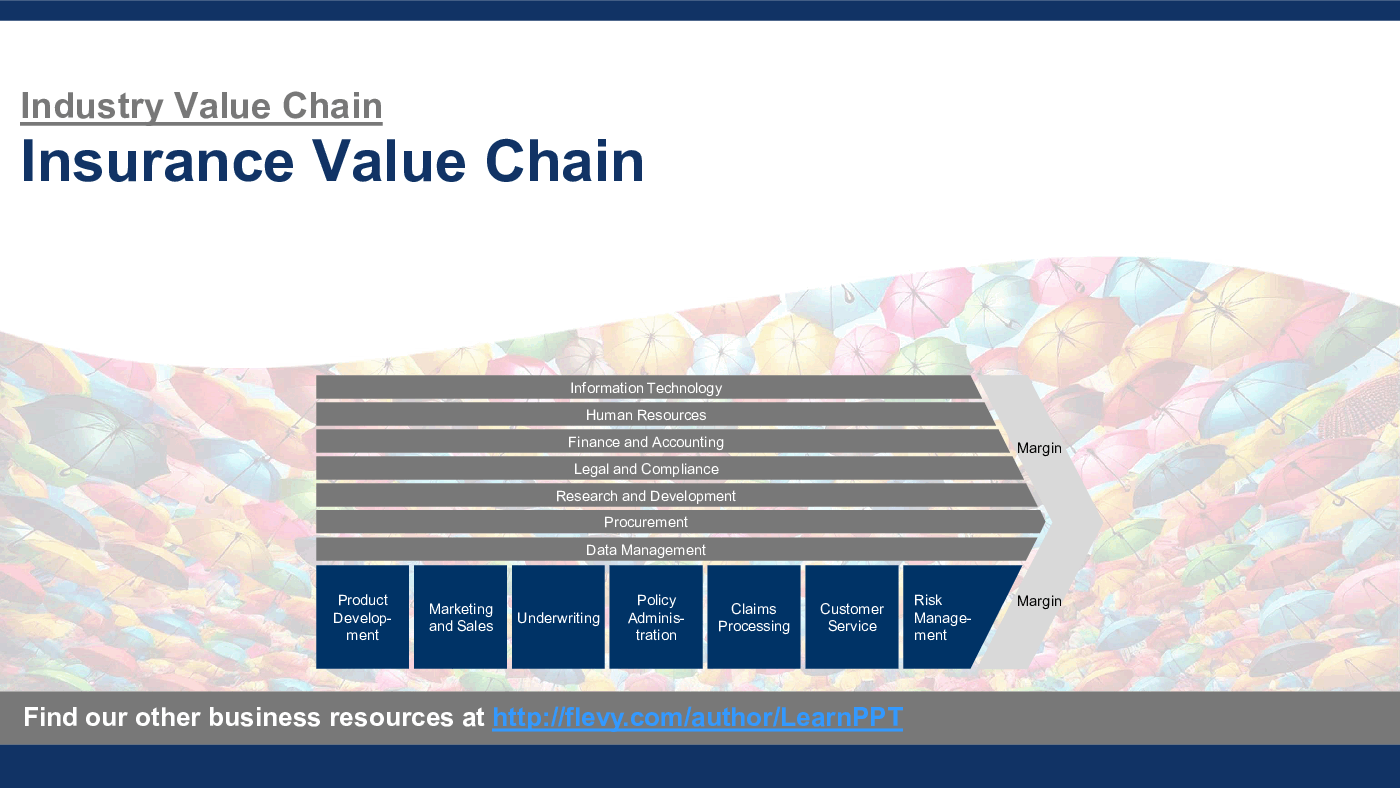
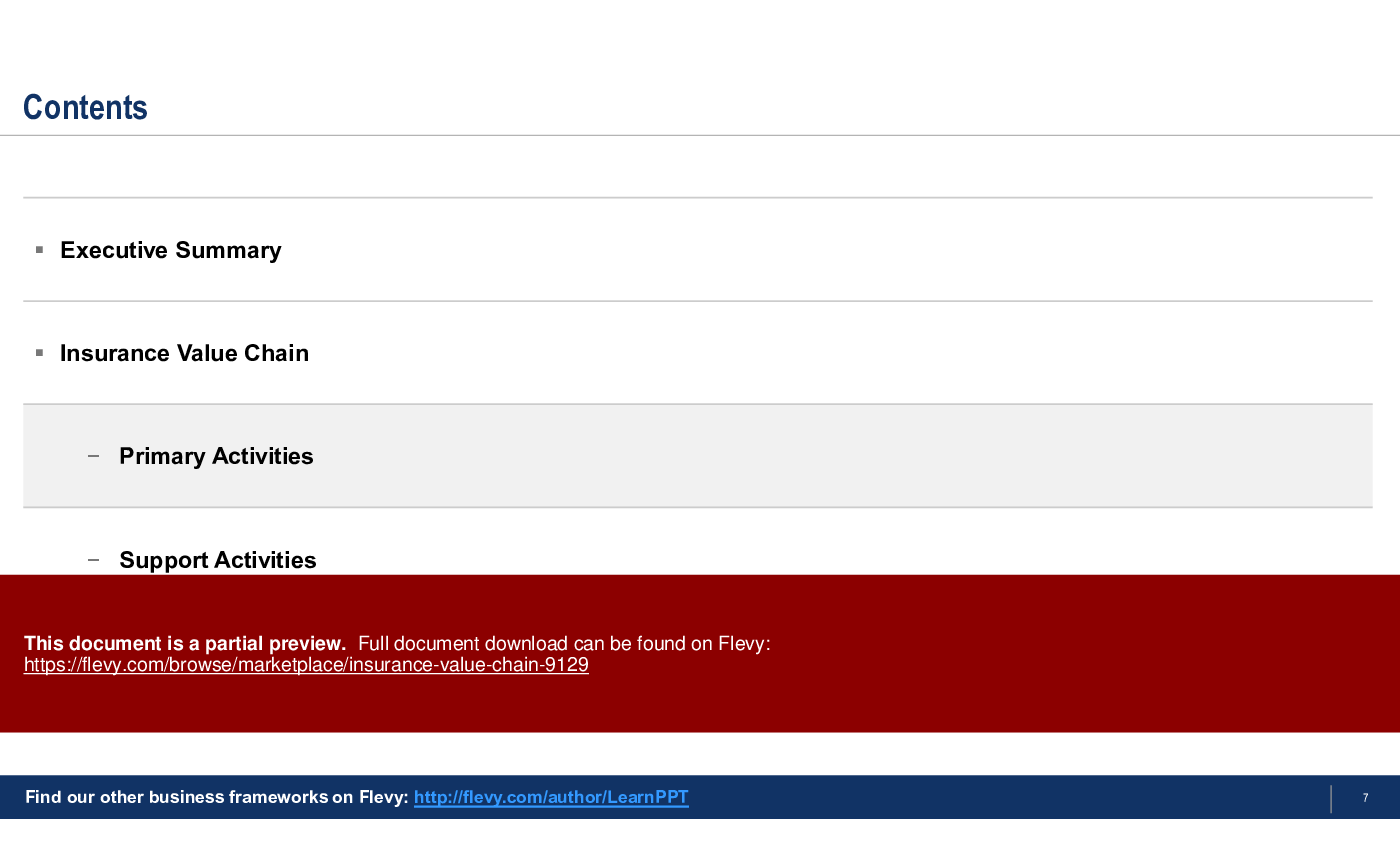
This PowerPoint presentation captures the Insurance Industry Value Chain, which includes the following primary and support activities for Insurance companies:
Primary Activities
1. Product Development
2. Marketing and Sales
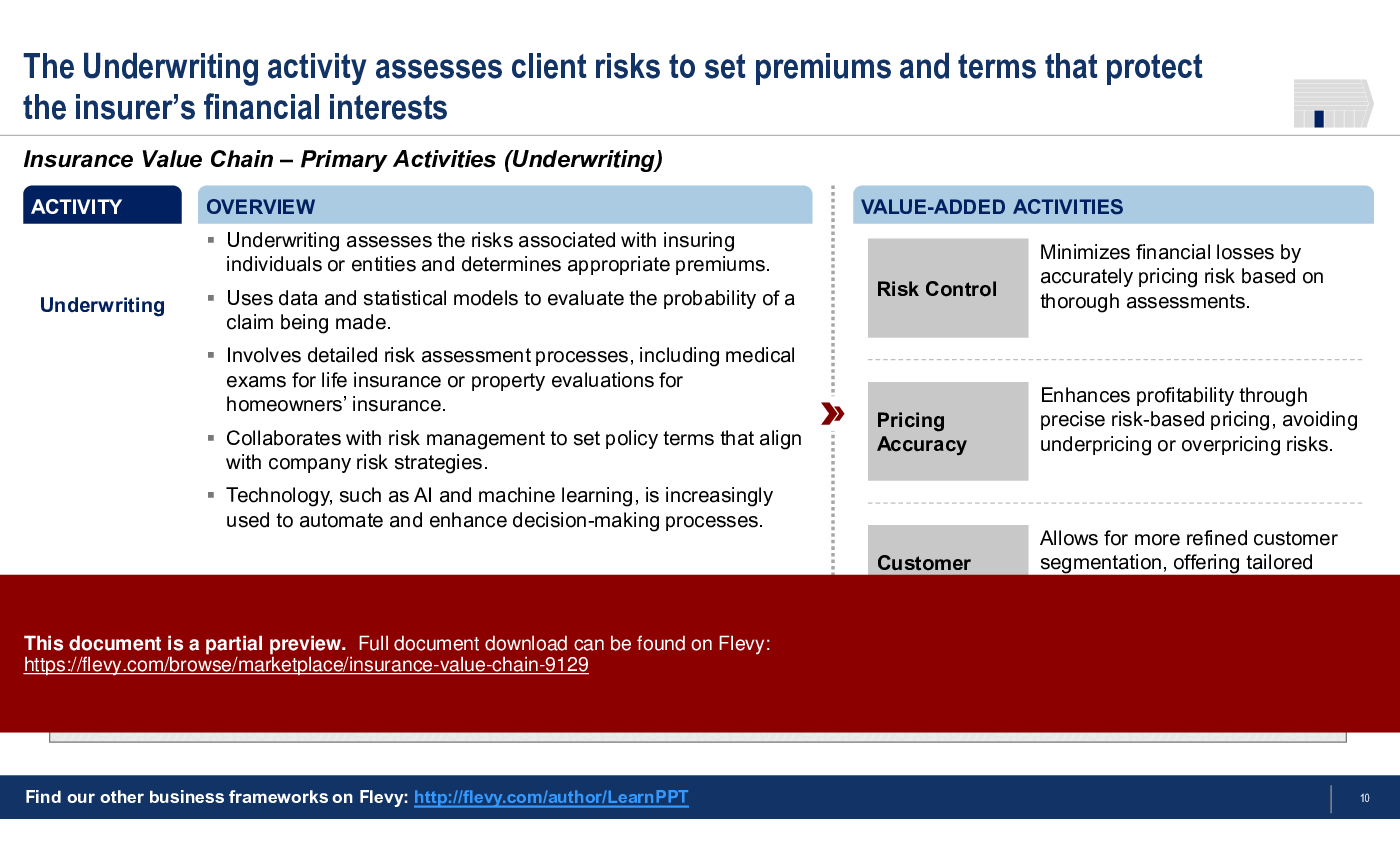
3. Underwriting
4. Policy Administration
5. Claims Processing
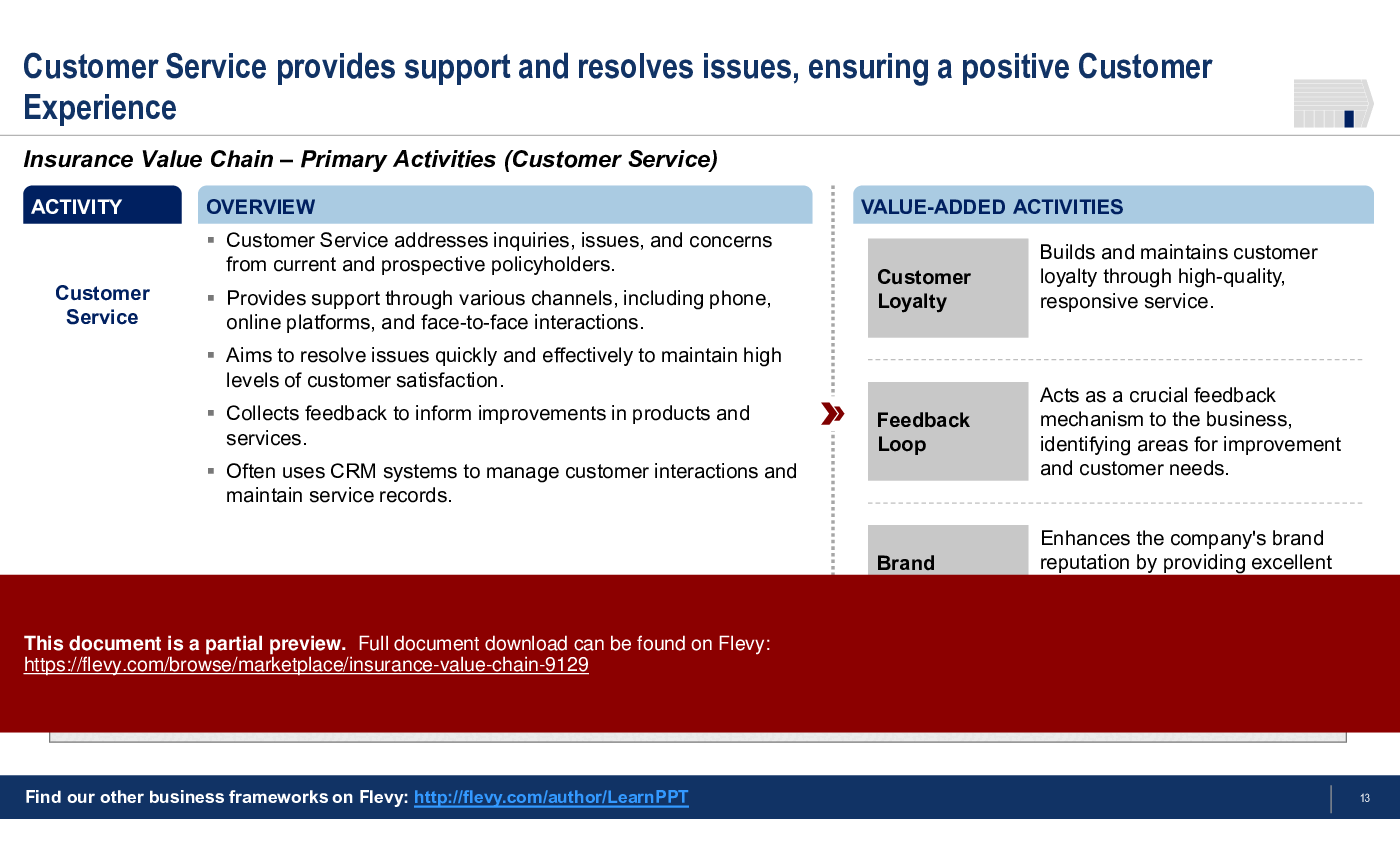
6. Customer Service
7. Risk Management
Support Activities
1. Information Technology
2. Human Resources
3. Finance and Accounting
4. Legal and Compliance
5. Research and Development
6. Procurement
7. Data Management
This PPT presentation dives deeper into each of these activities, highlighting key elements.
Seamless integration across Underwriting, Claims Processing, and Customer Service is crucial for delivering a consistent and satisfying Customer Experience. Furthermore, Innovations in Product Development and Data Analytics allow insurers to offer customized solutions, while responding quickly to market changes. Effective Risk Management throughout the Insurance Value Chain not only preserves capital, but also enhances the insurer's reputation and customer trust.
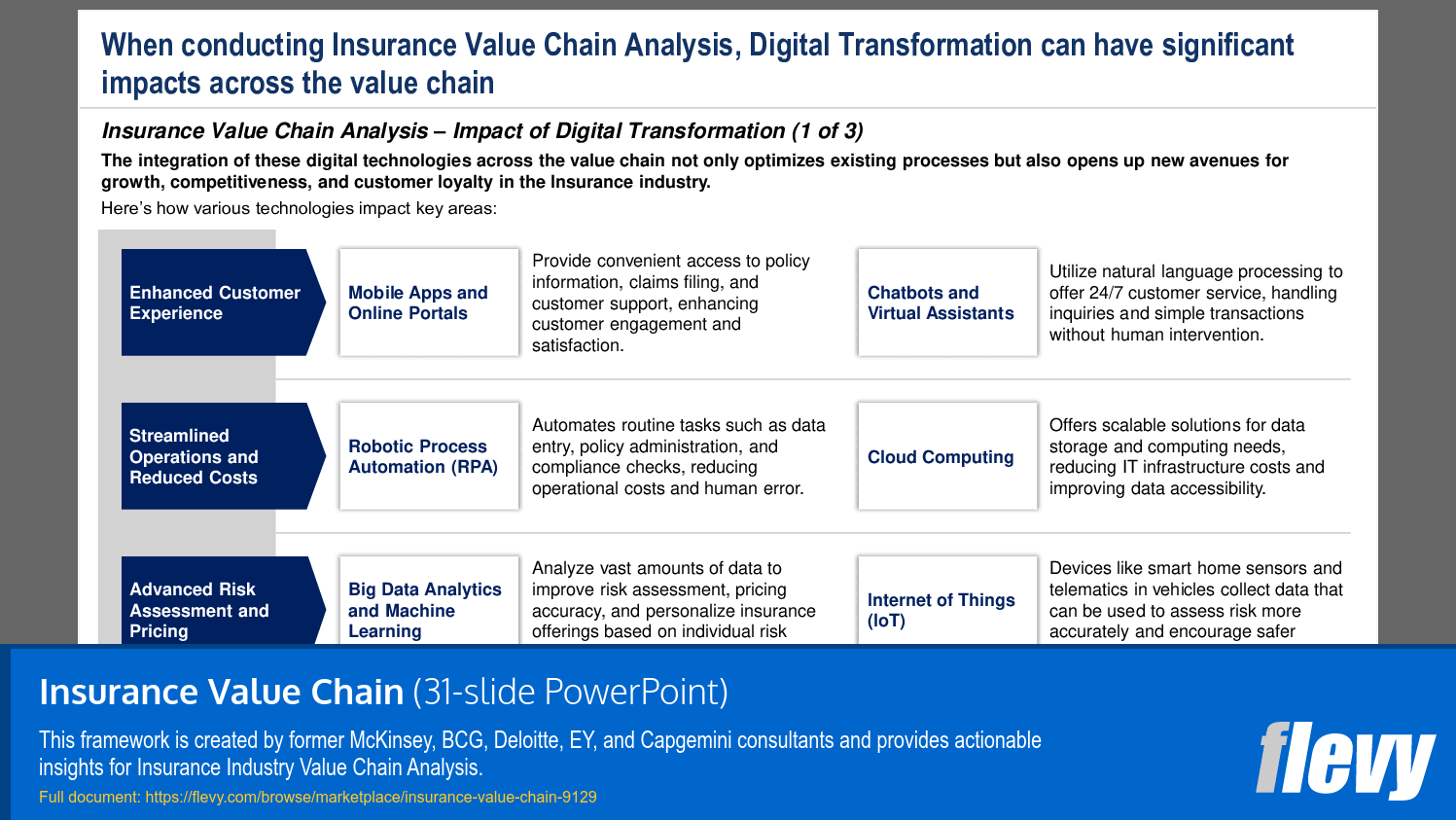
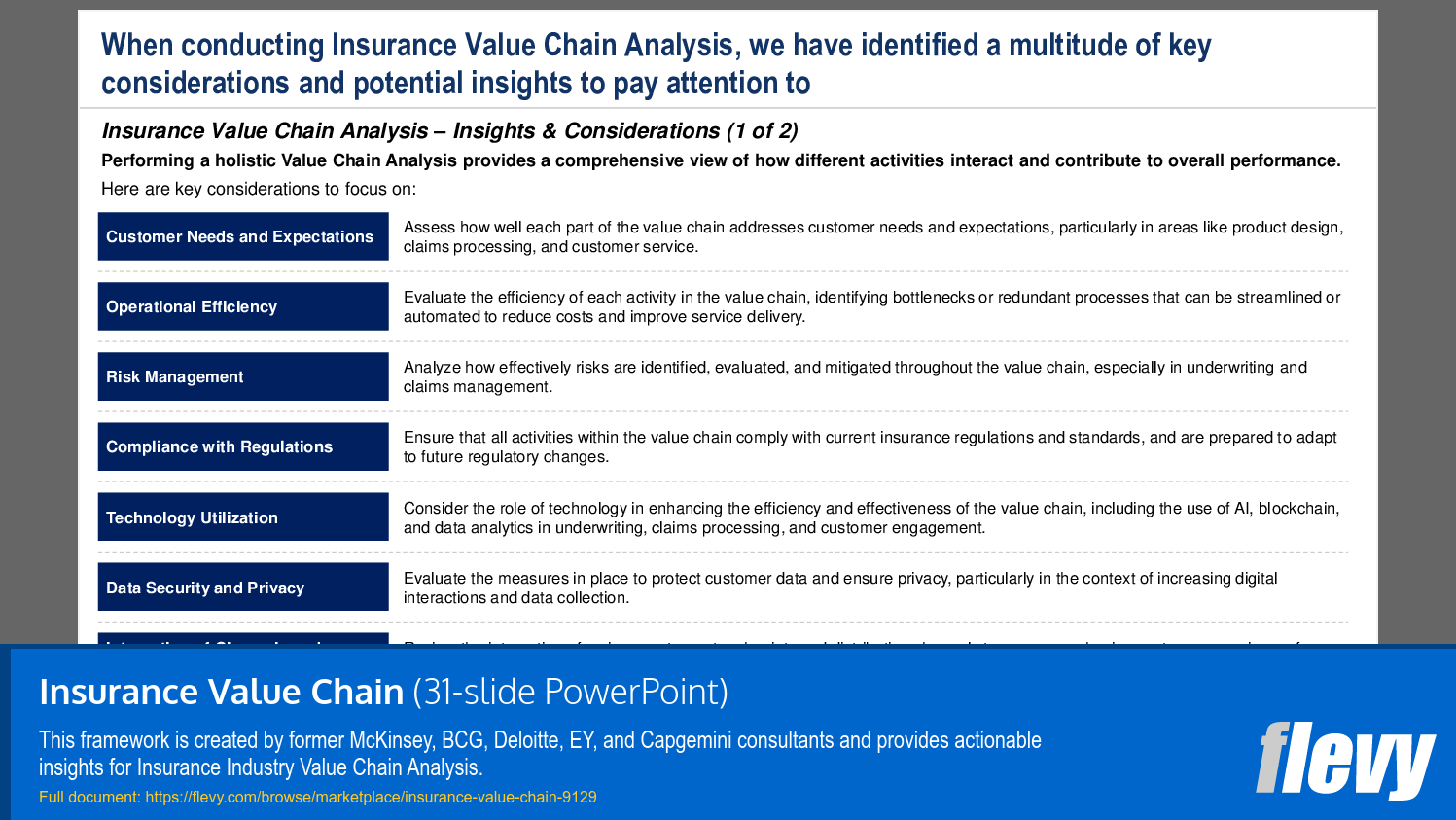
This PPT presentation also discusses Insurance Value Chain Analysis, highlighting a multitude of key considerations and potential insights to pay attention to. We further discuss the significant impact of Digital Transformation and various specific emergent technologies on the Insurance industry.
This presentation serves as a comprehensive guide for executives looking to optimize their insurance operations. It emphasizes the interconnectedness of primary and support activities, showcasing how strategic alignment can enhance overall efficiency. The insights provided on digital transformation and technology utilization are particularly relevant in today’s fast-paced market. By leveraging data analytics and innovative solutions, insurers can not only streamline processes, but also better meet evolving customer expectations. This PPT is essential for leaders aiming to drive operational excellence and foster a culture of continuous improvement within their organizations.
Got a question about the product? Email us at support@flevy.com or ask the author directly by using the "Ask the Author a Question" form. If you cannot view the preview above this document description, go here to view the large preview instead.
Executive Summary
The Insurance Value Chain presentation offers a detailed framework for understanding the key activities and processes that drive value in the insurance industry. Created by former consultants from top firms like McKinsey and BCG, this consulting-grade resource provides actionable insights into both primary and support activities that contribute to competitive advantage. By utilizing this framework, executives and consultants can analyze the insurance value chain, enhance operational efficiency, and improve customer satisfaction, ultimately leading to increased profitability and long-term viability.
Who This Is For and When to Use
• Insurance executives seeking to optimize operational processes
• Consultants conducting value chain analyses for insurance clients
• Business analysts focused on improving customer experience in insurance
• Risk management professionals aiming to enhance compliance and efficiency
Best-fit moments to use this deck:
• During strategic planning sessions to identify value-adding activities
• When assessing operational efficiencies within insurance organizations
• For training sessions on industry best practices and frameworks
Learning Objectives
• Define the components of the insurance value chain and their interdependencies
• Analyze primary and support activities to identify areas for improvement
• Establish metrics for evaluating operational efficiency and customer satisfaction
• Develop strategies for integrating digital transformation into the value chain
• Assess risk management practices across the value chain
• Enhance customer engagement through optimized service delivery
Table of Contents
• Executive Summary (page 1)
• Insurance Value Chain (page 3)
• Primary Activities (page 4)
• Support Activities (page 5)
• Insurance Value Chain Analysis (page 24)
Primary Topics Covered
• Primary Activities - The core functions that directly contribute to delivering insurance products, including product development, marketing, underwriting, policy administration, claims processing, customer service, and risk management.
• Support Activities - Functions that enhance the efficiency of primary activities, including information technology, human resources, finance and accounting, legal and compliance, research and development, procurement, and data management.
• Insurance Value Chain Analysis - A comprehensive evaluation of how different activities interact and contribute to overall performance, focusing on customer needs, operational efficiency, and regulatory compliance.
Deliverables, Templates, and Tools
• Value chain analysis framework for assessing insurance operations
• Templates for evaluating primary and support activities
• Guidelines for integrating digital transformation into the insurance value chain
• Metrics for measuring customer satisfaction and operational efficiency
• Risk assessment templates for underwriting and claims processing
• Compliance checklists for regulatory adherence
Slide Highlights
• Overview of the insurance value chain, illustrating primary and support activities
• Detailed breakdown of product development and its impact on market competitiveness
• Insights into marketing and sales strategies for enhancing brand awareness
• Examination of underwriting processes and their role in risk management
• Analysis of claims processing and its effect on customer satisfaction
• Overview of data management practices for ensuring data security and compliance
Potential Workshop Agenda
Insurance Value Chain Overview Session (60 minutes)
• Introduction to the insurance value chain framework
• Discussion of primary and support activities
• Group activity: Identifying value-adding processes
Operational Efficiency Workshop (90 minutes)
• Review of current operational practices
• Breakout sessions to analyze bottlenecks and inefficiencies
• Presentation of findings and proposed solutions
Digital Transformation in Insurance (60 minutes)
• Overview of emerging technologies impacting the insurance industry
• Discussion on integrating digital tools into existing processes
• Case studies on successful digital transformation initiatives
Customization Guidance
• Tailor the framework to align with specific organizational goals and objectives
• Update metrics and KPIs to reflect current business priorities
• Incorporate company-specific examples and case studies for relevance
• Adjust the focus of workshops based on participant roles and expertise
Secondary Topics Covered
• Customer engagement strategies in the insurance sector
• The role of technology in enhancing operational efficiency
• Regulatory compliance challenges and solutions
• Innovations in product development and market responsiveness
• The impact of digital transformation on customer experience
FAQ
What is the Insurance Value Chain?
The Insurance Value Chain is a framework that outlines the primary and support activities involved in delivering insurance products, illustrating how each step adds value and contributes to competitive advantage.
How can this framework improve operational efficiency?
By analyzing each activity in the value chain, organizations can identify bottlenecks, streamline processes, and enhance customer satisfaction, ultimately leading to improved operational efficiency.
What are the primary activities in the insurance value chain?
Primary activities include product development, marketing and sales, underwriting, policy administration, claims processing, customer service, and risk management.
How does digital transformation impact the insurance value chain?
Digital transformation enhances operational efficiency, improves customer engagement, and allows for the integration of advanced technologies like AI and data analytics into core processes.
What role does risk management play in the insurance value chain?
Risk management is crucial for identifying, assessing, and mitigating risks throughout the value chain, ensuring financial stability and regulatory compliance.
How can I customize this framework for my organization?
You can tailor the framework by aligning it with your specific business goals, updating metrics, and incorporating relevant case studies and examples.
What are the benefits of conducting an Insurance Value Chain Analysis?
Conducting an analysis provides insights into how different activities interact, identifies areas for improvement, and enhances overall performance and customer satisfaction.
What tools are available for implementing this framework?
The presentation includes templates for value chain analysis, metrics for measuring efficiency, and guidelines for integrating digital transformation.
Glossary
• Insurance Value Chain - A framework outlining the primary and support activities involved in delivering insurance products.
• Primary Activities - Core functions that directly contribute to product delivery, such as underwriting and claims processing.
• Support Activities - Functions that enhance primary activities, including IT and human resources.
• Risk Management - The process of identifying and mitigating risks to ensure financial stability.
• Digital Transformation - The integration of digital technologies to improve operational efficiency and customer engagement.
• Customer Engagement - Strategies aimed at enhancing interactions with customers to improve satisfaction and loyalty.
• Operational Efficiency - The ability to deliver products and services in a cost-effective manner.
• Regulatory Compliance - Adherence to laws and regulations governing the insurance industry.

• Data Management - The practice of ensuring data accuracy, security, and usability across operations.
• Product Development - The process of creating insurance products that meet market needs.
• Claims Processing - The evaluation and settlement of claims made by policyholders.
• Marketing and Sales - Strategies for promoting and selling insurance products.
• Policy Administration - Management of the lifecycle of insurance policies.
Source: Best Practices in Value Chain Analysis, Insurance PowerPoint Slides: Insurance Value Chain PowerPoint (PPTX) Presentation Slide Deck, LearnPPT Consulting
|
Download our FREE Strategy & Transformation Framework Templates
Download our free compilation of 50+ Strategy & Transformation slides and templates. Frameworks include McKinsey 7-S, Balanced Scorecard, Disruptive Innovation, BCG Curve, and many more. |