
 Click main image to view in full screen. Unlock all 16 preview images:
Industrial Ecosystem Depth Shift – PDF
PDF document 19 Pages


BENEFITS OF THIS DOWNLOADABLE PDF DOCUMENT
- Provides a proprietary framework for diagnosing industrial ecosystem depth, identifying critical capability gaps, and determining where competitive vulnerability resides.
- Translates complex industrial supply-chain and capability dynamics into practical executive decision tools for corporate, cluster, and policy leaders.
- Enables more targeted strategic action by linking capability scarcity, substitutability, connectivity, capital allocation, and time-to-rebuild with specific response pathways.
SUPPLY CHAIN RESILIENCE PDF DESCRIPTION
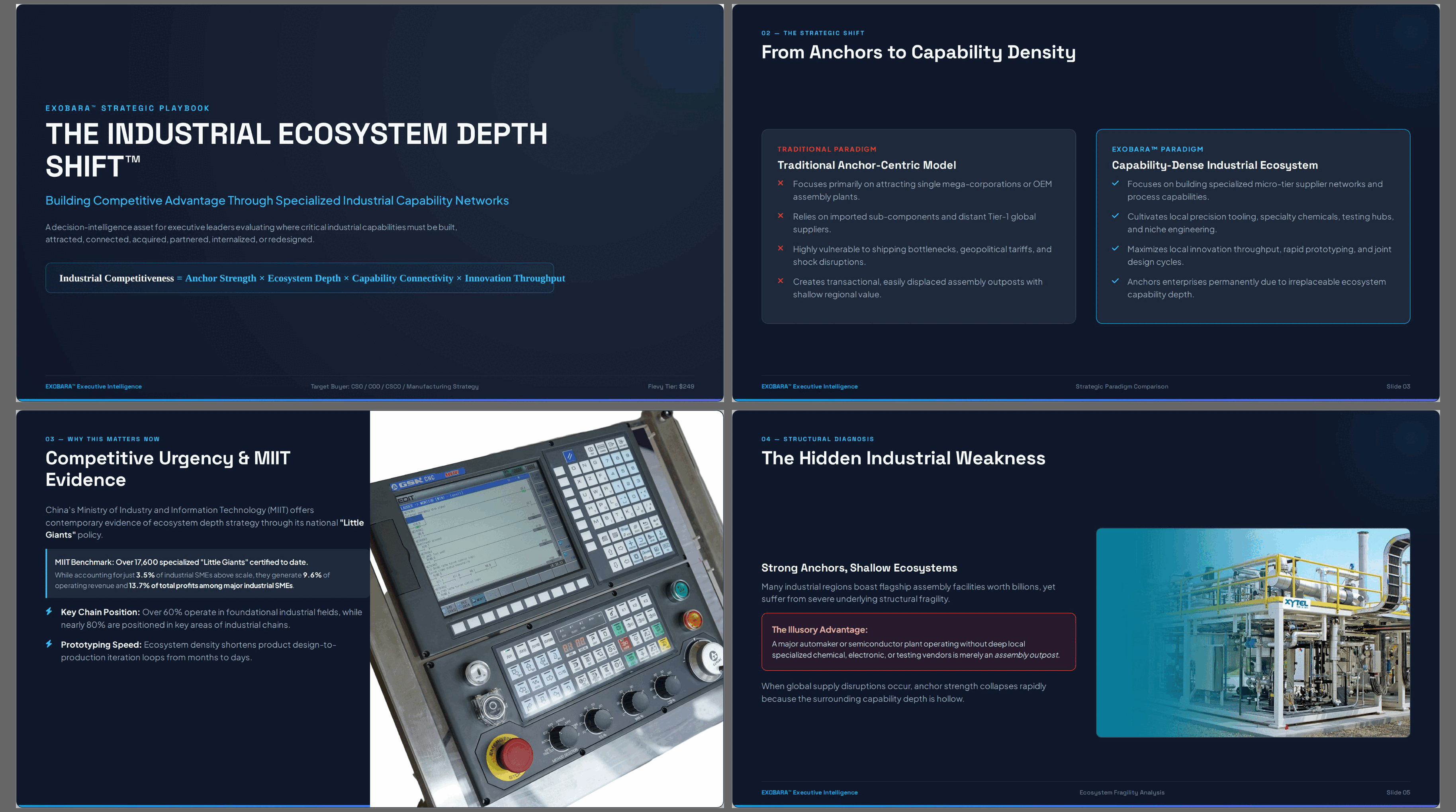
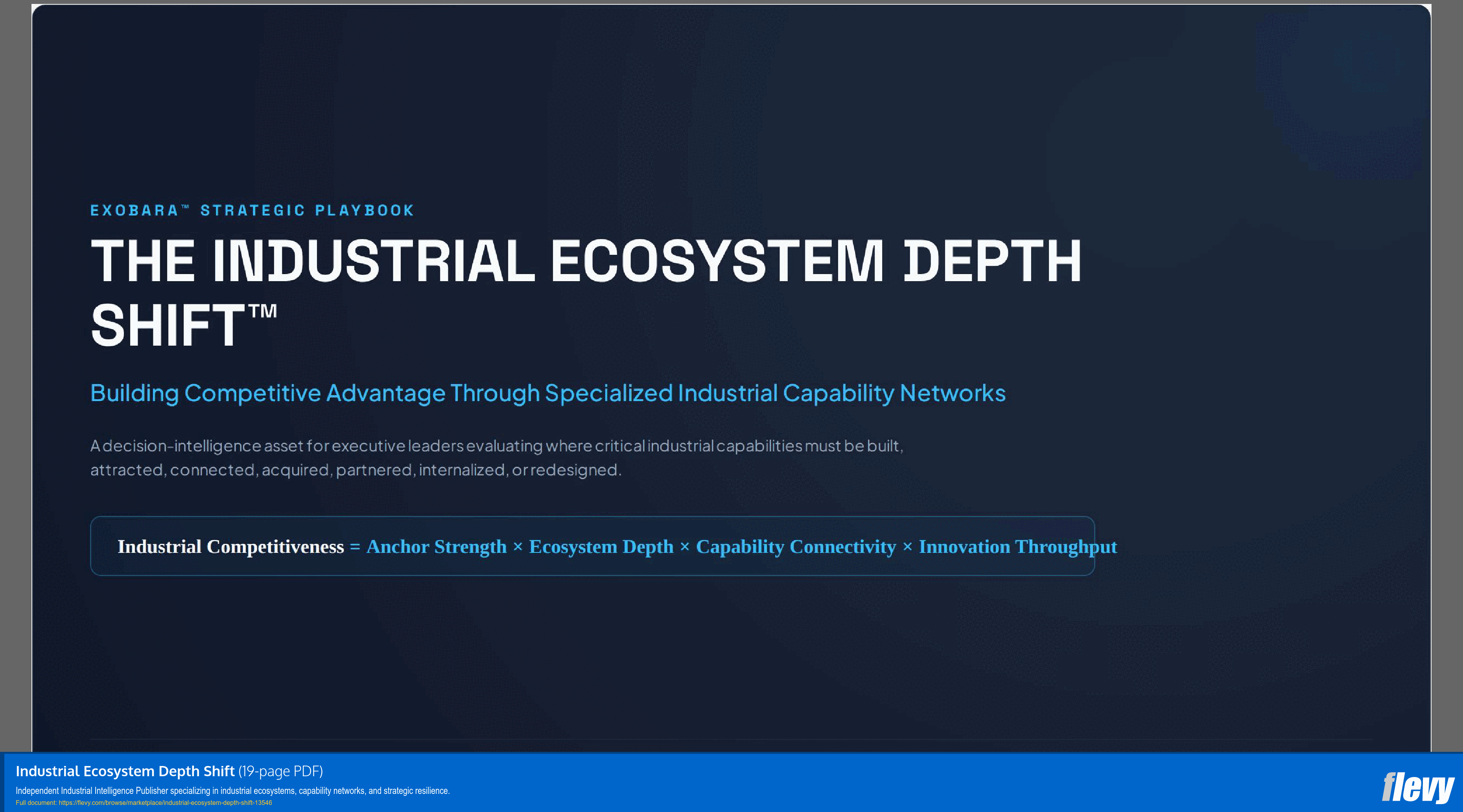
The Industrial Ecosystem Depth Shift™ is an Executive Intelligence Playbook for industrial leaders navigating a fundamental change in how competitive advantage is built. As global manufacturing becomes more specialized, interconnected, and exposed to supply-chain disruption, the strategic question is no longer simply where to build the next factory. It is whether the surrounding industrial ecosystem possesses enough specialized capability, depth, and connectivity to support long-term competitiveness, resilience, and scale.
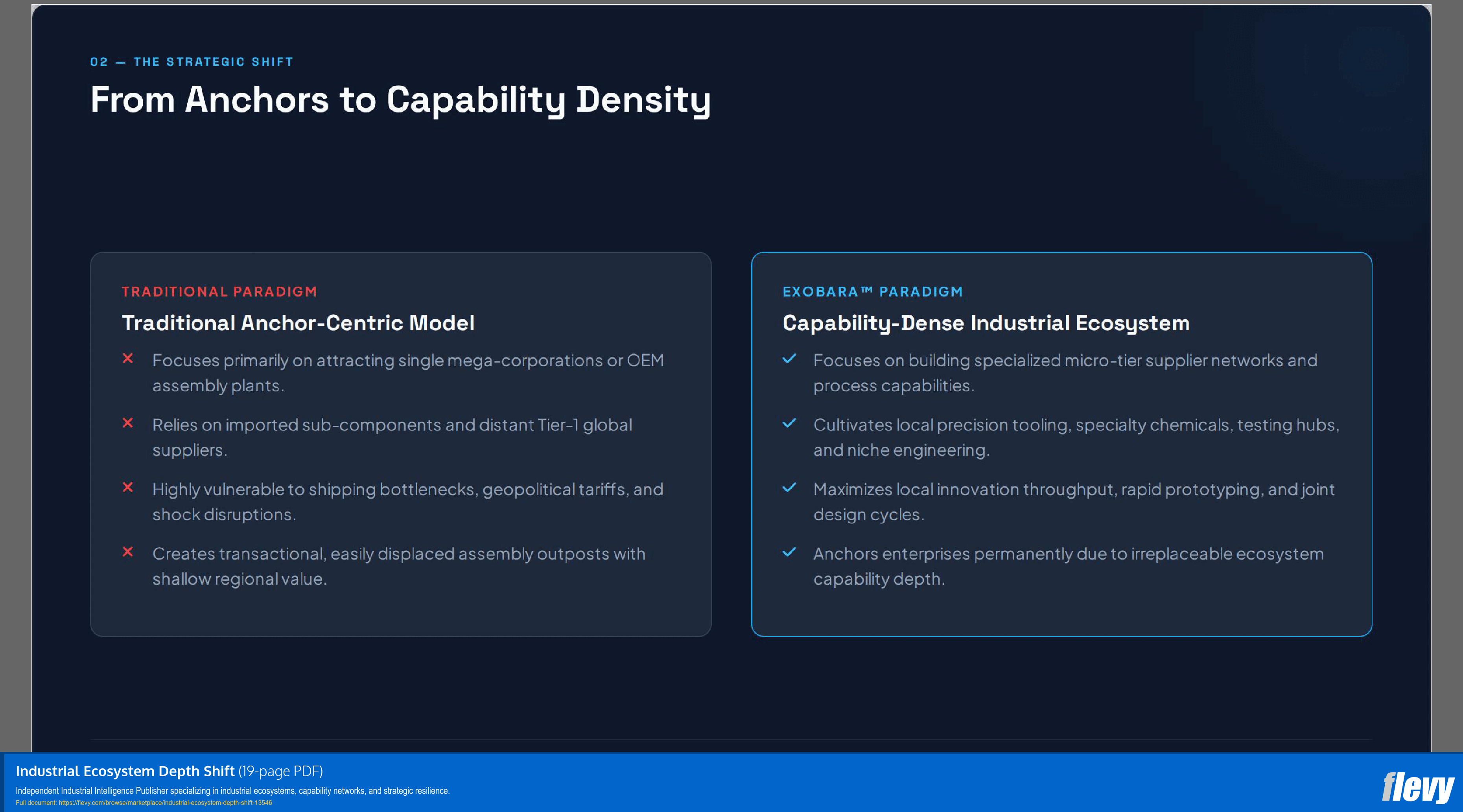
The playbook reframes industrial competitiveness from an anchor-centric model toward a capability-dense ecosystem model. It examines how large manufacturers, OEMs, and industrial platforms depend on specialized suppliers, precision manufacturers, testing and certification capabilities, technical institutions, logistics networks, procurement systems, and other ecosystem connectors.
Inside, you will find:
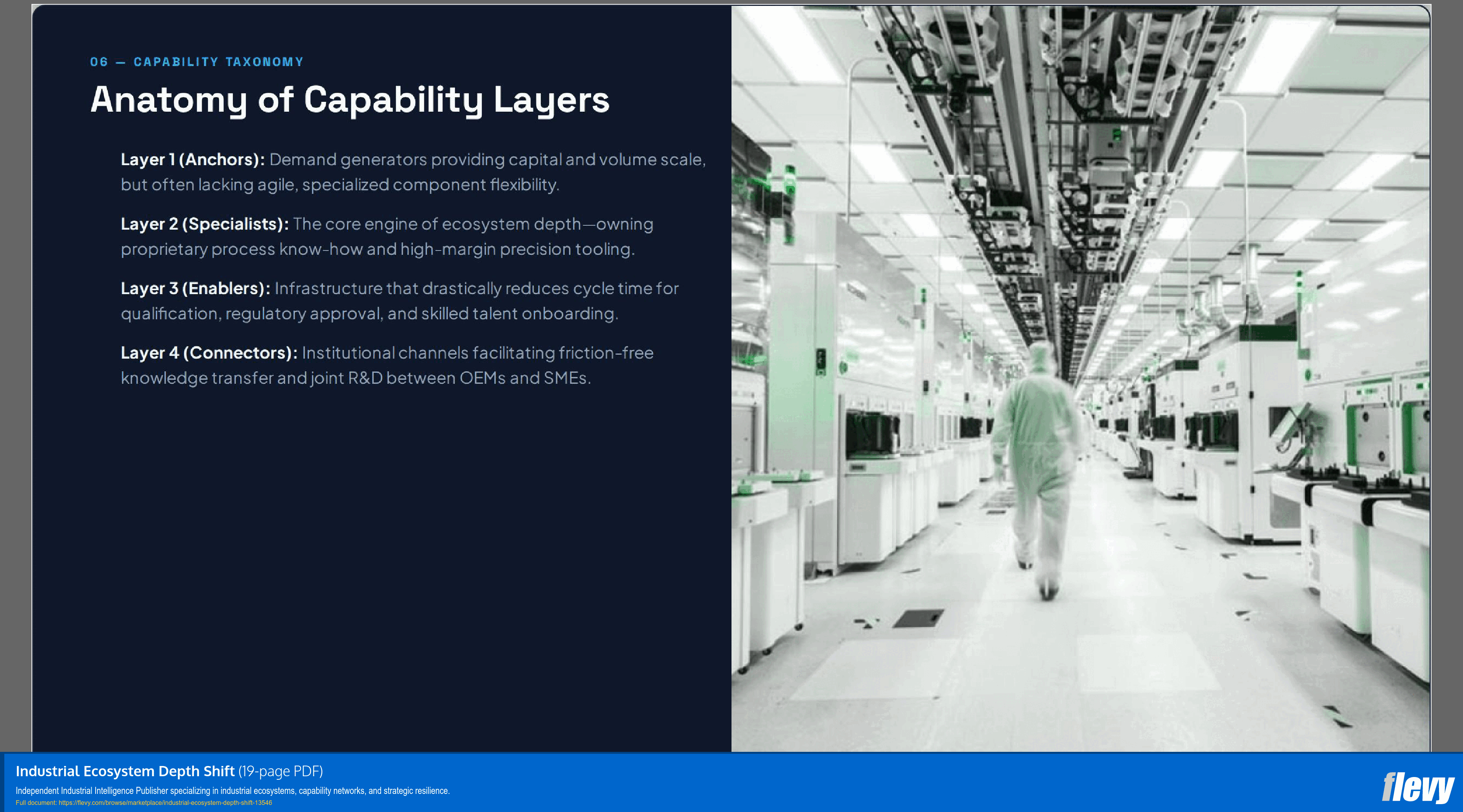
• Industrial Ecosystem Depth Map™ – a four-layer architecture mapping Anchors, Specialists, Enablers, and Connectors across an industrial ecosystem.
• Capability Depth Matrix™ – a diagnostic framework for assessing whether an ecosystem represents a Depth Gap State, Global Cluster, Build State, or Develop State.
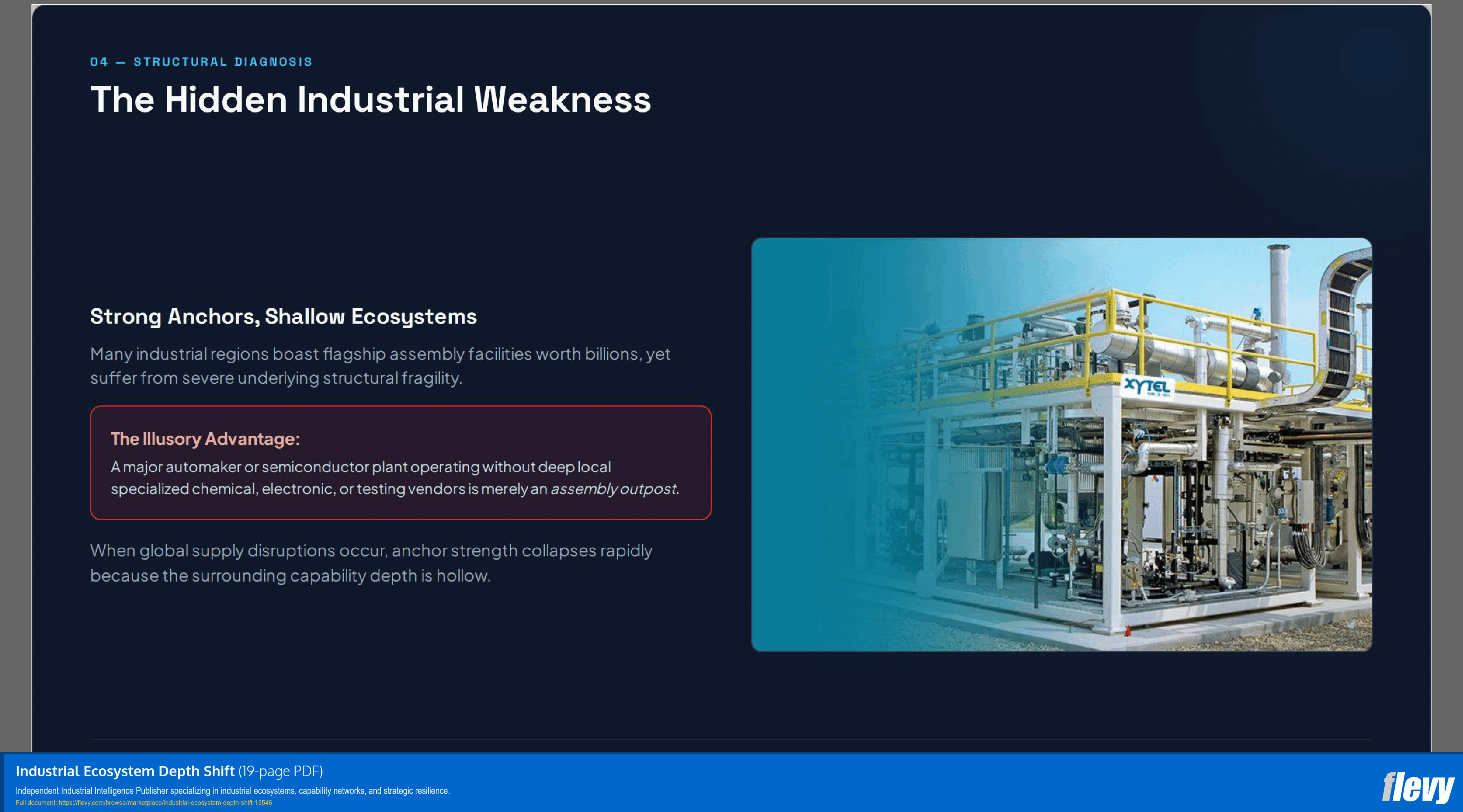
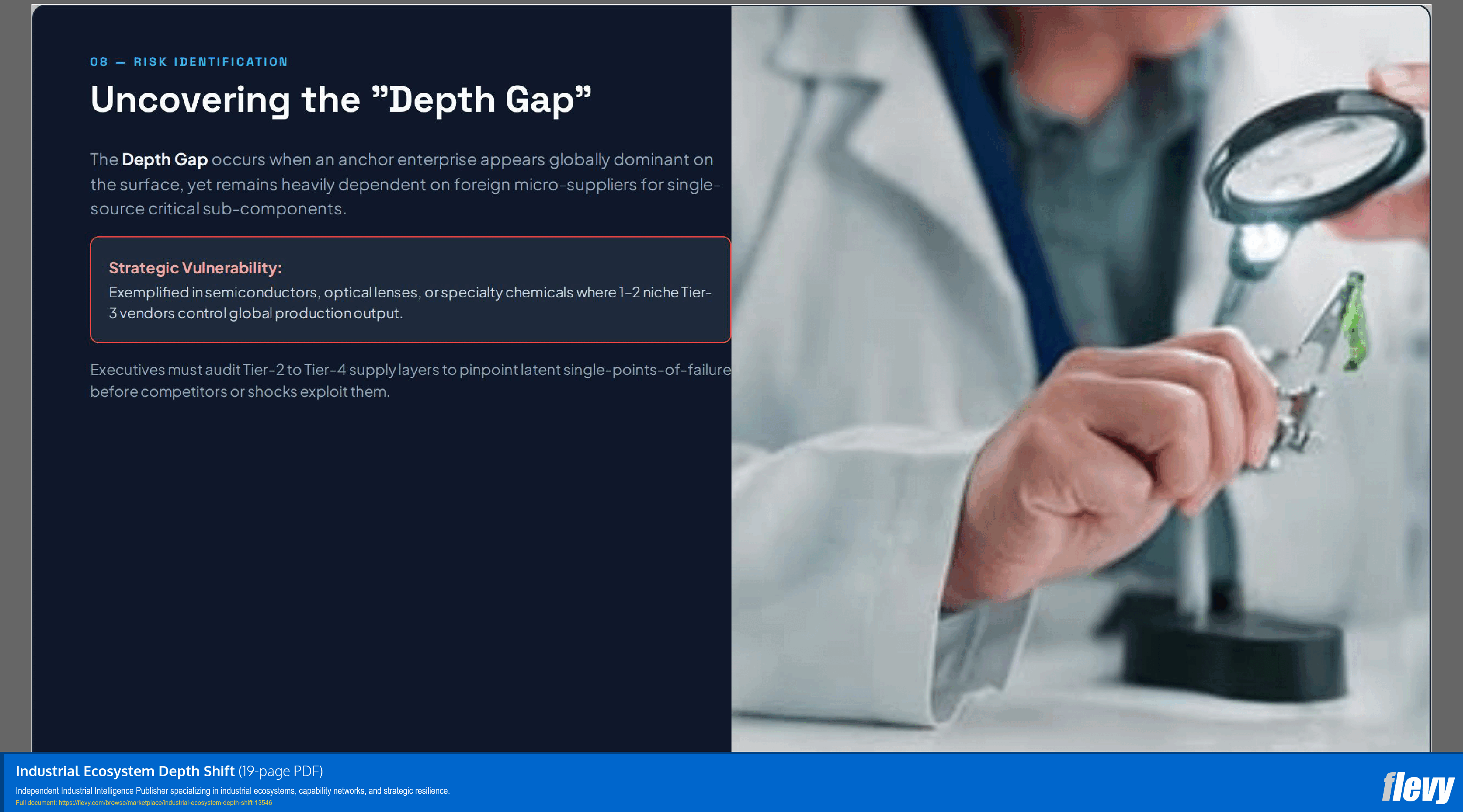
• The Depth Gap – a method for identifying hidden vulnerabilities where apparently strong anchor enterprises remain dependent on foreign or concentrated sources for critical capabilities.
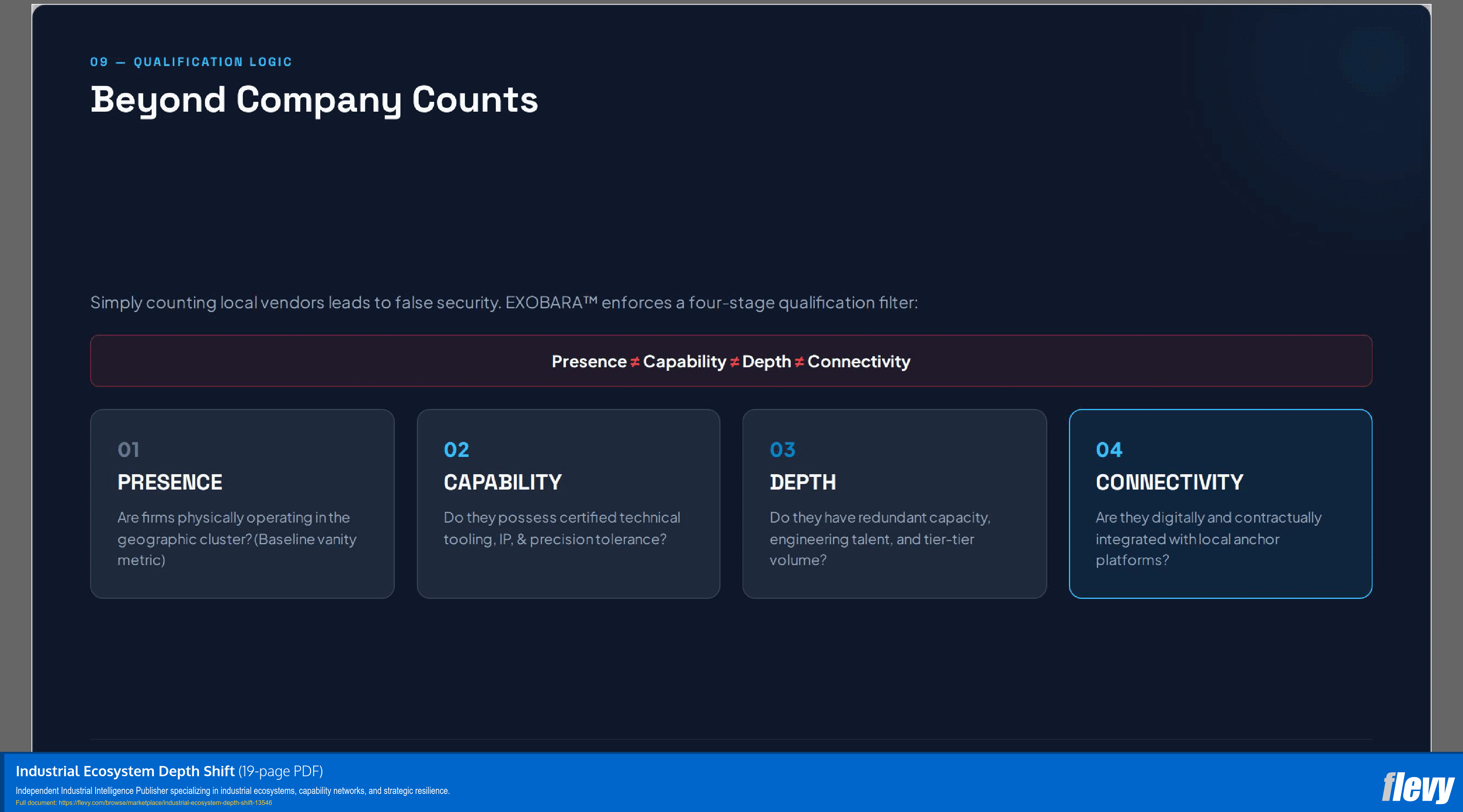
• Four-Stage Qualification Logic – Presence → Capability → Depth → Connectivity, moving beyond simple supplier and company counts.
• Connectivity Friction – a diagnostic of the data, qualification, capital, and working-capital barriers that prevent geographically concentrated capabilities from becoming a truly integrated ecosystem.
• Strategic Response Ladder™ – a structured pathway for deciding whether critical capabilities should be Attracted, Developed, Connected, Partnered, Acquired, Internalized, or Redesigned.
• Corporate Playbook – practical mechanisms for ecosystem mapping, supplier co-development, and critical capability prioritization.
• Government & Cluster Strategy – policy interventions including shared testing hubs, specialist incubators, and anchor procurement mandates.
• Capital Allocation Framework – a strategic comparison between low-leverage anchor expansion and higher-leverage investments in specialist tooling, precision R&D, shared testing, certification, and digital integration.
• Executive Capability Decision Matrix – an illustrative method for connecting capability scarcity, substitutability, time to rebuild, and strategic action.
• 90-Day Action Architecture – a practical MAP → PRIORITIZE → SELECT → LAUNCH sequence for converting ecosystem diagnosis into executive action.
The playbook is designed for executives responsible for industrial strategy, operations, supply-chain resilience, manufacturing competitiveness, and ecosystem development. Its central premise is simple: industrial competitiveness is increasingly constrained not by the strength of the anchor alone, but by the depth and connectivity of the capabilities surrounding it.
The result is a decision-oriented framework for determining which capabilities should be built, attracted, connected, partnered, acquired, internalized, or redesigned – and where capital and strategic attention can create the greatest ecosystem leverage.
Got a question about the product? Email us at support@flevy.com or ask the author directly by using the "Ask the Author a Question" form. If you cannot view the preview above this document description, go here to view the large preview instead.
Source: Best Practices in Supply Chain Resilience, Supplier Management PDF: Industrial Ecosystem Depth Shift PDF (PDF) Document, Wisnu Pandega Wardana
ABOUT THE AUTHOR

I am an independent Industrial Intelligence and Strategic Innovation Publisher focused on developing structured business intelligence, innovation frameworks, and opportunity-oriented research for decision-makers.
My work focuses on translating emerging technologies, industrial transformation, sustainability, resource efficiency, and market shifts into structured intelligence assets that
... [read more]
Ask the Author a Question
You must be logged in to contact the author.




























