
 Click main image to view in full screen. Unlock all 11 preview images:
Internal Audit M10: Findings and Reporting – PowerPoint PPTX Template
PowerPoint (PPTX) 45 Slides


VIDEO DEMO
BENEFITS OF THIS DOWNLOADABLE POWERPOINT DOCUMENT
- Provides comprehensive Five Cs finding structure with detailed writing guidance, validation checklists, and root cause analysis techniques including Five Whys and fishbone diagrams ensuring complete, defensible audit findings.
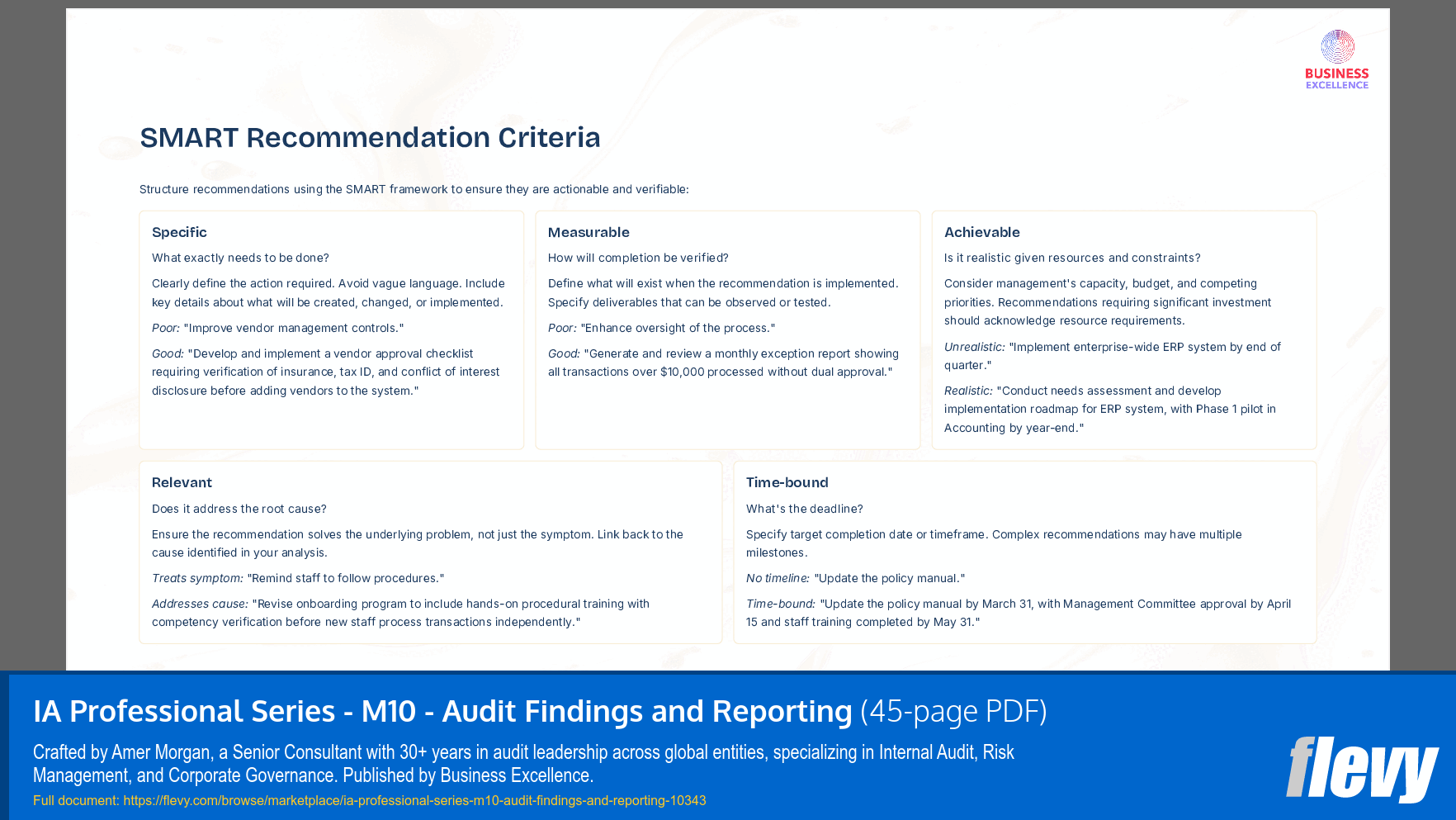
- Delivers SMART recommendation writing frameworks with action-oriented language guides and prioritization matrices ensuring recommendations address root causes and drive meaningful organizational improvement.
- Equips professionals with GIAS 2024-compliant report templates, consistent rating systems for findings and opinions, multi-level review processes, and disagreement resolution protocols ensuring professional, impactful audit communications.
AUDIT MANAGEMENT PPT TEMPLATE DESCRIPTION
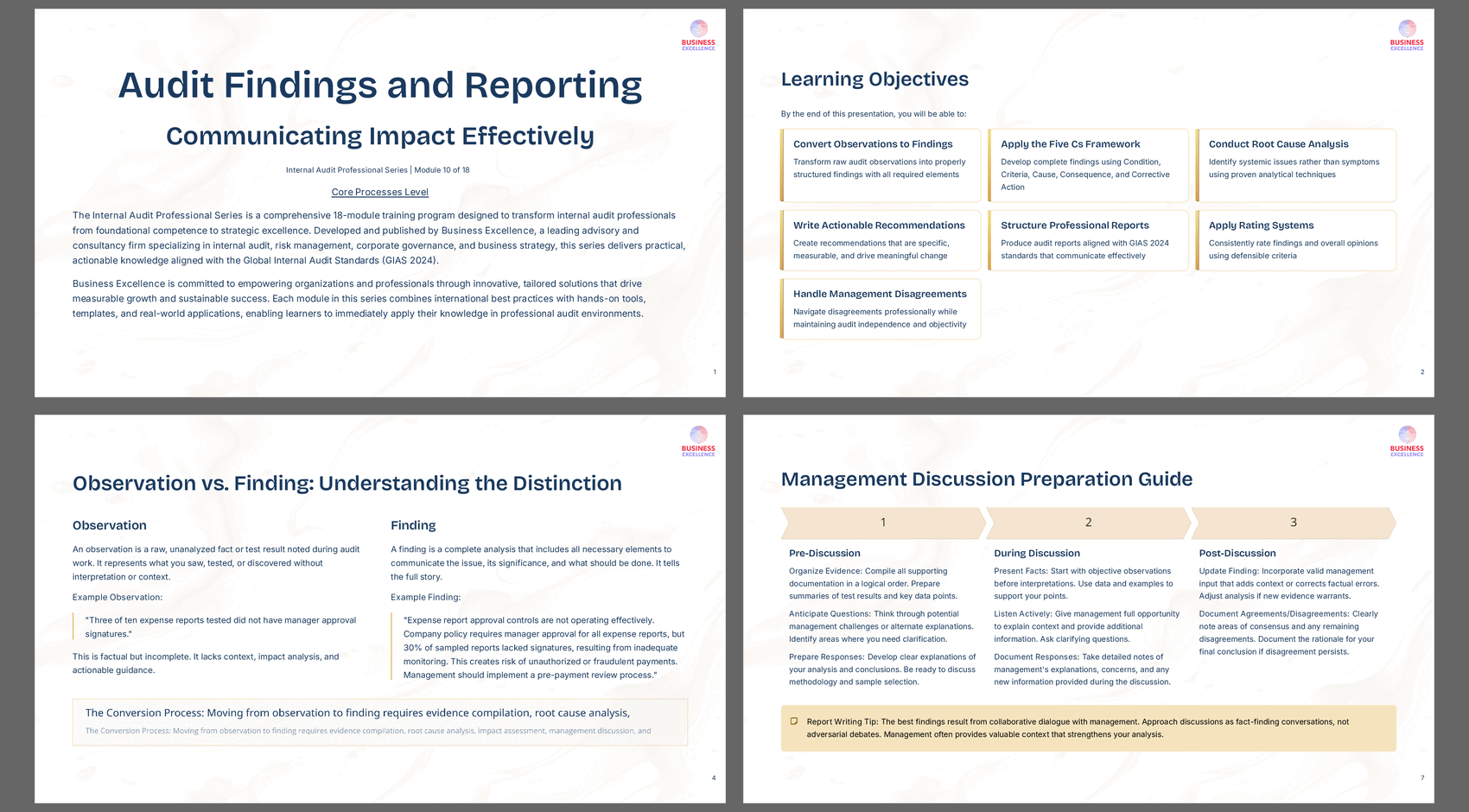
The Internal Audit Professional Series is a comprehensive 18-module training program designed to transform internal audit professionals from foundational competence to strategic excellence. Developed and published by Business Excellence, a leading advisory and consultancy firm specializing in internal audit, risk management, corporate governance, and business strategy, this series delivers practical, actionable knowledge aligned with the Global Internal Audit Standards (GIAS 2024).
Module 10: Audit Findings and Reporting provides the complete methodology for communicating audit impact effectively. This module equips auditors with professional techniques for transforming observations into actionable findings and creating reports that drive meaningful organizational change.
This module covers 7 comprehensive sections:
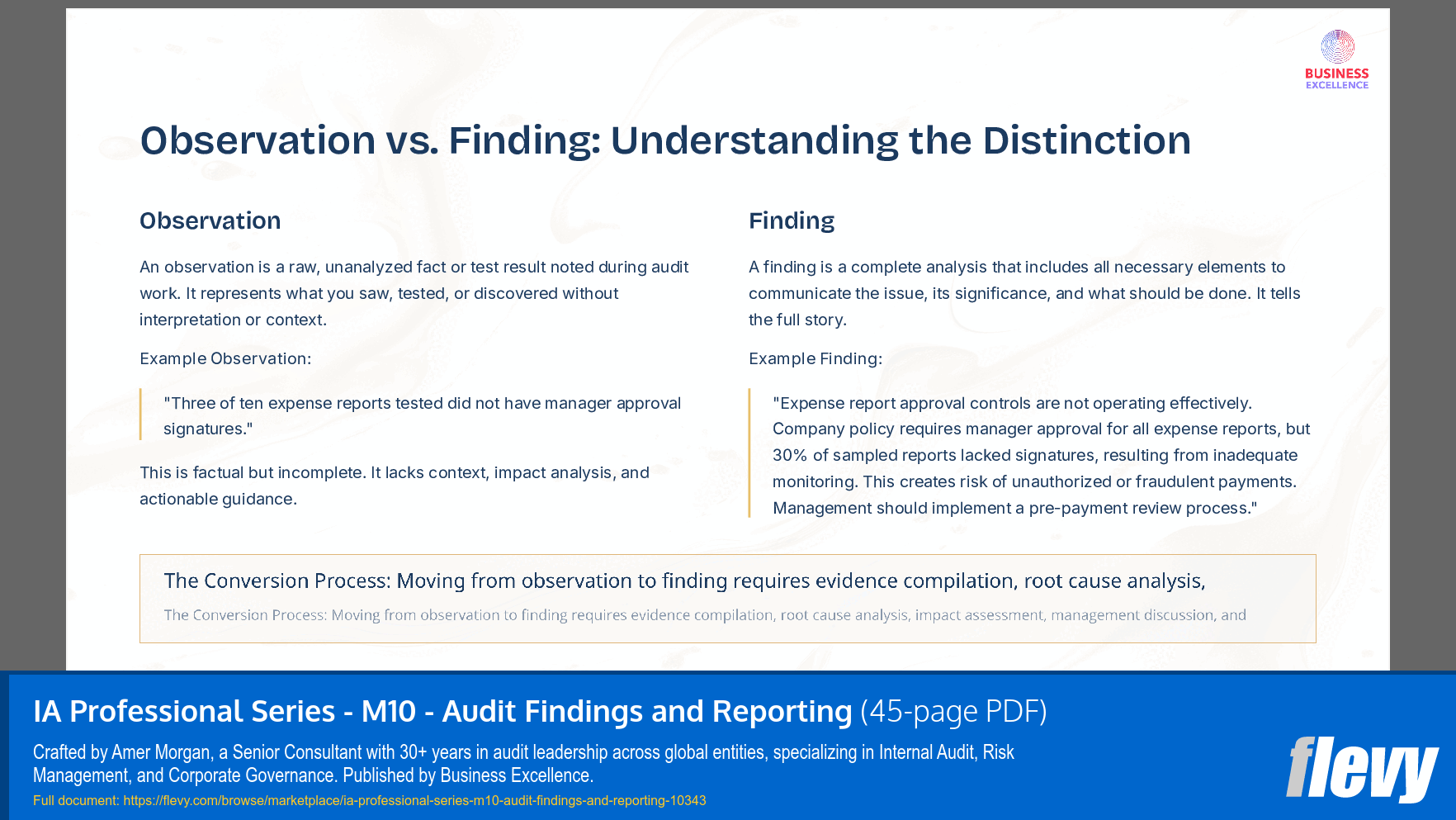
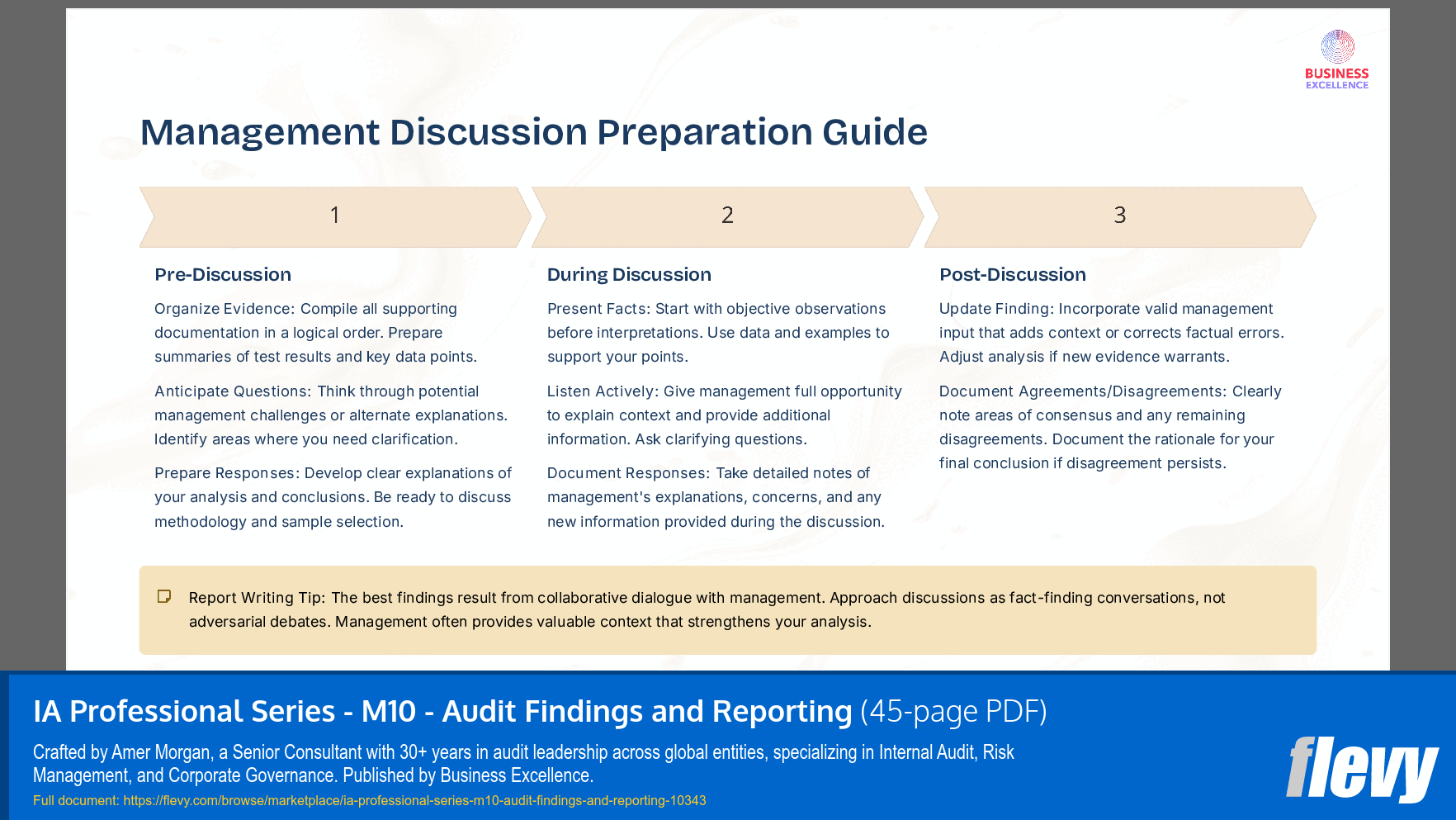
1. Finding Development Process – Converting observations to complete findings through evidence compilation, root cause analysis, impact assessment, and management discussion. Includes finding validation checklists, management discussion preparation guides, and the complete finding development workflow.
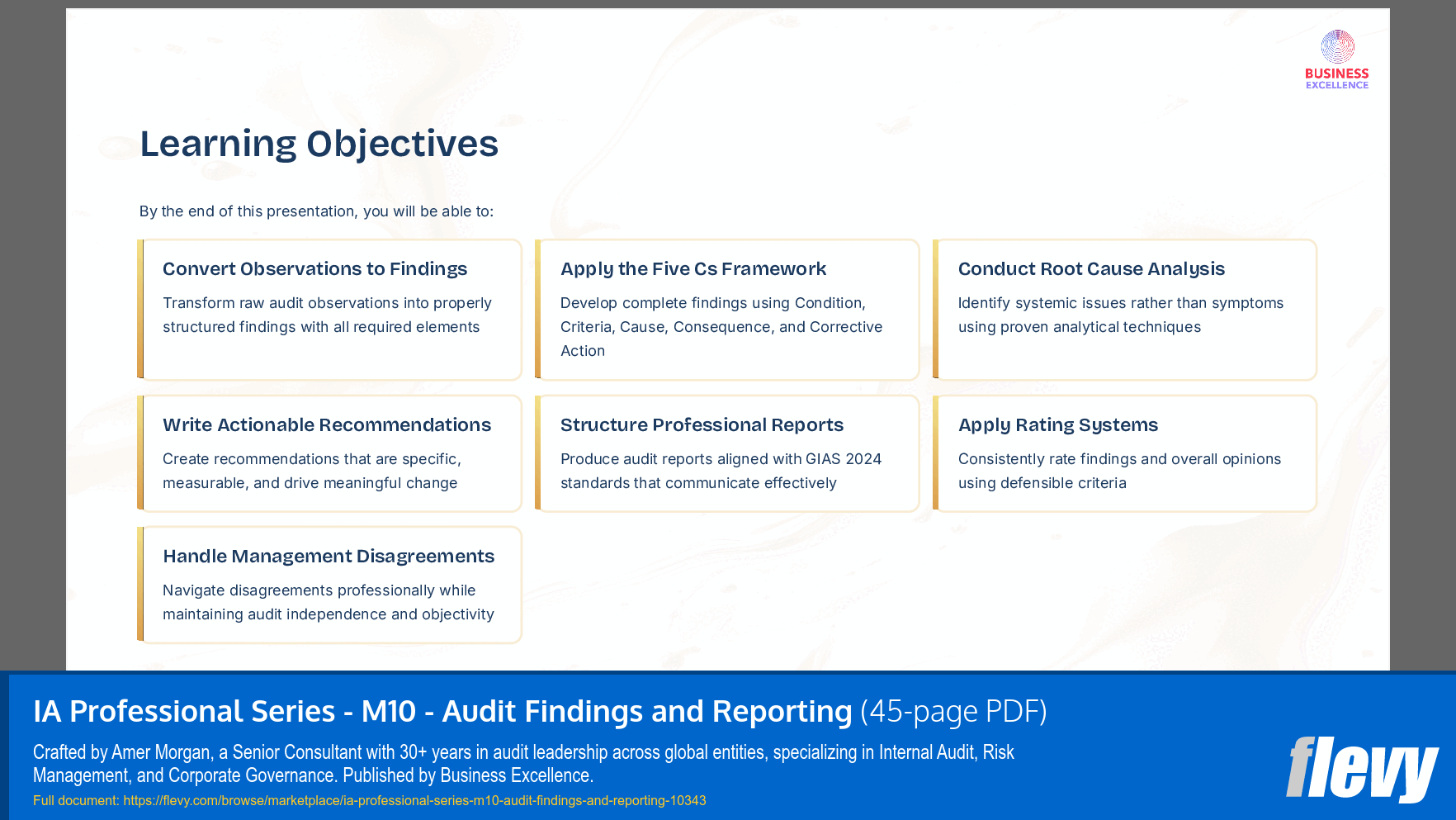
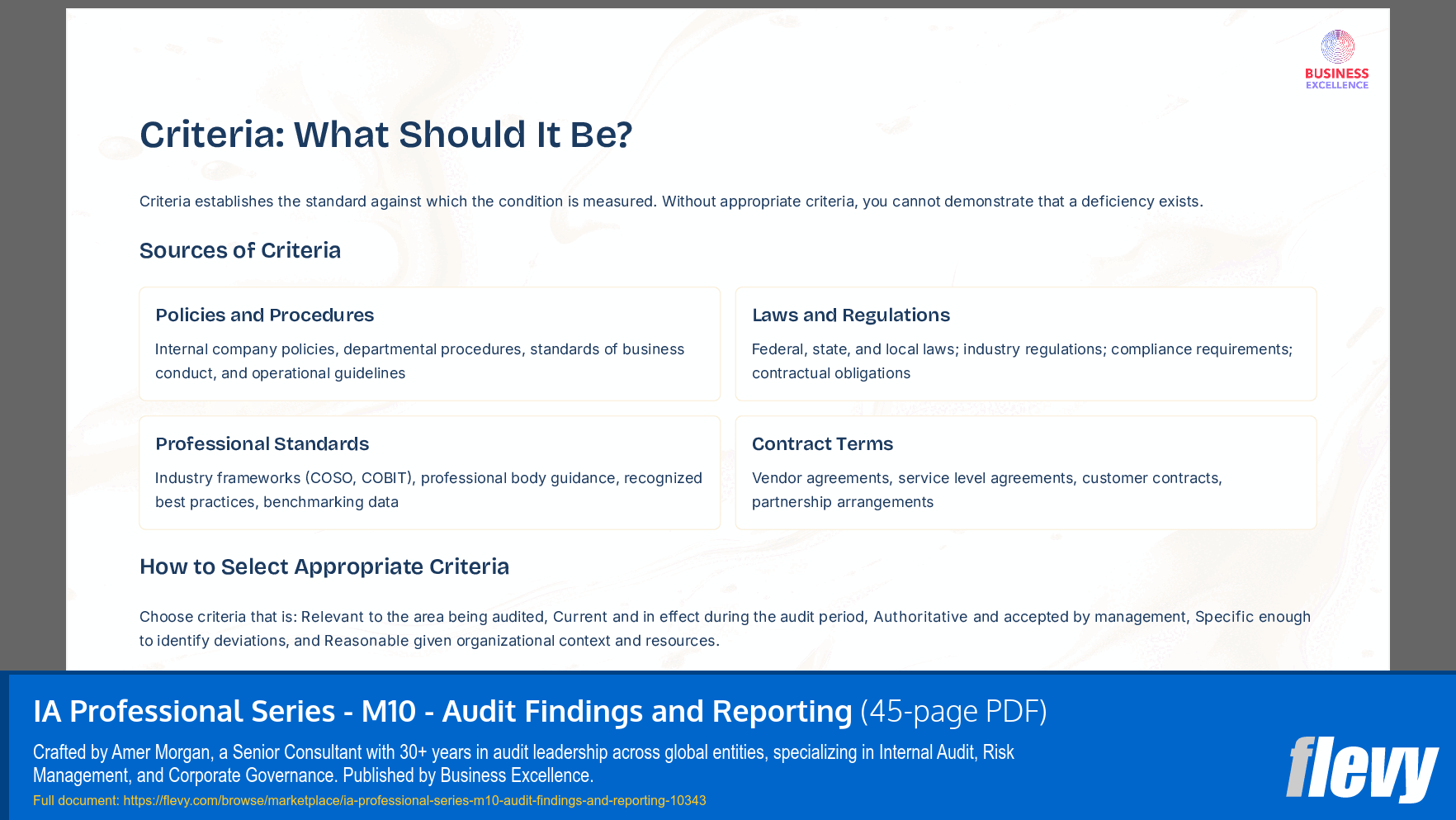
2. The Five Cs Finding Structure – Building complete findings using Condition (what did we find), Criteria (what should it be), Cause (why did it happen), Consequence (what's the impact), and Corrective Action (what should be done). Features detailed writing guidance and examples for each element.
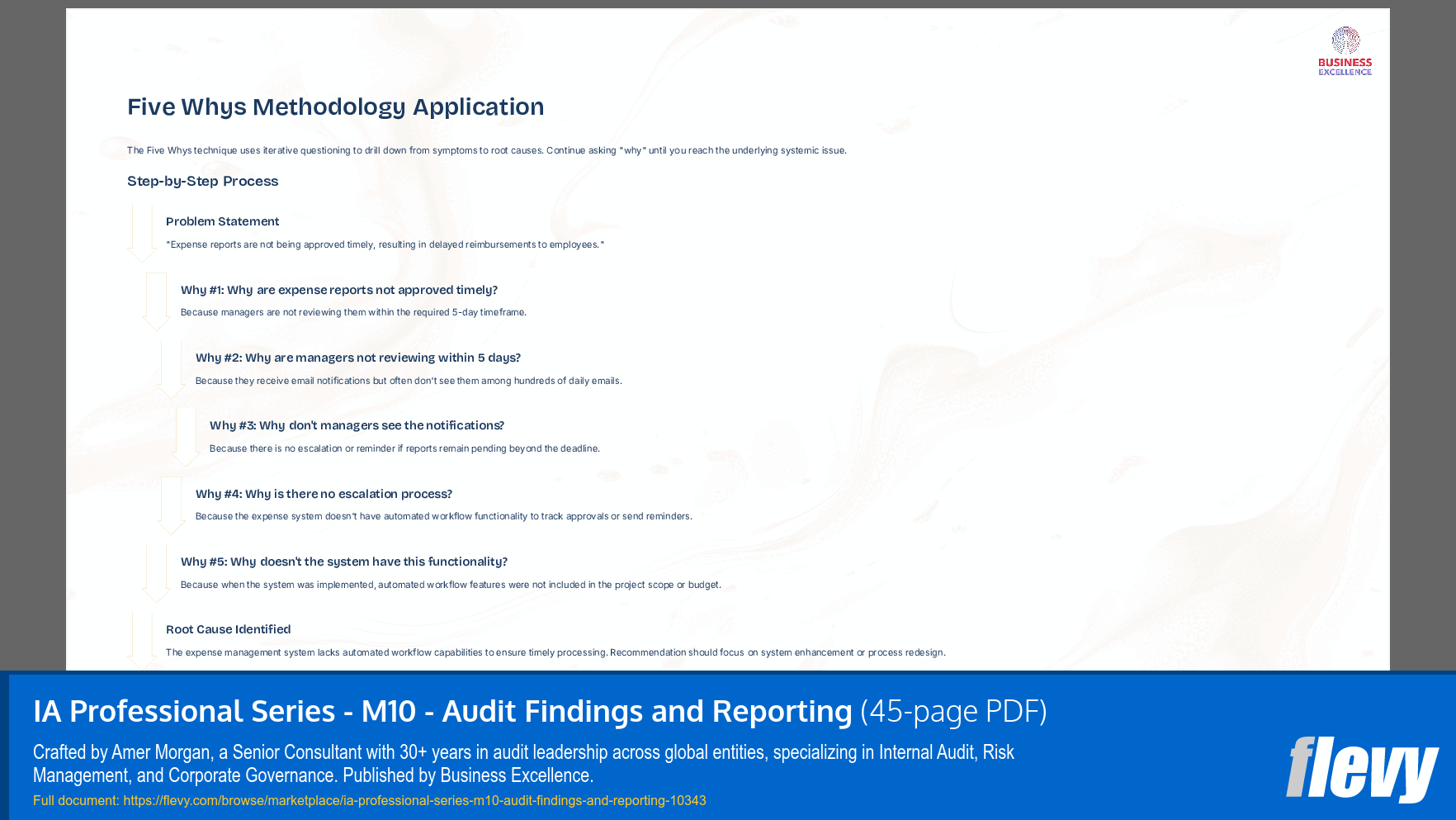
3. Root Cause Analysis Techniques – Identifying systemic issues using the Five Whys methodology with step-by-step application, fishbone diagram construction guides for facilitated sessions, and root cause categorization frameworks covering people, process, technology, and governance factors.
4. Recommendation Writing Standards – Creating recommendations that get implemented using SMART criteria (Specific, Measurable, Achievable, Relevant, Time-bound), action-oriented language guides with strong verbs and phrases to avoid, and recommendation prioritization frameworks using impact-effort matrices.
5. Report Structure and Formatting – Creating professional reports aligned with GIAS 2024 standards including complete report templates with all required components, executive summary writing guides, finding presentation formats (narrative, tabular, combined), and report quality checklists.
6. Rating Systems Implementation – Applying consistent and defensible ratings through four-level finding severity criteria (Critical, Moderate, Low, Advisory), overall opinion rating frameworks (Satisfactory, Needs Improvement, Unsatisfactory), and rating calibration guidance for consistency across auditors.
7. Report Review and Issuance Process – Managing the path from draft to final report through multi-level review checklists, management response solicitation procedures, disagreement resolution protocols, and final report distribution matrices including Board and external party considerations.
The Internal Audit Professional Series progresses through four levels: Foundation (Modules 1-5), Core Processes (Modules 6-10), Specialized Practice (Modules 11-14), and Advanced Application (Modules 15-18). Save significantly by purchasing the complete 18-module bundle.
Got a question about the product? Email us at support@flevy.com or ask the author directly by using the "Ask the Author a Question" form. If you cannot view the preview above this document description, go here to view the large preview instead.
Source: Best Practices in Audit Management PowerPoint Slides: Internal Audit M10: Findings and Reporting PowerPoint (PPTX) Presentation Slide Deck, Amer Morgan
ABOUT THE AUTHOR

Amer Morgan is the founder of Business Excellence, Audit Consultant and Governance Advisor with over 30 years of practice in internal audit, enterprise risk management, and corporate governance across Qatar, Egypt, the UAE, and the USA. He currently leads the internal audit function for a sovereign-wealth-fund-owned food security group in Doha, with responsibility for board-level assurance across ... [read more]
Ask the Author a Question
You must be logged in to contact the author.