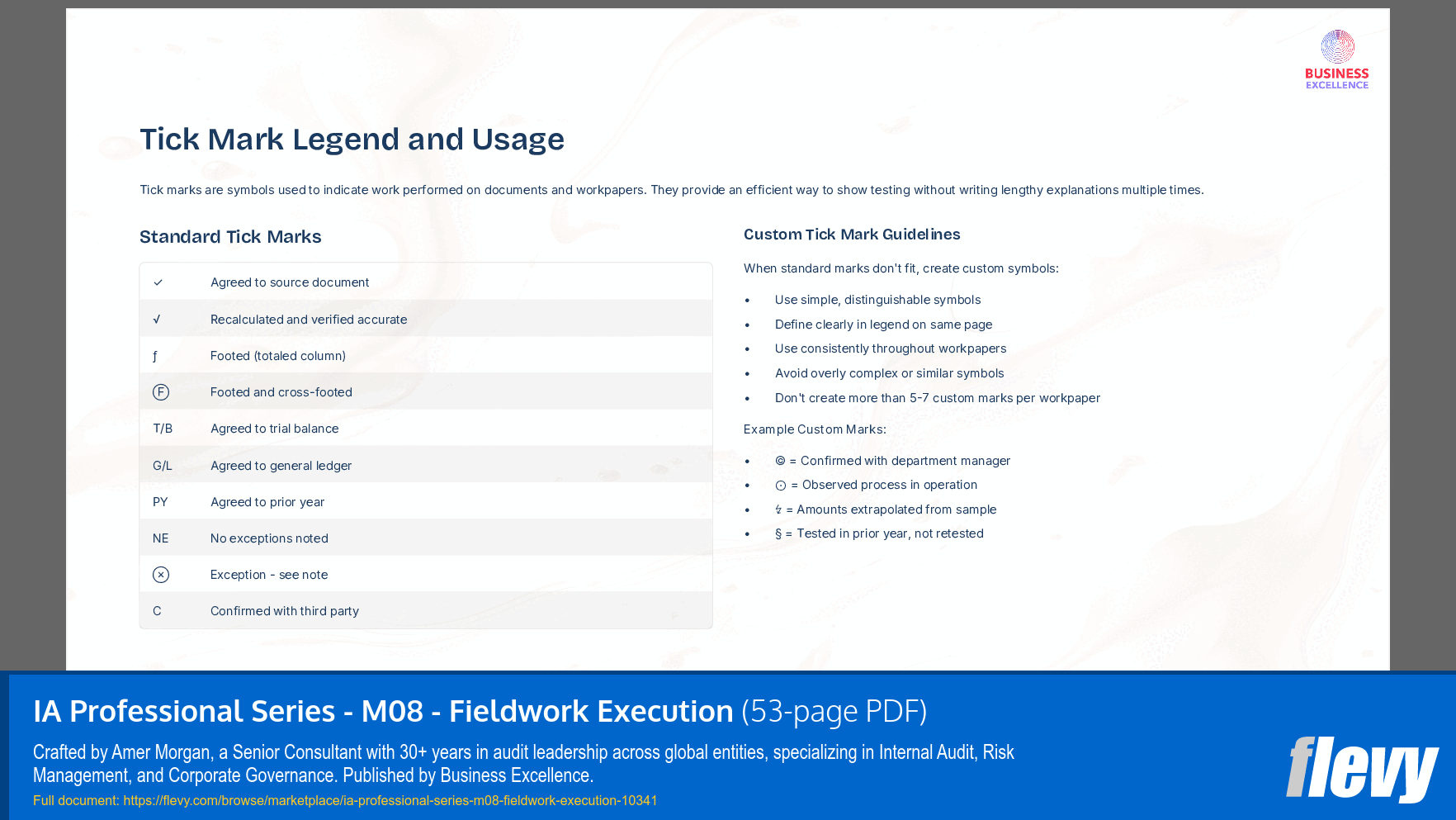

 Click main image to view in full screen. Unlock all 13 preview images:
Internal Audit M08: Fieldwork Execution – PowerPoint PPTX Template
PowerPoint (PPTX) 53 Slides


VIDEO DEMO
BENEFITS OF THIS DOWNLOADABLE POWERPOINT DOCUMENT
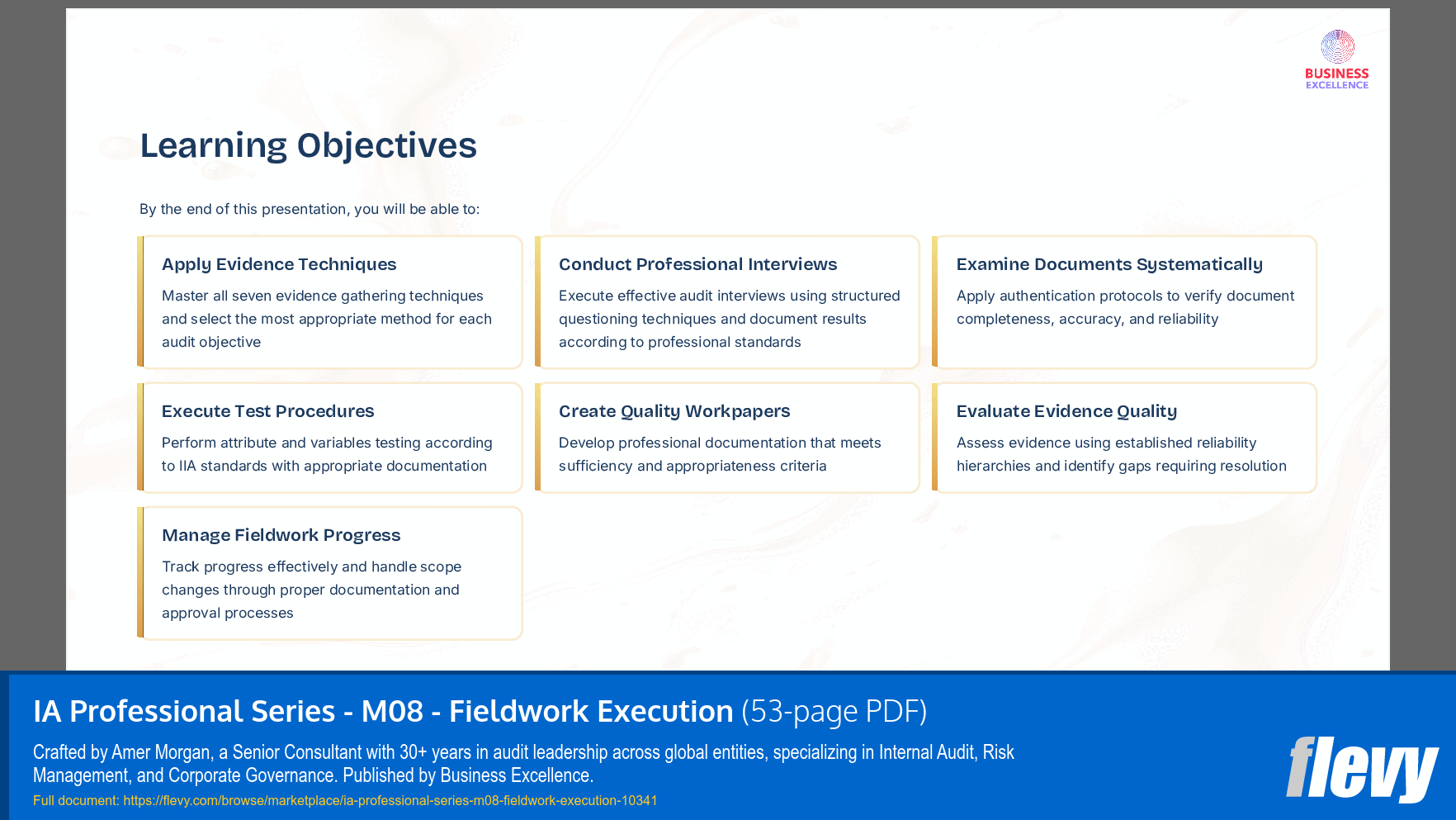
- Provides comprehensive evidence gathering toolkit covering all seven techniques with selection guides that match audit objectives to the most appropriate and reliable evidence methods for each situation.
- Delivers professional interview conducting procedures, document examination protocols, and testing execution standards including attribute and variables testing with exception handling frameworks ensuring defensible audit conclusions.
- Equips professionals with complete workpaper documentation systems, evidence evaluation frameworks, and fieldwork progress management tools that ensure quality documentation and on-time, on-budget audit completion.
AUDIT MANAGEMENT PPT TEMPLATE DESCRIPTION
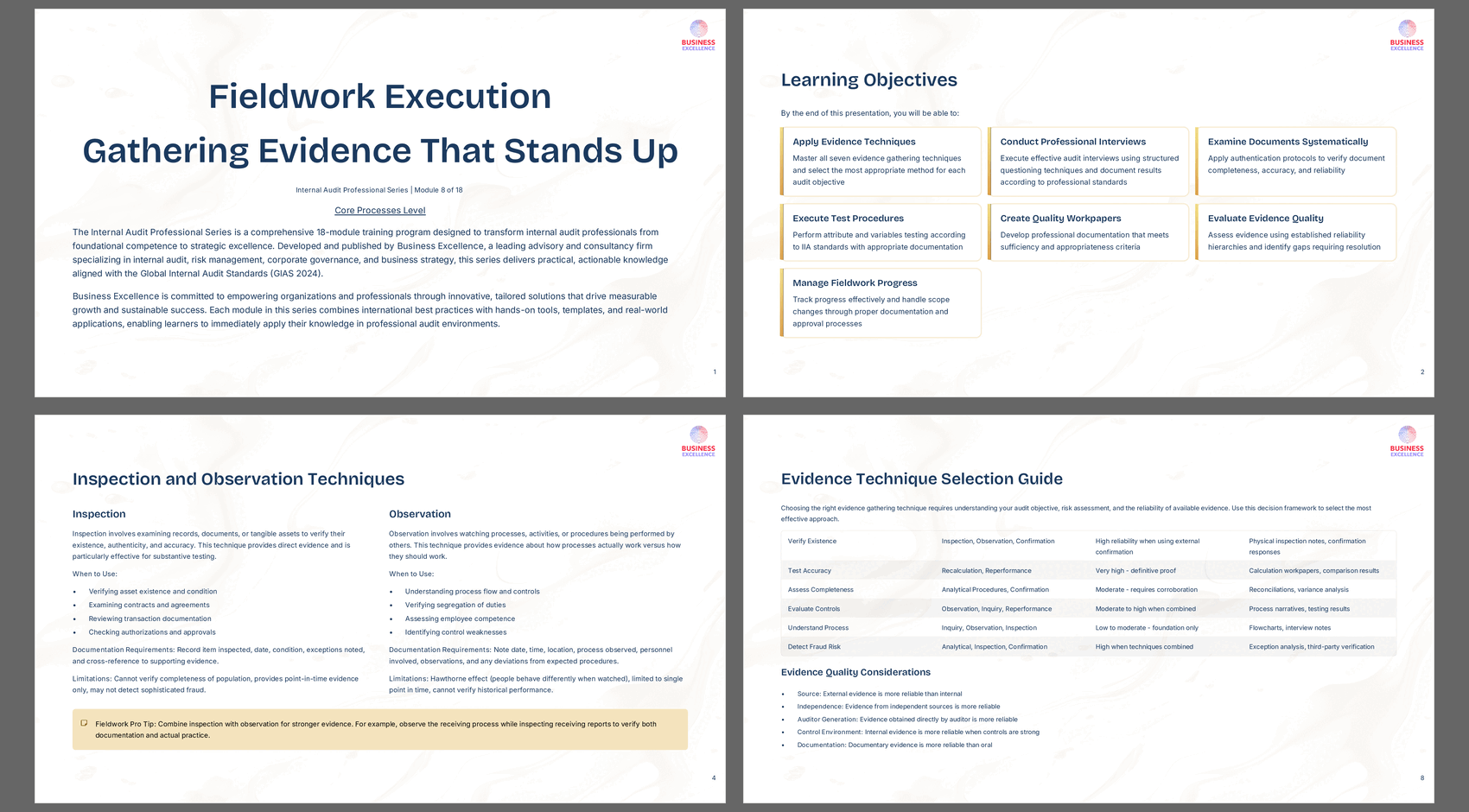
The Internal Audit Professional Series is a comprehensive 18-module training program designed to transform internal audit professionals from foundational competence to strategic excellence. Developed and published by Business Excellence, a leading advisory and consultancy firm specializing in internal audit, risk management, corporate governance, and business strategy, this series delivers practical, actionable knowledge aligned with the Global Internal Audit Standards (GIAS 2024).
Module 8: Fieldwork Execution provides the complete methodology for gathering evidence that stands up to scrutiny. This module equips auditors with professional techniques for conducting effective fieldwork, from evidence gathering through workpaper documentation and progress management.
This module covers 7 comprehensive sections:
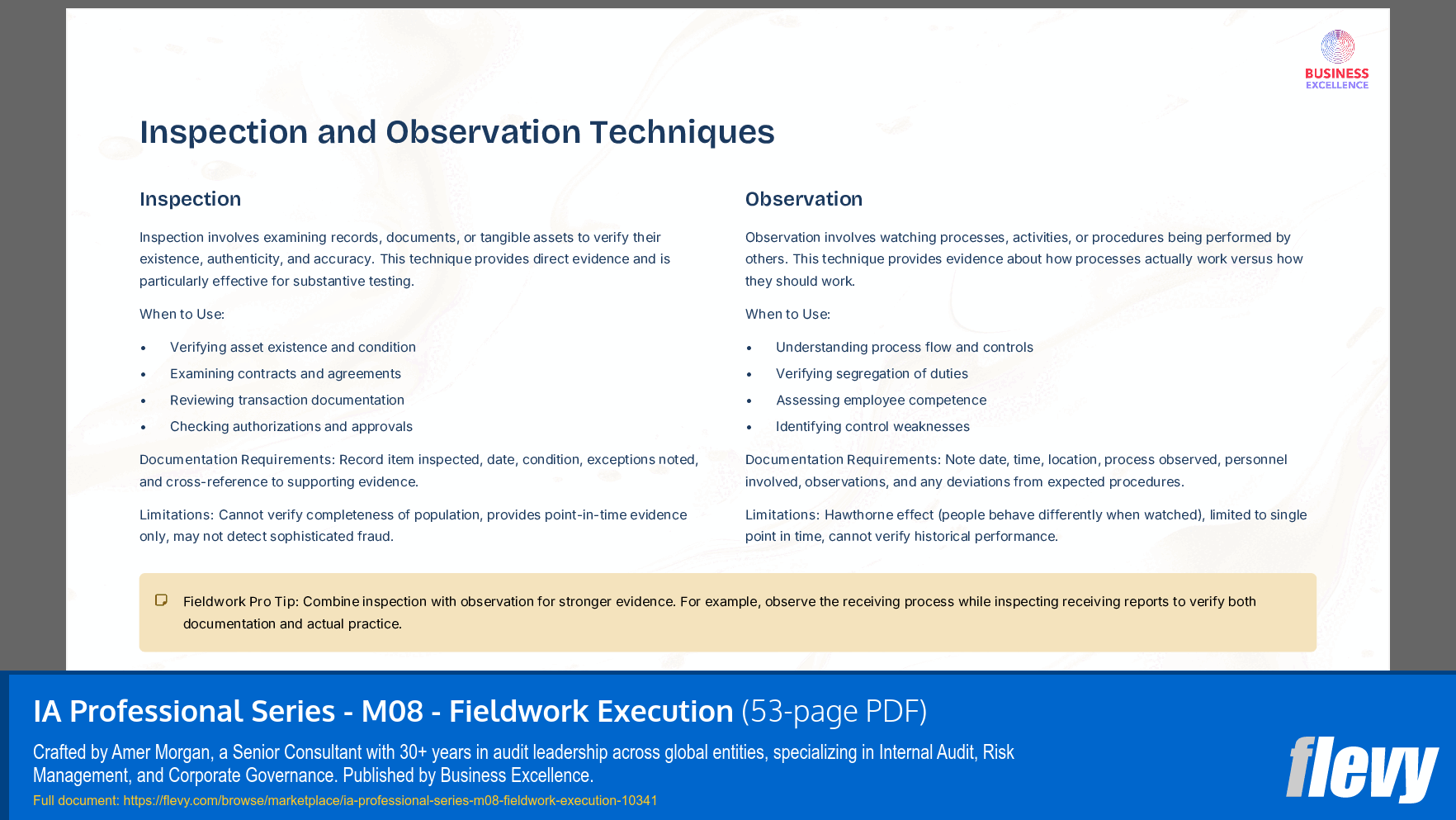
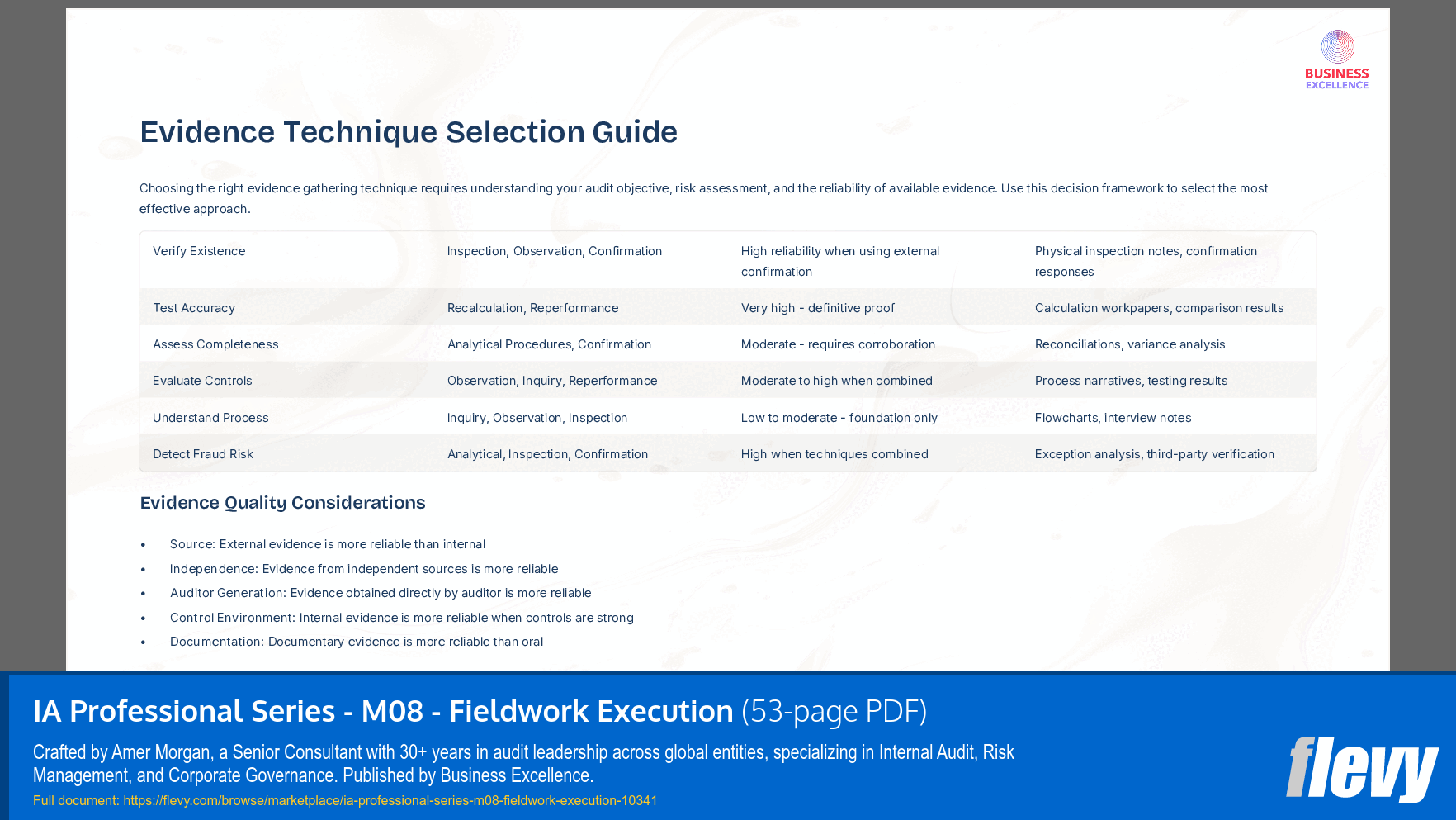
1. Evidence Gathering Techniques Toolkit – Mastering all seven evidence gathering techniques including inspection, observation, inquiry, confirmation, recalculation, reperformance, and analytical procedures. Features an evidence technique selection guide matching objectives to appropriate methods.
2. Interview Conducting Procedures – Professional interview execution with comprehensive planning templates, question development guides covering open-ended, closed, and probing questions, note-taking standards, and standardized interview summary formats.
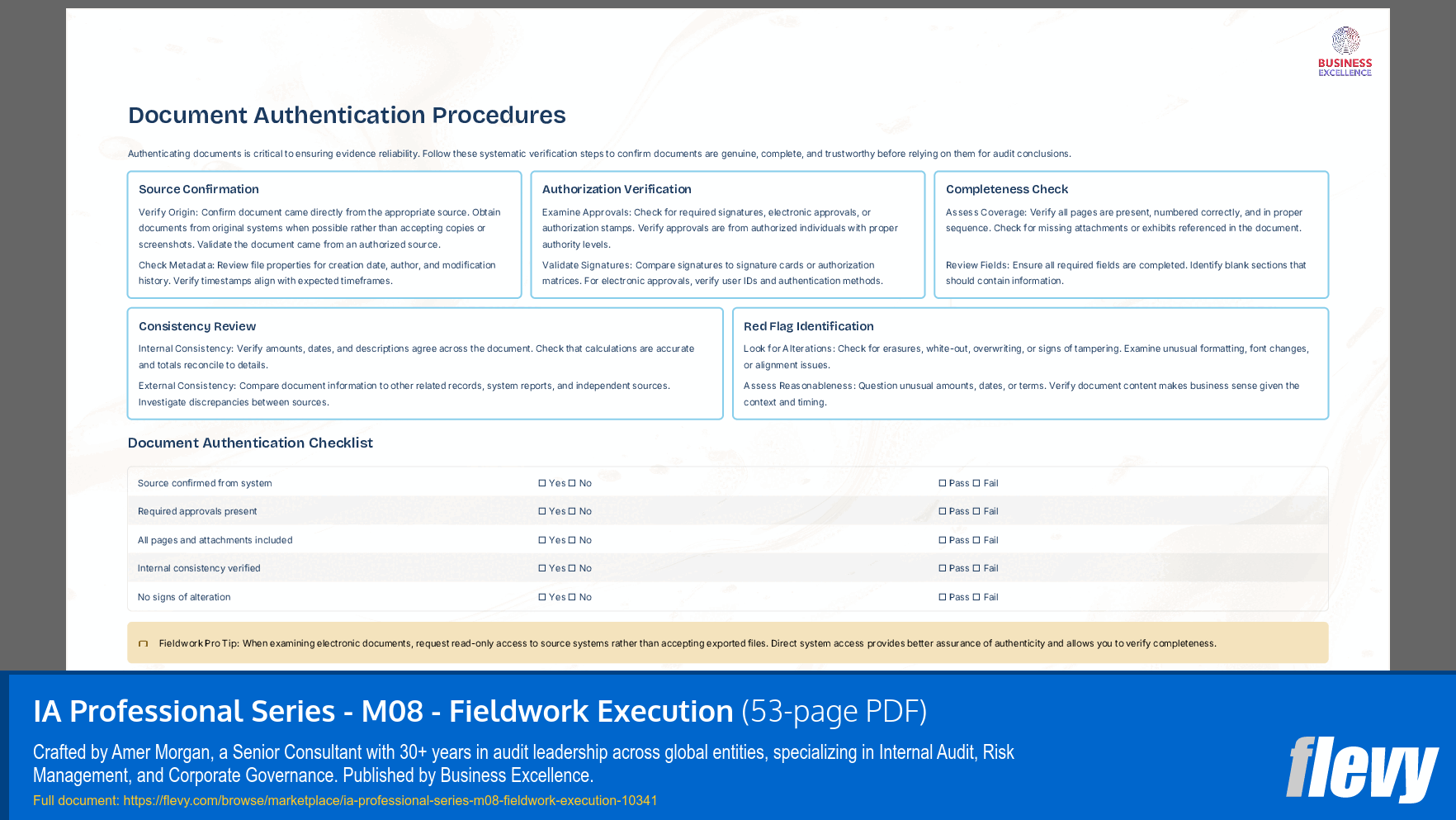
3. Document Examination Protocols – Systematic document authentication procedures including source confirmation, authorization verification, completeness checks, consistency reviews, and red flag identification. Includes completeness verification checklists and exception identification criteria.
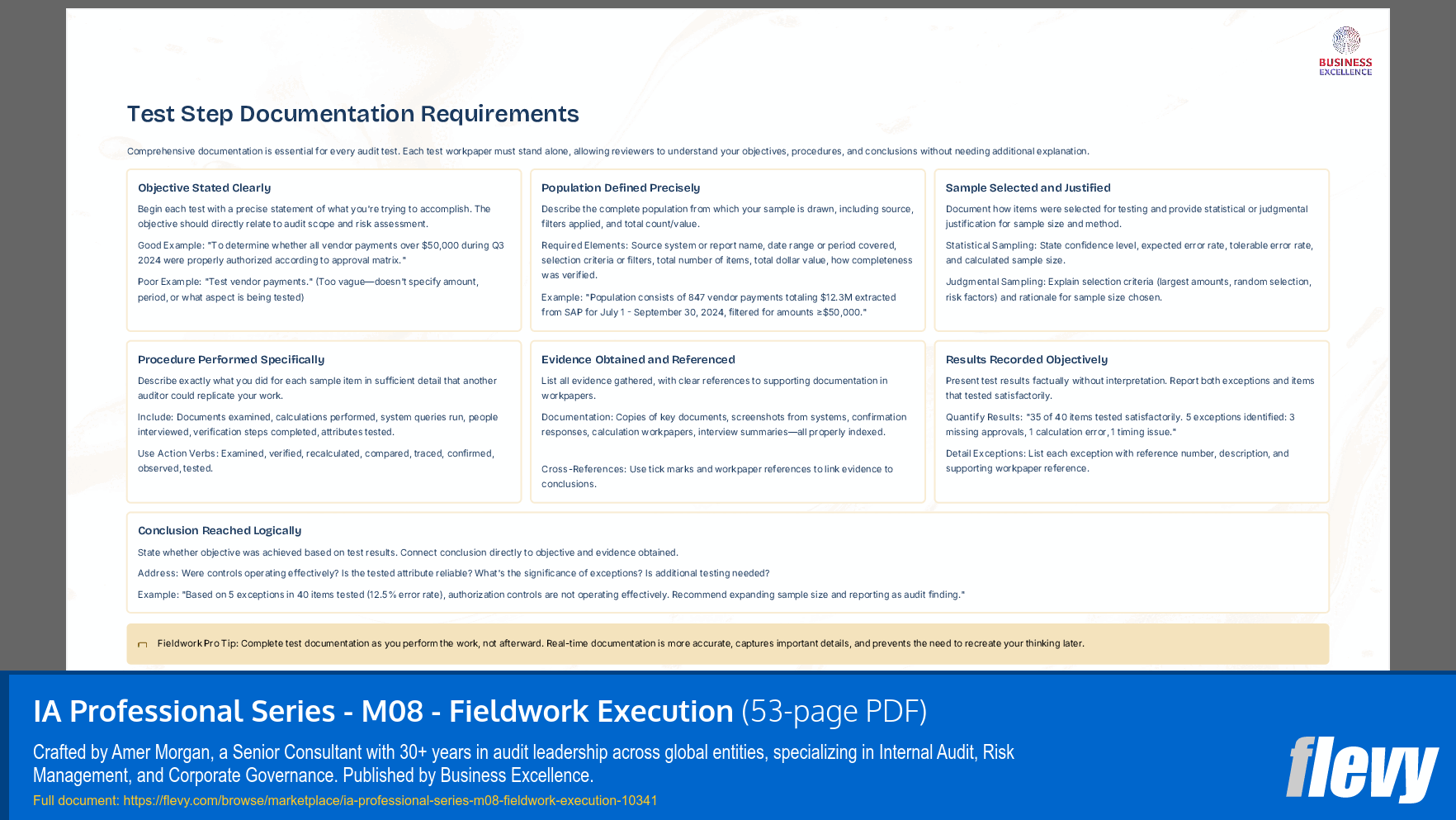
4. Testing Execution Standards – Professional test execution with comprehensive documentation requirements, attribute versus variables testing procedures with clear guidance on when to use each method, and exception handling protocols covering documentation, root cause determination, significance assessment, and reporting.
5. Workpaper Documentation Requirements – Creating professional documentation with hierarchical indexing systems, standard workpaper formats for control testing, substantive testing, analytical procedures, interviews, and document inspection. Includes tick mark legends and electronic workpaper management protocols.
6. Evidence Evaluation Framework – Assessing evidence quality through sufficiency assessment criteria, reliability hierarchy from external independent sources to oral representations, and evidence gap identification and resolution frameworks.
7. Fieldwork Progress Management – Keeping fieldwork on track with daily progress tracking templates, status meeting protocols with standard agendas, documentation requirements, effective meeting practices, and escalation procedures for red flag issues.
The Internal Audit Professional Series progresses through four levels: Foundation (Modules 1-5), Core Processes (Modules 6-10), Specialized Practice (Modules 11-14), and Advanced Application (Modules 15-18). Save significantly by purchasing the complete 18-module bundle.
Got a question about the product? Email us at support@flevy.com or ask the author directly by using the "Ask the Author a Question" form. If you cannot view the preview above this document description, go here to view the large preview instead.
Source: Best Practices in Audit Management PowerPoint Slides: Internal Audit M08: Fieldwork Execution PowerPoint (PPTX) Presentation Slide Deck, Amer Morgan
ABOUT THE AUTHOR

Amer Morgan is the founder of Business Excellence, Audit Consultant and Governance Advisor with over 30 years of practice in internal audit, enterprise risk management, and corporate governance across Qatar, Egypt, the UAE, and the USA. He currently leads the internal audit function for a sovereign-wealth-fund-owned food security group in Doha, with responsibility for board-level assurance across ... [read more]
Ask the Author a Question
You must be logged in to contact the author.