
 Click main image to view in full screen. Unlock all 11 preview images:
Internal Audit M07: Engagement Planning – PowerPoint PPTX Template
PowerPoint (PPTX) 45 Slides


VIDEO DEMO
BENEFITS OF THIS DOWNLOADABLE POWERPOINT DOCUMENT
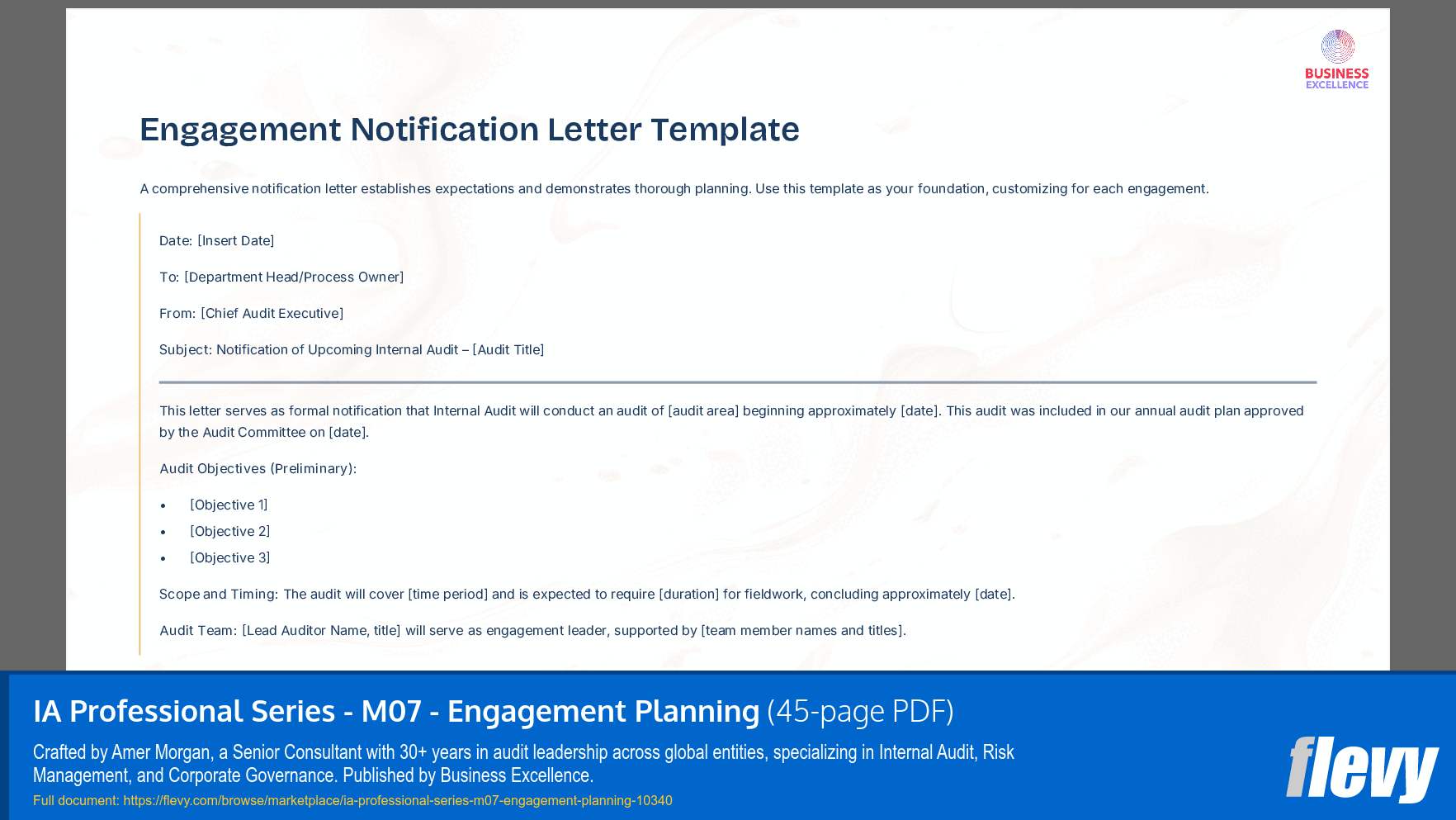
- Provides comprehensive engagement initiation tools including notification letter templates, kickoff meeting agendas, and document request checklists that establish professional expectations and build collaborative client relationships from day one.
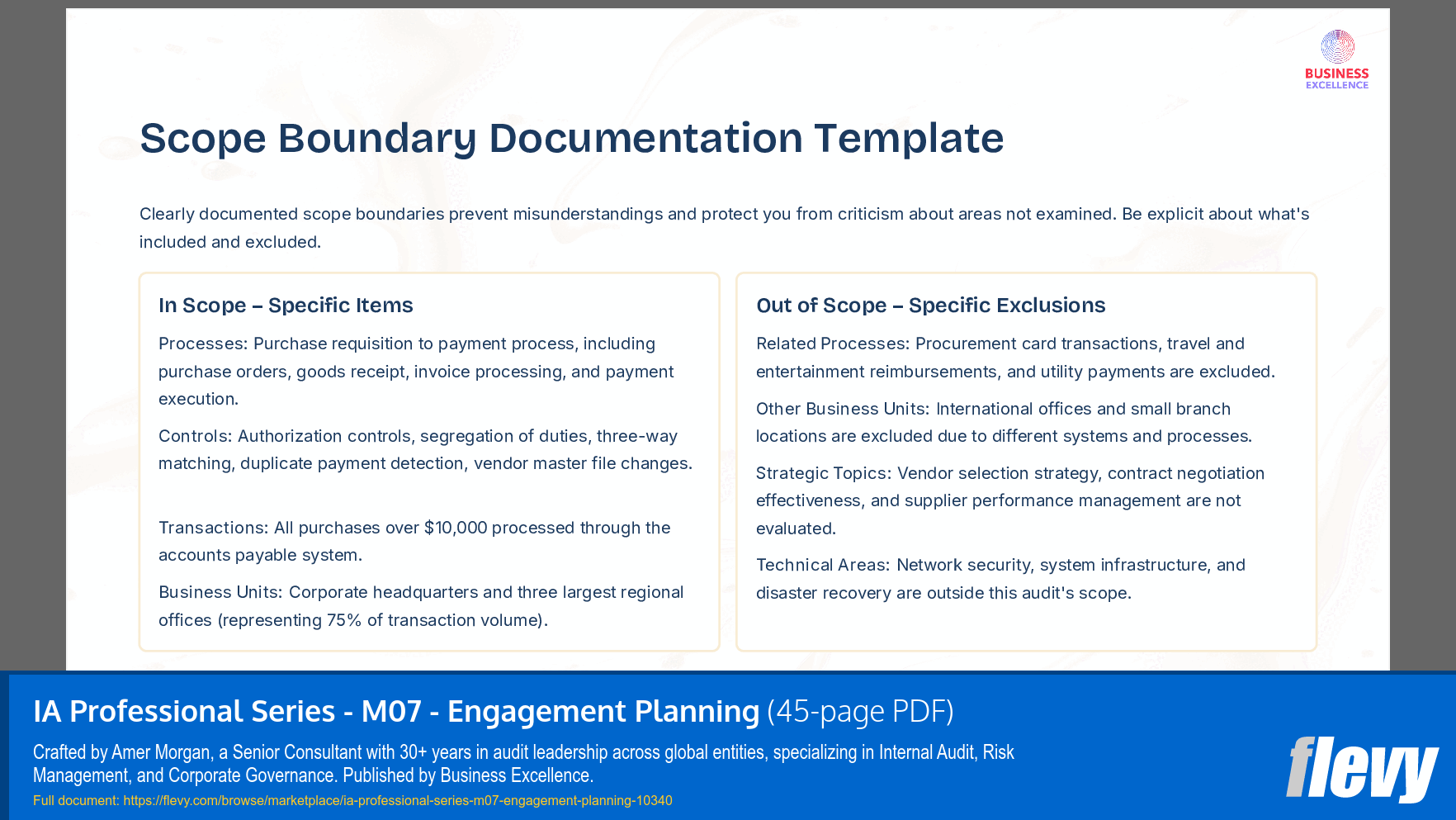
- Delivers SMART objective writing frameworks with examples by audit type, scope boundary documentation templates, and limitation disclosure language ensuring clear, defensible engagement parameters that prevent scope creep.
- Equips professionals with complete audit program development guidance, engagement budgeting templates, milestone planning tools, and planning memorandum formats that ensure realistic, well-documented engagement plans approved by supervision.
AUDIT MANAGEMENT PPT TEMPLATE DESCRIPTION
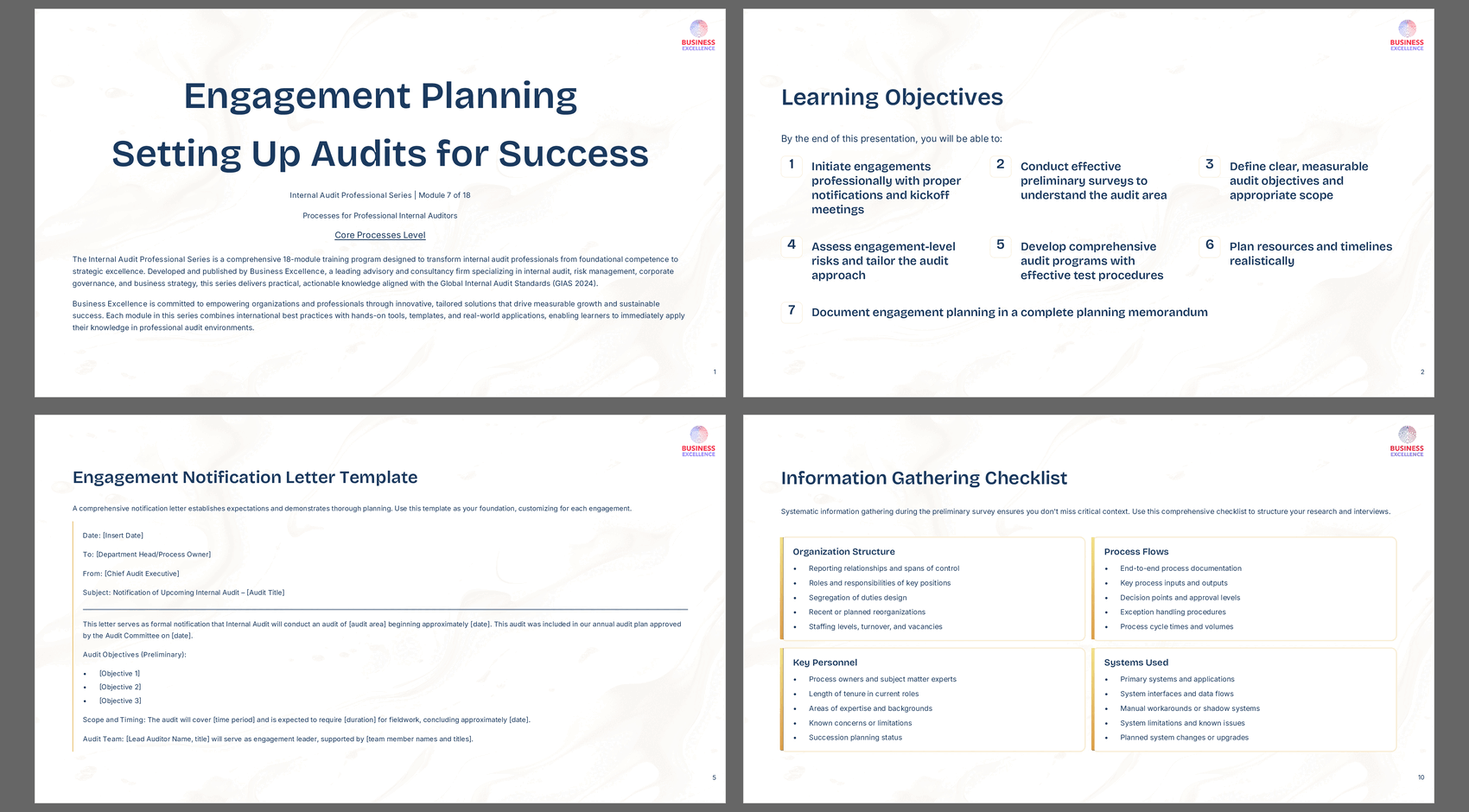
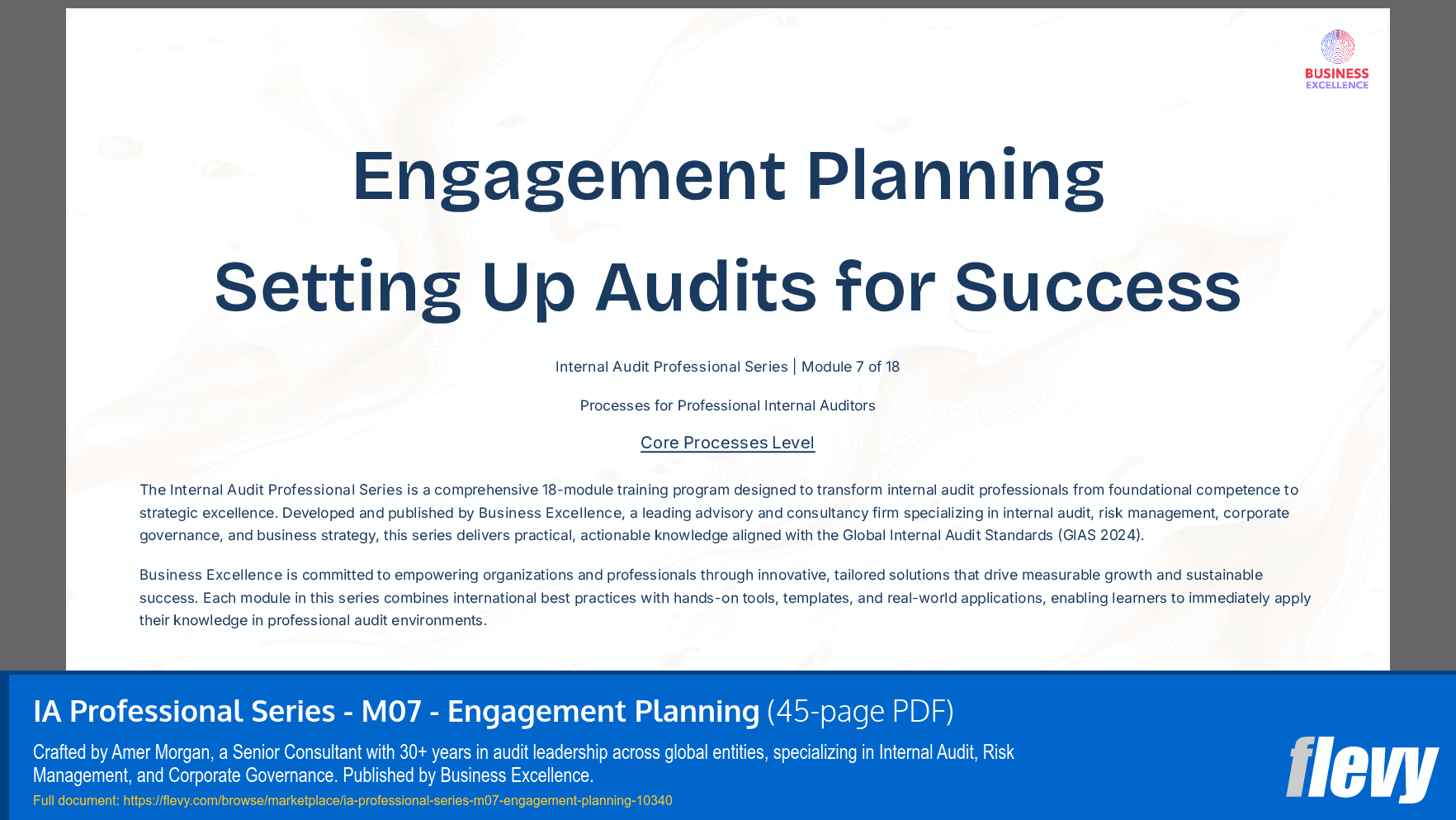
The Internal Audit Professional Series is a comprehensive 18-module training program designed to transform internal audit professionals from foundational competence to strategic excellence. Developed and published by Business Excellence, a leading advisory and consultancy firm specializing in internal audit, risk management, corporate governance, and business strategy, this series delivers practical, actionable knowledge aligned with the Global Internal Audit Standards (GIAS 2024).
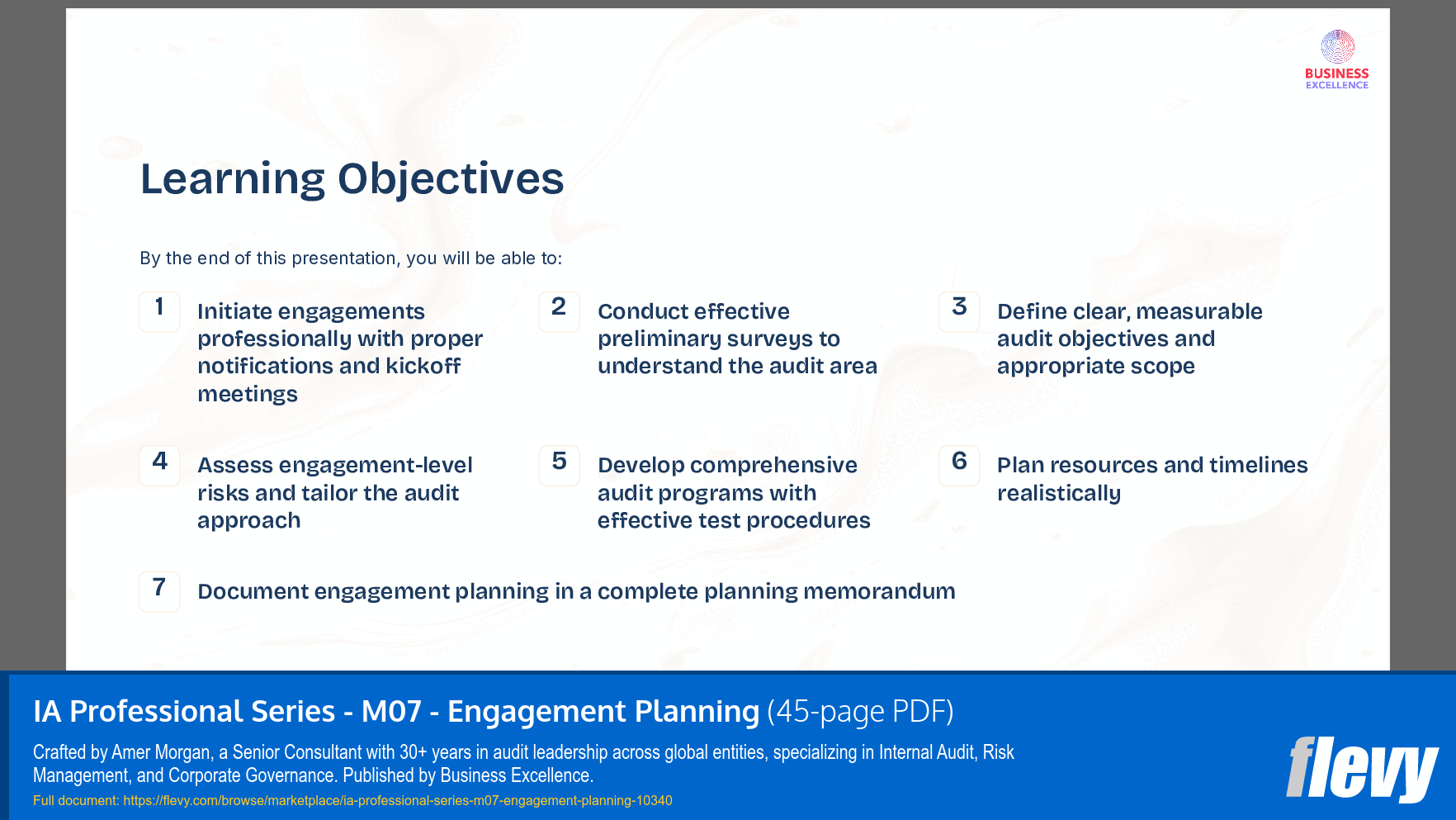
Module 7: Engagement Planning provides the complete methodology for setting up individual audits for success. This module takes you from the initial notification through to an approved planning memorandum, ensuring every engagement starts with clear objectives, appropriate scope, and realistic resource plans.
This module covers 7 comprehensive sections:
1. Engagement Notification and Kickoff – Professional engagement initiation including notification timing guidelines, comprehensive notification letter templates, kickoff meeting agendas, and initial document request checklists covering organizational information, process documentation, policies, and systems.
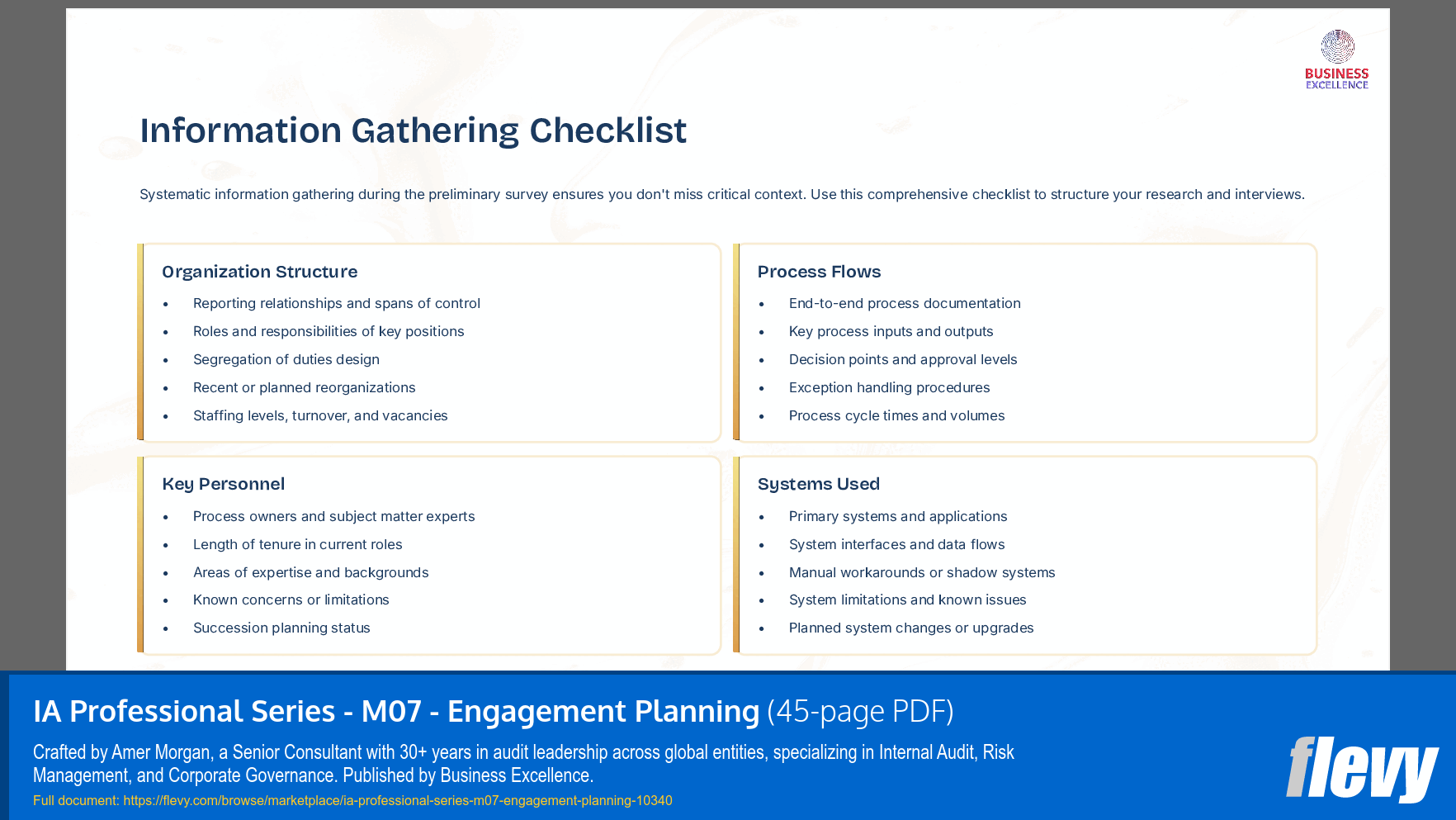
2. Preliminary Survey Procedures – Systematic information gathering through detailed checklists covering organization structure, process flows, key personnel, systems, recent changes, and known issues. Includes process understanding techniques such as walkthroughs, documentation review, flowcharting, and end-to-end observation.
3. Objective and Scope Definition – SMART objective writing guidance with examples by audit type (financial, operational, compliance, IT, fraud-focused). Features scope boundary documentation templates specifying in-scope items, exclusions, time periods, locations, systems, and limitations with disclosure language.
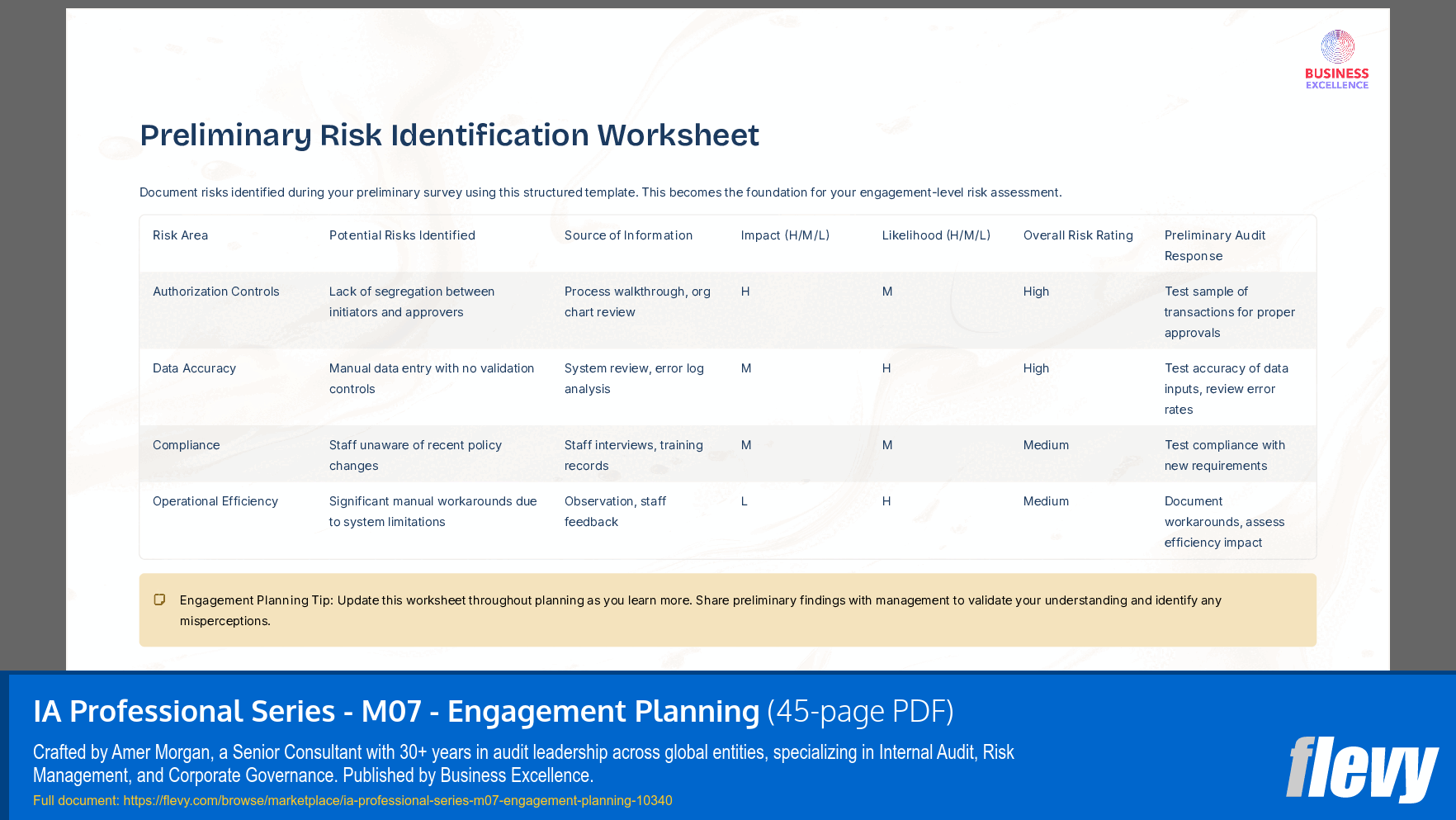
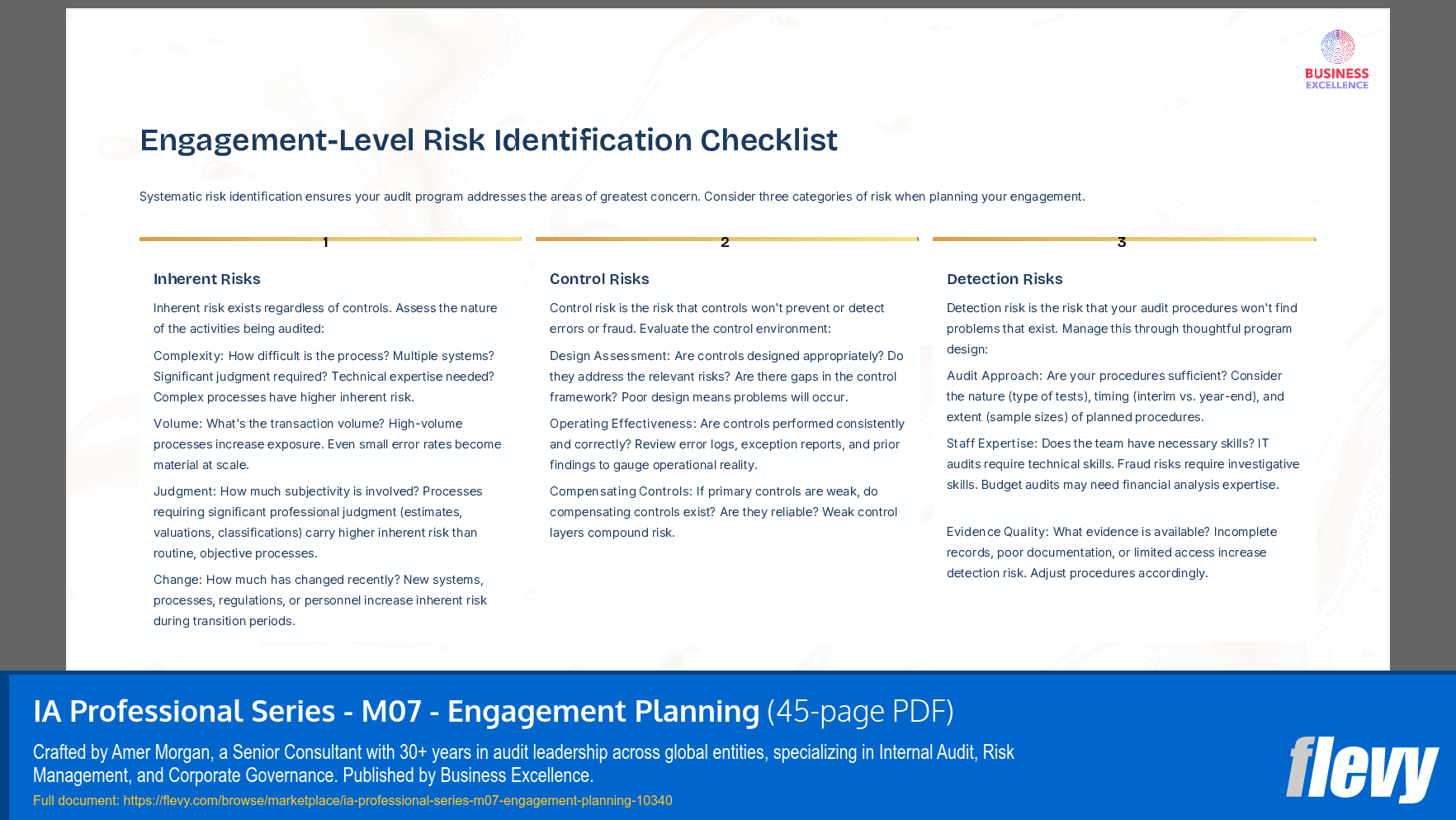
4. Engagement Risk Assessment – Tailoring the audit approach through engagement-level risk identification covering inherent risks, control risks, and detection risks. Includes control environment evaluation frameworks and risk response planning matrices.
5. Audit Program Development – Designing effective testing approaches with program structure templates, procedure writing standards using clear action verbs and specific populations, test step design guidance for inquiry, observation, inspection, recalculation, and analytical procedures.
6. Resource and Timeline Planning – Realistic engagement budgeting with detailed templates by phase and activity, milestone planning tools, and critical path identification techniques including slack time calculation and contingency planning.
7. Engagement Planning Memorandum – Comprehensive planning documentation with complete memo templates covering background, objectives, scope, methodology, risk assessment, resource plans, timelines, key contacts, and open items.
The Internal Audit Professional Series progresses through four levels: Foundation (Modules 1-5), Core Processes (Modules 6-10), Specialized Practice (Modules 11-14), and Advanced Application (Modules 15-18). Save significantly by purchasing the complete 18-module bundle.
Got a question about the product? Email us at support@flevy.com or ask the author directly by using the "Ask the Author a Question" form. If you cannot view the preview above this document description, go here to view the large preview instead.
Source: Best Practices in Audit Management PowerPoint Slides: Internal Audit M07: Engagement Planning PowerPoint (PPTX) Presentation Slide Deck, Amer Morgan
ABOUT THE AUTHOR

Amer Morgan is the founder of Business Excellence, Audit Consultant and Governance Advisor with over 30 years of practice in internal audit, enterprise risk management, and corporate governance across Qatar, Egypt, the UAE, and the USA. He currently leads the internal audit function for a sovereign-wealth-fund-owned food security group in Doha, with responsibility for board-level assurance across ... [read more]
Ask the Author a Question
You must be logged in to contact the author.