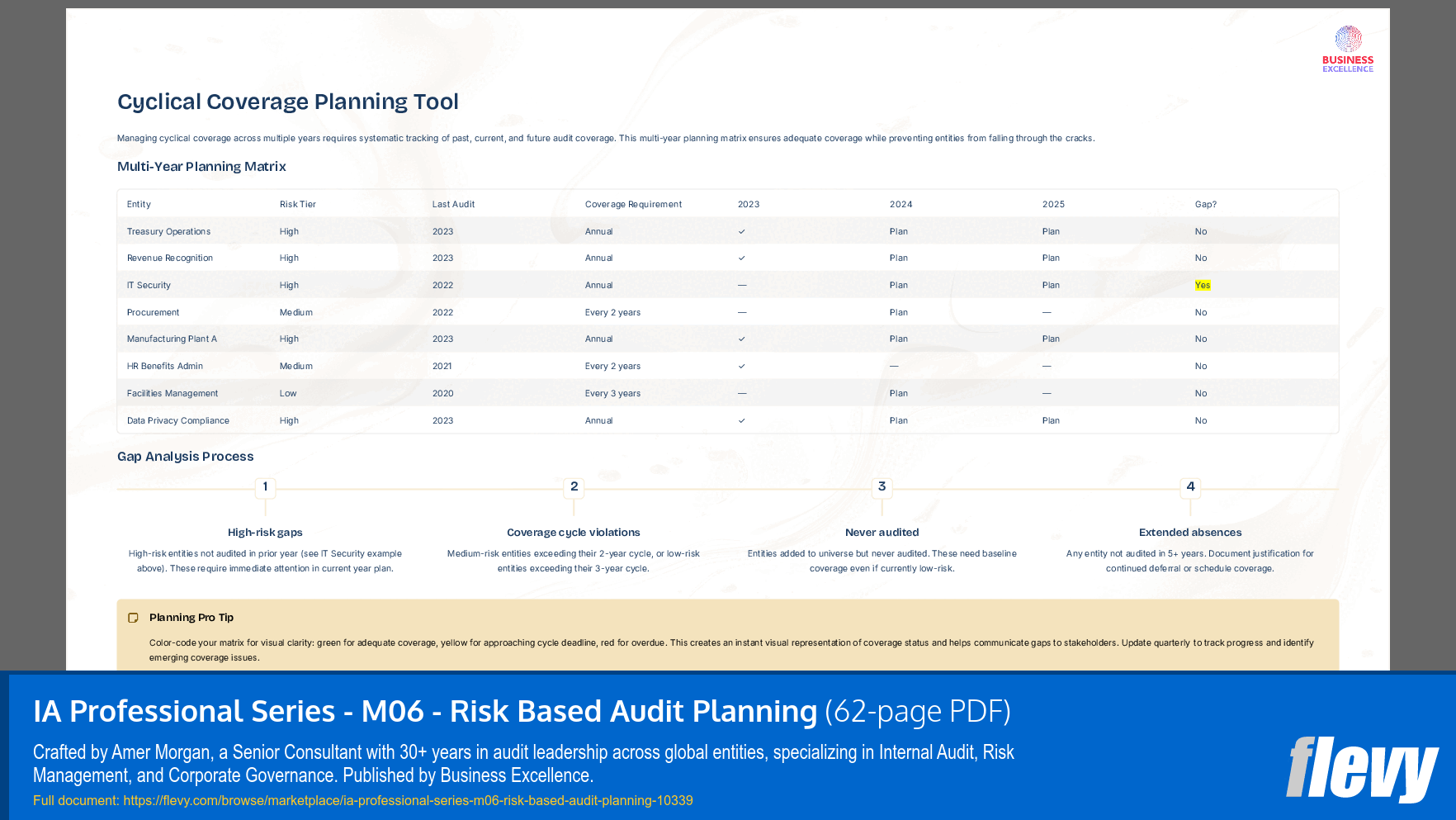

 Click main image to view in full screen. Unlock all 13 preview images:
Internal Audit M06: Risk-Based Audit Planning – PowerPoint PPTX Template
PowerPoint (PPTX) 62 Slides


VIDEO DEMO
BENEFITS OF THIS DOWNLOADABLE POWERPOINT DOCUMENT
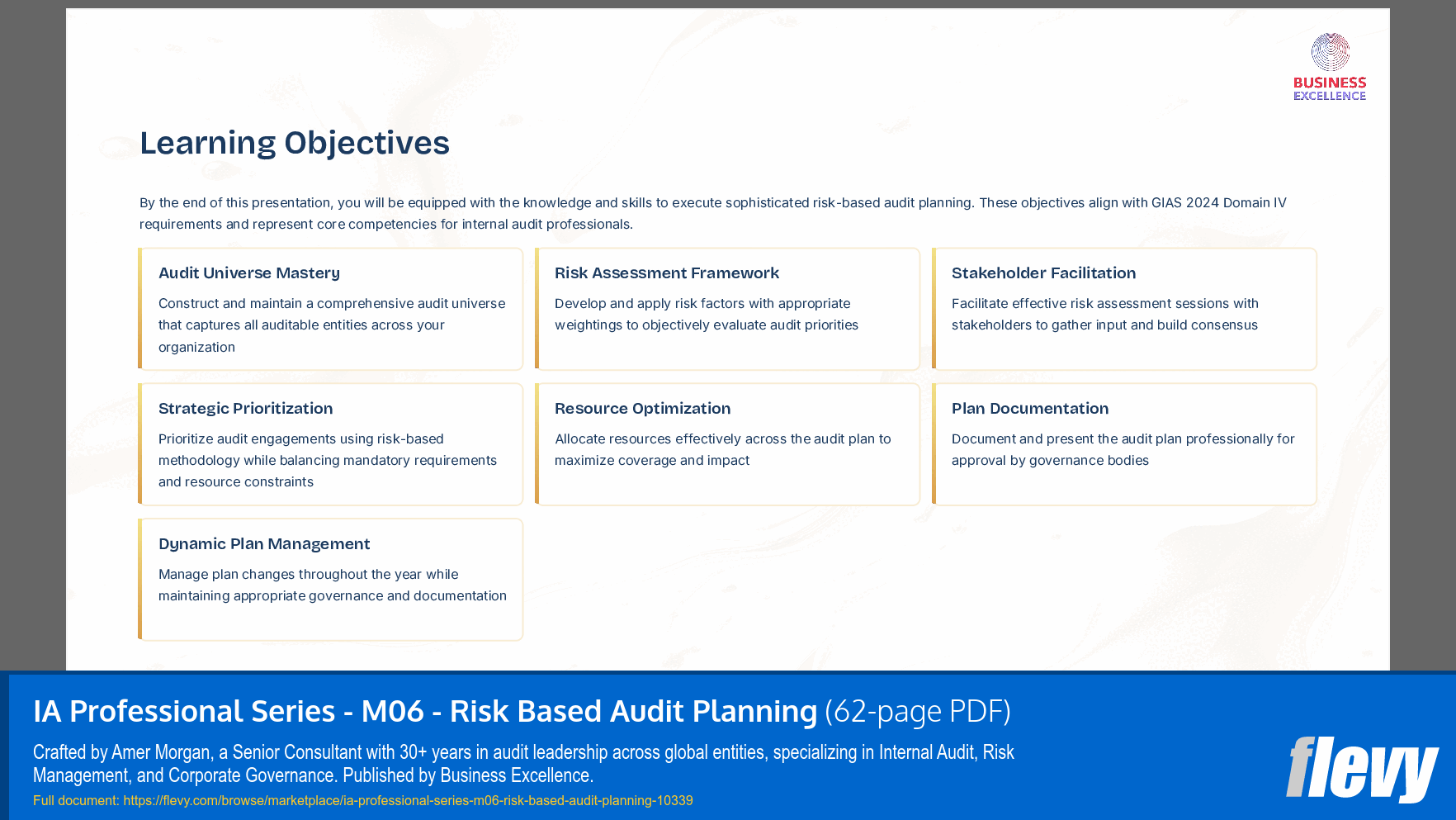
- Provides comprehensive audit universe development tools, risk factor selection criteria, and weighting methodologies with sensitivity analysis frameworks enabling objective, defensible audit prioritization.
- Delivers complete workshop facilitation guides, stakeholder interview question banks, and consensus-building processes for gathering risk input and building organizational alignment around audit priorities.
- Equips professionals with skills-based assignment matrices, and board presentation protocols ensuring realistic, resource-aligned plans that secure governance approval.
RISK MANAGEMENT PPT TEMPLATE DESCRIPTION
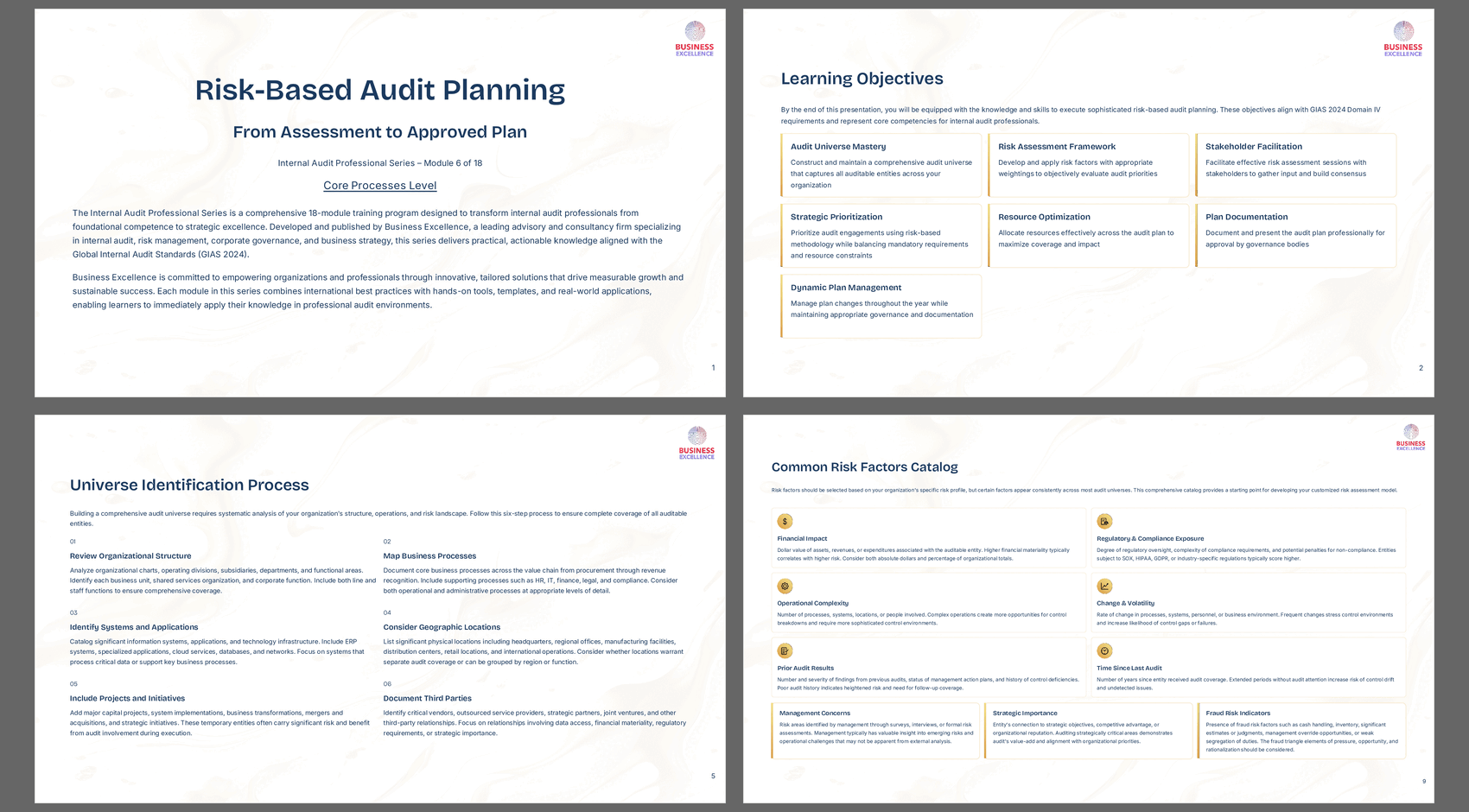
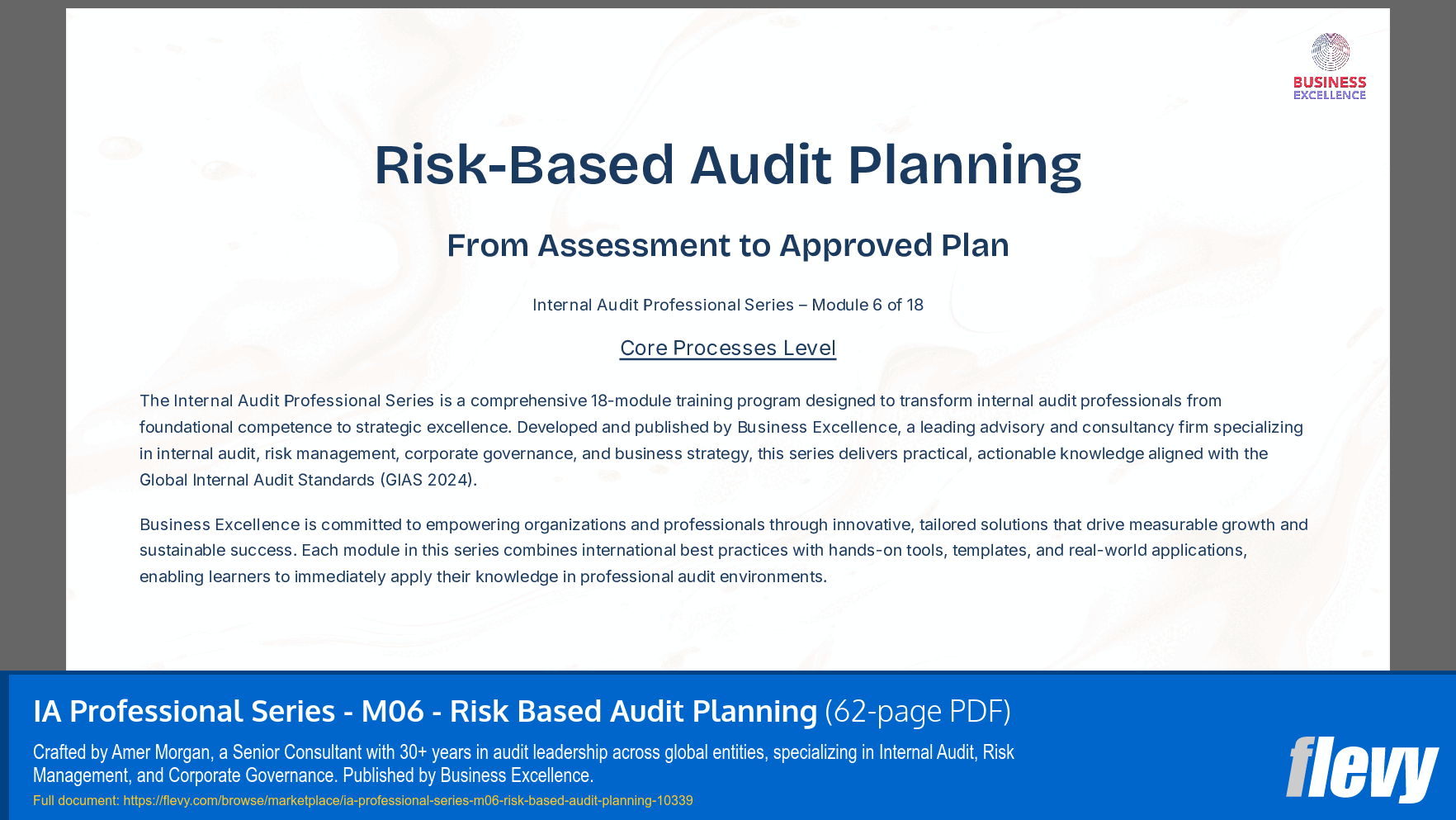
The Internal Audit Professional Series is a comprehensive 18-module training program designed to transform internal audit professionals from foundational competence to strategic excellence. Developed and published by Business Excellence, a leading advisory and consultancy firm specializing in internal audit, risk management, corporate governance, and business strategy, this series delivers practical, actionable knowledge aligned with the Global Internal Audit Standards (GIAS 2024).
Module 6: Risk-Based Audit Planning is the first module in the Core Processes level, taking you from risk assessment to an approved audit plan. This comprehensive module provides the complete methodology for developing risk-based annual audit plans that maximize organizational value and ensure comprehensive coverage.
This module covers 7 comprehensive sections:
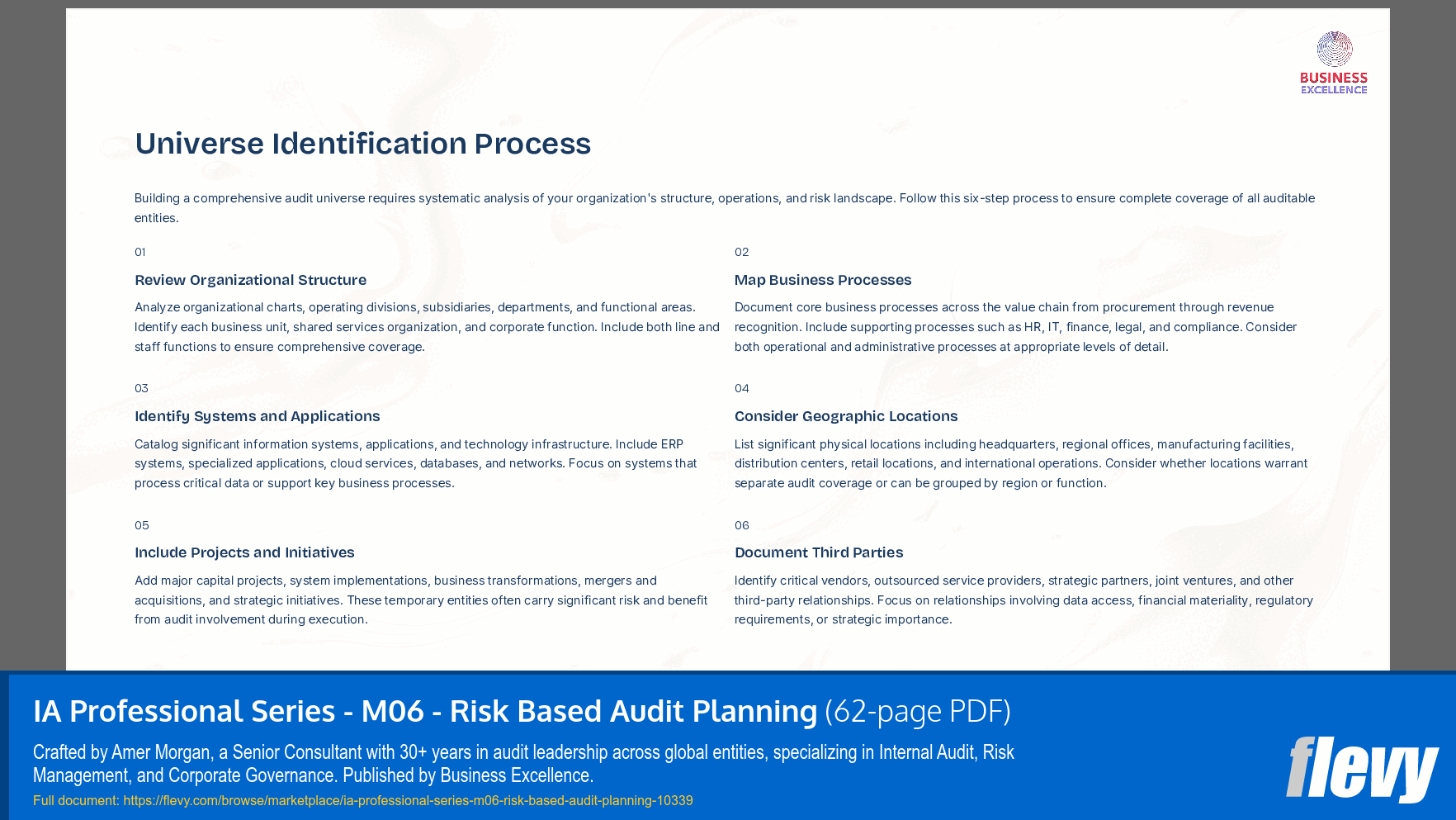
1. Defining Everything That Could Be Audited – Building a complete audit universe through systematic identification of all auditable entities including business units, processes, systems, locations, projects, and third-party relationships. Includes universe categorization frameworks and maintenance procedures.
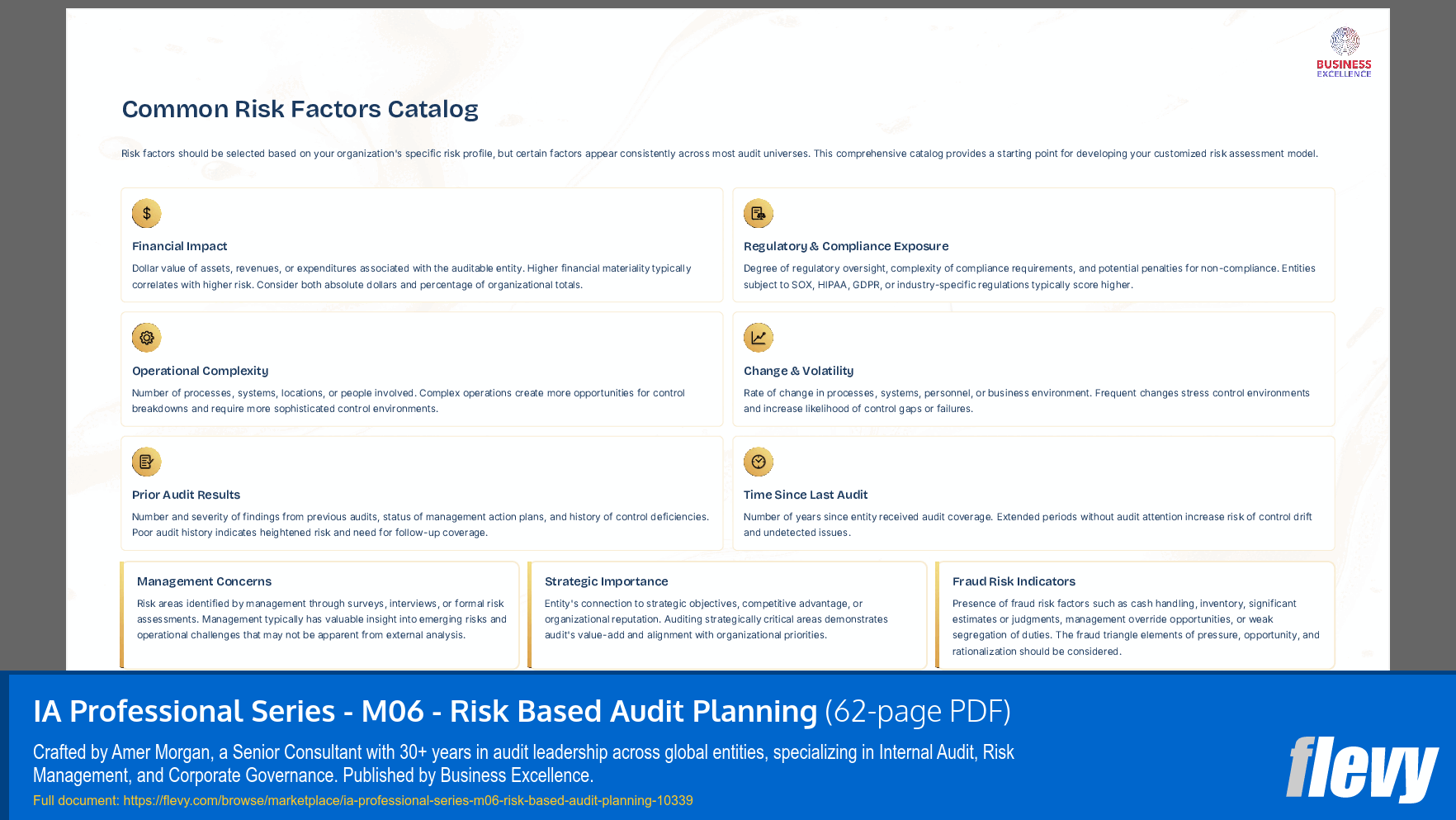
2. Building Your Risk Assessment Model – Developing and selecting risk factors with appropriate weightings using quantitative methodologies. Covers common risk factors catalog, selection criteria, weighting approaches, sensitivity analysis, and calibration workshop guidance.
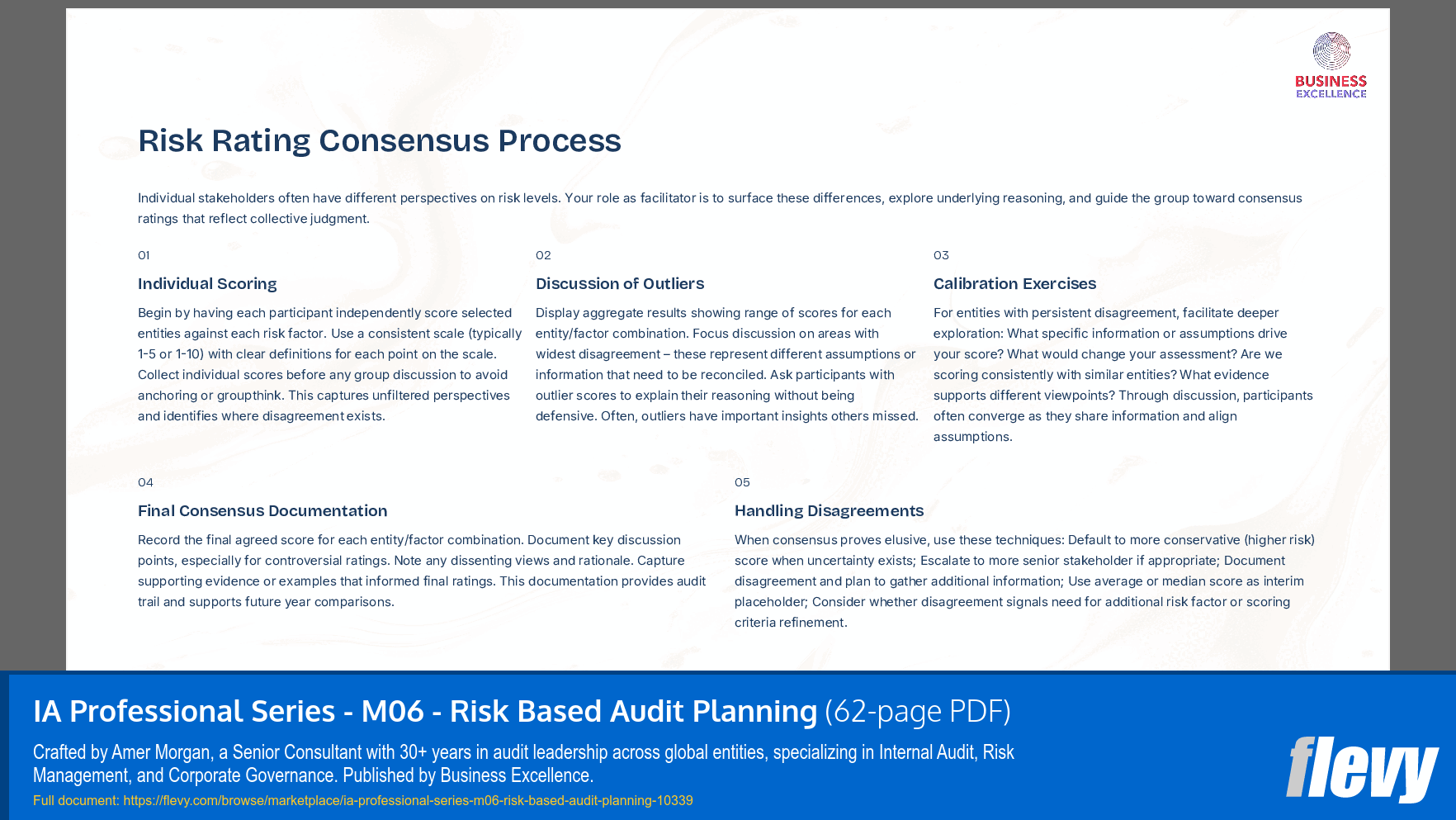
3. Gathering Input and Building Consensus – Facilitating effective risk assessment workshops and stakeholder interviews. Features comprehensive workshop planning checklists, stakeholder interview question banks, risk rating consensus processes, and assessment documentation templates.
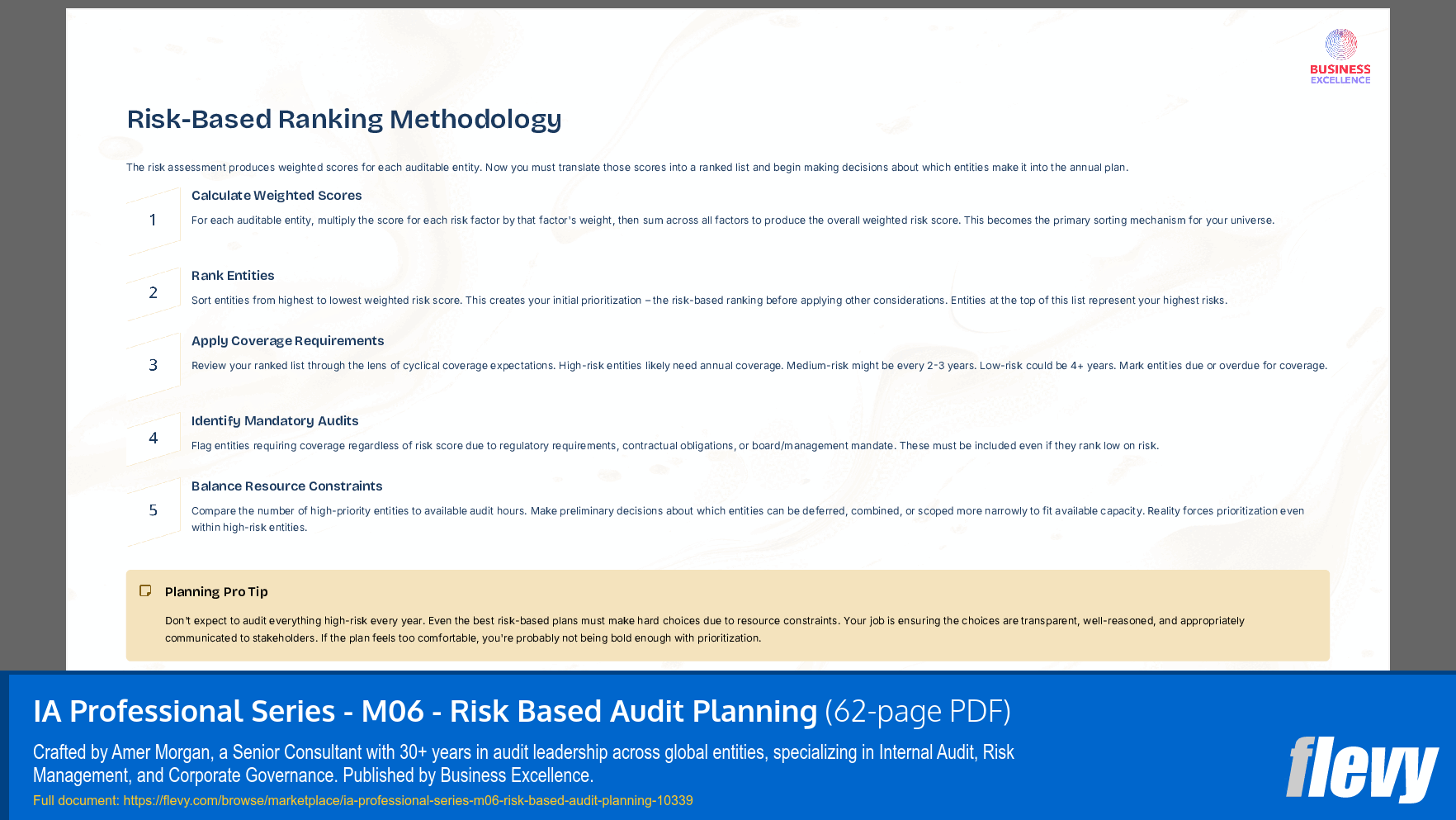
4. Deciding What to Audit and When – Translating risk scores into prioritized audit coverage using risk-based ranking methodology, coverage requirements calculations, mandatory audit identification, and cyclical coverage planning tools.
5. Matching Resources to Requirements – Ensuring realistic capacity planning through available hours calculation templates, engagement budgeting guidelines with standard hour ranges, and skills-based assignment matrices.
6. Getting Buy-In for Your Plan – Securing stakeholder support through management input solicitation templates, board/audit committee consultation protocols, and plan alignment validation checklists.
7. Finalizing and Presenting the Plan – Professional documentation and presentation of the audit plan for governance approval with executive-ready formats and communication strategies.
The Internal Audit Professional Series progresses through four levels: Foundation (Modules 1-5), Core Processes (Modules 6-10), Specialized Practice (Modules 11-14), and Advanced Application (Modules 15-18). Save significantly by purchasing the complete 18-module bundle.
Got a question about the product? Email us at support@flevy.com or ask the author directly by using the "Ask the Author a Question" form. If you cannot view the preview above this document description, go here to view the large preview instead.
Source: Best Practices in Risk Management, Audit Management PowerPoint Slides: Internal Audit M06: Risk-Based Audit Planning PowerPoint (PPTX) Presentation Slide Deck, Amer Morgan
ABOUT THE AUTHOR

Amer Morgan is the founder of Business Excellence, Audit Consultant and Governance Advisor with over 30 years of practice in internal audit, enterprise risk management, and corporate governance across Qatar, Egypt, the UAE, and the USA. He currently leads the internal audit function for a sovereign-wealth-fund-owned food security group in Doha, with responsibility for board-level assurance across ... [read more]
Ask the Author a Question
You must be logged in to contact the author.