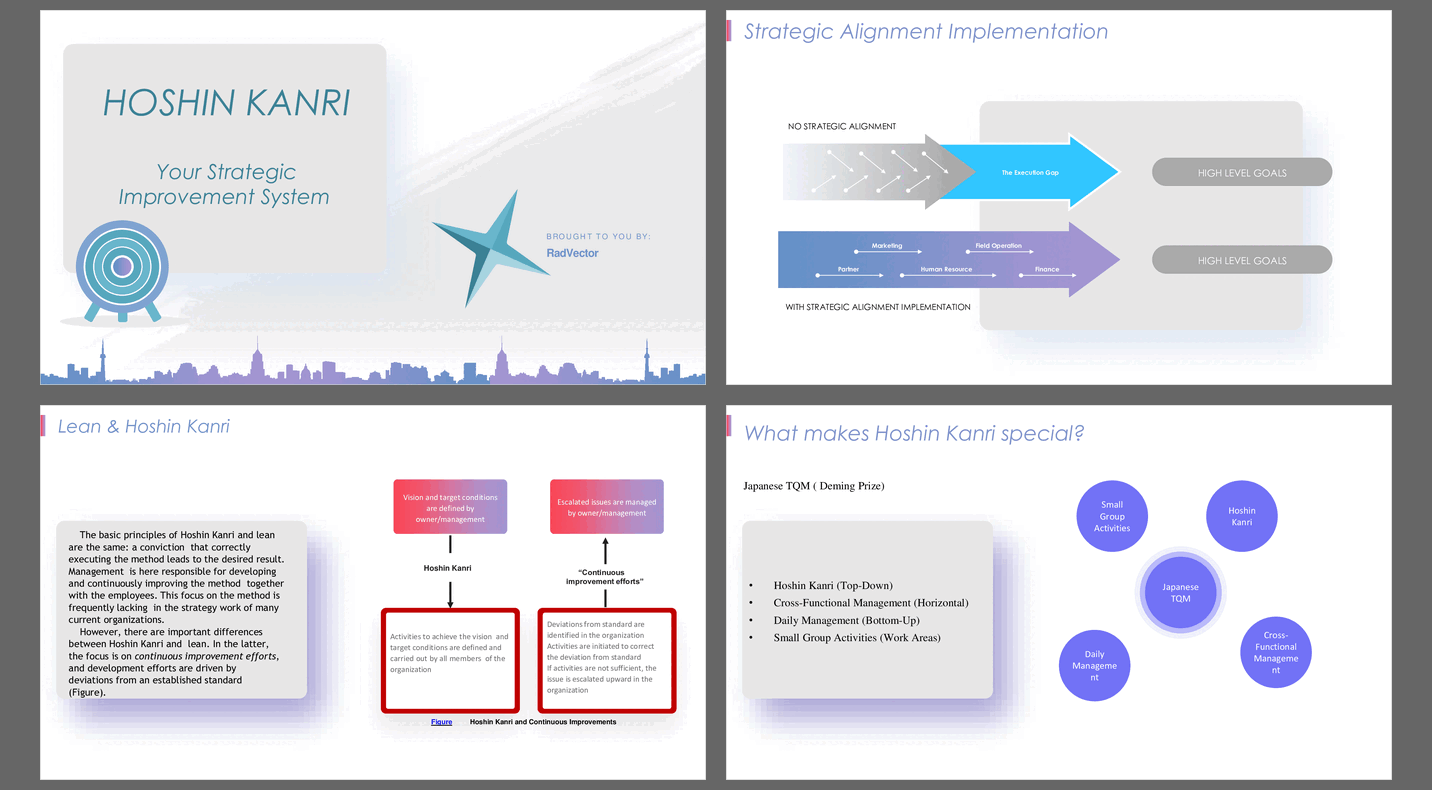

Introduction:
In today's fiercely competitive business landscape, understanding the voice of the customer and harnessing it to drive your business targets is paramount. This journey begins with the strategic management approach of Policy Deployment, a systematic strategy that permeates every level of your organization, focusing on safety, quality, delivery, and cost. By incorporating foundational Lean Six Sigma tools such as pull, 5S, SMED, Standard Work, Mistake-Proofing, and value stream mapping, your organization can embark on a continuous improvement trajectory. The ultimate destination? Enhanced customer satisfaction, paving the way for exponential sales growth.
1. The Essence of Policy Deployment:
• Competitive Imperative: Embrace the voice of the customer as the driving force behind your business objectives.
• Policy Deployment: Unveil the power of Policy Deployment as a management strategy that cascades strategic goals throughout the organization.
2. The Foundation: Lean Six Sigma Tools:
• The Toolbox: Explore foundational Lean Six Sigma tools, including pull, 5S, SMED, Standard Work, Mistake-Proofing, and value stream mapping.
• Continuous Improvement: Understand how these tools pave the path to continuous improvement, elevating customer satisfaction and catalyzing sales growth.
3. The Transformative Power of Hoshin Kanri:
• Unveiling Hoshin Kanri: Introduce Hoshin Kanri, also known as Policy Deployment, Management by Policy, Management by Objective, and Strategic Deployment, as a transformative system for implementing organizational strategies.
4. Navigating Hoshin Kanri: Key Concepts:
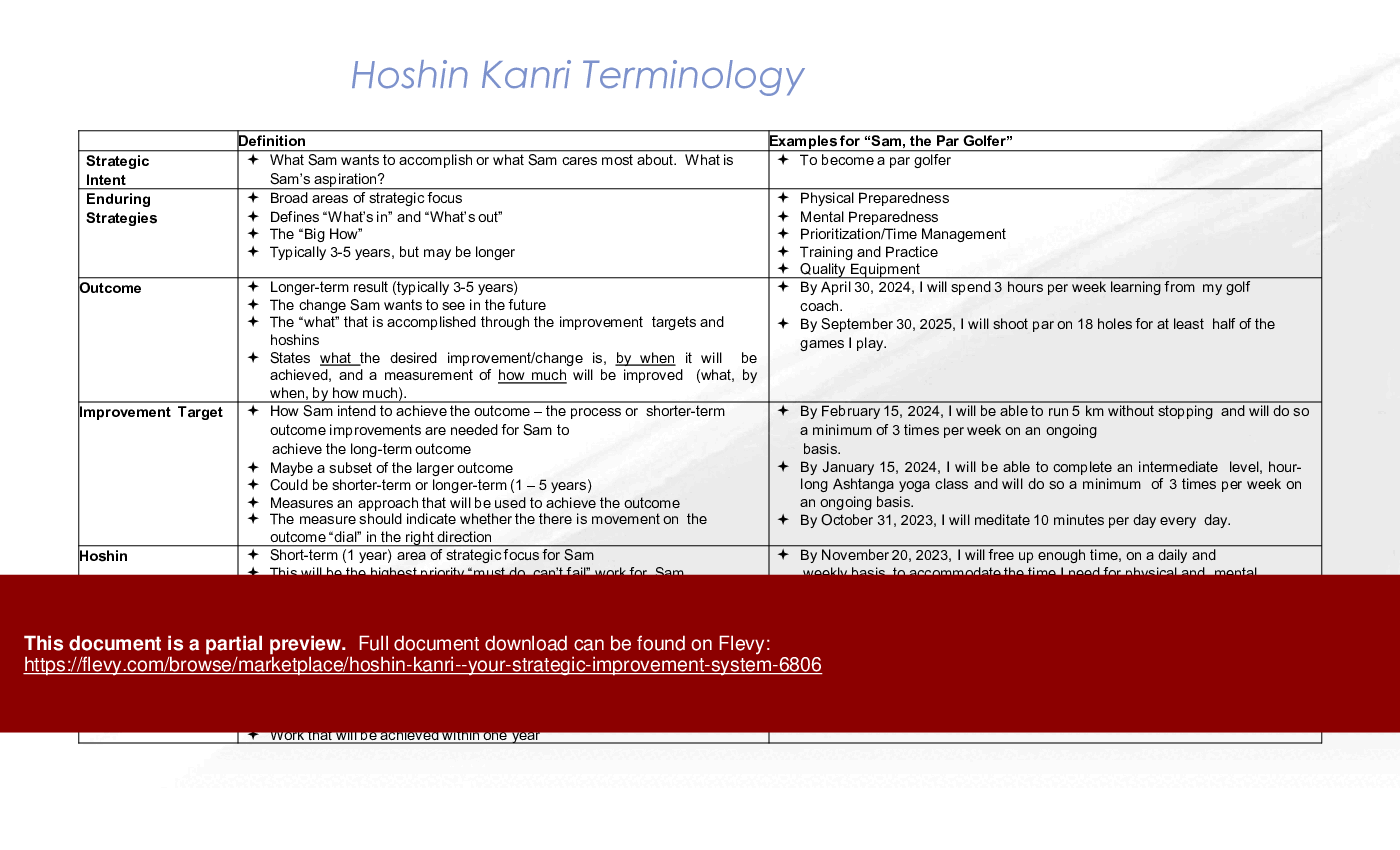
• Terminology: Familiarize yourself with essential Hoshin Kanri terminology.
• A Strategic Business System: Comprehend Hoshin Kanri as a strategic business system designed to drive success.
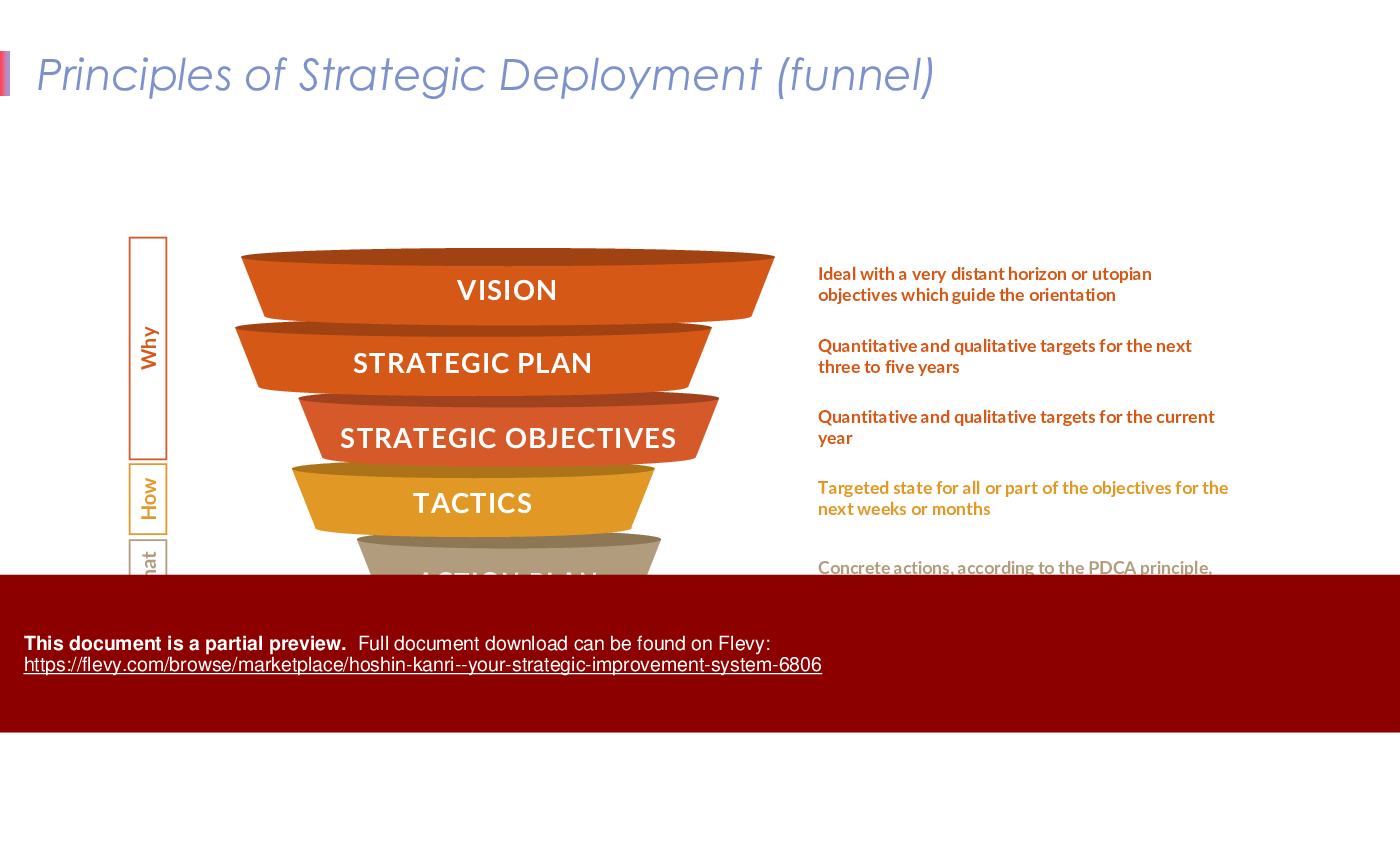
• Principles of Strategic Deployment: Explore the funnel approach and the principles underlying strategic deployment.
5. The Hoshin Kanri Framework:
• Strategic Alignment Matrix: Dive into the Strategic Alignment Matrix as a pivotal component of Hoshin Kanri.
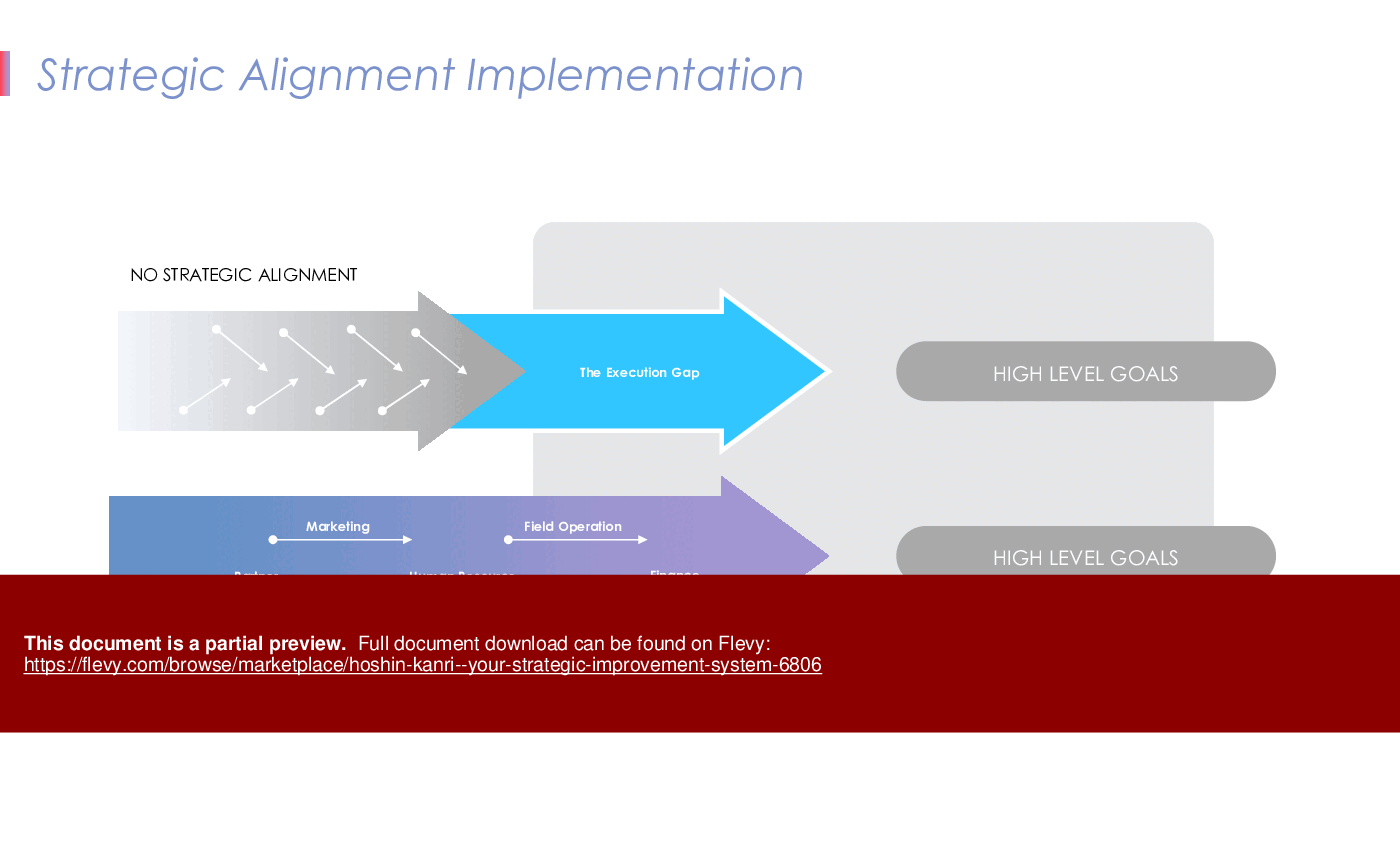
• Strategic Alignment Implementation: Understand the practical aspects of implementing strategic alignment within your organization.
6. Lean Philosophy and Hoshin Kanri:
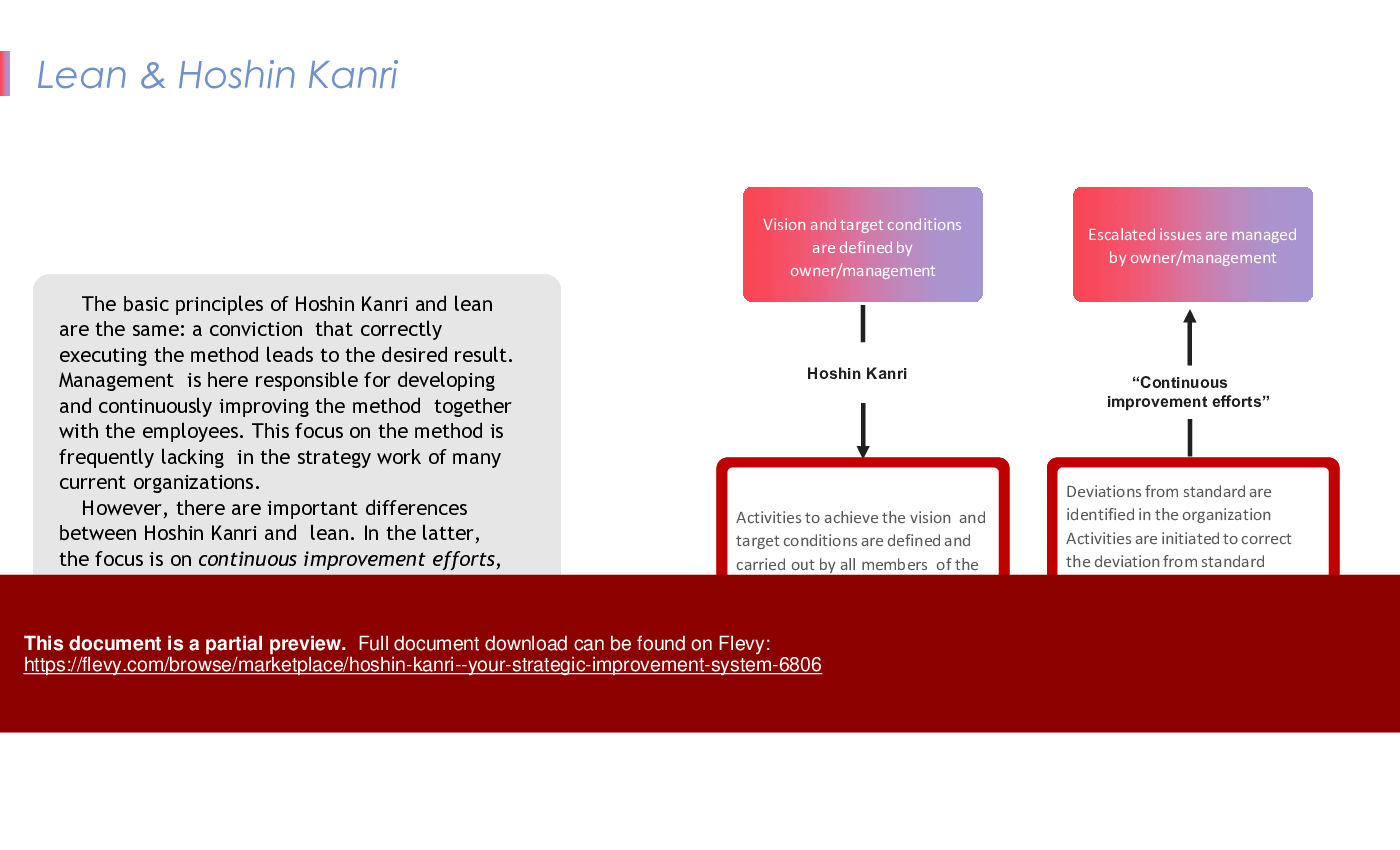
• Lean & Hoshin Kanri: Discover the synergy between Lean philosophy and Hoshin Kanri.
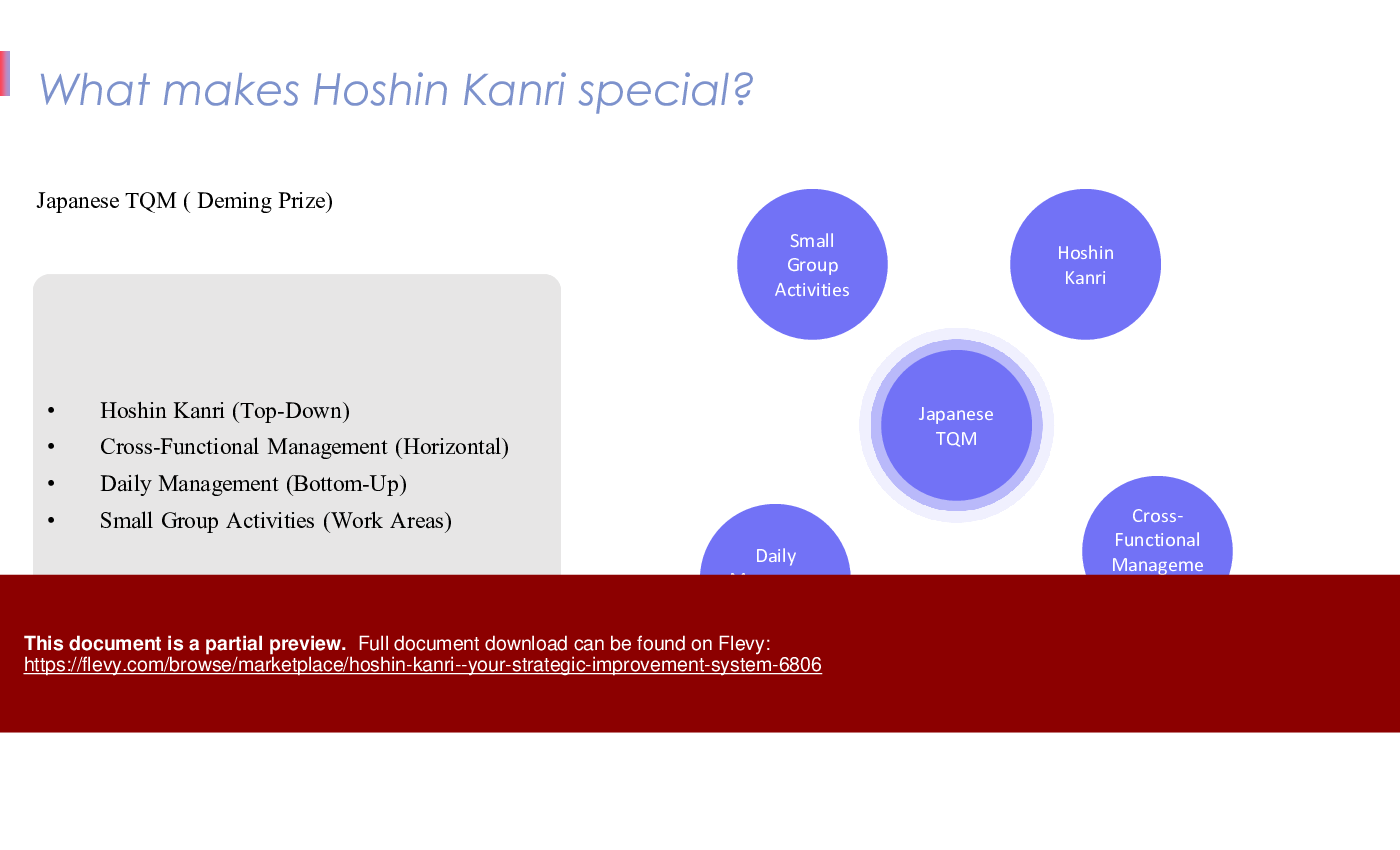
• What Makes Hoshin Kanri Special: Uncover the distinctive features that set Hoshin Kanri apart.
7. Building Blocks and Roadmap:
• Hoshin Kanri Building Blocks: Identify the essential building blocks of Hoshin Kanri.
• Hoshin Kanri Roadmap: Navigate the roadmap for successful Hoshin Kanri implementation.
8. The Hoshin Kanri Process:
• Developing Policies: Learn the art of crafting effective policies.
• Deploying Policies: Understand the intricacies of deploying policies throughout your organization.
• Reviewing Policies: Discover the significance of regular policy reviews.
9. Best Practices and Getting Started:
• Global Best Practices: Gain insights into global best practices in Hoshin Kanri.
• Tips for Getting Started: Receive practical tips for initiating your Hoshin Kanri journey.
10. Conclusion:
• Concluding Thoughts: Reflect on the transformative potential of Hoshin Kanri and its role in propelling organizational excellence.
This 62-slide PowerPoint presentation serves as a comprehensive guide to Policy Deployment through Hoshin Kanri, offering valuable insights and actionable strategies. The document is fully customizable and enriched with compelling diagrams, ice-breakers, images, and other engaging content to provide a holistic understanding of this powerful approach to organizational excellence.
Master the art of strategic alignment and close the execution gap with our comprehensive Hoshin Kanri framework. Leverage the synergy between Lean principles and Hoshin Kanri to drive continuous improvement and achieve your long-term goals.
Got a question about the product? Email us at support@flevy.com or ask the author directly by using the "Ask the Author a Question" form. If you cannot view the preview above this document description, go here to view the large preview instead.
Executive Summary
The Hoshin Kanri presentation is a strategic improvement system designed to enhance organizational performance through effective policy deployment. Developed by experts with extensive consulting backgrounds, this PPTX provides a structured approach to aligning long-term goals with short-term actions. By integrating Lean Six Sigma tools and fostering cross-functional collaboration, organizations can achieve sustainable growth and operational excellence. This presentation equips leaders with the knowledge to implement Hoshin Kanri effectively, ensuring that strategic objectives are met through a disciplined, organization-wide process.
Who This Is For and When to Use
• Corporate executives seeking to improve strategic alignment and execution.
• Integration leaders responsible for implementing organizational change initiatives.
• Consultants advising clients on performance improvement methodologies.
• Project managers overseeing cross-functional teams and initiatives.
Best-fit moments to use this deck:
• During strategic planning sessions to align departmental goals with organizational objectives.
• When launching new initiatives that require clear policy deployment and tracking.
• In workshops focused on improving team collaboration and accountability in achieving targets.
Learning Objectives
• Define Hoshin Kanri and its role in strategic improvement.
• Develop a comprehensive policy deployment plan aligned with organizational vision.
• Establish measurable objectives and improvement targets for performance tracking.
• Implement the PDCA (Plan-Do-Check-Act) cycle to ensure continuous improvement.
• Foster cross-functional collaboration through the catchball process.
• Evaluate and adjust strategies based on performance metrics and feedback.
Table of Contents
• Hoshin Kanri Terminology (page 4)
• A Strategic Business System (page 6)
• Principles of Strategic Deployment (funnel) (page 8)
• Strategic Alignment Matrix (page 10)
• Strategic Alignment Implementation (page 12)
• Lean & Hoshin Kanri (page 14)
• What Makes Hoshin Kanri Special? (page 16)
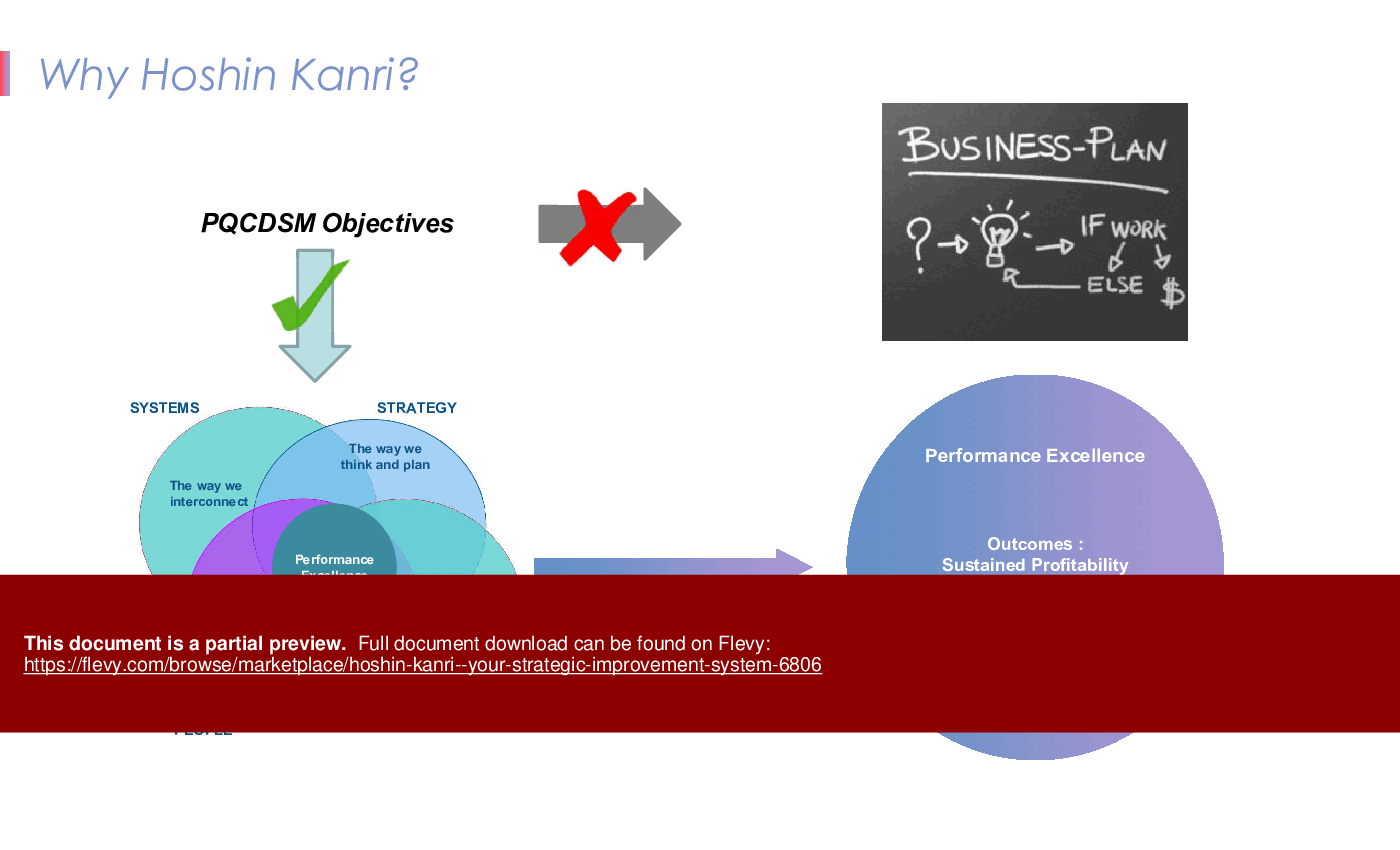
• Why Choose Hoshin Kanri? (page 18)
• What Hoshin Kanri Is & Does (page 20)
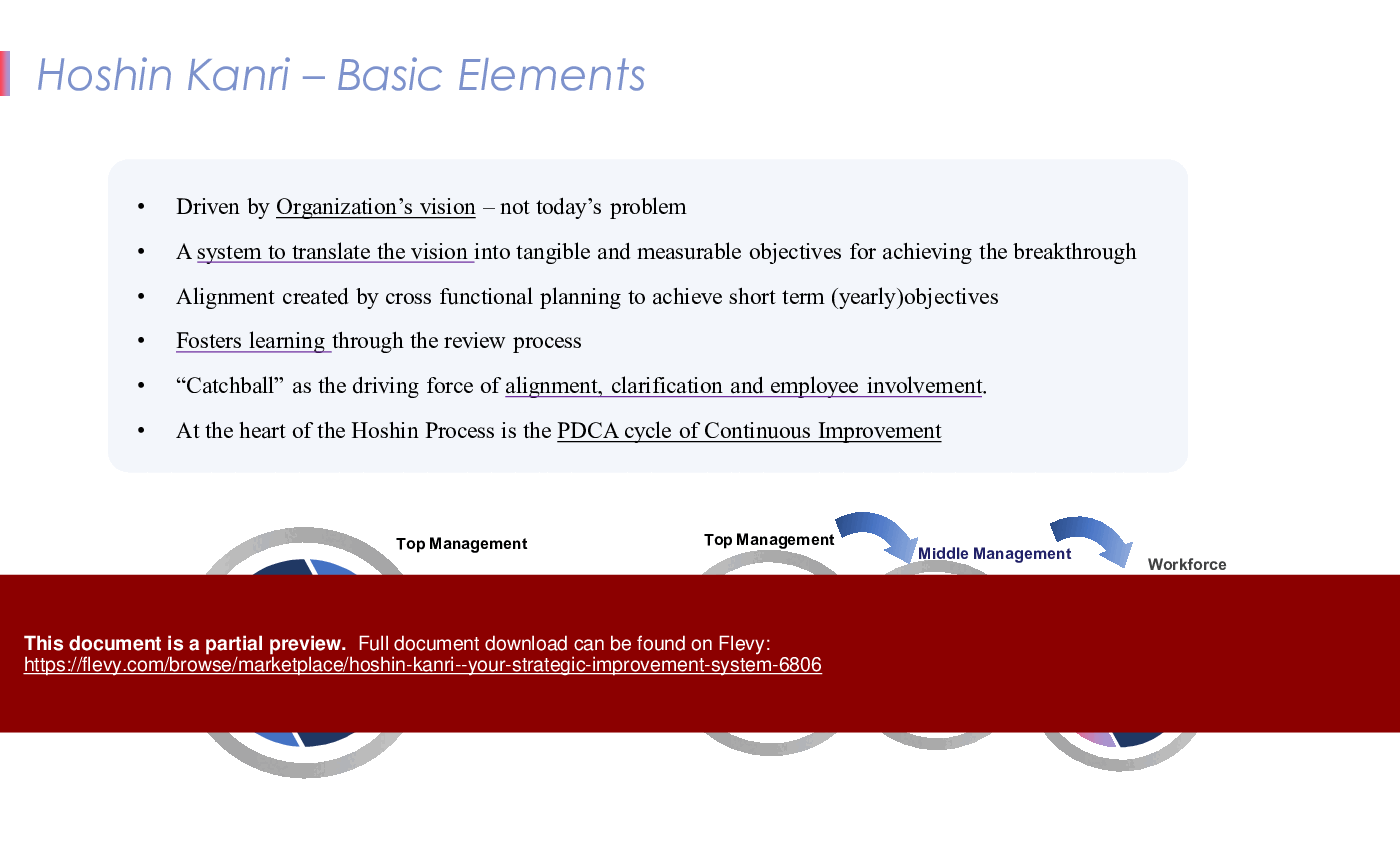
• Four Key Elements of Hoshin Kanri (page 22)
• Hoshin Kanri Roadmap (page 24)
• Tips for Getting Started (page 30)
Primary Topics Covered
• Hoshin Kanri Terminology - Key definitions and concepts that form the foundation of Hoshin Kanri, including strategic intent, outcomes, and improvement targets.
• A Strategic Business System - Overview of how Hoshin Kanri integrates with Lean principles to drive organizational performance through policy deployment.
• Strategic Alignment Matrix - A framework for aligning organizational goals across different functions to ensure cohesive execution.
• Lean & Hoshin Kanri - Exploration of the relationship between Lean methodologies and Hoshin Kanri, emphasizing continuous improvement.
• Four Key Elements of Hoshin Kanri - Focus, alignment, structure, and rigor as essential components for successful implementation.
• Hoshin Kanri Roadmap - Step-by-step guide for deploying Hoshin Kanri within an organization, including environmental scanning and action planning.
Deliverables, Templates, and Tools
• Policy deployment templates for establishing objectives and strategies.
• Strategic alignment matrices to visualize interdepartmental goals.
• PDCA cycle tracking tools for monitoring progress and making adjustments.
• Catchball process guidelines to facilitate communication and collaboration.
• Hoshin X Matrix for aligning annual objectives with long-term goals.
• Performance dashboards for tracking key metrics and outcomes.
Slide Highlights
• Overview of Hoshin Kanri terminology, providing foundational knowledge for understanding the methodology.
• Strategic Alignment Matrix slide illustrating the relationship between organizational goals and departmental objectives.
• Hoshin Kanri Roadmap detailing the stepwise approach to implementing the system.
• Visual representation of the PDCA cycle, emphasizing the importance of continuous improvement.
• Examples of strategic objectives and how they translate into actionable plans.
Potential Workshop Agenda
Hoshin Kanri Overview Session (90 minutes)
• Introduce Hoshin Kanri principles and terminology.
• Discuss the importance of strategic alignment and policy deployment.
• Engage participants in a catchball exercise to foster collaboration.
Implementation Planning Workshop (120 minutes)
• Develop departmental objectives aligned with organizational goals.
• Create a draft policy deployment plan using provided templates.
• Review and refine action plans based on group feedback.
Customization Guidance
• Tailor the strategic objectives to reflect your organization’s specific goals and metrics.
• Adjust the policy deployment templates to fit the unique structure of your organization.
• Incorporate relevant industry benchmarks and performance indicators into the performance dashboards.
Secondary Topics Covered
• Best practices for integrating Hoshin Kanri with Lean Six Sigma initiatives.
• Techniques for overcoming common hurdles in Hoshin Kanri implementation.
• The role of leadership in fostering a culture of accountability and continuous improvement.
• Methods for evaluating the effectiveness of strategies and objectives.
Topic FAQ
Document FAQ
These are questions addressed within this presentation.
What is Hoshin Kanri?
Hoshin Kanri is a strategic improvement system that focuses on aligning an organization’s goals with its operational activities through effective policy deployment and continuous improvement.
How does Hoshin Kanri differ from other management methodologies?
Hoshin Kanri emphasizes both top-down and bottom-up planning, ensuring that strategic objectives are communicated and understood at all levels of the organization.
What are the key components of a successful Hoshin Kanri implementation?
Successful implementation requires clear communication, cross-functional collaboration, measurable objectives, and a commitment to the PDCA cycle for continuous improvement.
How can organizations measure success with Hoshin Kanri?
Organizations can measure success through performance metrics, regular reviews of progress against objectives, and adjustments to strategies based on feedback and results.
What is the catchball process?
The catchball process is a collaborative communication technique used in Hoshin Kanri to ensure alignment and understanding of objectives across different levels of the organization.
How often should organizations review their Hoshin Kanri objectives?
Regular reviews should occur monthly and annually to assess progress, make necessary adjustments, and ensure ongoing alignment with strategic goals.
What challenges might organizations face when implementing Hoshin Kanri?
Common challenges include resistance to accountability, inconsistent data, and a lack of alignment between departmental and organizational goals.
What tools can support Hoshin Kanri implementation?
Tools such as policy deployment templates, performance dashboards, and strategic alignment matrices can facilitate effective implementation and tracking of objectives.
Glossary
• Hoshin Kanri - A strategic improvement system focused on policy deployment and alignment of goals.
• PDCA Cycle - A continuous improvement process consisting of Plan, Do, Check, and Act.
• Catchball - A communication process used to ensure alignment and understanding of objectives.
• Strategic Alignment Matrix - A tool for visualizing the relationship between organizational and departmental goals.
• Policy Deployment - The process of translating strategic objectives into actionable plans.
• Performance Dashboard - A visual tool for tracking key performance metrics and progress.
• Lean Six Sigma - A methodology that combines Lean manufacturing principles with Six Sigma quality control.
• Breakthrough Objectives - Significant goals aimed at achieving substantial improvements in performance.
• Cross-Functional Collaboration - Cooperation among different departments to achieve common objectives.
• Continuous Improvement - Ongoing efforts to enhance products, services, or processes.
• Vision Statement - A declaration of an organization’s long-term goals and aspirations.
• Strategic Objectives - Specific, measurable goals that align with the organization’s vision.
• Action Plan - A detailed outline of steps required to achieve strategic objectives.
• Performance Metrics - Quantitative measures used to assess progress and success.
• Alignment - The process of ensuring that all organizational activities are directed towards common goals.
• Stakeholder Input - Feedback and insights from individuals or groups with an interest in the organization’s success.
• Environmental Analysis - An assessment of external factors that may impact organizational performance.
• SWOT Analysis - A strategic planning tool used to identify strengths, weaknesses, opportunities, and threats.
• Balanced Scorecard - A performance management framework that incorporates financial and non-financial metrics.
• TQM (Total Quality Management) - A management approach focused on continuous improvement and customer satisfaction.
• Kaizen - A Japanese term meaning "continuous improvement," often used in Lean methodologies.
• X Matrix - A visual tool used to align objectives, strategies, and actions in Hoshin Kanri.
Source: Best Practices in Hoshin PowerPoint Slides: Hoshin Kanri - Your Strategic Improvement System PowerPoint (PPTX) Presentation Slide Deck, RadVector Consulting
|
Receive our FREE presentation on Operational Excellence
This 50-slide presentation provides a high-level introduction to the 4 Building Blocks of Operational Excellence. Achieving OpEx requires the implementation of a Business Execution System that integrates these 4 building blocks. |










