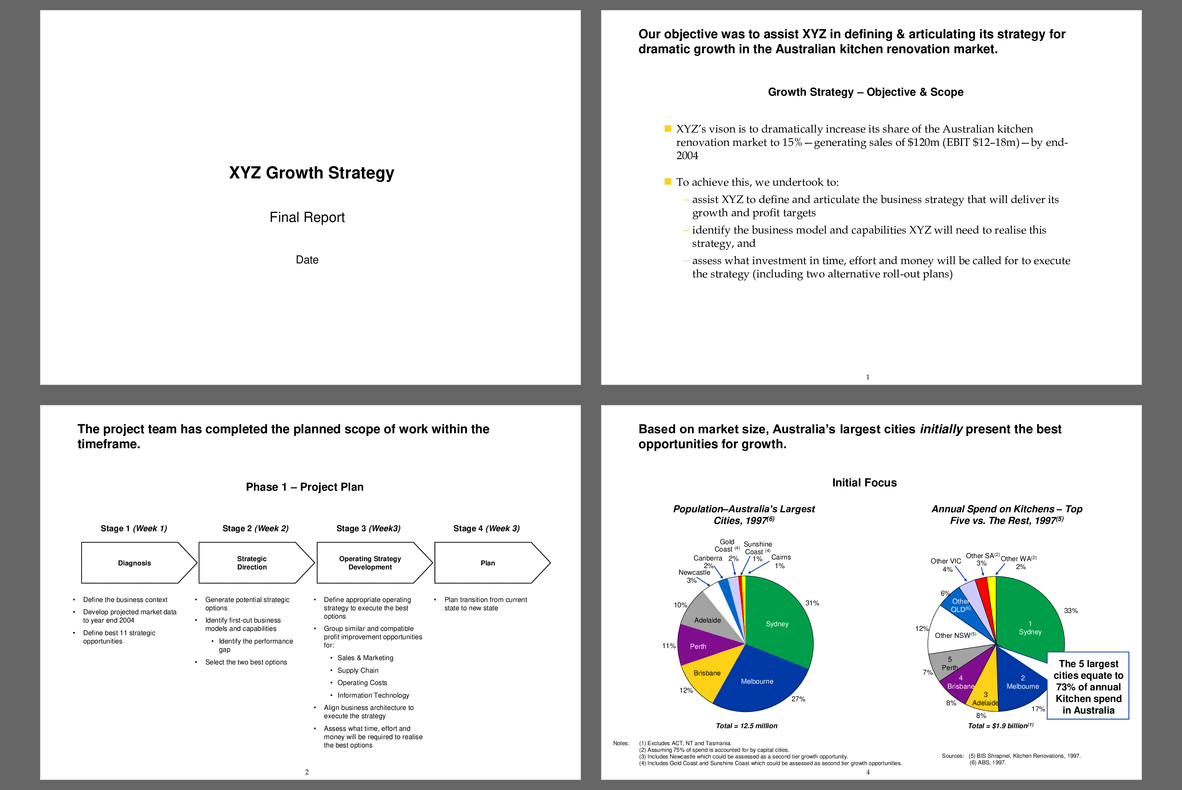

This presentation is a growth strategy report of a major kitchen supplier in Australia. The deck has 49 slides. To achieve its growth objectives, the company has engaged a major consulting firm to:
• Define and articulate the business strategy that will deliver its growth and profit targets
• Identify the business model and capabilities the company will need to realise this strategy, and
• Assess what investment in time, effort and money will be called for to execute the strategy (including two alternative roll-out plans)
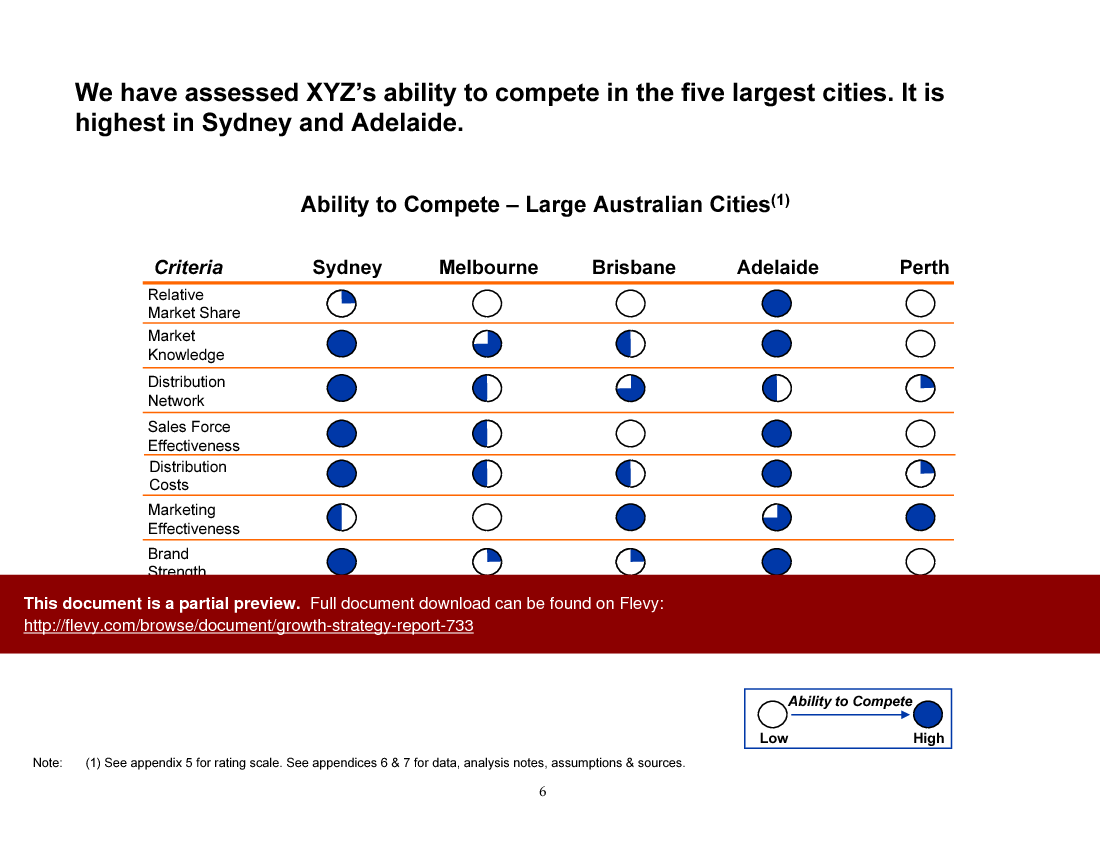
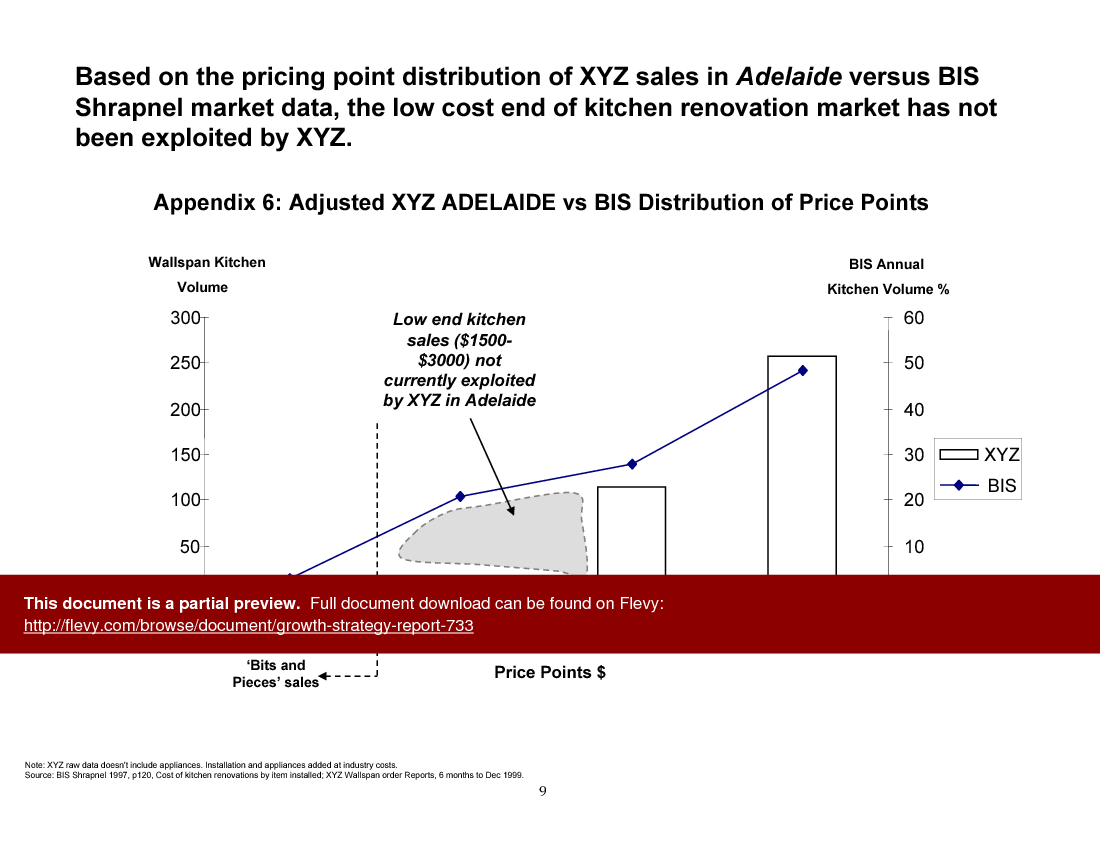
This comprehensive growth strategy report provides a detailed analysis of XYZ's ability to compete in Australia's five largest cities, with a particular focus on Sydney and Adelaide. The report includes a thorough assessment of market share, distribution networks, sales force effectiveness, and brand strength. It identifies key areas where XYZ can leverage its strengths and address gaps to enhance its market position.
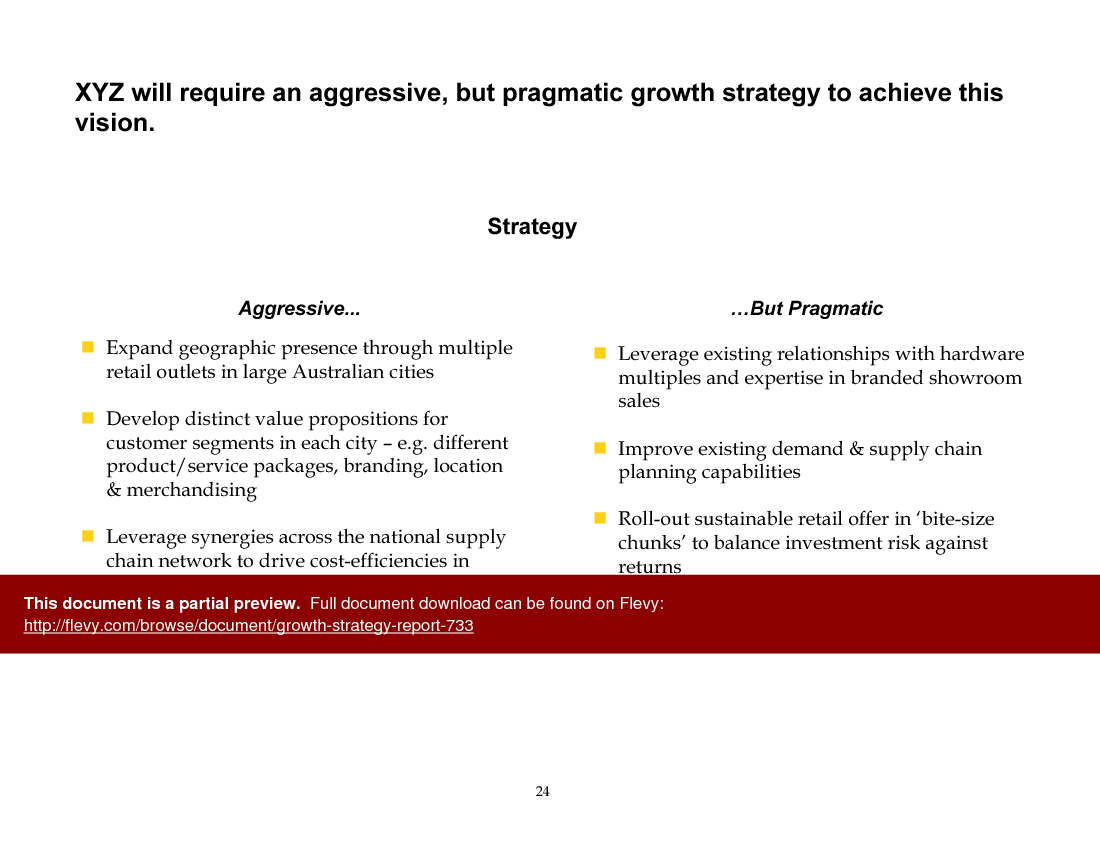
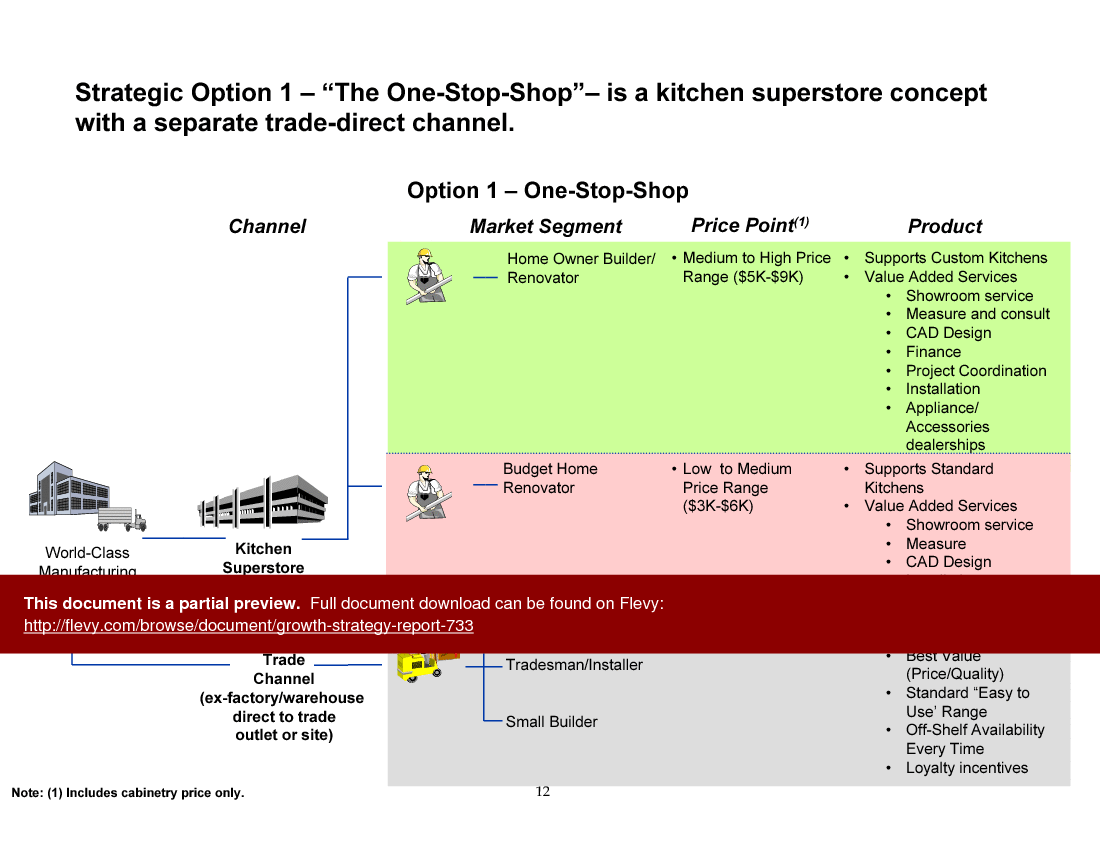
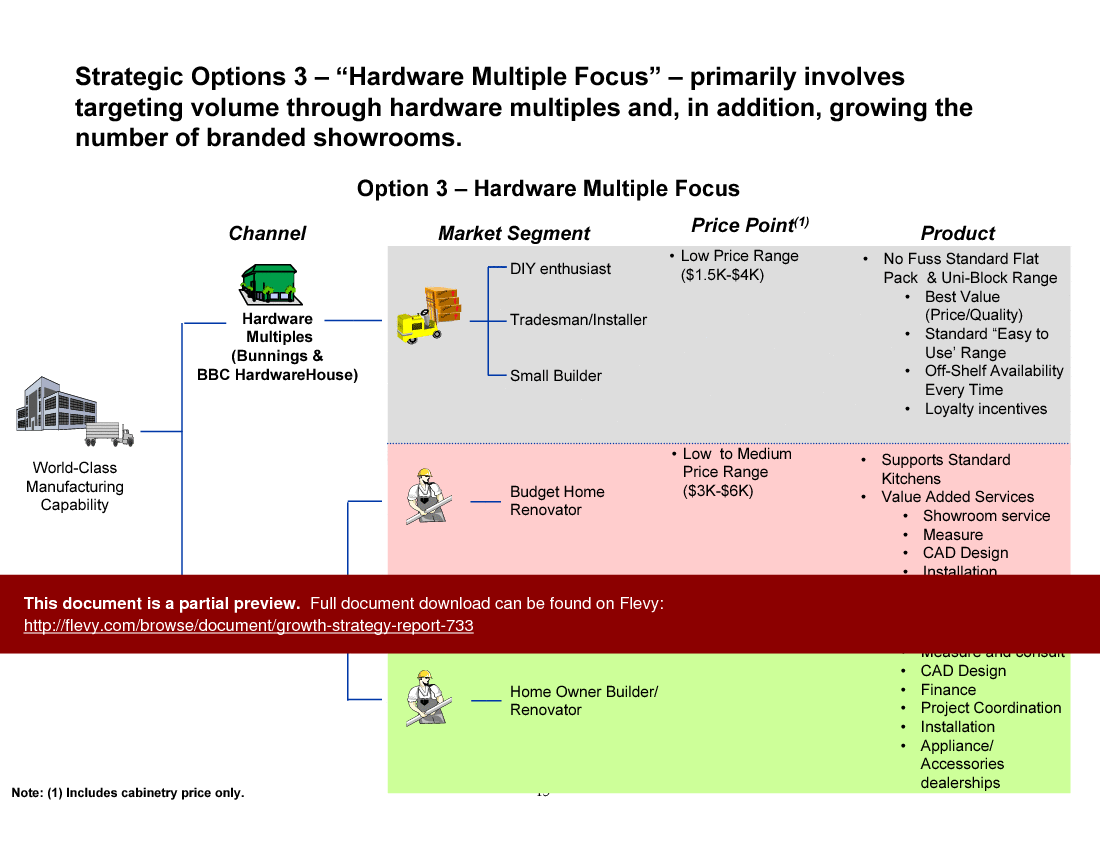
The document also explores various strategic options, such as the "One-Stop-Shop" concept and the "Hardware Multiple Focus" approach, to expand XYZ's market reach. Each strategy is evaluated based on market segments, price points, and value-added services, providing a clear roadmap for implementation. The report highlights the importance of targeting different customer segments with tailored value propositions to maximize growth potential.
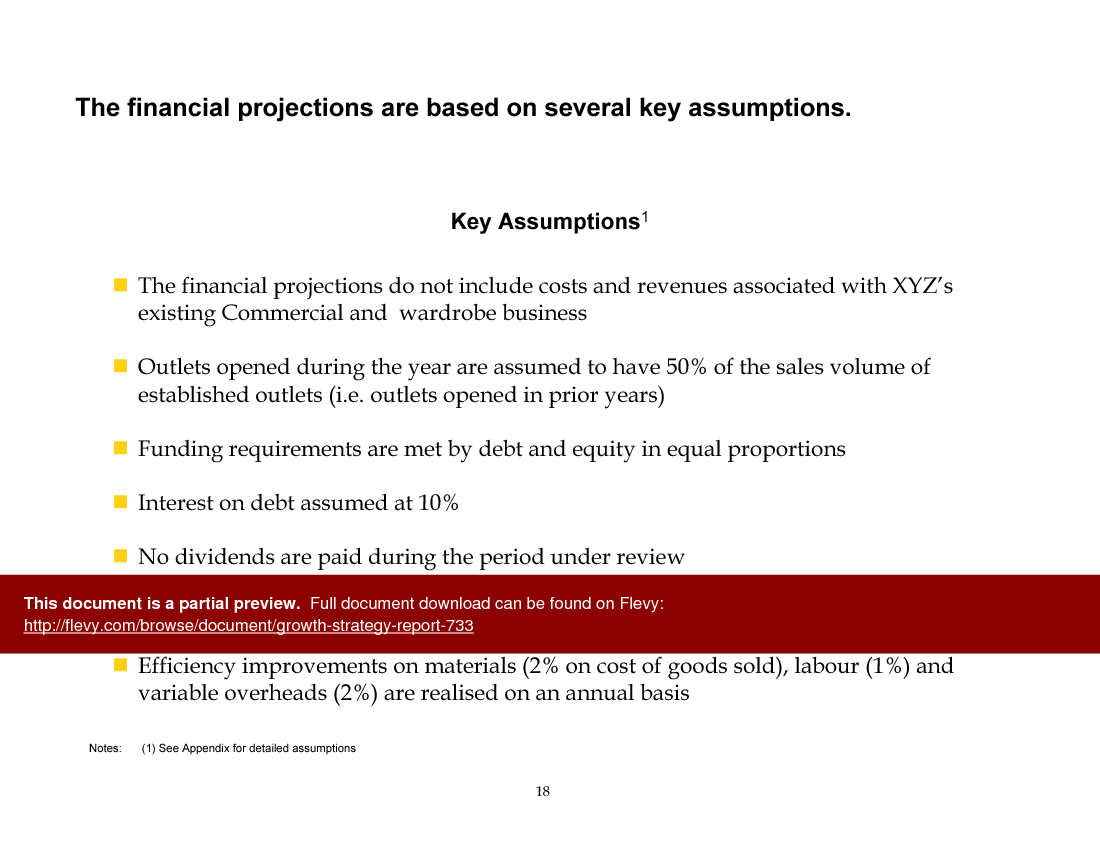
Financial projections and sensitivity analyses are included to provide a robust understanding of the investment required and the potential returns. The report outlines key assumptions and funding requirements, ensuring that executives have a clear picture of the financial landscape. The recommended program management structure is designed to align all projects with the overall growth objectives, ensuring seamless execution and integration across the organization.
Got a question about the product? Email us at support@flevy.com or ask the author directly by using the "Ask the Author a Question" form. If you cannot view the preview above this document description, go here to view the large preview instead.
Executive Summary
This Growth Strategy Report outlines a detailed plan for XYZ, aiming to capture a 15% share of the Australian kitchen renovation market by the end of 2004, equating to $120 million in sales and an EBIT of $12–18 million. This consulting-grade document, reflecting McKinsey, Bain, or BCG-quality rigor (not affiliated), assists corporate executives in defining actionable strategies for significant growth. The report identifies critical business models, capabilities, and investment requirements necessary for successful execution, including 2 alternative rollout plans for strategic options.
Who This Is For and When to Use
• Corporate executives in the kitchen renovation industry
• Strategic planners and business development teams
• Marketing and sales leaders focusing on market expansion
• Financial analysts assessing investment opportunities
• Operations managers overseeing implementation of growth strategies
Best-fit moments to use this deck:
• During strategic planning sessions for market entry or expansion
• When assessing investment opportunities in the kitchen renovation sector
• For guiding operational teams in executing growth initiatives
• In stakeholder meetings to align on strategic direction and resource allocation
Learning Objectives
• Define the strategic growth objectives for XYZ in the Australian market
• Develop a comprehensive understanding of market dynamics and competitive landscape
• Identify and evaluate strategic options for market entry and expansion
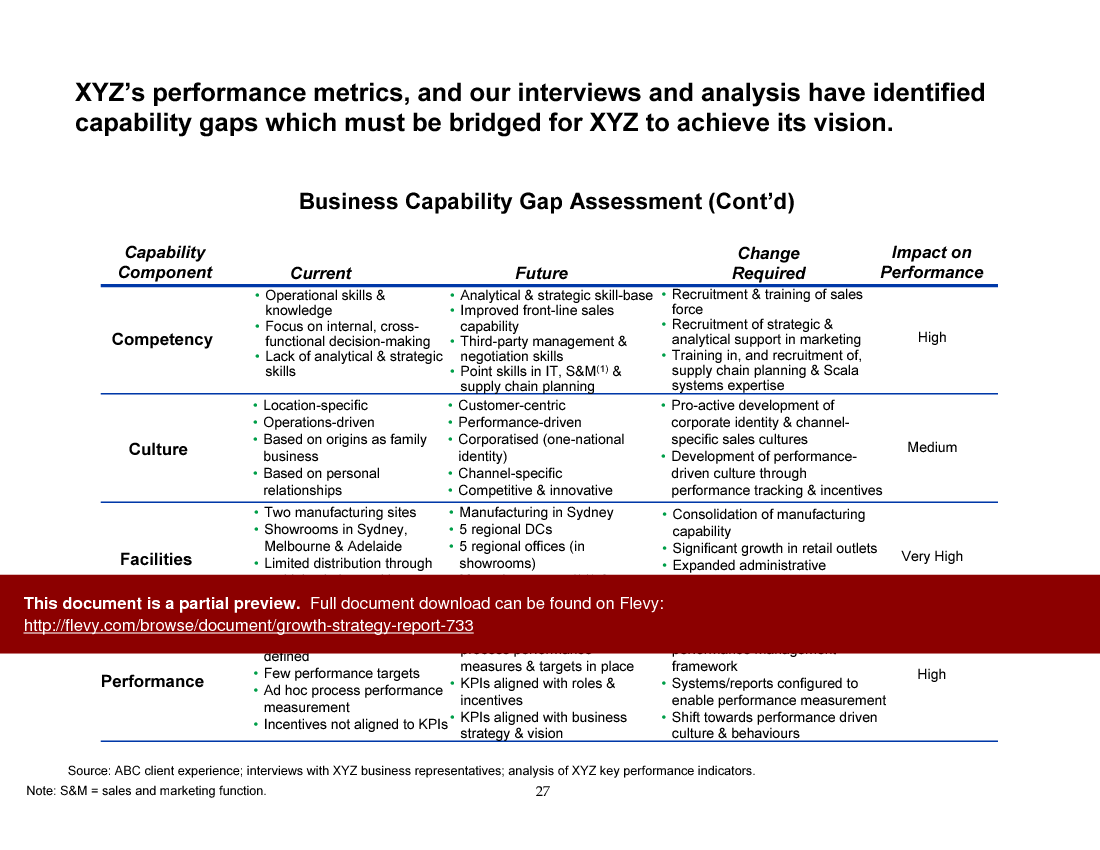
• Assess the required business capabilities and investment needs for execution
• Create a detailed implementation plan with clear milestones and deliverables
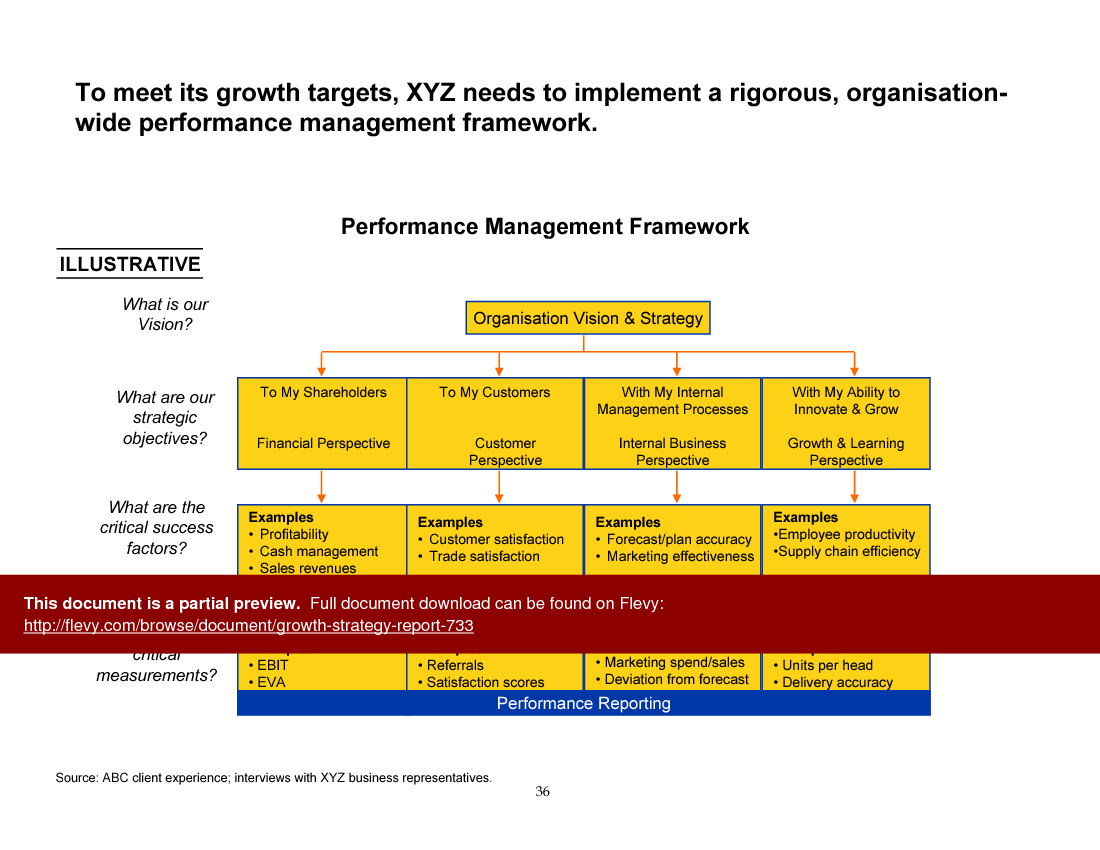
• Establish performance metrics to track progress and success
Table of Contents
• Executive Summary (page 1)
• Market Analysis and Context (page 2)
• Strategic Opportunities Identification (page 3)
• Business Models and Capabilities (page 4)
• Financial Projections and Assumptions (page 18)
• Preferred Strategic Options (page 38)
• Implementation Plan Overview (page 47)
• Appendices (page 49)
Primary Topics Covered
• Market Dynamics - An analysis of the Australian kitchen renovation market, focusing on growth potential in major cities and consumer spending patterns.
• Strategic Opportunities - Identification of the top 11 strategic opportunities for XYZ, narrowed down to 2 primary options for growth.
• Business Model Assessment - Evaluation of necessary business models and capabilities required to support the selected strategies.
• Financial Projections - Detailed financial forecasts, including revenue, EBIT, and funding requirements for the proposed strategies.
• Implementation Strategy - A structured approach to executing the growth plan, including timelines, resource allocation, and performance management.
• Capability Gap Analysis - Assessment of current capabilities versus required capabilities to achieve strategic objectives.
Deliverables, Templates, and Tools
• Market analysis report template for evaluating growth opportunities
• Strategic options assessment framework for decision-making
• Financial projection model for estimating revenue and costs
• Implementation roadmap template outlining key milestones and actions
• Performance management framework for tracking progress against objectives
• Capability gap assessment tool for identifying areas for improvement
Slide Highlights
• Overview of market dynamics in the Australian kitchen renovation sector
• Strategic opportunities identified for growth, focusing on major cities
• Financial projections illustrating potential revenue and EBIT outcomes
• Detailed assessment of preferred strategic options and their implications
• Implementation plan outlining key phases and resource requirements
Potential Workshop Agenda
Market Dynamics Overview (60 minutes)
• Present findings on market size and growth potential
• Discuss consumer spending trends and competitive landscape
• Identify key strategic opportunities for XYZ
Strategic Options Evaluation (90 minutes)
• Review the top strategic options identified
• Analyze financial projections and investment requirements
• Facilitate discussion on preferred options and next steps
Implementation Planning Session (120 minutes)
• Develop a detailed implementation roadmap
• Assign responsibilities and establish timelines
• Define performance metrics for tracking success
Customization Guidance
• Tailor financial projections based on updated market data and assumptions
• Adjust strategic options based on internal capabilities and market feedback
• Modify implementation timelines to align with organizational capacity and readiness
• Incorporate specific branding and marketing strategies relevant to XYZ’s target segments
Secondary Topics Covered
• Consumer behavior trends in kitchen renovations
• Competitive analysis of key players in the market
• Risk assessment related to market entry strategies
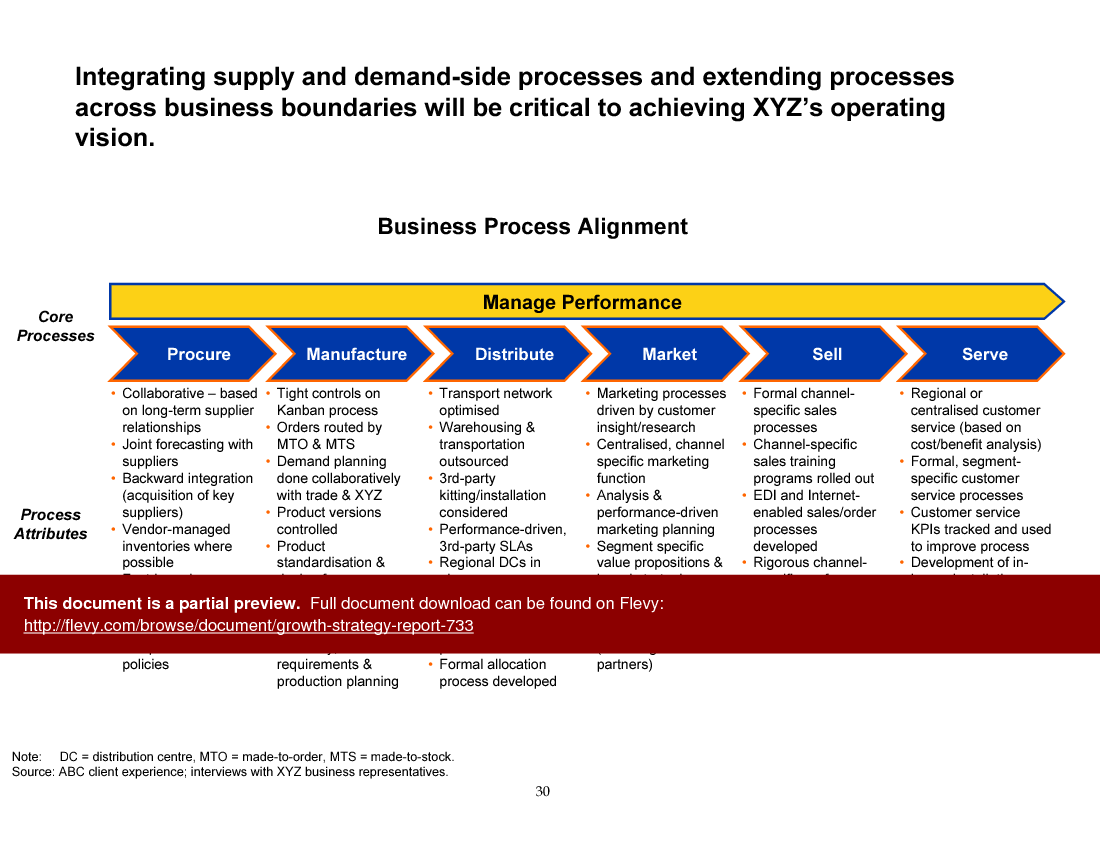
• Supply chain considerations for operational efficiency
• Technology requirements for supporting business capabilities
FAQ
What is the primary goal of the growth strategy?
The primary goal is to achieve a 15% market share in the Australian kitchen renovation market by 2004, generating sales of $120 million.
What are the 2 preferred strategic options?
The 2 preferred options are a combination of branded showrooms with hardware multiples or kitchen barns, focusing on market expansion.
How will financial projections be developed?
Financial projections will be based on market data, historical performance, and assumptions regarding sales volume and pricing strategies.
What capabilities need to be developed for successful execution?
Capabilities in sales and marketing, supply chain management, and customer relationship management are critical for executing the growth strategy.
How will performance be measured?
Performance will be measured using key performance indicators (KPIs) aligned with strategic objectives, including sales growth, market share, and profitability.
What is the timeline for implementation?
The implementation timeline will be defined in the detailed roadmap, with key milestones established for each phase of the strategy.
What are the risks associated with the growth strategy?
Risks include market competition, changes in consumer preferences, and operational challenges in scaling the business.
How will the strategy be communicated to stakeholders?
A communication plan will be developed to ensure all stakeholders are informed and aligned with the strategic direction and implementation plan.
Glossary
• EBIT - Earnings Before Interest and Taxes, a measure of a firm's profitability.
• Market Share - The percentage of an industry's sales that a particular company controls.
• Strategic Opportunities - Potential avenues for growth identified through market analysis.
• Financial Projections - Estimates of future revenue and expenses based on current data and assumptions.
• Capability Gap - The difference between current capabilities and those required to achieve strategic objectives.
• Performance Metrics - Quantitative measures used to assess the success of a strategy.
• Implementation Roadmap - A detailed plan outlining the steps necessary to execute a strategy.
• Supply Chain Management - The management of the flow of goods and services from suppliers to customers.
• Customer Relationship Management - Strategies and technologies used to manage interactions with customers.
• Market Dynamics - The forces that impact the supply and demand of goods and services in a market.
• Business Model - The plan for how a company creates, delivers, and captures value.
• Revenue - The income generated from normal business operations.
• Investment Requirements - The amount of capital needed to execute a strategy.
• Risk Assessment - The identification and evaluation of potential risks that could impact the success of a strategy.
• Competitive Analysis - The assessment of competitors in the market to identify strengths and weaknesses.
• Consumer Behavior - The study of how individuals make decisions to spend their available resources.
• Operational Efficiency - The ability to deliver products or services in the most cost-effective manner.
• Brand Strategy - A long-term plan for the development of a successful brand to achieve specific goals.
• Market Entry Strategy - The planned method of delivering goods or services to a new target market.
• Performance Management Framework - A structured approach to managing and improving organizational performance.
• Organizational Change - The process of aligning an organization to meet new business challenges.
Source: Best Practices in Strategic Plan Example PowerPoint Slides: Growth Strategy Report PowerPoint (PPT) Presentation Slide Deck, Documents & Files
This document is available as part of the following discounted bundle(s):
Save %!
Business Growth Strategy
This bundle contains 5 total documents. See all the documents to the right.
|
Download our FREE Strategy & Transformation Framework Templates
Download our free compilation of 50+ Strategy & Transformation slides and templates. Frameworks include McKinsey 7-S, Balanced Scorecard, Disruptive Innovation, BCG Curve, and many more. |