
 Click main image to view in full screen. Unlock all 9 preview images:
Fire Retention Shift – PDF
PDF document 15 Pages


BENEFITS OF THIS DOWNLOADABLE PDF DOCUMENT
- Provides a structured framework for evaluating emerging wildfire suppression technologies across technical, operational, environmental, commercial, and strategic dimensions.
- Introduces Cost per Effective Protected Hectare™ as a proposed decision metric for connecting material economics with validated protection performance.
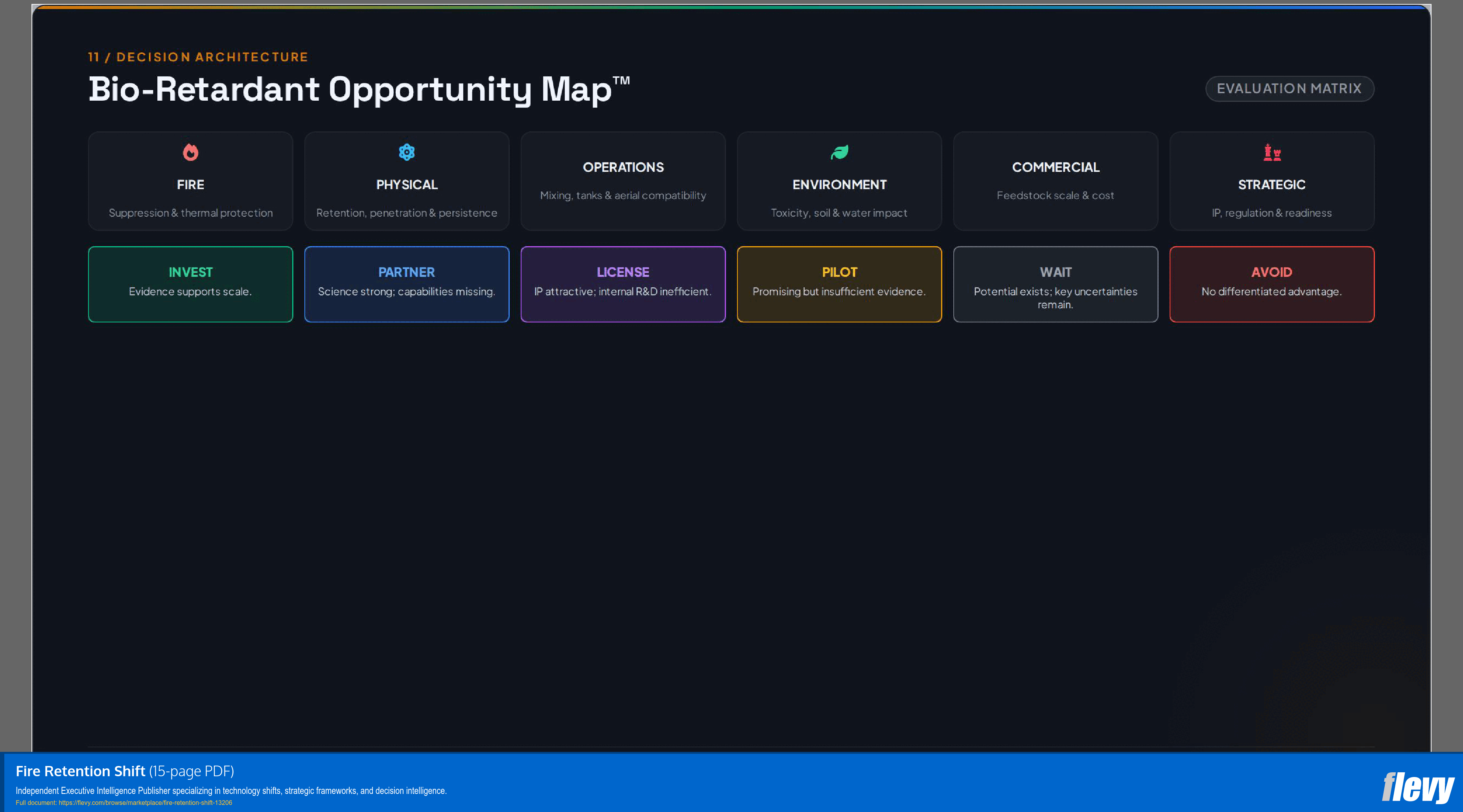
- Helps decision-makers determine whether an emerging fire-protection technology should be invested in, partnered around, licensed, piloted, monitored, or avoided.
PDF DESCRIPTION
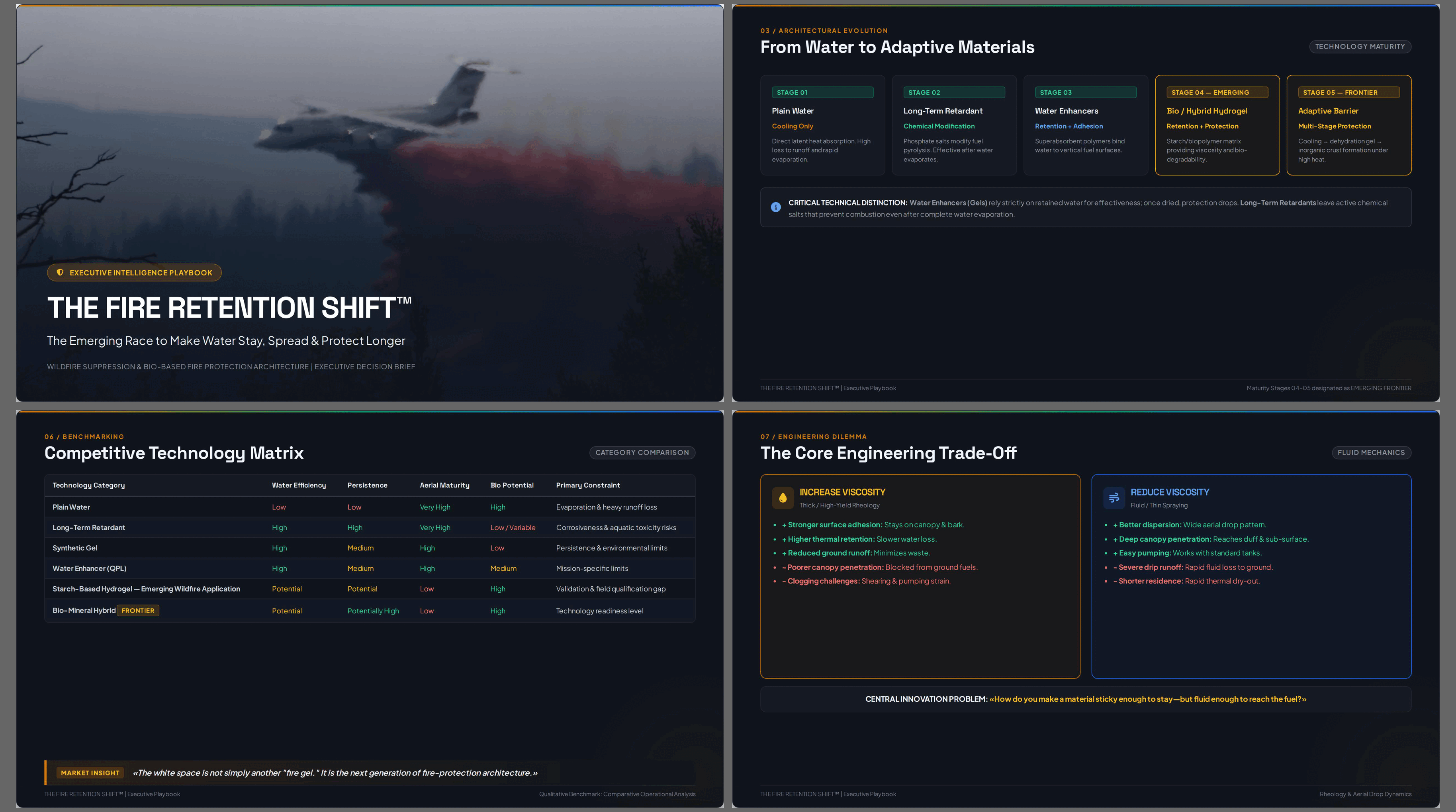
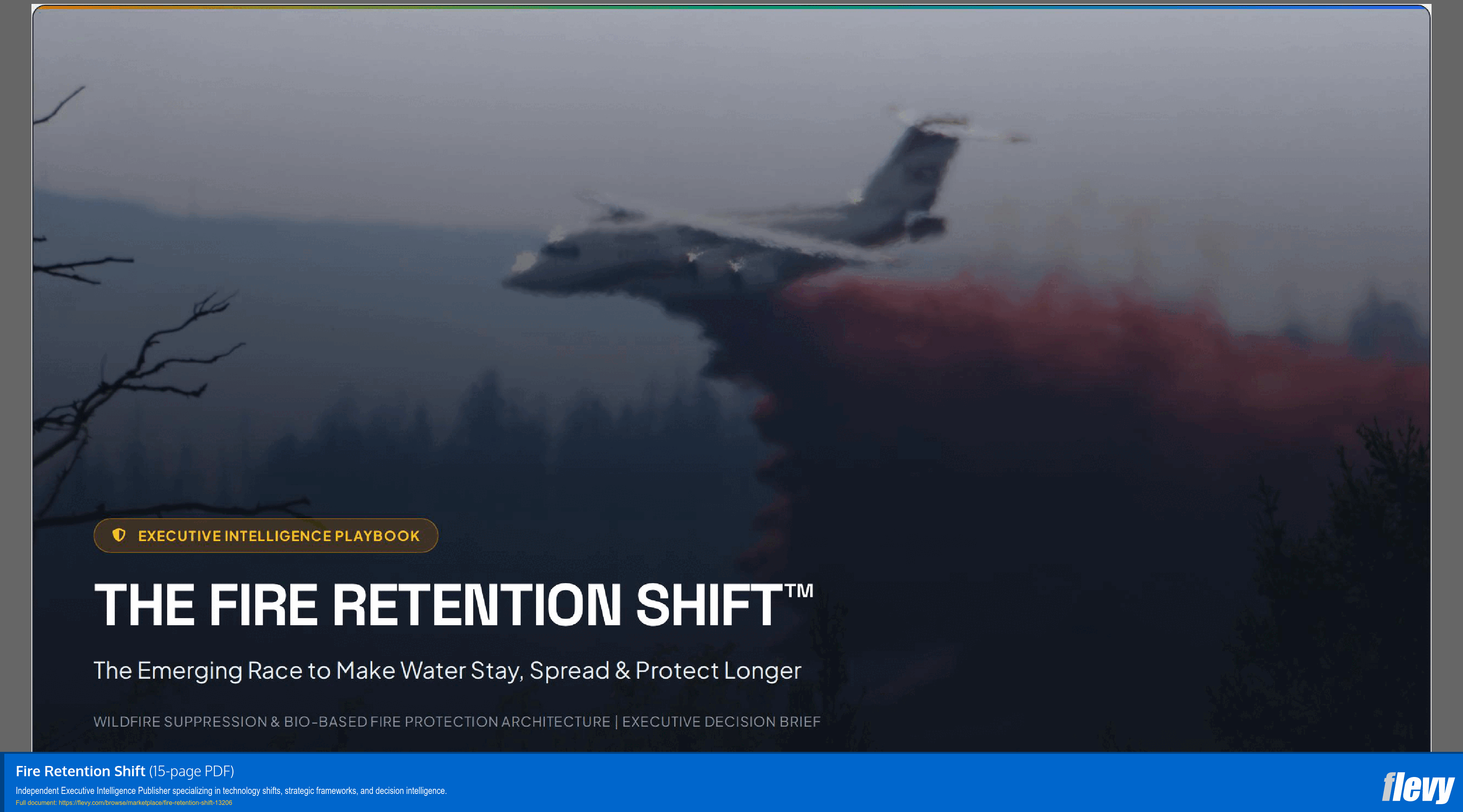
The Fire Retention Shift examines an emerging transition in wildfire suppression: the movement from simply delivering more water toward engineering greater protective value from every unit of water delivered.
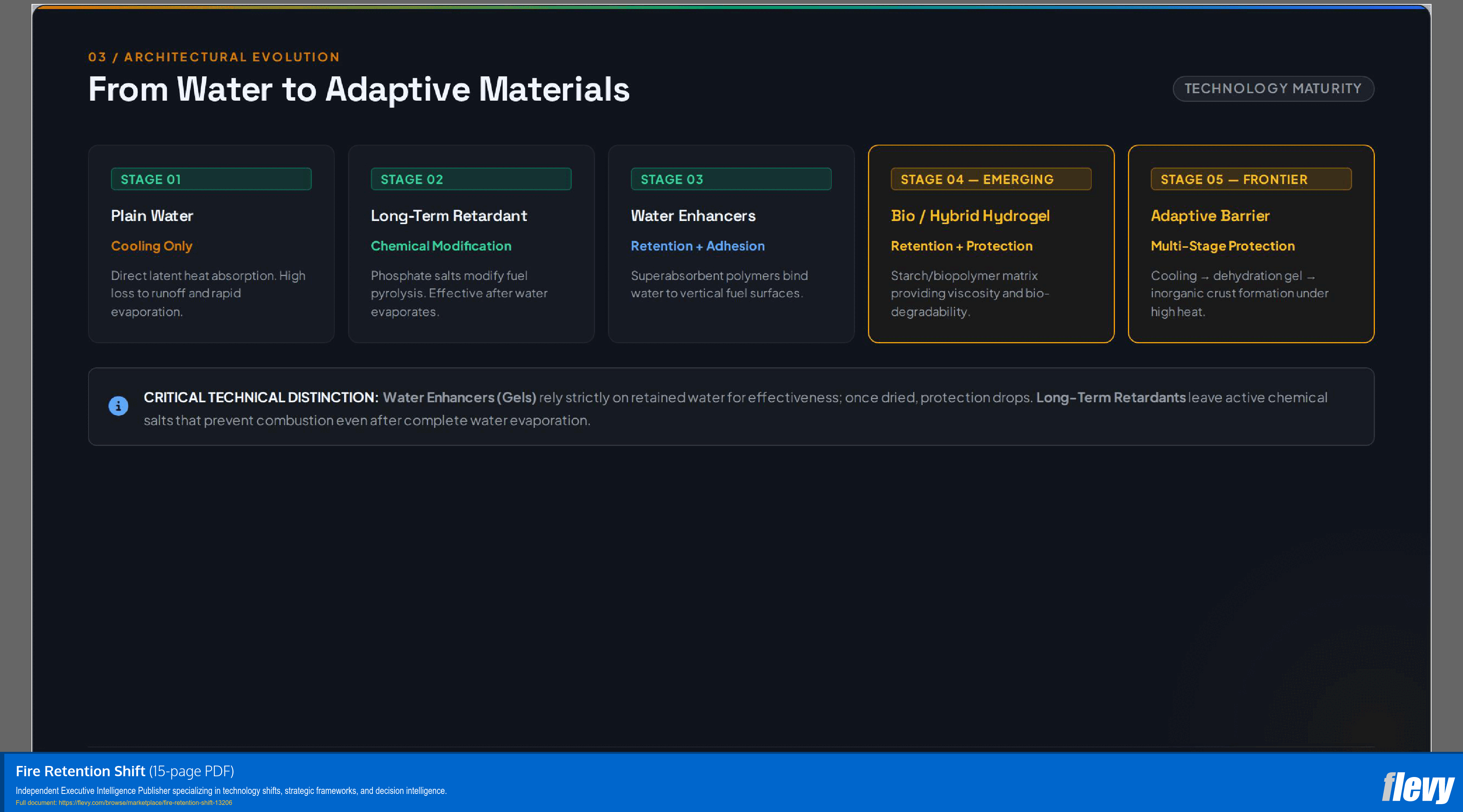
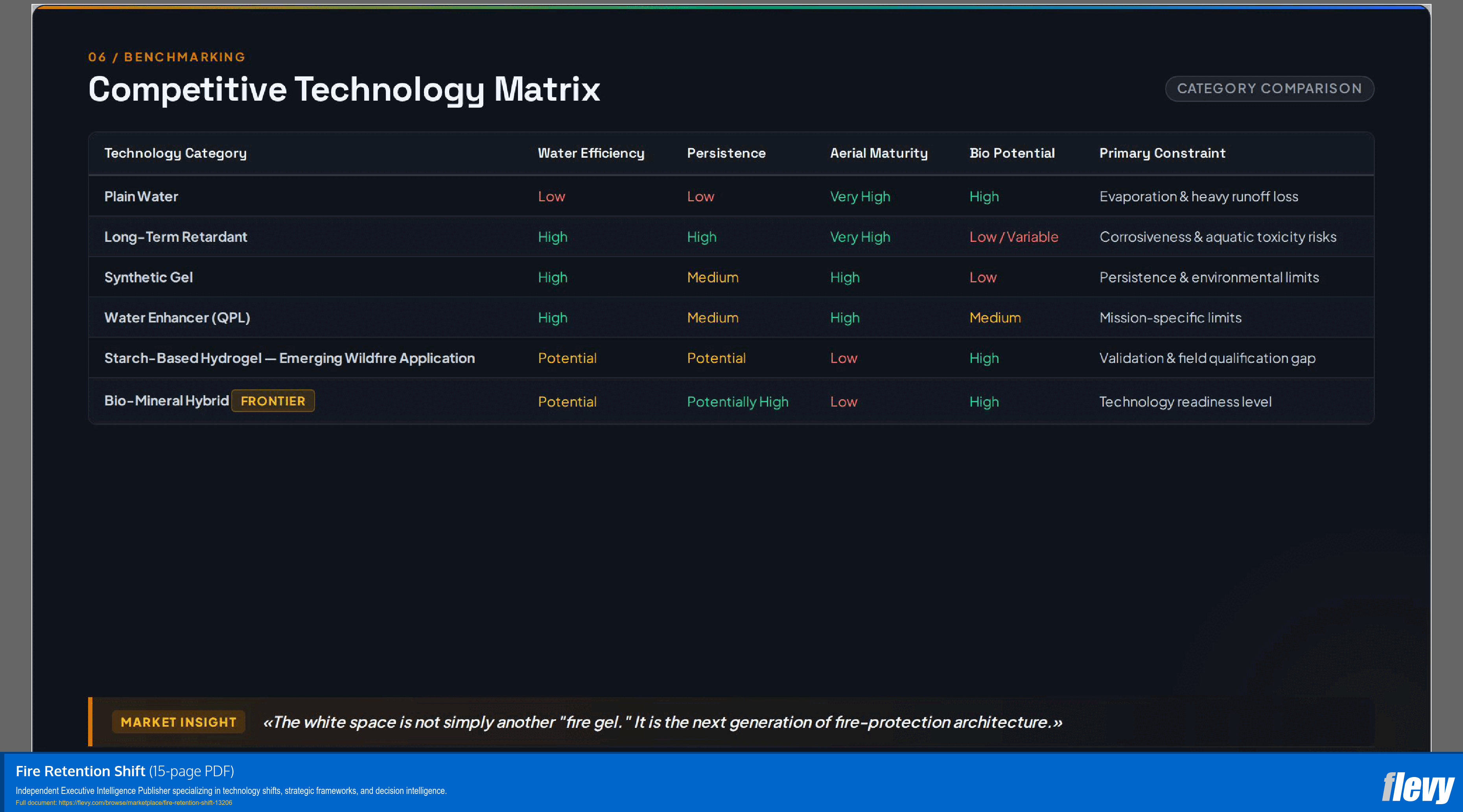
The intelligence is triggered by Indonesia's emerging "ubi bombing" initiative, in which cassava-based material has entered a national research and testing discussion for forest and land fire response. Rather than treating the Indonesian concept as a proven solution, this playbook places it within the broader global technology landscape of water enhancers, gels, hydrogels, long-term retardants, and emerging bio-based fire-protection systems.
The central question is strategic: can engineered materials make water stay longer, spread more effectively, interact more efficiently with fuels, and potentially provide more persistent thermal protection?
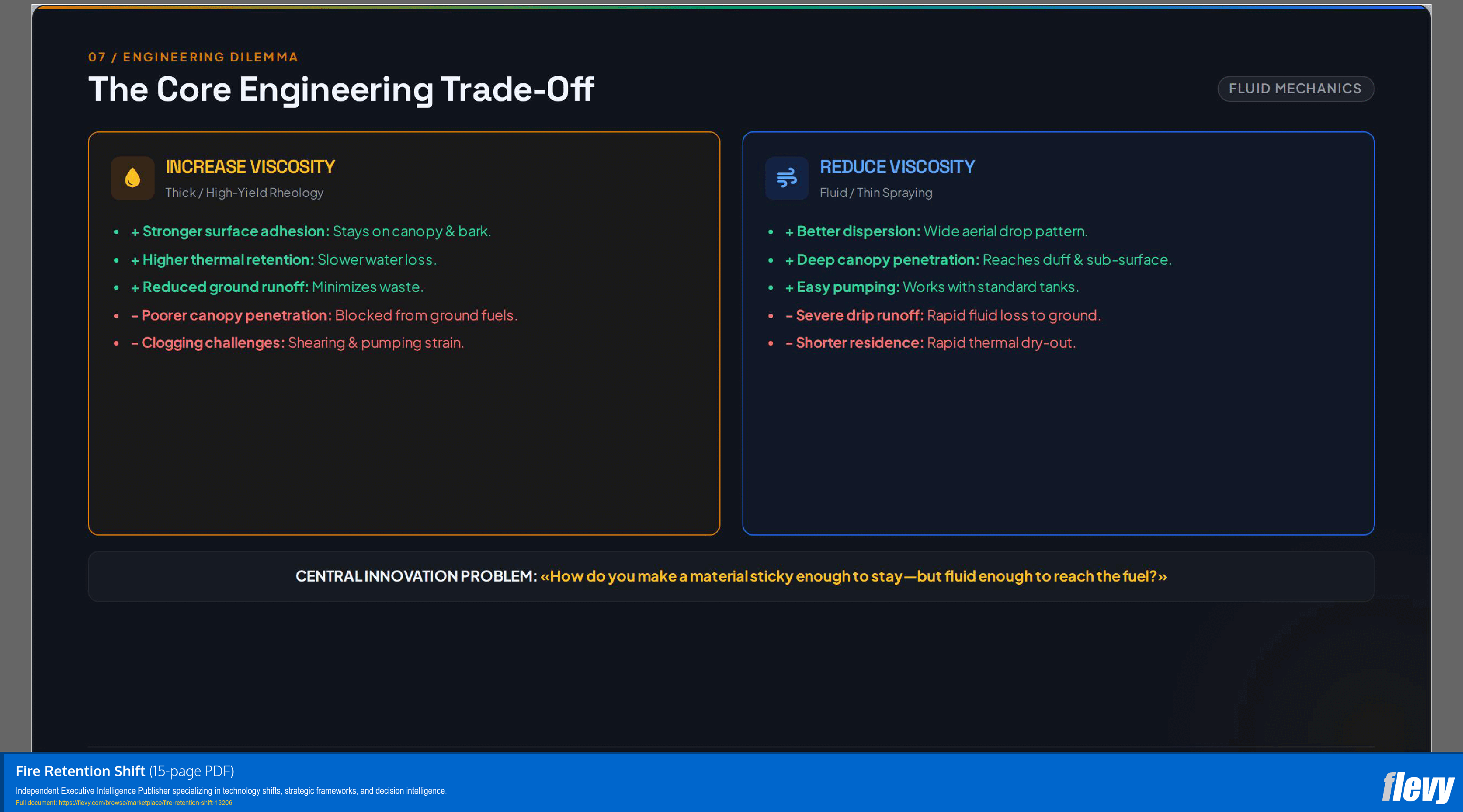
The playbook separates established operational technologies from emerging material concepts and unvalidated claims. It examines the critical engineering trade-off between retention and penetration, showing why increasing viscosity may improve adhesion and residence time while creating challenges for dispersion, canopy penetration, mixing, pumping, and aerial delivery.
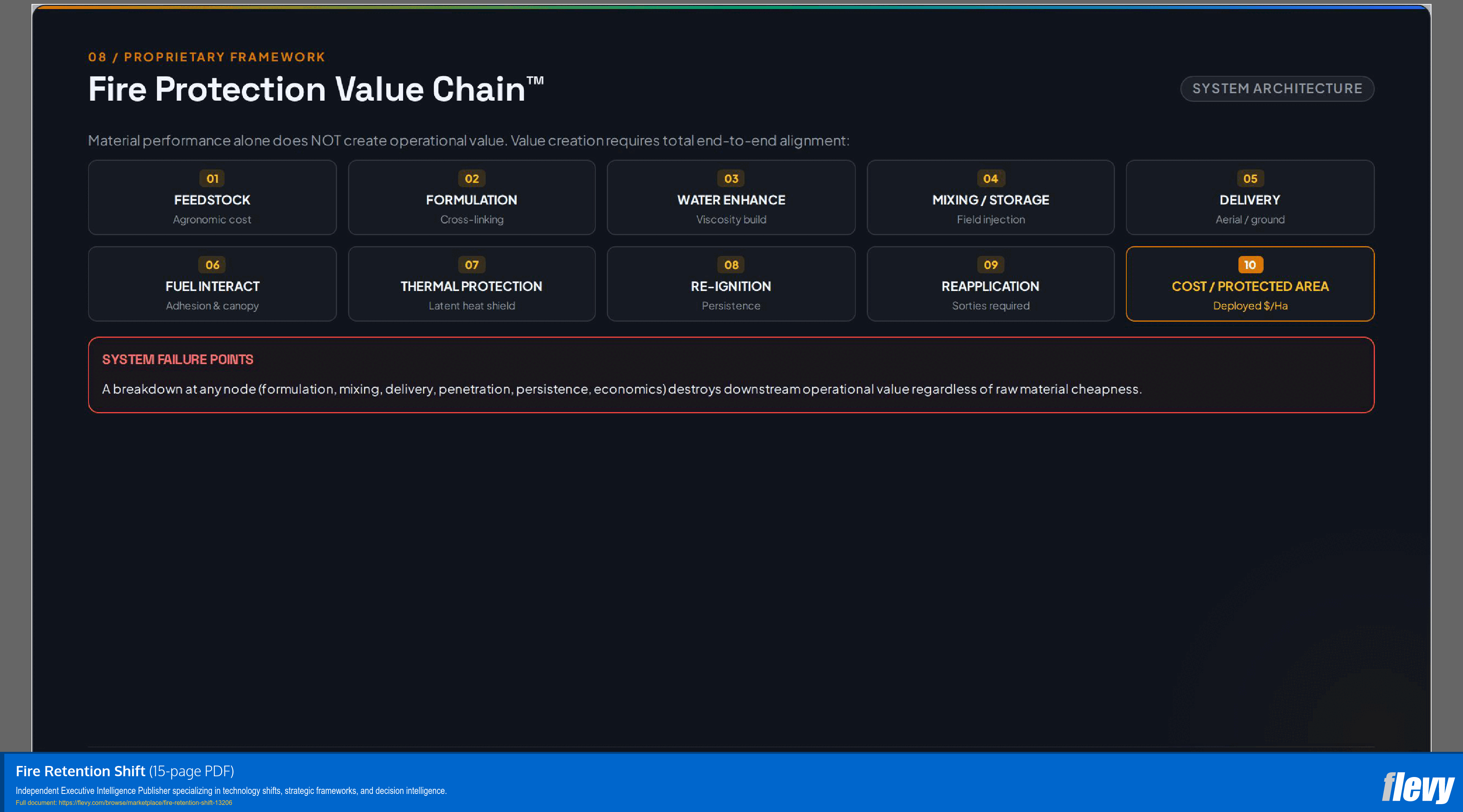
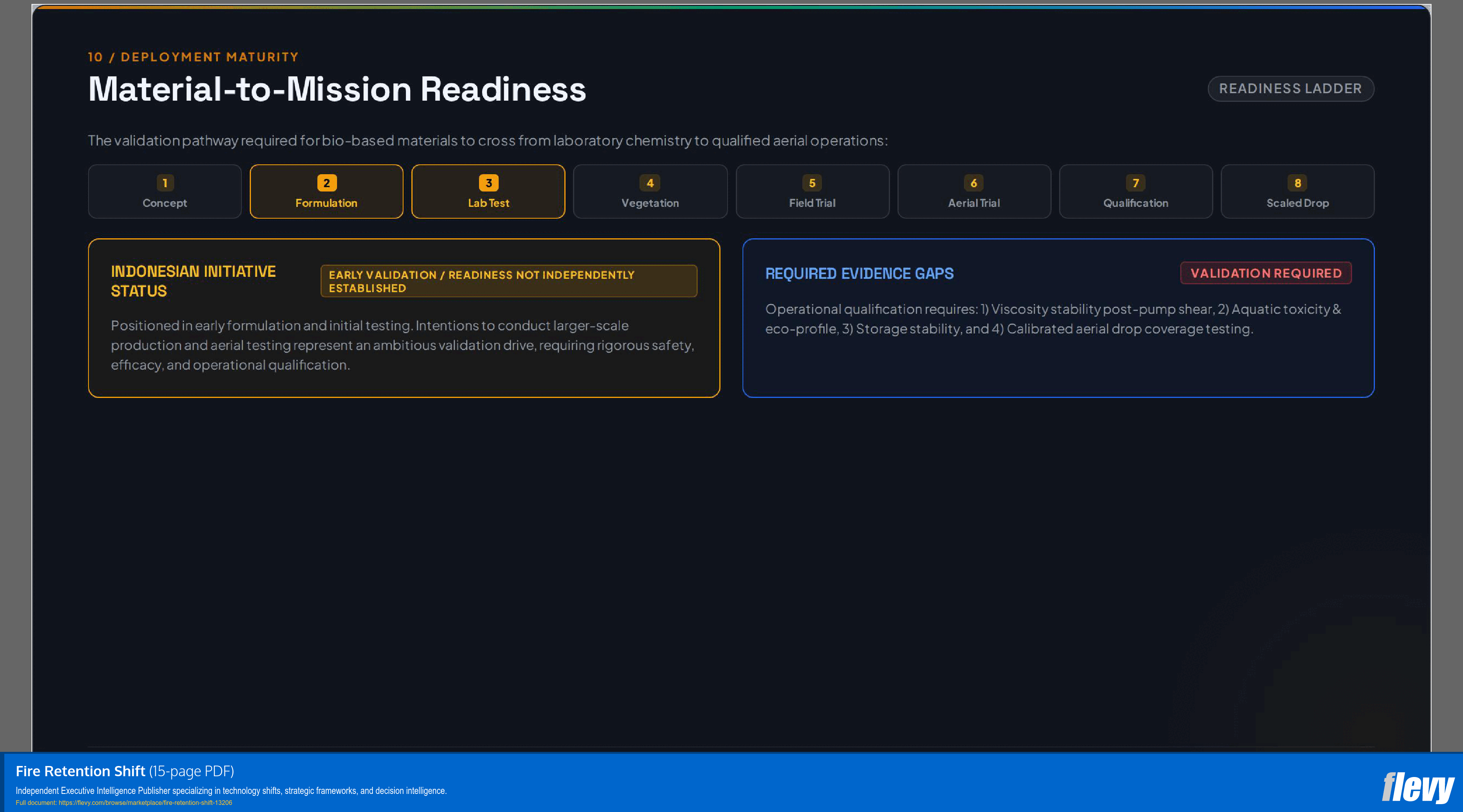
It introduces four decision-oriented frameworks. The Fire Protection Value Chain™ maps the pathway from feedstock and formulation through mixing, delivery, fuel interaction, thermal protection, re-ignition control, reapplication, and economics. Cost per Effective Protected Hectare™ provides a proposed evaluation metric for comparing material economics against validated field performance. The Material-to-Mission Readiness framework maps the progression from formulation and laboratory testing toward field trials, aerial testing, qualification, and scaled deployment. The Bio-Retardant Opportunity Map™ provides a structured basis for deciding whether to invest, partner, license, pilot, wait, or avoid an emerging technology.
The intelligence is particularly relevant to organizations evaluating wildfire technology, emergency response systems, specialty materials, bio-based formulations, industrial resilience, and climate-adaptation opportunities. It also highlights the strategic distinction between a feedstock advantage and a technology moat: cassava may offer an abundant biological input, but meaningful defensibility must ultimately come from formulation, delivery architecture, intellectual property, validated performance, operational qualification, and economics.
The result is not a prediction that cassava will replace conventional wildfire retardants. It is a decision framework for understanding where next-generation fire-protection technologies may create value, what evidence is still missing, and which technology architectures deserve further investment, partnership, licensing, piloting, monitoring, or avoidance.
Got a question about the product? Email us at support@flevy.com or ask the author directly by using the "Ask the Author a Question" form. If you cannot view the preview above this document description, go here to view the large preview instead.
Source: Fire Retention Shift PDF (PDF) Document, Wisnu Pandega Wardana
ABOUT THE AUTHOR

I am an independent Industrial Intelligence and Strategic Innovation Publisher focused on developing structured business intelligence, innovation frameworks, and opportunity-oriented research for decision-makers.
My work focuses on translating emerging technologies, industrial transformation, sustainability, resource efficiency, and market shifts into structured intelligence assets that
... [read more]
Ask the Author a Question
You must be logged in to contact the author.




























