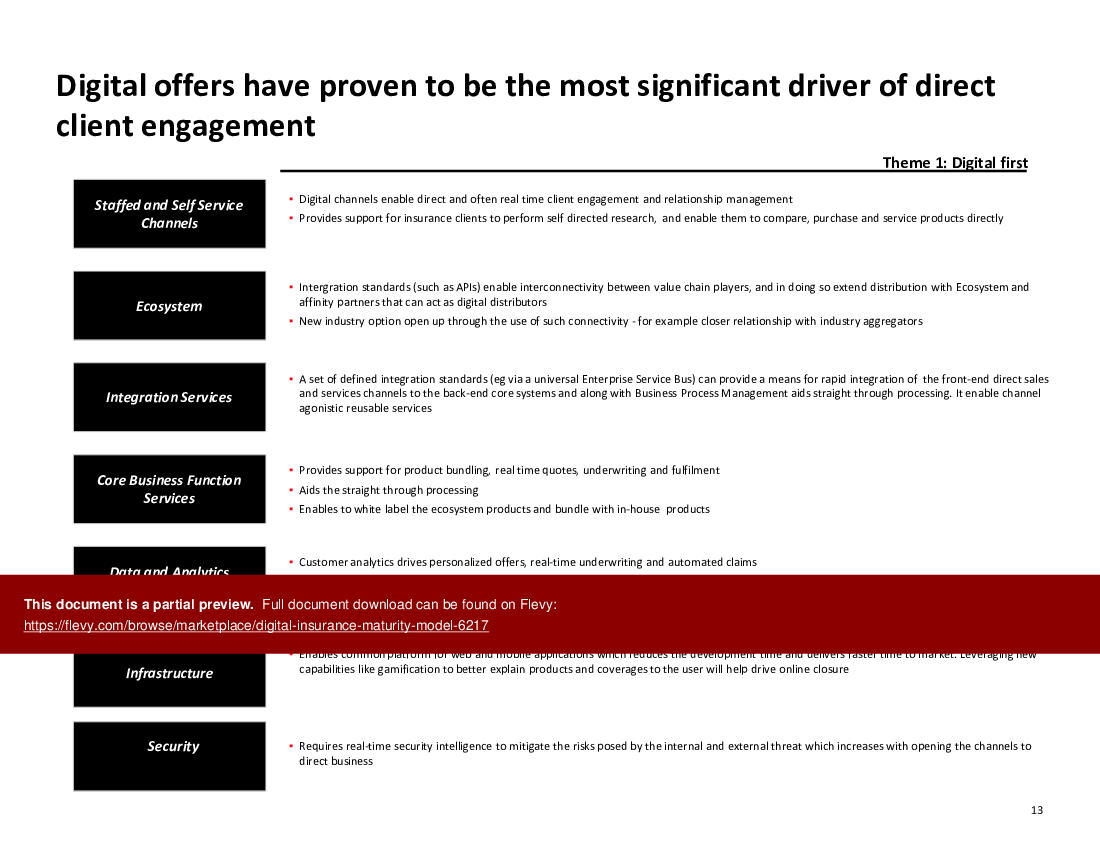
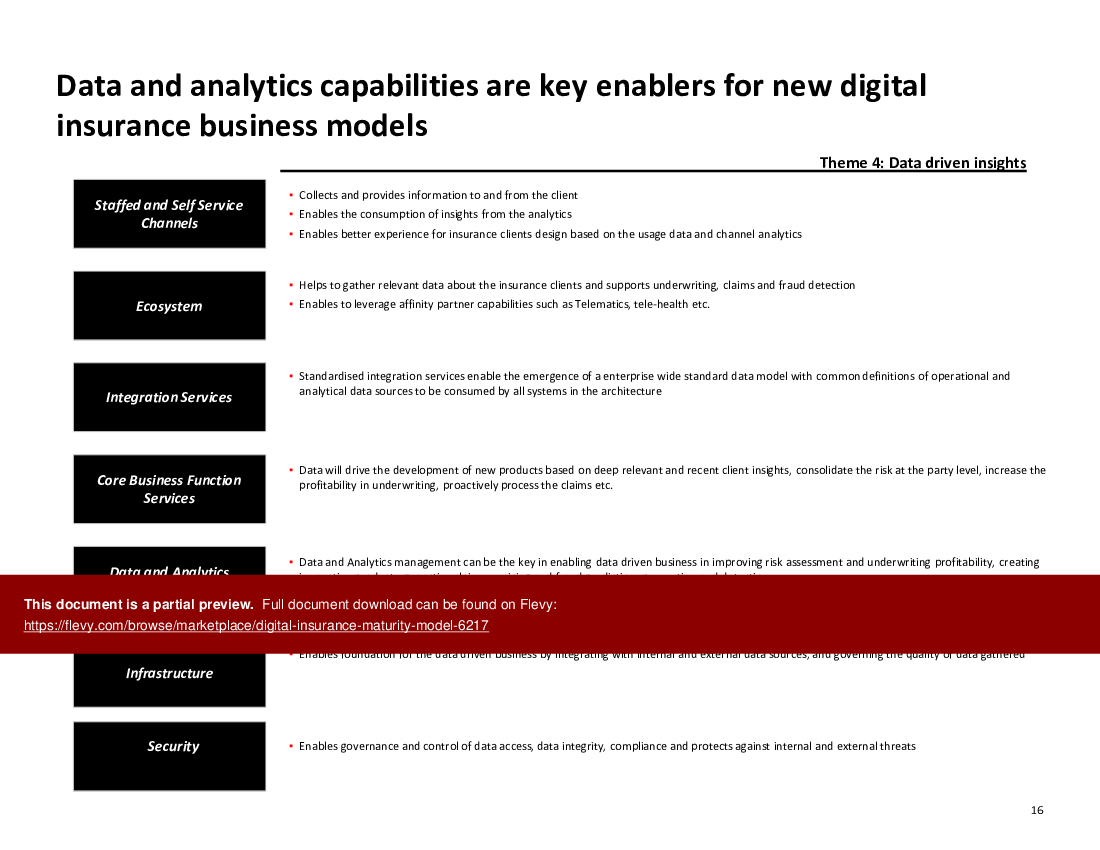
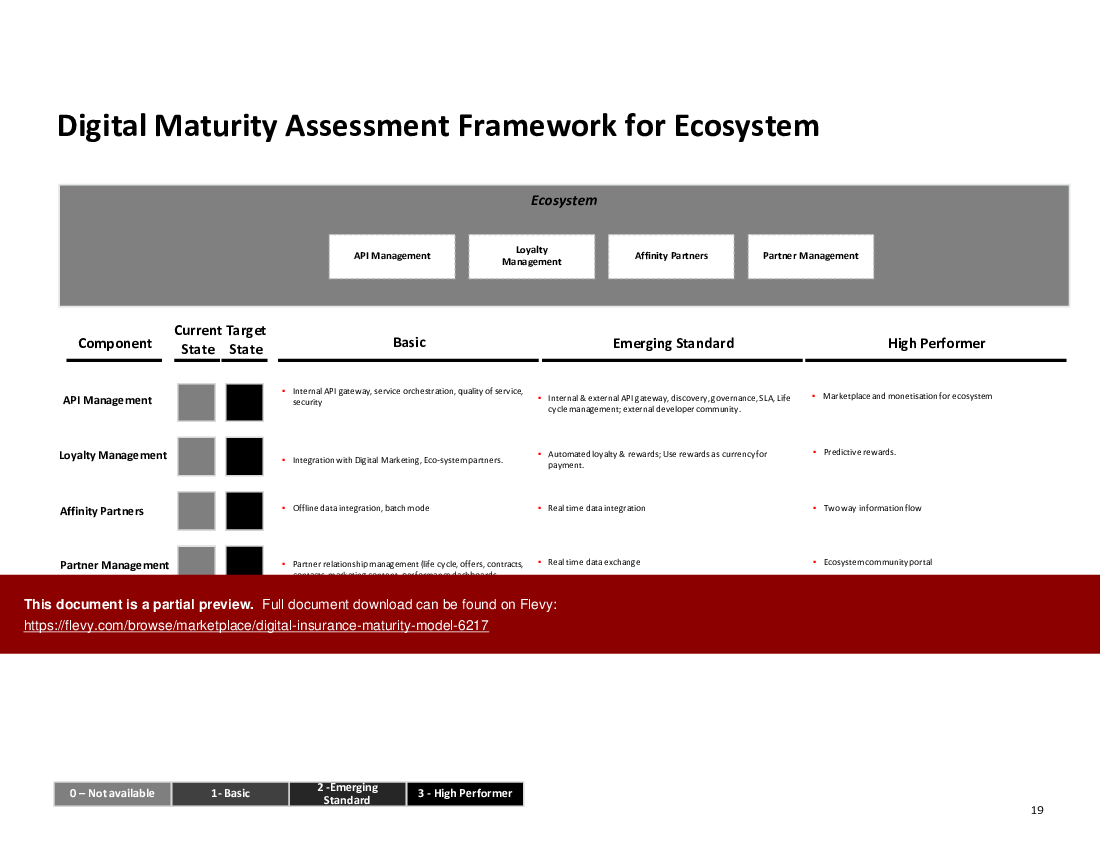
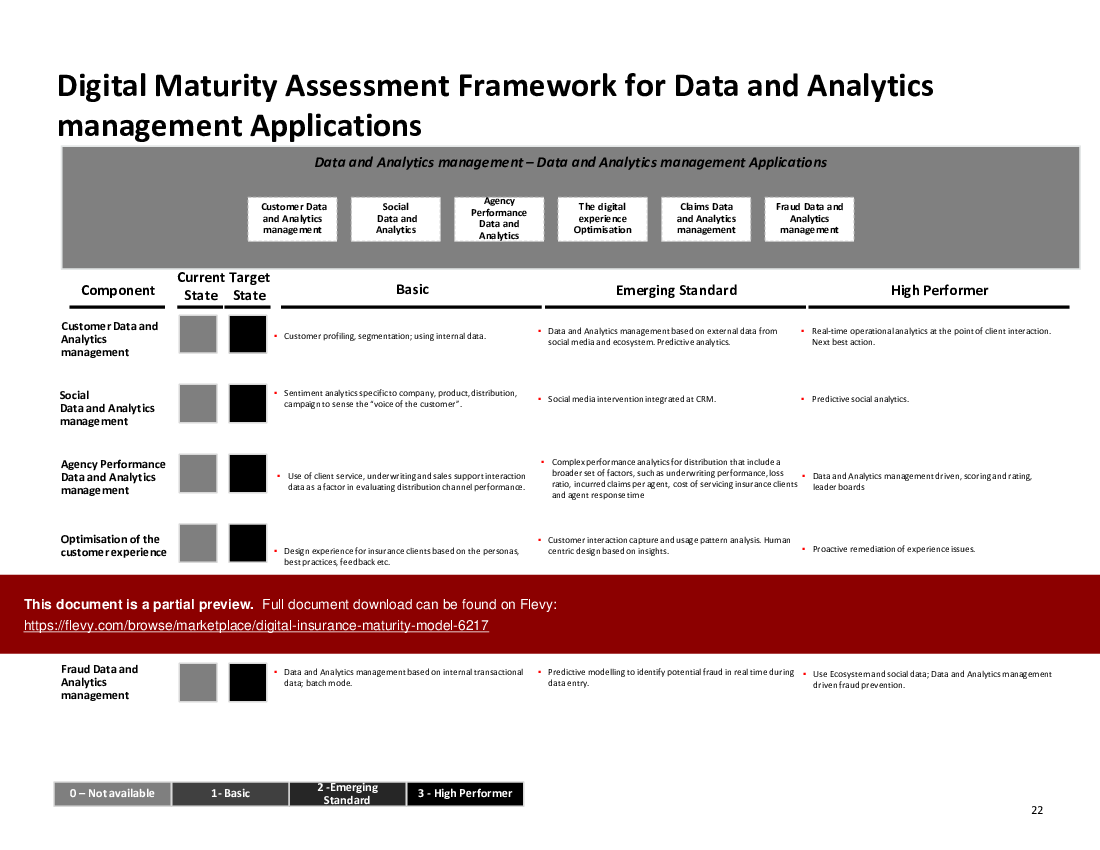
This deck provides an outline for
1. The strategic necessity facing Insurers in embracing digital
2. The major technology and architectural components needed to be in place to be truly digital
3. Exploration of stages of excellence for insurers against each of these seven components, what lagging and leading plays are doing in each of these domains in order to build the capabilities needed for a digital insurance business
The deck provides a frame for these considerations in a clear and concise manner that can easily be used with clients to determine where they are today and where they need to get to in order to bring their digital strategy to life.
As each of the seven layers on the architecture are explored, the components that make these layers up are explained and a spectrum of best practice is provided for each in turn.
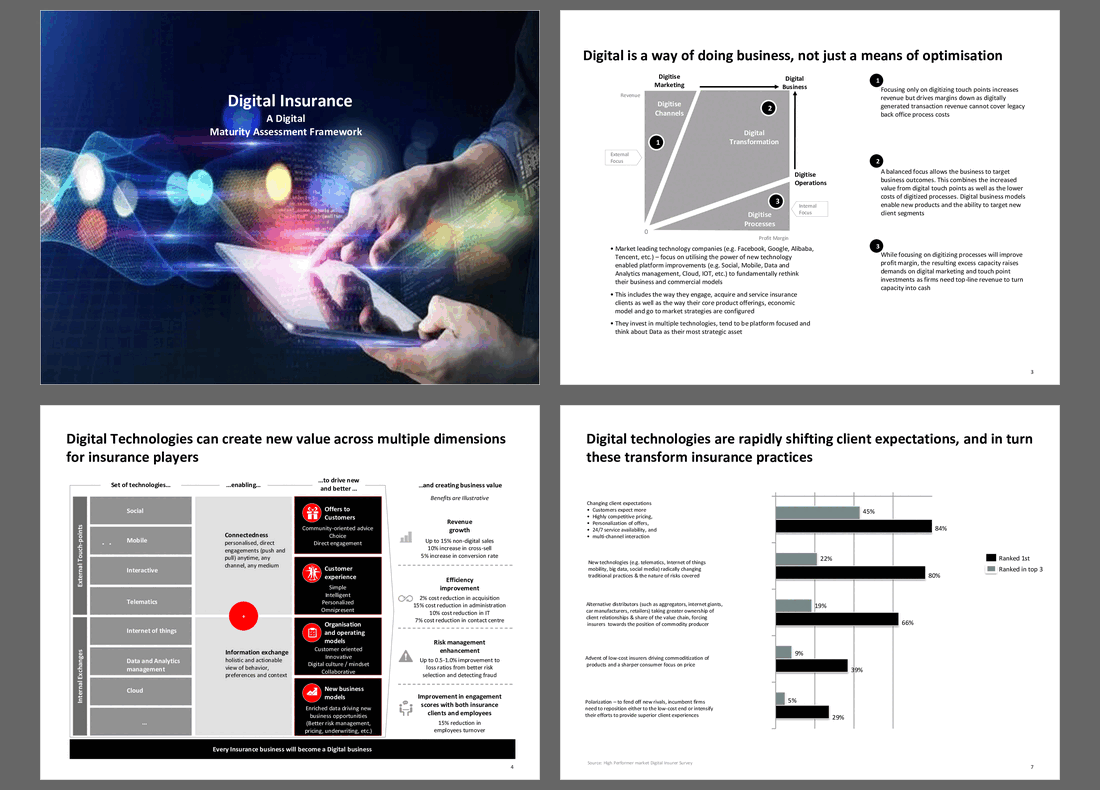
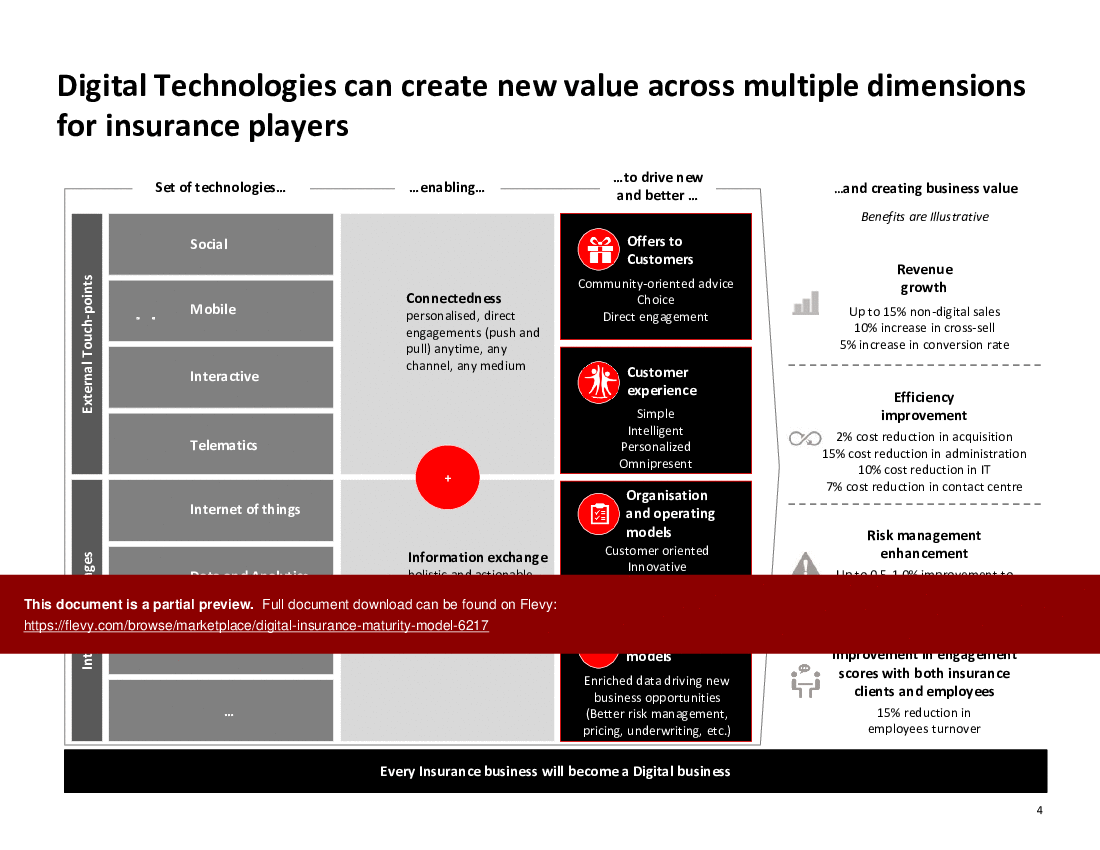
The PPT delves into how digital technologies can drive new value for insurance players by enhancing connectedness, information exchange, and operational models. It outlines the benefits of leveraging technologies like social, mobile, telematics, and IoT to improve offers to customers, customer experience, and organizational efficiency. The deck also highlights the potential for revenue growth, efficiency improvements, and risk management enhancements.
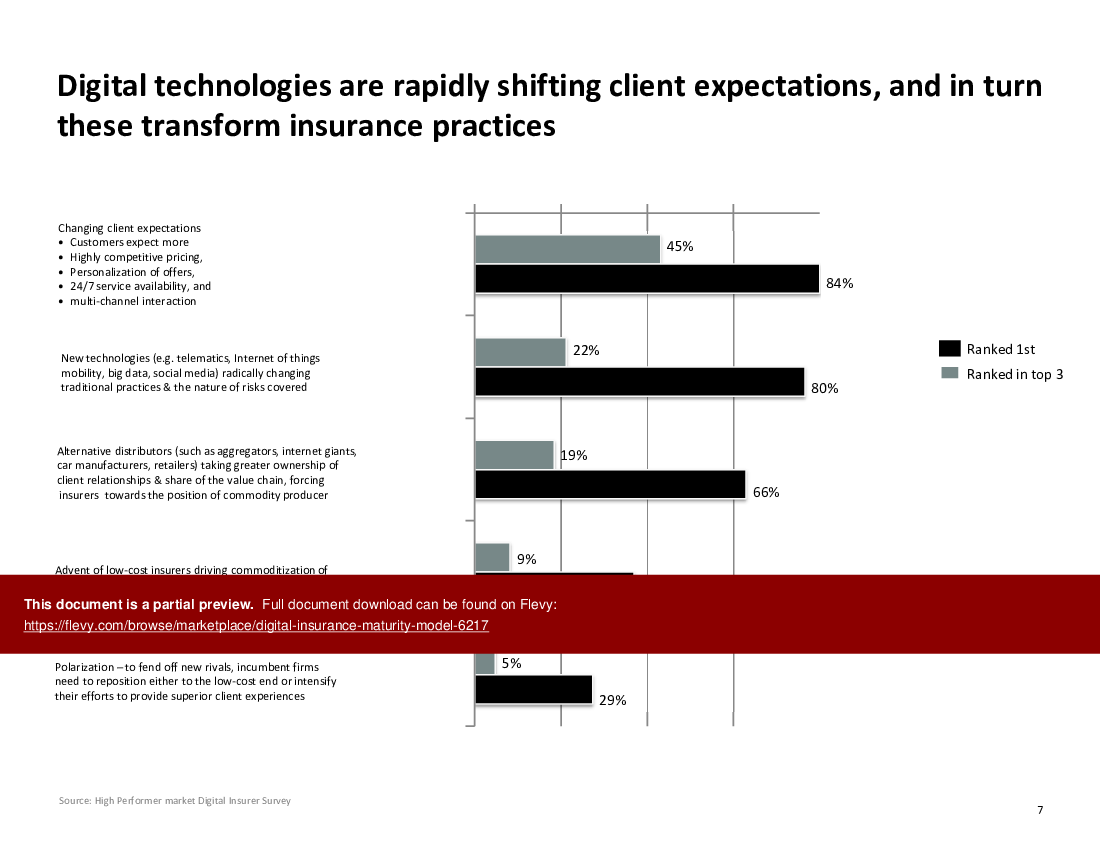
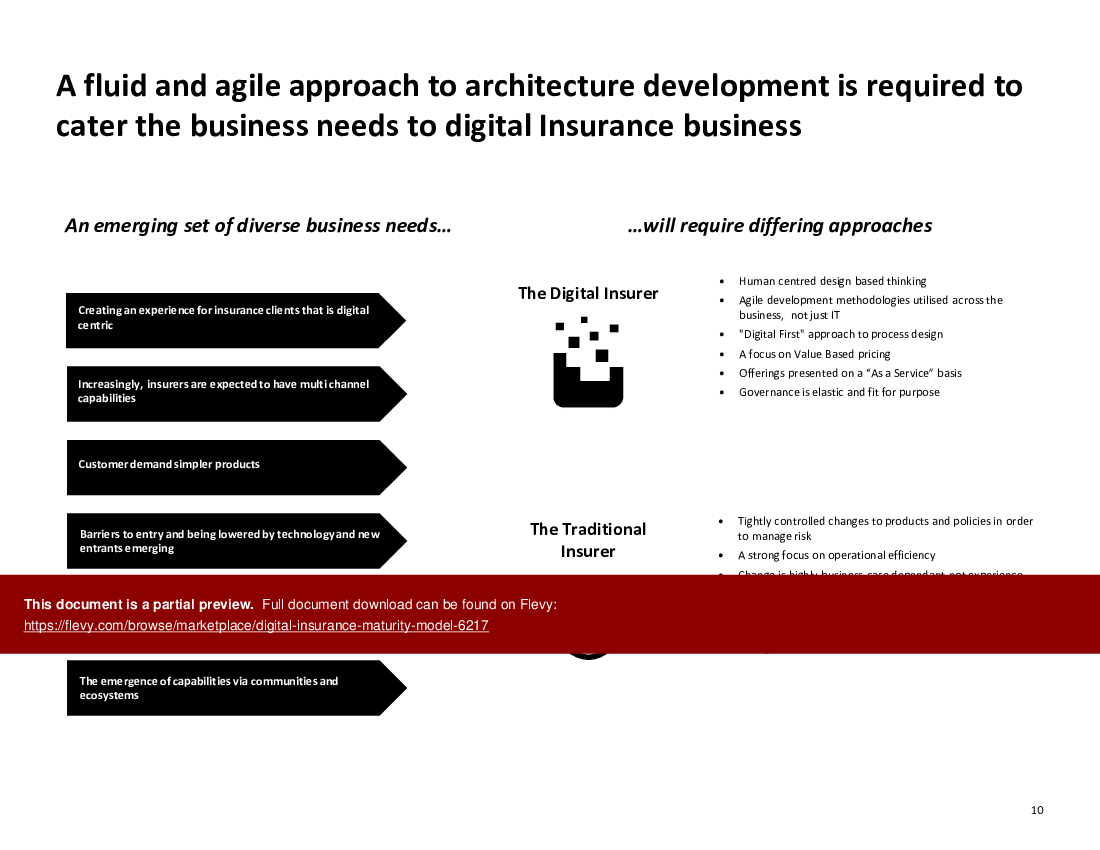
Digital technologies are reshaping client expectations and insurance practices. The document discusses the impact of changing client expectations, new technologies, and alternative distributors on the insurance landscape. It emphasizes the need for insurers to adopt a fluid and agile approach to architecture development to meet diverse business needs. The deck provides a comprehensive framework for assessing digital maturity across various components, including ecosystem, data and analytics, and security.
Got a question about the product? Email us at support@flevy.com or ask the author directly by using the "Ask the Author a Question" form. If you cannot view the preview above this document description, go here to view the large preview instead.
Executive Summary
The Digital Insurance Maturity Model presentation provides a structured framework for assessing the digital readiness of insurance firms. This consulting-grade template, akin to McKinsey, Bain, or BCG-quality, outlines clear stages of digital maturity, emphasizing the integration of advanced technologies such as AI, cloud computing, and data analytics. Buyers will gain insights into how to evaluate their current digital capabilities, identify gaps, and develop actionable strategies to enhance their digital transformation efforts. This framework is essential for executives aiming to navigate the evolving insurance landscape and meet changing client expectations.
Who This Is For and When to Use
• Insurance executives seeking to drive digital transformation within their organizations
• Digital strategy leaders responsible for assessing and enhancing digital capabilities
• IT and operations teams tasked with implementing new technologies and processes
• Business analysts focused on evaluating current digital maturity and identifying improvement areas
Best-fit moments to use this deck:
• During strategic planning sessions to assess digital readiness and set transformation goals
• When evaluating technology investments and their alignment with business objectives
• In workshops aimed at fostering a digital-first culture across the organization
Learning Objectives
• Define the stages of digital maturity specific to the insurance sector
• Identify key digital capabilities and their impact on business performance
• Develop a roadmap for enhancing digital readiness and operational efficiency
• Establish metrics for measuring digital transformation success
• Analyze the role of emerging technologies in reshaping insurance business models
• Create strategies for improving customer engagement through digital channels
Table of Contents
• Digital Insurance Overview (page 2)
• Demand and Supply Background (page 3)
• Digital Capabilities and Architecture (page 10)
• Digital Maturity Assessment Framework (stages of excellence) (page 18)
Primary Topics Covered
• Digital Transformation - The shift from traditional operations to a digitally-driven business model that enhances customer engagement and operational efficiency.
• Digital Maturity Assessment Framework - A structured approach to evaluate the current state of digital capabilities and identify areas for improvement across various dimensions.
• Client Expectations - Insights into how digital technologies are reshaping customer demands and expectations in the insurance industry.
• Legacy Systems - Challenges posed by outdated systems that inhibit effective digital transformation and data utilization.
• Emerging Technologies - The role of AI, cloud computing, and data analytics in driving innovation and efficiency in insurance operations.
• Operational Efficiency - Strategies for leveraging digital tools to streamline processes and reduce costs while enhancing service delivery.
Deliverables, Templates, and Tools
• Digital Maturity Assessment Framework template for evaluating current digital capabilities
• Roadmap template for planning digital transformation initiatives
• Metrics dashboard for tracking progress in digital readiness
• Best practices guide for implementing emerging technologies in insurance operations
• Customer engagement strategy framework focused on digital channels
• Workshop materials for fostering a digital-first mindset within teams
Slide Highlights
• Overview of the Digital Maturity Assessment Framework, illustrating stages of excellence
• Insights on the impact of digital transformation on client expectations and operational practices
• Analysis of the barriers to digital strategy realization, emphasizing legacy systems
• Visual representation of the architectural layers necessary for a successful digital insurance strategy
• Key statistics from industry surveys highlighting the urgency of digital transformation in insurance
Potential Workshop Agenda
Digital Maturity Assessment Overview (60 minutes)
• Introduce the Digital Maturity Assessment Framework and its importance
• Discuss current trends and challenges in the insurance industry
• Review case studies of successful digital transformations
Strategic Planning Session (90 minutes)
• Break down the key components of the framework
• Identify current digital capabilities and gaps within the organization
• Develop actionable next steps for enhancing digital maturity
Customization Guidance
• Tailor the assessment framework to reflect specific organizational goals and challenges
• Adjust metrics and KPIs to align with the company’s strategic objectives
• Incorporate industry-specific examples and case studies to enhance relevance
Secondary Topics Covered
• The role of data analytics in improving underwriting and claims processes
• Strategies for enhancing customer experience through digital channels
• Best practices for integrating new technologies with existing systems
• Insights into competitive pressures from online service providers and aggregators
• Governance structures necessary for effective digital transformation
FAQ
What is the Digital Maturity Assessment Framework?
The framework is a structured approach for evaluating the digital readiness of insurance firms, identifying strengths and weaknesses across various dimensions of digital capabilities.
How can this framework help my organization?
It provides a clear roadmap for enhancing digital maturity, enabling firms to align their strategies with evolving client expectations and industry trends.
What are the key components of digital maturity?
Key components include customer engagement, operational efficiency, technology integration, and data analytics capabilities.
How do legacy systems impact digital transformation?
Legacy systems can inhibit data flow and integration, making it challenging for organizations to adopt new technologies and meet client demands effectively.
What technologies should we focus on for digital transformation?
Focus on AI, cloud computing, data analytics, and customer engagement platforms to drive innovation and efficiency.
How can we measure the success of our digital transformation efforts?
Establish clear metrics and KPIs related to customer engagement, operational efficiency, and technology adoption to track progress.
What challenges might we face during digital transformation?
Common challenges include resistance to change, lack of investment, and the complexity of integrating new technologies with existing systems.
How can we foster a digital-first culture within our organization?
Encourage collaboration, provide training on new technologies, and promote a mindset focused on innovation and customer-centricity.
Glossary
• Digital Transformation - The process of integrating digital technologies into all areas of a business, fundamentally changing how it operates and delivers value to customers.
• Digital Maturity - The level of an organization’s digital capabilities and its ability to leverage technology for business outcomes.
• Legacy Systems - Outdated computer systems or applications that may hinder an organization’s ability to adopt new technologies.
• Customer Engagement - The interaction between a company and its customers, aimed at fostering loyalty and satisfaction.
• Data Analytics - The process of examining data sets to draw conclusions about the information they contain, often used for decision-making.
• Operational Efficiency - The ability of an organization to deliver products or services in the most cost-effective manner without compromising quality.
• AI (Artificial Intelligence) - Technology that simulates human intelligence processes, such as learning and problem-solving.
• Cloud Computing - The delivery of computing services over the internet, allowing for flexible resources and faster innovation.
• Customer Experience - The overall perception of a customer’s interactions with a brand, influenced by various touchpoints.
• Ecosystem - A network of interconnected entities, including partners and technology providers, that collaborate to deliver value.
• Omni-channel - A multi-channel approach to sales and customer service that provides a seamless experience across all platforms.
• Business Process Management (BPM) - A discipline that involves the modeling, analysis, and optimization of business processes.
• Telematics - The integration of telecommunications and monitoring systems, often used in vehicles to collect data for insurance purposes.
• Fraud Detection - The process of identifying and preventing fraudulent activities within insurance claims and underwriting.
• API (Application Programming Interface) - A set of protocols for building and interacting with software applications, enabling integration between systems.
• Digital Marketing - The promotion of products or services using digital channels to reach consumers effectively.
• Real-Time Analytics - The use of data and analytics to provide immediate insights and responses to business operations.
• Customer Data Management - The process of collecting, analyzing, and utilizing customer data to enhance engagement and service delivery.
• Risk Management - The identification, assessment, and prioritization of risks followed by coordinated efforts to minimize or control their impact.
• Personalization - Tailoring products, services, and communications to meet the specific needs and preferences of individual customers.
Source: Best Practices in Digital Transformation, Insurance, Digital Maturity PowerPoint Slides: Digital Insurance Maturity Model PowerPoint (PPTX) Presentation Slide Deck, Affinity Consulting Partners
This document is available as part of the following discounted bundle(s):

Save %!
Affinity Consulting Bundle - business transformation
This bundle contains 11 total documents. See all the documents to the right.
|
Download our FREE Digital Transformation Templates
Download our free compilation of 50+ Digital Transformation slides and templates. DX concepts covered include Digital Leadership, Digital Maturity, Digital Value Chain, Customer Experience, Customer Journey, RPA, etc. |









